



Naypes Finos made in Belgium
Belgian manufacturers were competing against Spanish makers. Features of the traditional Spanish designs, including many well-known brands, were imitated or plagiarised.
Belgian manufacturers during the 19th century, along with those from USA and France, were competing against Spanish makers in Spanish-speaking markets such as South America. Features of the traditional Spanish designs, including many well-known brands, imagery and logos, were imitated or plagiarised. Often they were anonymous so as to avoid importation duties in the destination country. It is surprising how many of these Belgian-made decks have survived to the present day in unused condition, often complete with their original wrappers. This leads us to suspect that many consignments of packs never reached their intended destinations, either because they were confiscated or withheld in customs warehouses, or were superseded by newer models, or else they were never shipped in the first place. Overproduction may also have been due to optimism and contracts going wrong. However, the large majority of packs, presumably, were sold and played with.
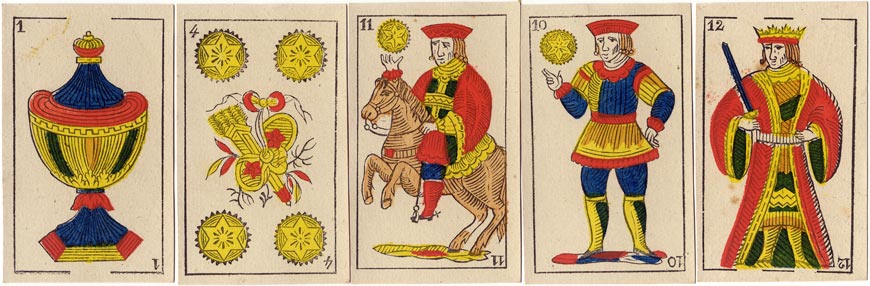
Above: Spanish Catalan-style playing cards made by Mesmaekers, c.1875. Woodblock and stencil printing. The reverse has a purple marbled effect. more →
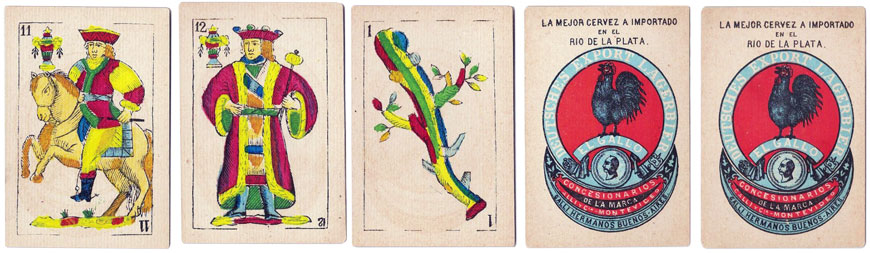
Above: Anonymous Spanish Catalan-style playing cards made for export to the River Plate region, c.1875-85. Woodblock and brightly-coloured stencil printing. The reverse has advertising for Cerveza El Gallo which was exported to Uruguay and Argentina. more →
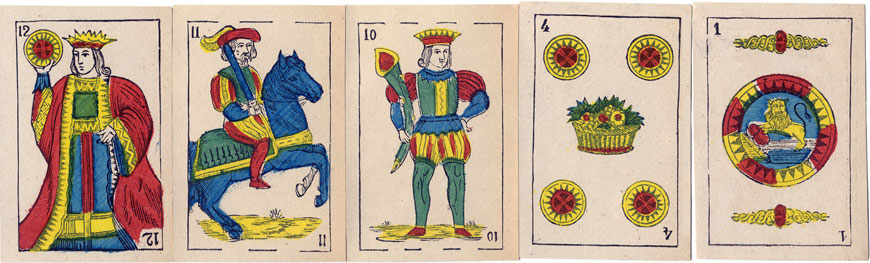
Above: cards from anonymous Spanish-suited pack, made in Belgium c.1875. The cards are of a cheap grade and stencil-coloured. The lion motif on the ace of coins is a common feature on Spanish packs from this era. Also the basket of flowers is often seen on Belgian-made Spanish-suited cards. more →
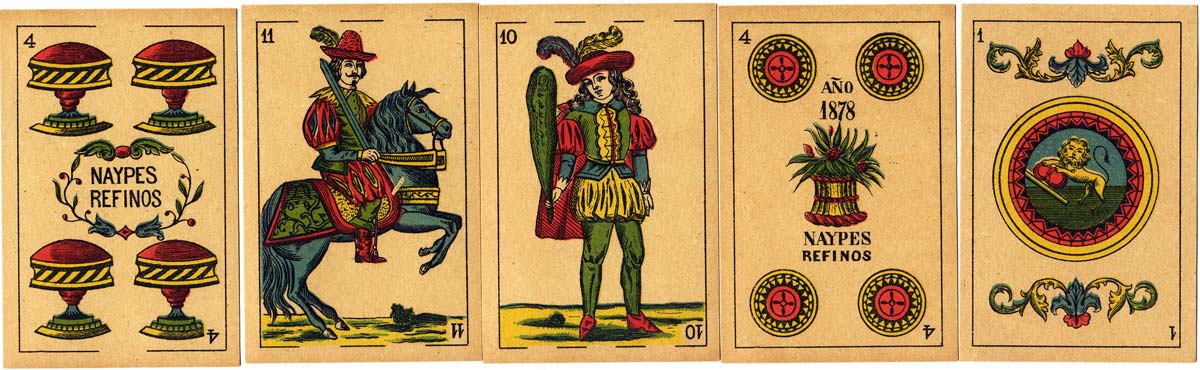
Above: cards from "A Todos Alumbra" Spanish-suited pack, made in Belgium by Léonard Biermans c.1880. more →
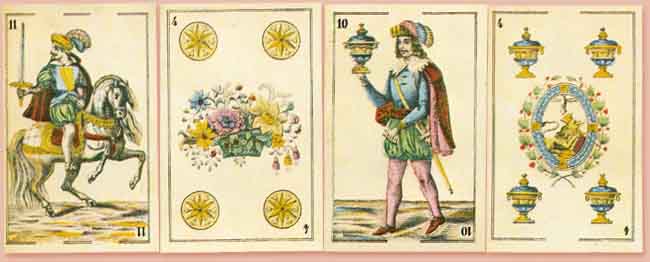
Above: 4 cards from a Spanish style pack made by Antoon Van Genechten, Turnhout, 1877. The attentive Belgian manufacturers exported large quantities of cards to Spain and South America. Van Genechten, for example, was producing 'Cartes Espagnoles' in packs of 40 or 48 cards, in various grades, since the 1850s and in c.1860 made a special pack for Escalada y Vidiella of Montevideo (Uruguay).
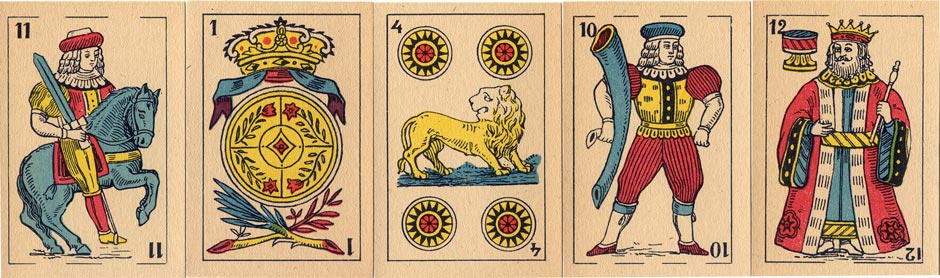
Above: cards from a Spanish style pack made by Van Genechten, Turnhout, c.1920. more →
Imitation Spanish packs are also known from El Salvador.

By Simon Wintle
Spain • Member since February 01, 1996
I am the founder of The World of Playing Cards (est. 1996), a website dedicated to the history, artistry and cultural significance of playing cards and tarot. Over the years I have researched various areas of the subject, acquired and traded collections and contributed as a committee member of the IPCS and graphics editor of The Playing-Card journal. Having lived in Chile, England, Wales, and now Spain, these experiences have shaped my work and passion for playing cards. Amongst my achievements is producing a limited-edition replica of a 17th-century English pack using woodblocks and stencils—a labour of love. Today, the World of Playing Cards is a global collaborative project, with my son Adam serving as the technical driving force behind its development. His innovative efforts have helped shape the site into the thriving hub it is today. You are warmly invited to become a contributor and share your enthusiasm.

Activity for Naypes Finos made in Belgium
Sign in to comment or save this article.

Related Articles
Cartamundi
Cartamundi is a Belgian playing-card manufacturer formed in 1970 through the consolidation of severa...
Jeu Quatre Empereurs
Brazilian scenic aces with emperors of Brazil, Austria and France and other dignitaries on the court...
Genever Giraf
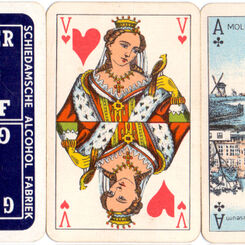
Dutch pattern advertising deck for Genever Giraf made by Van Genechten in the 1950s.

Domino Cards, c.1890
Domino Cards by Mesmaekers Frères, c.1890
Anon Spanish Cards c.1875
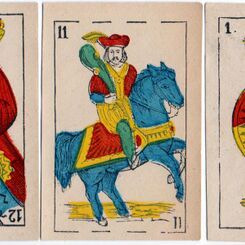
Spanish-suited playing cards made in Belgium by Mesmaekers Frères, c.1875.
Manuf’d for L.N. Mann
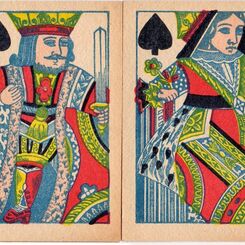
Standard English pattern manuf’d for L.N. Mann by Van Genechten, c.1890.

West Flanders Souvenir
West Flanders Souvenir pack manufactured in Belgium by Mesmaekers, c.1950.
Chi Chi Pai
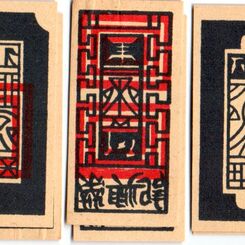
Chinese “Chi Chi Pai” Playing Cards by Mesmaekers Frères for Far East market.
Van Genechten
A. Van Genechten ran a flourishing business, supplying various kinds of cards both inside the countr...
Standard Genoese
Van Genechten manufactured playing cards in various styles, including specially customised versions ...

Mesmaekers & Moentack, c.1860
The Mesmaekers firm had been established in Turnhout in 1859 by the partnership of Gustaaf Mesmaeker...
Léonard Biermans, Turnhout
Léonard Biermans had been employed by Brepols from 1871-1874 before opening his own playing card fac...

A Todos Alumbra
40-card “A Todos Alumbra - Naypes Refinos” pack manufactured by Léonard Biermans, Turnhout.
Mesmaekers Spanish Pack, c.1875
Mesmaekers Spanish Pack for export to Spanish colonies and South American countries, c.1875
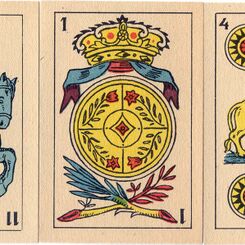
Spanish Cards c.1920
Spanish-suited Playing Cards manufactured by Van Genechten, c.1920.
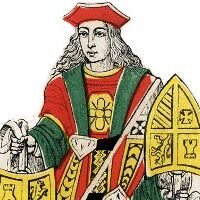
Genoese pattern
The design is purely 'Parisian' but the colouring is green, red, yellow and black. Belgium has taken...
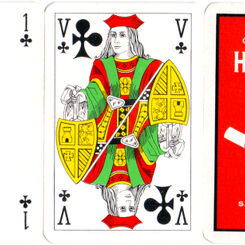
Biermans for the Estanco de Naipes del Peru
Standard Genoese pattern with French indices made by Biermans for Cigarrillo Holiday and the Estanco...
Portuguese Type Cards made in Belgium
Portuguese Type Playing Cards made in Belgium, c.1878.
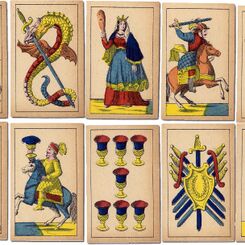
Portuguese Type Playing Cards made in Belgium
Portuguese type pack with ‘dragon’ aces made in Belgium by Mesmaekers Frères, Turnhout, c.1875-1900....
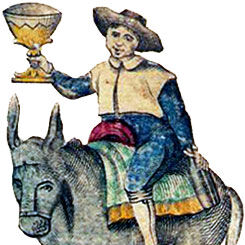
Escalada y Vidiella, Montevideo c.1860
Cards from a 40-card pack made in Belgium by Antoine van Genechten exclusively for the firm "Escalad...
Most Popular
Our top articles from the past 60 days


