


Portuguese Type Cards made in Belgium
Portuguese Type Playing Cards made in Belgium, c.1878.
Later Portuguese Type - made in Belgium for export to Brazil |
||||
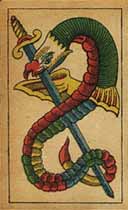 |
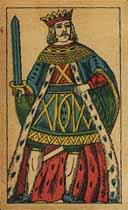 |
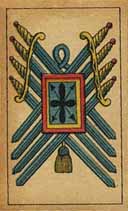 |
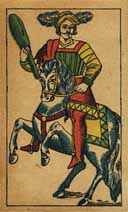 |
 |
 |
 |
 |
 |
 |
 |
 |
 |
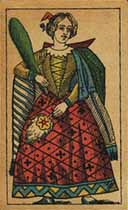 |
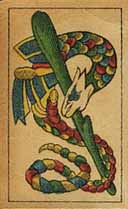 |
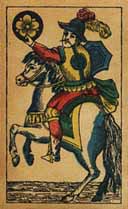
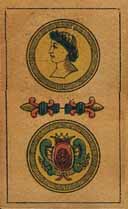
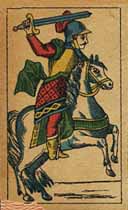
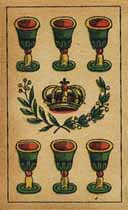
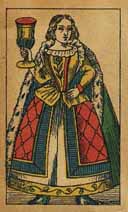
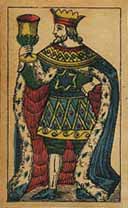
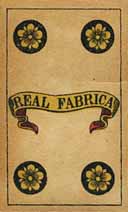
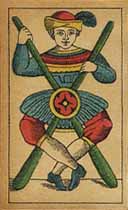
Above: 15 cards from later Portuguese type pack with 'dragon' aces, made in Belgium by Léonard Biermans, Turnhout, c.1878. There is a Brazilian Real Fabrica insignia on the wrapper. 48 cards, size: 81 x 59 mm; lithographed. The dog has disappeared from the Maid of clubs but the Maid of coins holds a small chest as in earlier types. Click here to see more. | ||||
Cartas Portuguezas N°2
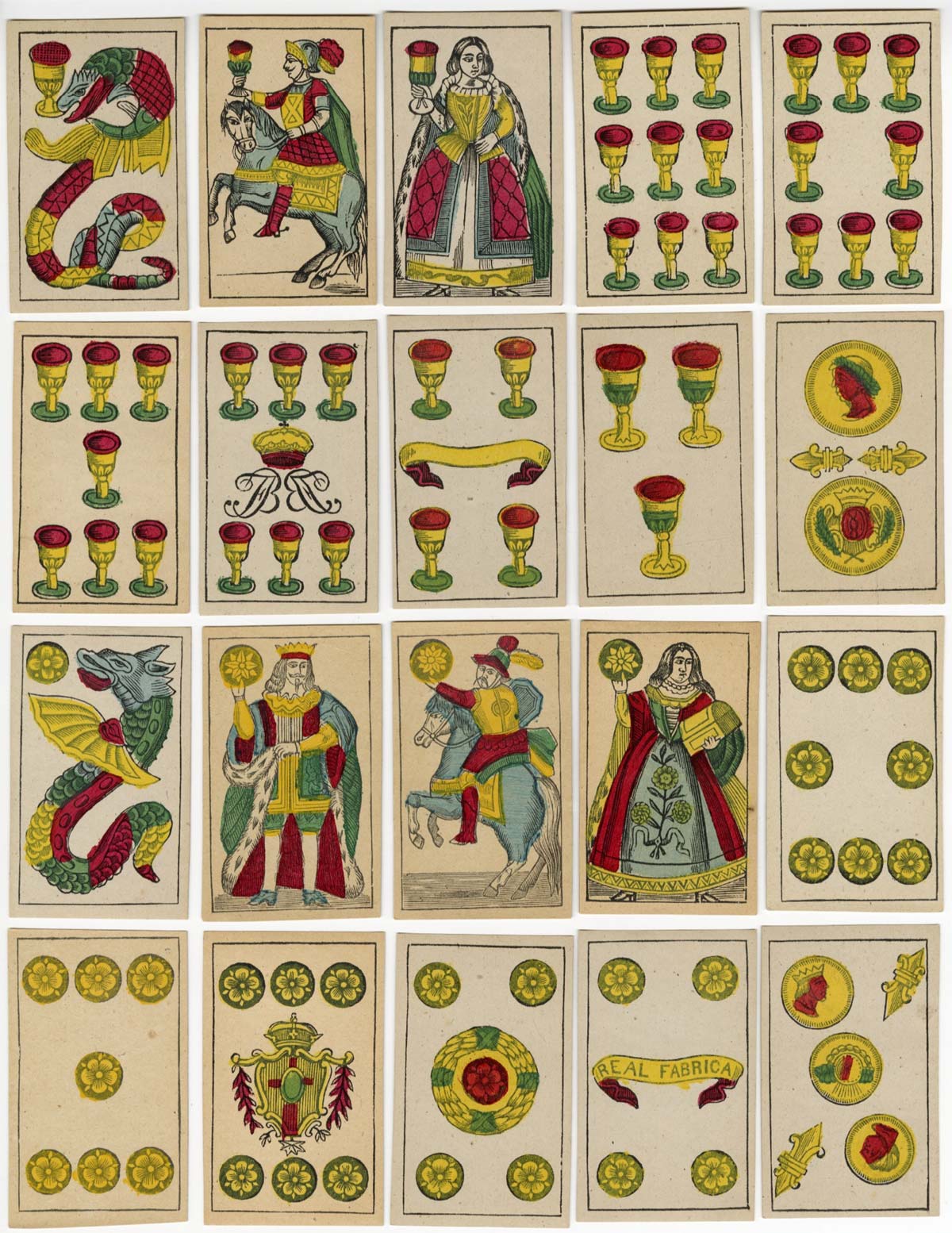
Above: Portuguezas N°2, Léonard Biermans, 1878, National Playing Card Museum, Turnhout.
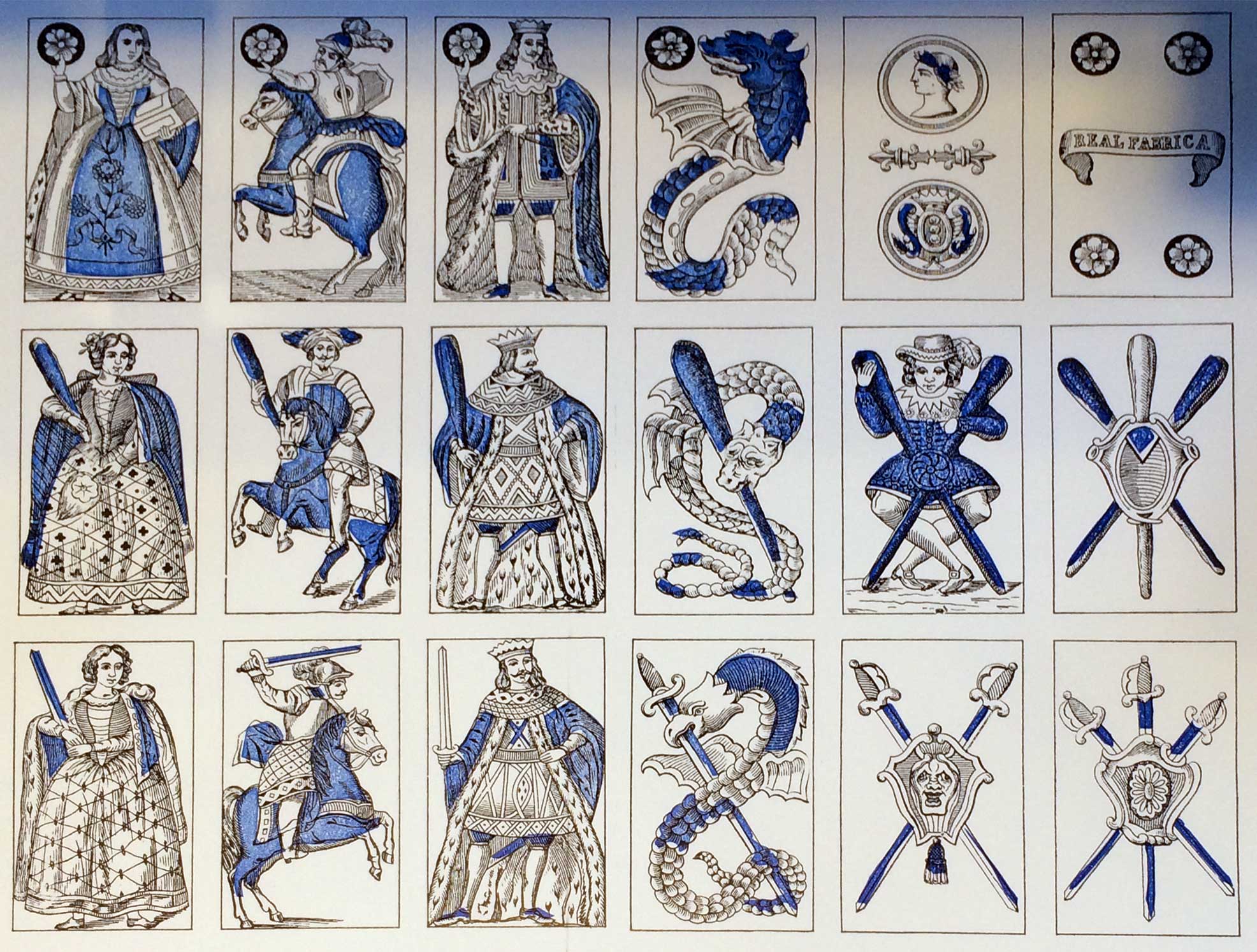
Above: modern partly-coloured reprint of the obsolete Portuguese pattern, courtesy the National Playing Card Museum, Turnhout.

By Simon Wintle
Spain • Member since February 01, 1996
I am the founder of The World of Playing Cards (est. 1996), a website dedicated to the history, artistry and cultural significance of playing cards and tarot. Over the years I have researched various areas of the subject, acquired and traded collections and contributed as a committee member of the IPCS and graphics editor of The Playing-Card journal. Having lived in Chile, England, Wales, and now Spain, these experiences have shaped my work and passion for playing cards. Amongst my achievements is producing a limited-edition replica of a 17th-century English pack using woodblocks and stencils—a labour of love. Today, the World of Playing Cards is a global collaborative project, with my son Adam serving as the technical driving force behind its development. His innovative efforts have helped shape the site into the thriving hub it is today. You are warmly invited to become a contributor and share your enthusiasm.

Activity for Portuguese Type Cards made in Belgium
Sign in to comment or save this article.

Related Articles
History of Tarot and Playing Cards: Timeline & Origins
An alternative history of tarot and playing cards – from Mamluk Egypt to the invention of tarot in R...
Cartamundi
Cartamundi is a Belgian playing-card manufacturer formed in 1970 through the consolidation of severa...
Jeep Playing cards
Pack of cards celebrating Allied Victory in the Second World War.
Dutch costume playing cards from an unknown maker
Another pack of Dutch costume playing cards c.1880.
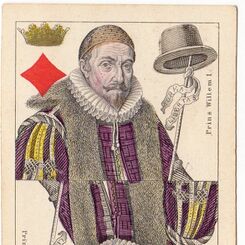
Dutch costume playing cards
Dutch costume playing cards made for the Dutch market in the second half of the 19th century.
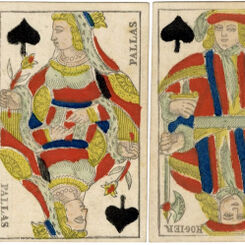
Dubois
Dubois card makers from Liège in the Walloon Region of Belgium.
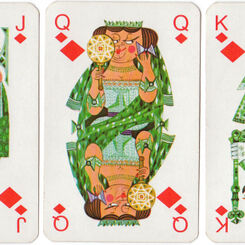
Belle Vue Gueuze
Promotional playing cards designed by Wim Simons, Belgium, 1960s.
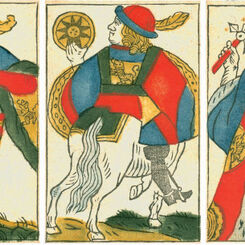
Anonymous Spanish Suited pack, c.1760
Anonymous archaic Spanish suited pack, c.1760.
Biermans Genoese pattern
Biermans Genoese pattern for Clayson agricultural machinery, late 1960s.
Lion Brand No.1492 : Jet Fuel
Advertising deck for "Jet" fuels, and "Lion Brand" No.1429 manufactured in Belgium by Biermans, 1960...
Portuguese pattern
19th century Portuguese pattern, re-printed from original woodblocks.
Suicide King
The King of Hearts, holding a sword behind his head, is sometimes nicknamed the “Suicide King”. He c...
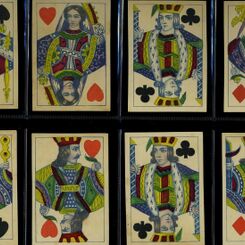
21: Belgian Makers: Brepols and Biermans
Brepols started making playing cards in 1826, although he had been in the printing trade since 1800....
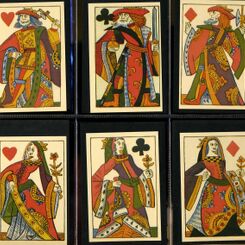
1: Playing Cards and their History: An Introduction and some links to other sites
What was considered the first mention of playing cards in England is in 1463 when Edward I banned th...
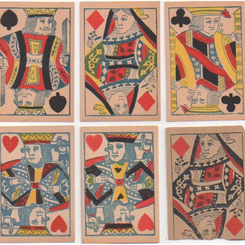

A Todos Alumbra
40-card “A Todos Alumbra - Naypes Refinos” pack manufactured by Léonard Biermans, Turnhout.
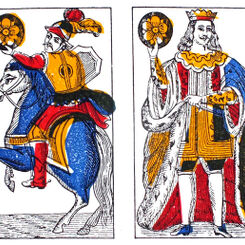
Portuguese Type Playing Cards c.1860
10 cards from a pack of later Portuguese ‘Dragon’ type cards from c.1860, with the Maid of batons ab...
The History of Playing Cards
Playing cards appear in European records in the late 14th century, but their earlier history lies fu...
Portuguese Type Playing Cards made in Belgium
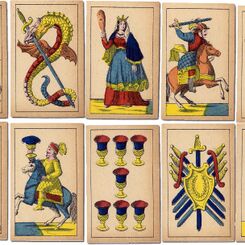
Portuguese type pack with ‘dragon’ aces made in Belgium by Mesmaekers Frères, Turnhout, c.1875-1900....
Early Spanish/Portuguese type
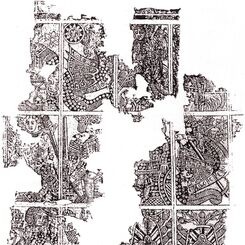
Fragment of a sheet of archaic Spanish-suited 'Dragon' playing cards found during restoration of a h...
Most Popular
Our top articles from the past 60 days


