


Kaiser Jubiläum
Kaiser Jubiläum Imperial playing cards made in Austria by Ferd Piatnik & Sons, Vienna.
Kaiser Jubiläum Imperial playing cards made in Austria by Ferd Piatnik & Sons, Vienna, first published c.1898 but republished several times since then. This edition has English indices. The court cards depict various Austrian Emperors, their wives and the Jacks are allegorical representations of the 4 major nationalities of the Austro-Hungarian Empire. The reverse shows the Imperial & Royal Coat of arms.
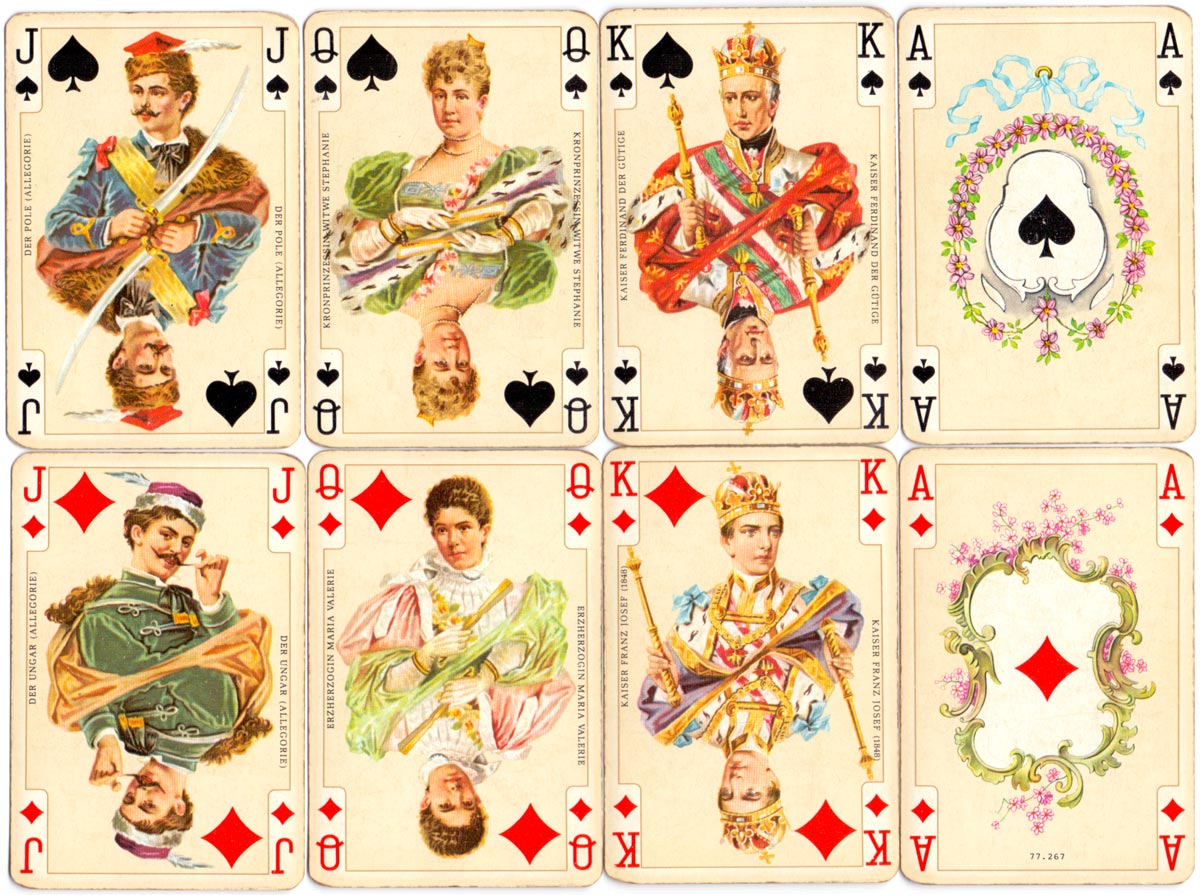
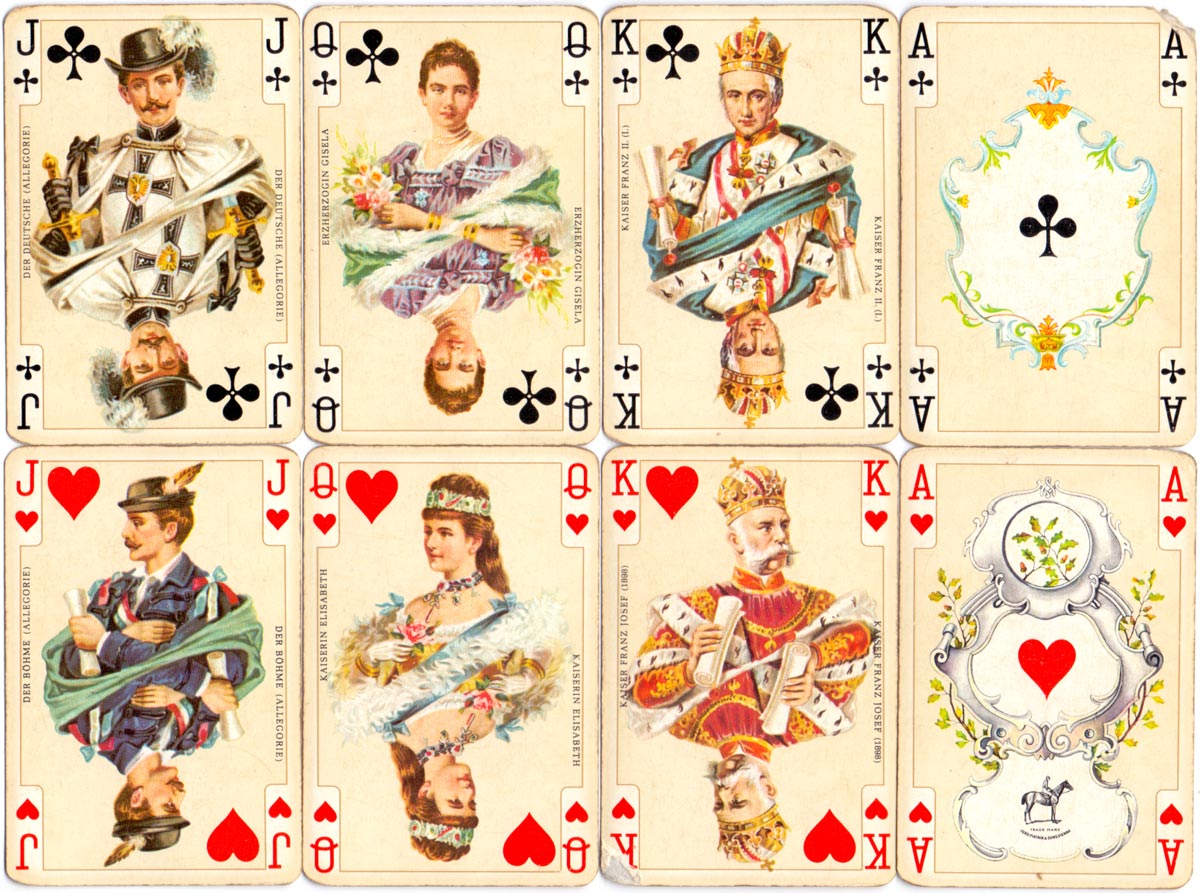
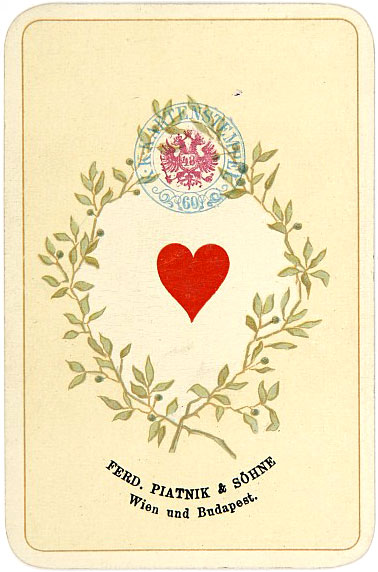
Above: Kaiser Jubiläum Imperial playing cards made in Austria by Ferd Piatnik & Sons, Vienna, 1977 edition. The ace of hearts from the first edition of 1898 is shown below, which has no indices.
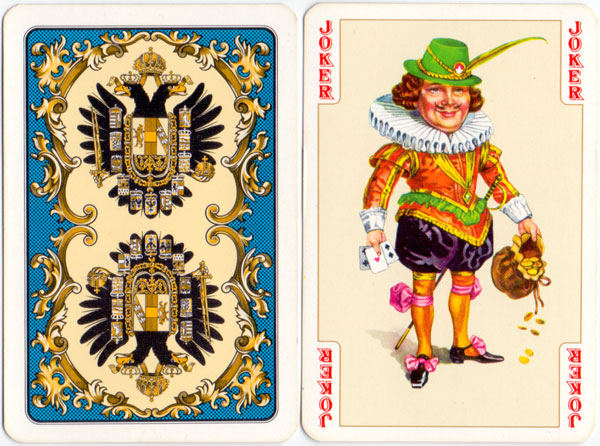
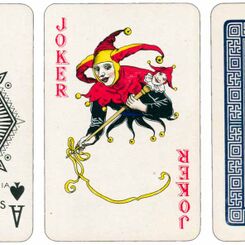
Above: the reverse shows the Imperial & Royal Coat of arms. The joker is a benign court jester.

By Simon Wintle
Spain • Member since February 01, 1996
I am the founder of The World of Playing Cards (est. 1996), a website dedicated to the history, artistry and cultural significance of playing cards and tarot. Over the years I have researched various areas of the subject, acquired and traded collections and contributed as a committee member of the IPCS and graphics editor of The Playing-Card journal. Having lived in Chile, England, Wales, and now Spain, these experiences have shaped my work and passion for playing cards. Amongst my achievements is producing a limited-edition replica of a 17th-century English pack using woodblocks and stencils—a labour of love. Today, the World of Playing Cards is a global collaborative project, with my son Adam serving as the technical driving force behind its development. His innovative efforts have helped shape the site into the thriving hub it is today. You are warmly invited to become a contributor and share your enthusiasm.

Activity for Kaiser Jubiläum
Sign in to comment or save this article.

Related Articles
Luxury No. 2167
A Piatnik classic that lives up to its title.
Art pack I
Art pack featuring Old Masters, including Bruegel, Vermeer, Titian, Raphael, Caravaggio, Canaletto, ...
Politicards 2008
Politicards ’08 with caricatures cast as characters from classic movies, USA.
CCCP playing cards
Soviet and other Communist celebrities depicted on every card, designed by Vladislav Pankevitch.
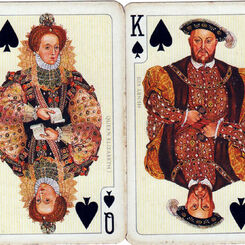
Mary Queen of Scots
Mary Queen of Scots and other Tudor period dignitaries, published by Piatnik, 1990.
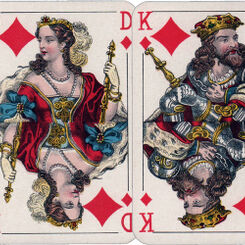
Piatnik No.97
Non-standard French-suited cards published by Ferd Piatnik & Sõhne, Vienna, c.1940s.
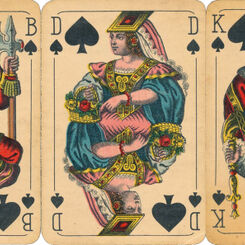
Vienna (ex-Lyon) pattern
‘Vienna pattern’ derived from archaic Lyon pattern by Ferd Piatnik & Söhne A.G., c.1926-1934.
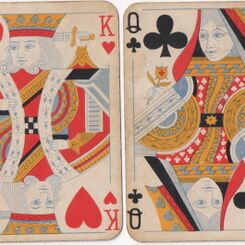
48: Ferdinand Piatnik & Sons
Ferd. Piatnik produced a very large range of cards with many different standard and non-standard pat...
Popular No.257
Piatnik’s “Popular Playing Cards” No.257
Salzburger Pattern
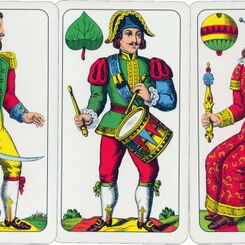
Salzburger pattern by Ferd. Piatnik & Söhne, Vienna
Cartes Imperiales et Royales
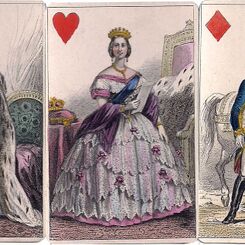
‘Cartes Imperiales et Royales’ published by B. P. Grimaud & Cie representing imperial rulers and con...
Die Neue ÖVP
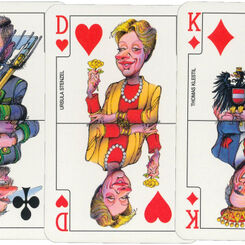
Promotional deck for the Austrian People’s Party (ÖVP) printed by Piatnik, 1996.
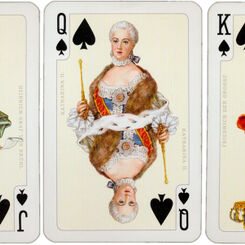
Rococo No. 2130
Piatnik: Rococo No. 2130 playing cards designed by Prof. Kuno Hock, c.1975
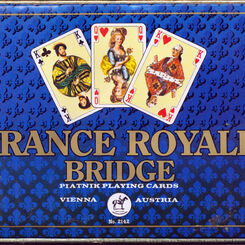
France Royale Bridge
“France Royale” Bridge playing cards by Willy Mayrl depict historical characters from France’s royal...
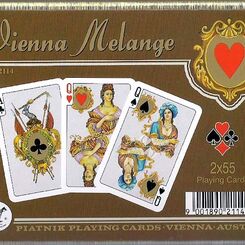
Vienna Melange
“Vienna Melange” Playing Cards by Piatnik with a historical feel representing the four races that ma...
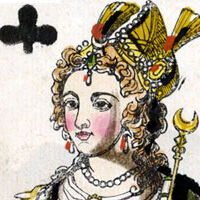
Imperial Royal Pack
Imperial Royal Playing Cards published by S. & J. Fuller, London, 1828. The court cards show portrai...
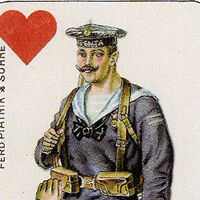
Soldaten Tarock
Piatnik was known for their magnificent quality of chromo-lithographic printing, and this facsimile,...
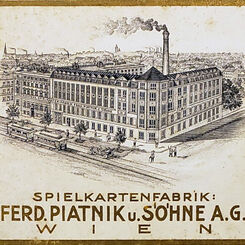
Ferd. Piatnik & Söhne
Ferdinand Piatnik was born in Ofen on October 14, 1819.
Piatnik Tarock
Deck of "Industrie und Glück" or "Rural Scenes" tarock cards manufactured by Ferd Piatnik & Söhne, V...
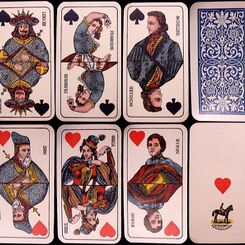
Literary Figures
Non-Standard Literary Figures playing cards manufactured by Ferd. Piatnik & Söhne A.G., Vienna, 1924...
Most Popular
Our top articles from the past 60 days


Peter Burnett
19 November 2025, 09:47SavedSaved this article to Peter's Collection