


Jeu de cartes abécédaire
An educational card game designed by F. Séré and published by Lithographie Musicale de Boboeuf, Paris 1840.
This French educational card set incorporates a card for each letter of the alphabet, totaling 32 cards. Each card is adorned with intricate illuminations and floral decorations in shades of green, blue, red and gold. The illustrations feature amusing characters and vignettes that begin with the same letter as the card itself, for example, "C" for "chien" (dog). This engages the child's imagination so that the deck serves as an initial step towards learning spelling and reading. At the top of each card, there is a miniature playing card in the official Paris pattern.
Educational playing cards, in general, were primarily designed to facilitate the learning of various subjects, often targeting children. These cards typically include illustrations or information related to geography, history, mathematics, language and other educational topics. In the case of this particular deck, the focus is on promoting reading and literacy skills. These cards were utilised as interactive learning tools, enhancing engagement in the educational process. The inclusion of a miniature playing card may have been a deliberate design choice to introduce children to basic mathematical concepts associated with playing cards, such as the four suits, number sequences, and so on.
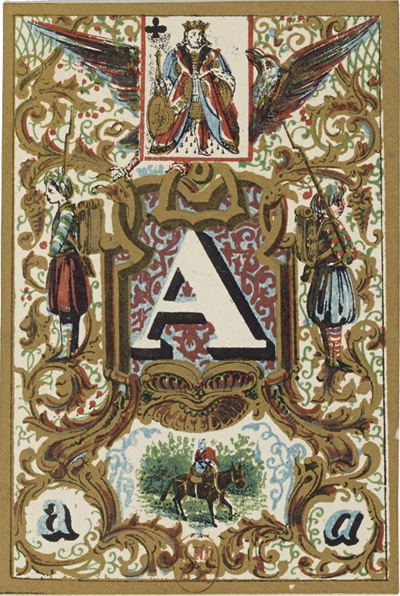
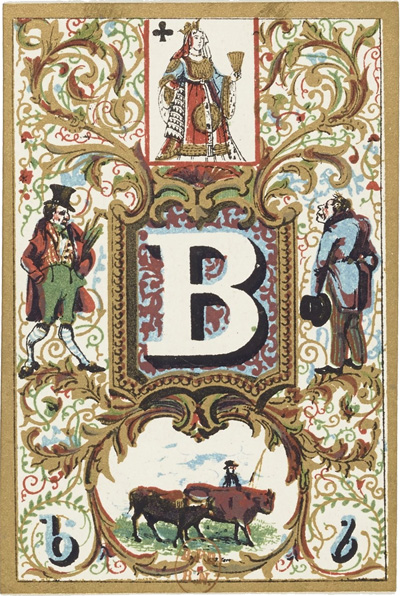
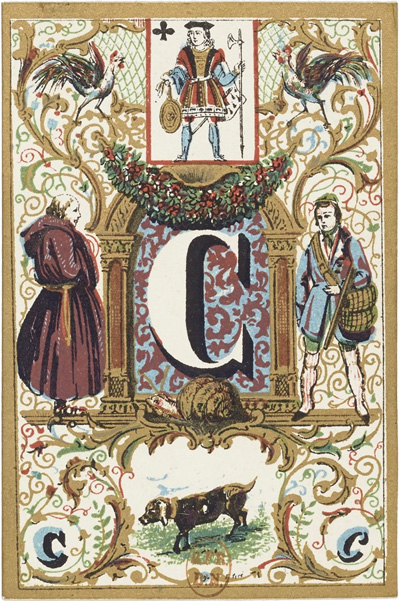
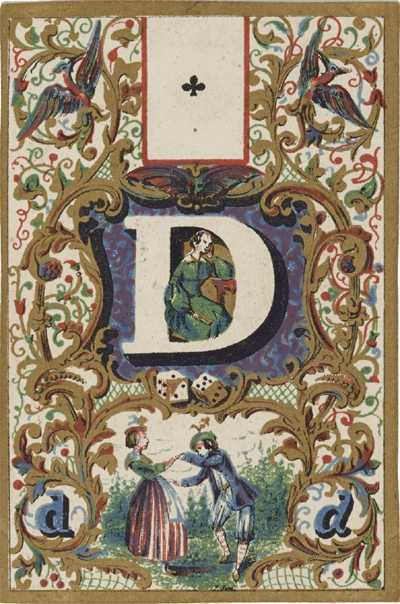
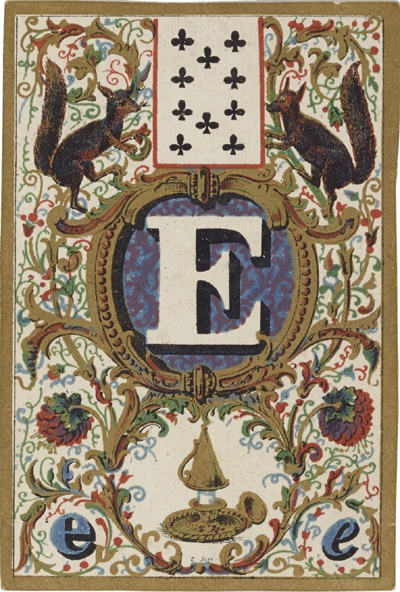
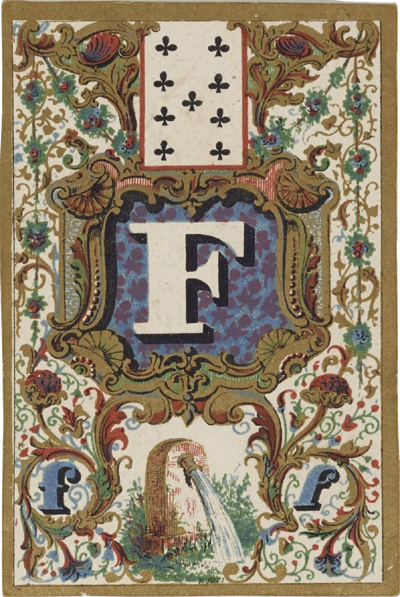
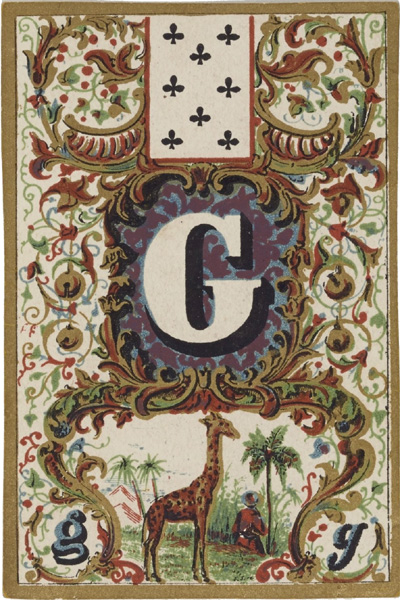
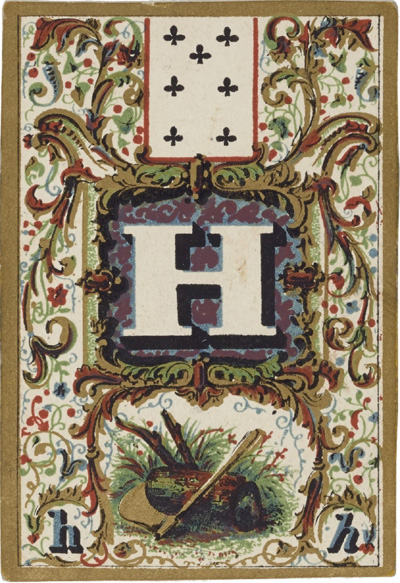
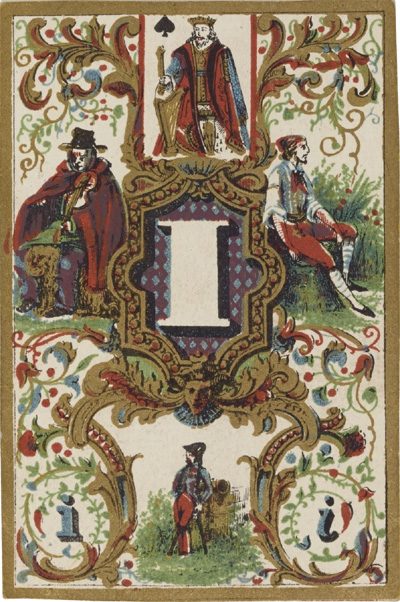
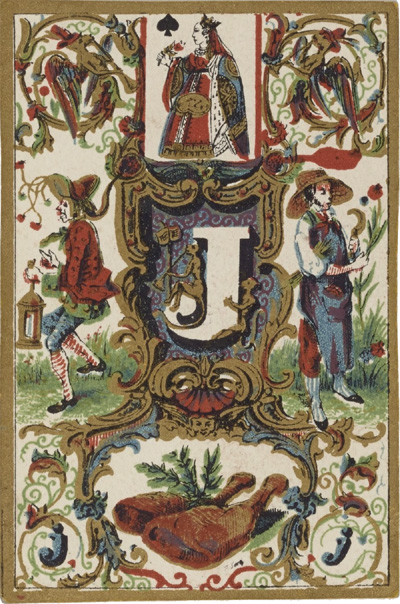
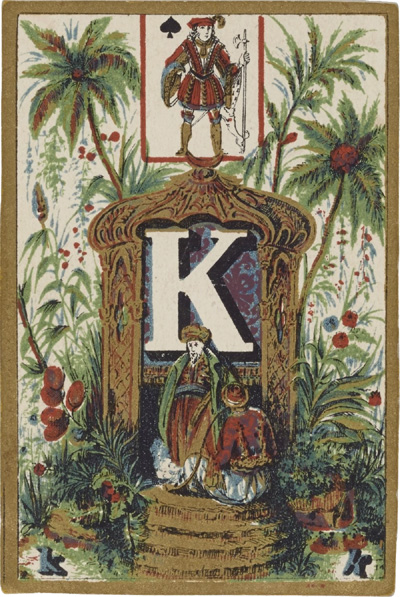
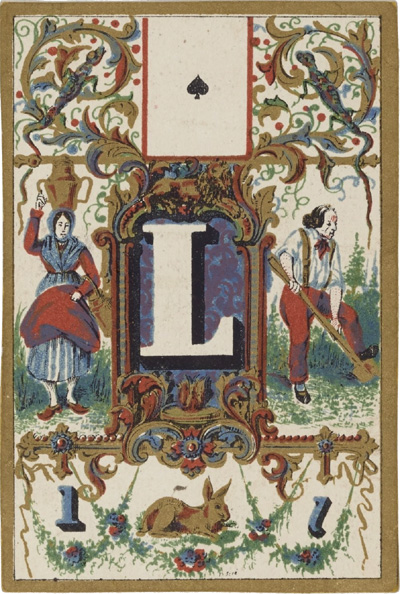
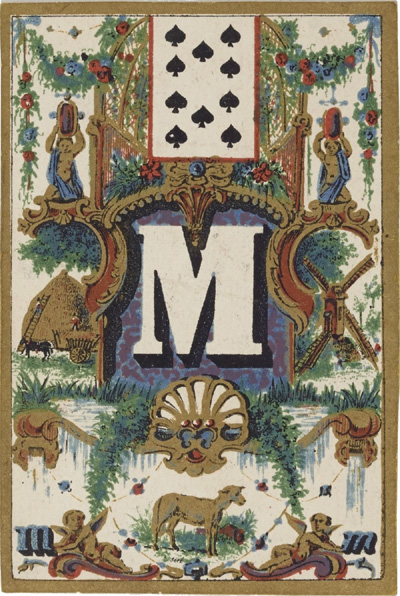
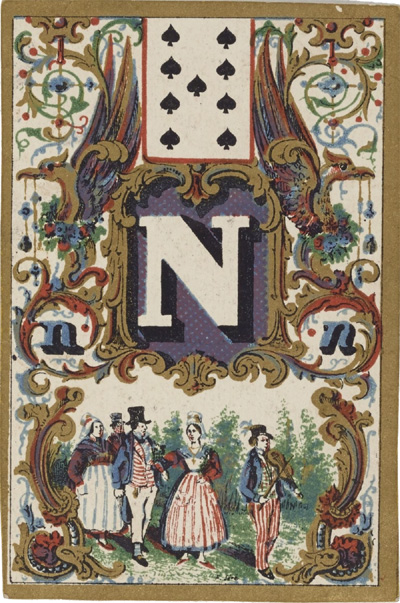
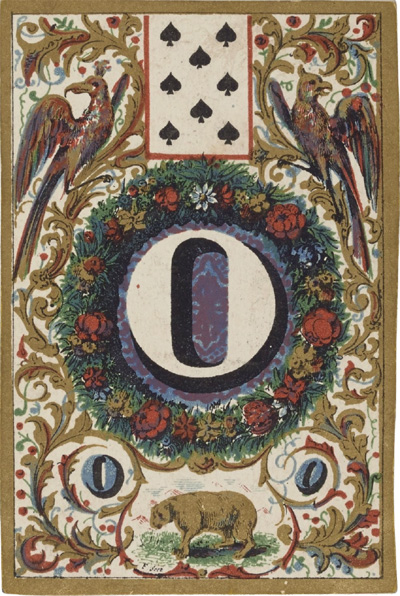
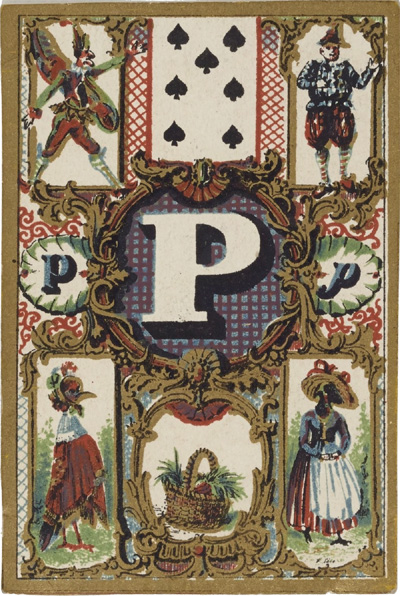
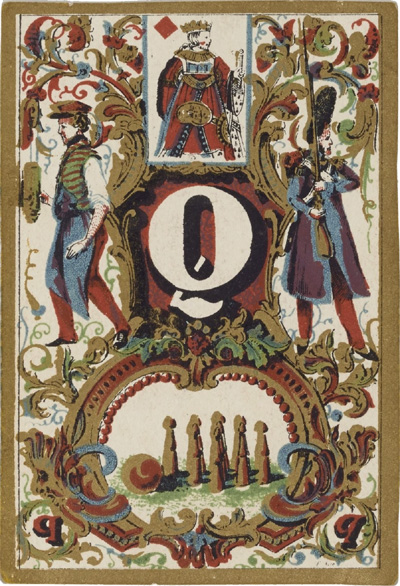
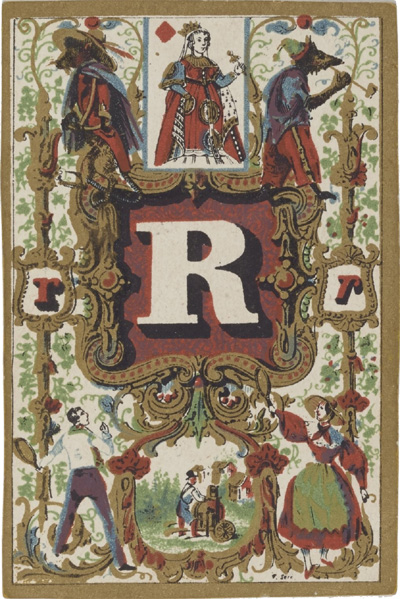
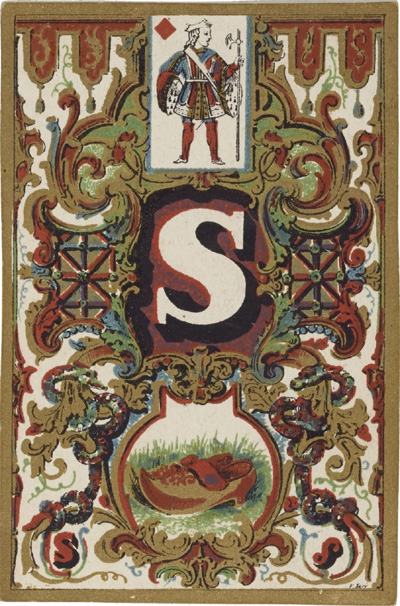
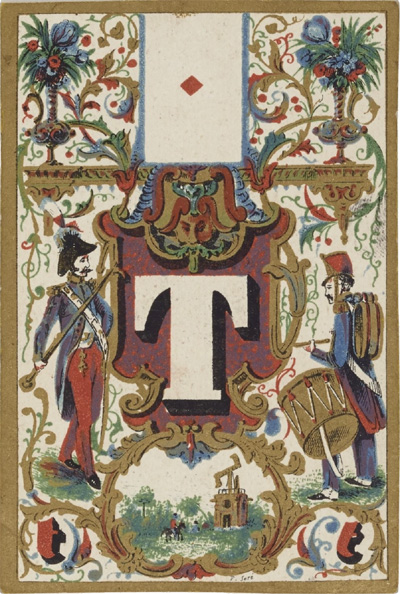
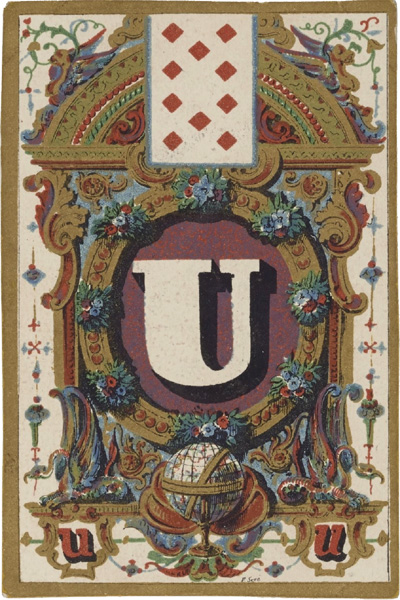
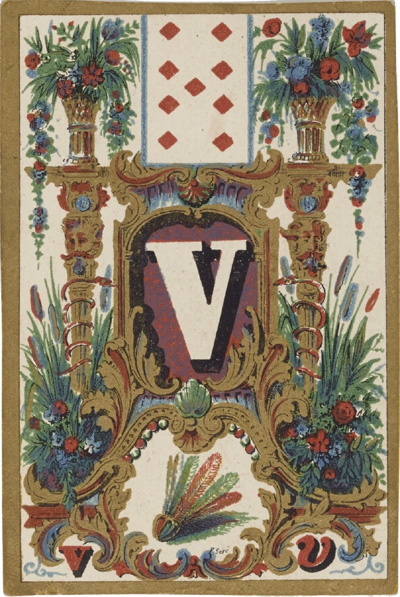
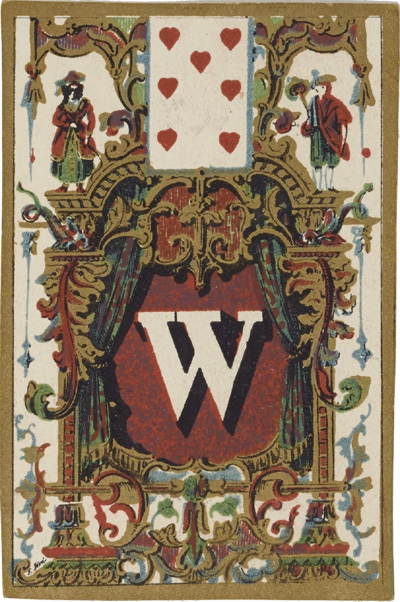
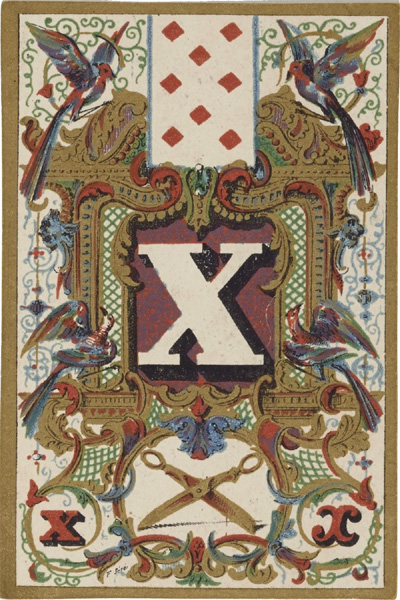
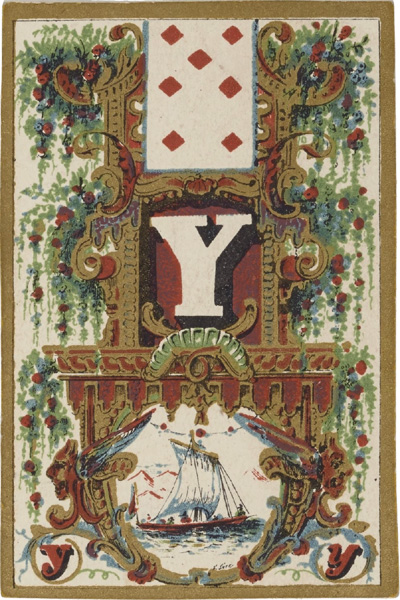
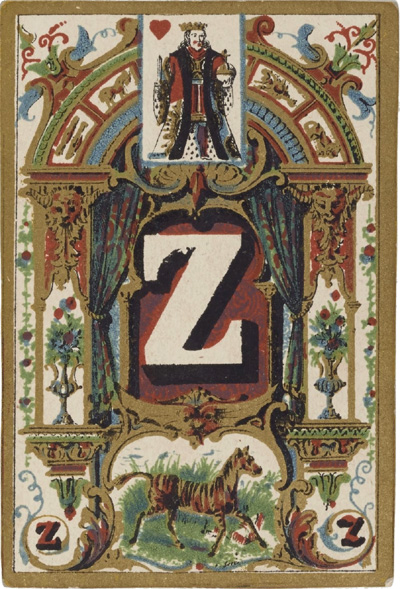
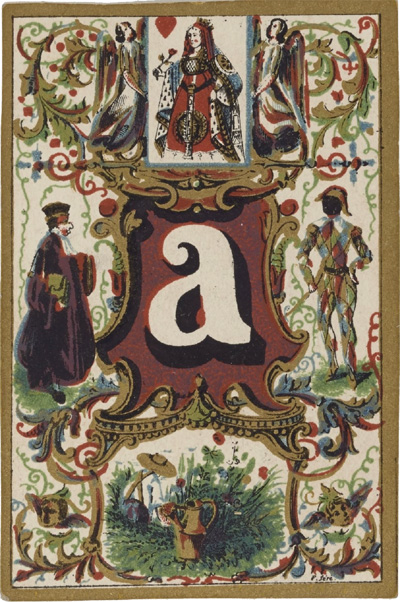
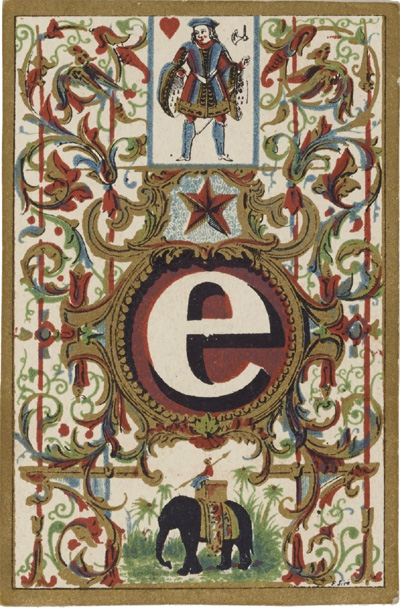
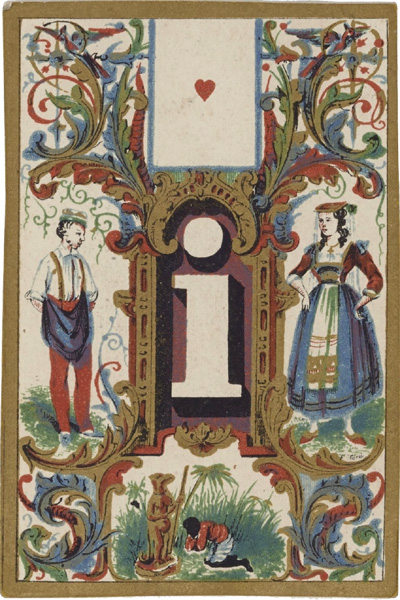
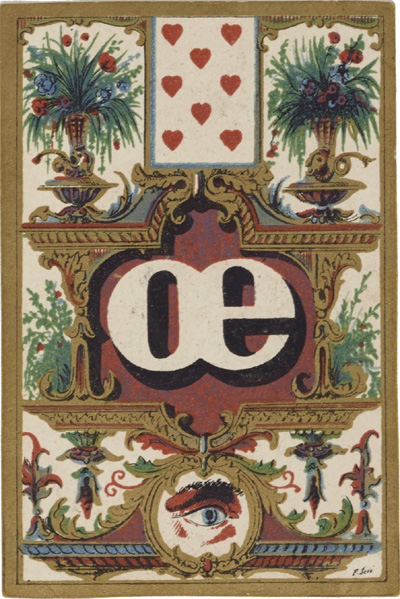
Above: Jeu de Cartes Abécédaire published by Lithographie Musicale de Boboeuf, rue Cadet 23, Paris, 1840. Total of 32 cards + rules in case; square corners; plain white backs; chromolithography; 8.6 x 5.7 cm. Source gallica.bnf.fr / Bibliothèque nationale de France • Jeu de cartes abécédaire►

By Simon Wintle
Spain • Member since February 01, 1996
I am the founder of The World of Playing Cards (est. 1996), a website dedicated to the history, artistry and cultural significance of playing cards and tarot. Over the years I have researched various areas of the subject, acquired and traded collections and contributed as a committee member of the IPCS and graphics editor of The Playing-Card journal. Having lived in Chile, England, Wales, and now Spain, these experiences have shaped my work and passion for playing cards. Amongst my achievements is producing a limited-edition replica of a 17th-century English pack using woodblocks and stencils—a labour of love. Today, the World of Playing Cards is a global collaborative project, with my son Adam serving as the technical driving force behind its development. His innovative efforts have helped shape the site into the thriving hub it is today. You are warmly invited to become a contributor and share your enthusiasm.

Activity for Jeu de cartes abécédaire
Sign in to comment or save this article.

Related Articles
Jeu des Blasons
Heraldry meets playing cards.
Les Chevaliers de la Toison d’Or
Medieval manuscript art at its finest.
Learning to play Cribbage
I learned to pay cribbage when I was very young, aged around six or seven.
Gibert Jeune (Molière)
Pack offered by the Parisian bookshop Gibert Jeune on the tricentenary of Molière’s death.
Le Jeu Des Fortifications
An innovation from the time of Louis XIV by Gilles de la Boissière.
Jeu Philatélique
Cards with French postage stamps featuring famous literary figures.
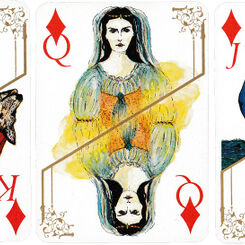
Victor Hugo 1885-1985
Characters from novels by Victor Hugo marking the centenary of his death, as conceived by Dominique...
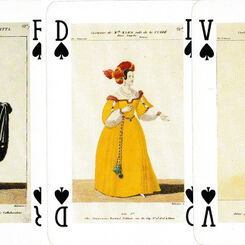
Victor Hugo “L’homme qui rit”
Two different packs with costume designs for Victor Hugo plays, issued on the centenary of his deat...
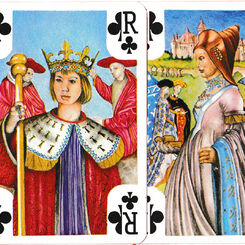
Jeanne d’Arc, “La pucelle d’Orléans”
Joan of Arc and her contemporaries in a colourful pack designed by Patrice Louis.
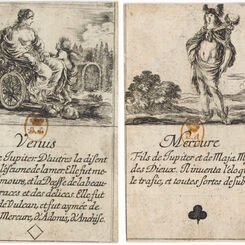
Instructive and Educational Playing Cards
Playing cards with an educational and instructive purpose first trended in mid-17th century France, ...
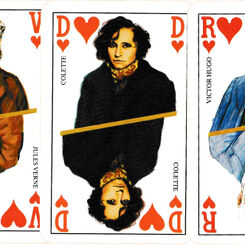
Les Grands Ecrivains
‘Les Grands Ecrivains’ produced for members of “Le Grand Livre du Mois”, France, c. 1970.
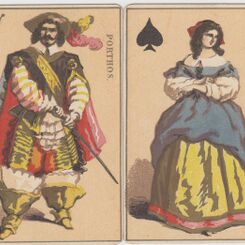
Les Mousquetaires Playing Cards
depicting characters from the novel by Alexandre Dumas
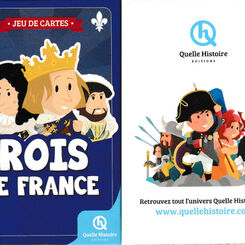
Rois de France
Figures from French history restyled for a younger audience published by Quelle Histoire, 2015.
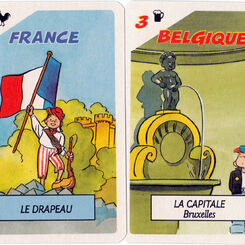
Eurotrotter
Eurotrotter by La Ducale, c.1980s.
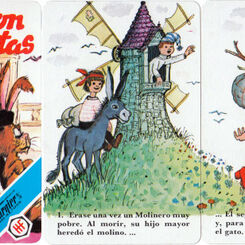
El Gato con Botas
Puss in Boots card game manufactured by H. Fournier, 1981.
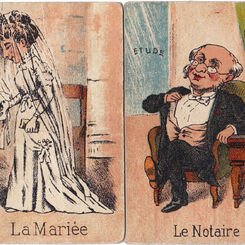
La Mariée du Mardi-Gras
La Mariée du Mardi-Gras, published by Jeux et Jouets Français. Paris, early 1900s.
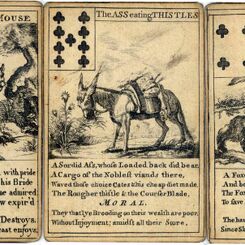
Aesop’s Fables
Aesop’s Fables playing cards by I. Kirk, c.1759.
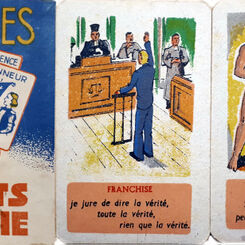
Atouts de la Vie
“Atouts de la Vie” wartime card game created by Madame Lucien Willemetz, c.1940.
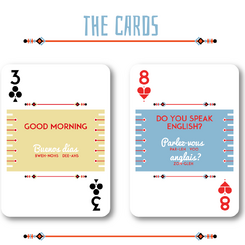
Lingo Phrasebook Playing Cards by Diana Stanciulescu
Lingo is an interactive phrasebook providing you new way of learning new language through playing ca...
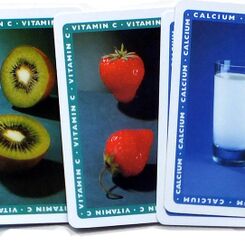
Kellogg’s Complete Breakfast Game
Kellogg’s Complete Breakfast card game, ©1997.
Most Popular
Our top articles from the past 60 days


