

Akahachi
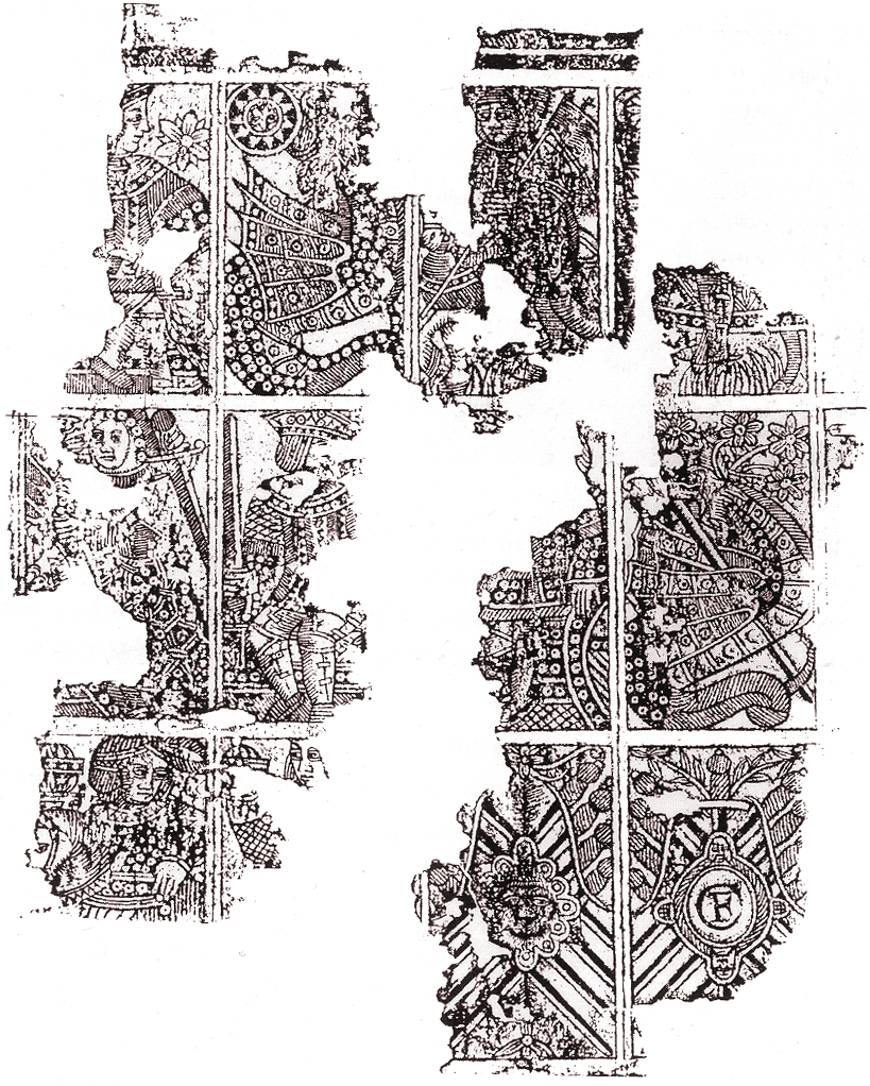
After Mekuri games such as Unsun Karuta and Tenshô Karuta were banned by the authorities, especially if played with foreign cards, their appearance was disguised.
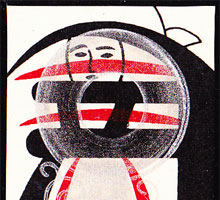
‘Akahachi’ or ‘Red Eight’ 赤八
Manufactured by Nintendo, Japan
Although modelled on Portuguese cards taken into the country during the mid 16th century, these images give an idea of the general incomprehensibility of Japanese Mekuri cards.
The court cards have become abstract forms with almost no visible indication of what suit they belong to. The idea was to disguise their appearance after Mekuri games such as Unsun Karuta and Tenshô Karuta were banned by the authorities, especially if played with foreign cards. However, on some cards, one can see printed outlines peeping through the masses of paint, forming faces, etc. The famous “dragons” (Aces) are now only vague shapes of paint, having lost all connection with their original models. Another feature is the silver overprints on some of the cards, perhaps to make them more visible in dimly lit rooms: note the 6 of batons in particular, which has 壽 (longevity) on it. Images and notes courtesy Anthony Lee (visit his blog →).
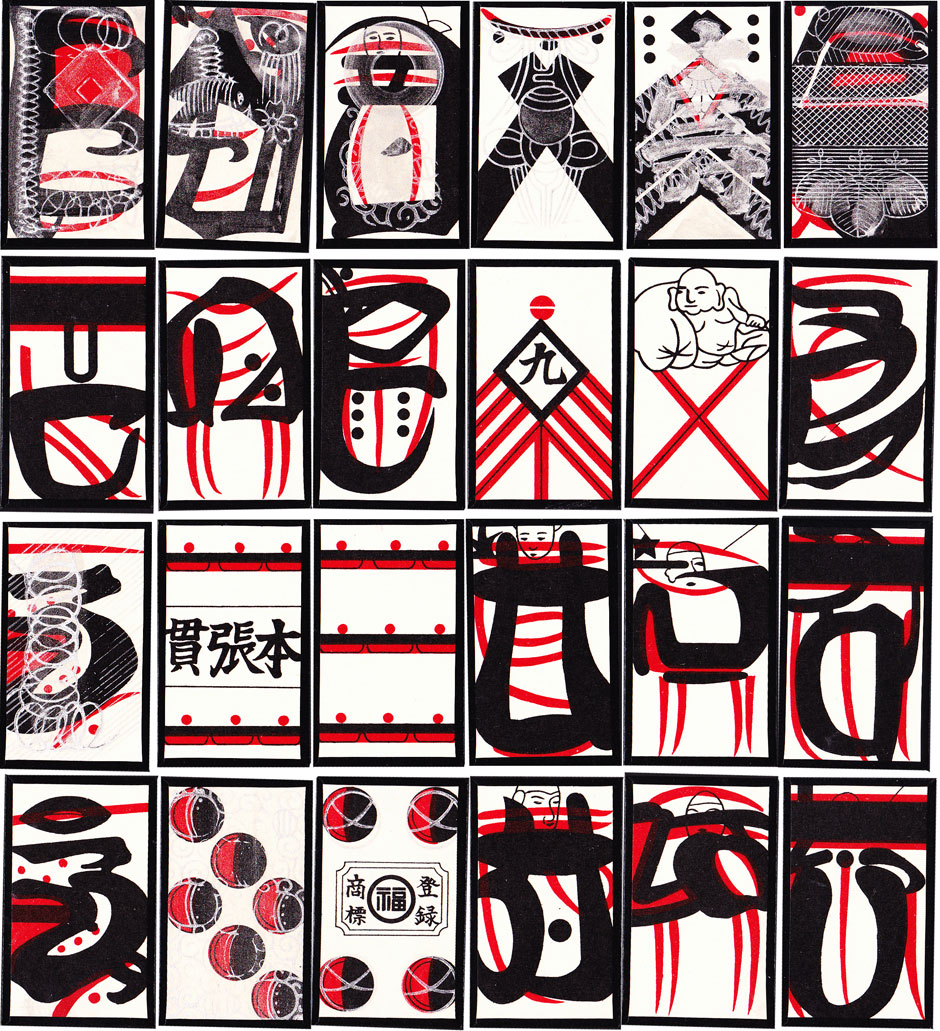
Above: top row (batons): King, Knight, Knave, 2, 6, Ace. Second row (swords): King, Knight, Knave, 9, 2, Ace. The 2 of Swords has a Buddha. Third row (cups): Ace, 6, 9, Knave, Knight, King. The Knight preserves the vague form of a man astride a horse; four legs support the abstract figure. Fourth row (Coins) Ace, 6, 4, Knave, Knight, King. It is debatable whether the Ace retains any resemblance to a dragon. Images and notes courtesy Anthony Lee (visit his blog).
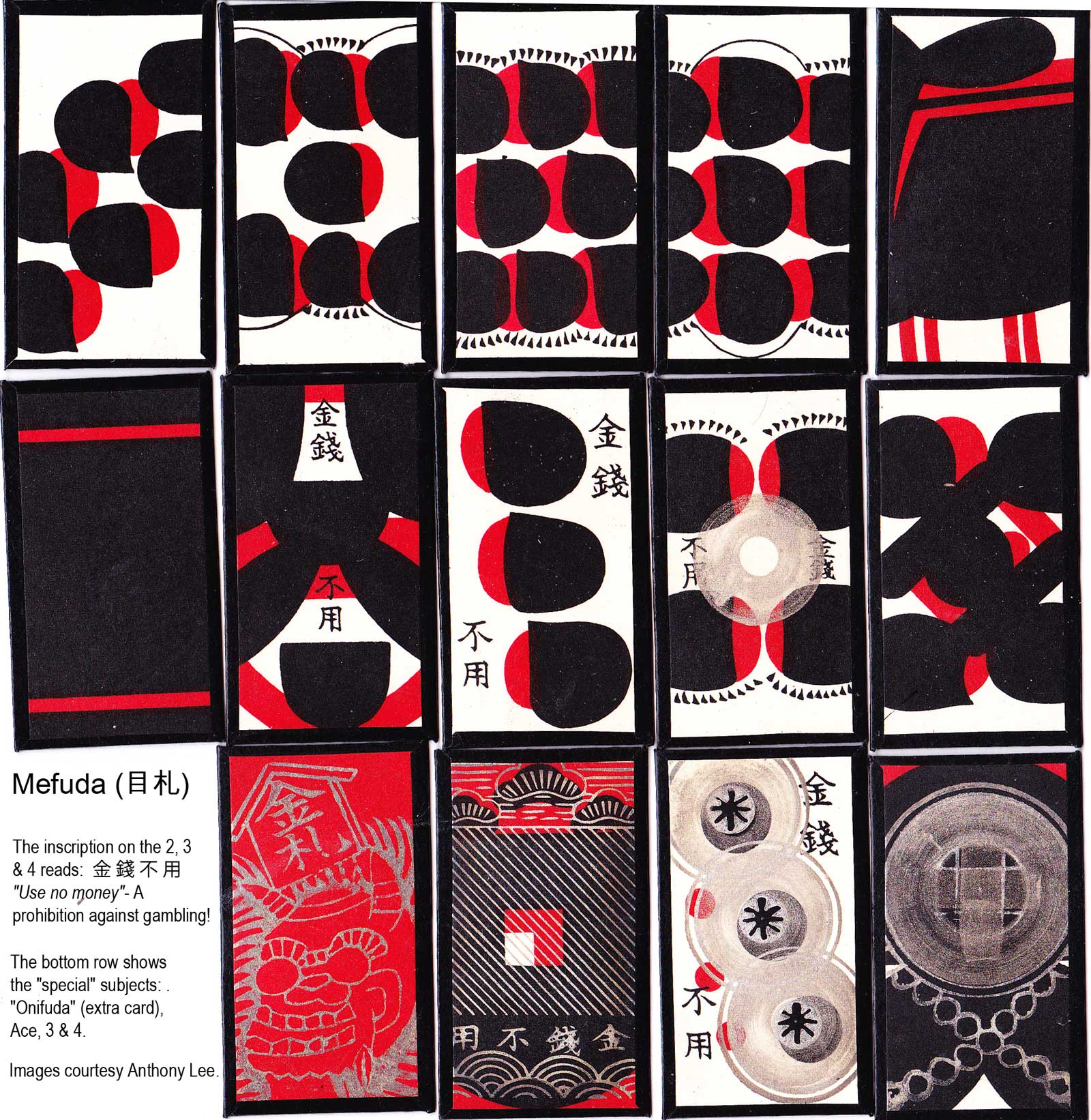
• See also: Kabufuda • Kurofuda • Mefuda • Japanese Flower cards.
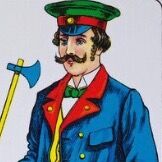

Activity for Akahachi
Sign in to comment or save this article.

Related Articles
Sumo Wrestling
Traditional Japanese Sumo Wrestling playing cards with photograph of different wrestler on each card...
Morinaga Hakuho playing cards
Artistic playing cards attributed to Morinaga Hakuho and printed by Nintendo, c.1985.
Kyoto Souvenir Deck
Kyoto Souvenir playing cards by Nintendo aimed at the up and coming tourist industry, 1950s.
Seiko fashion cards
Men's and ladies fashion playing cards published for the Seiko Corporation by Nintendo, Japan, 1971....
Nippon Beer
Nippon Beer brewery playing cards published by Nintendo, Japan, 1960s.
Loco Jumbo playing cards
54 different colour photographs of steam locomotives from around the world.
Haig Whisky
Japanese advertising pack for Haig Scotch whisky with modified international courts.
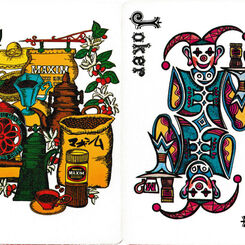
Maxim playing cards
Publicity pack from Nintendo for Maxim freeze dried coffee.
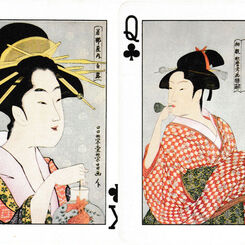
Ukiyo-E (Nintendo)
Classic examples of Ukiyo-E painting.
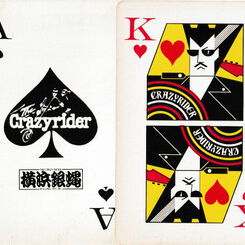
Crazyrider playing cards
Stylised portrayal of rock musicians from the 1980s.
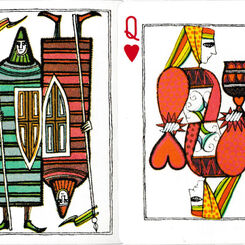
Nintendo deck with Medieval theme
Courts in medieval costume holding both French and Italian/Spanish suit-signs.
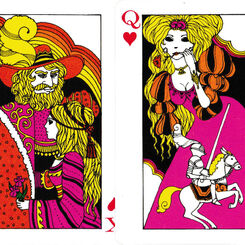
Unimol playing cards
Advertising pack for a pharmaceutical company, with brightly coloured courts.
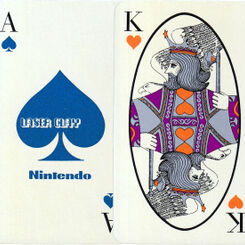
Laser Clay playing cards
Pack promoting the Laser Clay Shooting System created by Nintendo in 1973.
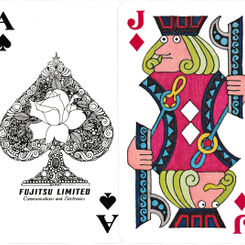
Fujitsu playing cards
Colourful advertising pack for Fujitsu Limited, reminiscent of the flower power/psychedelic era.
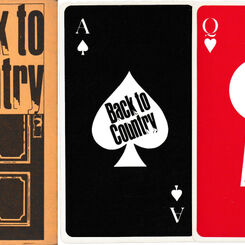
Back to Country
Advertising playing cards for a Japanese fashion house, with reversed colours.
Ainu culture
A terrific deck of cards made by Nintendo c.1979 with original designs on every card showing the Ain...
Akadama Honey Wine by Nintendo
Suntory Akadama Honey Wine playing cards manufactured by Nintendo, Japan, c.1970.
Japanese Kurofuda 黑札
The name means “Black cards”, which is especially true of you look at the suit of batons. The horse...
Kabufuda
Kabufuda playing cards manufactured by Nintendo, Japan
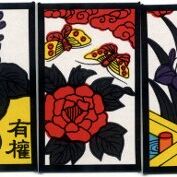
Hanafuda Flower Cards
Japanese Flower Cards (Hanafuda) made by Nintendo, Japan, 2008.
Most Popular
Our top articles from the past 60 days