


Japanese Kurofuda 黑札
The name means “Black cards”, which is especially true of you look at the suit of batons. The horse's legs can be recognised on the Cavaliers.
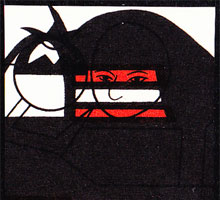
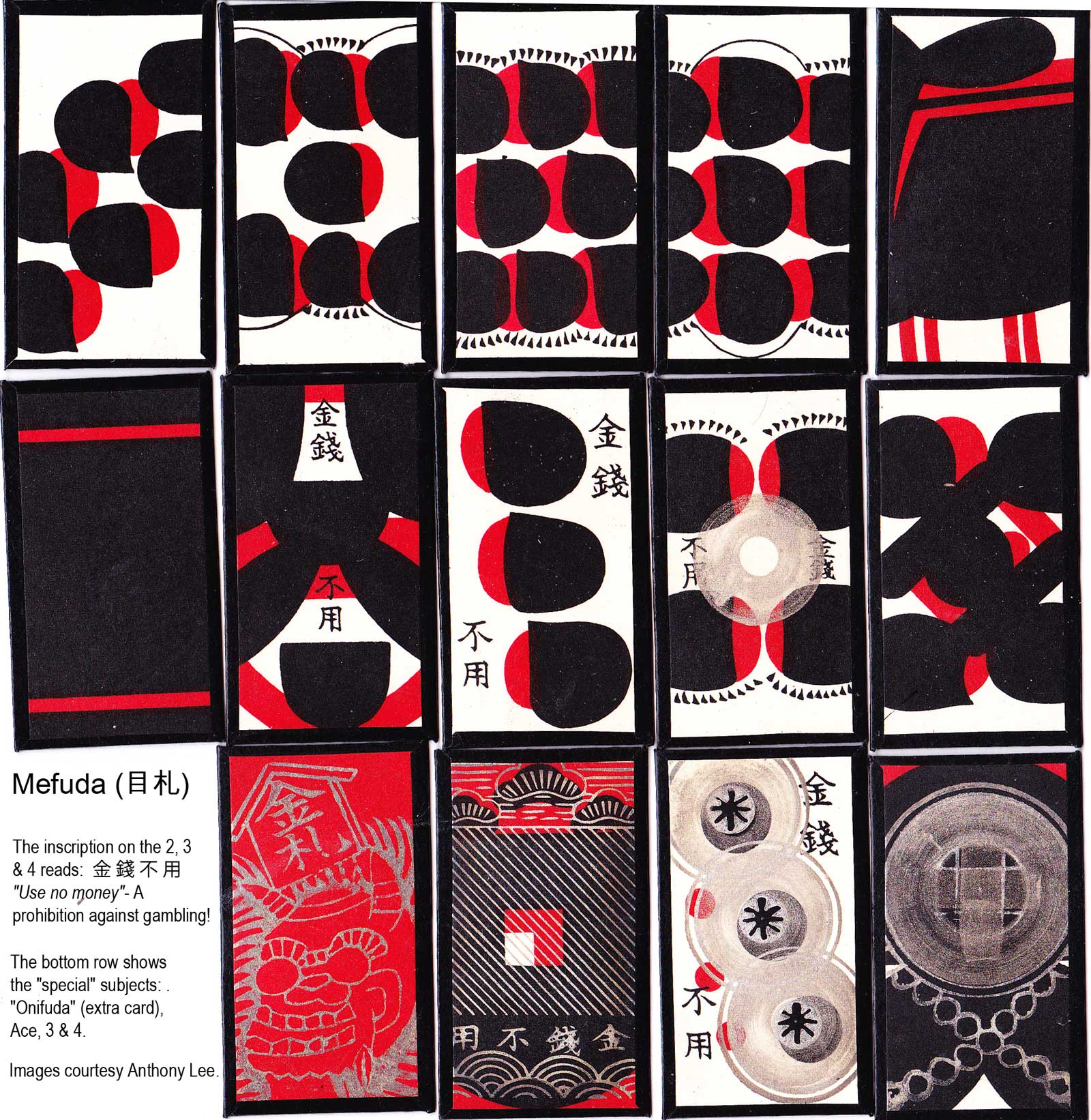
The name means “Black cards”, which is especially true if you look at the suit of batons. Whilst the designs may appear incomprehensible at first, resemblance to their 16th century Spanish/Portuguese originals is evident. The horse's legs can be recognised on the Cavalier in the top row. The swords retain some recognisable form, handles, etc. The cups are more bulbous and round than those of Akahachi. Unlike Akahachi, the large blobs of colour on the cards are actually applied over printed outlines, which are visible if you look hard at them and in some blank spots. The blobs on each card are of a unique shape and so, presumably, this feature is used by players to identify them. Images and notes courtesy Anthony Lee (visit his blog).
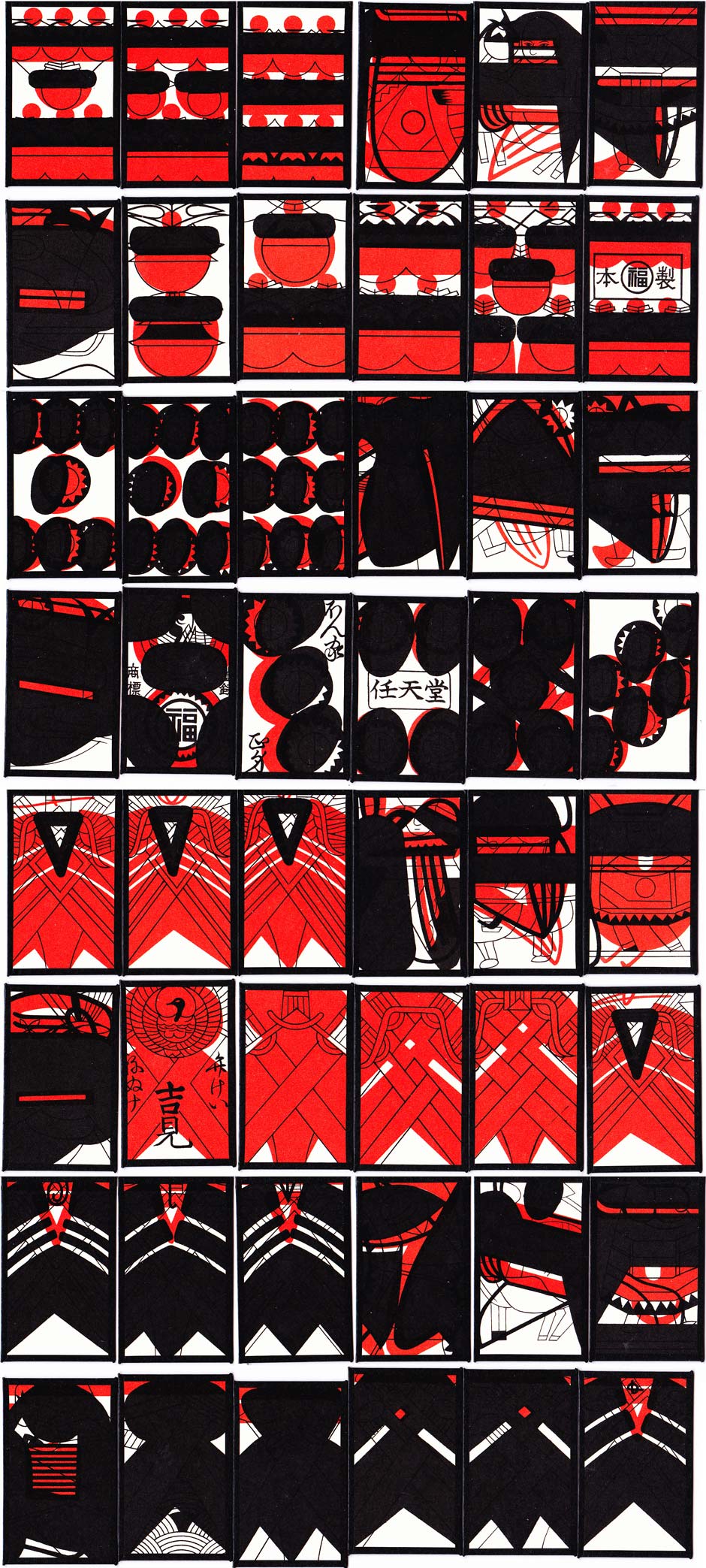
Above: Japanese 'Kurofuda' [ 黑札 ] made by Nintendo, 48 + 2 extra cards. Images and notes courtesy Anthony Lee (visit his blog).

Activity for Japanese Kurofuda 黑札
Sign in to comment or save this article.

Related Articles
Sumo Wrestling
Traditional Japanese Sumo Wrestling playing cards with photograph of different wrestler on each card...
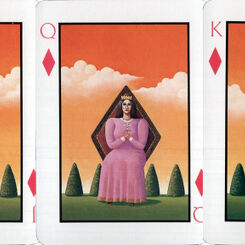
Morinaga Hakuho playing cards
Artistic playing cards attributed to Morinaga Hakuho and printed by Nintendo, c.1985.
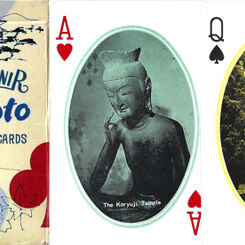
Kyoto Souvenir Deck
Kyoto Souvenir playing cards by Nintendo aimed at the up and coming tourist industry, 1950s.
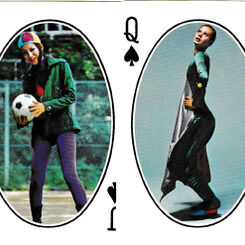
Seiko fashion cards
Men's and ladies fashion playing cards published for the Seiko Corporation by Nintendo, Japan, 1971....
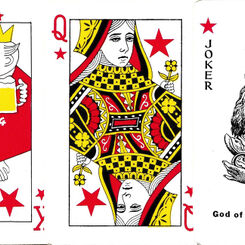
Nippon Beer
Nippon Beer brewery playing cards published by Nintendo, Japan, 1960s.
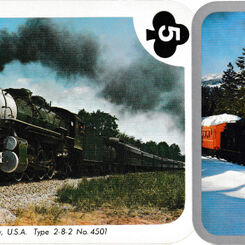
Loco Jumbo playing cards
54 different colour photographs of steam locomotives from around the world.
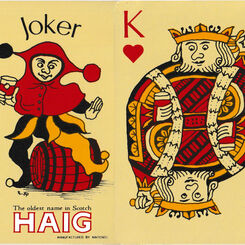
Haig Whisky
Japanese advertising pack for Haig Scotch whisky with modified international courts.
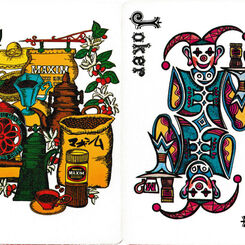
Maxim playing cards
Publicity pack from Nintendo for Maxim freeze dried coffee.
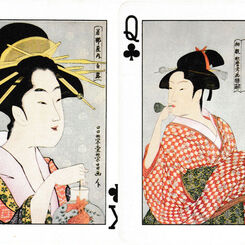
Ukiyo-E (Nintendo)
Classic examples of Ukiyo-E painting.
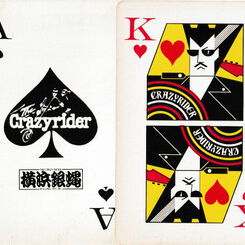
Crazyrider playing cards
Stylised portrayal of rock musicians from the 1980s.
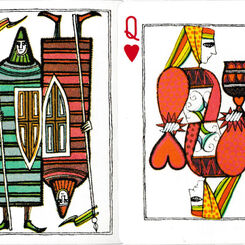
Nintendo deck with Medieval theme
Courts in medieval costume holding both French and Italian/Spanish suit-signs.
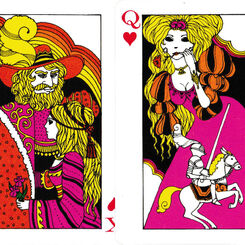
Unimol playing cards
Advertising pack for a pharmaceutical company, with brightly coloured courts.
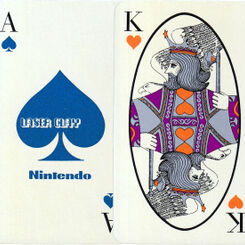
Laser Clay playing cards
Pack promoting the Laser Clay Shooting System created by Nintendo in 1973.
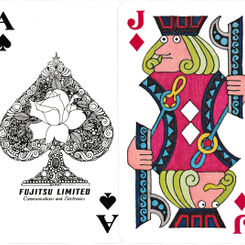
Fujitsu playing cards
Colourful advertising pack for Fujitsu Limited, reminiscent of the flower power/psychedelic era.
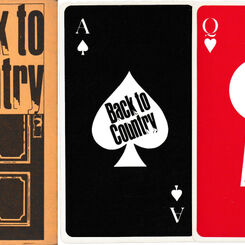
Back to Country
Advertising playing cards for a Japanese fashion house, with reversed colours.
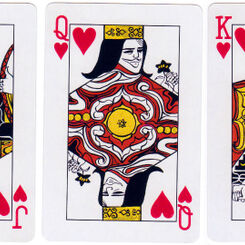
Ainu culture
A terrific deck of cards made by Nintendo c.1979 with original designs on every card showing the Ain...
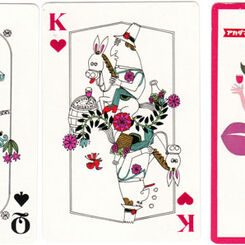
Akadama Honey Wine by Nintendo
Suntory Akadama Honey Wine playing cards manufactured by Nintendo, Japan, c.1970.
Akahachi
After Mekuri games such as Unsun Karuta and Tenshô Karuta were banned by the authorities, especially...
Kabufuda
Kabufuda playing cards manufactured by Nintendo, Japan
Hanafuda Flower Cards
Japanese Flower Cards (Hanafuda) made by Nintendo, Japan, 2008.
Most Popular
Our top articles from the past 60 days


Ваня Козлов (Vanya Kozlov)
19 November 2025, 09:47SavedSaved this article to Ваня Козлов's Collection