


Aeronaves de Mexico
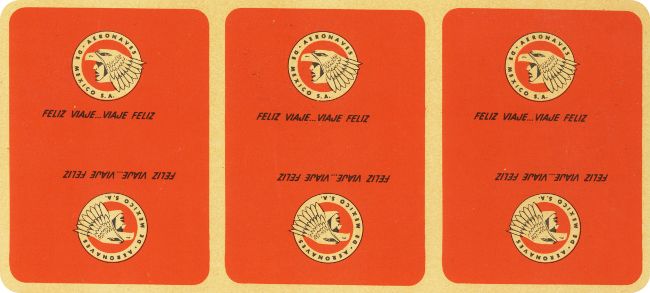
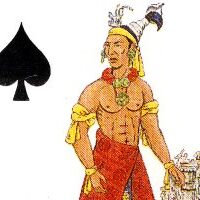
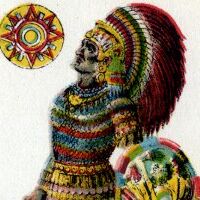
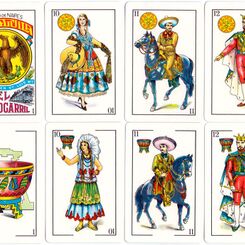
Special pack for Aeronaves de Mexico S.A., designed by Ramón Valdiosera Berman, mid-1960s.
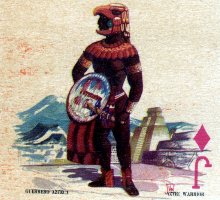
Aeronaves de Mexico
Baraja Mexicana, 1960s
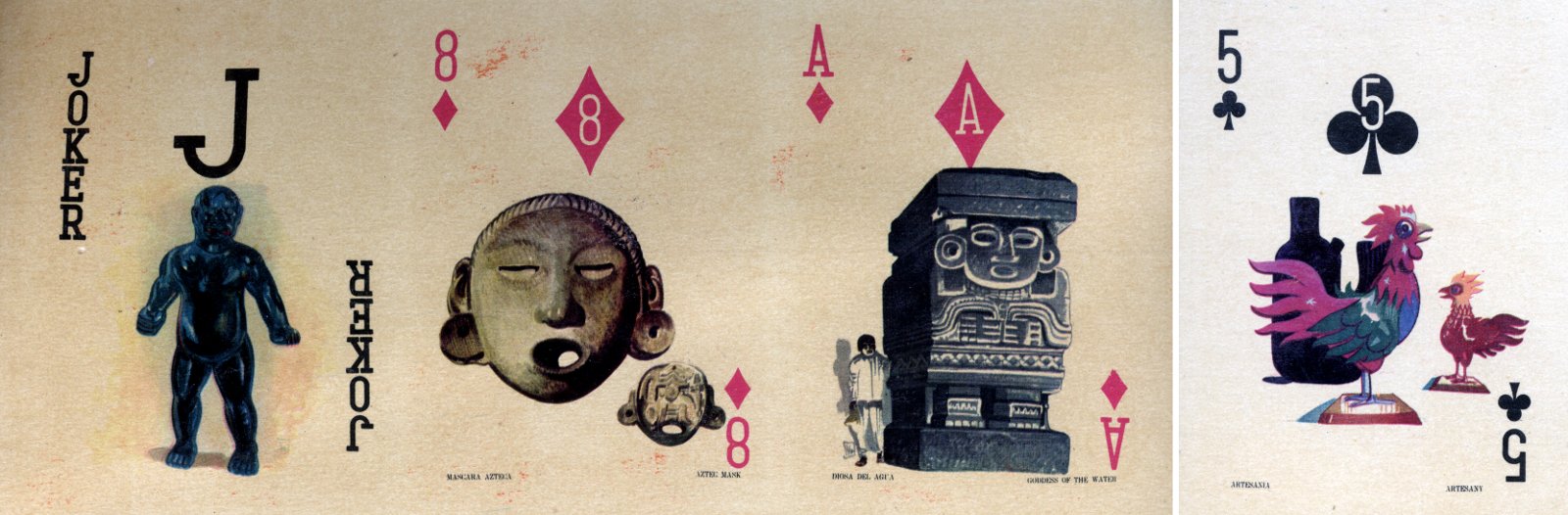
The images below show details from an uncut sheet of playing cards specially designed by Ramón Valdiosera Berman for Aeronaves de Mexico S.A., mid-1960s. The design of the cards features a single pip symbol at the top of each illustration with the numerical value indicated inside.
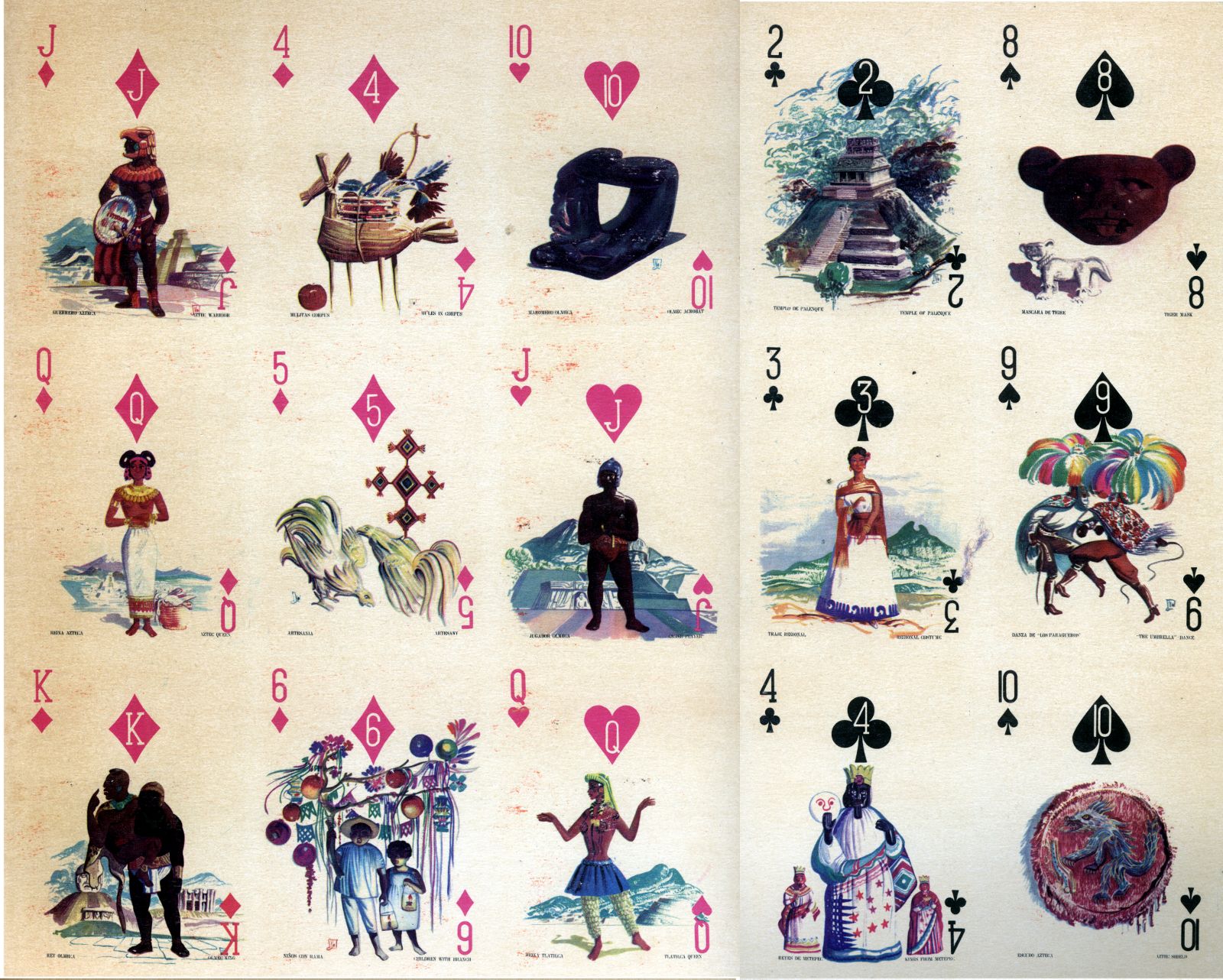
Above & Below: details from an uncut sheet of a special pack for Aeronaves de Mexico S.A., designed by Ramón Valdiosera Berman, mid-1960s. All the cards feature Aztec people and artefacts which are part of Mexican traditional culture.
See also: Mexico homepage • Naipe Victoria • Naipes Nacionales • Souvenir of Mexico • El Fenix • El León • Gallo Intransparente • Baraja Taurina • Aztec Playing Cards • Anonymous Manufacturers • La Cubana • Camacho • Editorial RAF • Pierrot • Acapulco Souvenir • Pronaco • Juegos y Fichas • Naipes Gacela • Bartolo Borrego •

By Simon Wintle
Spain • Member since February 01, 1996
I am the founder of The World of Playing Cards (est. 1996), a website dedicated to the history, artistry and cultural significance of playing cards and tarot. Over the years I have researched various areas of the subject, acquired and traded collections and contributed as a committee member of the IPCS and graphics editor of The Playing-Card journal. Having lived in Chile, England, Wales, and now Spain, these experiences have shaped my work and passion for playing cards. Amongst my achievements is producing a limited-edition replica of a 17th-century English pack using woodblocks and stencils—a labour of love. Today, the World of Playing Cards is a global collaborative project, with my son Adam serving as the technical driving force behind its development. His innovative efforts have helped shape the site into the thriving hub it is today. You are warmly invited to become a contributor and share your enthusiasm.

Activity for Aeronaves de Mexico
Sign in to comment or save this article.

Related Articles
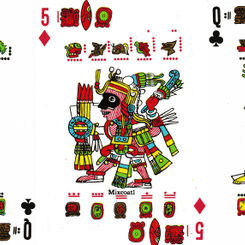
Baraja Mexicana Calendárica
Scholarly Mexican playing cards with Aztec and Maya calendar motifs.
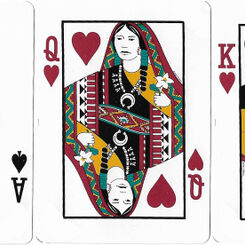
Arrowhead Playing Cards from San Felipe’s Casino Hollywood
A gorgeous and well-researched celebration of Native American culture.
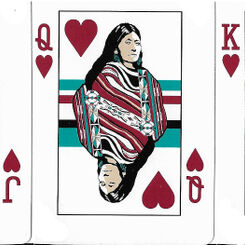
San Manuel Casino
Native American-themed playing cards used by tribal casinos.
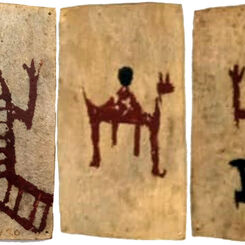
Aónikenk playing cards
Ethnographic playing cards made by members of the Aónikenk culture from Patagonia.
Visite Mexico
Promoting Mexican tourism with 54 different photographs in full colour.
Mexican ethnic playing cards
Mexican ethnic groups depicted on playing cards by Fábrica de Naipes Cuauhtemoc.
Mohegan Sun playing cards
Mohegan Sun playing cards published by Gemaco for Mohegan Sun casino.
Baraja Maya
Original designs inspired by Mayan art and culture published by Fernando Güemes, Mexico.
Inka Naipe Souvenir
54 colour photographs of costumes and artefacts connected with the Inca civilisation, unknown publis...
Tonalamatl
Baraja Tonalamatl Mexican Aztec playing cards based on the prehispanic Codex Borgia manuscript.
Ethiopian Air Lines
Ethiopian Air Lines playing cards designed by Melles Habtezghi with courts wearing regional costumes...
Garuda Indonesia
Souvenir playing cards from Garuda Indonesia Airlines, the national airline of Indonesia.
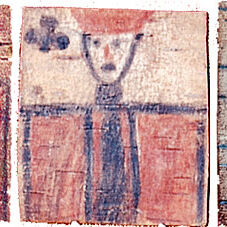
Ojibwa Native Indian Cards
Ojibwa Native Indian playing cards hand manufactured on birch bark in imitation of standard French /...
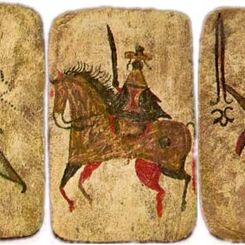
Apache Playing Cards
Apache Indian Playing Cards made on rawhide, first recorded 1875.
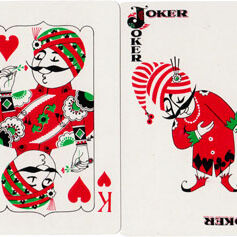
Air India
‘Air India’ playing cards, made in India.
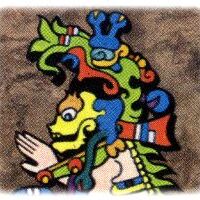
Maya Playing Cards
The designs of Mayan artists shown here give a general idea of their enormous artistic and cultural ...
Mexican Poker
Mexican Poker cards made by Juegos y Fichas, S.A. de C.V., Mexico, 1991
Naipes Nacionales
Naipes Nacionales designed by Manuel Bayardi and published by Clemente Jacques y Cia, Mexico c.1940....
Playing Cards in Mexico
MEXICO shares a long tradition with Spain in the field of playing cards and also merges two complete...
Native Indian Hand-made Cards made on rawhide
Native Indian hand-made cards made on rawhide.
Most Popular
Our top articles from the past 60 days


