


El Monoplano
María González Rizzo (1926-1940) followed in her father's business producing Spanish-suited brands such as “Los Dos Tigres”, “La Española” and an Anglo-American style deck titled “El Monoplano”
El Monoplano
María González Rizzo (Cádiz)
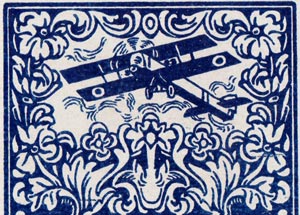
 ne of the last playing card manufacturers based in Cádiz (Southern Spain), María González Rizzo (1926-1940) followed in her father's business producing Spanish-suited brands such as “Los Dos Tigres”, “La Española” and an Anglo-American style deck titled “El Monoplano” (shown here, it is actually a bi-plane). The business was finally taken over by Heraclio Fournier in 1940.
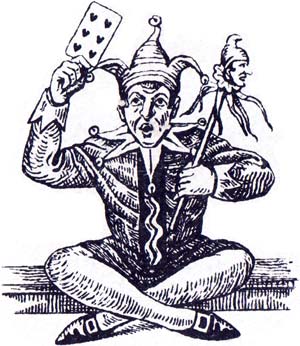
The back design is similar to one of USPCC's ‘War Series’ Bicycle backs produced around 1918 featuring instruments of war. The court cards are a copy of Goodall's courts, and the Joker is a copy of Goodall's with a redrawn head, plus a reference to USPCC Jokers with ‘OS’ instead of ‘US’ in the indices. The Ace of Spades is anonymous.
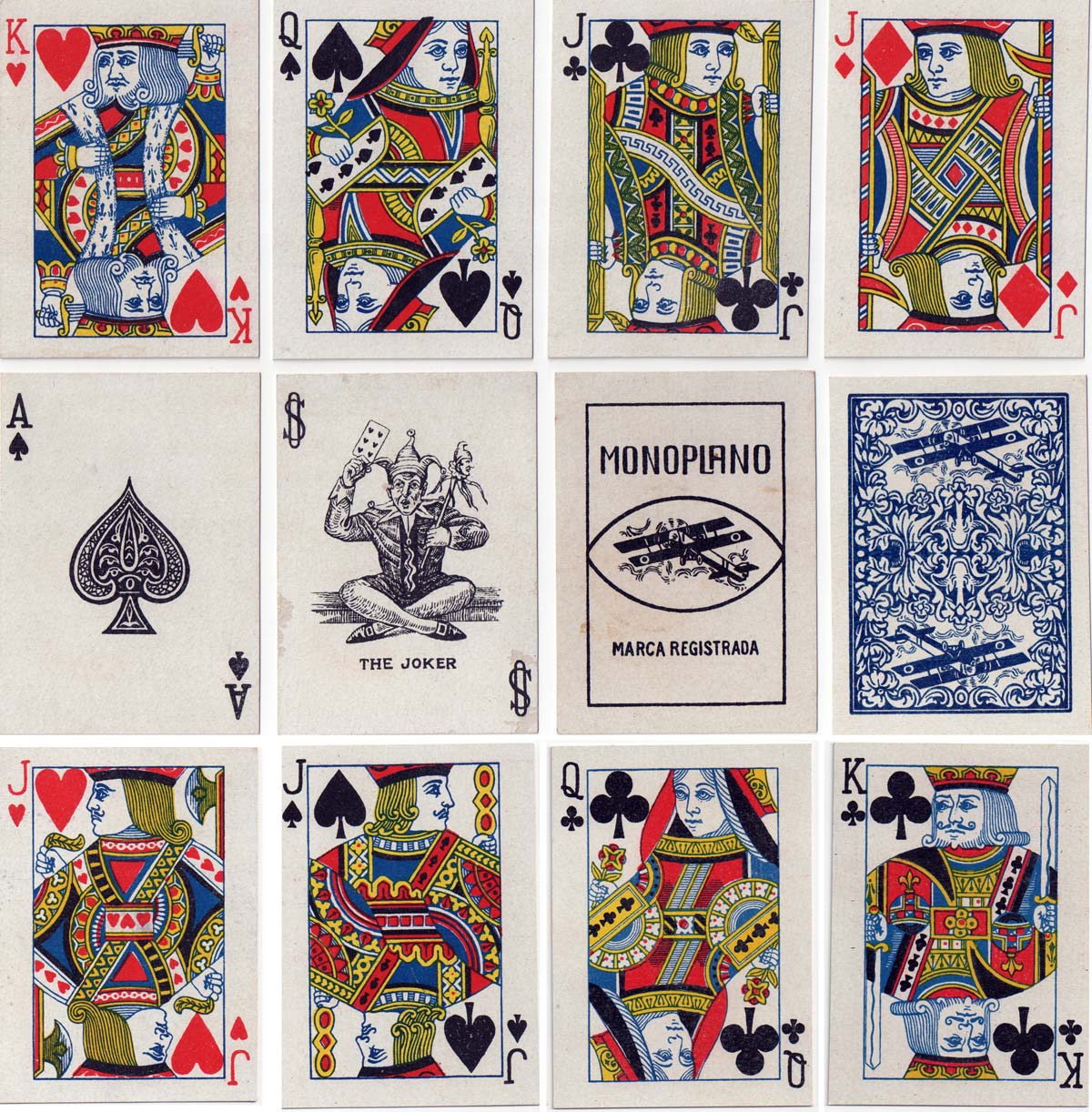
Above: square cornered edition of 'El Monoplano' playing cards produced by María González Rizzo (Cádiz) c.1926. A Spanish-suited pack with the same name and a patience size version were also produced. Later editions had rounded corners. 52 cards + 2 Jokers. Images courtesy Ken Lodge.
REFERENCES
Dawson, Tom & Judy: The Hochman Encyclopedia of American Playing Cards, U.S. Games Systems Inc., 2000 (see page 90).
Pérez González, Alberto: Los Naipes de Cádiz, in LA SOTA no.13, Asescoin, Madrid, October 1995.

By Simon Wintle
Spain • Member since February 01, 1996
I am the founder of The World of Playing Cards (est. 1996), a website dedicated to the history, artistry and cultural significance of playing cards and tarot. Over the years I have researched various areas of the subject, acquired and traded collections and contributed as a committee member of the IPCS and graphics editor of The Playing-Card journal. Having lived in Chile, England, Wales, and now Spain, these experiences have shaped my work and passion for playing cards. Amongst my achievements is producing a limited-edition replica of a 17th-century English pack using woodblocks and stencils—a labour of love. Today, the World of Playing Cards is a global collaborative project, with my son Adam serving as the technical driving force behind its development. His innovative efforts have helped shape the site into the thriving hub it is today. You are warmly invited to become a contributor and share your enthusiasm.

Activity for El Monoplano
Sign in to comment or save this article.

Related Articles
34: Design Copies
Some copies of the designs of Goodall and the New York Consolidated Card Co.
Most Popular
Our top articles from the past 60 days


