National Card Co.
The National Card Co. was formed in c.1886 by Samuel J Murray, who as a young man had worked in England in Charles Goodall's playing card factory.
The National Card Co., Indianapolis & New York (c.1886-1894)

The National Card Co. was formed in c.1886 by Samuel J Murray, who as a young man had worked in England in Charles Goodall's playing card factory. In 1881 he moved to Cincinnati and became an employee of Russell & Morgan playing card manufacturers. In 1886 he left Russell & Morgan and moved to Indianapolis to establish the National Card Company. The National Card Co. Aces of Spades state 'Indianapolis & New York'. The plant was located at 5th and Eggleston in Indianapolis, whilst offices were at 221-227 Canal St., New York City.
Early National Card Co brands include: Steamboats, Crescent, Apollo and Rambler.
-
Founded by Samuel J Murray c.1886
-
Merged with U.S.P.C.C. in 1894
Steamboats No.9
All playing card manufacturers produced their own version of the Steamboat brand, usually towards the bottom of the range. There doesn't appear to have been any patent, copyright or trademark restriction on the “Steamboats” brand.
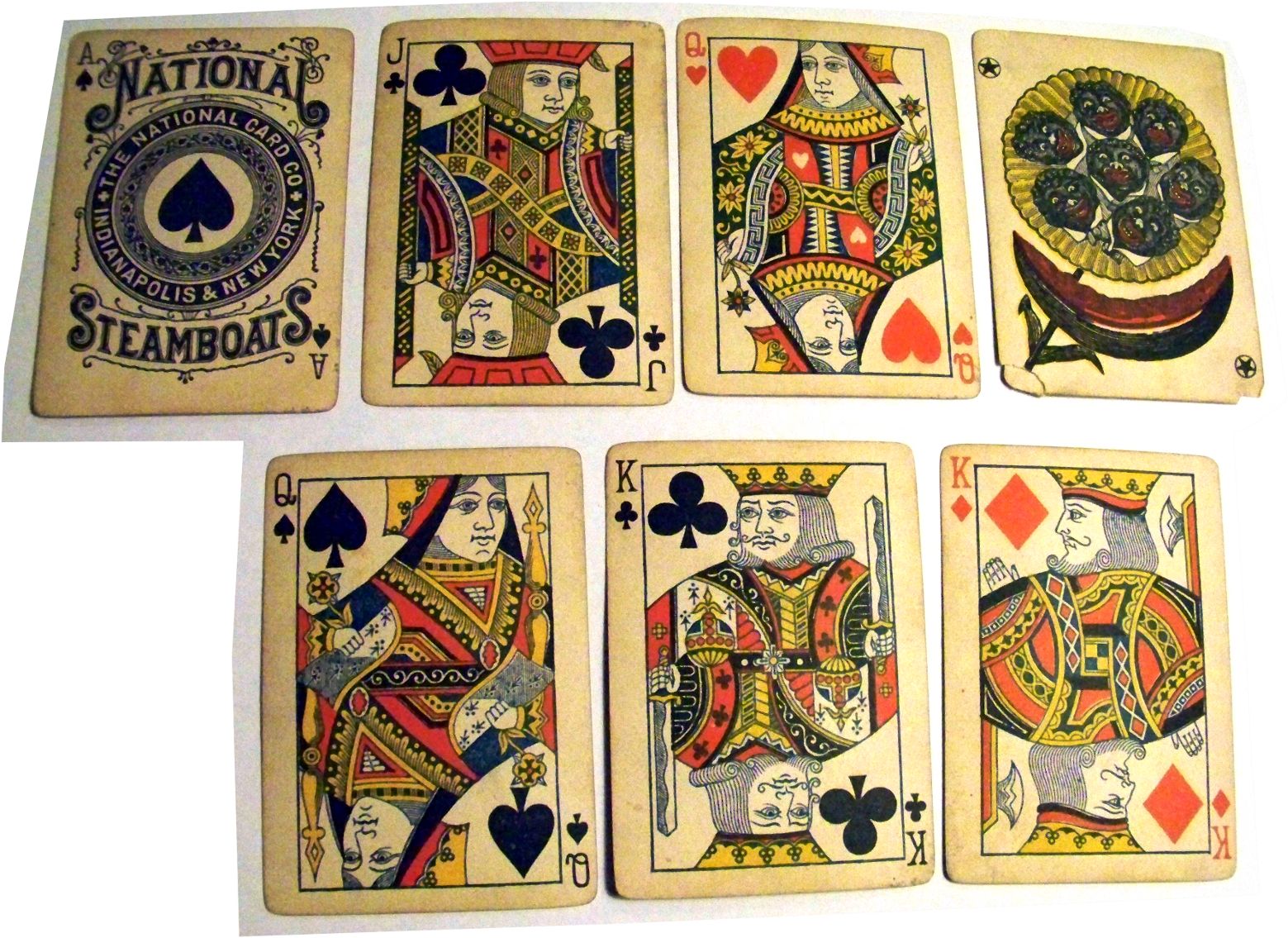
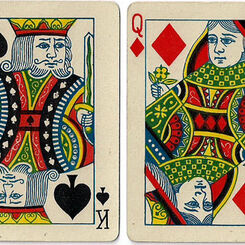
Above: National Steamboats #9 manufactured by the National Card Co., c.1886. 52 cards + 'Watermelon' Joker. Click the image to see another example with slight differences in details of the costume decoration, more akin to Goodall's designs.
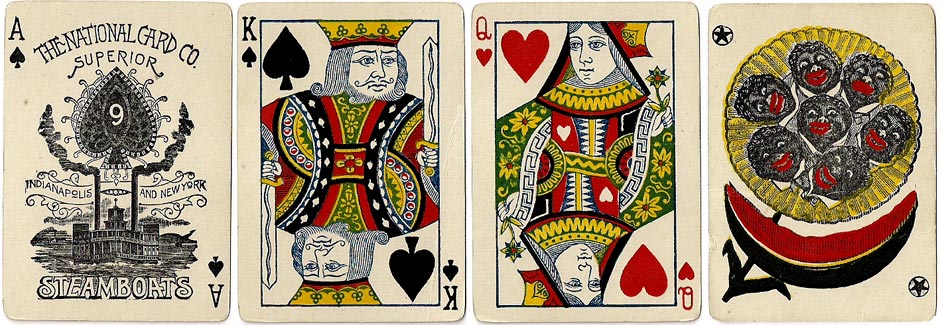
Above: Superior Steamboats No.9, c.1886. Although the Steamboats brand was the bottom of the line quality-wise with all makers, this particular deck is gold edged! Note that the typeface for the indices has changed, but the colourful Joker is the same see more. Image courtesy Rod Starling.
All National brands were available with gold edges, and the brand number on the box was one higher on gold edged decks.
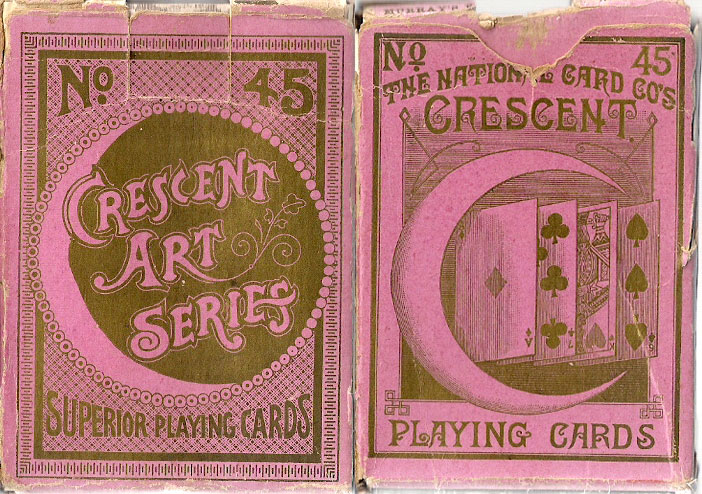
Crescent No.44 & 45
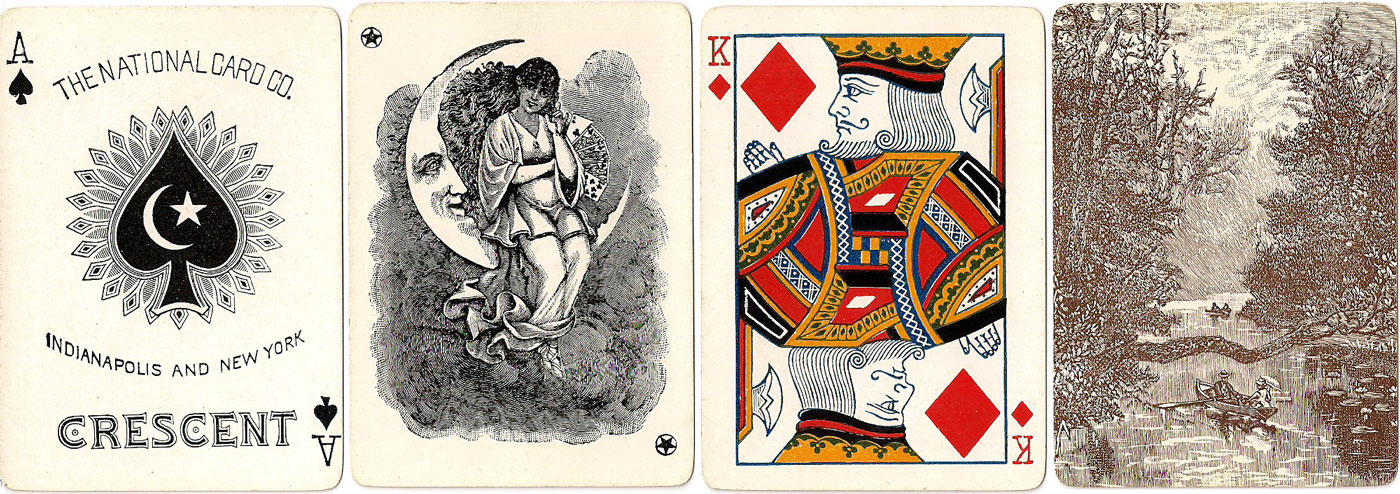
Above: Crescent #45 playing cards by the National Card Co., c.1886-1890 with an artistic landscape on the back. The box states that the deck is in the “Crescent Art Series”. Image courtesy Rod Starling.
Apollo No.33
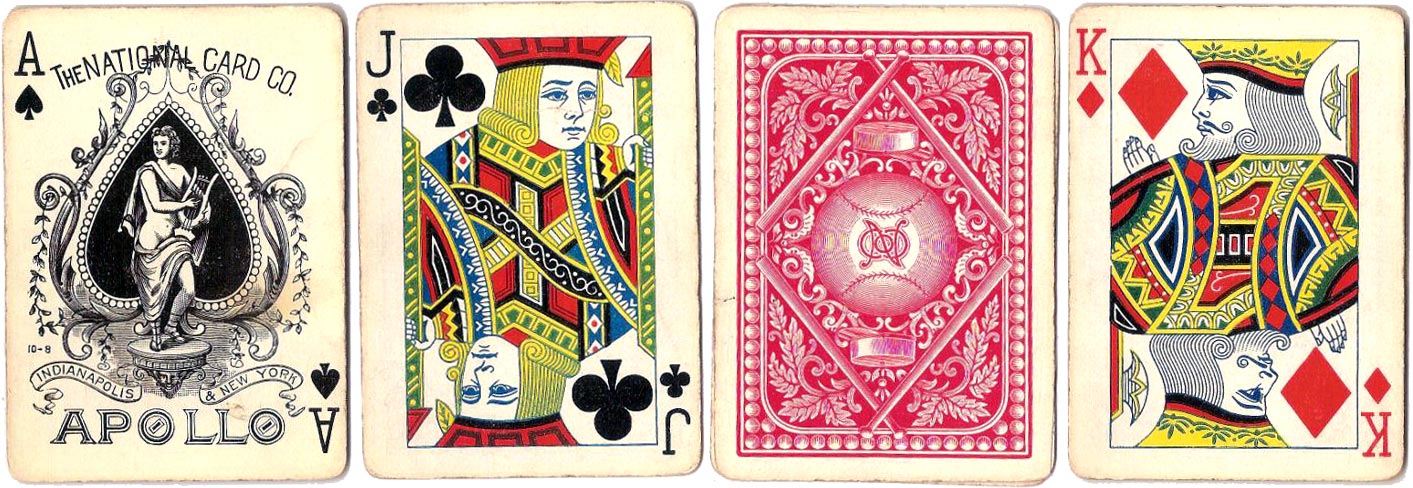
Above: Apollo #33 early 1900s, with baseball back design featuring N.C.Co monogram and larger indices. The deck has USPCC turned courts, not National ones. Even though USPCC was formed partly by National, they used their own courts for several years.
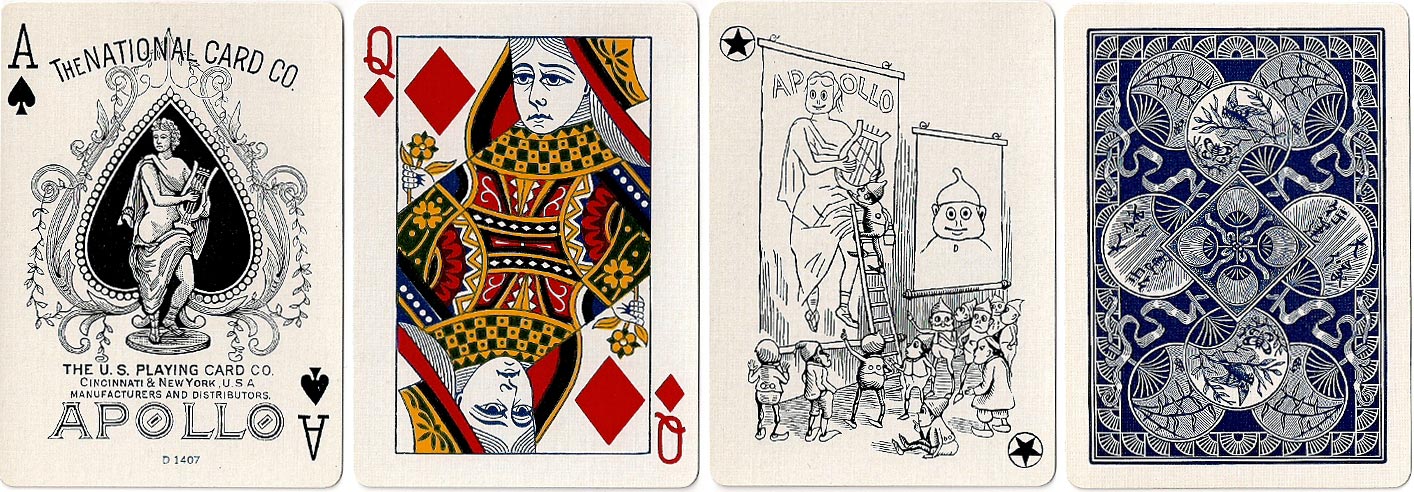
Above: Apollo #33 issued by the United States Playing Card Company who were continuing to publish the former National Card Co brand, 1926. The Ace of Spades has some small differences in the design. The Joker features Brownies as were popularized at the time by Palmer Cox, a writer of children's stories. Images courtesy Rod Starling.
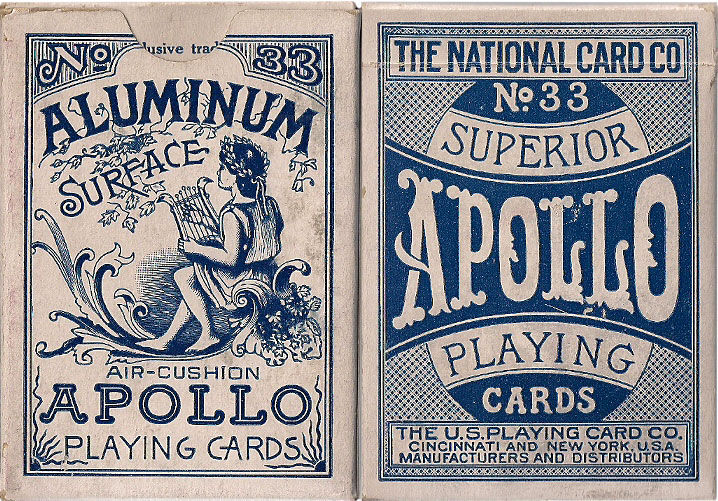
Right: the box Click to zoom →
1886 saw the ongoing production of several new brands introduced by the National Card Company including Owls, Arrows, Aladdin and Columbia. In that same year the American Federation of Labor was founded and the Statue of Liberty was dedicated in New York Harbour. The structural engineer of the statue was Gustave Eiffel.
In 1894 the National Card Co. was merged with the United States Printing Co. as a key component in the formation of the United States Playing Card Company. From c.1900 the name of the U.S. Playing Card Co. was placed at the bottom of the Ace of Spades and on the box, in addition to the National Card Co name, and most of the National brands remained in production by the U.S.P.C.C.
Full House Poker No.555
Full House Poker No.555 was patented on 30 June 1896 and was the first example of a deck carried through into USPCC’s range. Earlier examples of the deck have the words “Patent Applied For” rather than the actual date of the patent on the ace of spades and box.
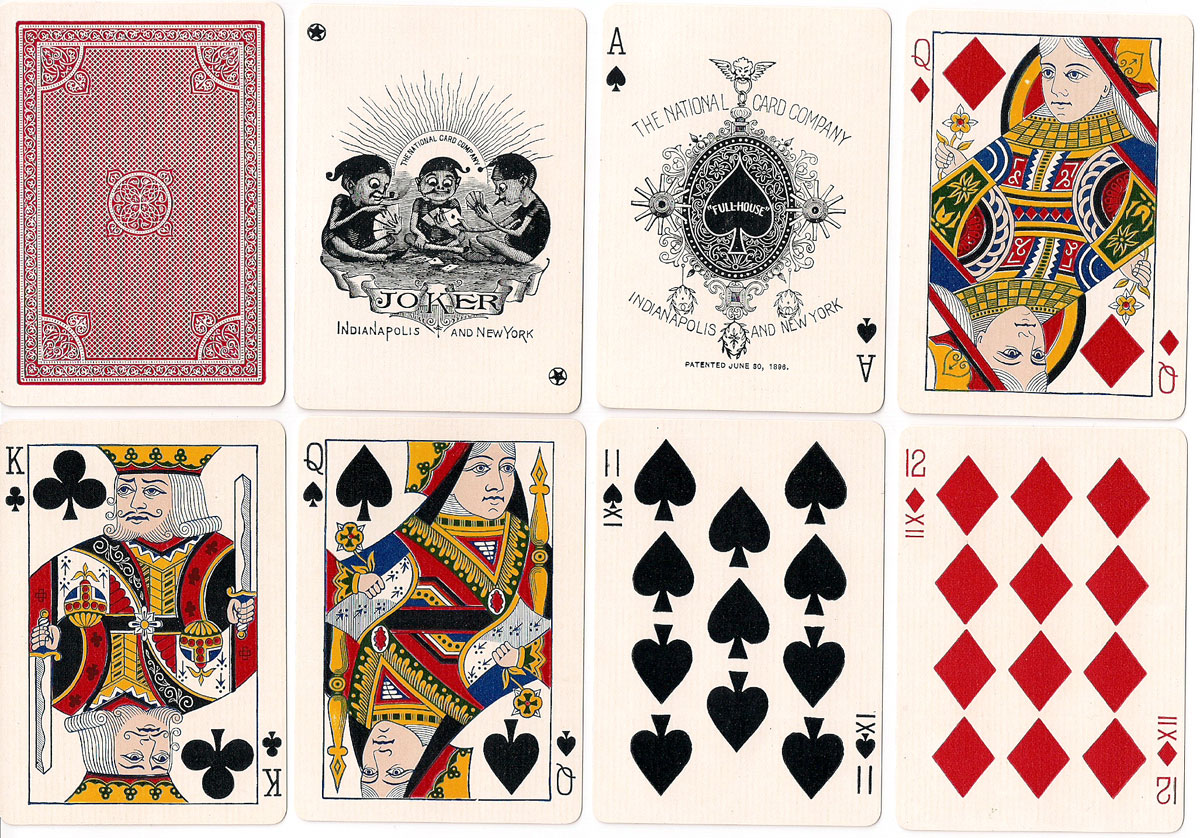
Above: National Playing Card Company No.555 “Full House” deck. It is interesting to note that the word “Poker” was added on the box in addition to referencing the 11 and 12 spots. It looks like the manufacturer wanted to make it clear that the additional spot cards did not render the deck unusable for the game of Poker. The USPCC version of “500” deck had 11, 12 and 13 spot cards wrapped separately from the 52 regular cards which again suggests an effort to retain the integrity of the regular deck for all games. The whole idea of additional spot cards was ill-conceived because if the additional spot cards are used for some games and not for others, they will show different grades of wear from the rest of the deck and will therefore be identifiable during play just from that factor alone. Not a good idea. (Click image to zoom). Courtesy Rod Starling.
Aladdin No.1001
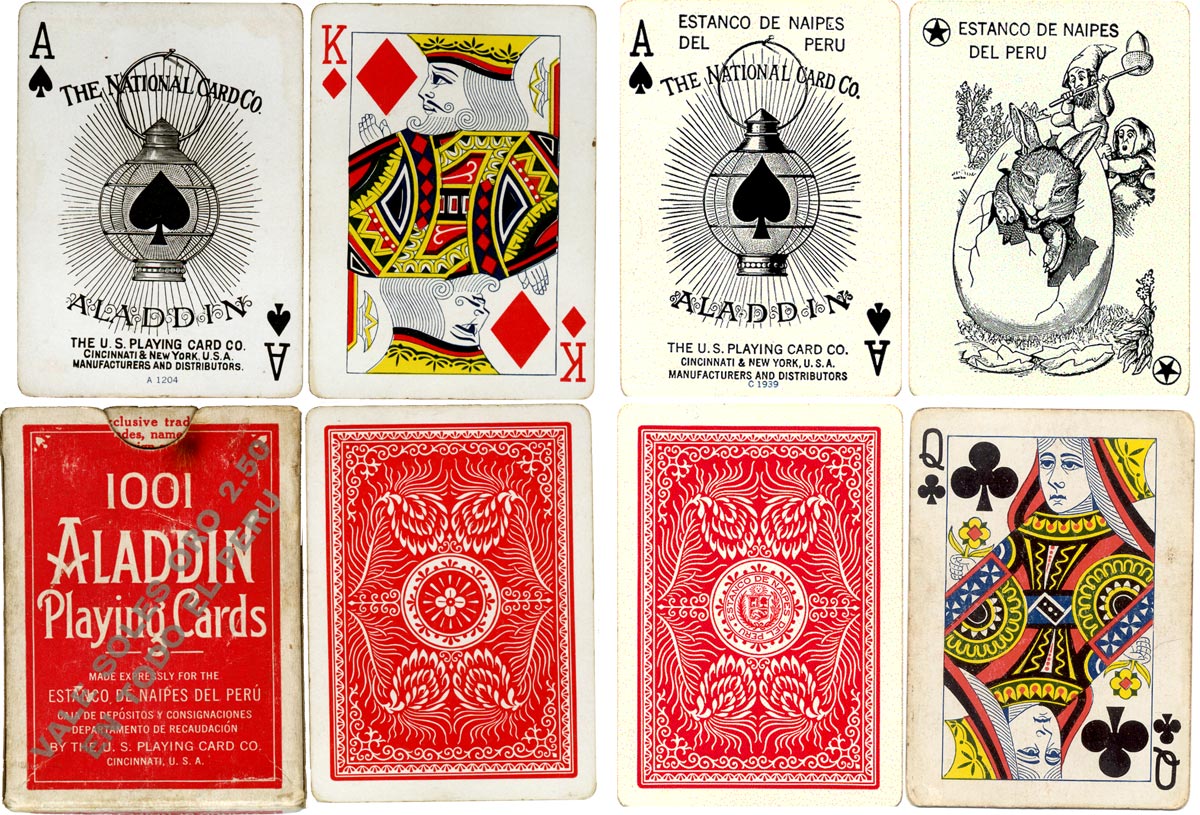
Above: the National Card Co's “Aladdin No.1001” playing cards manufactured by The US Playing Card Co for the Estanco de Naipes del Peru, 1940s. The legend “Estanco de Naipes del Perú” is printed either on the box (left-hand example) or on the ace of spades, joker and reverse (right-hand example). The price of 2.50 Soles Oro is also overprinted on the box. The Aladdin brand is still being manufactured by USPCC with the standard contemporary USPCC courts.
Skat No.8
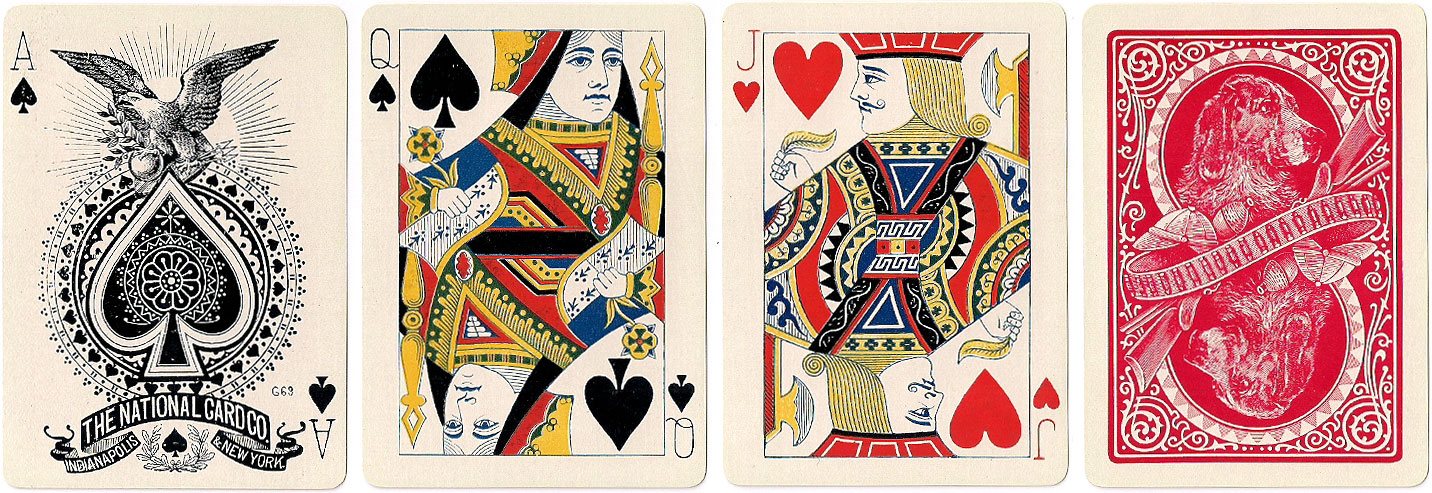
Above: Skat 8 playing cards by the National Card Co., c.1895. The back design features hunting paraphernalia, possibly a response to USPCC’s “Sportsmans” and Dougherty’s “Outing” brands. This beautifully engraved Ace of Spades was also used for Pinochle #300. Image courtesy Rod Starling.
Columbia No.133 & 134
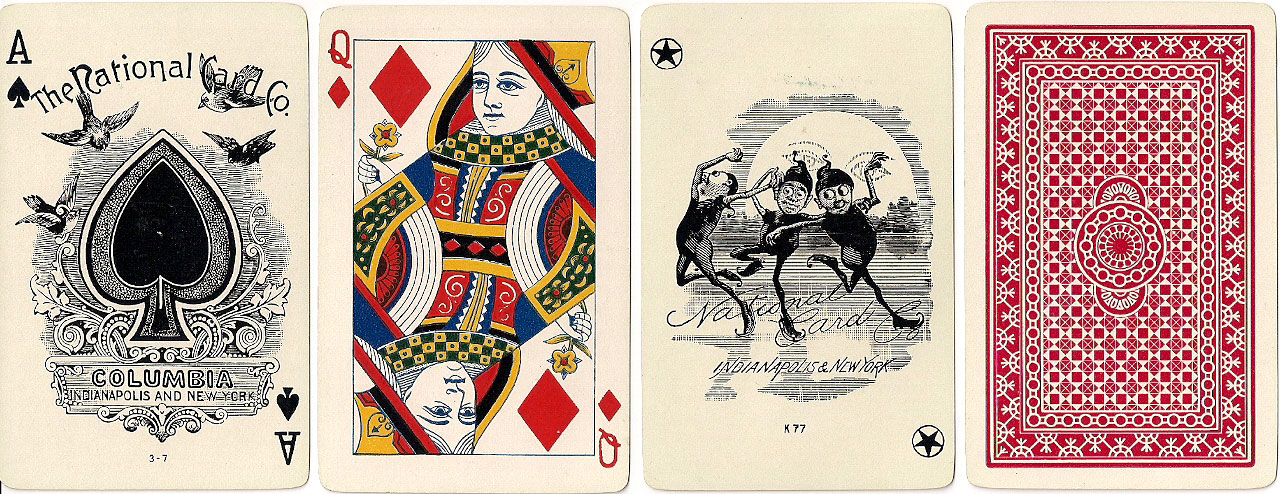
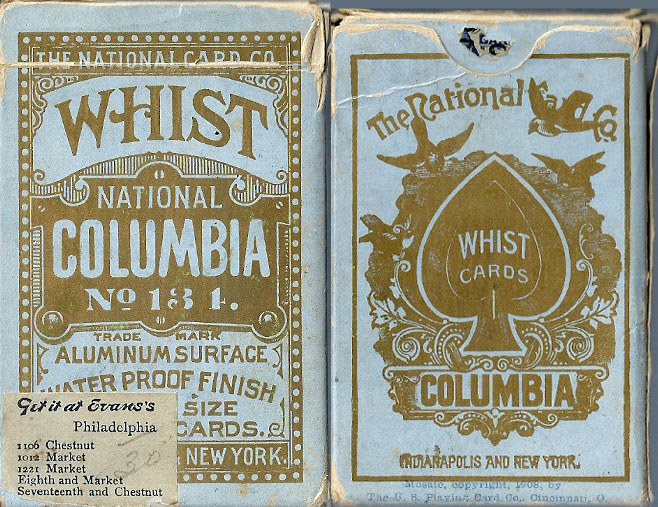
Above: Columbia #134 Whist playing cards by the National Card Co., c.1895. Image courtesy Rod Starling.
Right: the box Click to zoom →
REFERENCES
Dawson, Tom & Judy: The Hochman Encyclopedia of American Playing Cards, U.S. Games Systems Inc., 2000
Seaney, Dave: thenationalcardco.weebly.com►
Starling, Rod: Shuffling Along with History, in 'Clear the Decks', the Newsletter for 52 Plus Joker (edited by Judy Dawson), September 2010

By Simon Wintle
Spain • Member since February 01, 1996
I am the founder of The World of Playing Cards (est. 1996), a website dedicated to the history, artistry and cultural significance of playing cards and tarot. Over the years I have researched various areas of the subject, acquired and traded collections and contributed as a committee member of the IPCS and graphics editor of The Playing-Card journal. Having lived in Chile, England, Wales, and now Spain, these experiences have shaped my work and passion for playing cards. Amongst my achievements is producing a limited-edition replica of a 17th-century English pack using woodblocks and stencils—a labour of love. Today, the World of Playing Cards is a global collaborative project, with my son Adam serving as the technical driving force behind its development. His innovative efforts have helped shape the site into the thriving hub it is today. You are warmly invited to become a contributor and share your enthusiasm.

Activity for National Card Co.
Sign in to comment or save this article.

Related Articles
Mohegan Sun playing cards
Mohegan Sun playing cards published by Gemaco for Mohegan Sun casino.
Old West Guns
Old West Guns playing cards containing information about firearms from the Old West, USA.
Amusements and Attractions
‘Amusements and Attractions’ playing cards showing the fun and excitement of America’s amusement par...
American Civil War playing cards
American Civil War centennial playing cards designed by Teodoro N. Miciano and published by Fournier...
Wild West playing cards
Famous lawmen, gamblers, outlaws and others from the American Wild West.
Shuffle Along With History
A brief chronological note linking the introduction of familiar American decks (1848–1908) with cont...
Roundup
Roundup card game by Whitman Publishing, 1951.
State Historical Society of Wisconsin
Souvenir deck from the State Historical Society of Wisconsin containing photographs from museum coll...
Southern Pacific Souvenir
Southern Pacific Souvenir of the Golden West playing cards - Sunset, American Canyon and Shasta Rout...
McDonald’s Playing Cards
McDonald’s playing cards by the United States Playing Card Co., Cincinnati, c.1997
Globe Card Company
“Globe Playing Cards” patented on Oct. 6, 1874 by I. N. Richardson.
President Suspender
An historic American advertising deck for the C. A. Edgarton Mfg Company, manufacturers of the Presi...
Steamboat No.999
Owing to the romantic appeal of gambling on the Mississippi river many manufacturers added “Steamboa...
Kalamazoo Playing Card Co
This firm commenced producing playing cards with the name Kalamazoo Paper Box & Card Co in 1903.
The Steamboat Brand
The theme of steamboats navigating up and down the Mississippi also extended to the cotton plantatio...
Steamboats No.99
Steamboats No.99 was one of a number of brands produced by the American Playing Card Co. of Kalamazo...
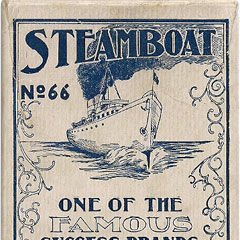
Steamboats No.66
Steamboats #66 playing cards manufactured by the Kalamazoo Paper Box & Card Co., c.1903.
Superior Steamboats No.9
This deck was of slightly superior quality than it's predecessor “National Steamboats No.9” and is e...
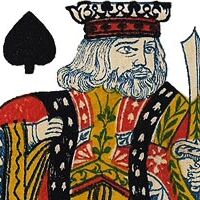
Charles Bartlet
Elaborate court cards on a deck by Charles Bartlet, Philadelphia, (who was in fact Samuel Hart) c.18...
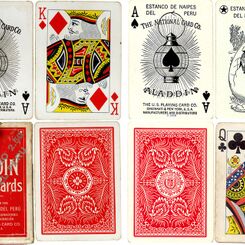
Playing Cards manufactured by The US Playing Card Co for the Estanco de Naipes del Peru
Playing cards manufactured by The US Playing Card Co for the Estanco de Naipes del Peru, 1920s - 195...
Most Popular
Our top articles from the past 60 days