


Bourgeois Tarot by Piatnik 1987
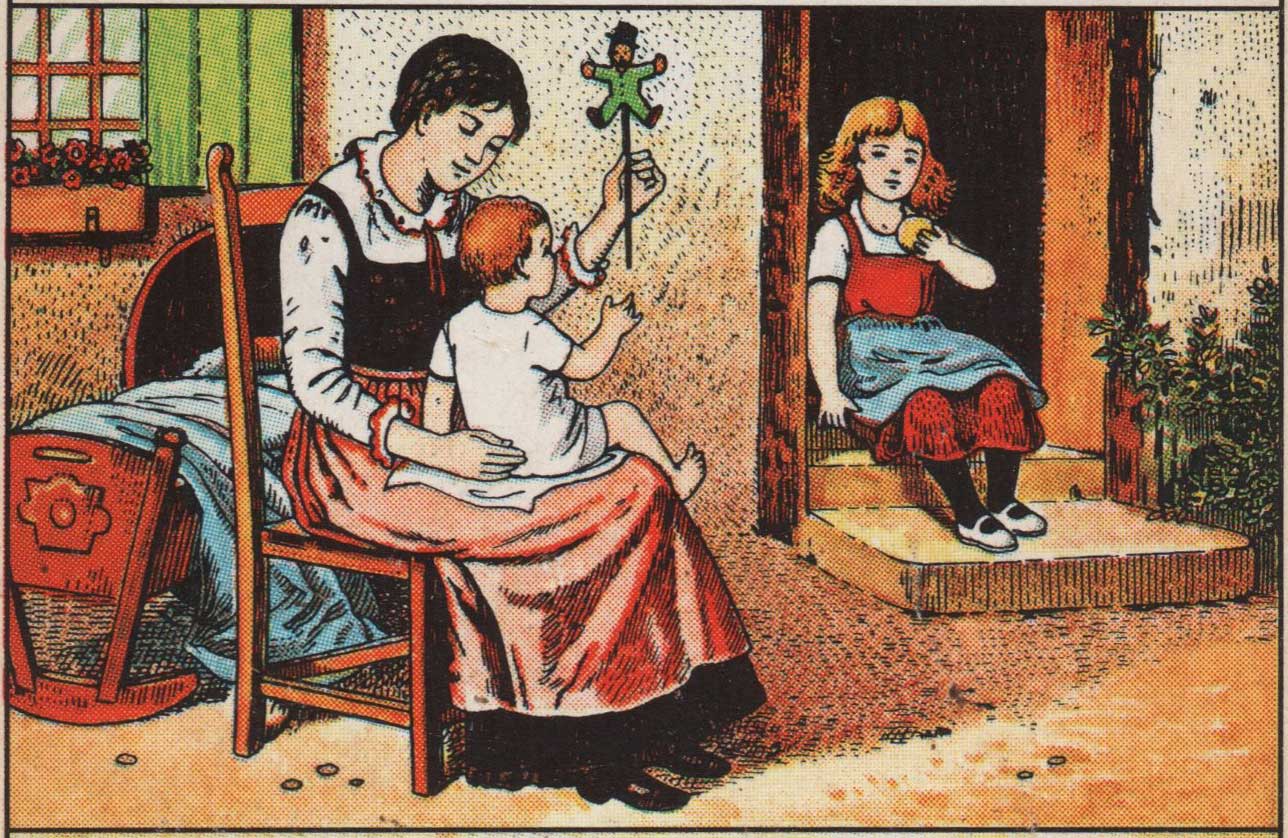
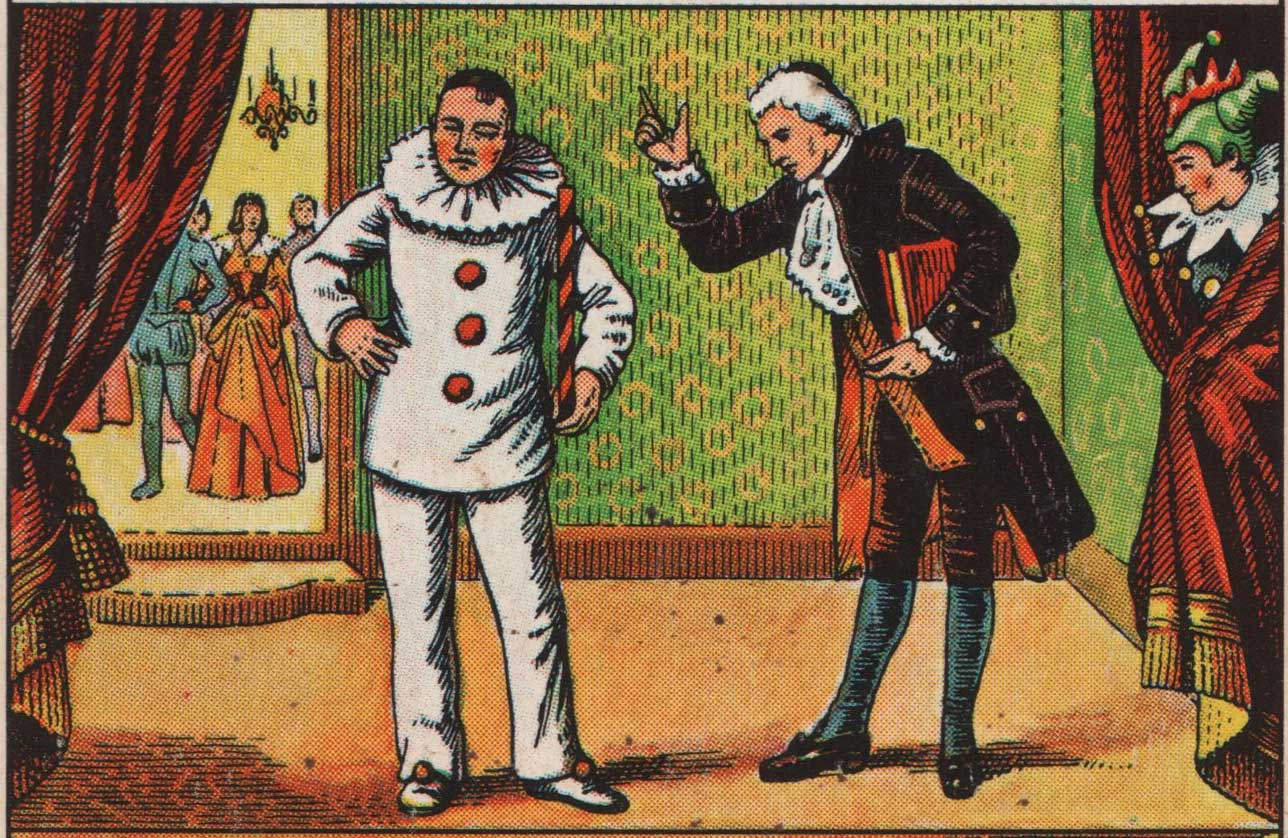
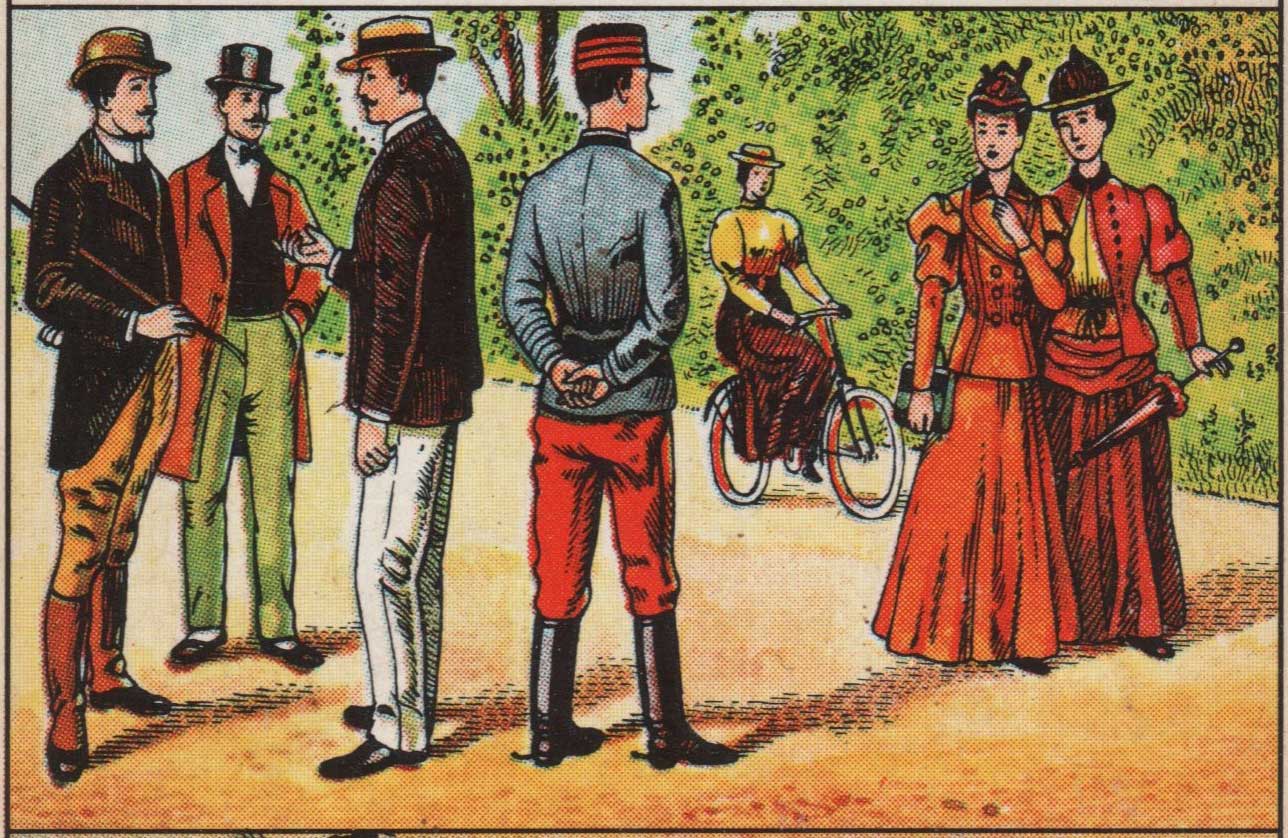
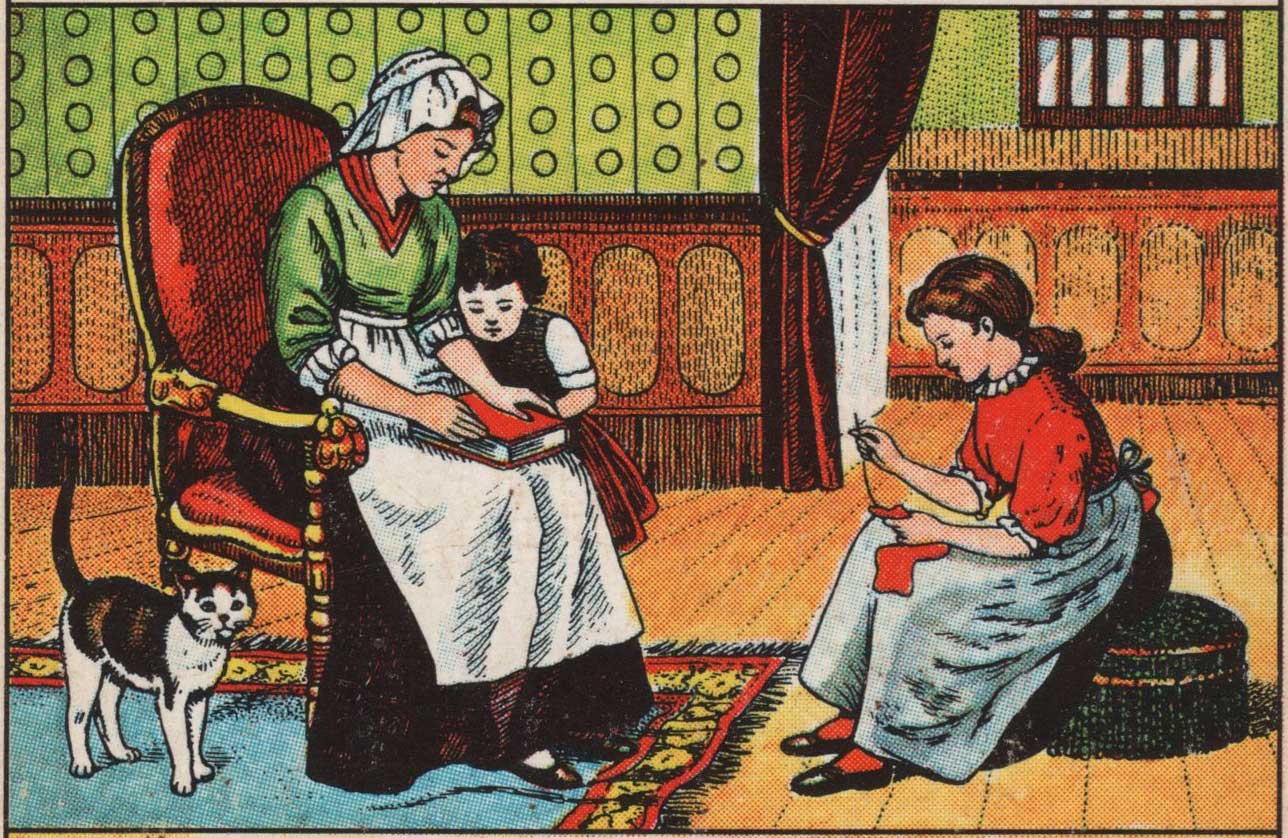
Piatnik’s ‘Bourgeois Tarot’ in a version published in 1987 with nice quality images, especially the double-ended trump cards.
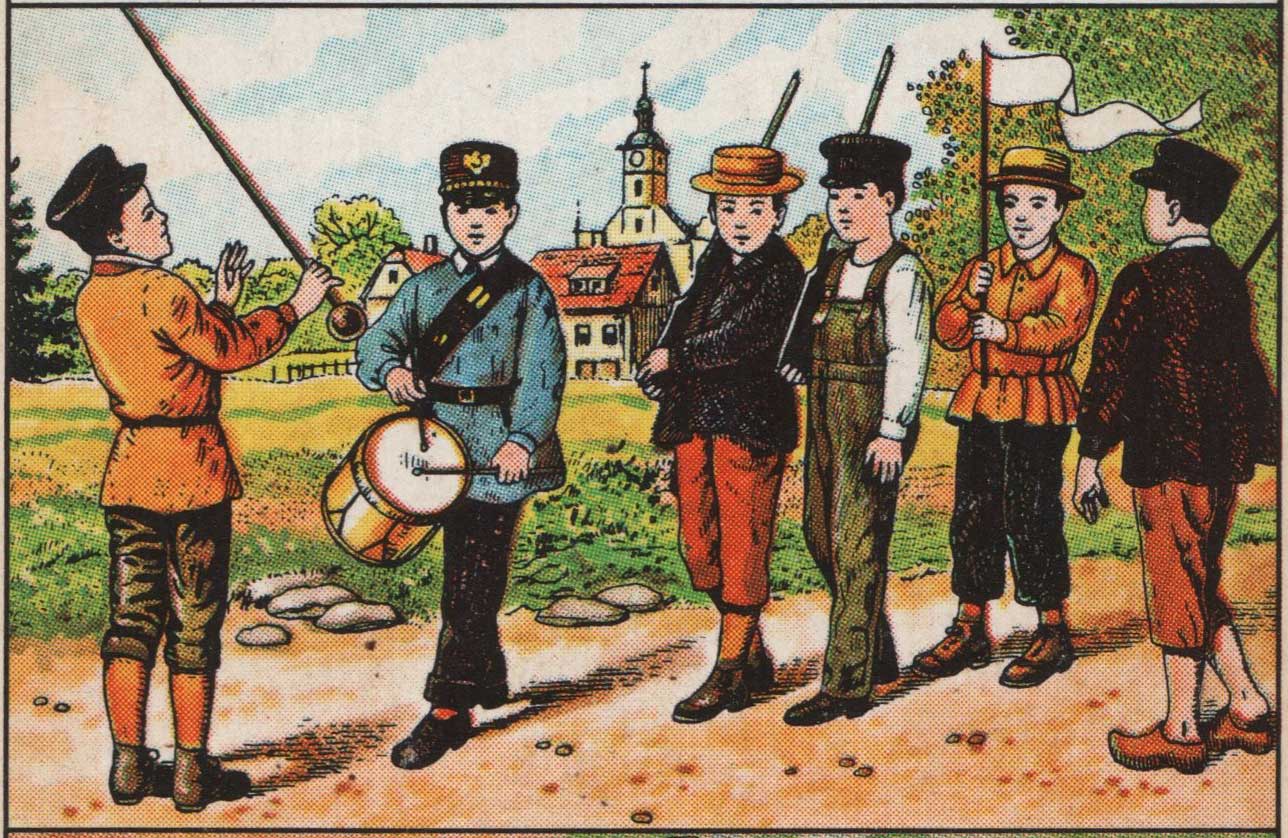
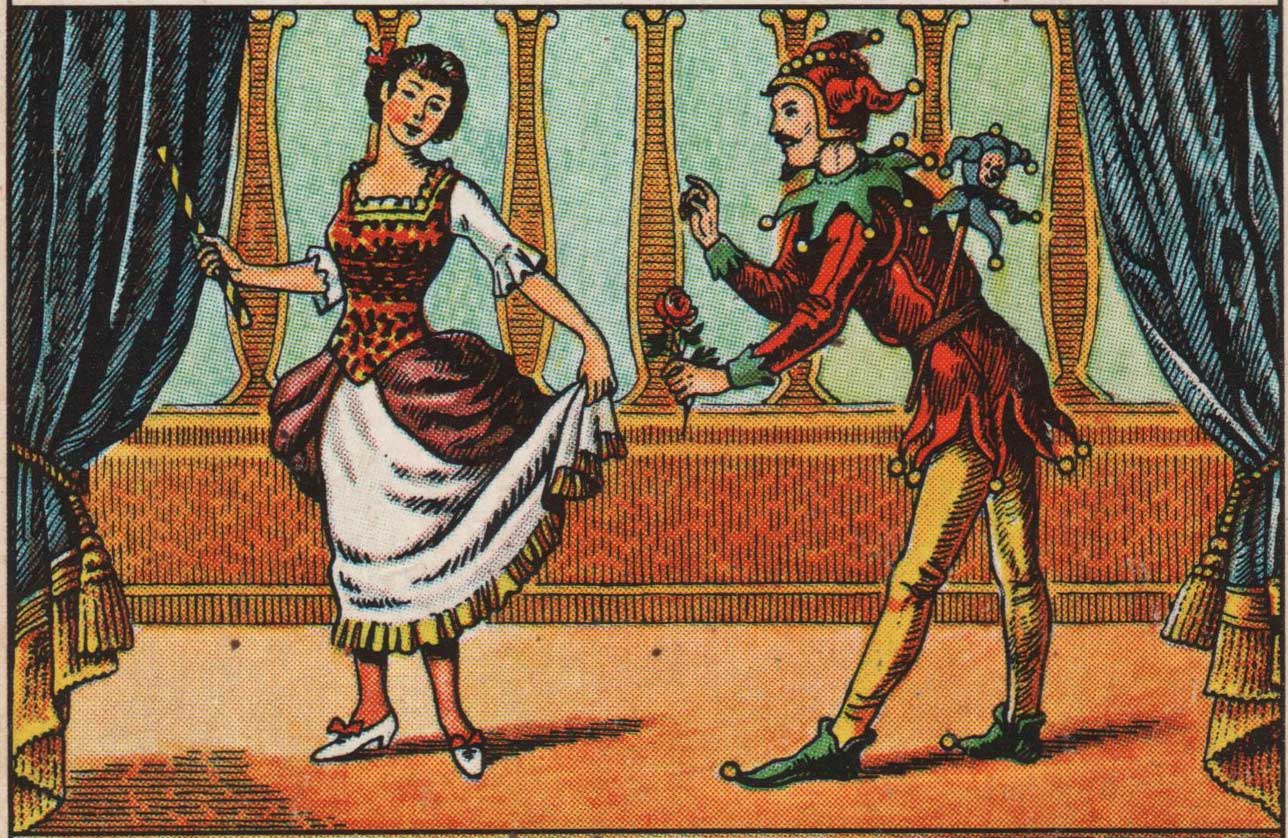
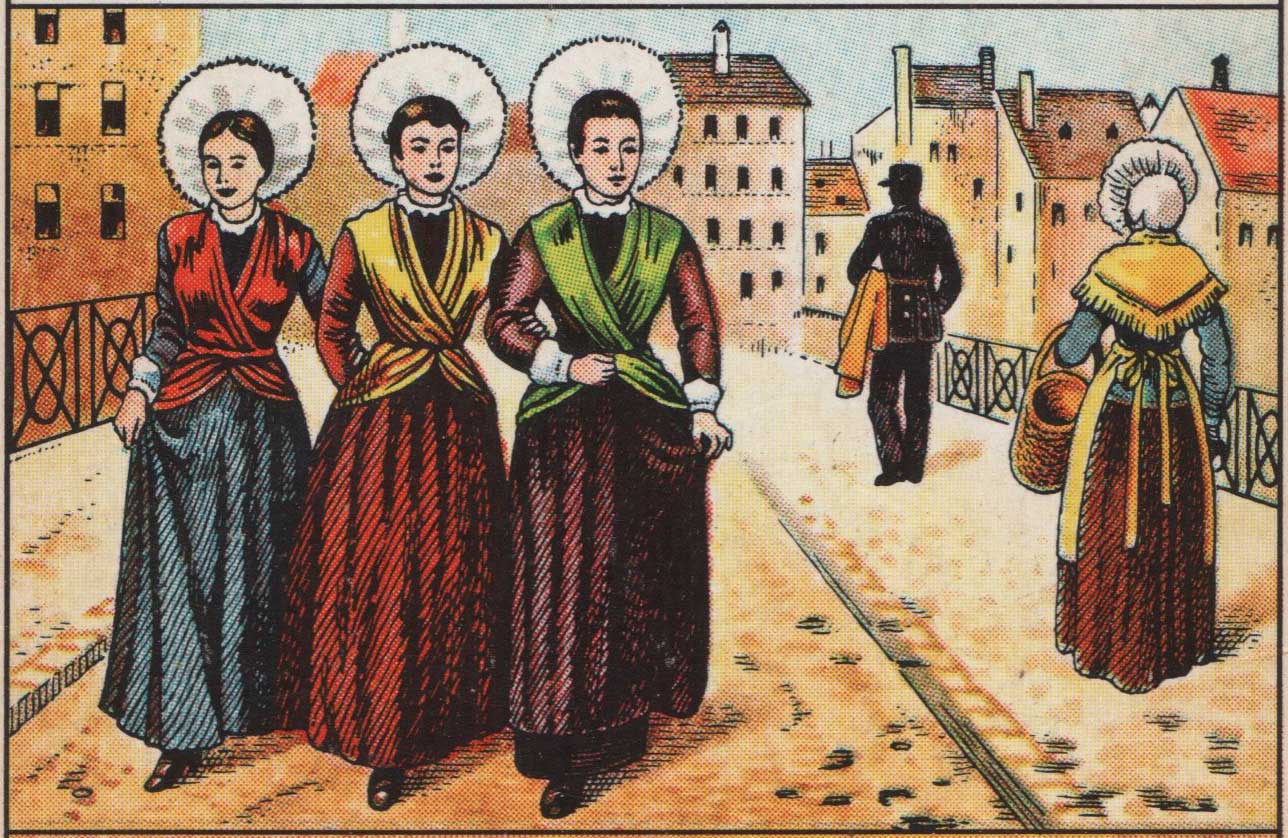
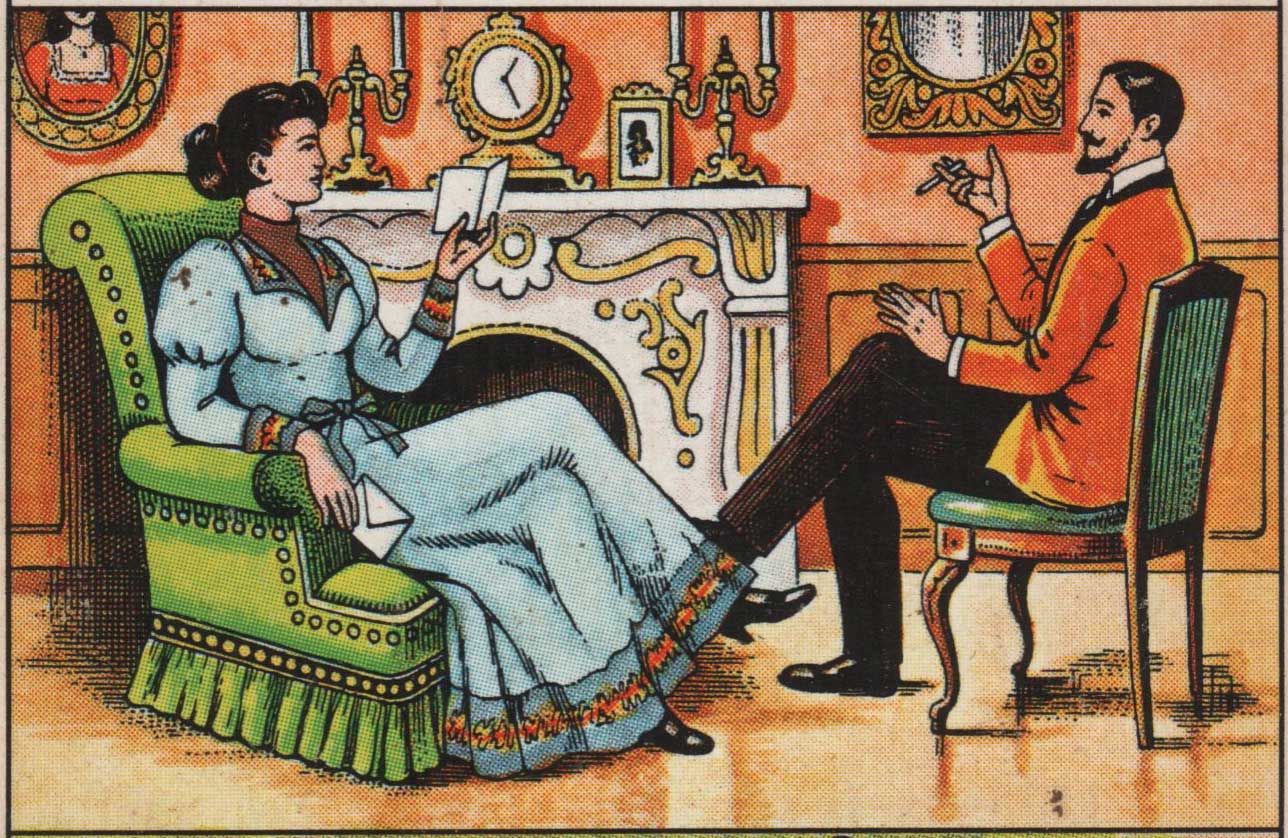
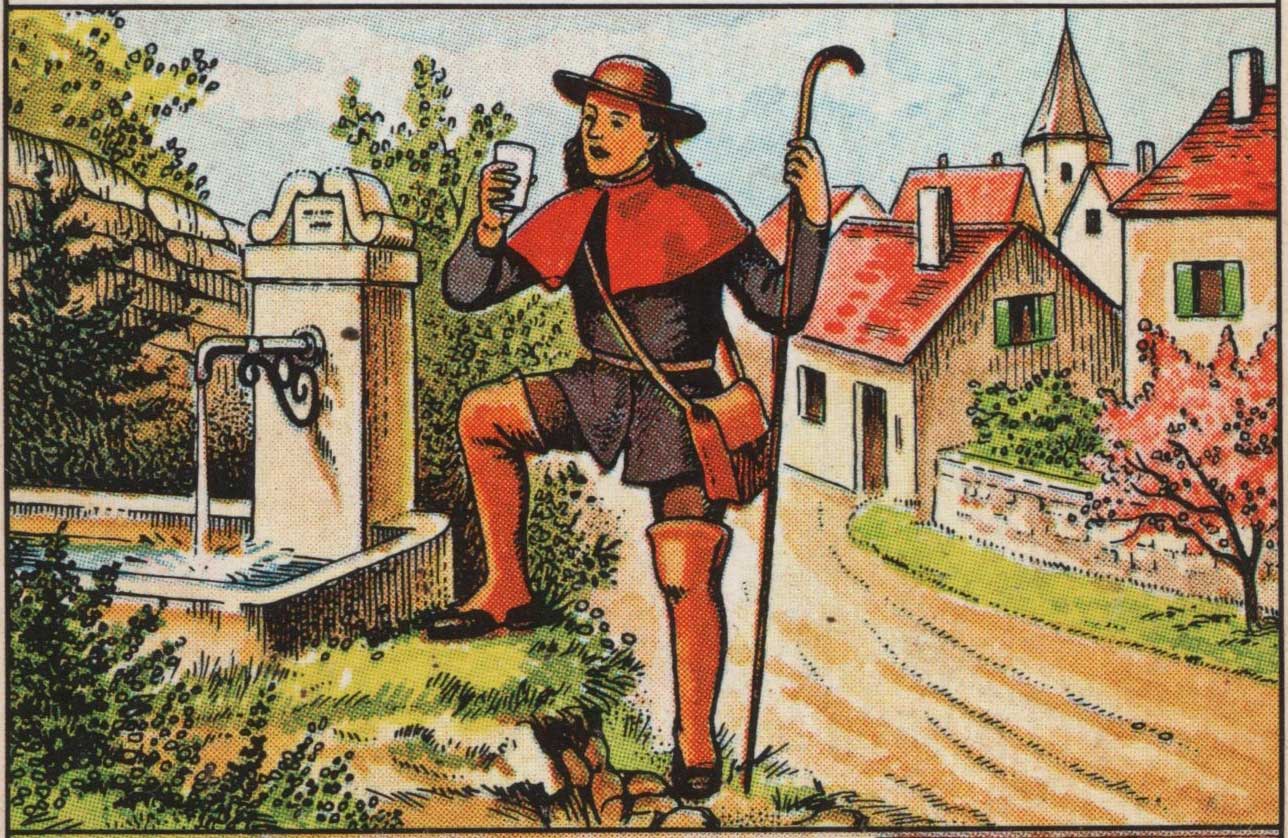
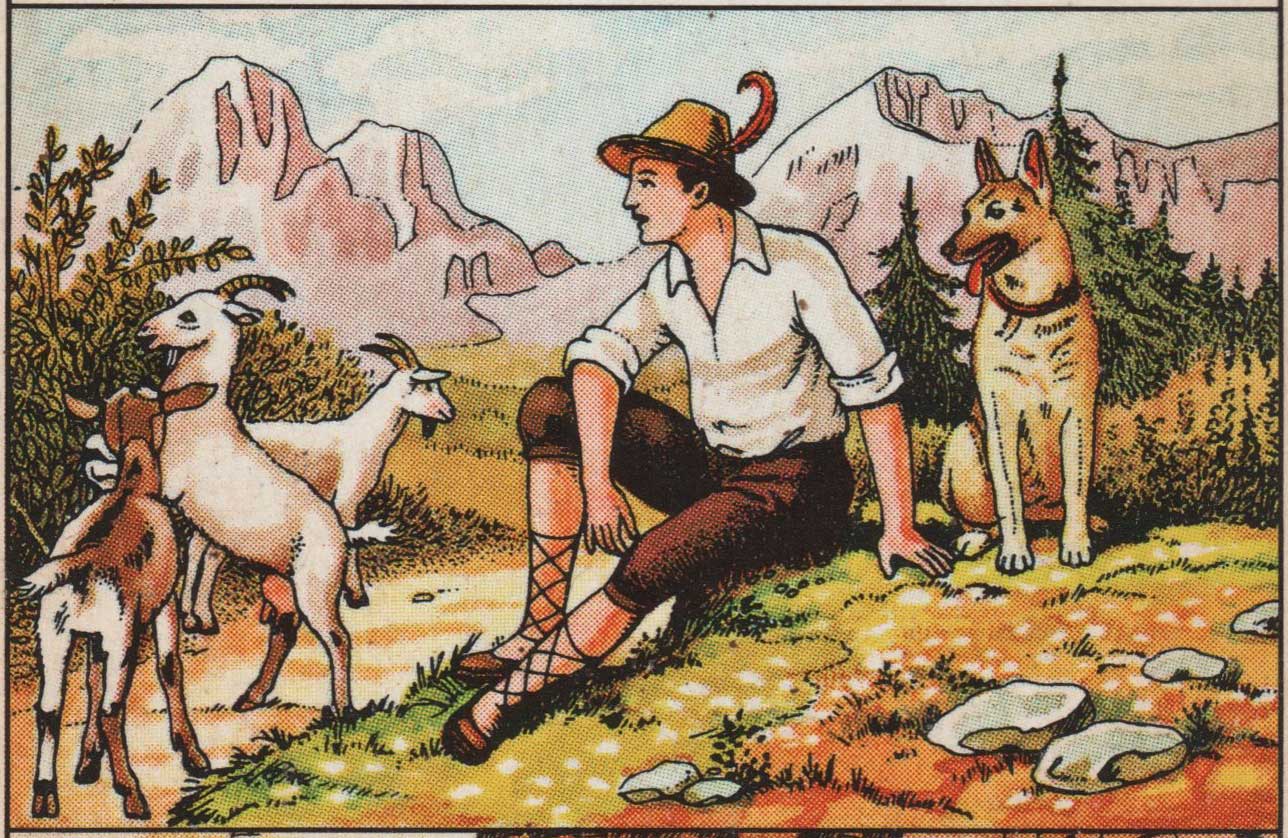
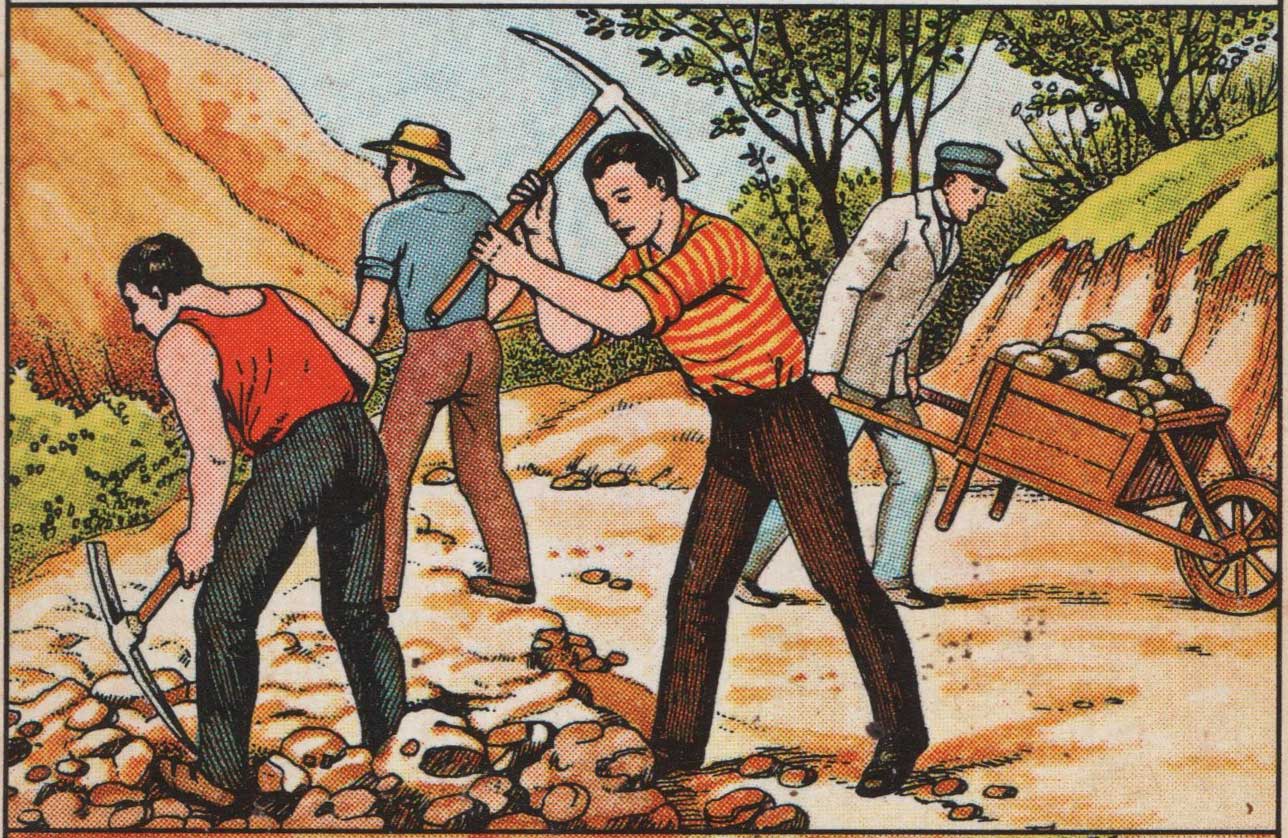
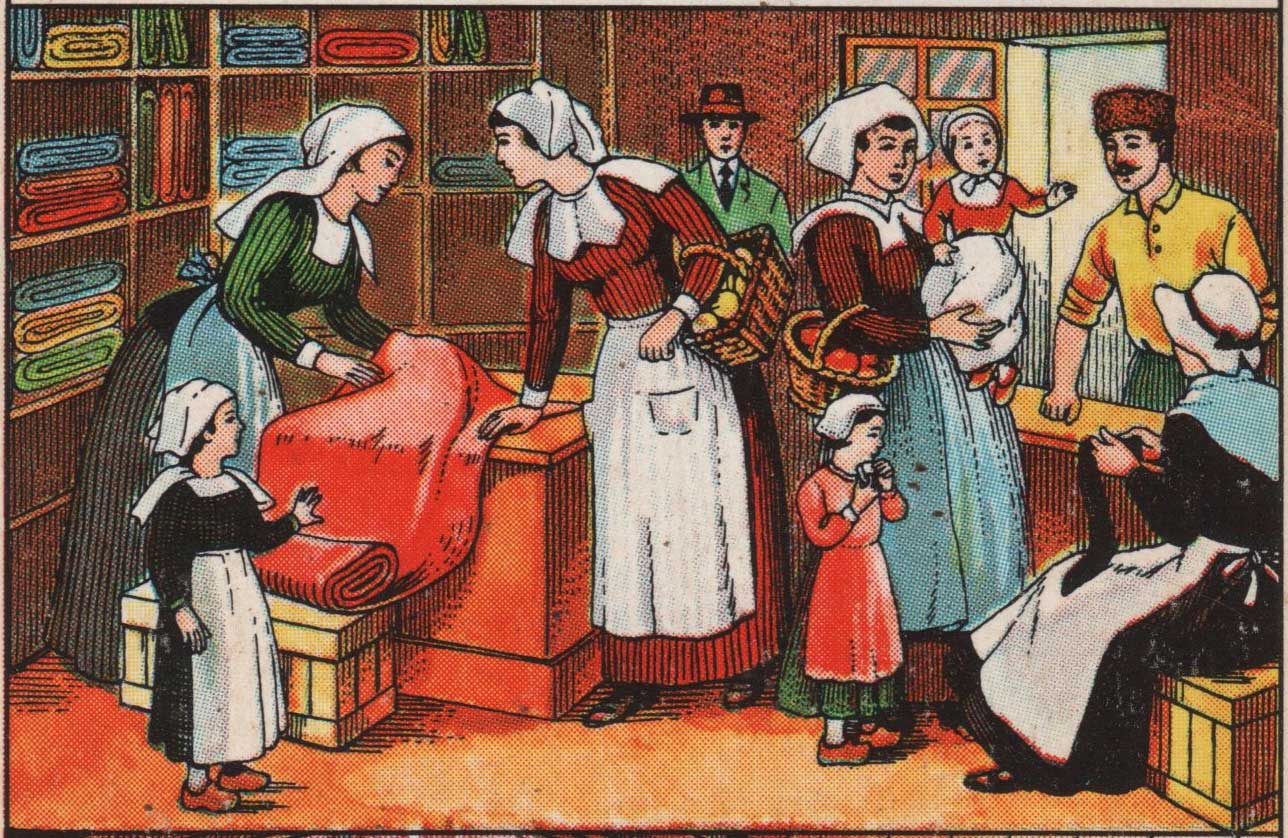
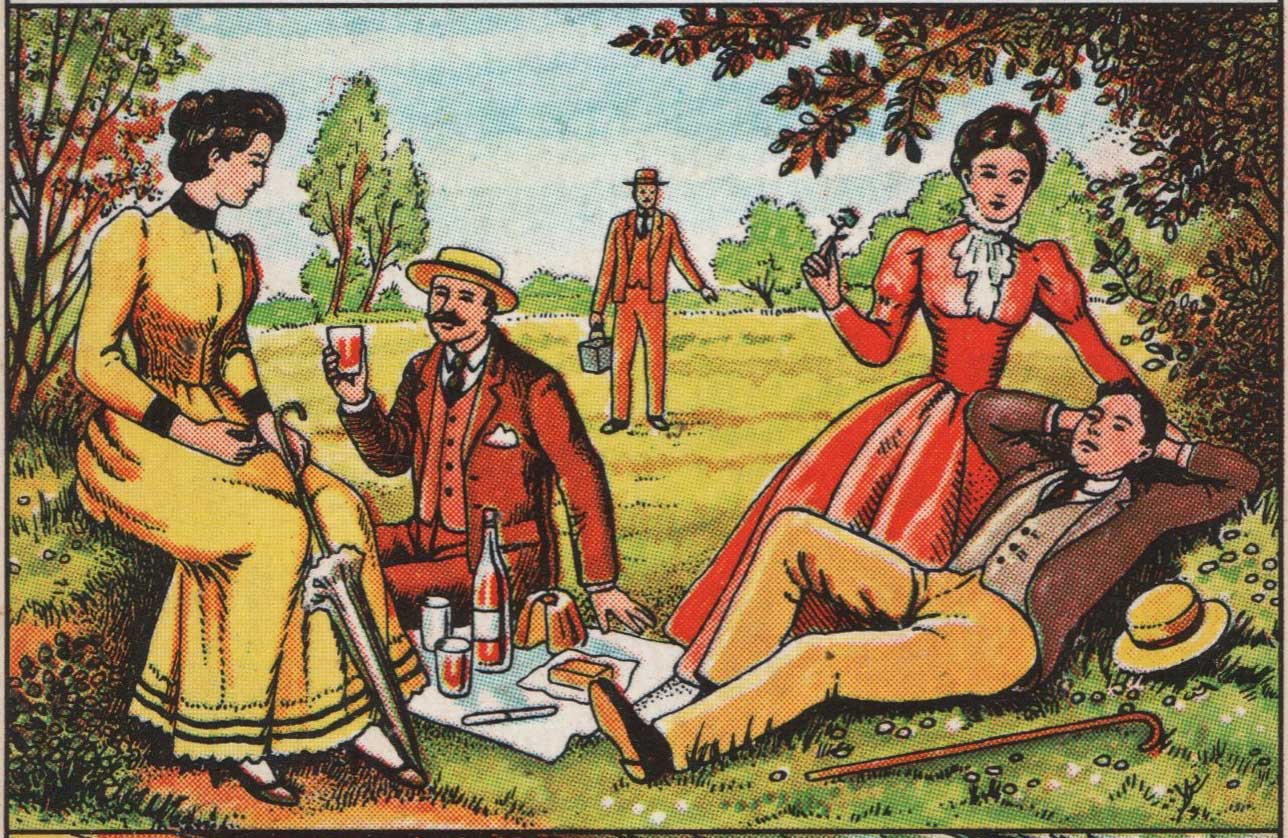
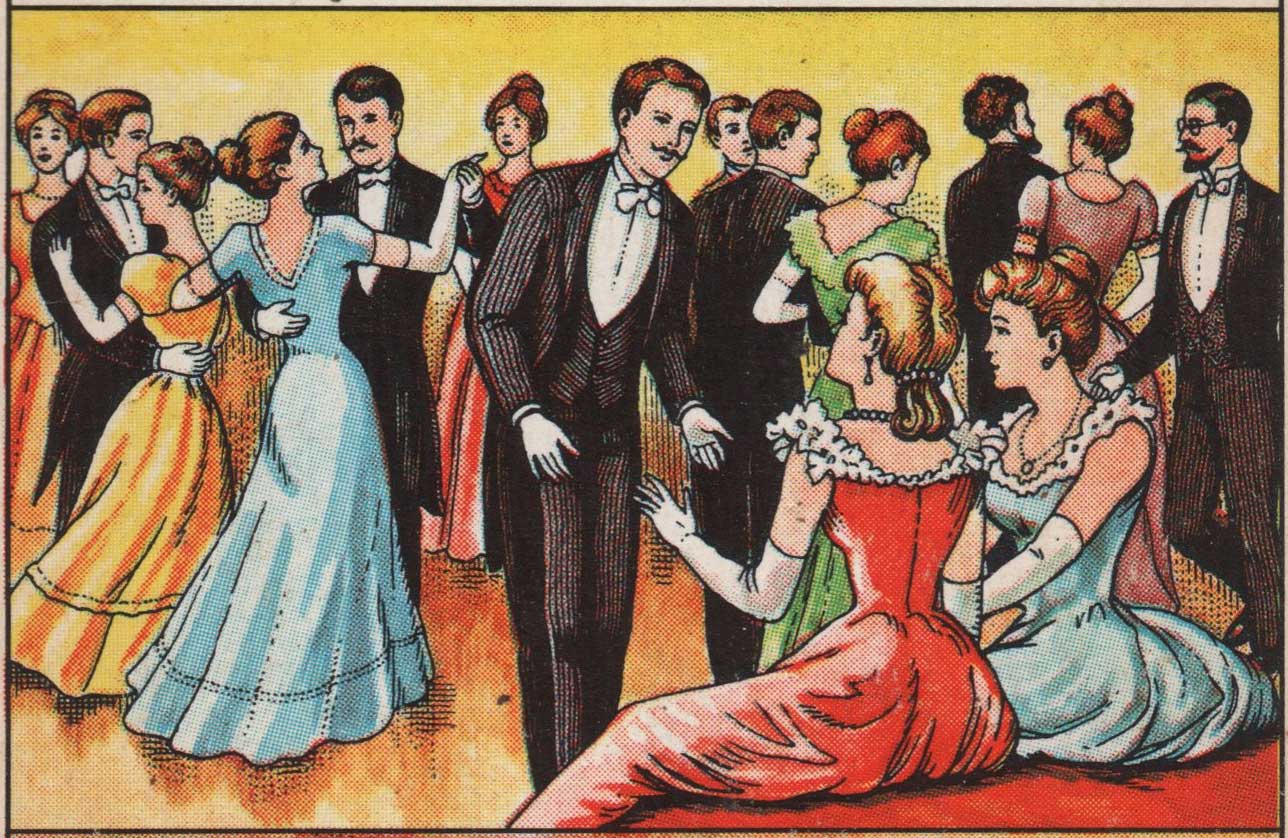
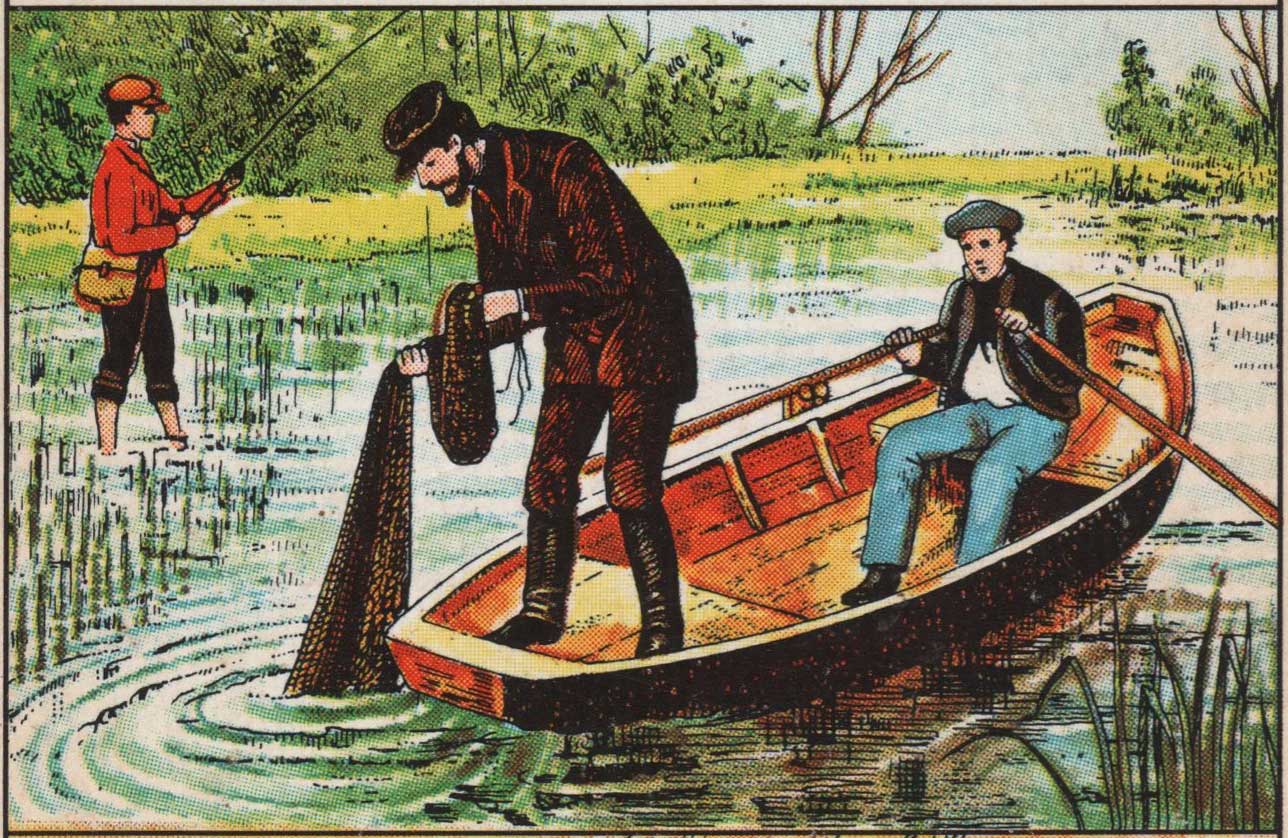
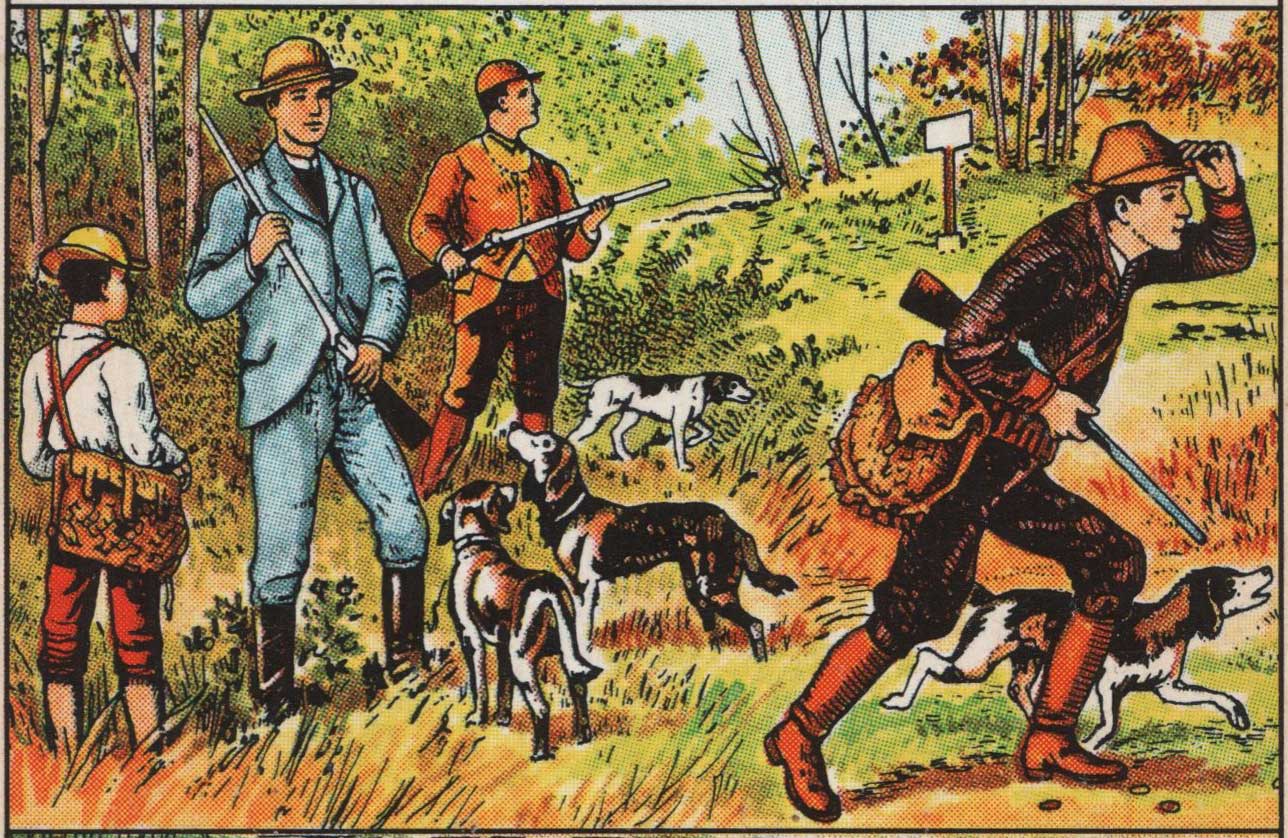
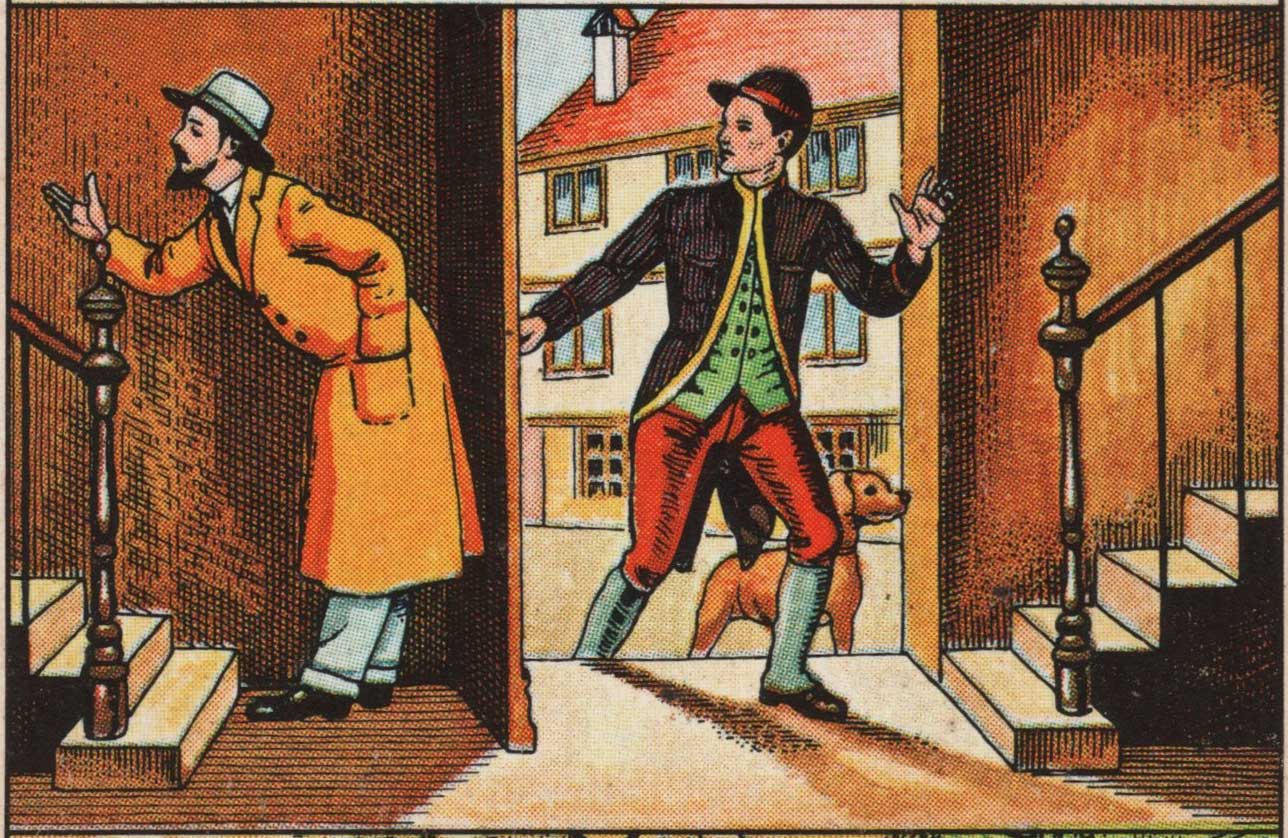
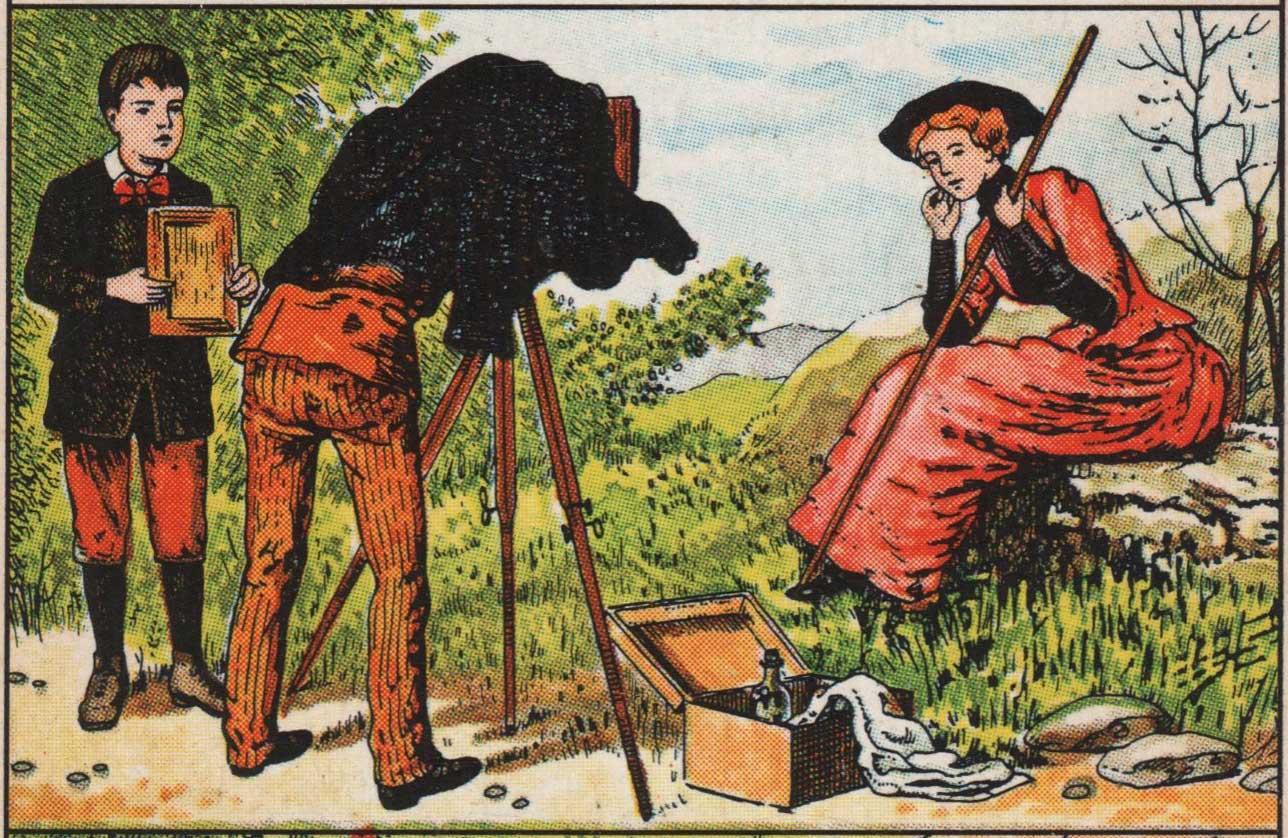
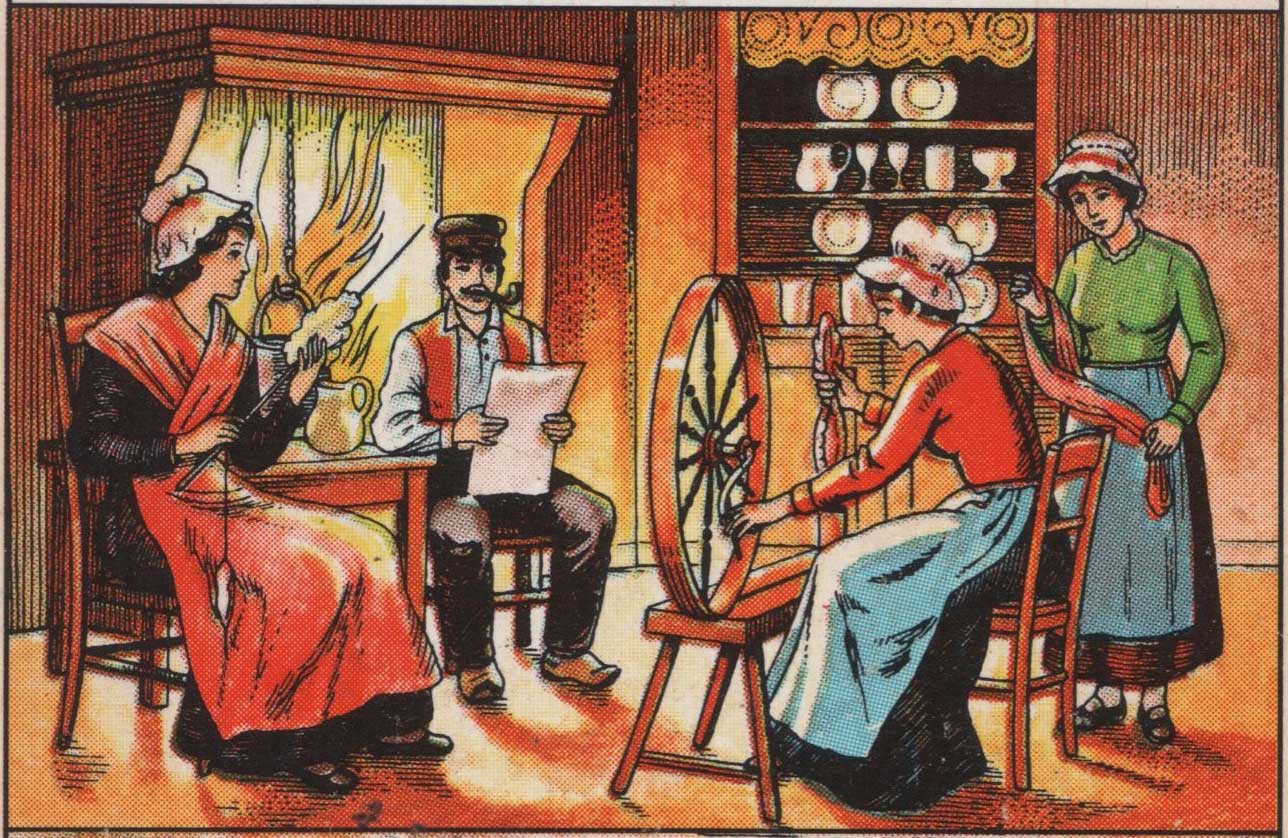
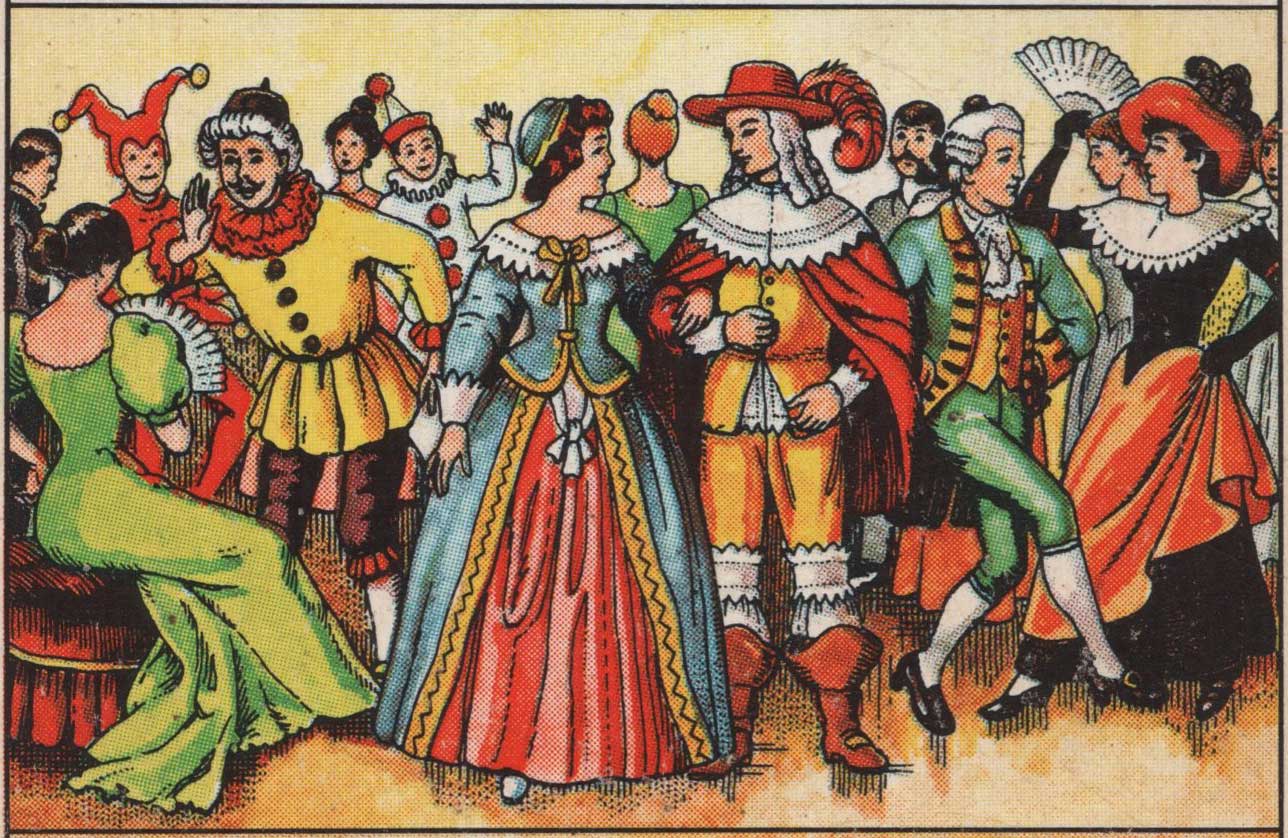
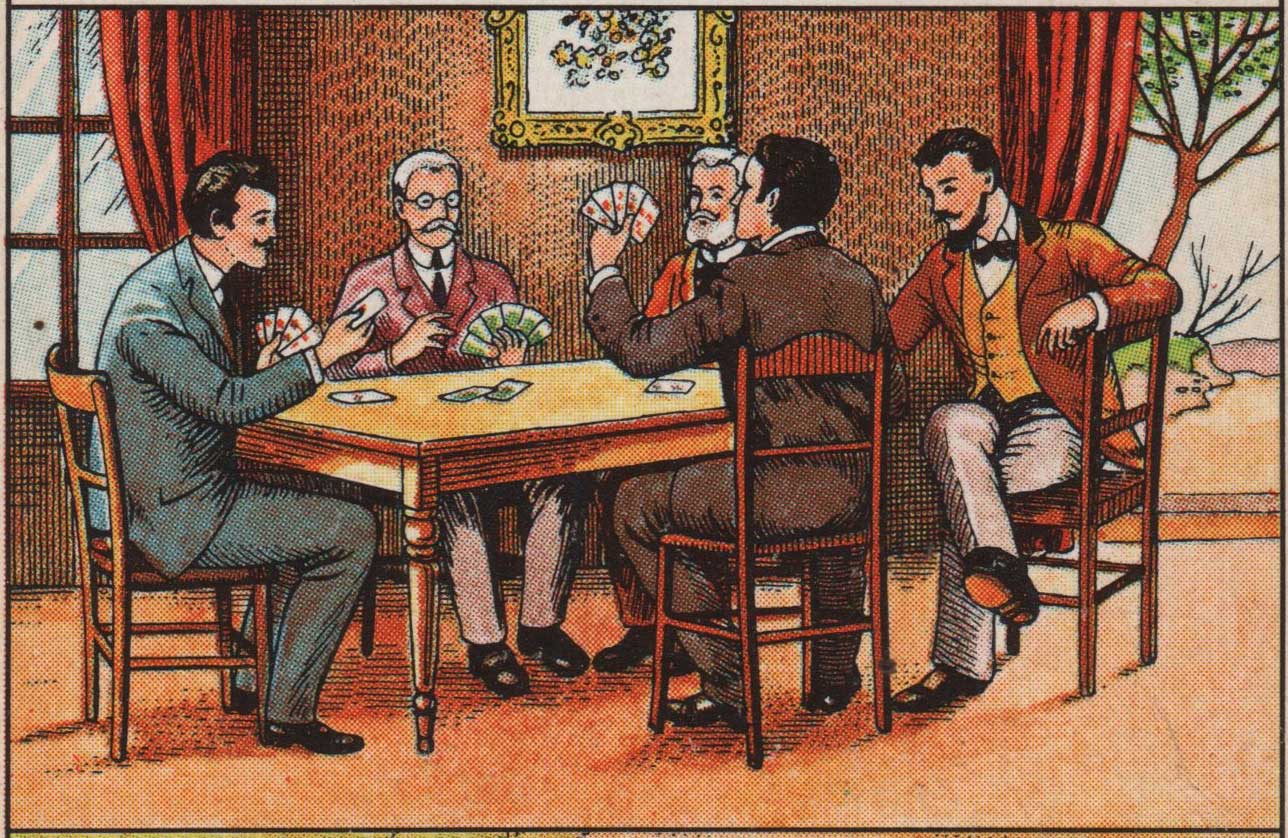
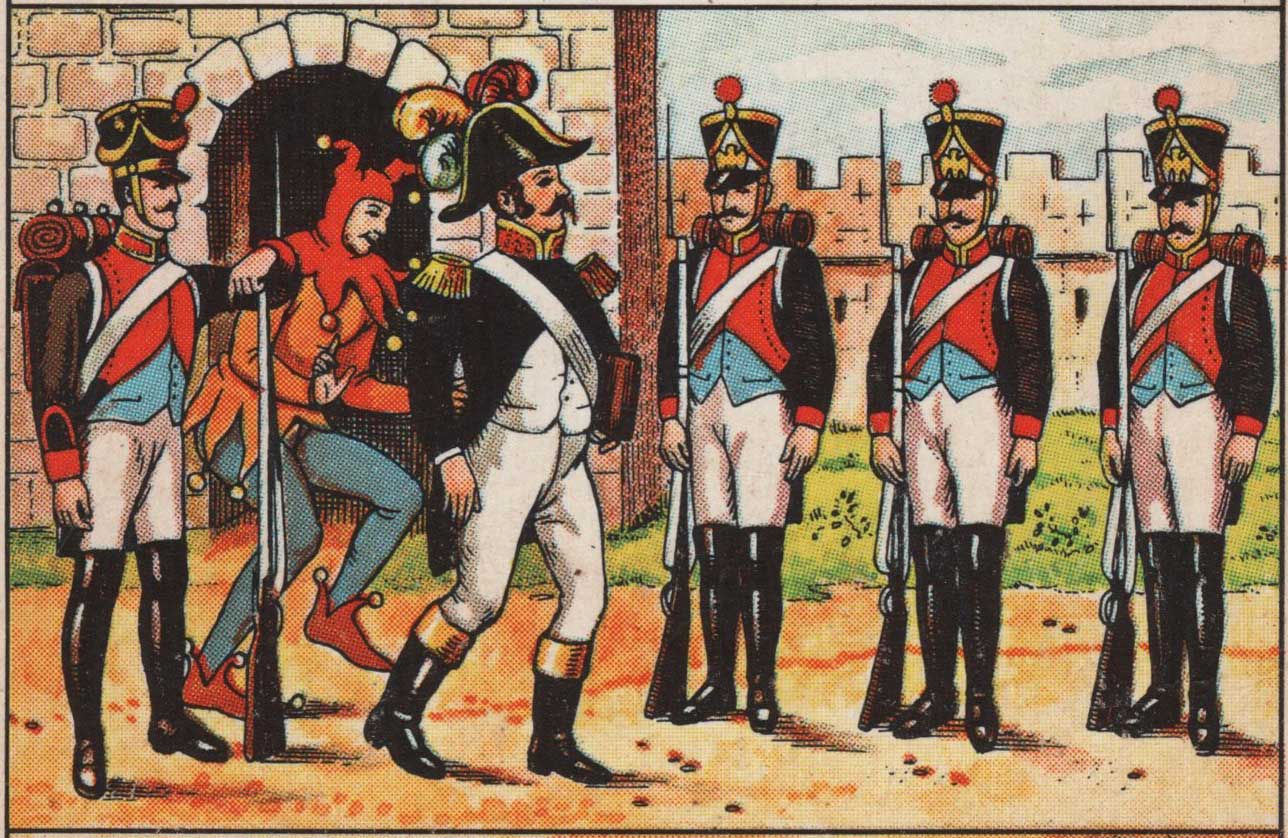
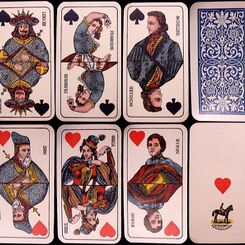
Piatnik’s take on “Bourgeois Tarot”, also known as “French Tarot Nouveau”, in a version published in 1987 with charming images on the double-ended trump cards. This pattern originated in the second half of 19th century with C.L. Wüst of Frankfurt [see here] by which time it was permissible to use almost any series of pictures for the trumps. It is produced by several manufacturers today. The trumps here depict scenes of early 19th-century social and rural activities of the well-to-do European middle classes. There is an ornamental panel at the top and bottom of each trump card with the number in Arabic figures in the blank area. The game is not intended for fortune-telling which is why there is no ‘right-way up’ for the cards.
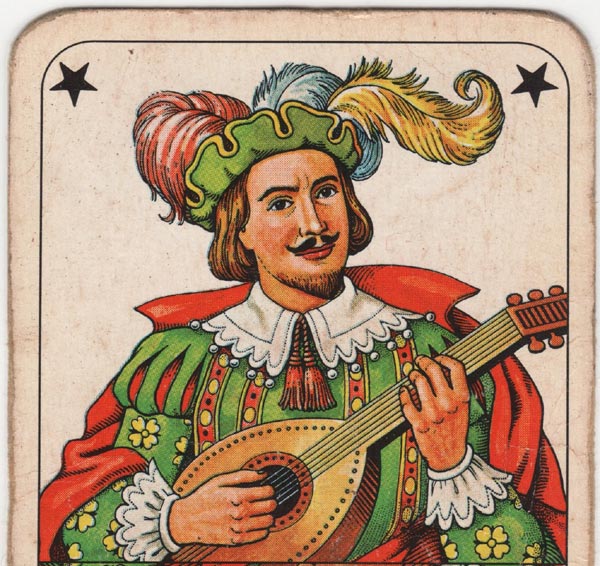
Above: the 22nd trump, the un-numbered mandolin player is known as “The Excuse” or “The Mandolin” or “The Fool” and is a wildcard which may be played in place of any other card (effectively he is the equivalent of a Joker).
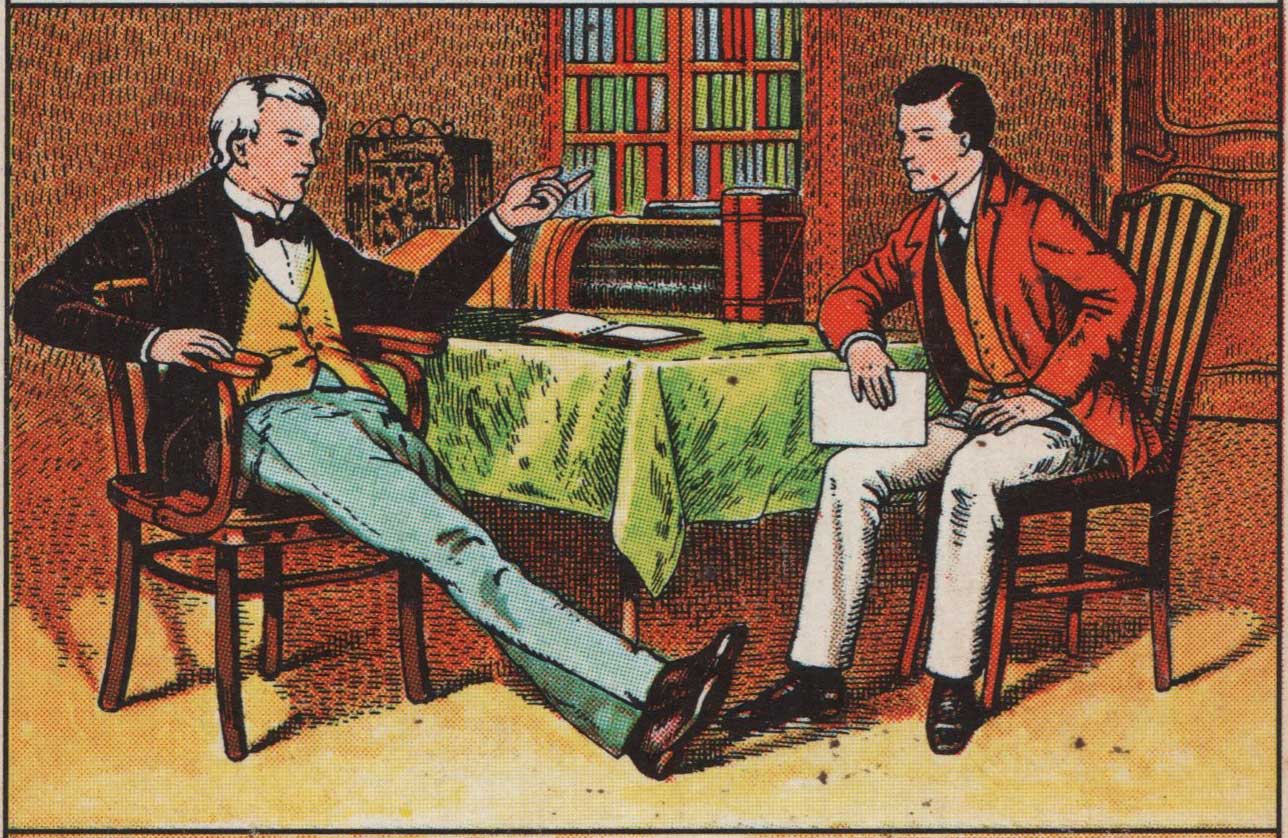
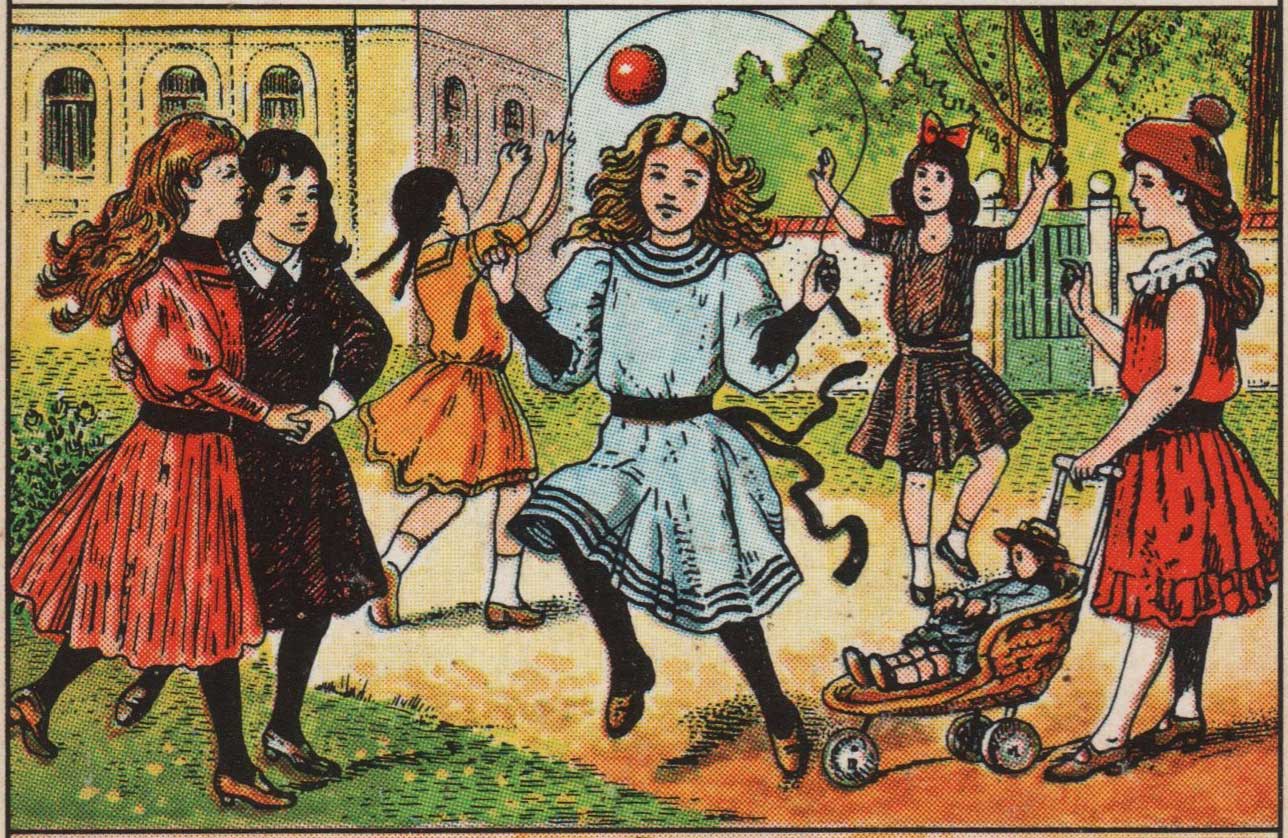
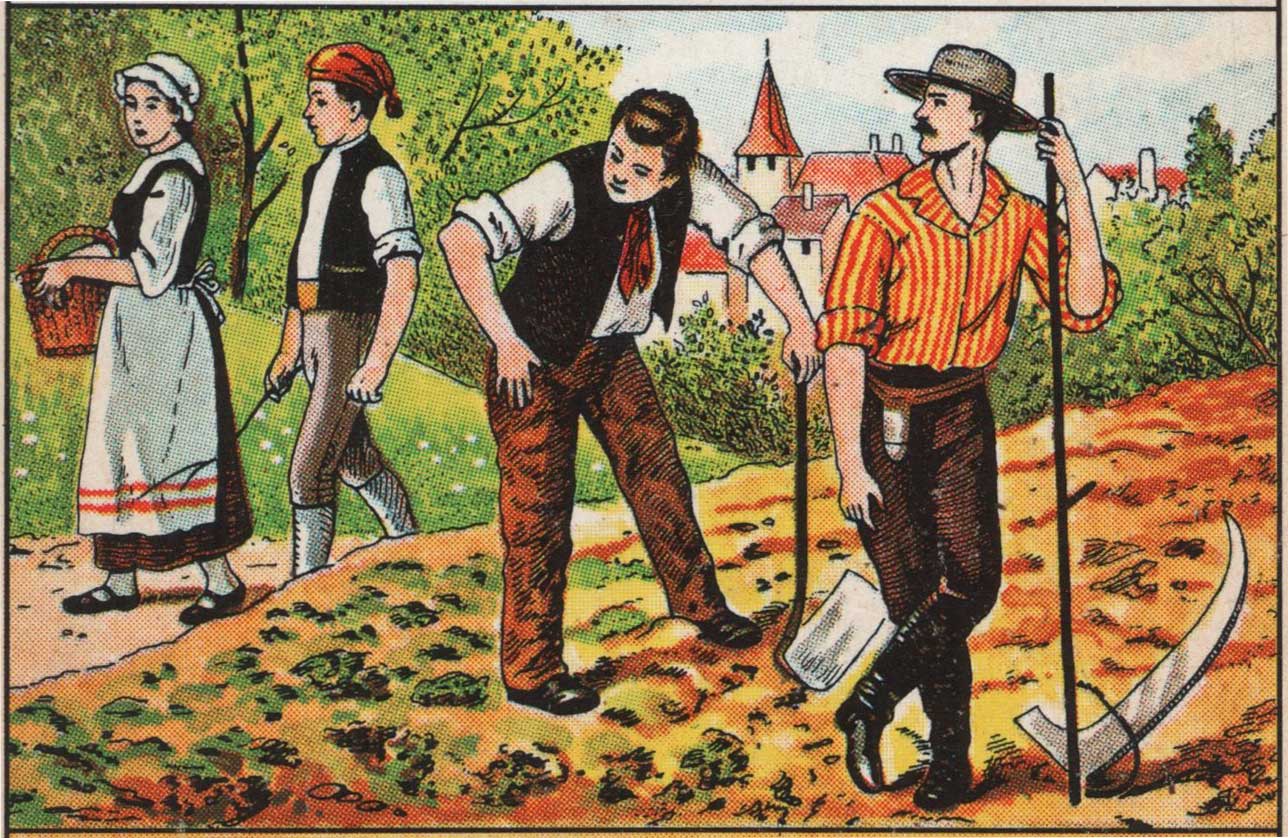
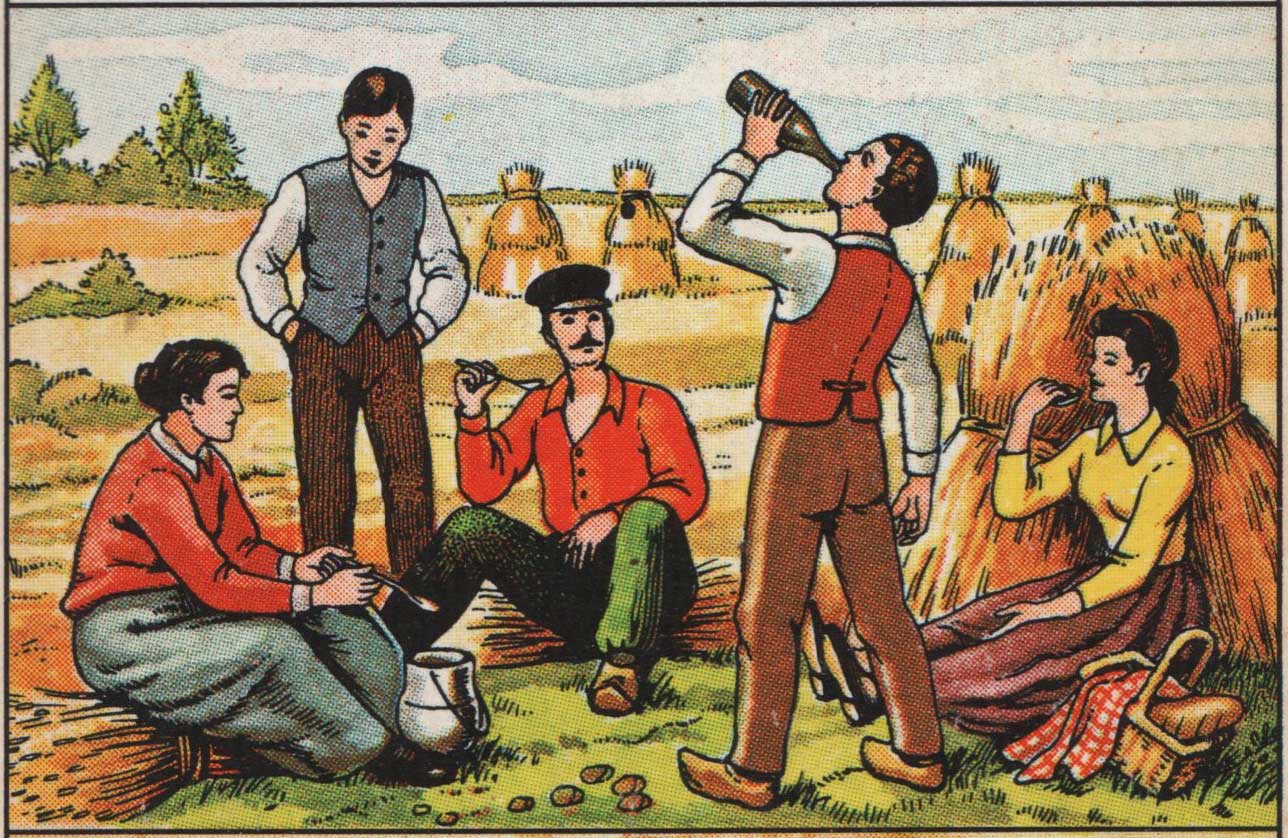
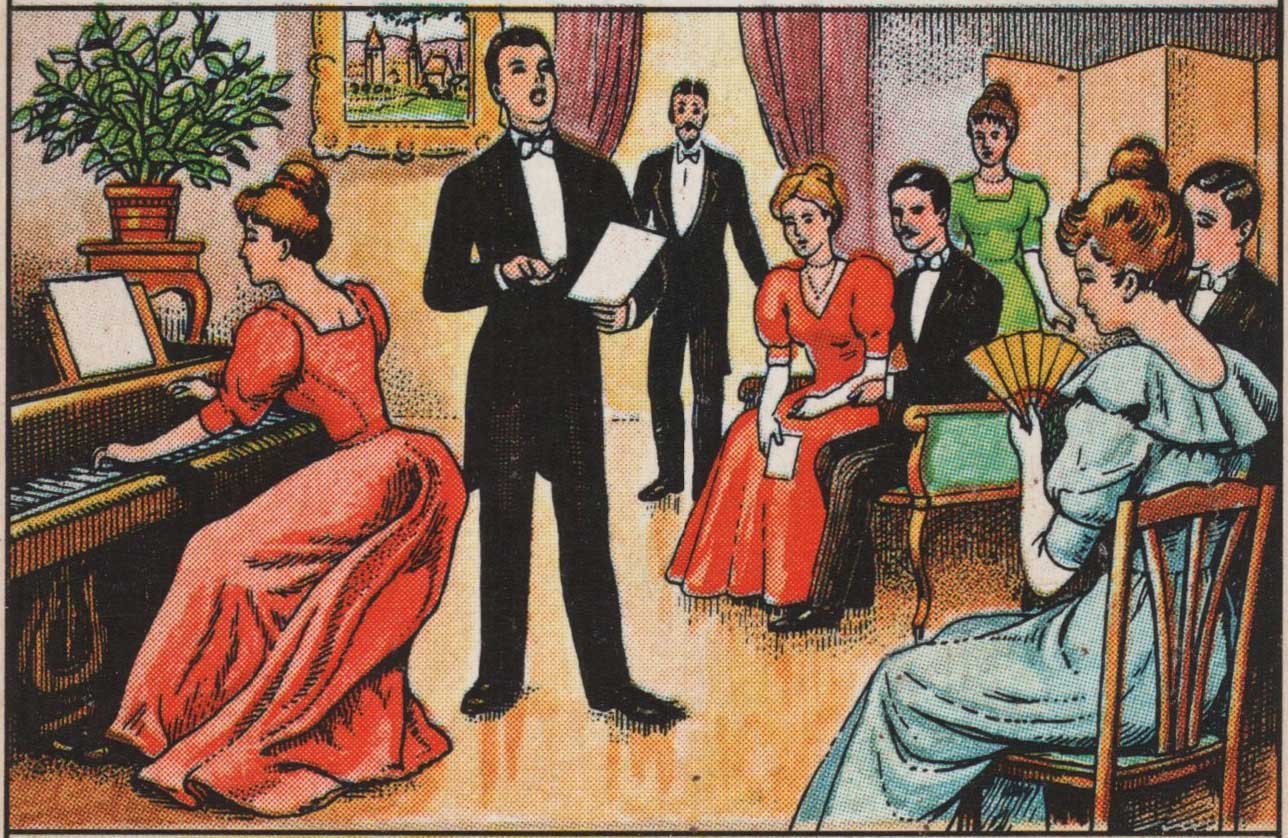
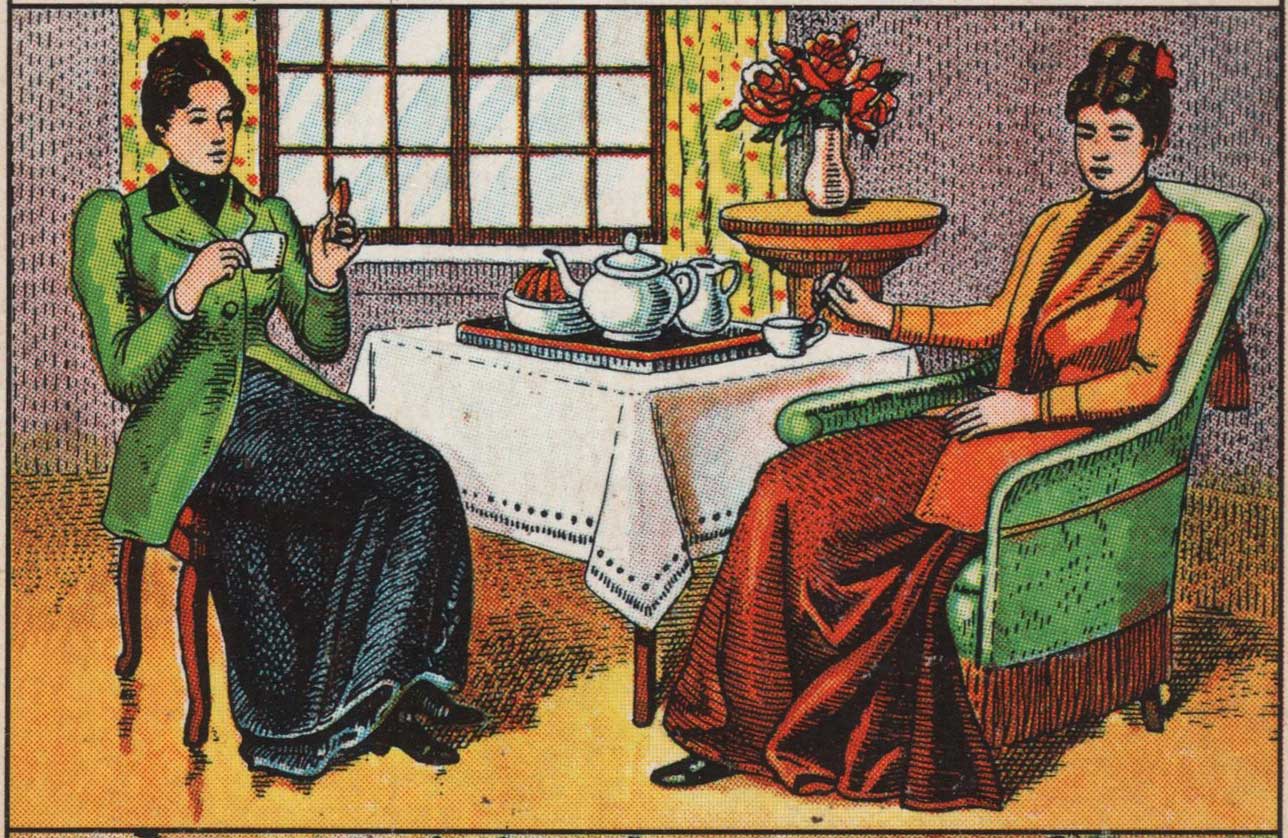
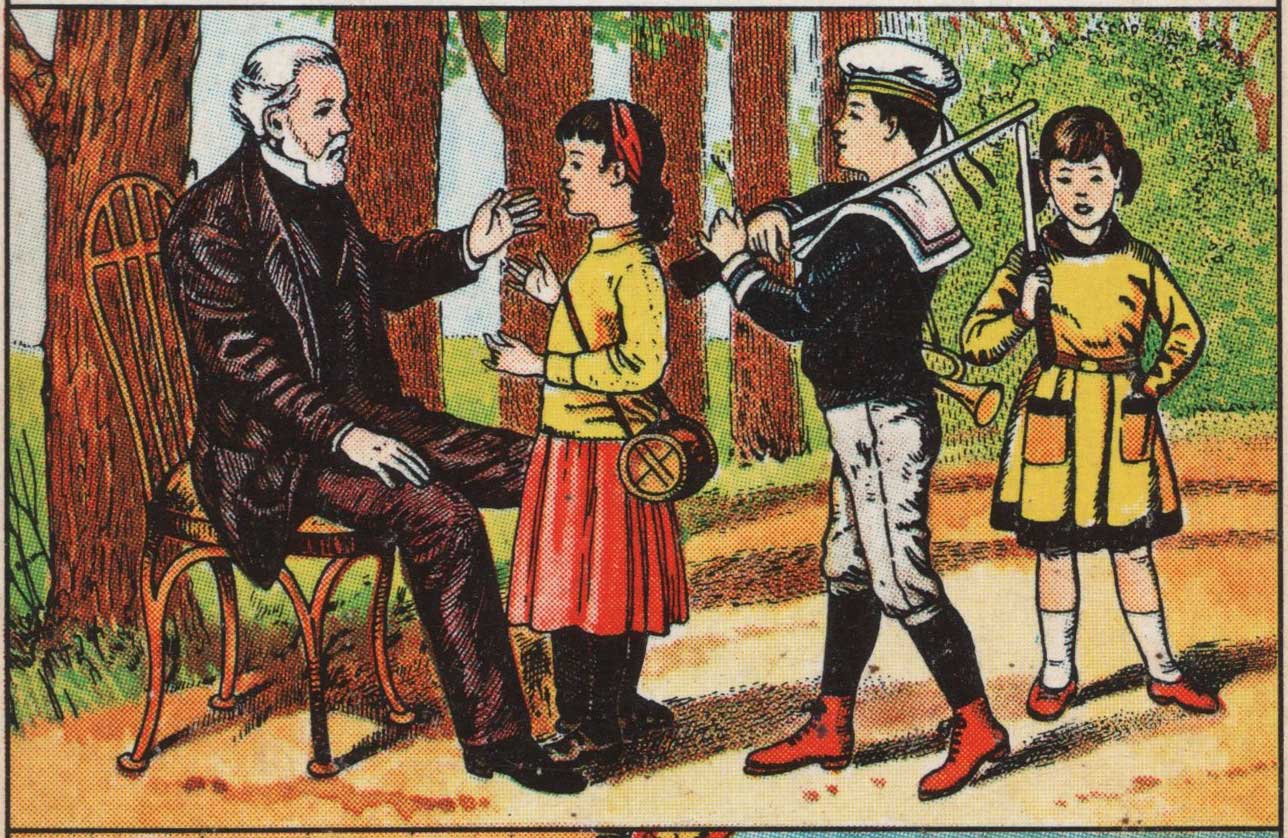
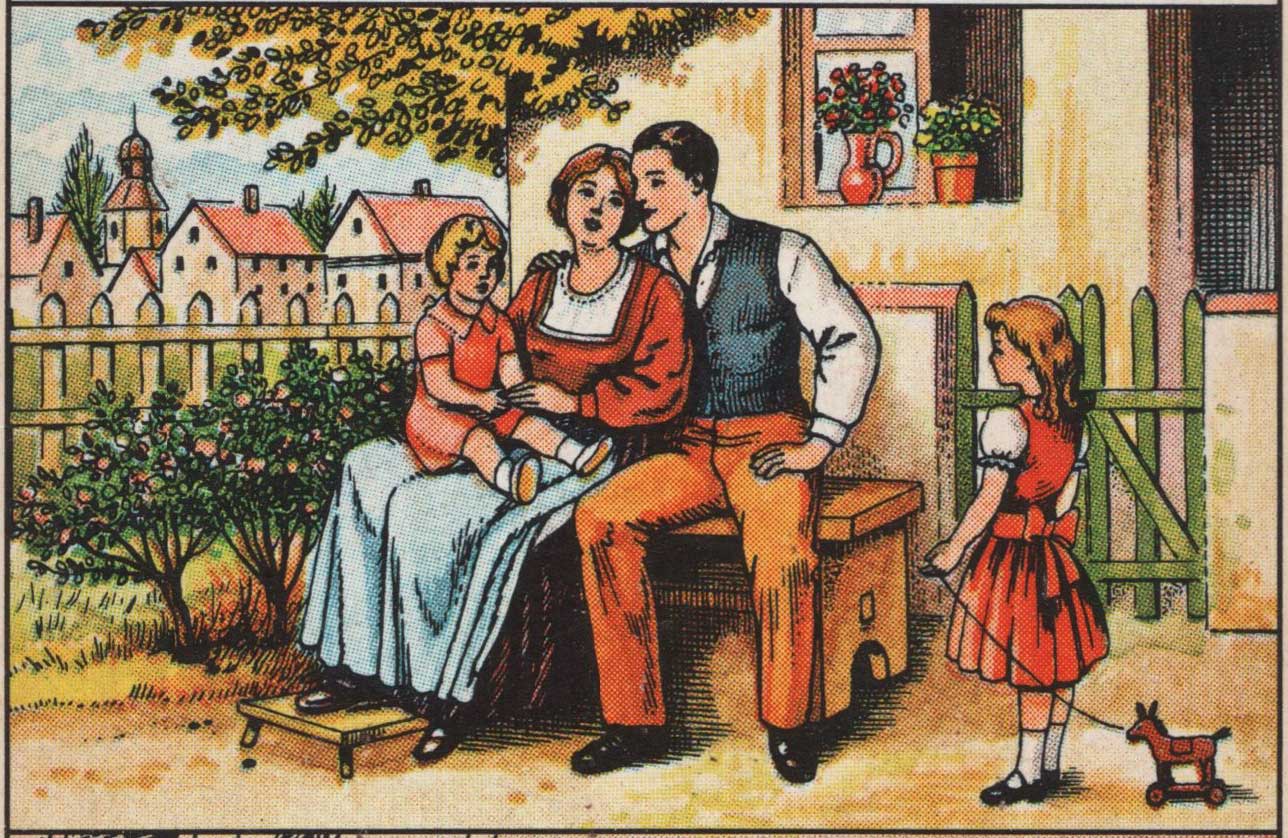
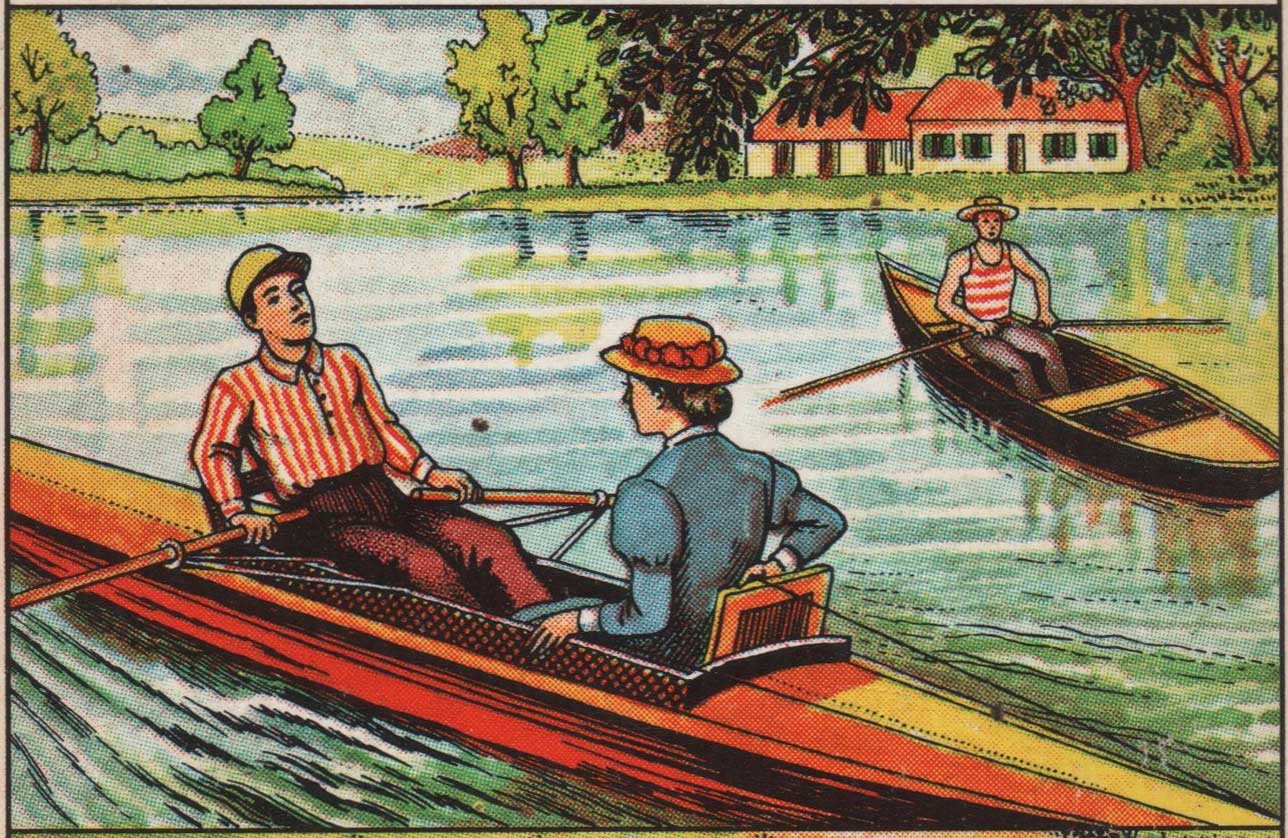
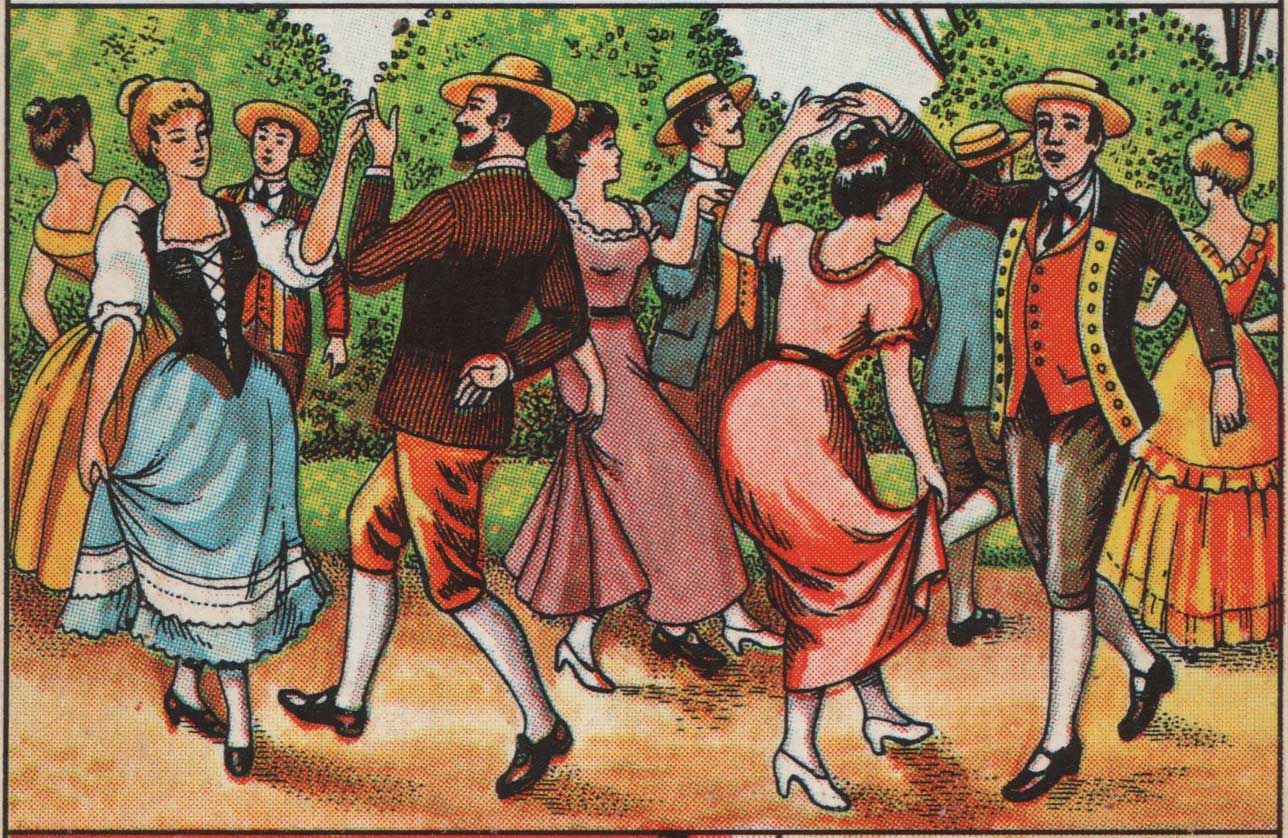
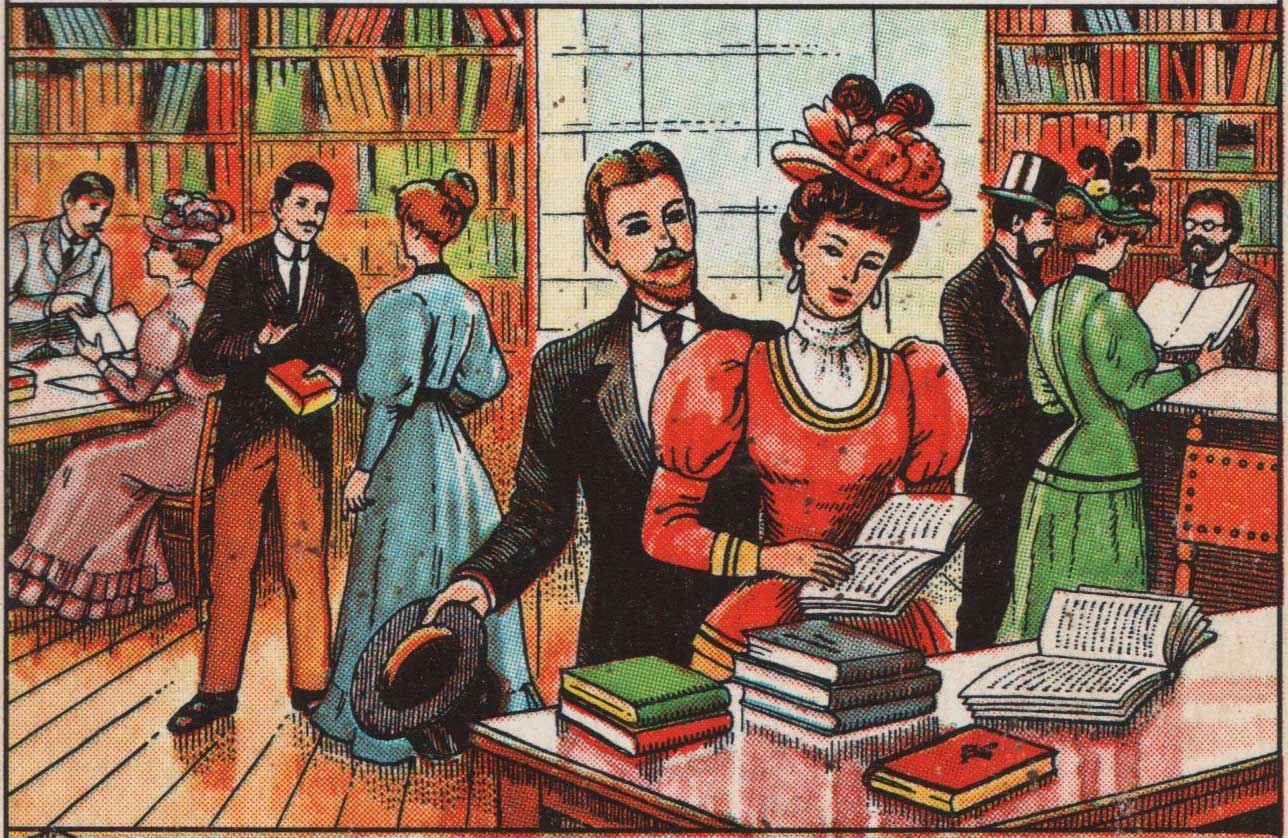
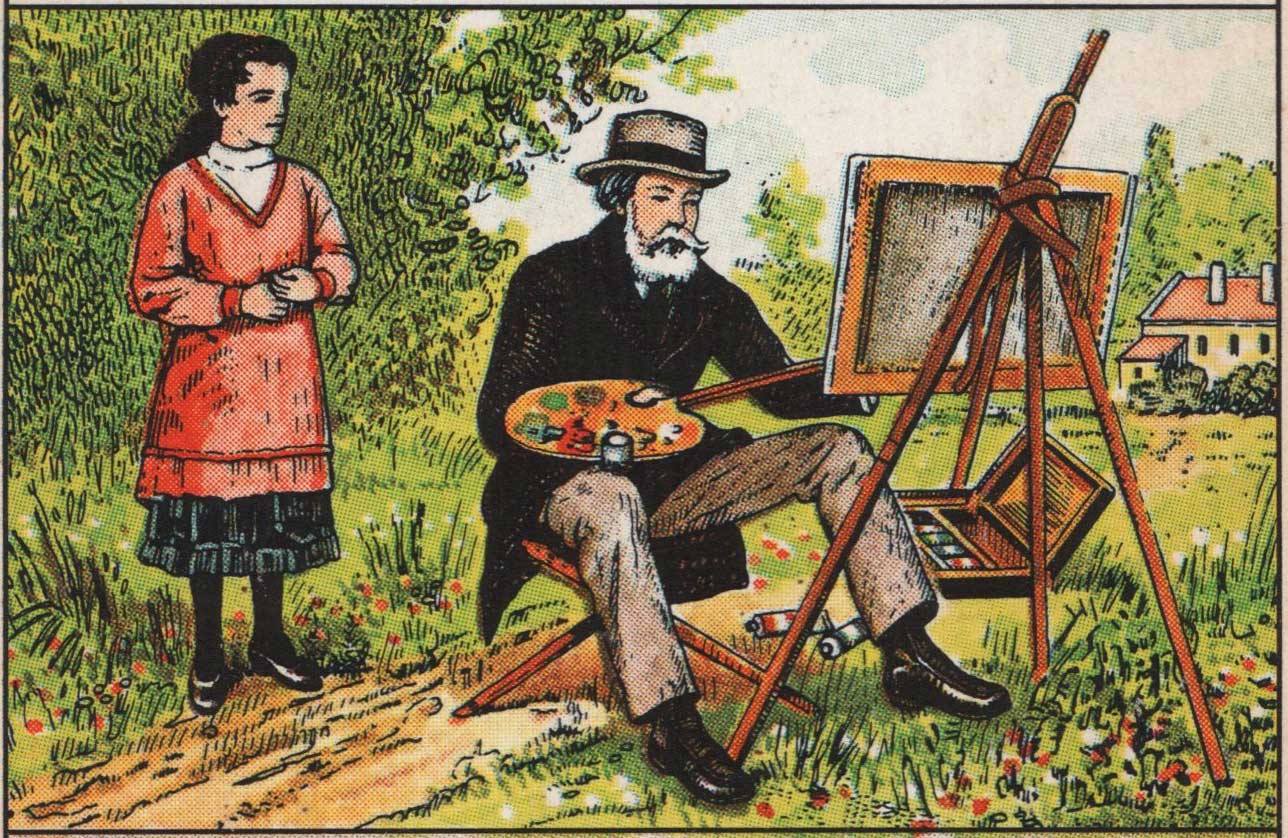
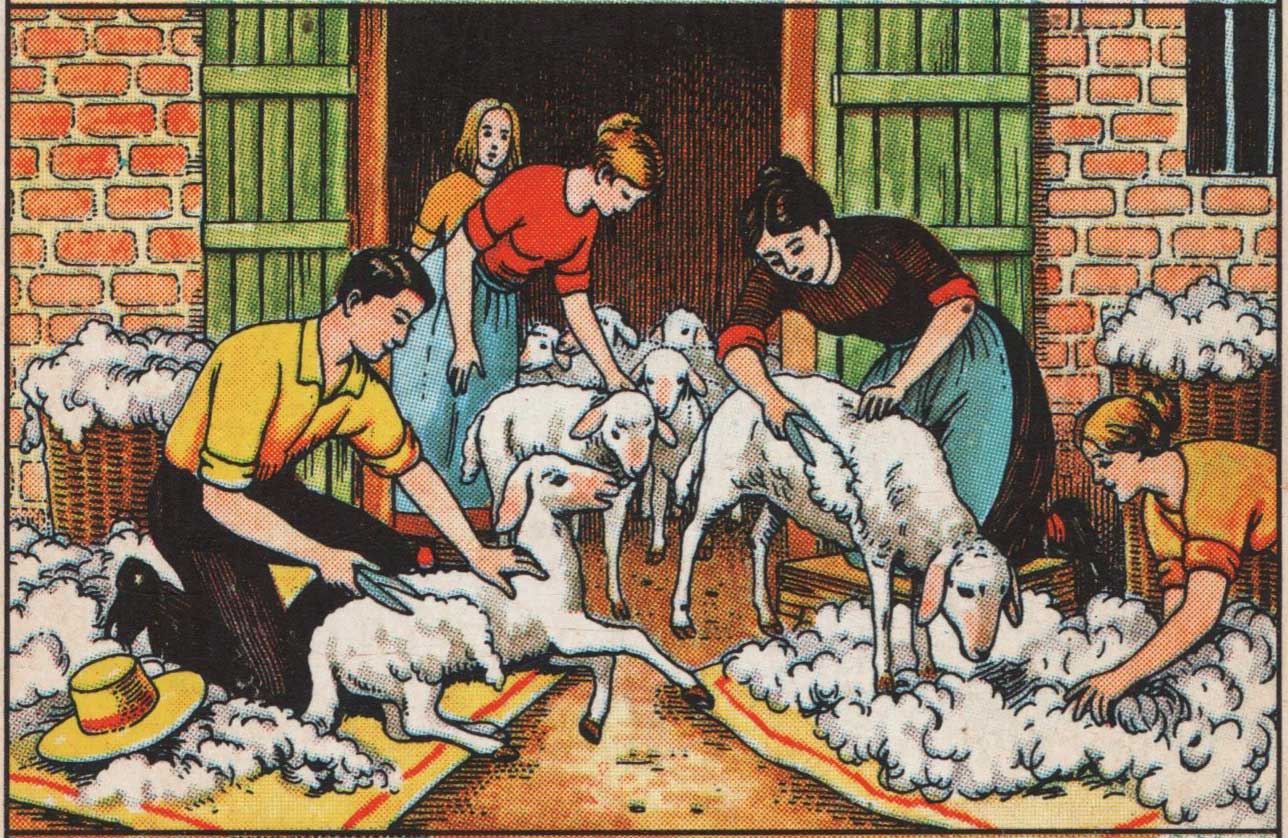
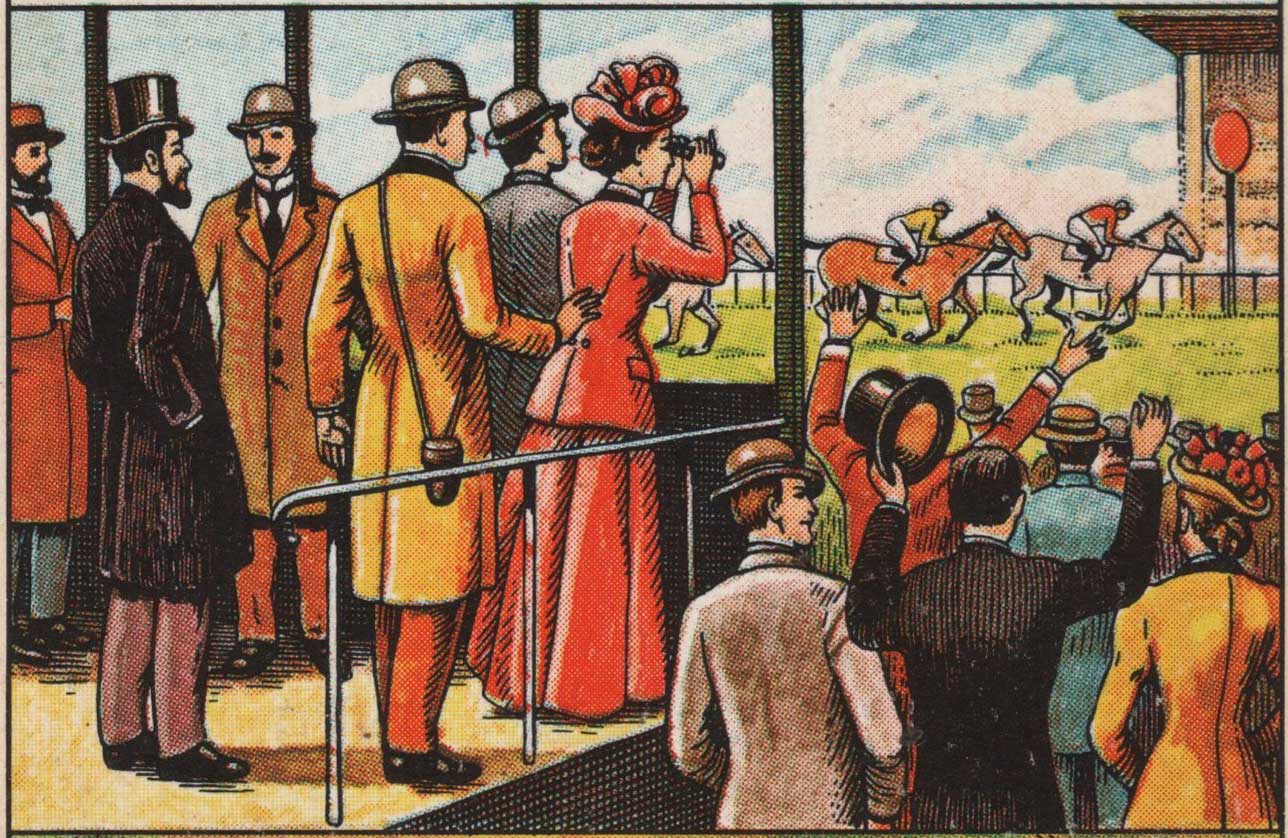
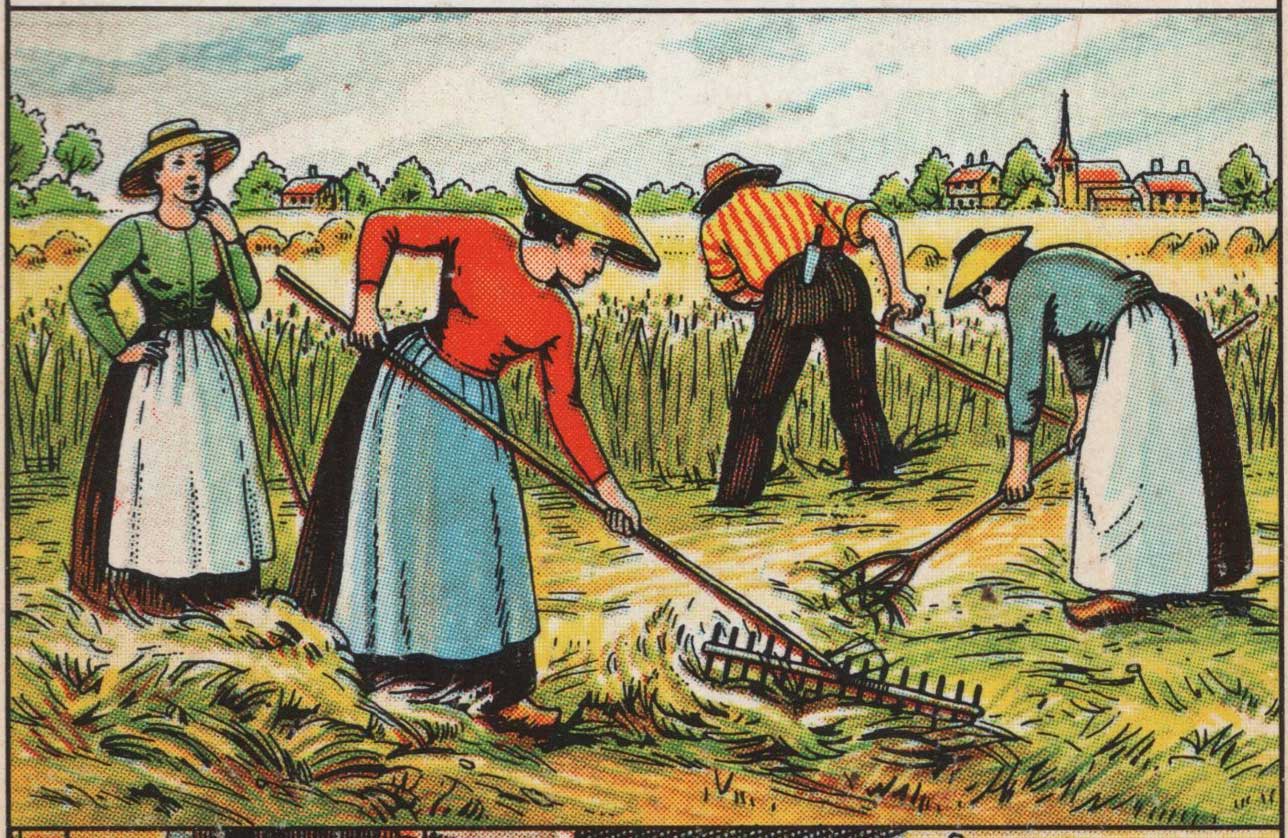
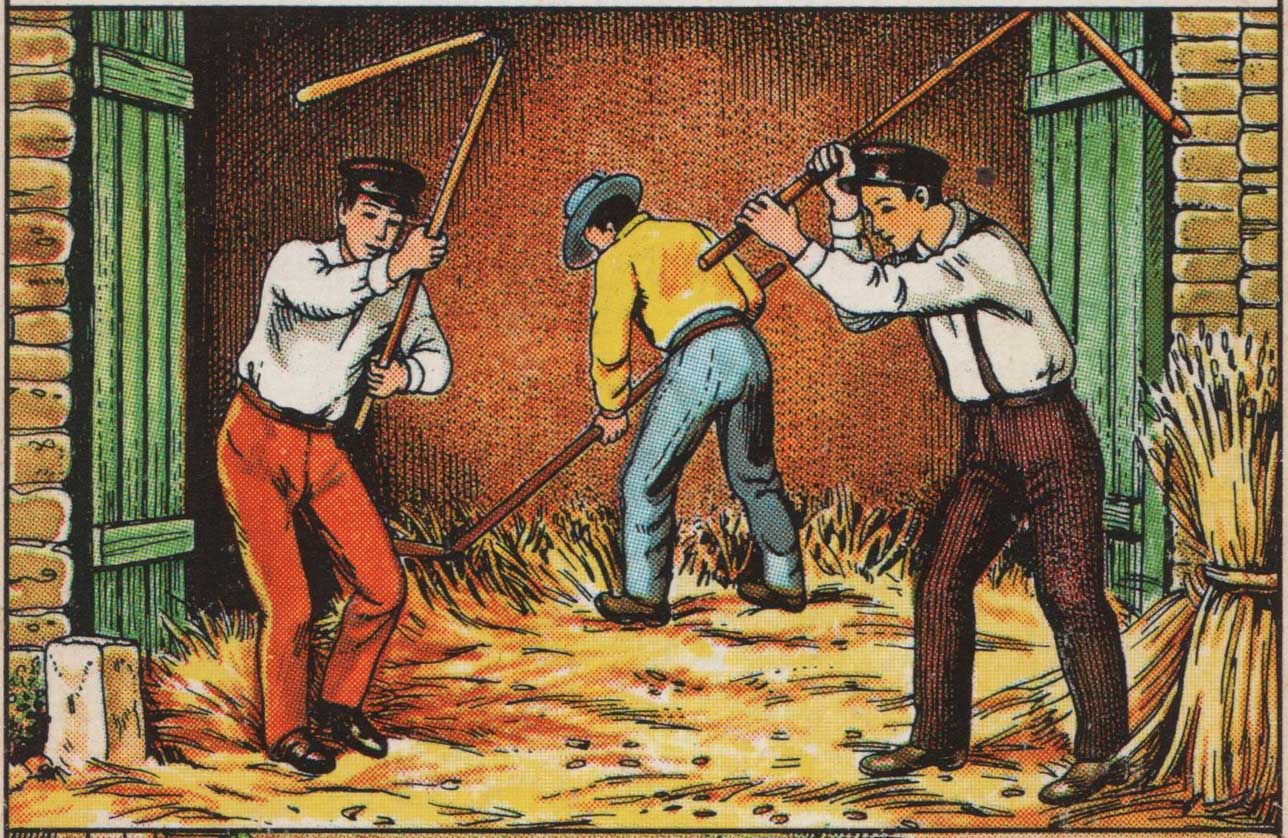
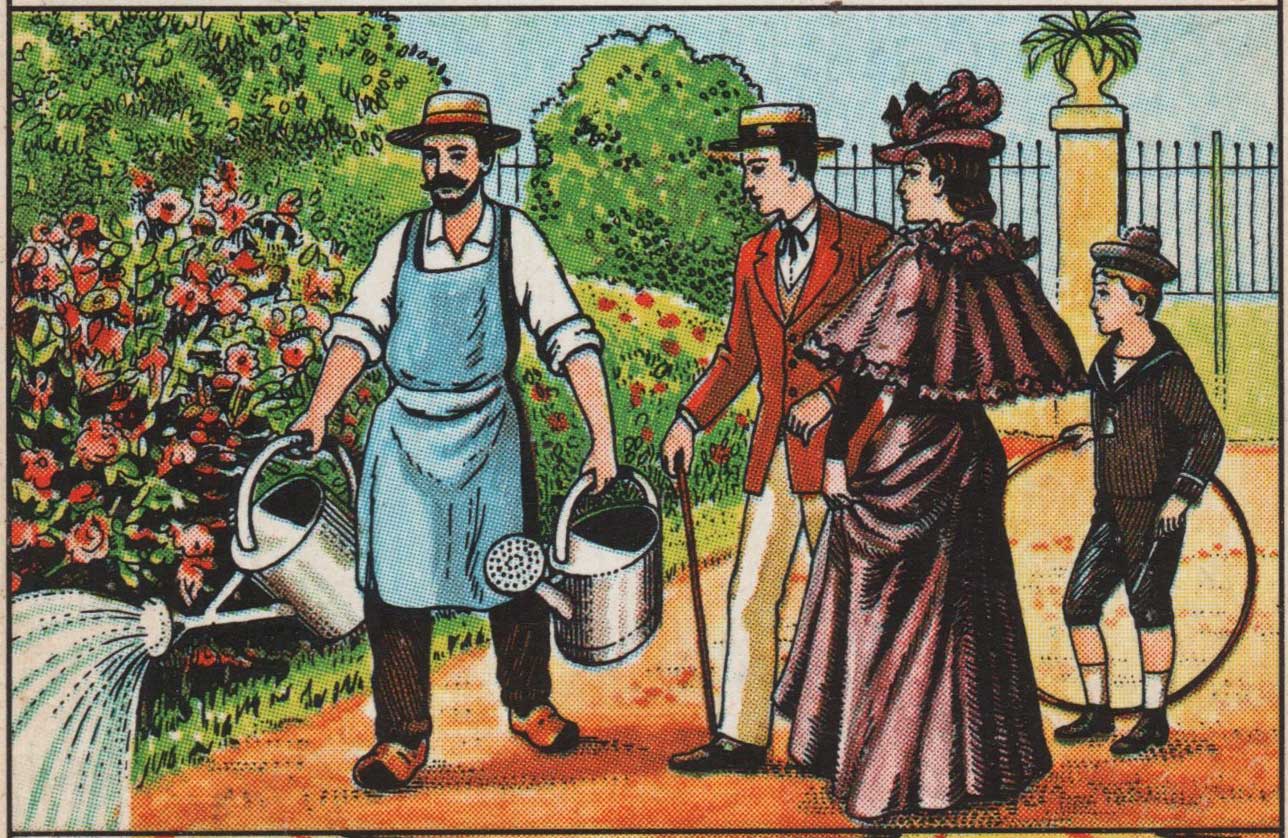
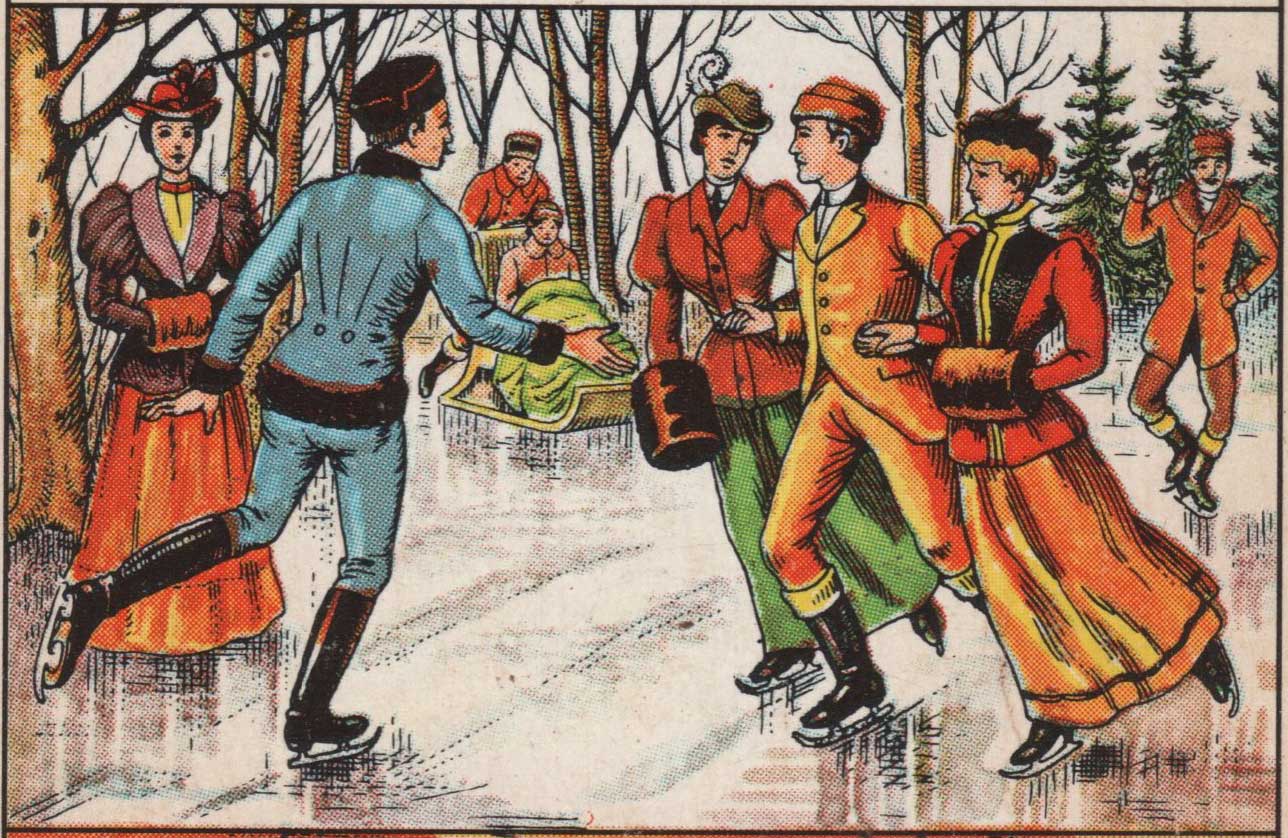
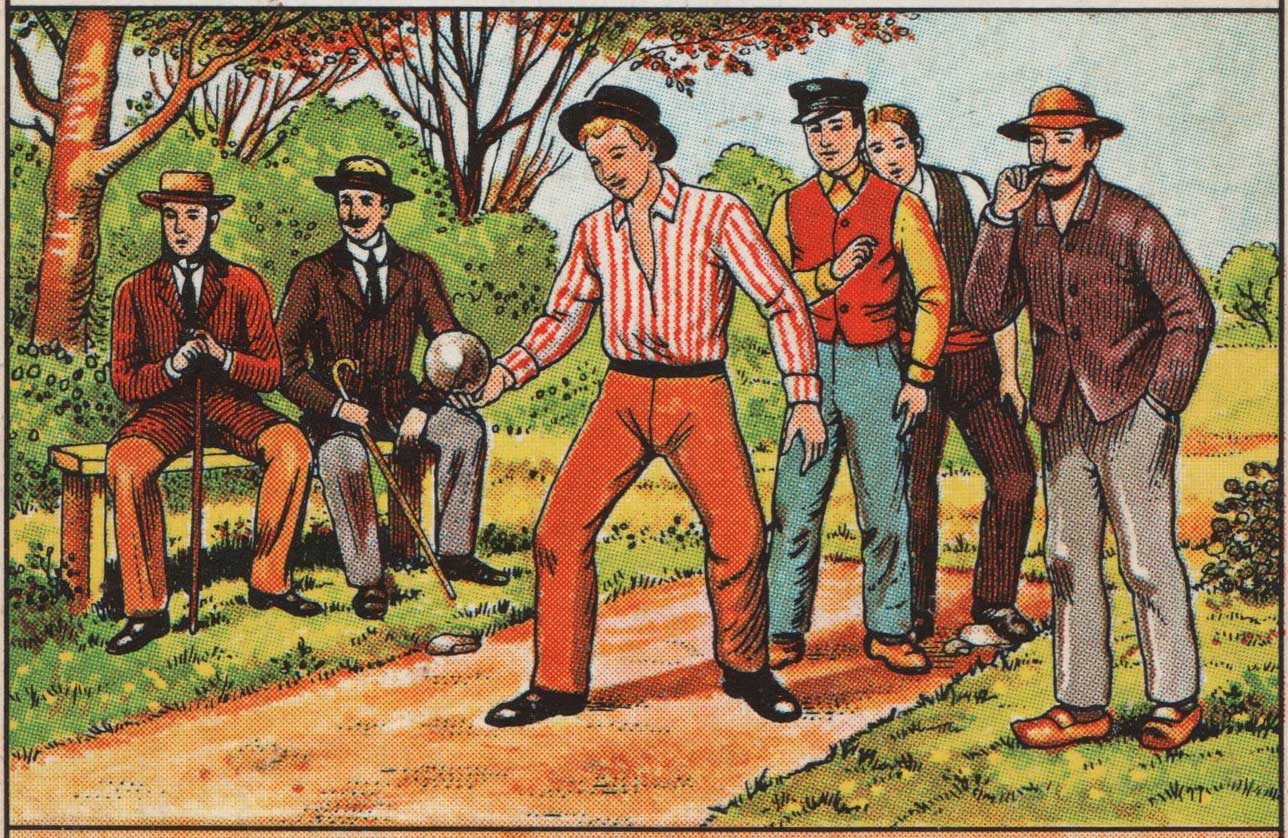
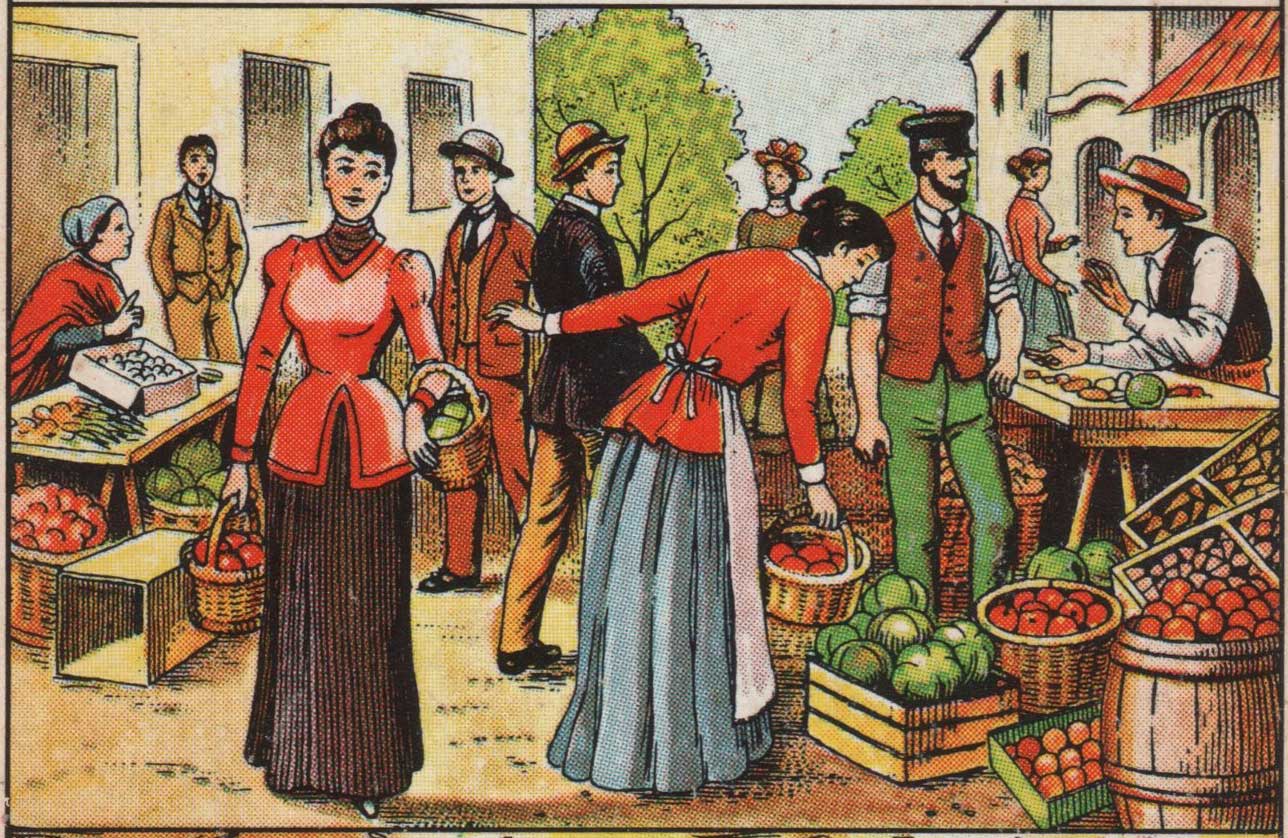
The 16 Court Cards
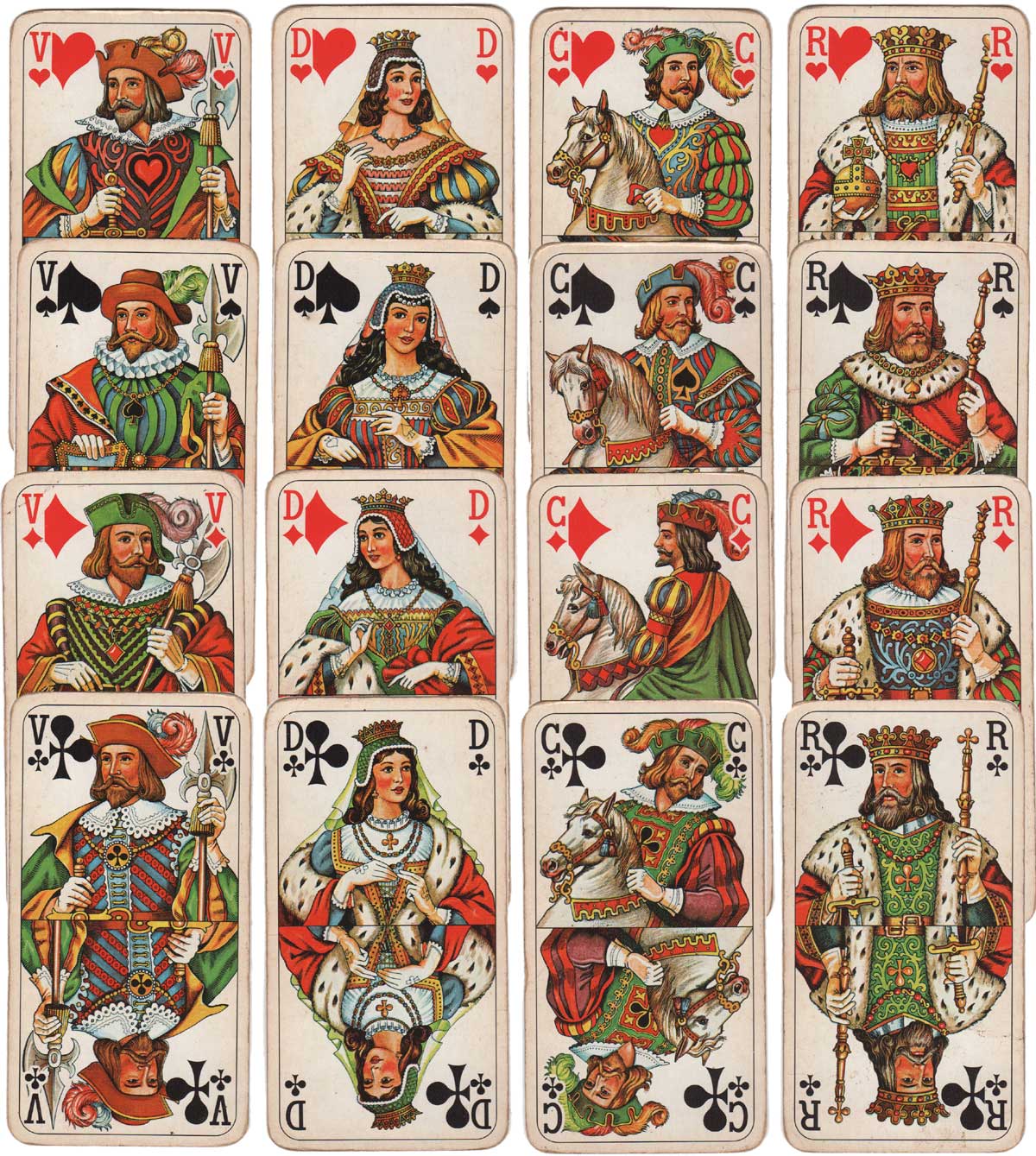
Above: French-suited “Bourgeois Tarot” by Piatnik 1987. 78 cards, plus rules leaflet (in French). Images courtesy Matt Probert.
REFERENCES
Wikipedia: Tarot Nouveau

By Matt Probert
United Kingdom • Member since March 02, 2012
I have adored playing cards since before I was seven years old, and was brought up on packs of Waddington's No 1. As a child I was fascinated by the pictures of the court cards.
Over the next fifty years I was seduced by the artwork in Piatnik's packs and became a collector of playing cards.
Seeking more information about various unidentified packs I discovered the World of Playing Cards website and became an enthusiastic contributor researching and documenting different packs of cards.
I describe my self as a playing card archaeologist, using detective work to identify and date obscure packs of cards discovered in old houses, flea markets and car boot sales.

Activity for Bourgeois Tarot by Piatnik 1987
Sign in to comment or save this article.

Related Articles
Luxury No. 2167
A Piatnik classic that lives up to its title.
Tarock Cards by Antonín Kratochvíl
Excerpt from the catalog of a prominent Prague workshop.
Art pack I
Art pack featuring Old Masters, including Bruegel, Vermeer, Titian, Raphael, Caravaggio, Canaletto, ...
Romania playing cards
Romanian voivodes and their wives from the 15th and 16th centuries.
Lenormand Wahrsage-Karten No. 55
Conventional Lenormand designs on a pack from Piatnik but with unconventional numbering.
Rika playing cards
Playing cards depicting famous Austrian skiers of the 1970s.
Tell Wilmoś
Facsimile of ‘Wilhelm Tell’ Hungarian deck by Salamon Antal, Keczkemét, 1860.
Piatnik No.97
Non-standard French-suited cards published by Ferd Piatnik & Sõhne, Vienna, c.1940s.
Austrian Wine
Skat deck for Austria’s excellent wines, Österreichischer Weinwirtschaftsfonds, c.1965
Vienna (ex-Lyon) pattern
‘Vienna pattern’ derived from archaic Lyon pattern by Ferd Piatnik & Söhne A.G., c.1926-1934.
48: Ferdinand Piatnik & Sons
Ferd. Piatnik produced a very large range of cards with many different standard and non-standard pat...
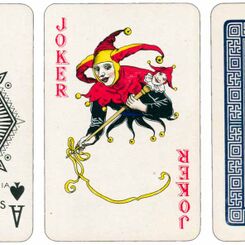
Popular No.257
Piatnik’s “Popular Playing Cards” No.257
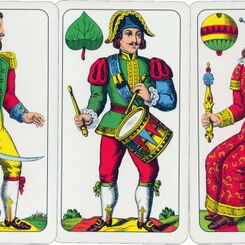
Salzburger Pattern
Salzburger pattern by Ferd. Piatnik & Söhne, Vienna
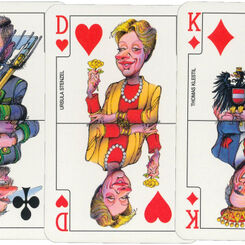
Die Neue ÖVP
Promotional deck for the Austrian People’s Party (ÖVP) printed by Piatnik, 1996.
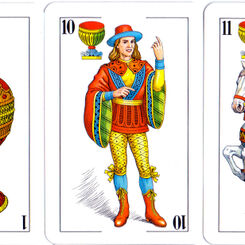
El Jokey by Piatnik, 1990s
‘El Jokey’ Spanish-suited pack by Piatnik & Sons, Vienna, 1990s
Jugendstil Tarock
‘Jugendstil Tarock’ was designed by Ditha Moser and first published by Albert Berger and Josef Glanz...
Vienna Melange
“Vienna Melange” Playing Cards by Piatnik with a historical feel representing the four races that ma...
Ferd. Piatnik & Söhne
Ferdinand Piatnik was born in Ofen on October 14, 1819.
Piatnik Tarock
Deck of "Industrie und Glück" or "Rural Scenes" tarock cards manufactured by Ferd Piatnik & Söhne, V...
Literary Figures
Non-Standard Literary Figures playing cards manufactured by Ferd. Piatnik & Söhne A.G., Vienna, 1924...
Most Popular
Our top articles from the past 60 days


Stephen Scharber
07 March 2026, 04:15SavedSaved this article to Stephen Scharber's Collection