


Cashmere
Bernhard Altmann is from the “The House of Cashmere” and these playing cards honour their best known commodity: the fleece of the graceful horned Cashmere goat.
Bernhard Altmann: Cashmere Playing Cards
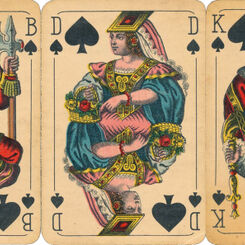
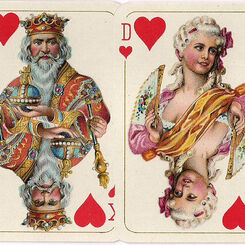
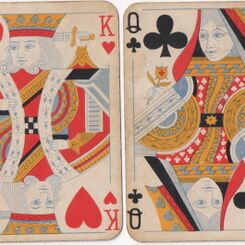
Bernhard Altmann is from the “The House of Cashmere” and these playing cards honour their best known commodity: the fleece of the graceful horned Cashmere goat. Hans Lang created the symbolic artwork for the deck, dedicating each suit to the group of people that had the greatest significance for Cashmere through the ages: Clubs-Chinese; Hearts-Indians; Spades-Persians; Diamonds-Mongolians. The King of Clubs is Ch'ien Lung, the wisest of modern Chinese emperors. The King of Hearts is Aurung-Zeb, Indian warrior, ruler of the Mogul Empire. The King of Spades is the Persian Nadir Shah, who conquered the Empire of the Moguls. The King of Diamonds is the Mongol, Kublai Khan, grandson of Jenghis Khan, host of Marco Polo and the first known patron of the Cashmere trade...
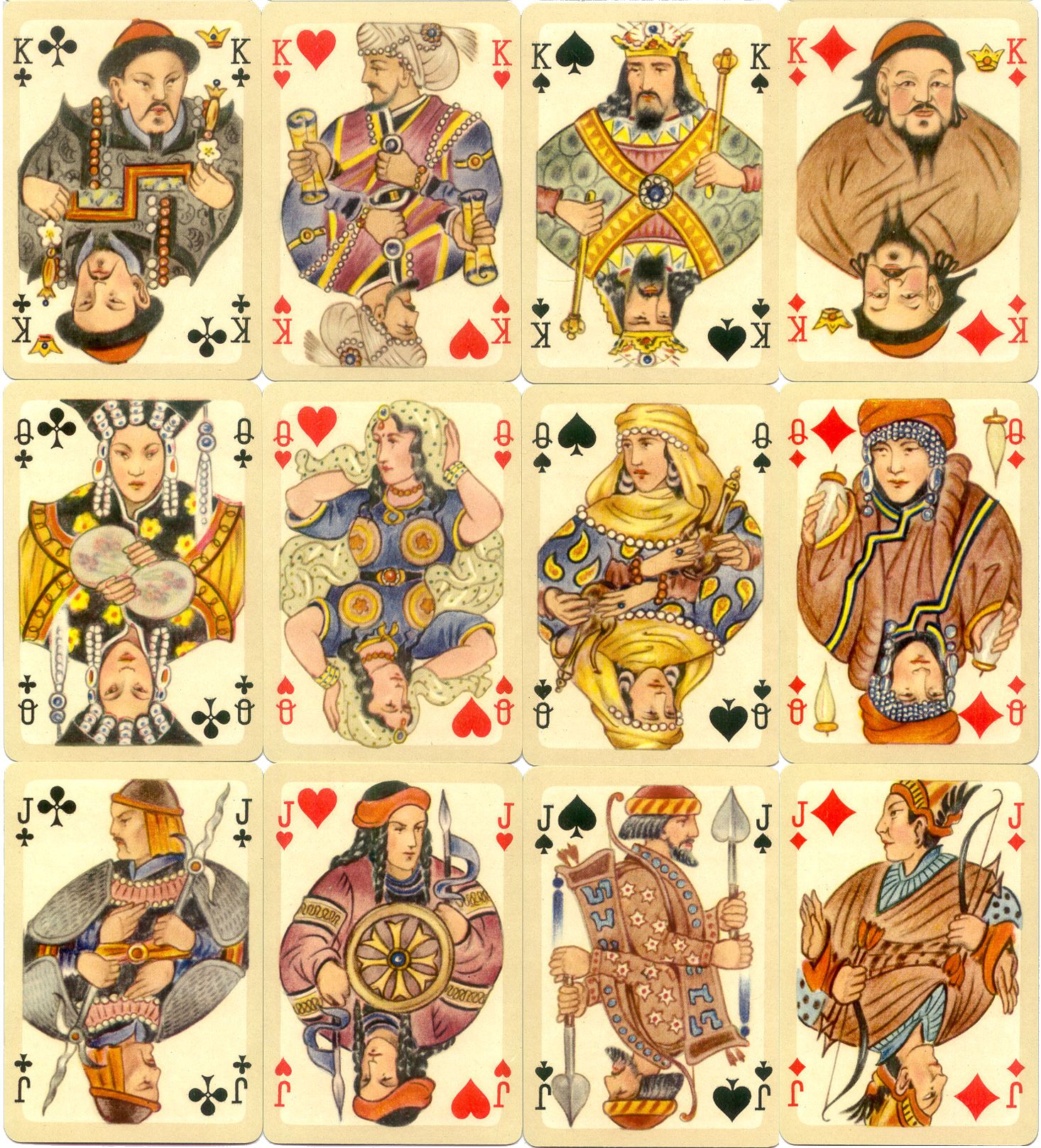
Above: the 12 court cards from Bernhard Altmann's "Cashmere Playing Cards" printed by Ferd. Piatnik & Sons, Vienna, c.1950s. The court cards are warriors, rulers and women who were particularly interested in the Cashmere trade. Ace to 10 (not shown) are vignettes that portray attributes of each group of people.
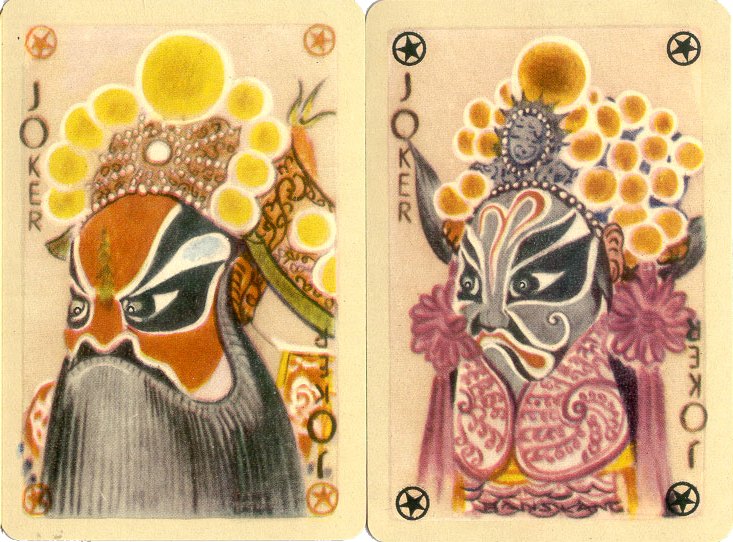
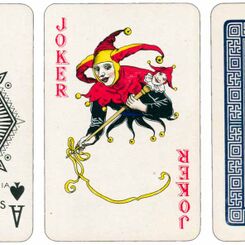
Right: The Artwork on the back of the cards in Ancient Mongol script is the Seal of Khans: "when the command of the allpowerful Khan of the Great Mongol People, which is as the might of Eternal Heaven, is handed down to subject peoples, they must tremble and obey." One back is in red and one in black. The Jokers have Chinese Theatrical Masks. The back of the box is marked 'Made in Austria by Ferd. Piatnik & Sons Vienna'. Images courtesy Barney Townshend.
Addendum from Lev Golinkin
I wish the pip cards were shown as well...
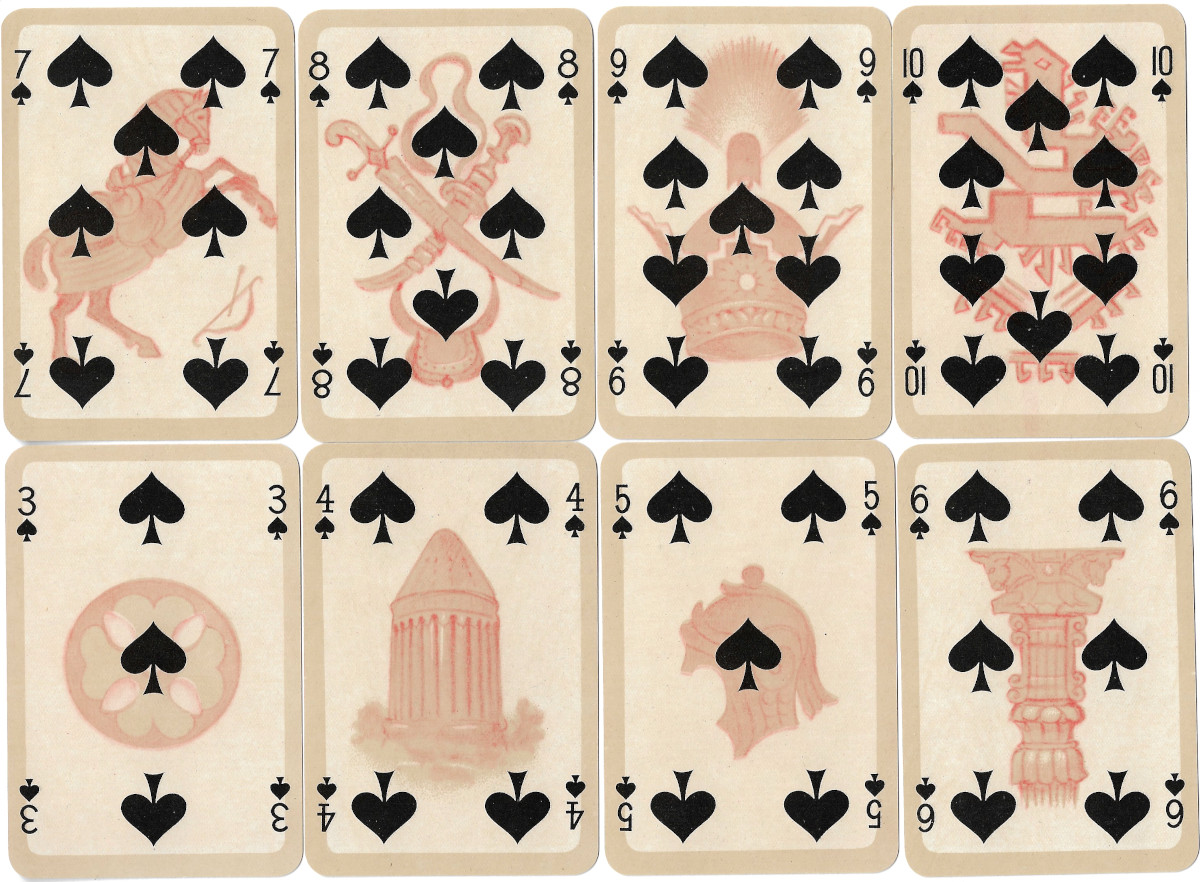
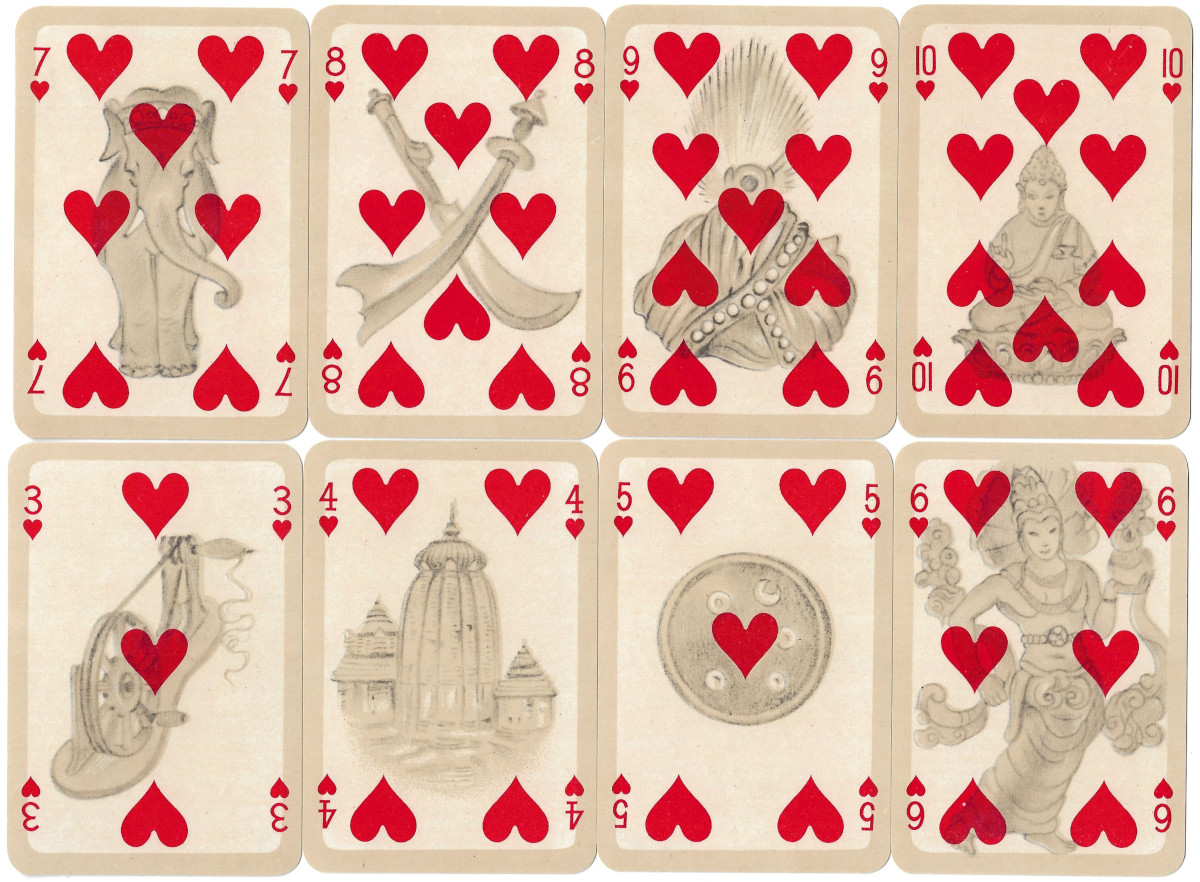
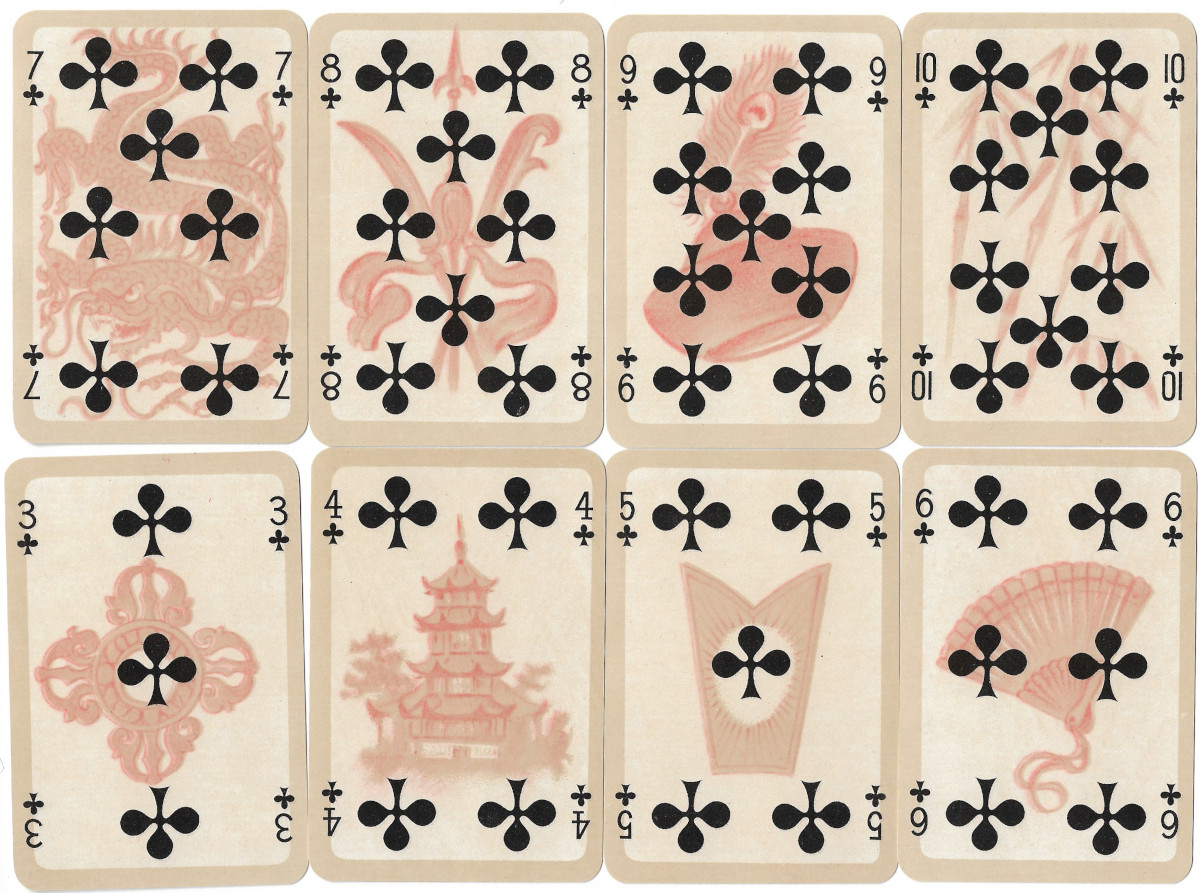
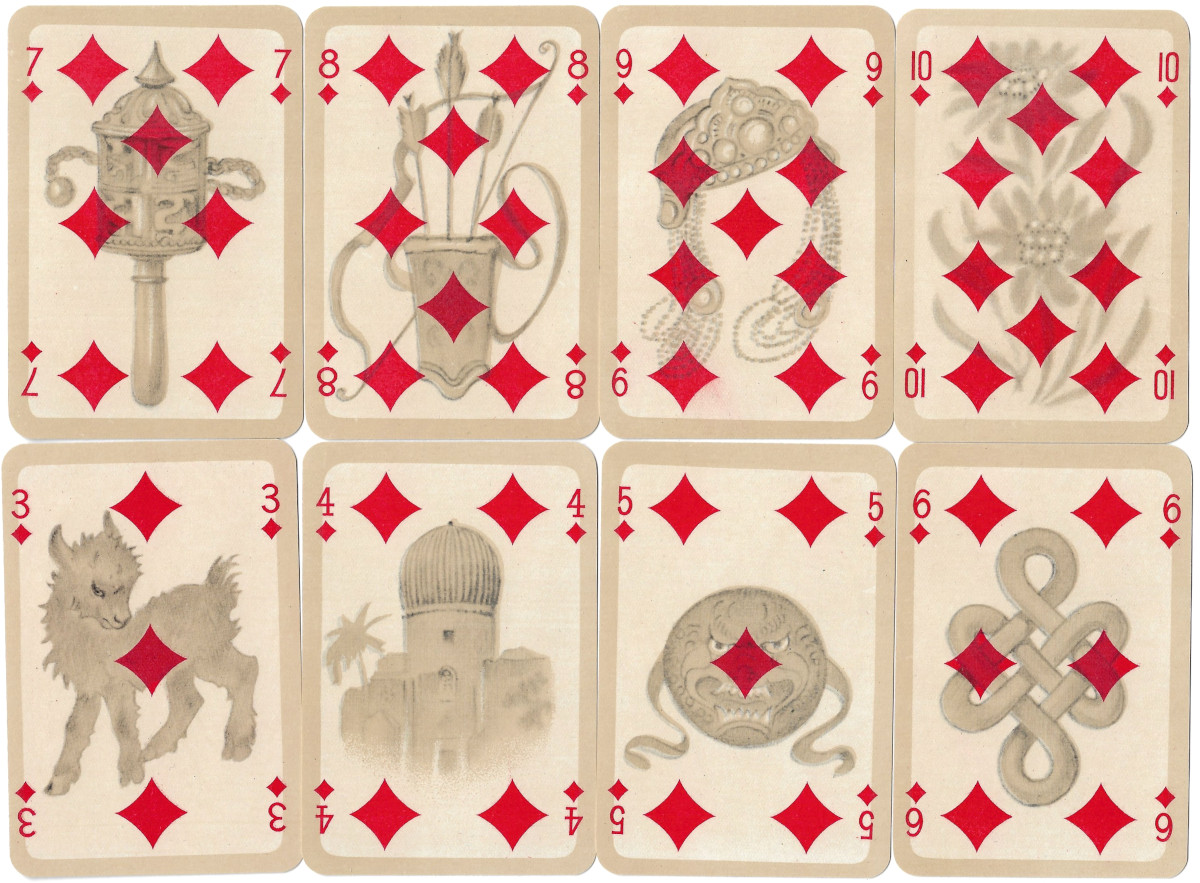
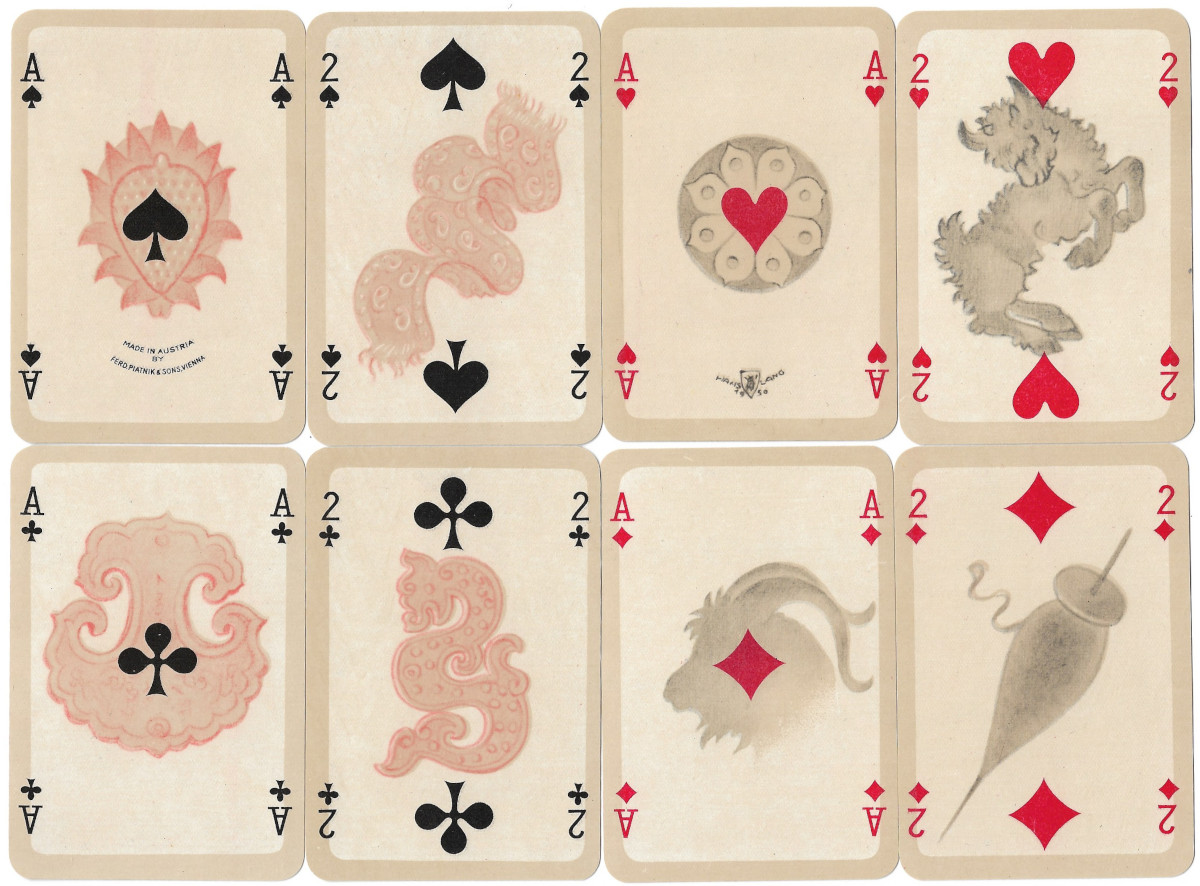
Above: extra scans courtesy Lev Golinkin.

By Barney Townshend
United Kingdom • Member since October 06, 2015
Retired Airline Pilot, interested in: Transformation Playing Cards, Karl Gerich and Elaine Lewis. Secretary of the EPCS. Treasurer of the IPCS.

Activity for Cashmere
Sign in to comment or save this article.

Related Articles
Luxury No. 2167
A Piatnik classic that lives up to its title.
Arik Brauer
An artist-led pack from Vienna’s Hilger Edition, with Arik Brauer’s fantasy imagery turned into card...
Vorarlberg Büschel Jasskarten
“Vorarlberg Büschel Jasskarten” designed by Austrian artist and typographer Konrad Hämmerle.
Cosmopolitan № 2121 playing cards
“Cosmopolitan” № 2121 playing cards designed by Russian artist Valeri Mishin, 1996
Piatnik No.97
Non-standard French-suited cards published by Ferd Piatnik & Sõhne, Vienna, c.1940s.
Vienna (ex-Lyon) pattern
‘Vienna pattern’ derived from archaic Lyon pattern by Ferd Piatnik & Söhne A.G., c.1926-1934.
Baroque No.2118
“Baroque” by Ferd Piatnik & Sons, Vienna, reflecting a bygone era of fashion.
48: Ferdinand Piatnik & Sons
Ferd. Piatnik produced a very large range of cards with many different standard and non-standard pat...
Popular No.257
Piatnik’s “Popular Playing Cards” No.257
Salzburger Pattern
Salzburger pattern by Ferd. Piatnik & Söhne, Vienna
Rococo No. 2130
Piatnik: Rococo No. 2130 playing cards designed by Prof. Kuno Hock, c.1975
Blue Playing Cards
“Blue Playing Cards” by Piatnik, 1960s, inspired by the Cubism art movement in which objects are ana...
Shakespeare by Piatnik
‘Shakespeare’ playing cards by Piatnik designed by the British actor Donald Burton.
France Royale Bridge
“France Royale” Bridge playing cards by Willy Mayrl depict historical characters from France’s royal...
Jugendstil Art Nouveau Bridge
“Jugendstil Art Nouveau” Bridge Nr.2136 published by Piatnik, 1980.
Vienna Melange
“Vienna Melange” Playing Cards by Piatnik with a historical feel representing the four races that ma...
Karl Korab (Ed. Hilger)
Karl Korab was born in 1937 in Falkenstein (Lower Austria), the son of a forester. As a child he exp...
Arnold Schönberg
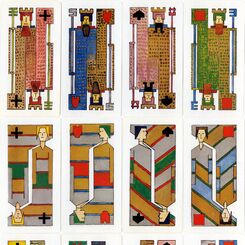
In around 1909 he created three sets of playing cards. His inventiveness was driven by a passion for...
Waisenfond
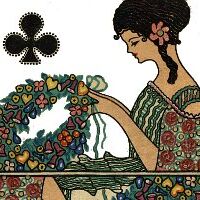
Intended to attract donations on behalf of the Imperial Royal Austrian Military Widows’ and Orphans’...
Ferd. Piatnik & Söhne
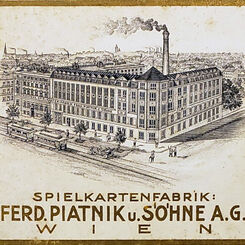
Ferdinand Piatnik was born in Ofen on October 14, 1819.
Most Popular
Our top articles from the past 60 days


