


Lapin Brothers
Reprint of Lapin’s Historical Belarusian playing cards.
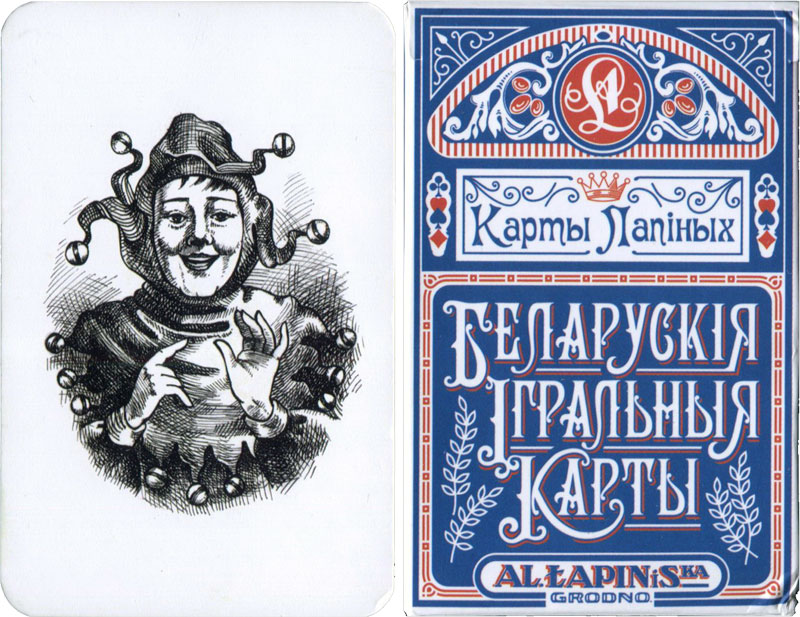
Belarusian Lapin’s playing cards
Grodno (or Hrodna) is a city famous for its printing traditions. In early 1770s Antoni Tyzenhaus, who was its warden, took possession of a publishing house considered as one of the best letter foundries in the former Polish-Lithuanian Commonwealth territory.
In the mid-19th century there began to appear enterprises with an uncommon name - typolithographies, whose main business was to print lithographs. In 1879 the members of a wealthy lower middle class family, the Lapins, founded the first private typolithography. The owner’s name was Solomon Lapin. The establishment mainly printed cigarette labels, coloured advertisements and others.
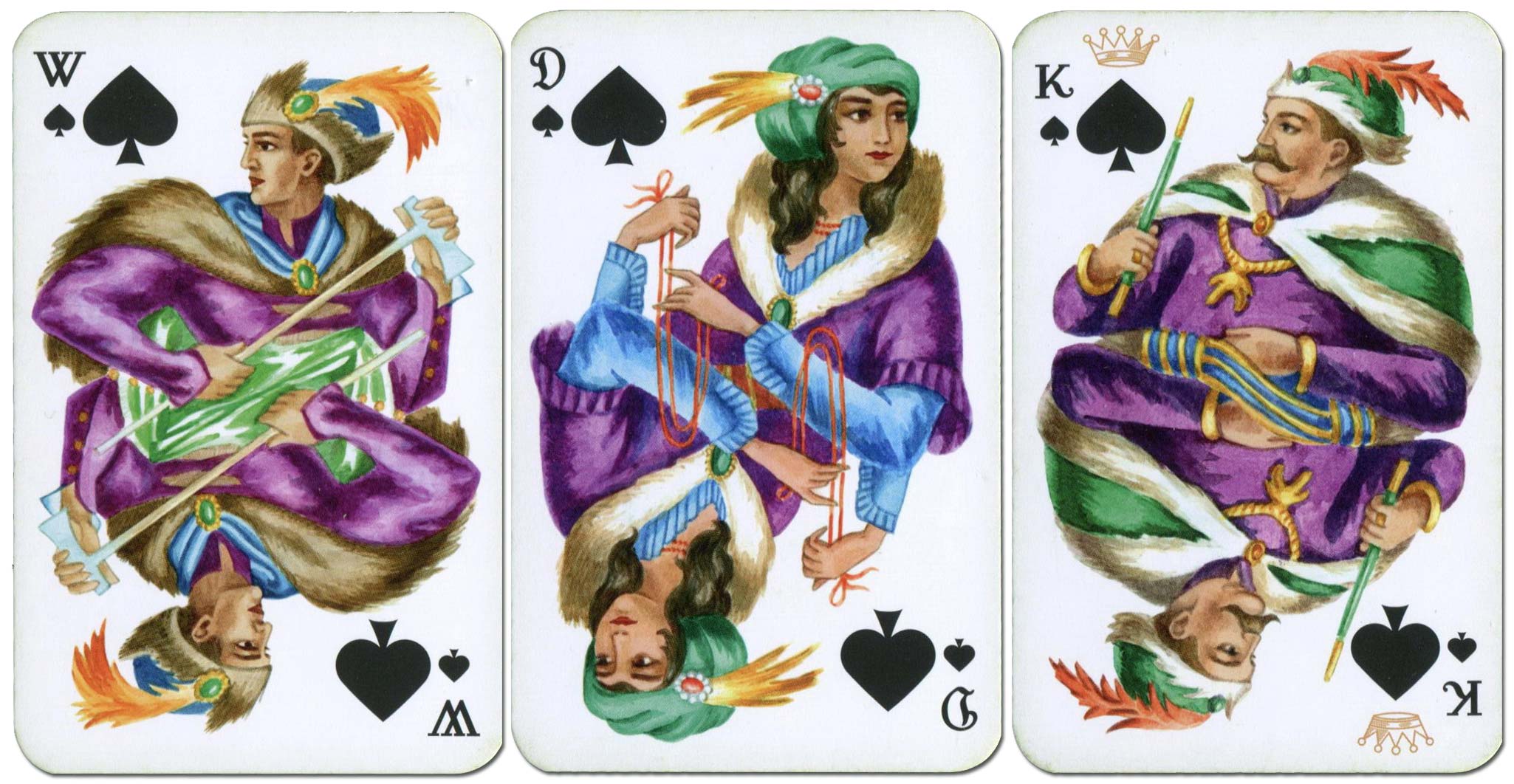
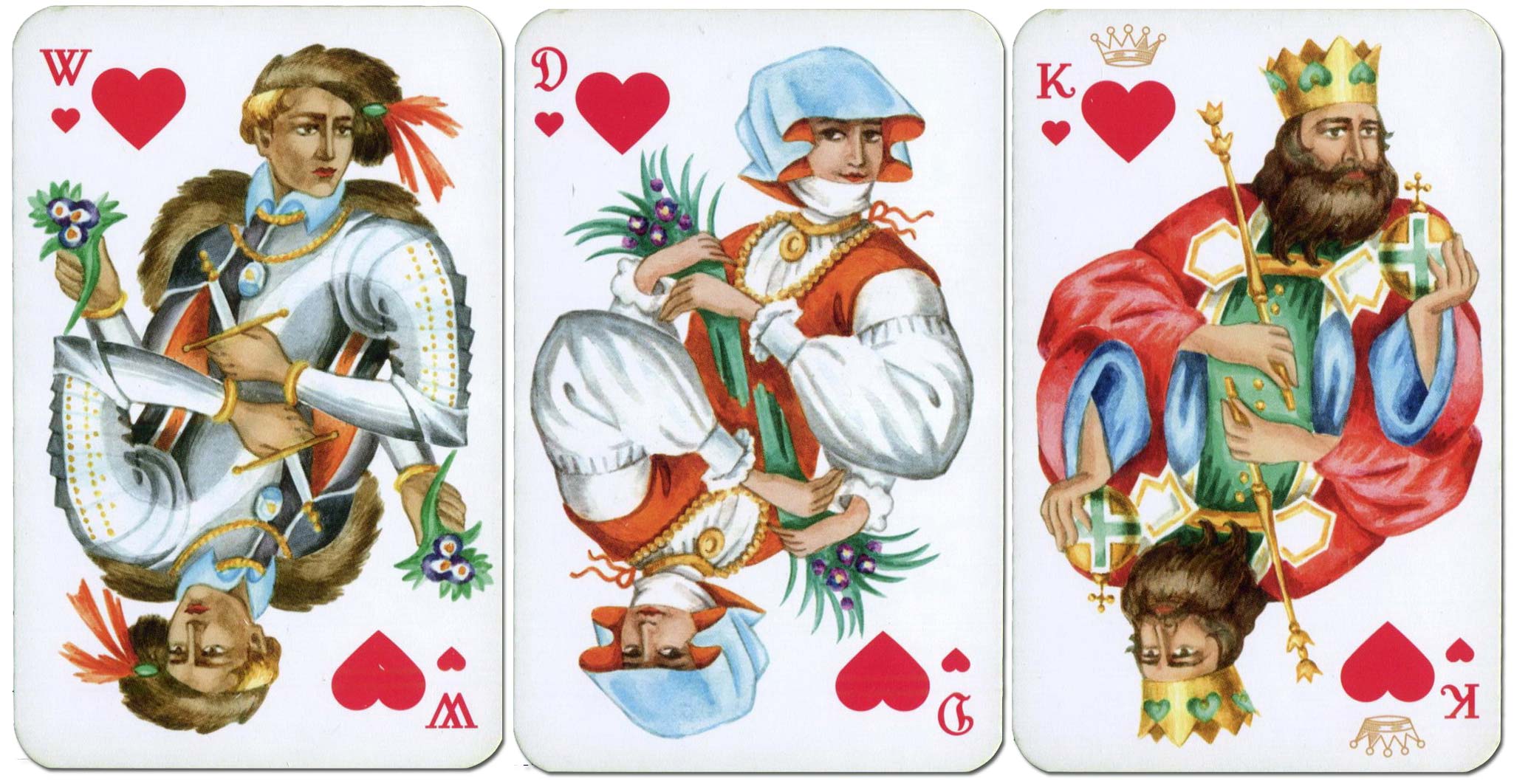
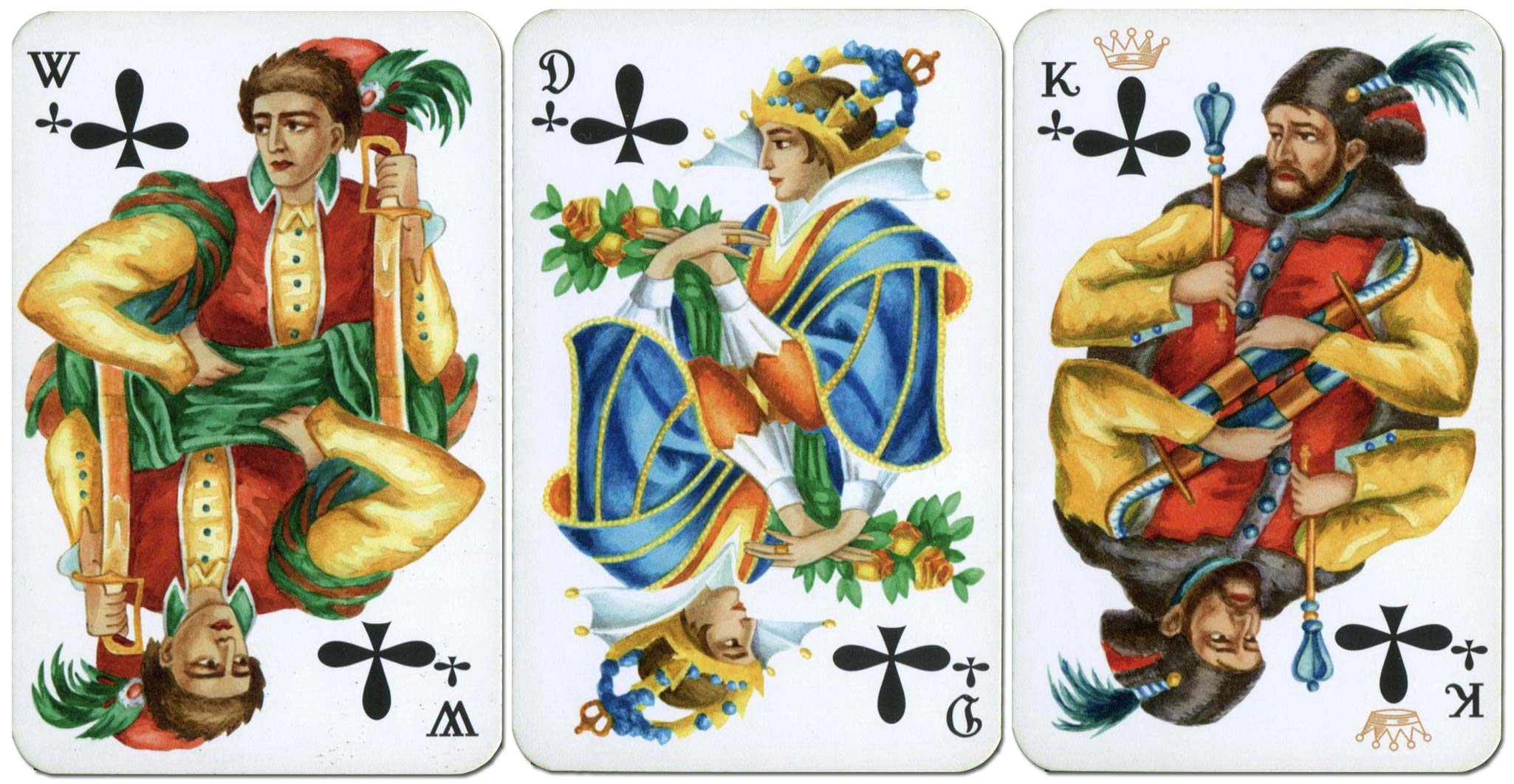
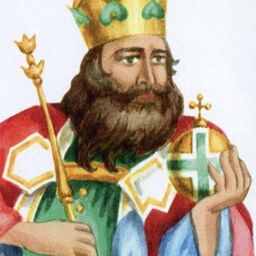
In 1923 brothers Alexander and Abraham Lapin expanded their business and began to produce playing cards, which allowed them to rename their business as “First State Playing Card Factory”. The cards were of high quality and were used for playing such games as skat, bridge, poker and whist. The factory printed folk, Venitian and Rhenish cards. A unique deck depicting real kings was designed there as well, in which the kings represent real historical characters of Polish and Belarusian heritage - John Sobieski, Casimir III the Great, Sigismund II Augustus and Stephen Bathory.
In the autumn of 1939 the Lapin brothers’ factory was nationalized and its owners died in Grodno’s ghetto. The typography was repurposed for agitational materials instead. Until the early 1950s the factory in Grodno was the only colour printing enterprise in Soviet Belarus. It existed until 1993.
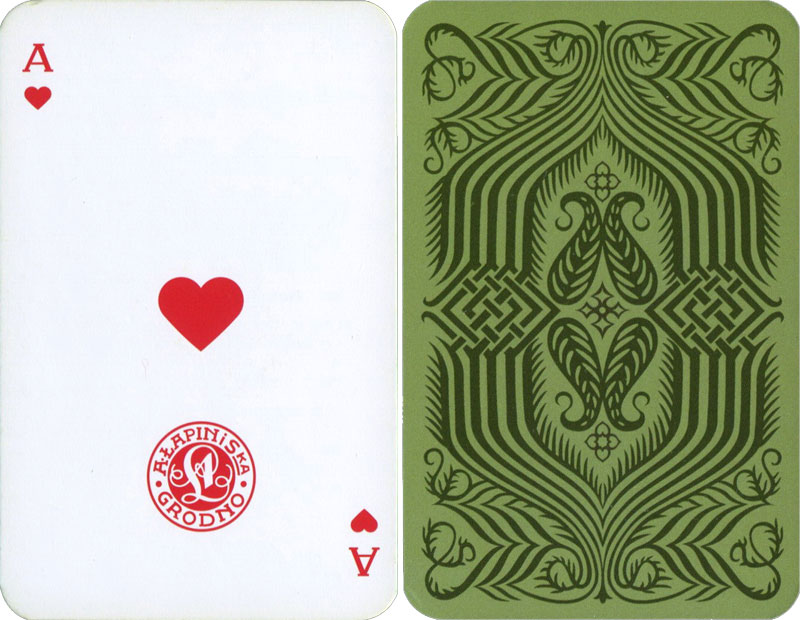
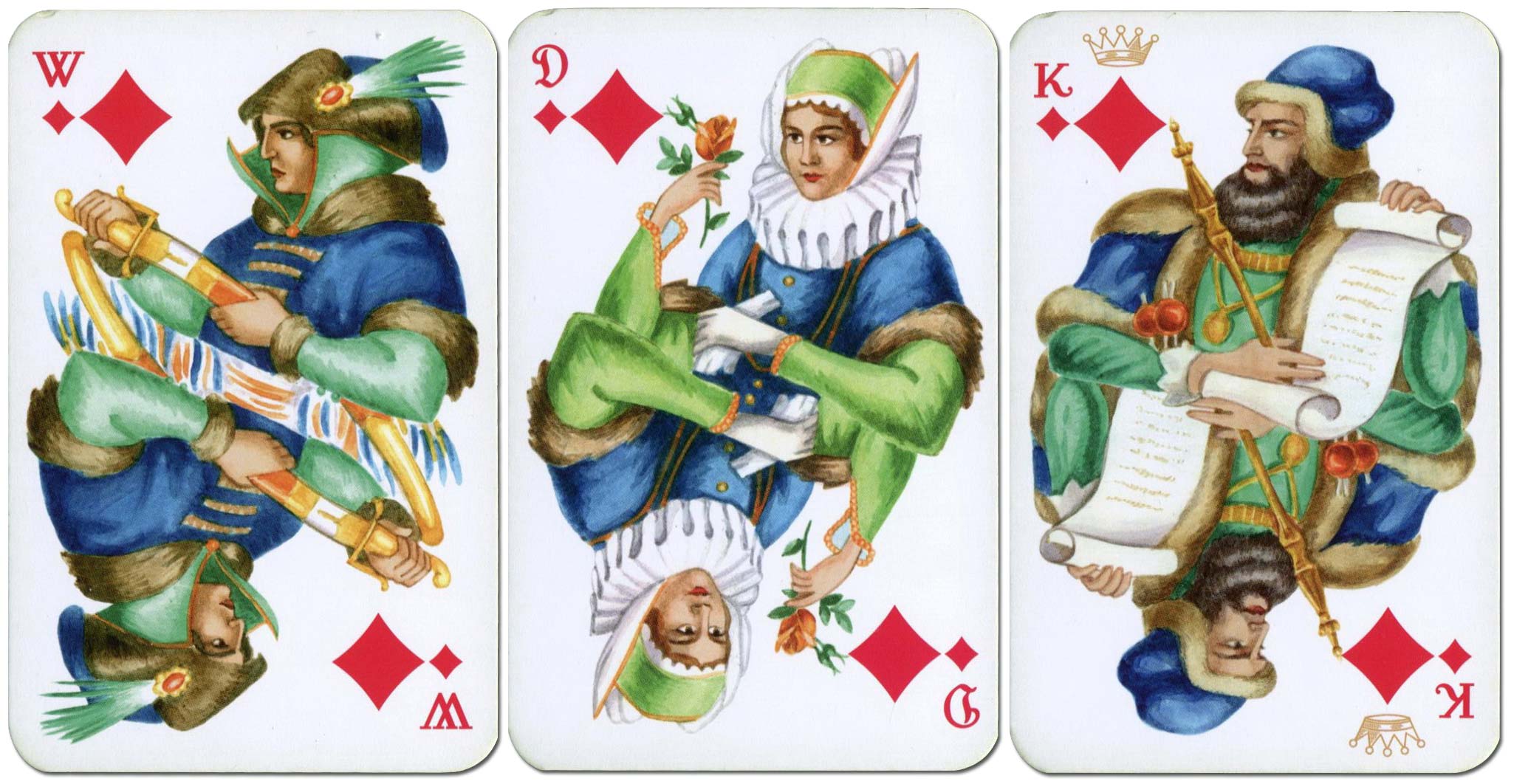
Above & right: Lapin’s playing cards with historical personages on the four kings, published by “А4”, printed by Onlineprint (Minsk), 2017. Size = 56х88 mm, 36 cards + 2 Jokers + booklet in box.
In 2017 the Yankouski family together with “A4” creative group took up the restoration of the Lapins’ playing cards. They were drawn by hand and restored based on the original deck fragments. On the pack one can see design features borrowed directly from the Lapins’ factory production: the logo, vignette and lettering.
The deck “with kings” shown here is unique because it was originally designed and printed only in Grodno.
By Valentin Krasavin (Валентин Красавин)
Russian Federation • Member since January 05, 2014

Activity for Lapin Brothers
Sign in to comment or save this article.

Related Articles
Zewd Historical Deck
Ethiopian imperial history, from Tewodros II to Haile Selassie.
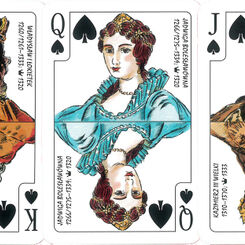
Polish Kings and Queens – red deck
Polish kings and queens plus the court jester, illustrated in a distinctive style inspired by histor...
Victorian grocer’s scale plate
Large flat plate decorated with highly coloured English cards and royal arms.
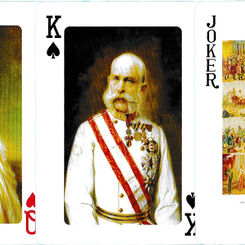
Sissi playing cards
produced for the Austrian tourist market.
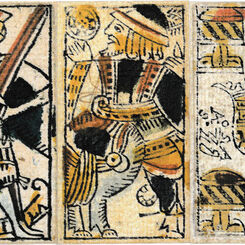
Sevilla 1647 reproduction
Facsimile of Spanish-suited pack produced in Sevilla, Spain, 1647.
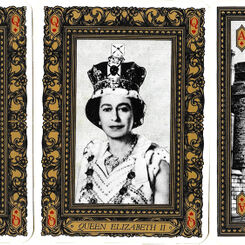
British Monarchs
Commemorating the royal wedding of Charles, Prince of Wales to Lady Diana Spencer on the 29th
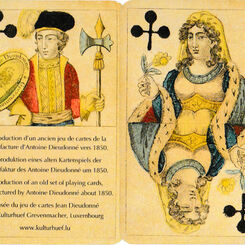
Antoine Dieudonné c.1850
Reproduction of a pack by Antoine Dieudonné, Grevenmacher, Luxembourg, c1850.
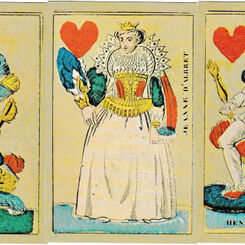
Histoire de France
“Histoire de France” facsimile of French historical deck of 1820.
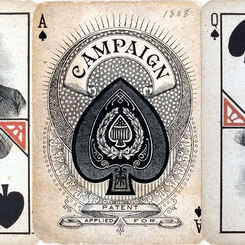
Grover Cleveland Presidential Campaign of 1888
Grover Cleveland Presidential Campaign playing cards of 1888, USA, [reprint 1980].
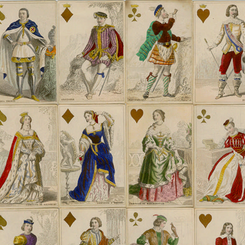
Some Facts About Facsimiles
A short note on facsimile decks: what counts as a facsimile, how reprints differ from originals, and...
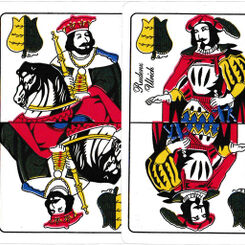
Fake ‘Four Seasons’ pattern
More than just a copy, this is a fake!
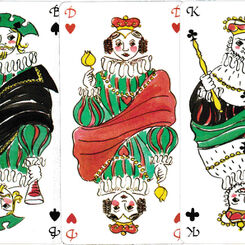
Dronning Margrethe II
Elegant, elongated cards designed by Queen Margrethe II of Denmark.
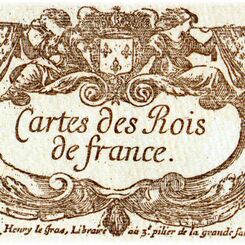
Rois de France
Cartes des Rois de France (1644) facsimile edition by Edizioni del Solleone, 1986.
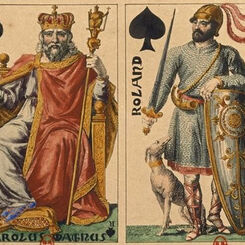
Dames de France
“Dames de France” published by J-M Simon based on originals by Armand Gustave Houbigant, Paris, c.18...
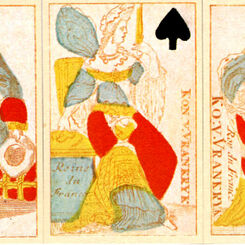
Carel de Wagenaer
Facsimile edition of cards first published by Carel de Wagenaer, Amsterdam in c.1698
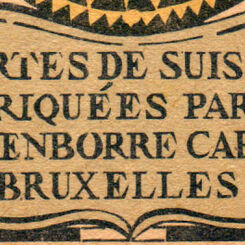
Vandenborre Tarot
Belgian Tarot published by François-Jean Vandenborre, Brussels (1762-1803)
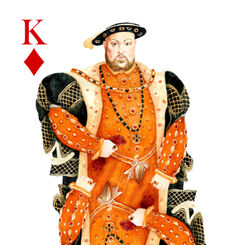
16th Century Kings and Queens
Oksana Pushnjak has created a set of cards depicting 16th century kings and queens of Europe.
Etruria Minchiate
The Cavaliers are man/beast creatures. The Valets (or Pages) are male for clubs and swords, and fema...
Pierre Marechal
Rouen became an important centre for card-making whose influence extended far afield. Cards from Rou...

Hand-made Spanish Suited Playing Cards
Decks are made on two-ply pasteboard which reproduces the tactile quality of antique cards.
Most Popular
Our top articles from the past 60 days


