


Star Stack
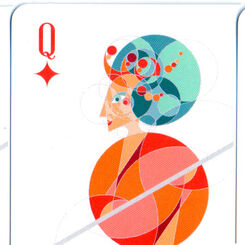
Star Stack playing cards feature illustrations of famous astronomers and important astronomical constellations.
Stars in the night sky have long fascinated human beings, evoking a sense of awe and wonder. Being curious and pattern seeking, we built many images and stories around the constellation patterns that became part of our culture and folklore. We have learnt to carefully observe the motion of these stars in the night sky and express them in the language of mathematics, giving birth to the science of astronomy.
Star Stack playing cards feature illustrations of famous astronomers and important astronomical constellations. Decks contain 55 cards (including 2 jokers and 1 tutorial card), illustrating 52 constellations with fun facts.
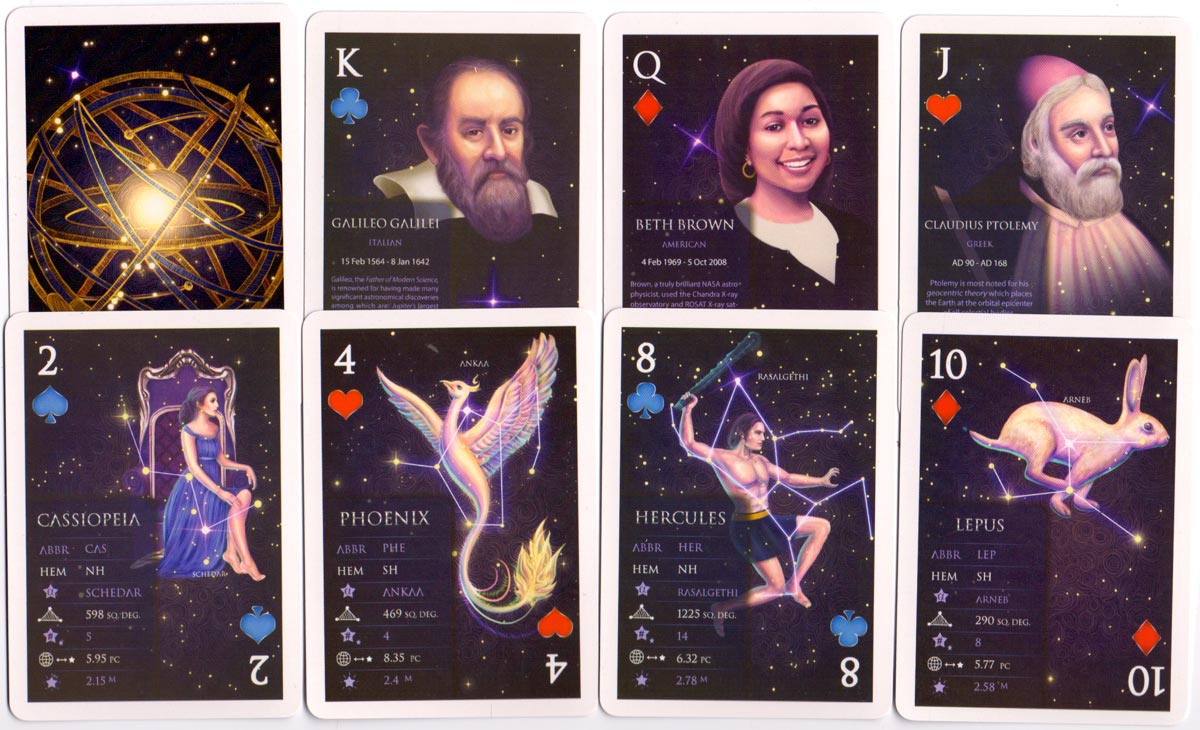
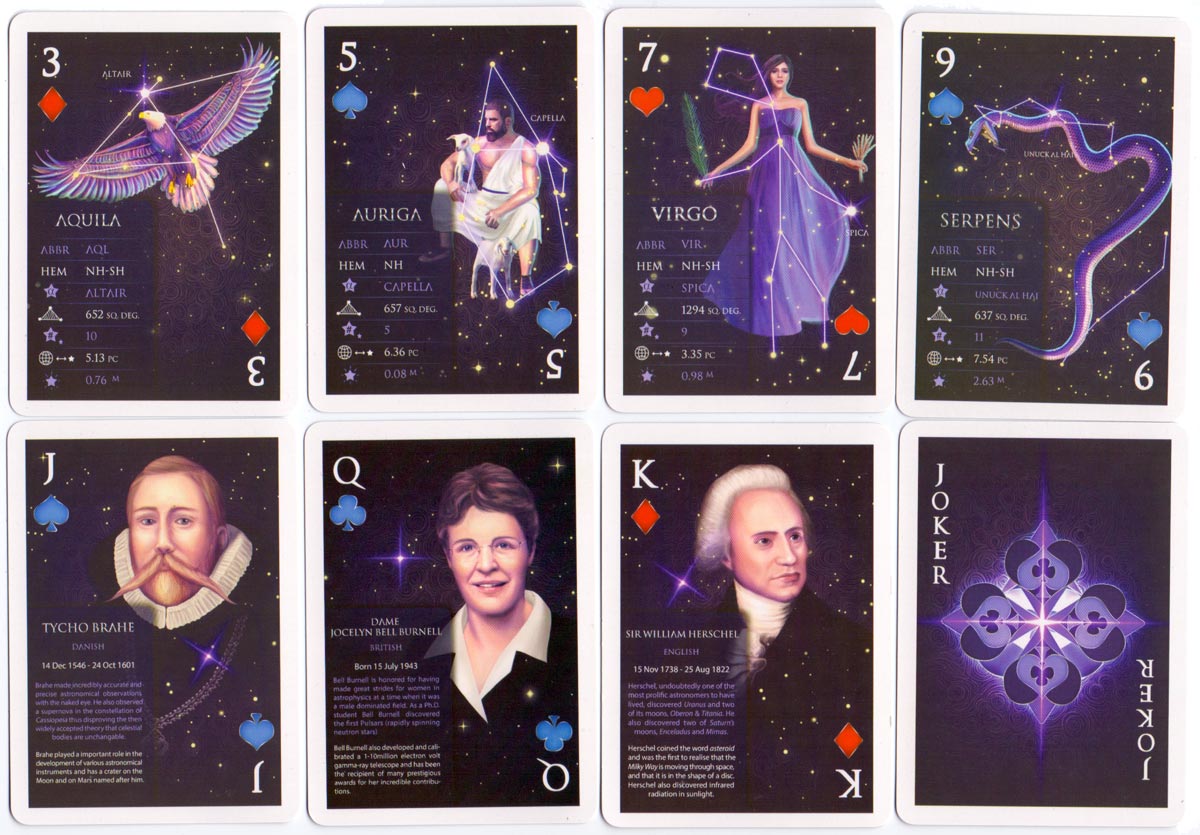
Above: cards from “Star Stack” educational playing cards designed by Jessica Benjamin Purmeswar and published by EduStack, manufactured in India by TM Cards, 2015
More details: EduStack: Playing Cards for Math & Astronomy►

By Simon Wintle
Spain • Member since February 01, 1996
I am the founder of The World of Playing Cards (est. 1996), a website dedicated to the history, artistry and cultural significance of playing cards and tarot. Over the years I have researched various areas of the subject, acquired and traded collections and contributed as a committee member of the IPCS and graphics editor of The Playing-Card journal. Having lived in Chile, England, Wales, and now Spain, these experiences have shaped my work and passion for playing cards. Amongst my achievements is producing a limited-edition replica of a 17th-century English pack using woodblocks and stencils—a labour of love. Today, the World of Playing Cards is a global collaborative project, with my son Adam serving as the technical driving force behind its development. His innovative efforts have helped shape the site into the thriving hub it is today. You are warmly invited to become a contributor and share your enthusiasm.

Activity for Star Stack
Sign in to comment or save this article.

Related Articles
Learning to play Cribbage
I learned to pay cribbage when I was very young, aged around six or seven.
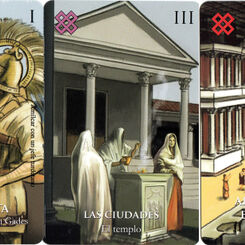
Hispania Romana
Educational card game depicting the Roman period in Spanish history.
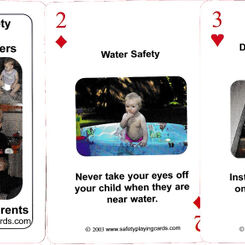
Safety playing cards
Safety playing cards designed to reinforce the “Think and Be Safe” concept.
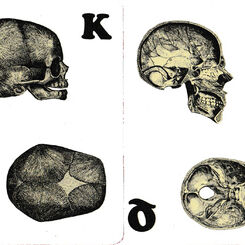
Carte Osteologiche
Skulls and bones of all descriptions have become the suits and pips in this 40-card pack from Italy....
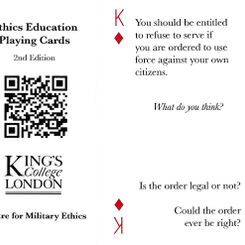
Ethics Education playing cards
Ethics Education playing cards produced by the Centre for Military Ethics at King’s College London, ...
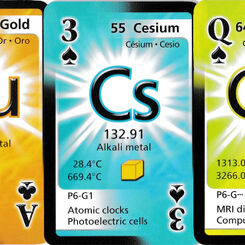
Periodic Table playing cards
Periodic Table playing cards produced by Synheme Inc., Canada, c. 2006-2007.
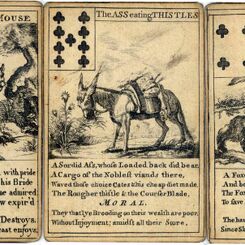
Aesop’s Fables
Aesop’s Fables playing cards by I. Kirk, c.1759.
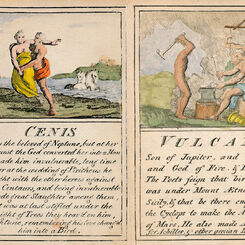
Pantheon or Heathen Mythology
Pantheon or Heathen Mythology cards for instruction of youth, c.1770.
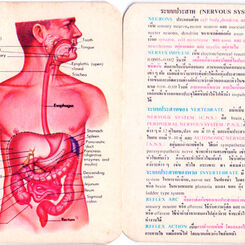
Bio-Pack
Bio-Pack flashcards produced for Thai biology students
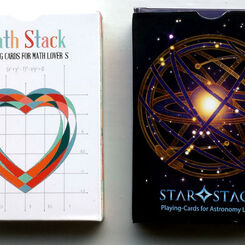
Math Stack
“Math Stack” playing cards designed by Diana Stanciulescu, illustrating and explaining 36 important ...
EduStack — Playing Cards for Math & Astronomy
EduStack is a team from India passionate about gaming and education that has created two sets of cus...

University of Essex
Playing Cards produced for the University of Essex during 2005-2007.
Dr Who
Dr Who is a long-running science-fiction television series produced by the BBC, first airing in 1963...
Lingo Pix
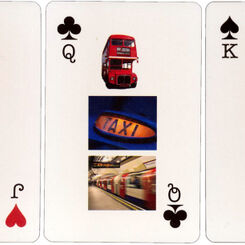
Lingo Pix Tourist Picture Cards by TM Cards, India, 2006
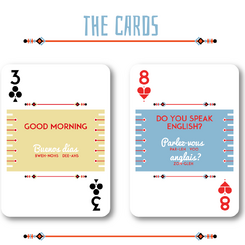
Lingo Phrasebook Playing Cards by Diana Stanciulescu
Lingo is an interactive phrasebook providing you new way of learning new language through playing ca...
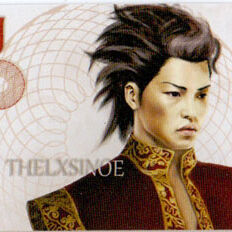
Quantum
Quantum playing cards designed by Catherine Geaney.
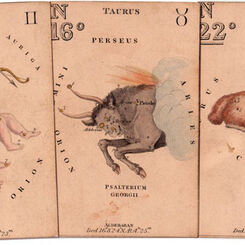
Hodges’ Constellations
Hodges’ pack dealing with astronomy had numeral cards carrying diagrams of constellations and their ...
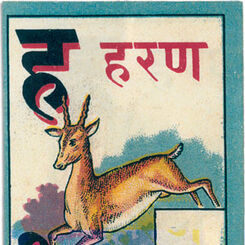
Chitrashala Press
Chitrashala Press produced some charming children's pictorial alphabet cards for early learning purp...
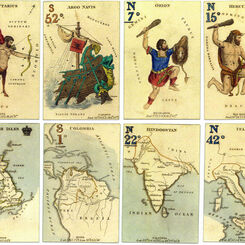
Charles Hodges
Charles Hodges produced engraved geographical and astronomical decks, London, c.1827-30.
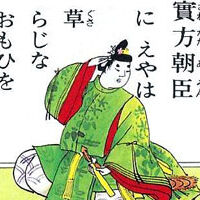
Uta Garuta
These cards are basically a poetry anthology (the Hyakunin Isshu, or 百人一首), transposed onto cards.
Most Popular
Our top articles from the past 60 days


