Children's Card Games
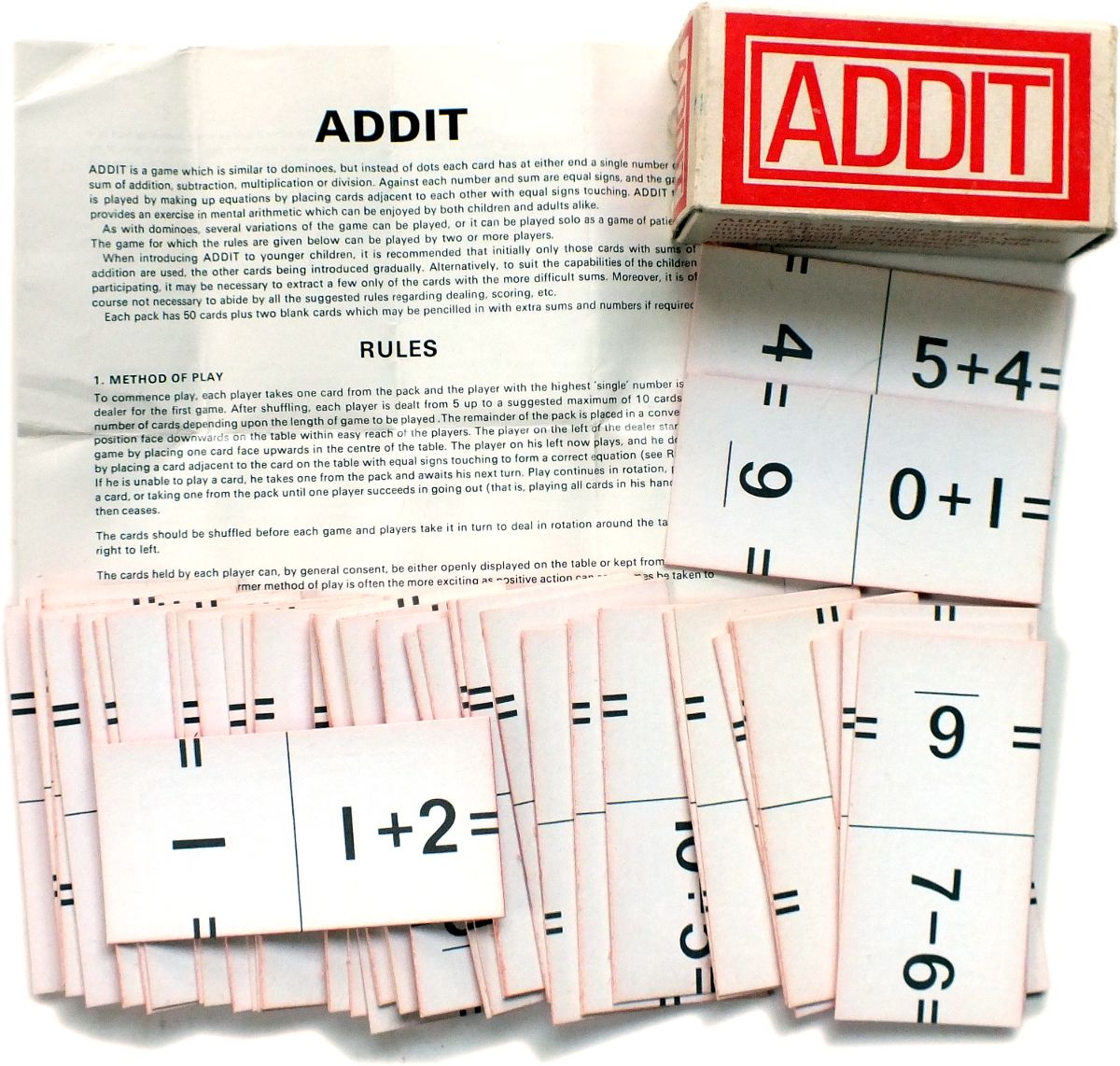
Children's games are distinct from ordinary playing cards, the most obvious difference being the lack of court cards or suit marks. Happy Families, Old Maid and Snap may teach children about taking turns, following rules, and sharing. These games can also reflect gender norms and stereotypes, often featuring cards with gendered images and roles from their part of the world or era.
Card Games... a child’s poetic universe
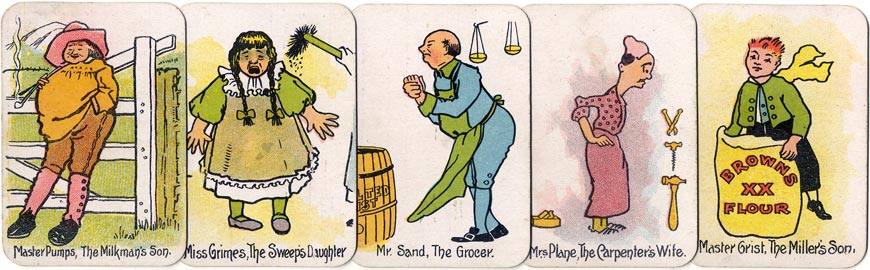
Above: cards from The Round Card Game of Happy Families, published by Chad Valley Games, England. 1914 more →
Cards of the past belong to and evoke their period, whether it be a matter of style, fashion or customs. They belong to a cheerful, gregarious, competitive world, and provide the collector, by their associations, with an unusually vivid view of history, nonetheless interesting for being from the sidelines. The study of toys and games reveals interesting coincidences from geographical and historical points of view. In many cases the illustrations provide documentary evidence of social stereotypes, gender relations or racist caricatures from past times, showing how our attitudes have changed.
There is a magic in games… from those created in the imagination, such as hide and seek, to those using pieces of paper, sticks or sophisticated manufactured items. Some games recreate the thrill of sporting activities, whilst others give a sense of creativity. Although designed principally for juvenile diversion, toys and card games can assist in a child's emotional, social, mental and physical development. A child's values are learnt from the example of adults, game playing and the media.
Children's games are distinct from ordinary playing cards, with their most obvious difference being the lack of any court cards or suit marks. Instead game cards are either numbered, lettered or grouped in some other way. They also have educational benefits for young children, encouraging congenial play and developing counting, sorting and matching skills, as well as early literacy and flowers or bird identification, whatever the case may be.
Cards specifically designed for the amusement and education of children did not appear until the second half of the 18th century. Those produced at this time tended to have pictorial themes rather than the numerical format we are familiar with today. Children's card games used to be produced to very high quality, both in the materials used and the design and printing. Economic circumstances change, and children's card games today vary in quality and educational value.
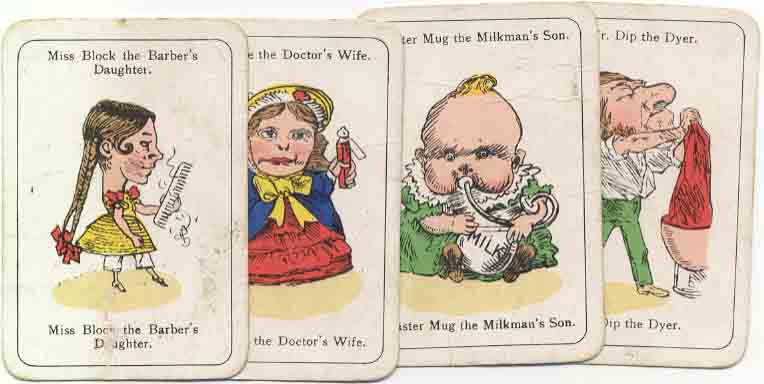
Above: Happy Families published by John Jaques & Son, 102 Hatton Garden, London.
A HUGE VARIETY of games has been devised over the years, the best known of which are Happy Families or Quartet games which involve completing sets of cards and declaring these to win the game. However, cards have also been used to tell fairy tales, ask and answer questions, illustrate nature, animals, places, to teach foreign languages, to foster early learning with numbers, spelling, currency, telling the time, and so on.
Learning the ideals of good behaviour came to be regarded as important as the three Rs: the precepts were often found as proverbs or morals on cards, just as they were reproduced in the handwriting copy-books of the day and preached from the pulpit.
Children’s Card Games with Advertising
Sales incentives - from the collection of Rex Pitts
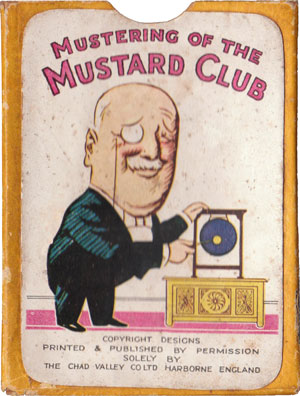
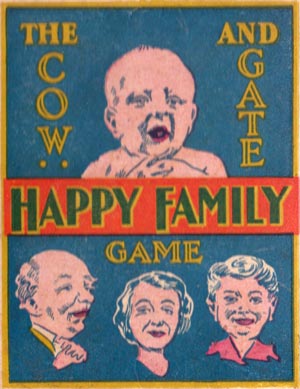
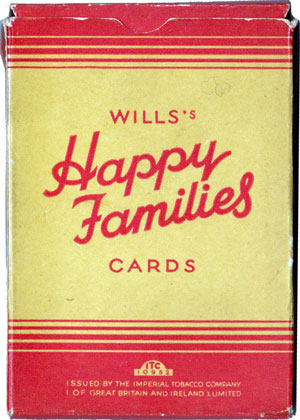
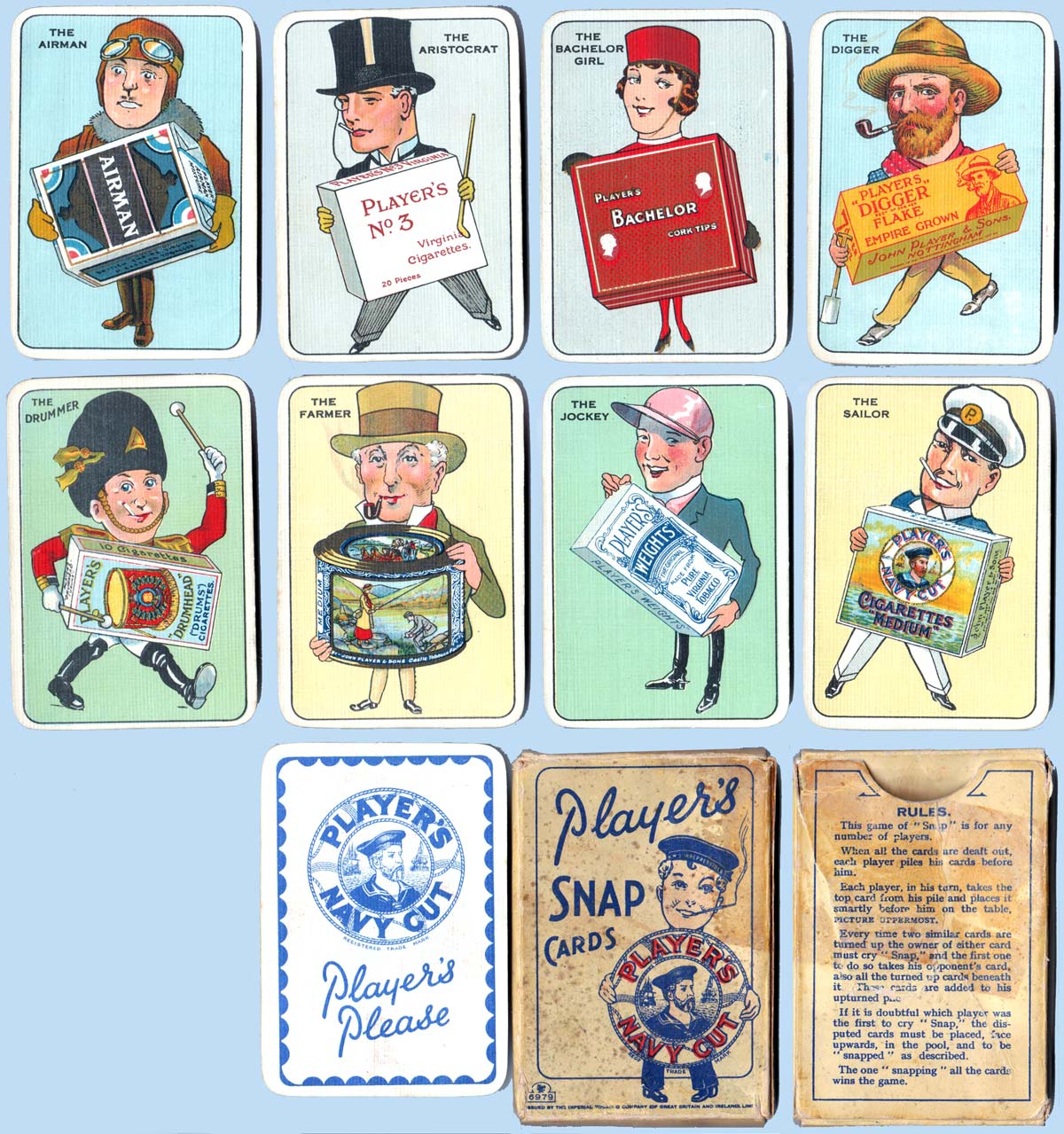
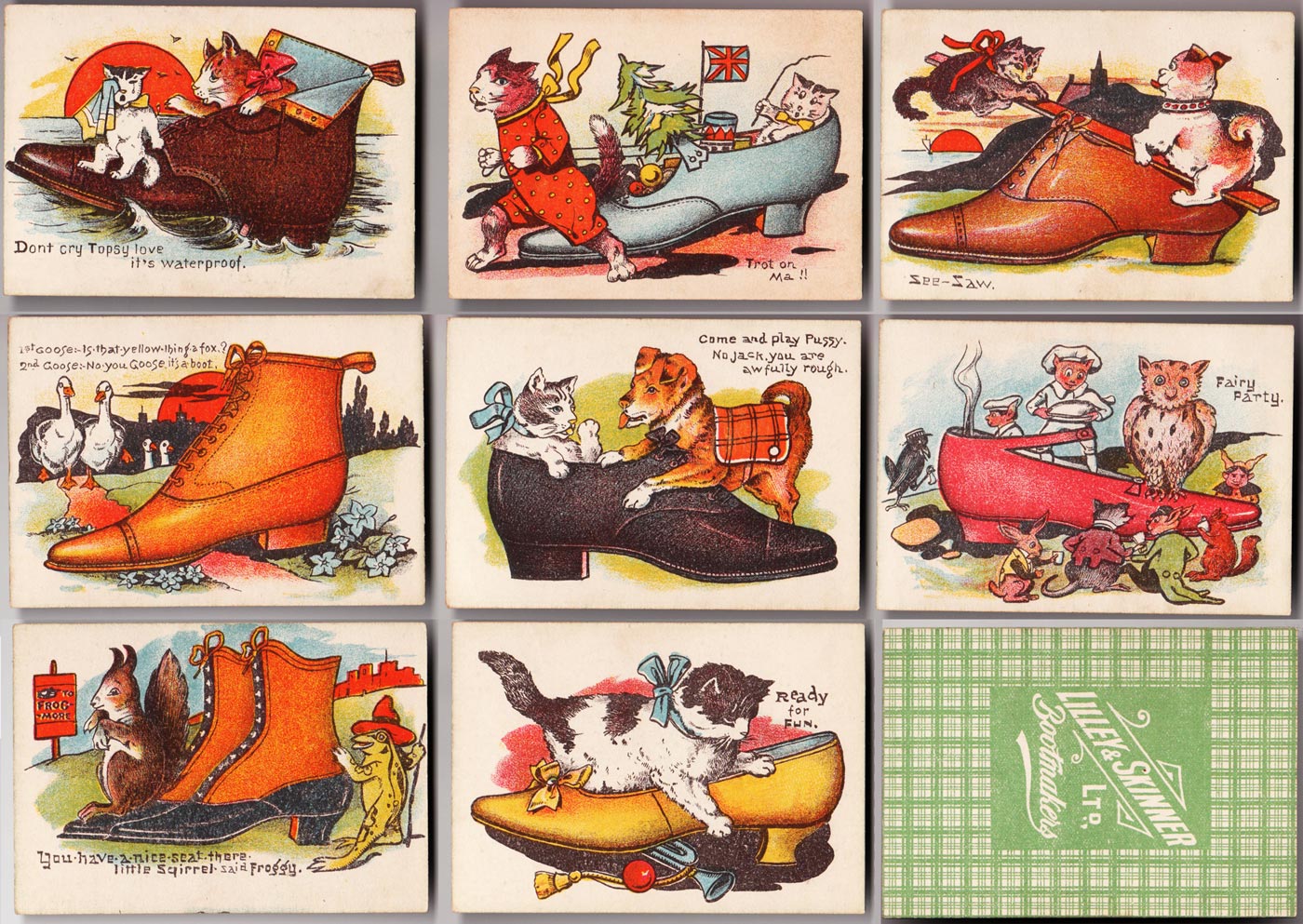
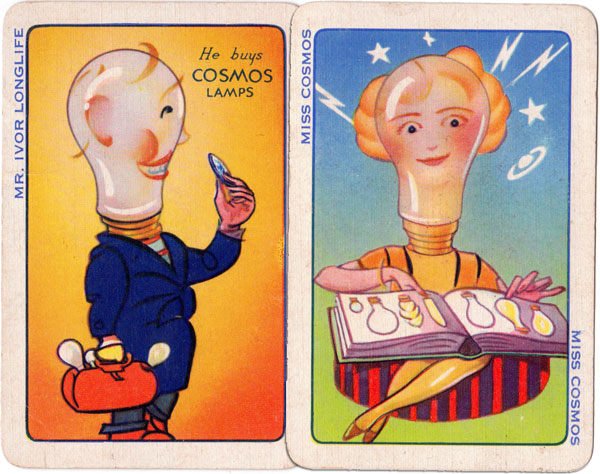
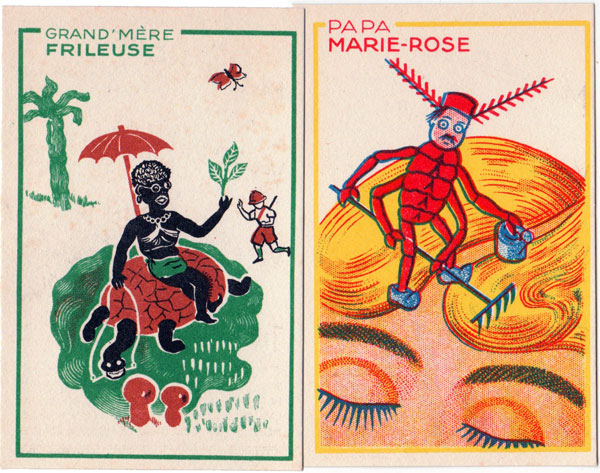
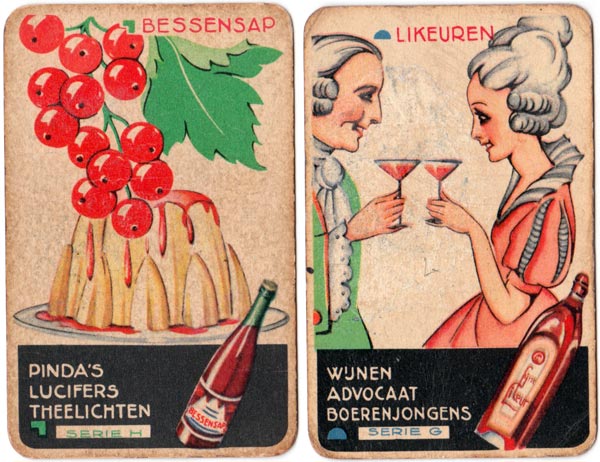
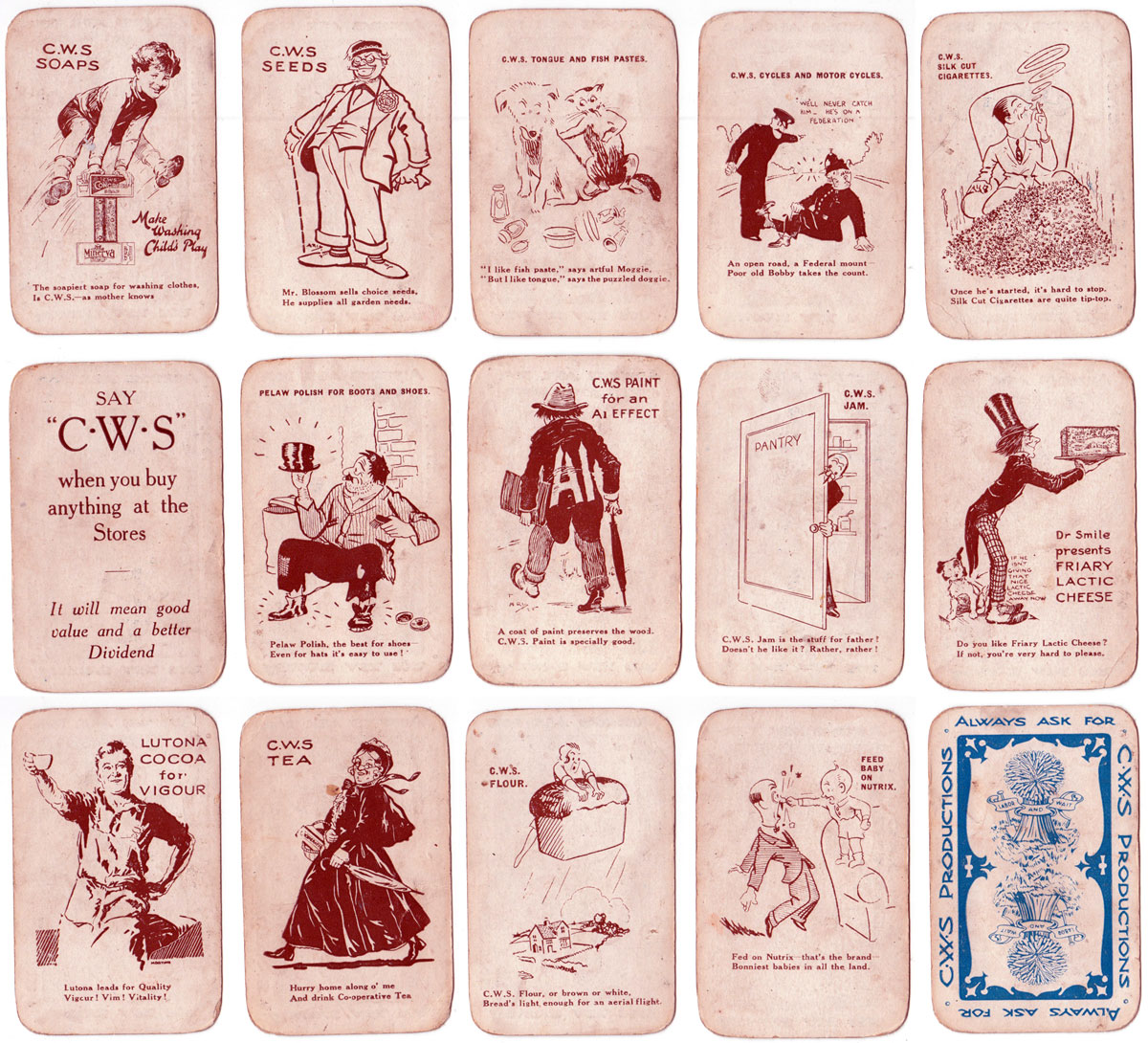
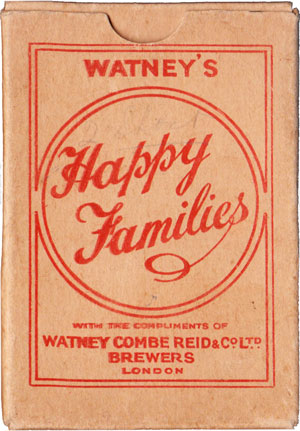
“Old Maid”
“Old Maid” card games were also re-titled in other countries as Black Peter (Schwarzer Peter) in Germany, Zwarte Piet (Netherlands), Svarte Petter (Sweden) and Pekka-Peli (Finland). The main focus of the game is towards the last card, which might be a black cat, an Old Maid, black-faced chimney sweep or black grotesque character.
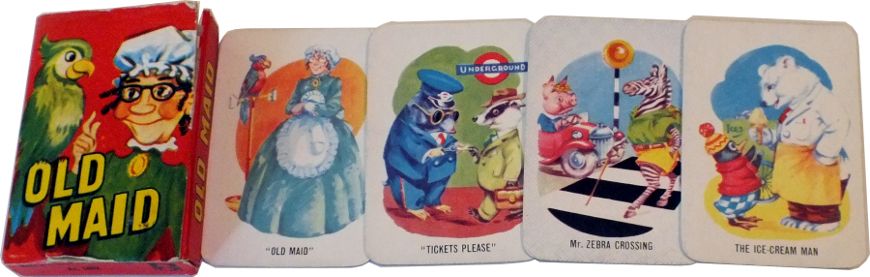
Above: “Old Maid” children's card game manufactured by Tower Press, England, 1950s see more →.
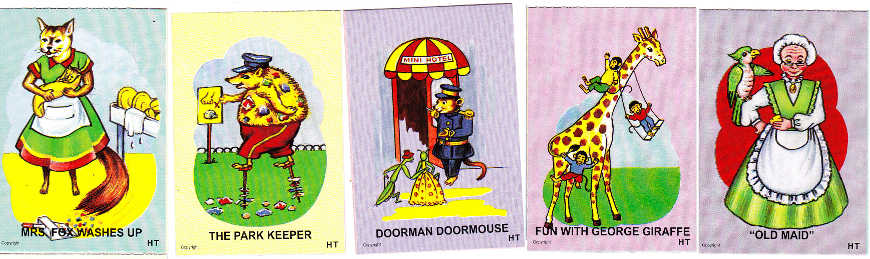
Above: “Old Maid” children's card game manufactured by Hee Trading Co., Malaysia, 1984 see more →.
Addit
Animal Grab
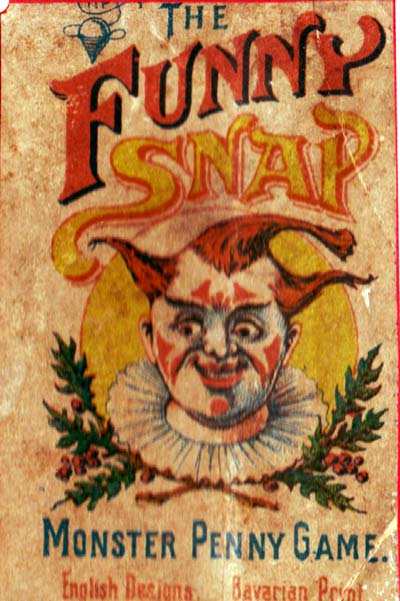
Animal Snap
Ariel Productions
Belisha
Black Peter
British Towns
Cartes Questions-Devinettes
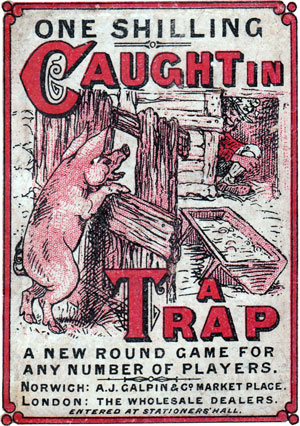 Caught in a Trap
Change for a Shilling
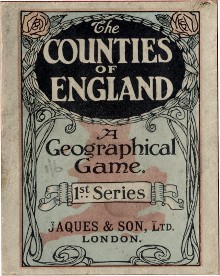
Counties of England
Cow & Gate Happy Family
Cromy
Dartex
Editorial Gráfica Flores
El Negrito Pedro
El Reloj Card Game
Entente Cordiale
Famous Five
Faulkner
Figures Amusantes
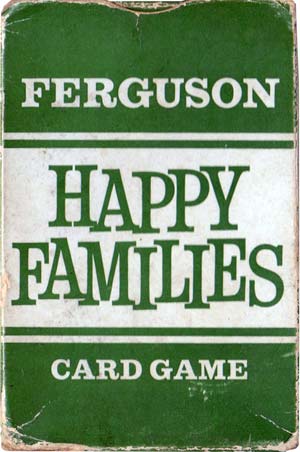
Ferguson Happy Families
Fruits et Légumes
Globe Series
Golden Egg Game
Gnav (Norwegian)
Gnav (Danish)
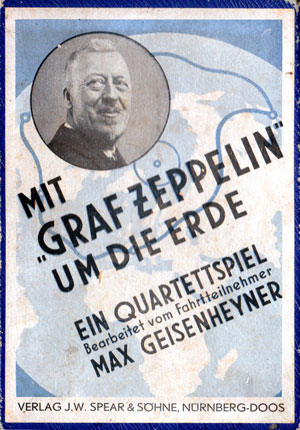 Graf Zeppelin
Great Galumphus
Grimms' Fairy Tales
Happy Families
Hijitus
Illustrated Proverbs
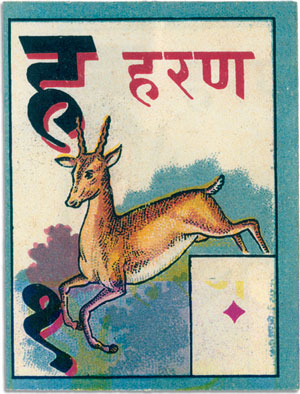
Indian Alphabetical Cards
Jack-of-all-Trades
Jaques' Games
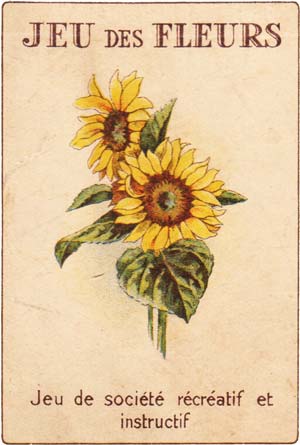
Jeu des Fleurs
Jewish Quartet Game
Kay Snap
Kingdoms of Europe
Kuhn Khan
La Zoologie
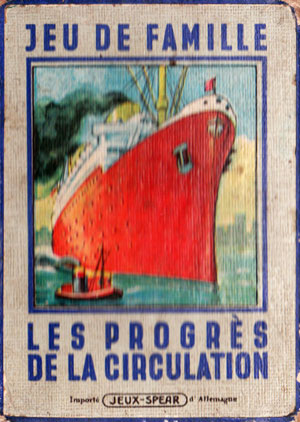 Le Progrès de la Circulation
Little Folk Misfitz
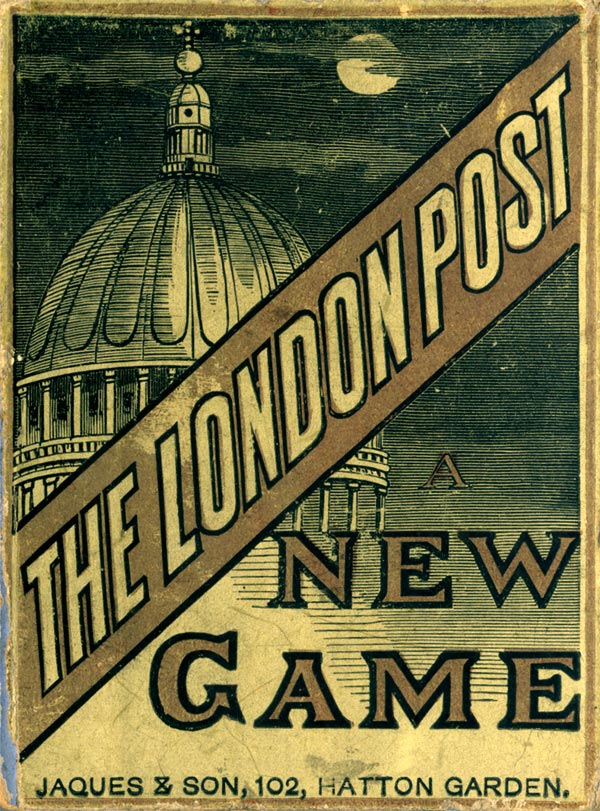
London Post
Hee Trading Co, Malaysia
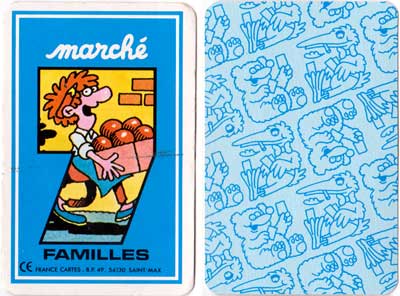
Marché 7 Familles
Mauclair Dacier Sept Familles
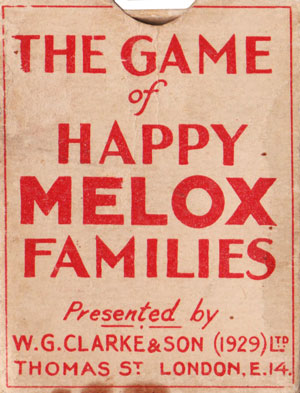
Melox Happy Families
Mexican Lottery
Mr Turnip's TV Audition
New Game of Animals
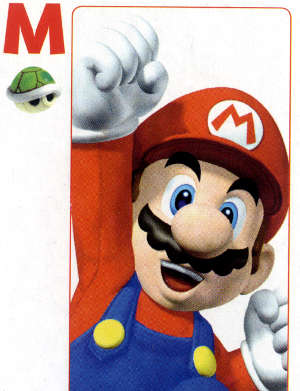
Nintendo Mario
Noddy Happy Families
Pekka-Peli
 Pepys Games
Peruvian Animals Quartet
Philips Sept Familles
Proverbs & Maxims
Quits
Reshuffle
Royal Historical Game
Royal Old Maid
Rush Hour
Snip Snap
Schwarzer Peter
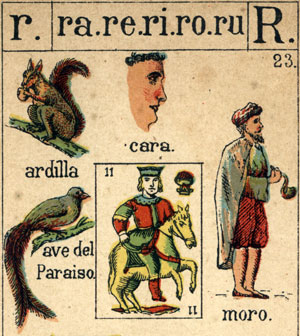
Spanish Educational Cards, 1888
Spanish Historical Characters, 1896
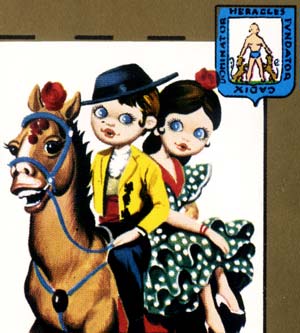
Spanish Regional Costumes, 1986
 Spears Games
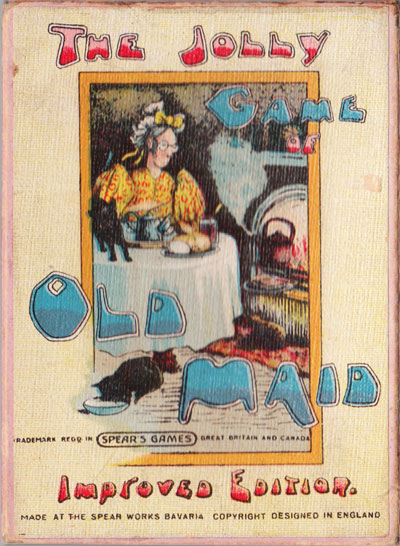 Spears Old Maid c.1900
St George Game
Tower Press
Vic Joc de Cartes
 Waddy Productions
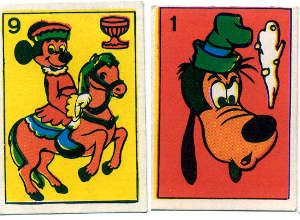
Walt Disney
Wappen Quartett
Watney's Happy Families
Wild Flower Sevens
Woodland Old Maid
Woodland Snap
Zoo Comics
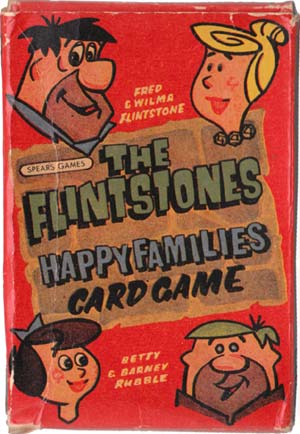

By Simon Wintle
Spain • Member since February 01, 1996
I am the founder of The World of Playing Cards (est. 1996), a website dedicated to the history, artistry and cultural significance of playing cards and tarot. Over the years I have researched various areas of the subject, acquired and traded collections and contributed as a committee member of the IPCS and graphics editor of The Playing-Card journal. Having lived in Chile, England, Wales, and now Spain, these experiences have shaped my work and passion for playing cards. Amongst my achievements is producing a limited-edition replica of a 17th-century English pack using woodblocks and stencils—a labour of love. Today, the World of Playing Cards is a global collaborative project, with my son Adam serving as the technical driving force behind its development. His innovative efforts have helped shape the site into the thriving hub it is today. You are warmly invited to become a contributor and share your enthusiasm.

Activity for Children's Card Games
Sign in to comment or save this article.

Related Articles
Learning to play Cribbage
I learned to pay cribbage when I was very young, aged around six or seven.
Premio para los ninõs
Antique fantasy Spanish-style children's card game making a map, published in France.
Chad Valley Co. Ltd
Chad Valley Co. Ltd (incorporating Johnson Brothers (Harborne) Ltd, the long-established UK brand bo...
XIXth Century
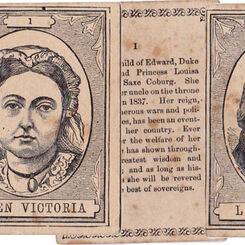
The XIXth Century published by John Jaques & Son, c.1875.
Happy Guides
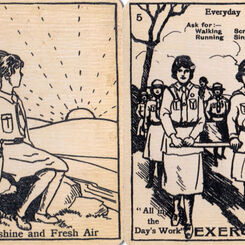
Happy Guides by James Brown & Son (Glasgow) Ltd. around 1910/1915.
Desperanto
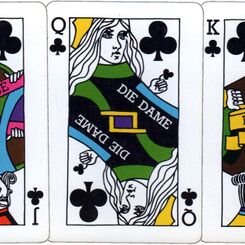
Desperanto language game by Qui Vive Ltd, c.1990.
Weights and Measures
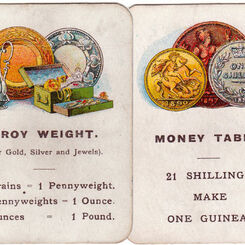
“Weights and Measures” card game by John Jaques & Son, Ltd., c.1910, a reminder of some of our more ...
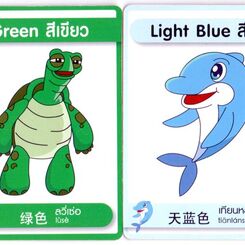
Children’s Vocabulary Cards
Thai Children’s Colour Vocabulary Cards promoting Ovaltine chocolate malt drink, 2016.
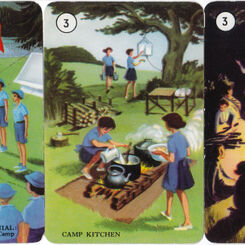
Guiding
Guiding card game published by Pepys in co-operation with the Girl Guides Association, 1958.
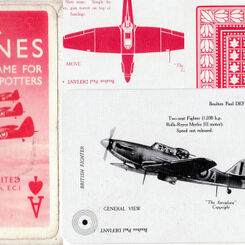
Temple Press War Planes
“War Planes” aircraft recognition playing cards published by Temple Press Limited, c.1940.
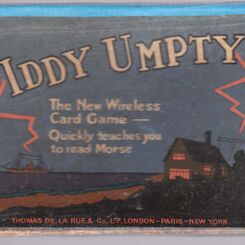
Iddy Umpty
“Iddy Umpty” card game based around learning to read the Morse Code Alphabet. by Thomas de la Rue & ...
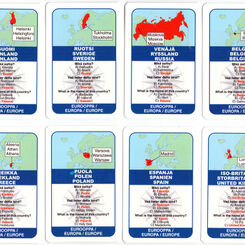
World Tour
World Tour Quiz Game published by Tactic Group for Finnair involves recognising flags from different...
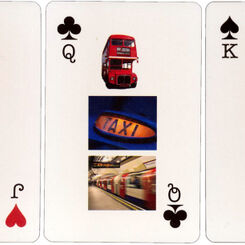
Lingo Pix
Lingo Pix Tourist Picture Cards by TM Cards, India, 2006
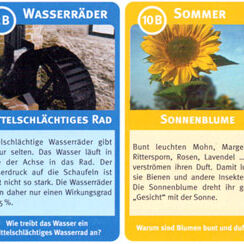
Klipp Klapp Karten
“Klipp Klapp Karten” printed by KZWP-Trefl (Poland) for Kindermuseum Oelde (Germany) in 2004
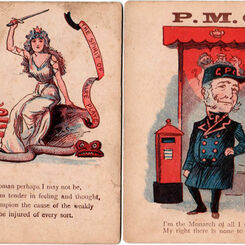
District Messenger
District Messengers were uniformed young men wearing little pill-box hats and mounted on bicycles wh...
The New Game of Animals
Victorian card game with imaginatively designed letters which spell the name of an animal, with one ...
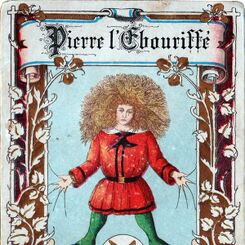
Pierre l’Ebouriffé
Heinrich Hoffmann (1809-1894) wrote the Struwwelpeter stories in 1847 for his son Carl. The stories ...
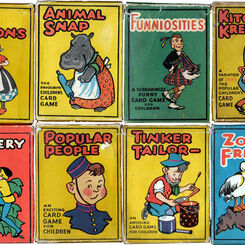
Waddy Productions
Waddy Productions Ltd was a member of the giant Amalgamated Press group and only published card game...
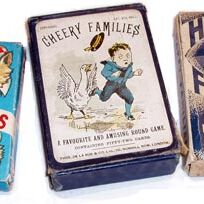
Happy Families
Happy Families is probably one of the most popular card games ever invented, with educational benefi...
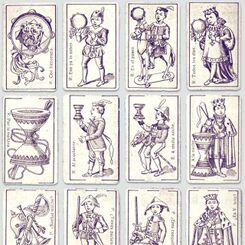
Baraja Infantil made in Cuba
cards from a 40-card children's "Questions and Answers" game. The Spanish suit signs have been chang...
Most Popular
Our top articles from the past 60 days