


Baraja Asescoin 1998
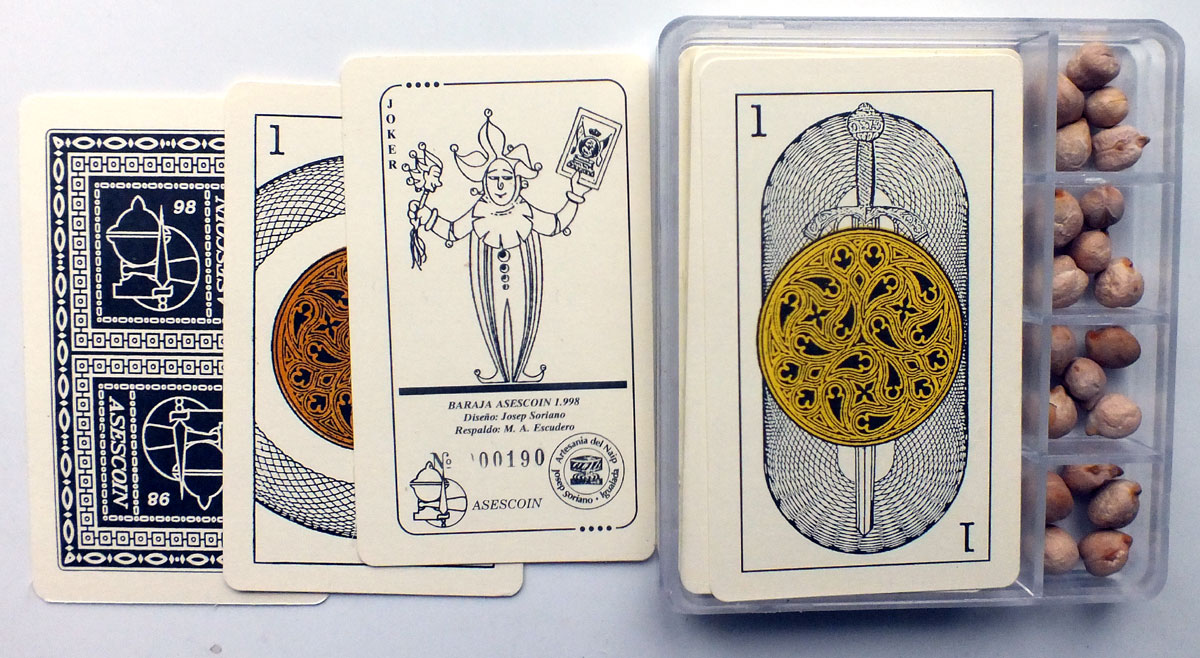
Asescoin 1998 member’s pack designed by Josep Soriano.
Baraja Asescoin 1998 annual member’s pack designed by Josep Soriano i Domingo from Igualada, which comes complete with chick pea gaming counters (amarracos) to play the game of Mus. Josep Soriano designed and produced several experimental limited editions of Spanish playing cards during the late 1990s trading as “Artesanía del Naip”. In this example the suit of batons is modified into trees and the four aces are decorated with circles and ellipses.
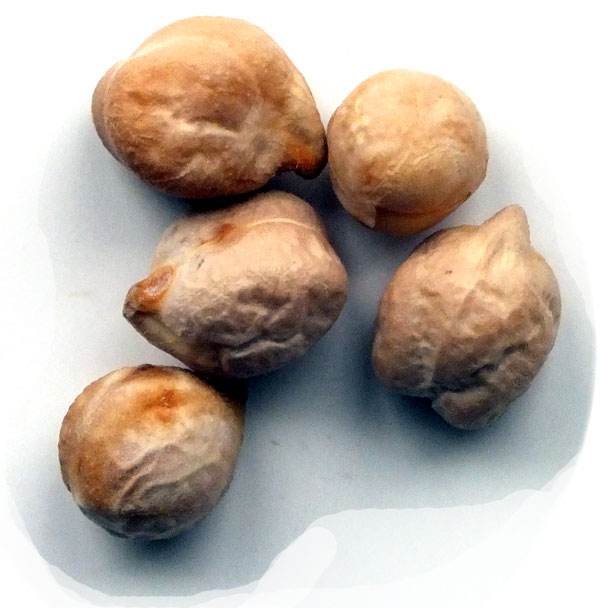
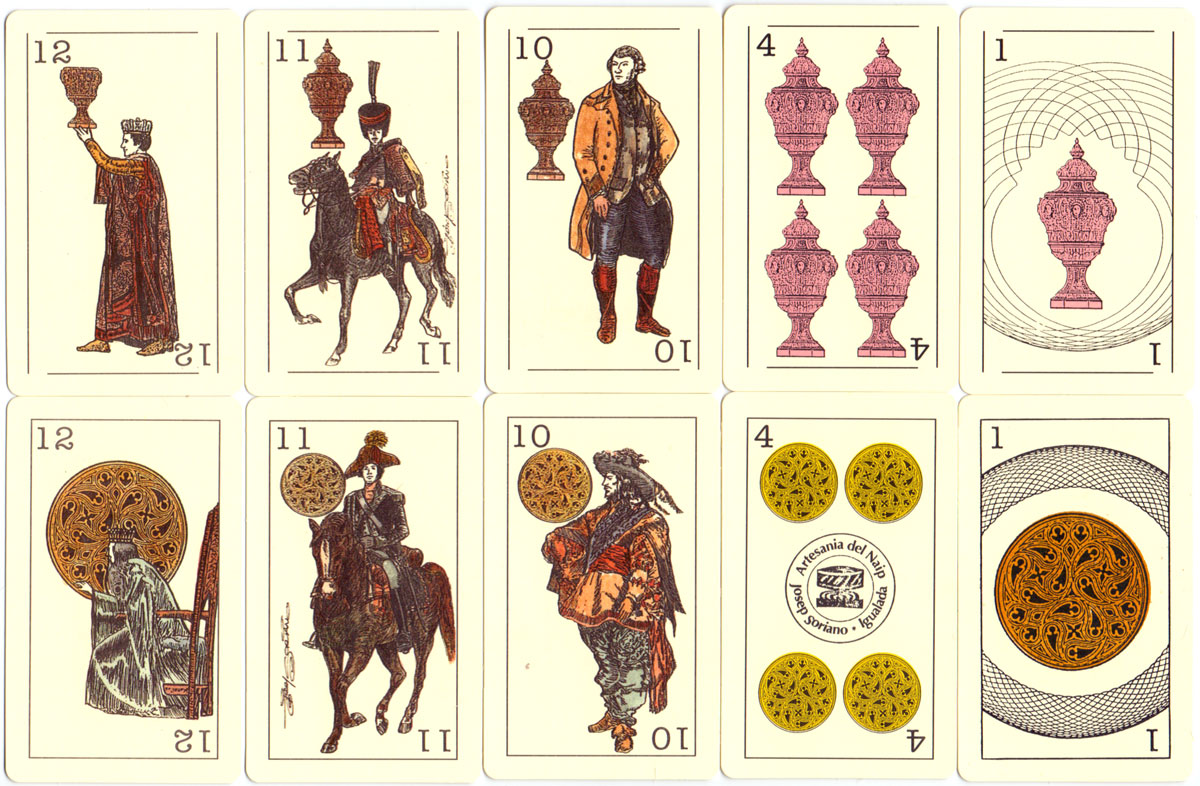
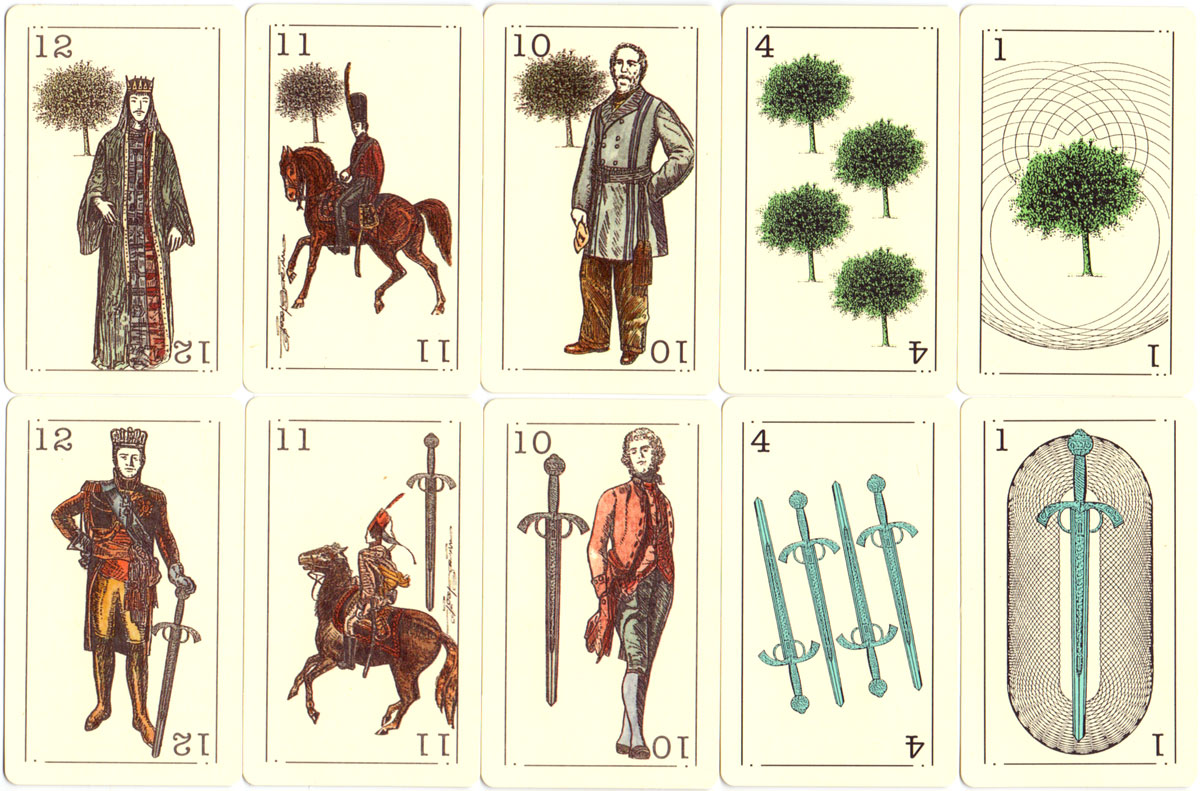
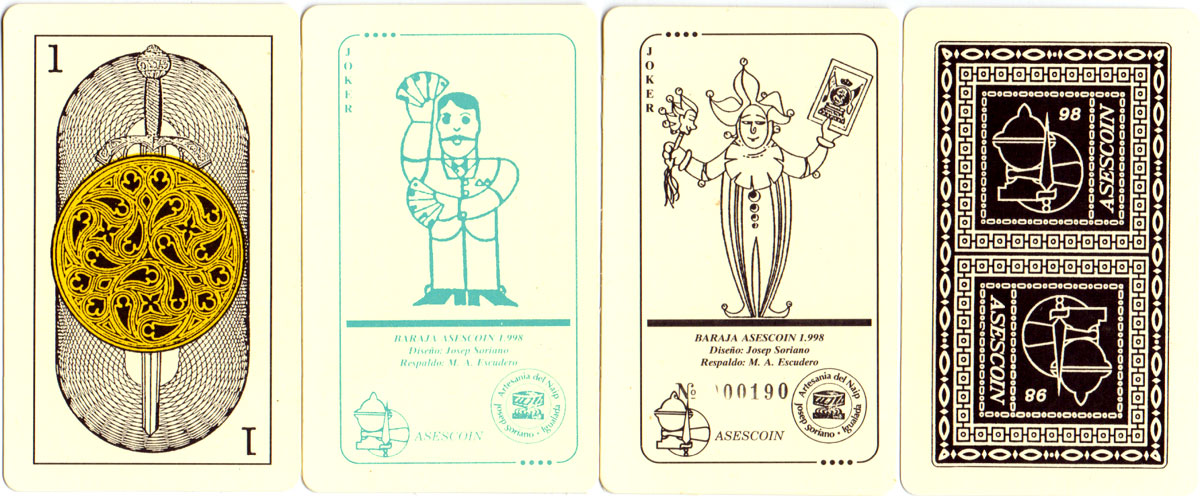
Above: Baraja Asescoin 1998 member’s pack designed by Josep Soriano and manufactured by Artes Gráficas Luis Gonzalez. 40 cards + 2 jokers + extra card in plastic box with special compartments for chick-pea game counters. The artist’s signature appears on the four cavaliers. The back design and the jokers show the Asescoin logo.

By Simon Wintle
Spain • Member since February 01, 1996
I am the founder of The World of Playing Cards (est. 1996), a website dedicated to the history, artistry and cultural significance of playing cards and tarot. Over the years I have researched various areas of the subject, acquired and traded collections and contributed as a committee member of the IPCS and graphics editor of The Playing-Card journal. Having lived in Chile, England, Wales, and now Spain, these experiences have shaped my work and passion for playing cards. Amongst my achievements is producing a limited-edition replica of a 17th-century English pack using woodblocks and stencils—a labour of love. Today, the World of Playing Cards is a global collaborative project, with my son Adam serving as the technical driving force behind its development. His innovative efforts have helped shape the site into the thriving hub it is today. You are warmly invited to become a contributor and share your enthusiasm.

Activity for Baraja Asescoin 1998
Sign in to comment or save this article.

Related Articles
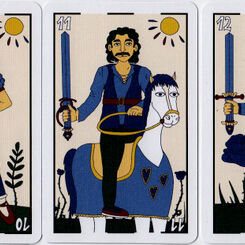
Baraja Quimera
An imaginative reinterpretation of the Spanish-suited deck in a contemporary folk-art style.
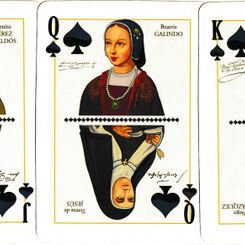
Baraja Cultura Española
ASESCOIN pack for 2022 designed by M.A. Corella featuring famous Spaniards and notable buildings.
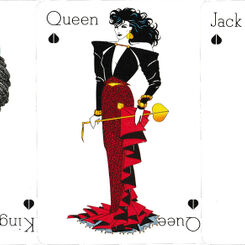
Paco Lobo
Highly original and striking designs by Paco Lobo for the fashion house of the same name.

El Niño de las Pinturas
Forty-nine distinctive works by Spanish graffiti artist Raúl Ruiz.
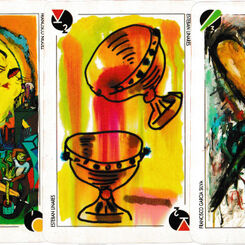
Baraja Española de Pintores Murcianos
A Spanish-suited pack as conceived by 48 different artists from the region of Murcia.
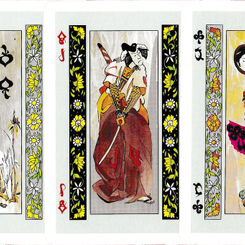
Secretos de Oriente
Secrets of the Far East playing cards featuring the designs of Violeta Monreal , Spain, c. 1991.
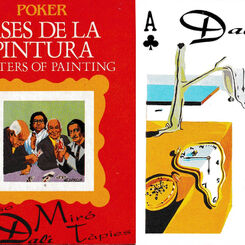
Ases de la pintura / Masters of painting
Ases de la pintura / Masters of painting playing cards made by Naipes Comas, Spain, c.1990.
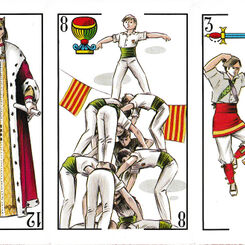
Festa Major de Vilafranca 1988
Colourful figures associated with the annual festival held in Vilafranca, Catalonia.
Crystal Time
Colourful and attractive designs by Violeta Monreal, inspired by stained glass through the ages.
Baraja Historica de Madrid
“Baraja Historica de Madrid 1992” playing cards designed by Alberto Pérez and published by Asescoin ...
Loewe
Deck designed by J. L. Picardo for Loewe, 1959.
Classic
“Classic” playing cards designed by Paul Mathison inspired by classical mythology, 1959.
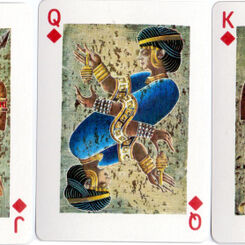
Ancient Civilisations
Ancient Civilisations playing cards designed by Celedonio Perellón, produced by Heraclio Fournier, ...
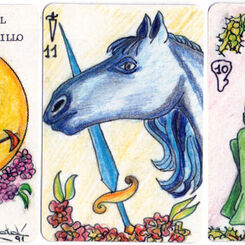
Naipes “El Castillo”
Hand-drawn designs by Inmaculada Gabaldón with suits based on traditional Spanish ones, published by...
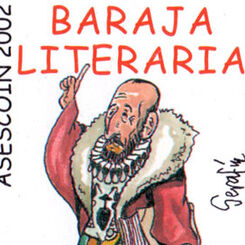
Baraja Literaria
“Baraja Literaria” Spanish pack with cartoons by Serafín, published by Asescoin and manufactured by ...
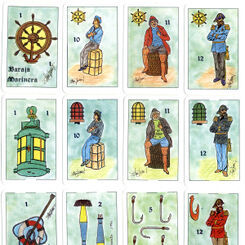
Baraja Marinera
‘Baraja Marinera’ designed by Francisco Javier San Juan, published by Asescoin (Madrid), 1995
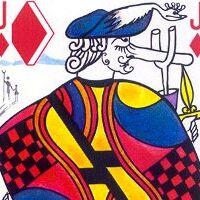
Salvador Dalí
Based on the standard French ‘Paris’ pattern, Dalí composed his playing card figures out of geometri...
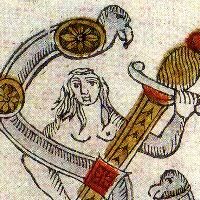
Joan Barbot
Joan Barbot, San Sebastian c.1765-1810.
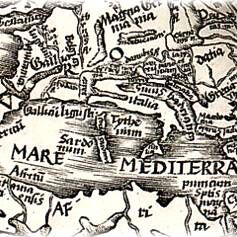
The History of Playing Cards
Playing cards appear in European records in the late 14th century, but their earlier history lies fu...
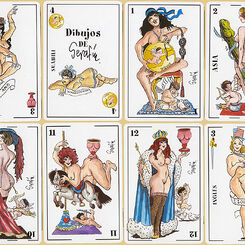
Baraja "Te Amo" cartoons by Serafín
Baraja 'Te Amo' con dibujos de Serafín en tirada de 500 ejemplares numerados, 48 naipes. Fabricado p...
Most Popular
Our top articles from the past 60 days


