


Don Quijote IV Centenario
Baraja IV Centenario Don Quijote is the work of artist Vicente Arnás, published by Asescoin, Madrid, 2004.
Don Quijote IV centenary commemorative deck published by Asescoin, 2004 www.asescoin.es
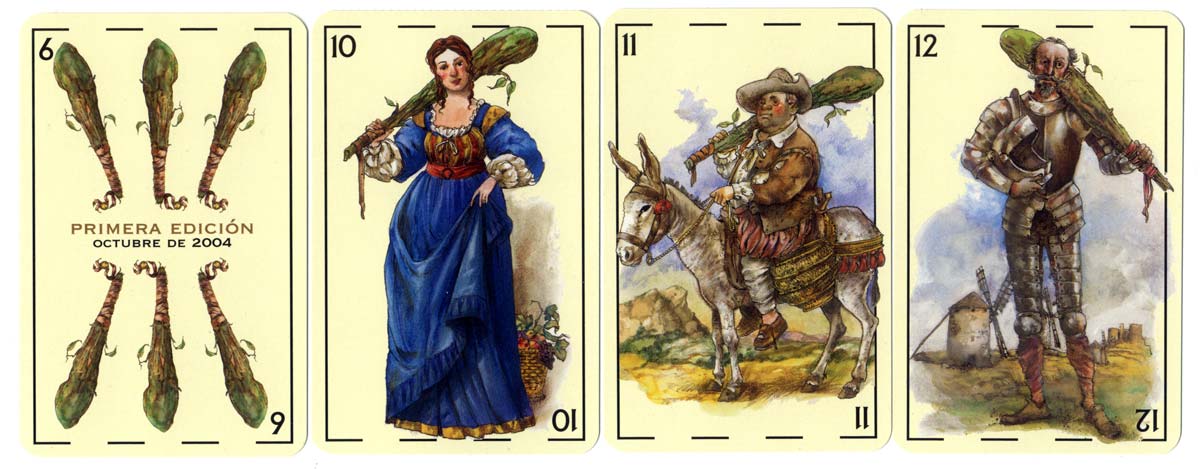
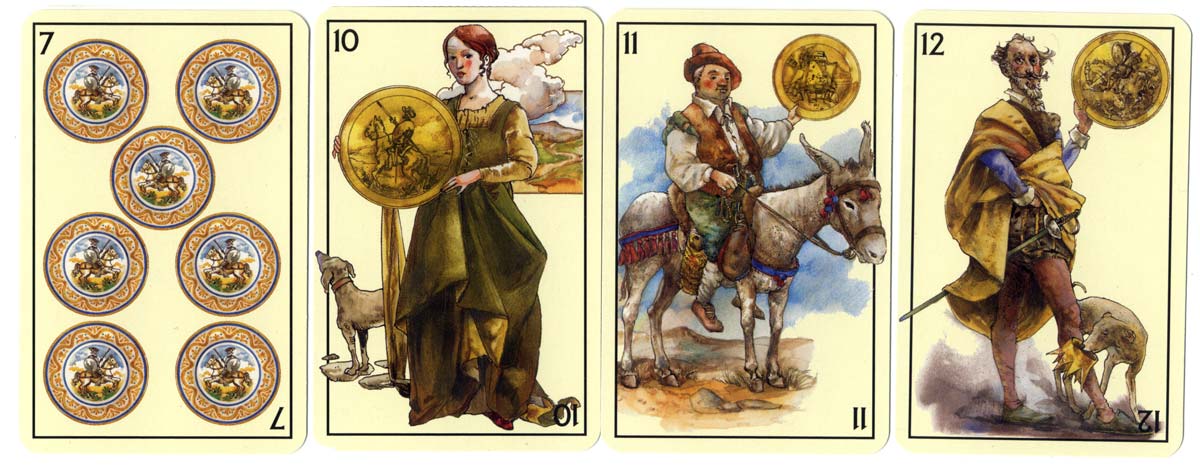
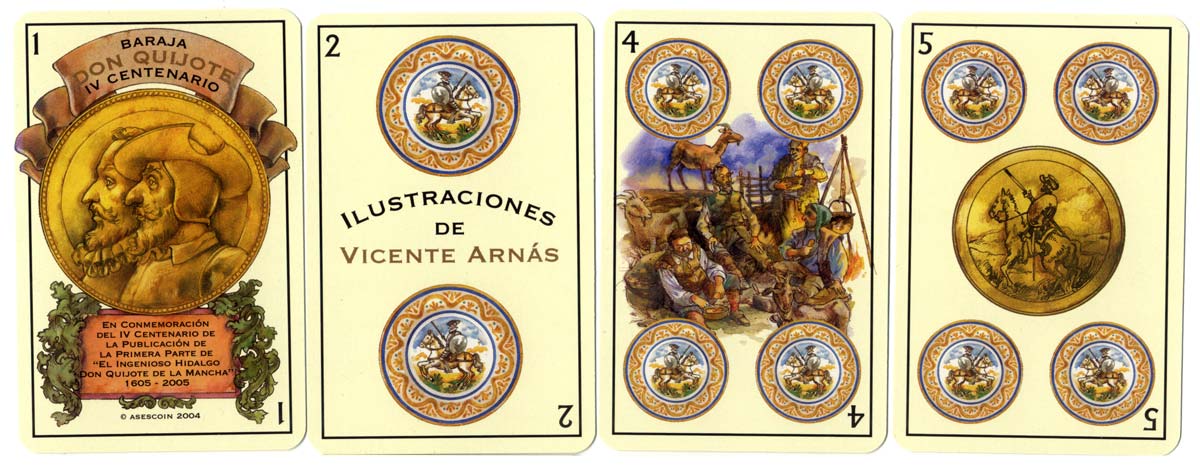
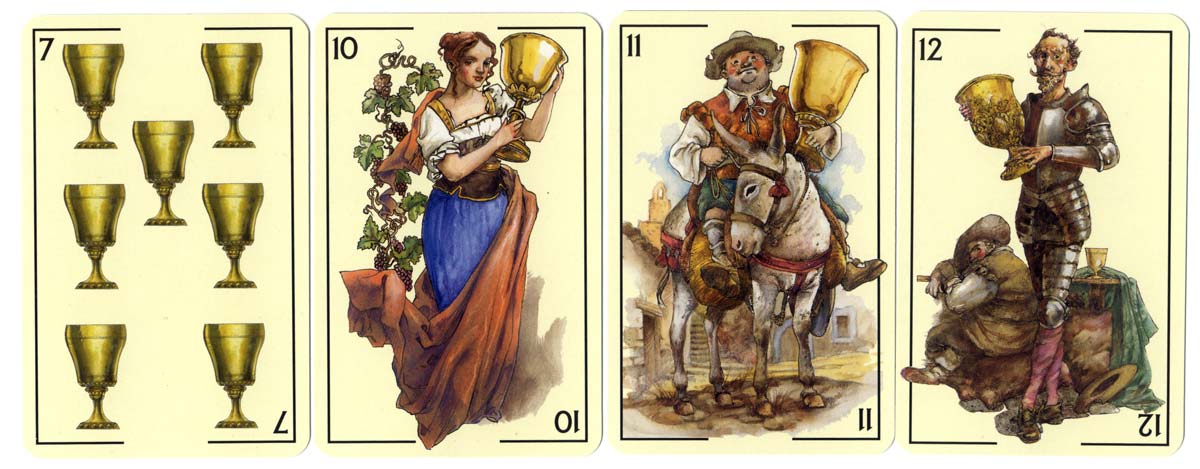
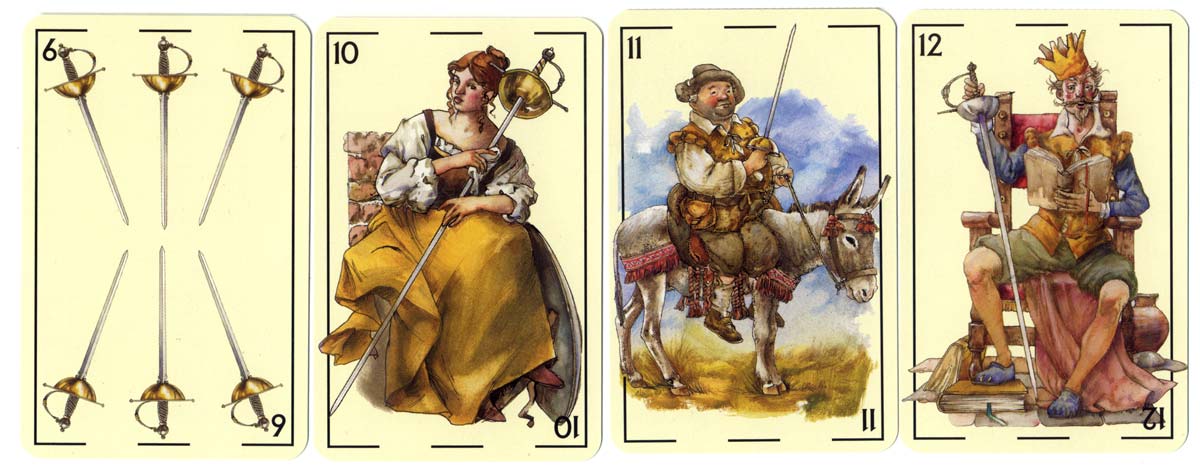
The splendid imagery on these cards, illustrated with a refined technique and extraordinary creative freedom, is the work of artist Vicente Arnás, coordinated by Gonzaga Gil-Delgado and Alberto Pérez. The decks were printed by Maestros Naiperos Españoles for Asescoin (Asociación Española de Coleccionismo e Investigación del Naipe), Madrid, as their special member's pack for 2004, as a tribute to the immortal literary masterpiece “El Ingenioso Hidalgo Don Quijote de la Mancha” and its author Miguel de Cervantes.
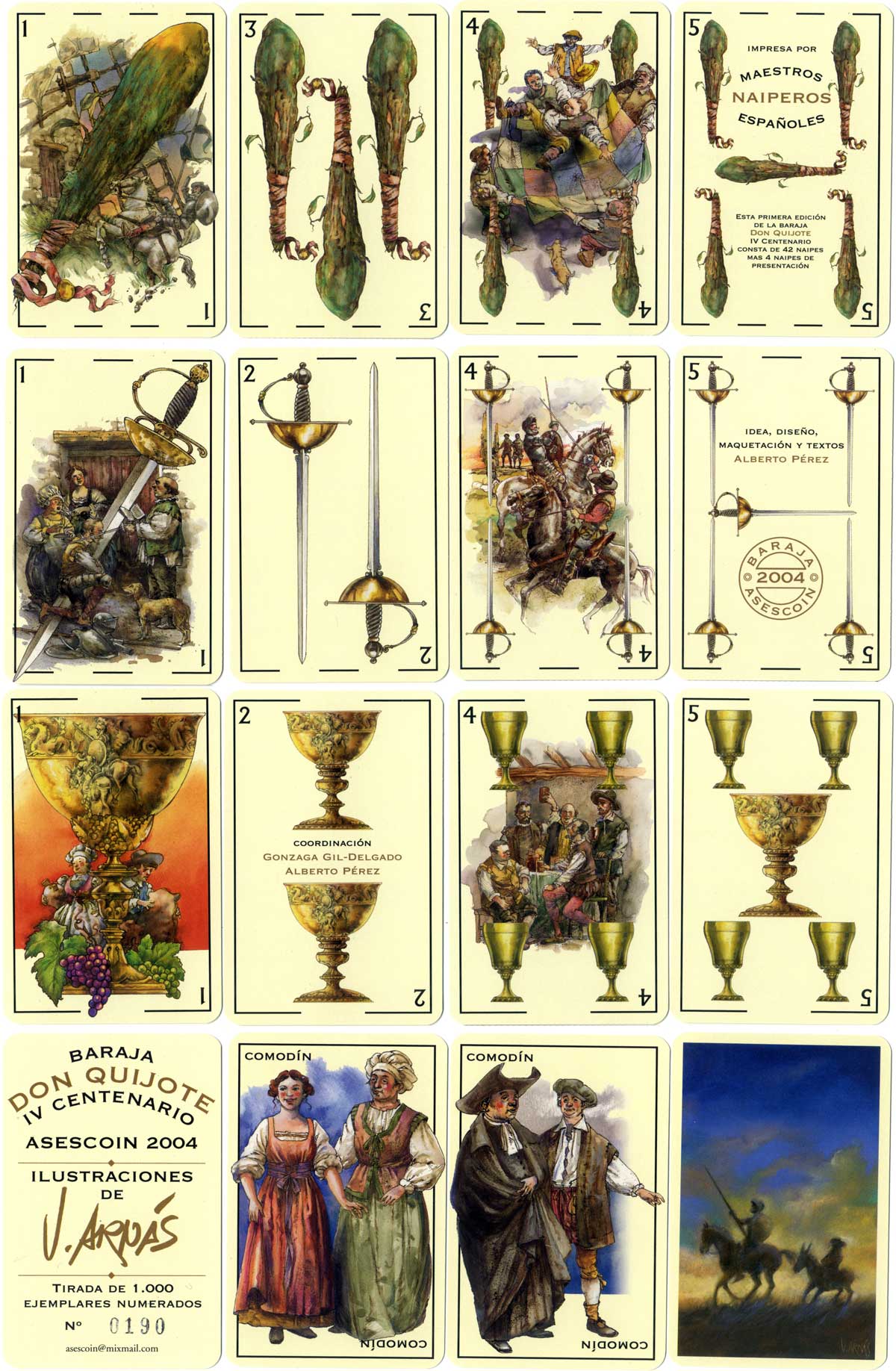
Above: first edition of "Baraja IV Centenario Don Quijote" published by Asescoin, Madrid and printed by Maestros Naiperos Españoles, 2004. Limited edition of 1000 packs, 42 cards + 4 extra cards in sturdy box. For further information about ASESCOIN and membership details visit their website: www.asescoin.es.

By Simon Wintle
Spain • Member since February 01, 1996
I am the founder of The World of Playing Cards (est. 1996), a website dedicated to the history, artistry and cultural significance of playing cards and tarot. Over the years I have researched various areas of the subject, acquired and traded collections and contributed as a committee member of the IPCS and graphics editor of The Playing-Card journal. Having lived in Chile, England, Wales, and now Spain, these experiences have shaped my work and passion for playing cards. Amongst my achievements is producing a limited-edition replica of a 17th-century English pack using woodblocks and stencils—a labour of love. Today, the World of Playing Cards is a global collaborative project, with my son Adam serving as the technical driving force behind its development. His innovative efforts have helped shape the site into the thriving hub it is today. You are warmly invited to become a contributor and share your enthusiasm.

Activity for Don Quijote IV Centenario
Sign in to comment or save this article.

Related Articles
Pictures of Early Whist writers and their stories
The Invisible Experts: Tracking the Elusive Faces of Whist History.
Playing Card Books - References
A guide to reference books for playing-card collectors, focusing on museum catalogues, collection su...
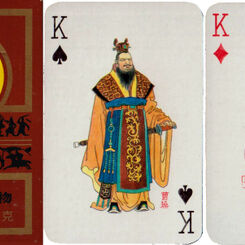
Romance of the Three Kingdoms
Colourful characters from Luo Guanzhong’s historical novel, “Romance of the Three Kingdoms”.
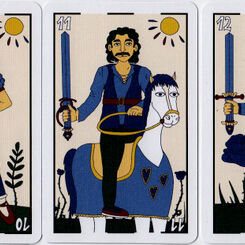
Baraja Quimera
An imaginative reinterpretation of the Spanish-suited deck in a contemporary folk-art style.
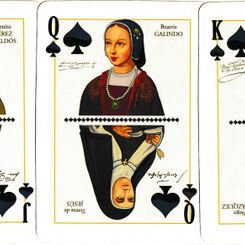
Baraja Cultura Española
ASESCOIN pack for 2022 designed by M.A. Corella featuring famous Spaniards and notable buildings.
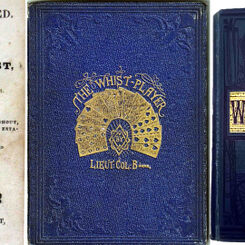
Whist writers and their pseudonyms
Why did so many early writers about whist and other card games feel the need to write under a pseudo...
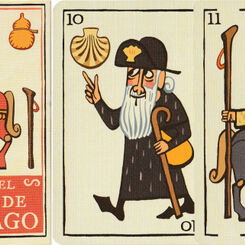
Baraja del Camino de Santiago
Designs by Guitián, published by Ideas Peregrinas, Santiago de Compostela, Spain, c2018.
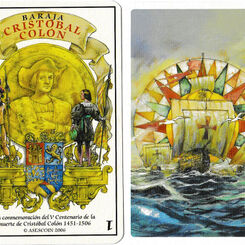
Christopher Columbus playing cards
“Baraja Cristóbal Colón” commemorating the 500th anniversary of the death of Christopher Columbus.
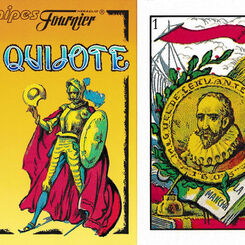
Baraja El Quijote
Baraja El Quijote, facsimile of original deck designed by E. Pastor, reprinted by Naipes Heraclio Fo...
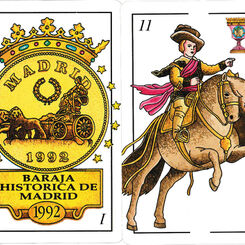
Baraja Historica de Madrid
“Baraja Historica de Madrid 1992” playing cards designed by Alberto Pérez and published by Asescoin ...
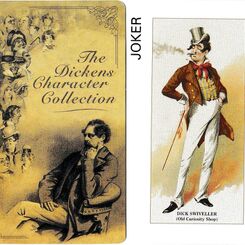
Dickens Character Collection
Dickens Character Collection published for a London Casino as a promotional gift.
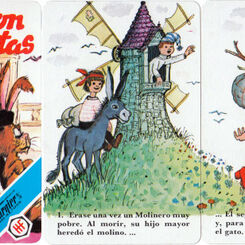
El Gato con Botas
Puss in Boots card game manufactured by H. Fournier, 1981.
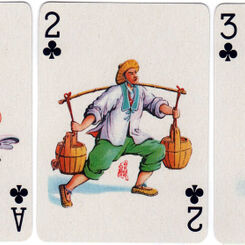
Characters of “The Water Margin”
Characters from the Chinese novel “The Water Margin” - 水滸撲克.
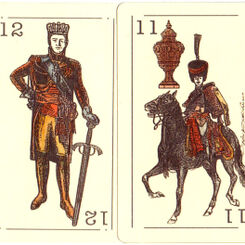
Baraja Asescoin 1998
Asescoin 1998 member’s pack designed by Josep Soriano.
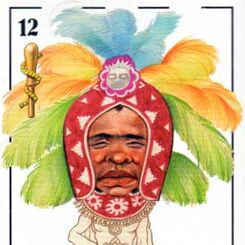
Baraja Hispanoamericana
“Baraja Hispanoamericana” published by Asescoin, with artwork by Ortuño, illustrates memorable peopl...
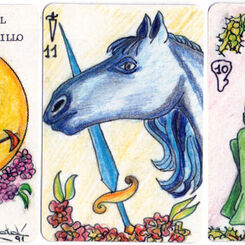
Naipes “El Castillo”
Hand-drawn designs by Inmaculada Gabaldón with suits based on traditional Spanish ones, published by...
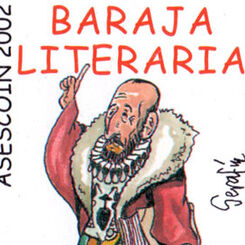
Baraja Literaria
“Baraja Literaria” Spanish pack with cartoons by Serafín, published by Asescoin and manufactured by ...
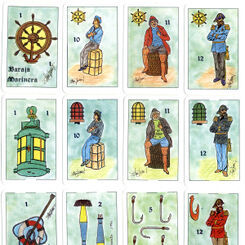
Baraja Marinera
‘Baraja Marinera’ designed by Francisco Javier San Juan, published by Asescoin (Madrid), 1995
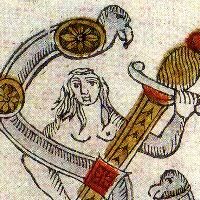
Joan Barbot
Joan Barbot, San Sebastian c.1765-1810.
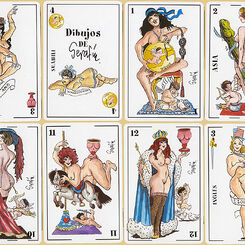
Baraja "Te Amo" cartoons by Serafín
Baraja 'Te Amo' con dibujos de Serafín en tirada de 500 ejemplares numerados, 48 naipes. Fabricado p...
Most Popular
Our top articles from the past 60 days


