Sweden
Swedish cards have characteristics in common with their Scandinavian neighbours
Playing cards probably arrived in Sweden from France where the reputation of Rouen cardmakers was known in the 17th century. Later, German or Belgian versions of French ‘Paris’ pattern cards were adopted in Sweden and local manufacturers began to adapt the designs.
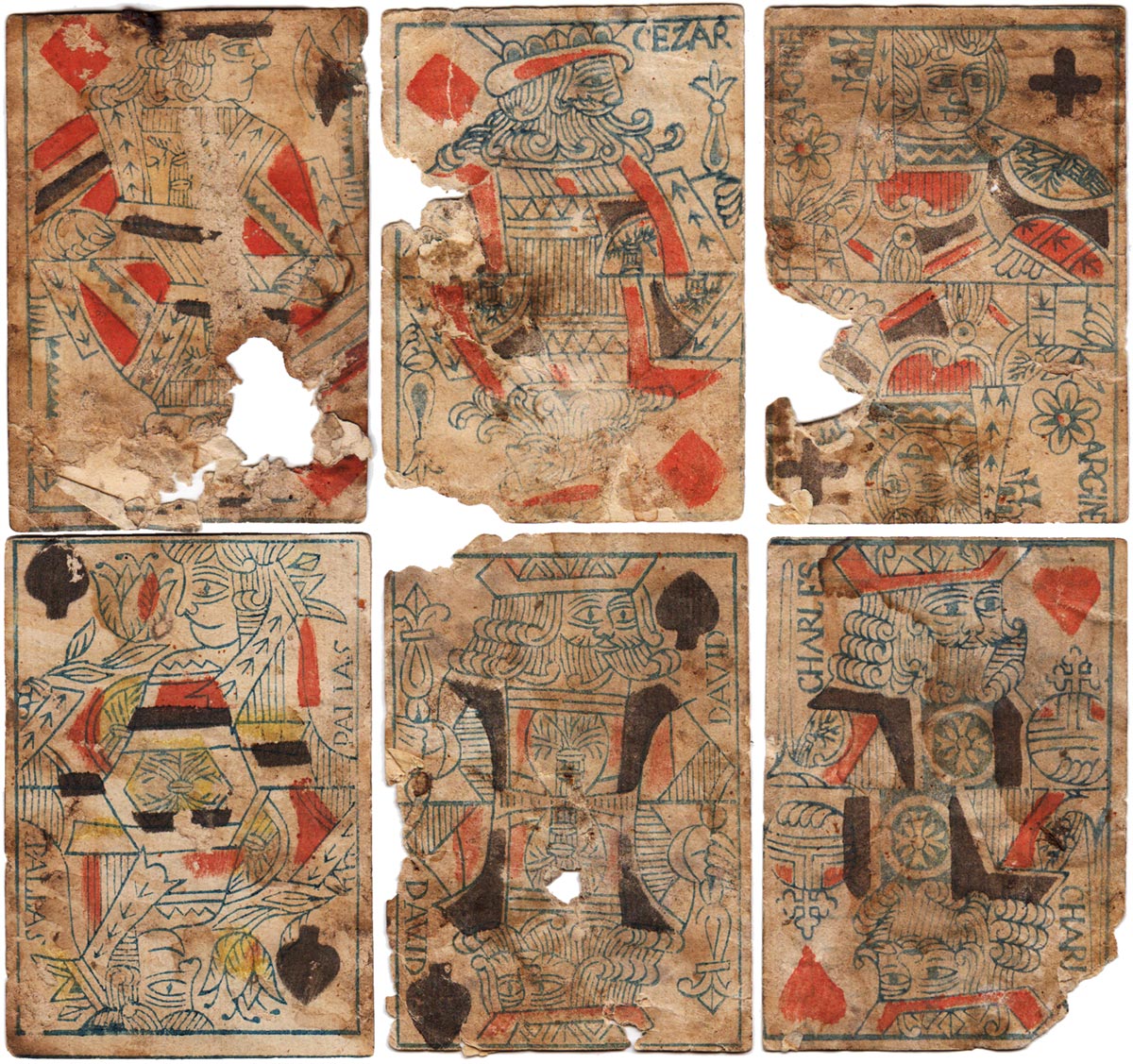
Above: early Swedish cards, based on the French ‘Paris’ pattern, unidentified maker, c.1780. The badge of the Swedish Wasa dynasty (a wheatsheaf) can be seen in the costumes (click to zoom). Image courtesy Erik Blåsjö.
During the second half of the 19th century makers began introducing more distinctive features into the designs until Öberg of Eskilstuna produced what has become the ‘standard’ Swedish pattern.
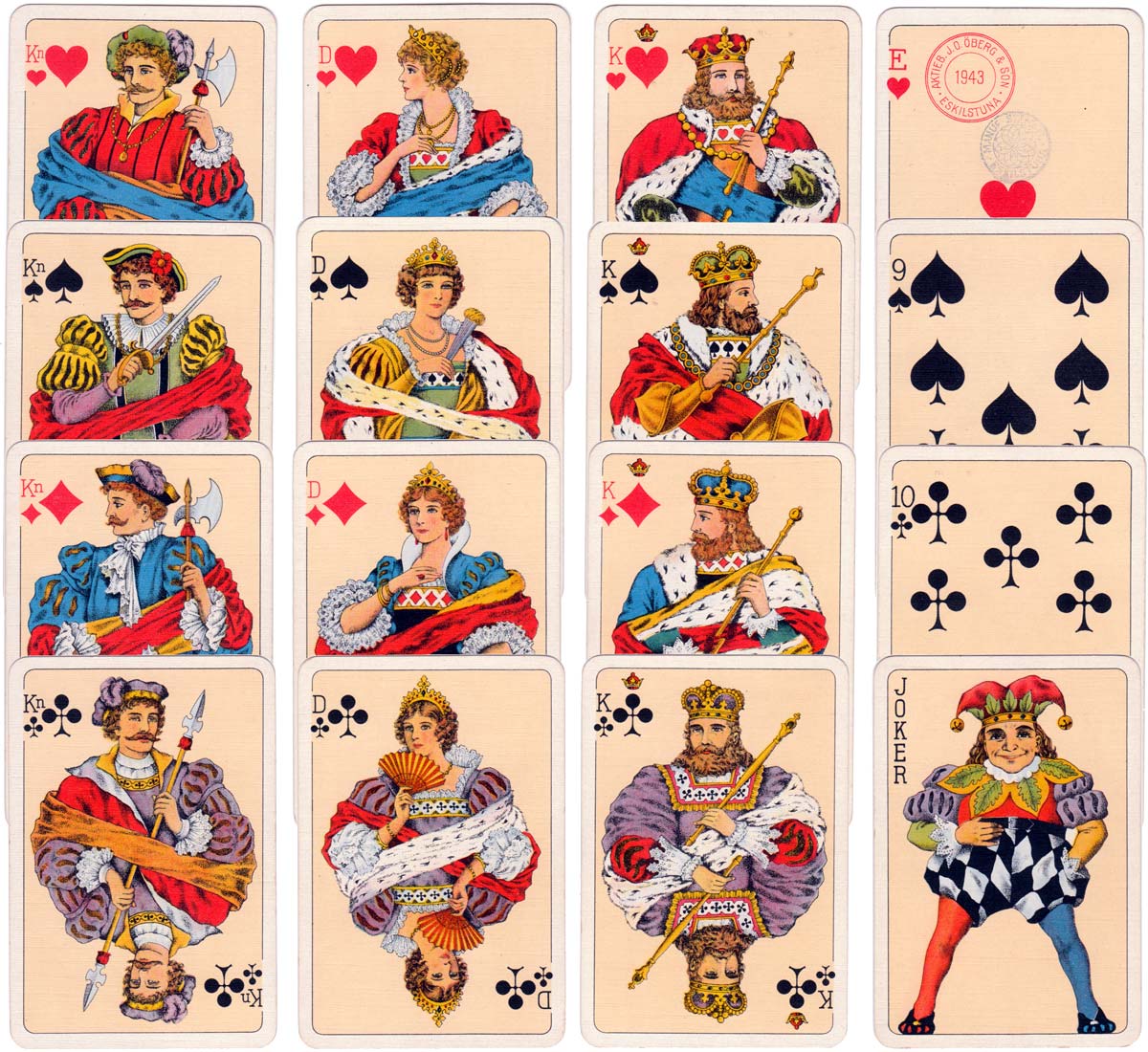
Above: Öberg & Son standard Swedish pattern, 1943 more →
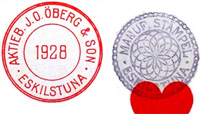
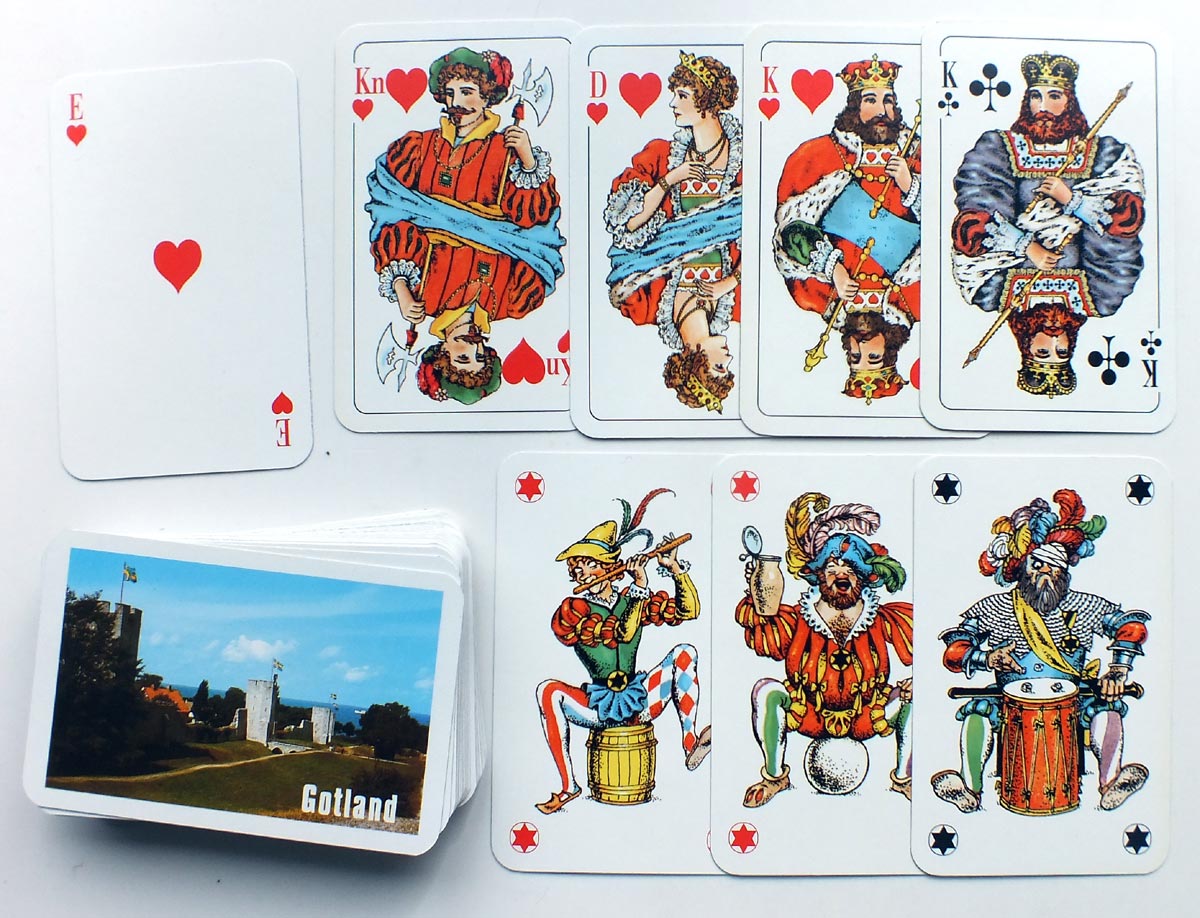
Although many Swedish cards have characteristics in common with their Scandinavian neighbours, the ace of hearts is likely to contain the maker’s name and a tax stamp. The indices are also likely to be E, Kn, D and K.
Non-standard Swedish packs are often based on historical themes or affirm a sense of national identity. The old game of “Kille” (also known as “Cucu” or “Gnau”) has been made in Sweden since at least the second half of the 18th century.
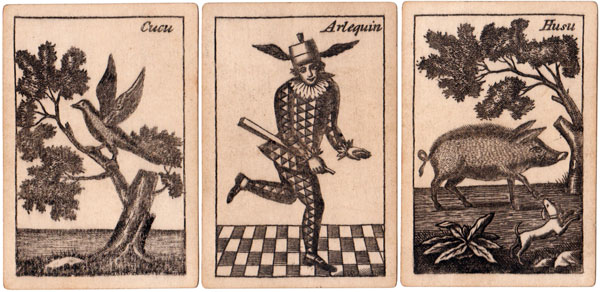
Above: ‘Kille’ cards by an unidentified maker from the late 18th century more →
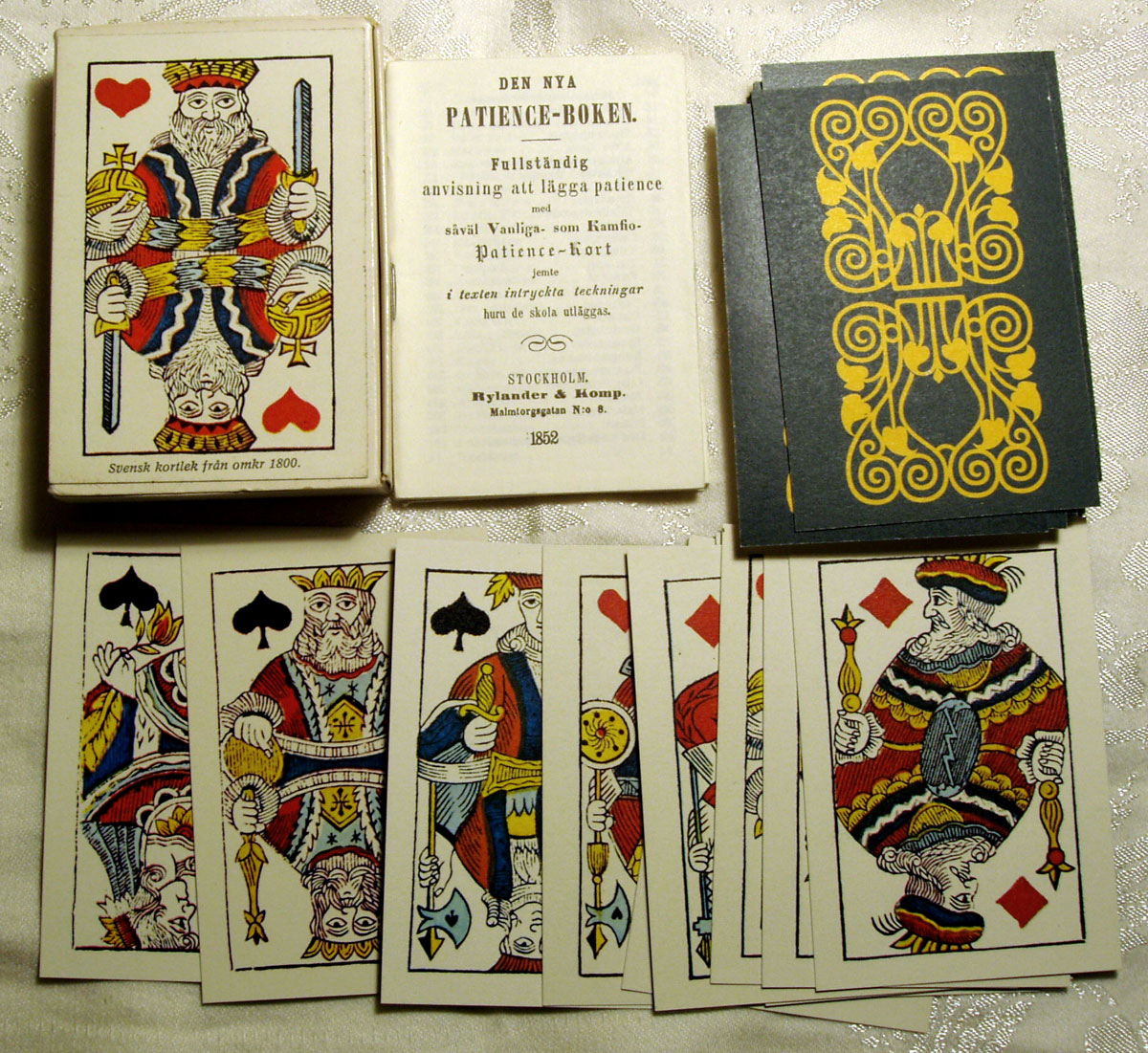
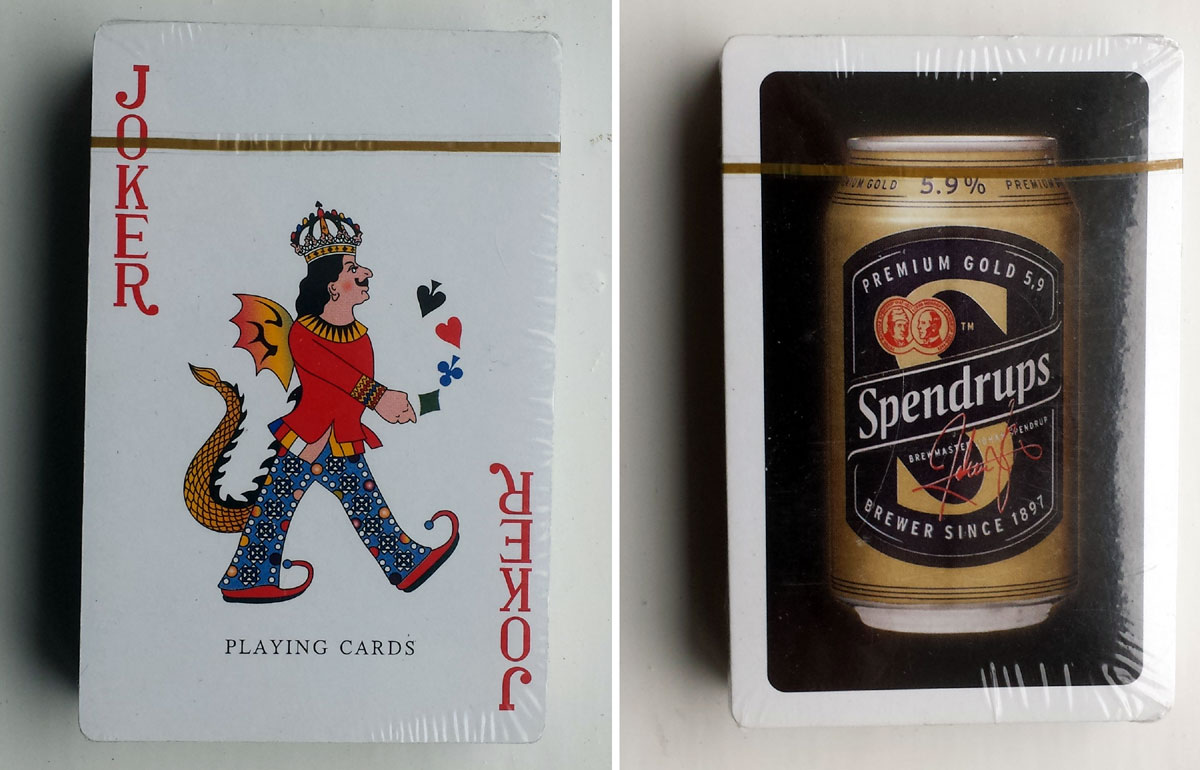
See also: Löjliga Spel Kort Rylander & Komp, patience-kort, 1852 Åkerlund & Rausing Jacob Bagges AB Stockholm Olle Hjortzberg Einar Nerman Patience Petter-Spel Vasa Dynasty Kille Olsen Spelkort Smygvänliga Alf Cooke for Scandinavia Öbergs “Four Centuries” Öbergs “Svenska Lloyd” Öbergs “Comedia” Offason “Beau” Offason “Moviestars” Spendrups Brewery Souvenir of Gotland.
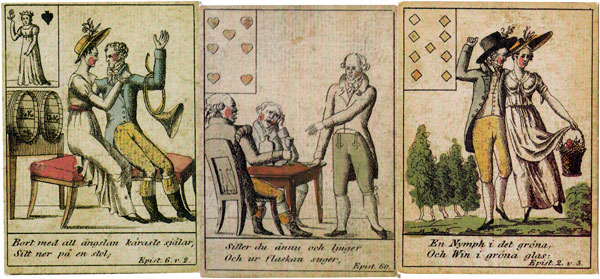
Above: “Löjliga Spel Kort”, 1825 more →
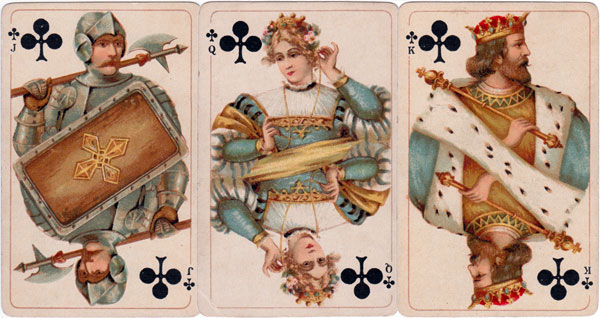
Above: playing cards published by Jacob Bagges AB Stockholm, c.1920 more →
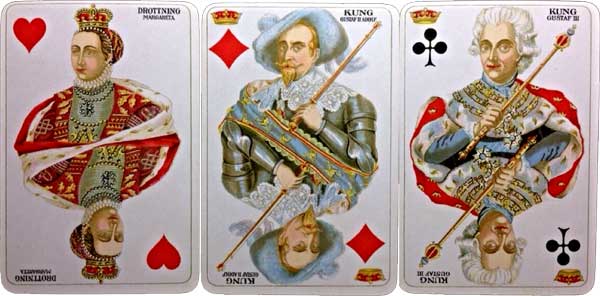
Above: Vasa Dynasty playing cards made by J.O. Öberg & Son, Eskilstuna, 1928 more →
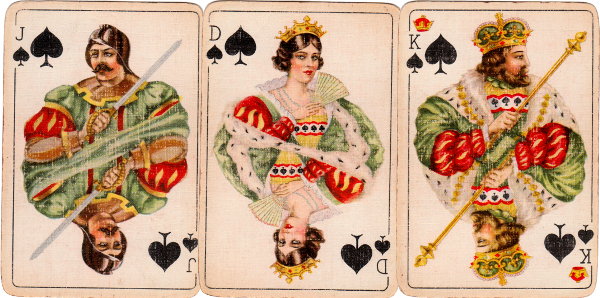
Above: Swedish style pack by Åkerlund & Rausing, Stockholm, 1931-1937 more →
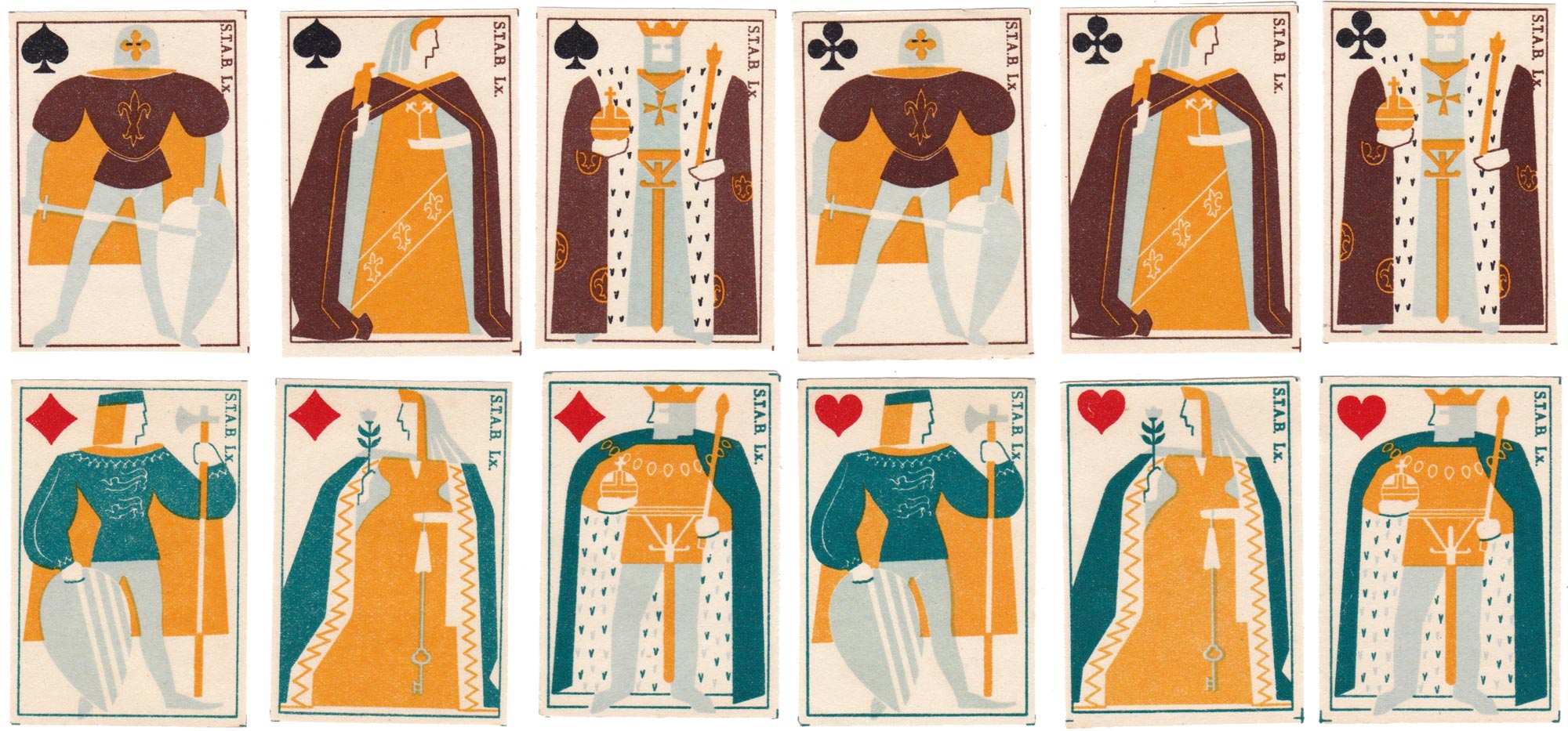
Above: STAB Lx Matchbox labels with playing card designs.
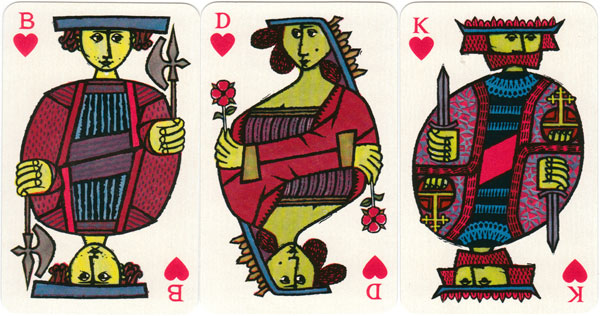
Above: J. O. Öberg & Son’s “Comedia” playing cards designed by Stig Lindberg more →
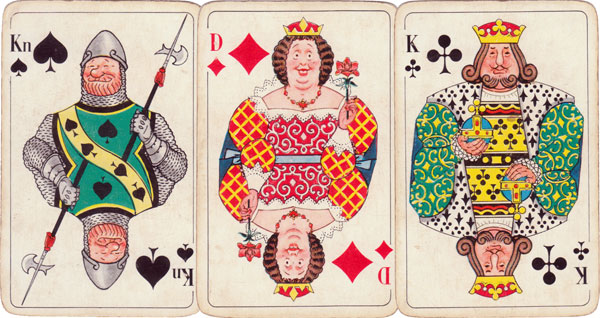
Above: Öbergs “Four Centuries” more →
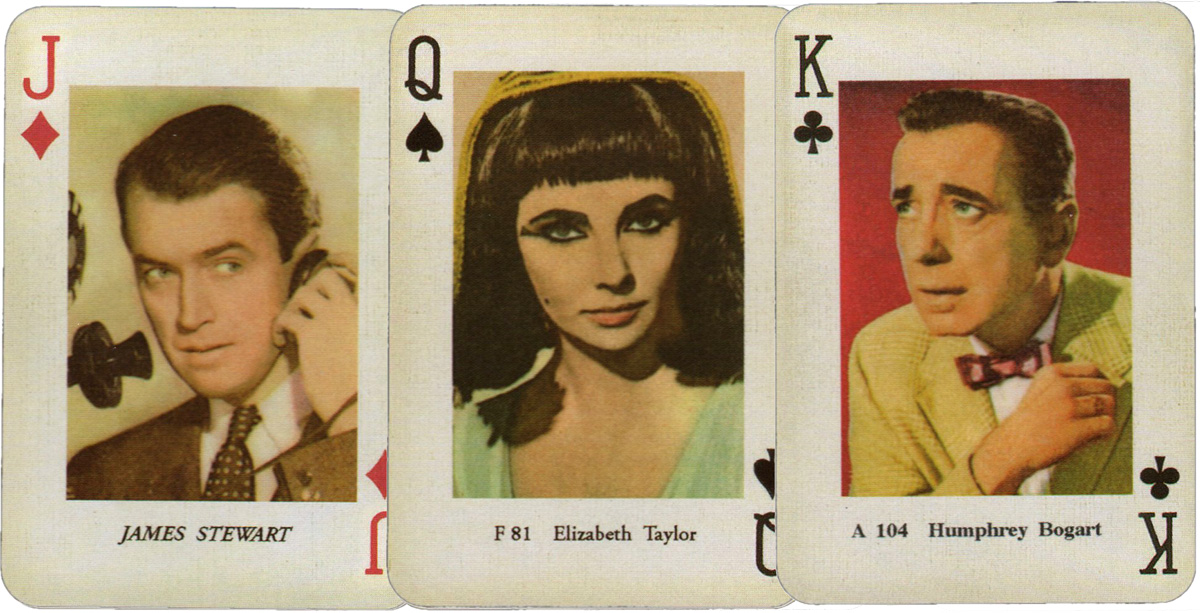
Above: “Moviestars” by Offason AB more →
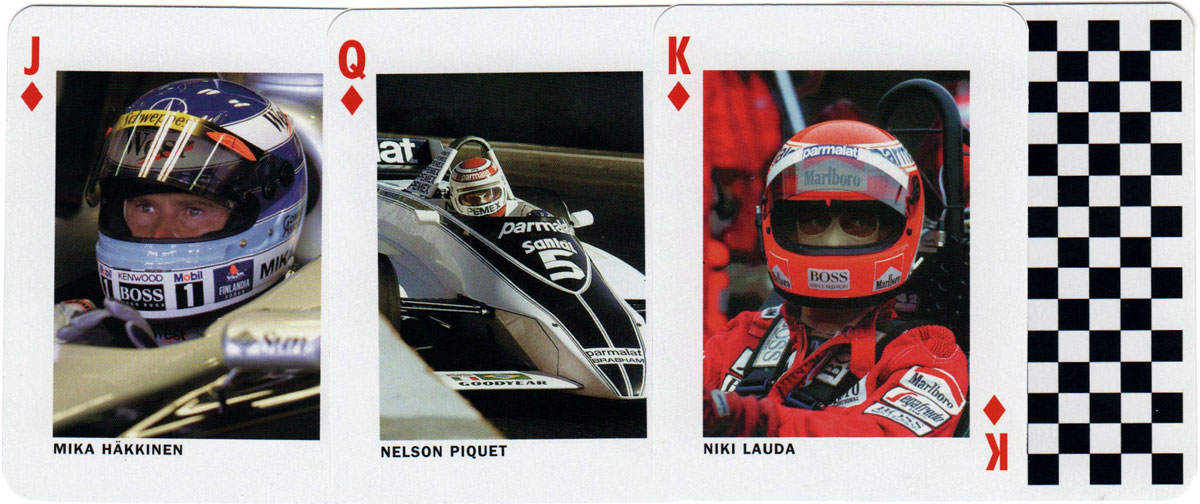
Above: “Grand Prix Champions” by Offason more →

By Simon Wintle
Spain • Member since February 01, 1996
I am the founder of The World of Playing Cards (est. 1996), a website dedicated to the history, artistry and cultural significance of playing cards and tarot. Over the years I have researched various areas of the subject, acquired and traded collections and contributed as a committee member of the IPCS and graphics editor of The Playing-Card journal. Having lived in Chile, England, Wales, and now Spain, these experiences have shaped my work and passion for playing cards. Amongst my achievements is producing a limited-edition replica of a 17th-century English pack using woodblocks and stencils—a labour of love. Today, the World of Playing Cards is a global collaborative project, with my son Adam serving as the technical driving force behind its development. His innovative efforts have helped shape the site into the thriving hub it is today. You are warmly invited to become a contributor and share your enthusiasm.

Activity for Sweden
Sign in to comment or save this article.

Related Articles
Most Popular
Our top articles from the past 60 days