


Johannes Müller c.1840
Facsimile edition of Swiss suited deck first published by Johannes Müller in c.1840.
Facsimile edition of Swiss suited deck first published by Johannes Müller in the early days of the business, c.1840, on the occasion of the company’s 150th anniversary.
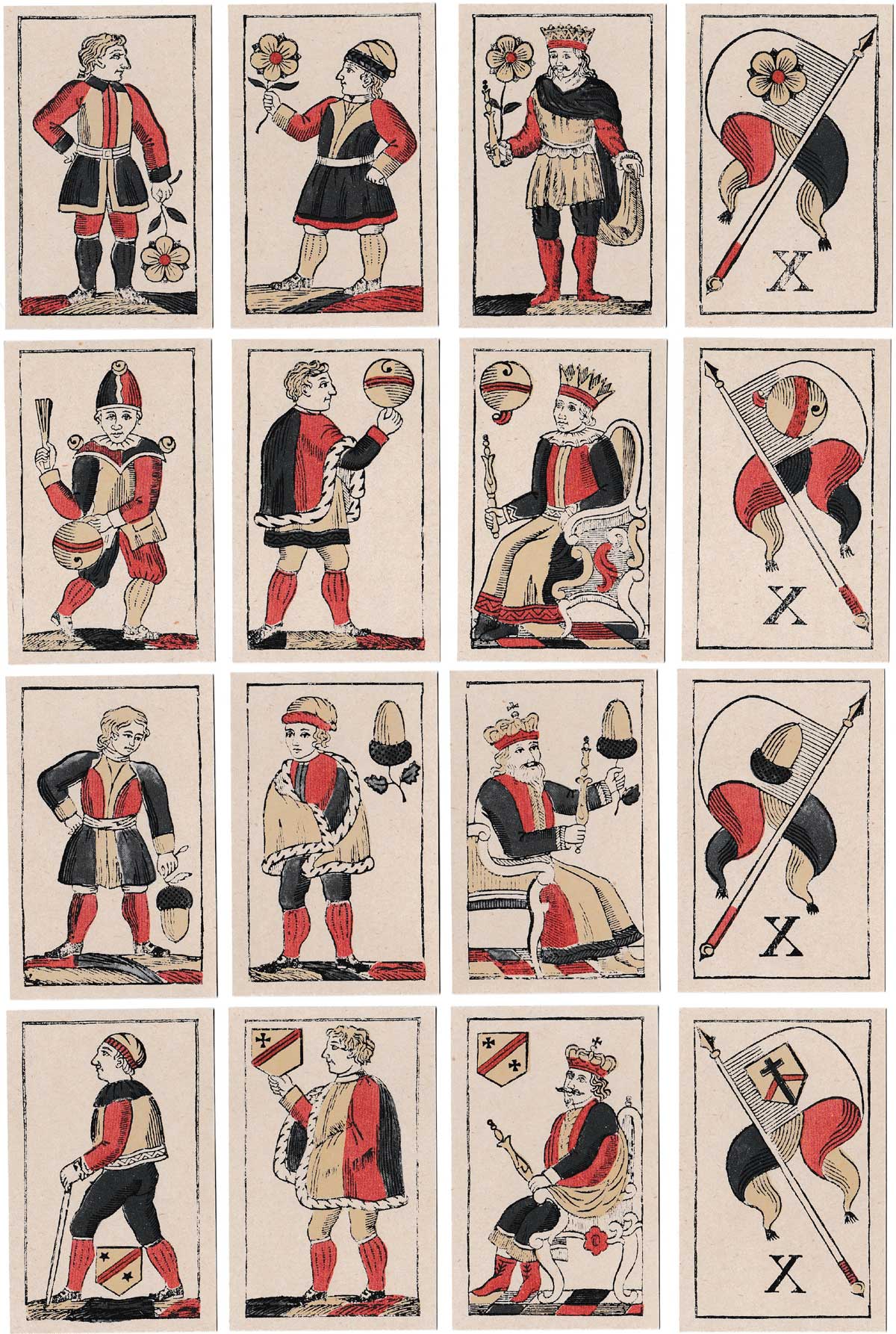
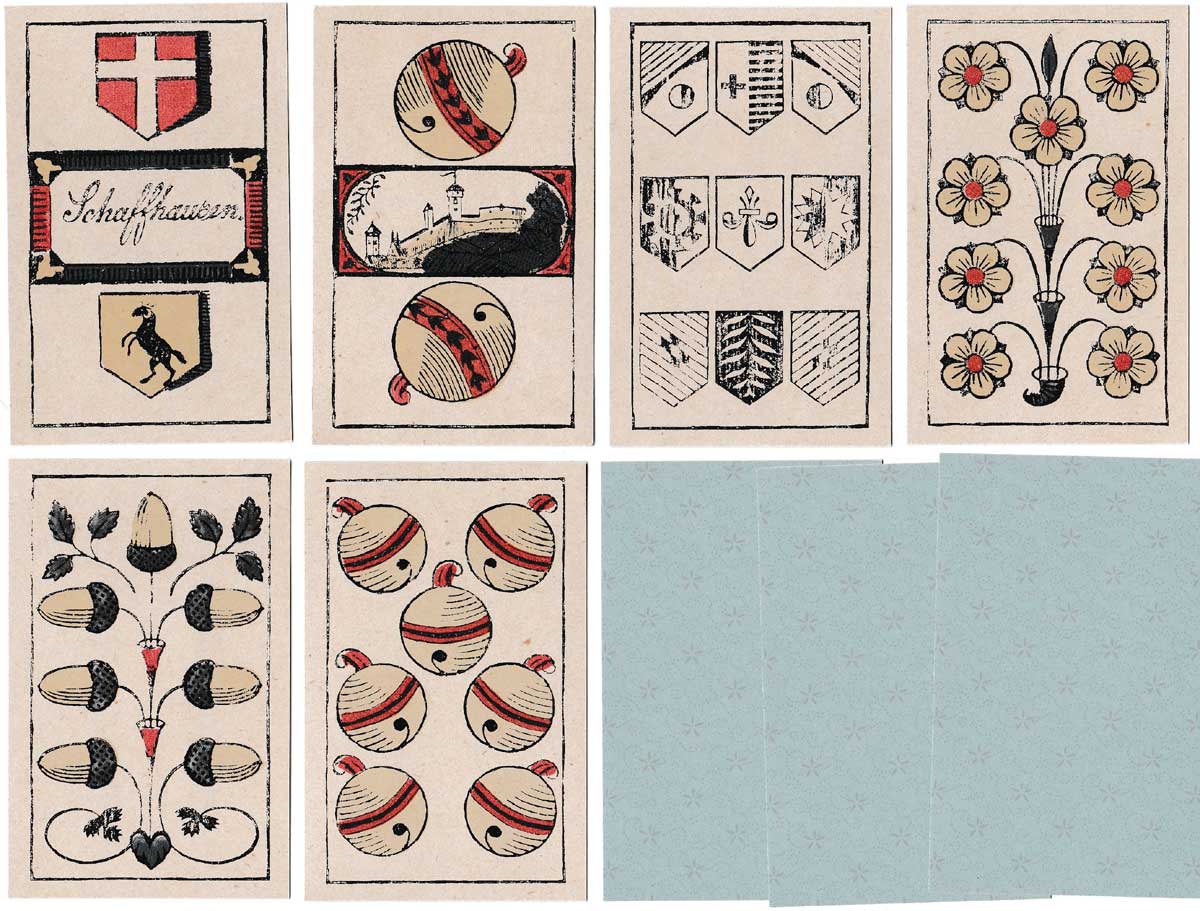
Above: facsimile edition of deck first published by Johannes Müller in c.1840, limited edition by offset lithography. The original cards were printed from woodblocks and coloured by hand.
ACKNOWLEDGEMENTS
Images courtesy Rex Pitts.
Extra Research by Ralph Scotoni.

By Rex Pitts (1940-2021)
United Kingdom • Member since January 30, 2009
Rex's main interest was in card games, because, he said, they were cheap and easy to get hold of in his early days of collecting. He is well known for his extensive knowledge of Pepys games and his book is on the bookshelves of many. His other interest was non-standard playing cards. He also had collections of sheet music, music CDs, models of London buses, London Transport timetables and maps and other objects that intrigued him.
Rex had a chequered career at school. He was expelled twice, on one occasion for smoking! Despite this he trained as a radio engineer and worked for the BBC in the World Service. Later he moved into sales and worked for a firm that made all kinds of packaging, a job he enjoyed until his retirement. He became an expert on boxes and would always investigate those that held his cards. He could always recognize a box made for Pepys, which were the same as those of Alf Cooke’s Universal Playing Card Company, who printed the card games. This interest changed into an ability to make and mend boxes, which he did with great dexterity. He loved this kind of handicraft work.
His dexterity of hand and eye soon led to his making card games of his own design. He spent hours and hours carefully cutting them out and colouring them by hand.

Activity for Johannes Müller c.1840
Sign in to comment or save this article.

Related Articles
Sevilla 1647 reproduction
Facsimile of Spanish-suited pack produced in Sevilla, Spain, 1647.
Portrait de Fribourg
Fine reproduction of a Fribourg pattern pack, originally by Jean-Jacques Burdel.
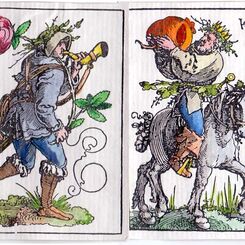
Hans Sebald Beham
Playing cards designed by Hans Sebald Beham (1500–1550).
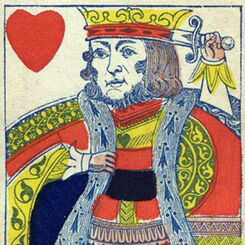
Suicide King
The King of Hearts, holding a sword behind his head, is sometimes nicknamed the “Suicide King”. He c...
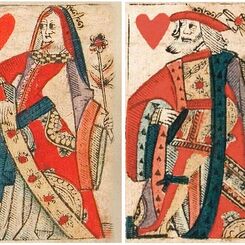
Pierre Marechal
Rouen became an important centre for card-making whose influence extended far afield. Cards from Rou...
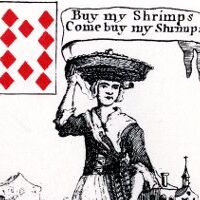
Cries of London
The cards were printed from copper plates, with the red suit symbols being applied later by stencil....
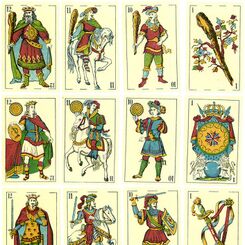
Swiss Spanish-Suited Cards, c.1875
Spanish-suited playing cards manufactured by J. Müller for export to Latin American countries, c.187...
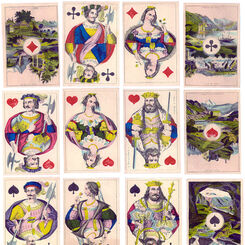
Swiss Scenic Ace Souvenir Cards, c.1860
Souvenir pack with Scenic Aces made by J. Müller (Diessenhofen), c.1860. The courts are conventional...
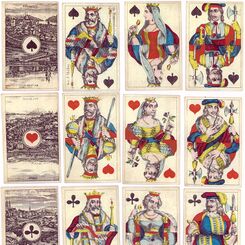
Swiss Scenic Ace Souvenir Cards, c.1850
Souvenir pack with Scenic Aces made by Müller (Diessenhofen), c.1850.
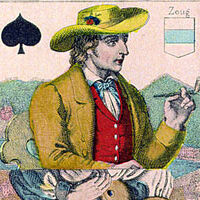
Swiss Regional Costumes Playing Cards, c.1890
This Swiss Regional Costume pack can be seen as an early form of tourist souvenir which subsequently...
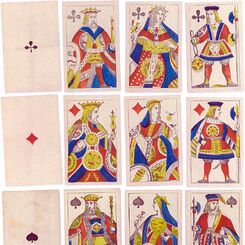
Swiss Piquet Playing Cards, c.1850-60
Piquet playing-cards made by J. Müller, Diessenhofen, c.1850-60. The full-length court cards are fol...
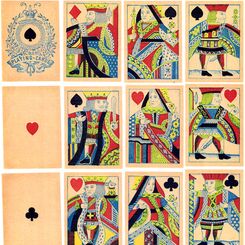
Swiss Mogul Cards, 1880-1890
English type 'Mogul' playing cards manufactured in Switzerland by John Müller for export to India, c...
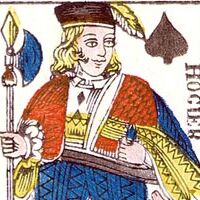
Swiss French Suited Playing Cards, c.1840
French-suited playing-cards in the Paris pattern appeared in Switzerland around the end of the sixte...
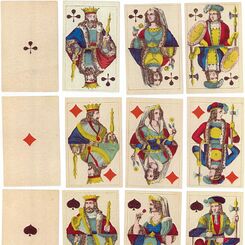
Müller (Diessenhofen), c.1840-50.
Playing Cards made by J. Müller, Diessenhofen, c.1840-50 with court cards coloured differently ...

David Hurter, Schaffhausen
David Hurter built up a playing card business in Schaffhausen during the 18th century.
Antique Swiss Playing Cards, c.1530
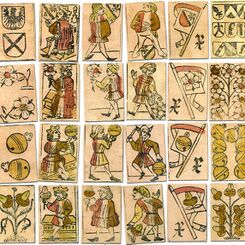
The Swiss national suit system of shields, acorns, hawkbells and flowers originated sometime during ...
The Princely Hunting pack, c.1440
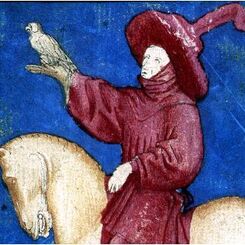
The Princely Hunting Pack, c.1440/45, is attributed to Konrad Witz and his workshop in Basle.
Playing cards in the Upper Rhine region
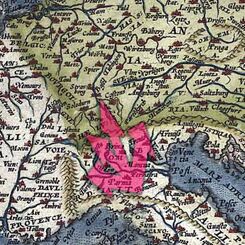
Documentary evidence suggests that card playing established itself in Italy in 1376, and then spread...
The History of Playing Cards
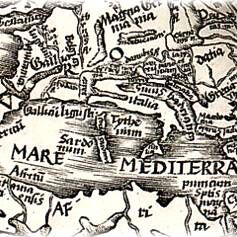
Playing cards appear in European records in the late 14th century, but their earlier history lies fu...
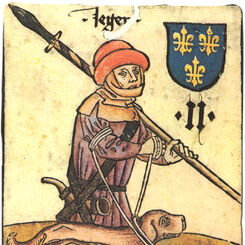
Hofamterspiel, c.1460
Hofamterspiel, c.1460
Most Popular
Our top articles from the past 60 days


