


William Tell
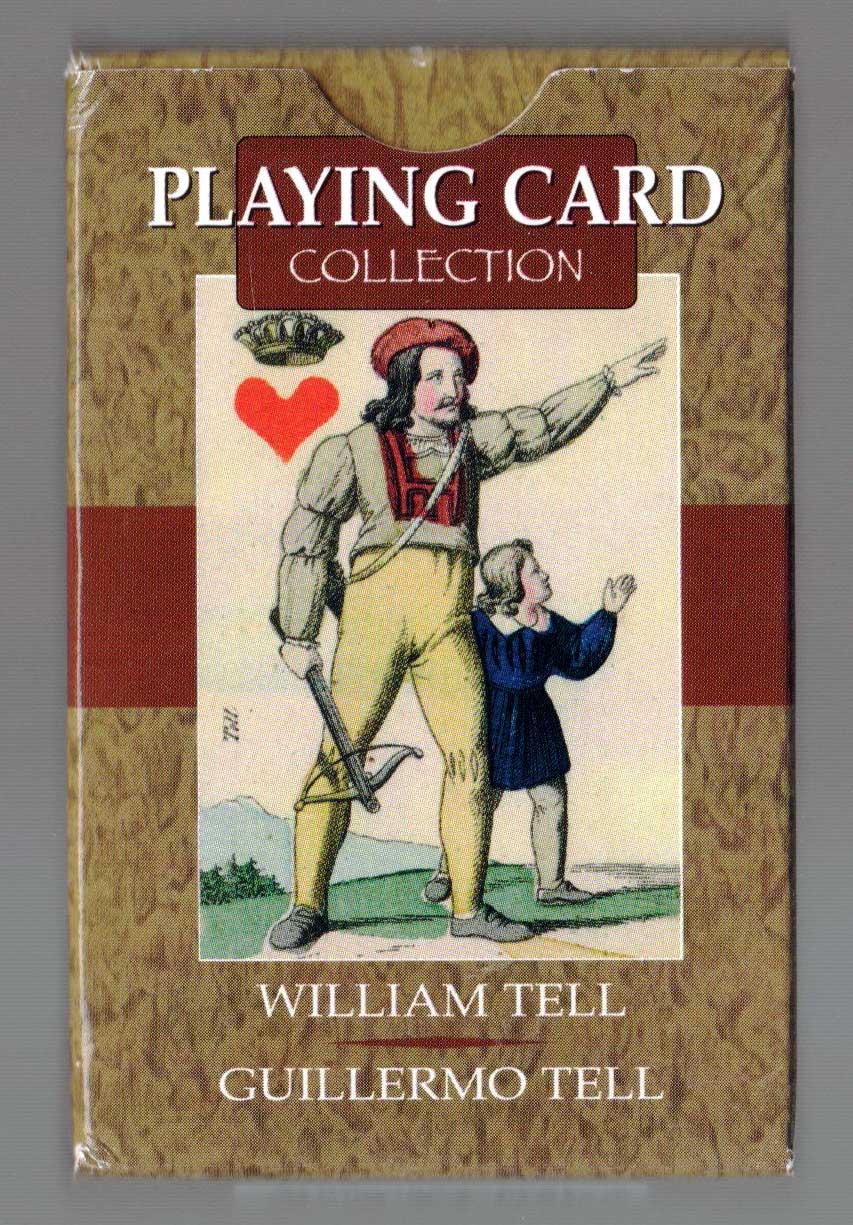
Facsimile of Swiss William Tell deck from c.1870 published by Lo Scarabeo.
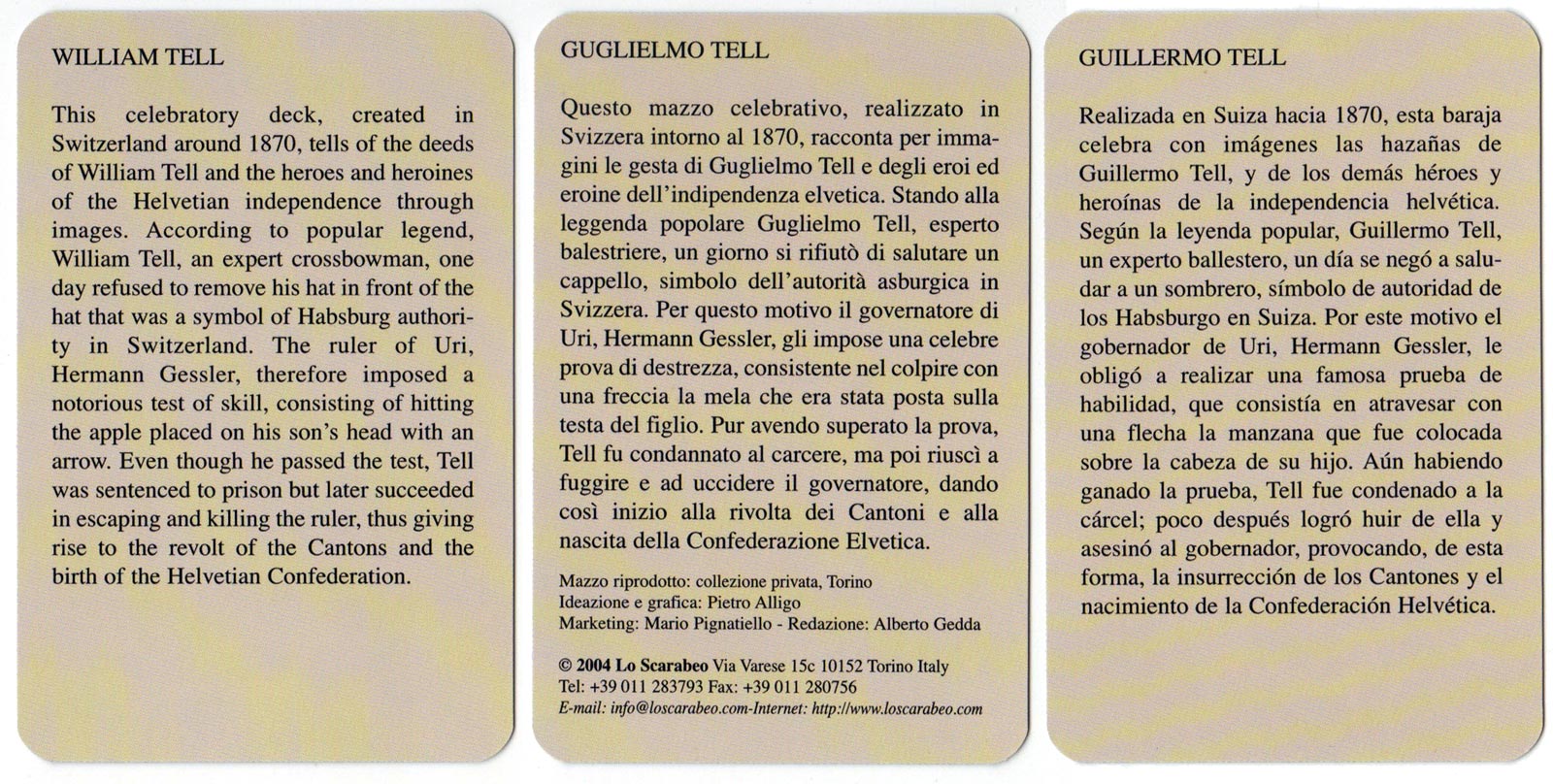
Facsimile of Swiss ‘William Tell’ deck from c.1870 published by Lo Scarabeo, 2004. The cards, including the four illustrated aces, tell the story of William Tell and the heroes and heroines of the Helvetian independance. See the Information card►
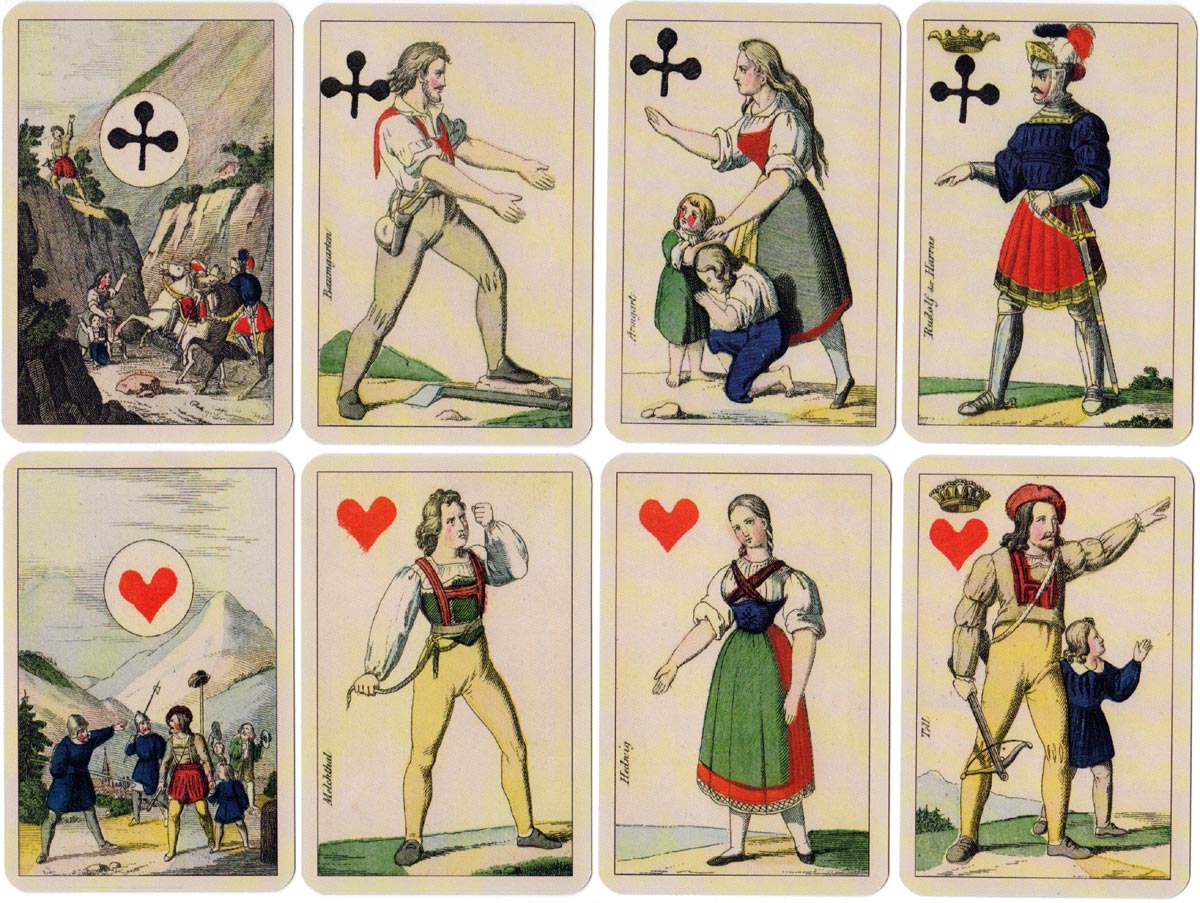
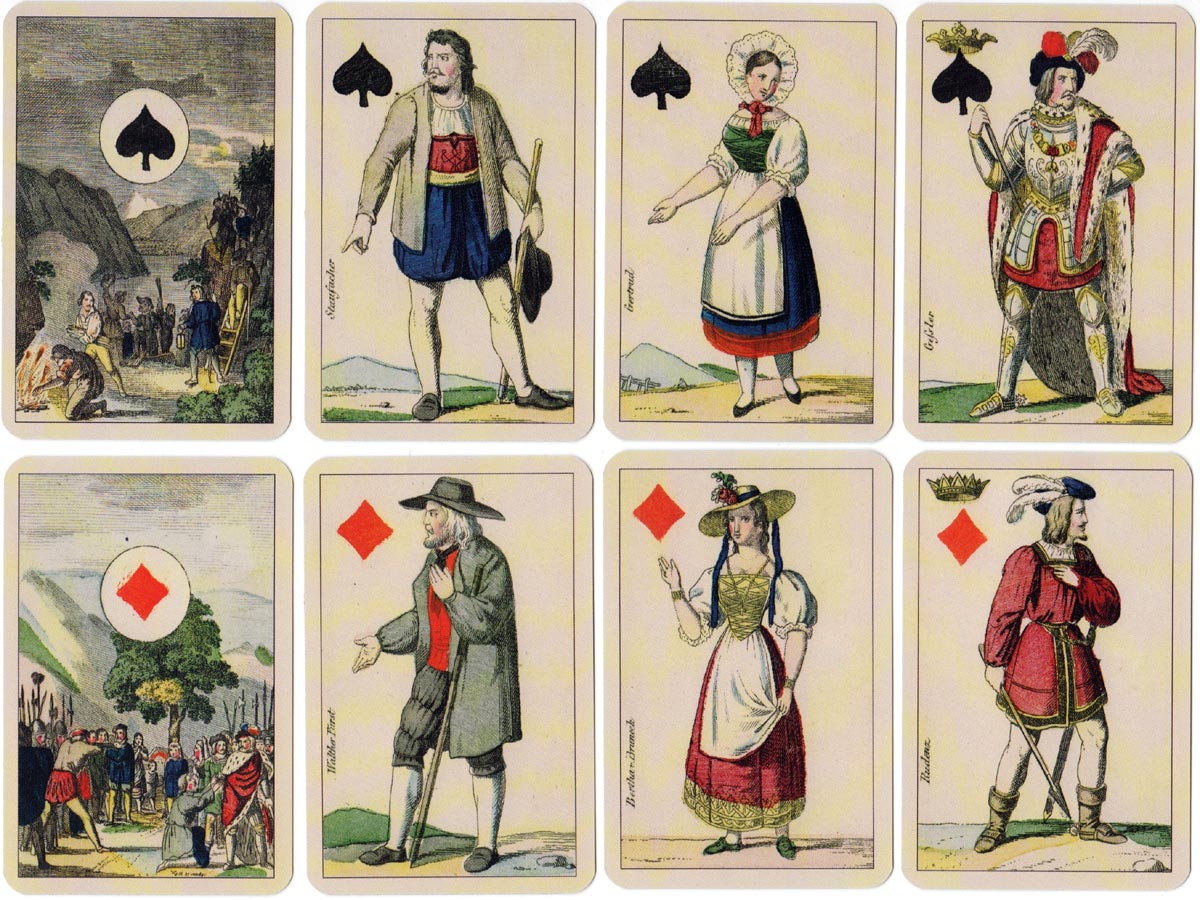
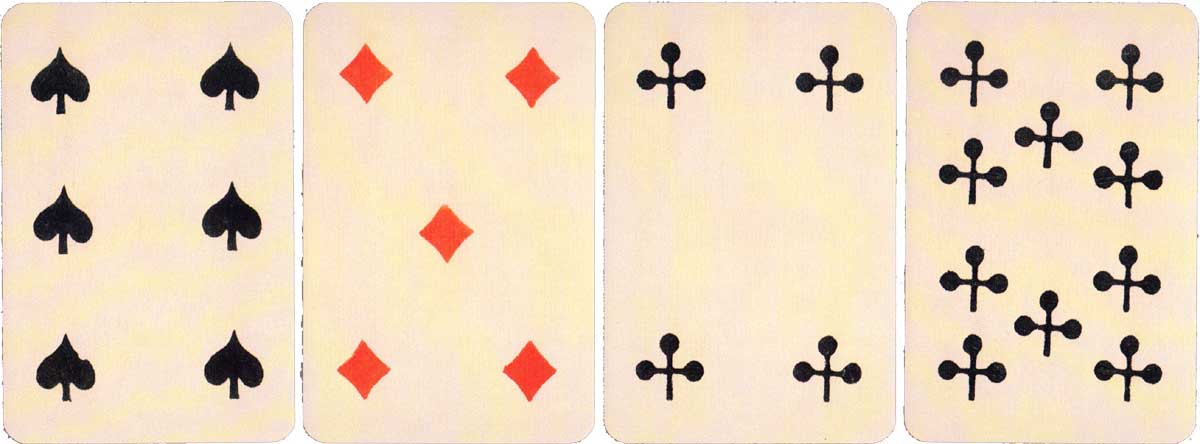
Above: facsimile of Swiss William Tell deck from c.1870 published by Lo Scarabeo, Torino, Italy, 2004. www.loscarabeo.com►

By Rex Pitts (1940-2021)
United Kingdom • Member since January 30, 2009
Rex's main interest was in card games, because, he said, they were cheap and easy to get hold of in his early days of collecting. He is well known for his extensive knowledge of Pepys games and his book is on the bookshelves of many. His other interest was non-standard playing cards. He also had collections of sheet music, music CDs, models of London buses, London Transport timetables and maps and other objects that intrigued him.
Rex had a chequered career at school. He was expelled twice, on one occasion for smoking! Despite this he trained as a radio engineer and worked for the BBC in the World Service. Later he moved into sales and worked for a firm that made all kinds of packaging, a job he enjoyed until his retirement. He became an expert on boxes and would always investigate those that held his cards. He could always recognize a box made for Pepys, which were the same as those of Alf Cooke’s Universal Playing Card Company, who printed the card games. This interest changed into an ability to make and mend boxes, which he did with great dexterity. He loved this kind of handicraft work.
His dexterity of hand and eye soon led to his making card games of his own design. He spent hours and hours carefully cutting them out and colouring them by hand.

Activity for William Tell
Sign in to comment or save this article.

Related Articles
Murder of Crows Tarot
Corrado Roi’s 2020 tarot pack presents a dark, watchful world of crows and ritual figures.
The Sola-Busca Tarot
Humanist Iconography, Alchemical Metaphor, and the Origins of the Illustrated Minor Arcana.
Dylan Dog
Characters and objects from the Italian comic book series Dylan Dog, written by Tiziano Sciavi and d...
Royal Britain
Pack devised by Pietro Alligo depicting English monarchs from Alfred the Great to Elizabeth II.
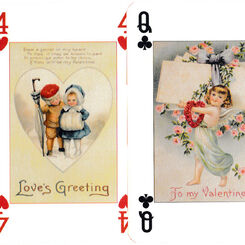
The Lovers playing cards
Reproductions of old postcards with romantic messages for Valentine’s Day.
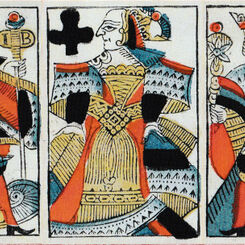
Portrait de Fribourg
Fine reproduction of a Fribourg pattern pack, originally by Jean-Jacques Burdel.
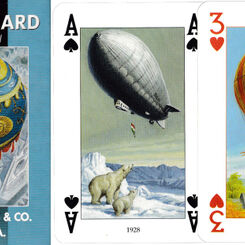
Hot-Air Balloons & Co.
Hot-air balloons and airships from the early days to 1988, with designs by S. Baraldi and F. Tacconi...
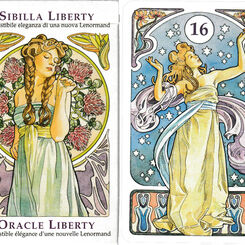
Art Nouveau Oracle
A Lenormand-type fortune-telling pack in the Art Nouveau style.
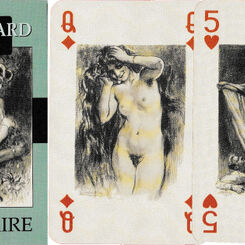
Baudelaire playing card collection
Baudelaire playing card collection illustrated by Alméry Lobel-Riche and published by Lo Scarabeo in...
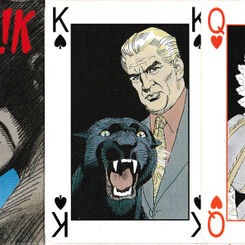
Diabolik Poker
Characters from the Italian comic series Diabolik, with designs by Paolo and Sergio Zaniboni.
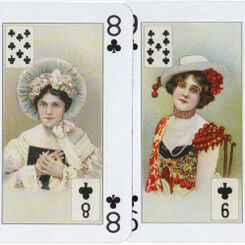
Portraits of a Lady
Portraits of a Lady by Lo Scarabeo, 2003.
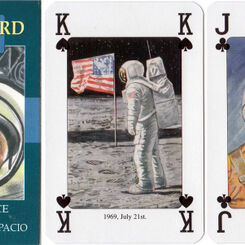
Moon Race
A concise overview of early space exploration illustrated by Giordano Tacconi, 2004.
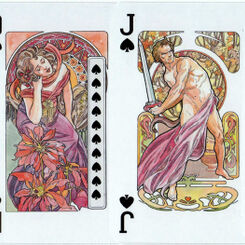
Liberty
Liberty playing cards designed by Antonella Castelli, published by Lo Scarabeo, 2003.
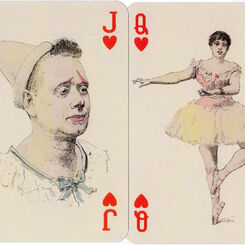
Il Circo
Il Circo illustrated by Jules Garnier, published by Lo Scarabeo, 2004.
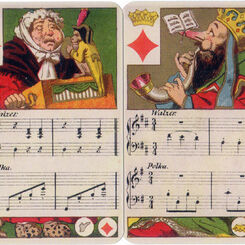
Musikalisches Kartenspiel
Facsimile of Dondorf’s “Musikalisches Kartenspiel” (c.1862) published by Lo Scarabeo, 2004
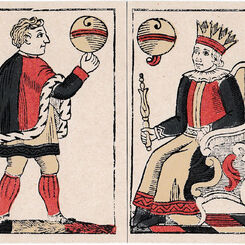
Johannes Müller c.1840
Facsimile edition of Swiss suited deck first published by Johannes Müller in c.1840.
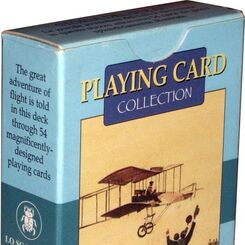
History of Flight
“History of Aviation” playing cards published by Lo Scarabeo (2003) in which every card carries a pa...
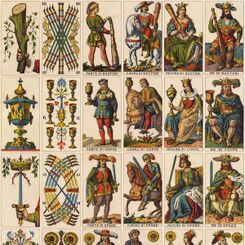
Serravalle-Sesia Tarot
Serravalle-Sesia Tarot published by Fratelli Avondo, c.1880.
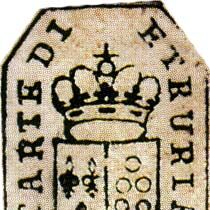
Etruria Minchiate
The Cavaliers are man/beast creatures. The Valets (or Pages) are male for clubs and swords, and fema...
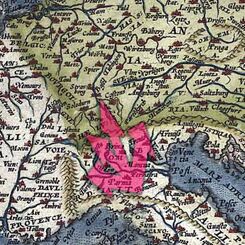
Playing cards in the Upper Rhine region
Documentary evidence suggests that card playing established itself in Italy in 1376, and then spread...
Most Popular
Our top articles from the past 60 days


Peter Burnett
19 November 2025, 09:47SavedSaved this article to Peter's Collection