Trentine Pattern
Trentine Pattern
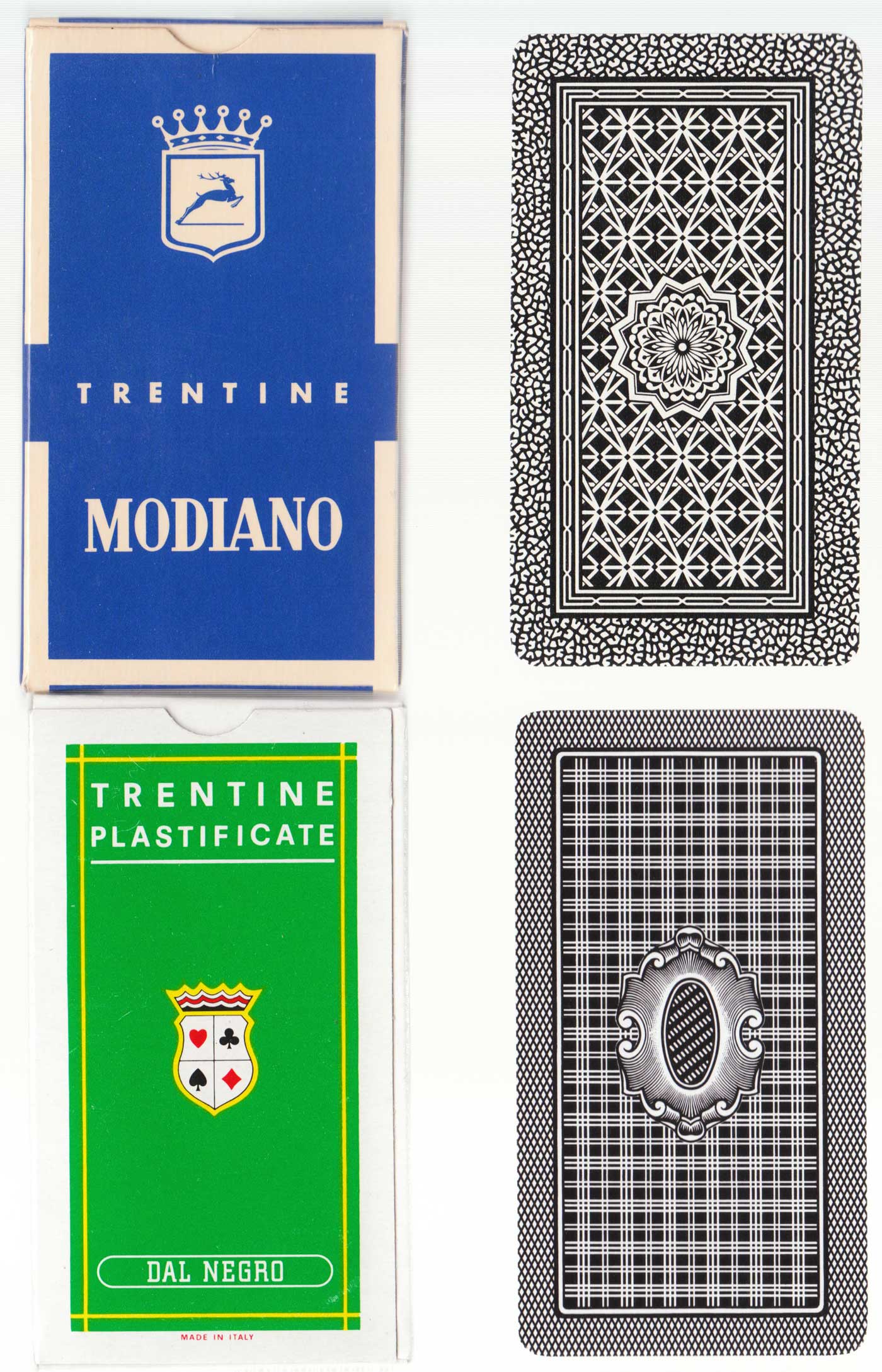
The Trentine, or Trento pattern, along with the Brescia and Bergamo patterns, are all modelled on a common Italian-suited ancestor. Packs have 52 or 40 cards, single-figure courts, narrow elongated cards. Characteristic features include a female portrait on the ace of coins; cupid with bow and arrow on ace of cups; a dog leaping besides the jack of cups; the jacks of both batons + swords hold weapons in both hands.
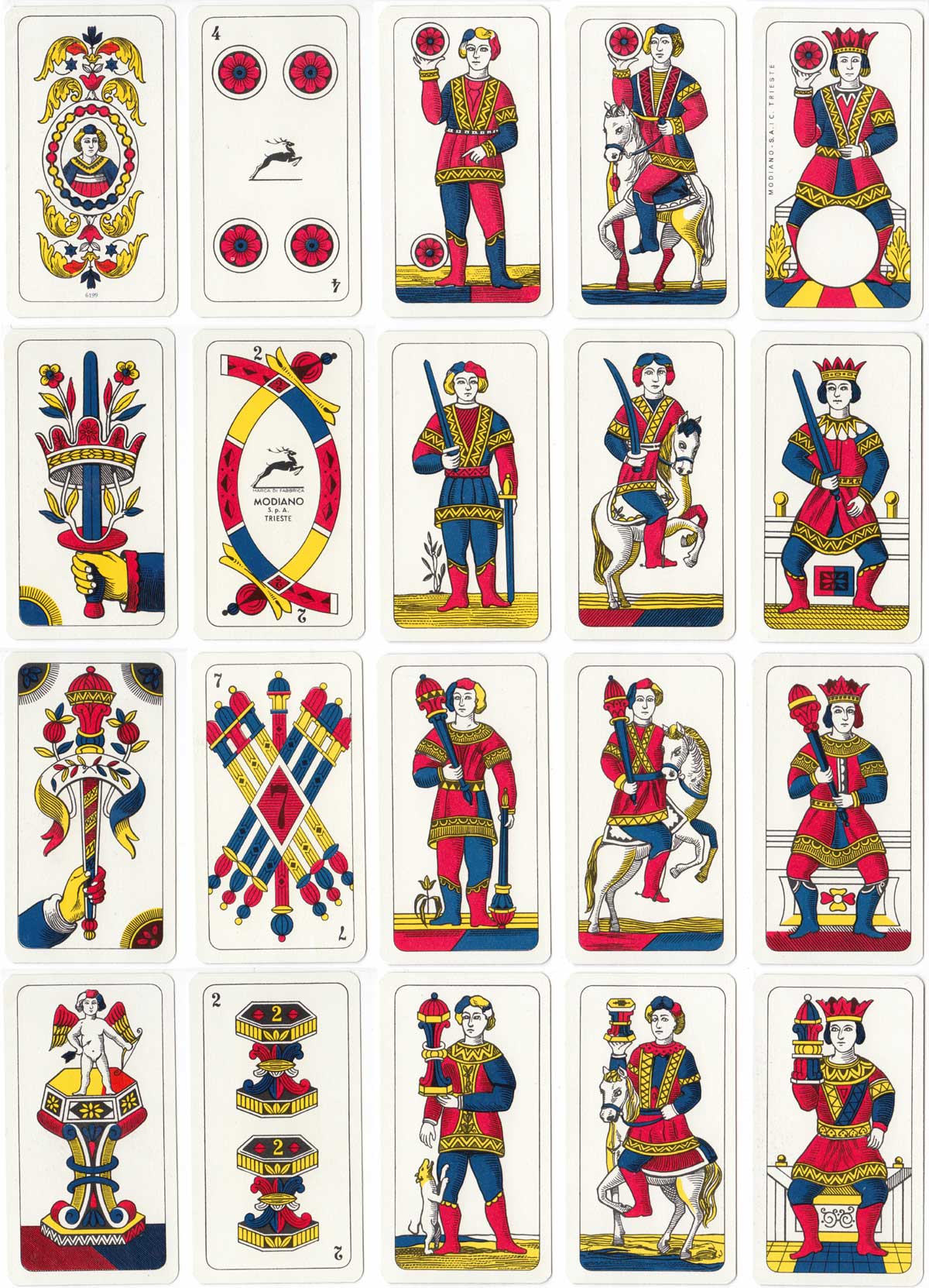
Above: Trentine pattern by Modiano, 1970s. Images courtesy Rex Pitts.
Comparison: old and new
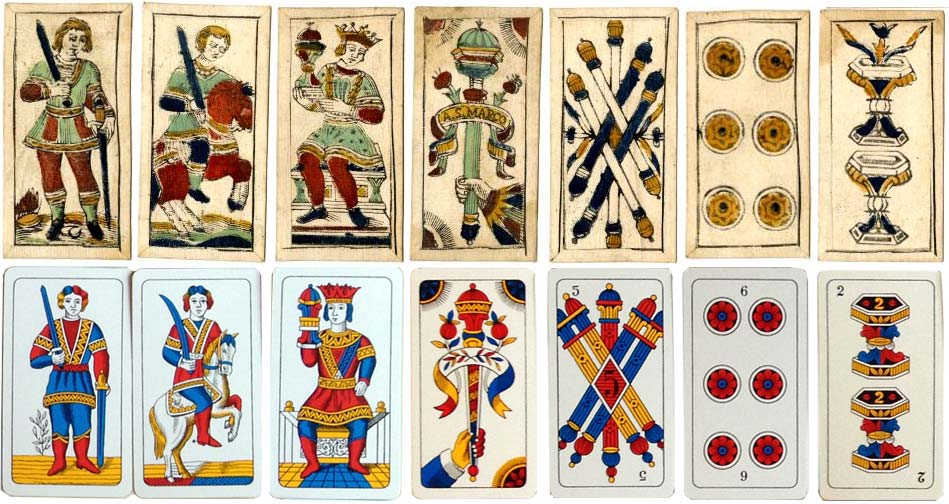
Above: top row shows 18th century cards from Trentine pattern; bottom row same cards from a Trentine deck by Dal Negro, 1970s. See Boxes►

By Rex Pitts (1940-2021)
United Kingdom • Member since January 30, 2009
Rex's main interest was in card games, because, he said, they were cheap and easy to get hold of in his early days of collecting. He is well known for his extensive knowledge of Pepys games and his book is on the bookshelves of many. His other interest was non-standard playing cards. He also had collections of sheet music, music CDs, models of London buses, London Transport timetables and maps and other objects that intrigued him.
Rex had a chequered career at school. He was expelled twice, on one occasion for smoking! Despite this he trained as a radio engineer and worked for the BBC in the World Service. Later he moved into sales and worked for a firm that made all kinds of packaging, a job he enjoyed until his retirement. He became an expert on boxes and would always investigate those that held his cards. He could always recognize a box made for Pepys, which were the same as those of Alf Cooke’s Universal Playing Card Company, who printed the card games. This interest changed into an ability to make and mend boxes, which he did with great dexterity. He loved this kind of handicraft work.
His dexterity of hand and eye soon led to his making card games of his own design. He spent hours and hours carefully cutting them out and colouring them by hand.

Activity for Trentine Pattern
Sign in to comment or save this article.

Related Articles
Luigi Del Pieve Minchiate
Luigi Del Pieve and the “Alli Sorte” Minchiate of Florence.
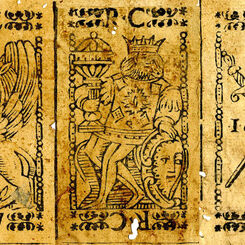
Portuguese-suited cards
Portuguese-suited cards with dragon aces, made in Italy, 1613.
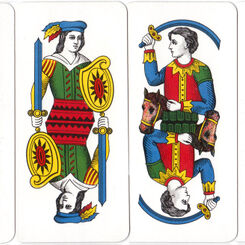
Primiera Bolognese
Primiera Bolognese by Modiano, c.1975
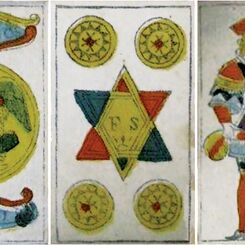
Hermanos Solesio
“Money Bag” pattern by Hermanos Solesi, late 18th c.
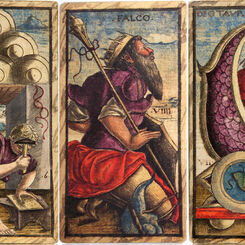
Sola-Busca Tarocchi
The Sola-Busca Tarocchi, c.1491
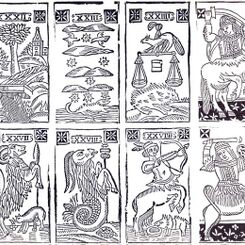
Minchiate Fiorentine, 17th C.
17th century Minchiate cards reprinted from the original woodblocks.
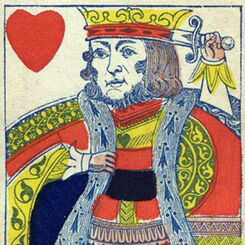
Suicide King
The King of Hearts, holding a sword behind his head, is sometimes nicknamed the “Suicide King”. He c...
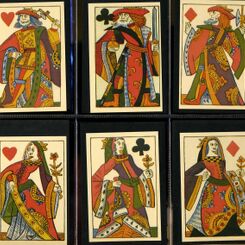
1: Playing Cards and their History: An Introduction and some links to other sites
What was considered the first mention of playing cards in England is in 1463 when Edward I banned th...
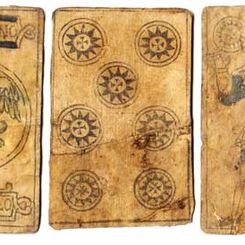
Agostino Bergallo
Agostino Bergallo Spanish pattern made for South American countries
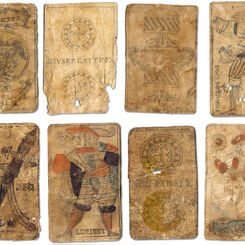
Giuseppe Cattino
Playing cards manufactured in Italy by Giuseppe Cattino and Paolo Montanar for Spanish markets.
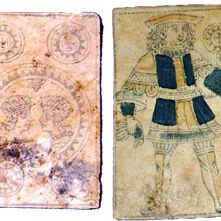
Pedro Bosio
Cards of the Spanish National Pattern manufactured by Pedro Bosio, probably during the 18th century ...
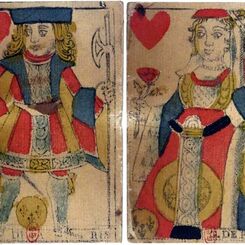
Paris Pattern
The Paris pattern was established as such around the middle of the seventeenth century (based, perha...
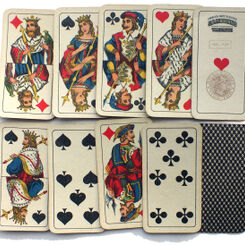
Lombardy (or Milanesi) pattern
The origins of the Lombardy pattern probably lie in the early 19th century when it was a full-length...
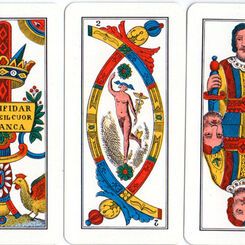
Trevisane pattern
The double-ended version of the ‘Trevisane’ pattern originated in the early 19th century.
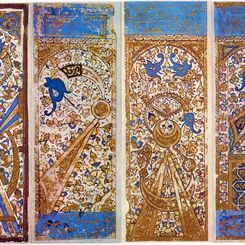
Mamluk Playing Cards
Nã'ib, the game of lieutenants... these cards are amongst the earliest Arabic playing cards ext...
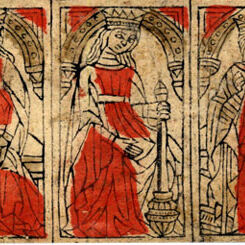
XV Century Italian Playing Cards
Cards from a pack of an early form of north Italian playing cards, with the swords back-to-back and ...
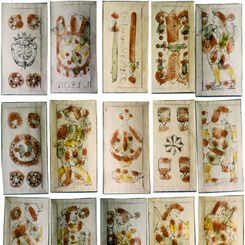
Sicilian playing cards by Antonio Monasta.
"Il Leon" Sicilian playing cards, 40-card pack based on Spanish designs, made in Sicily by Antonio M...
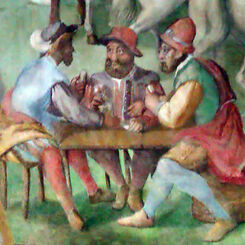
Italian Playing Cards
The first reliable evidence that playing cards were being used in Italy is from 1376, when a game ca...
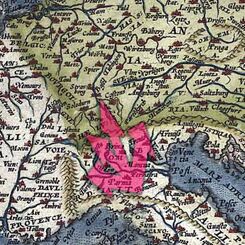
Playing cards in the Upper Rhine region
Documentary evidence suggests that card playing established itself in Italy in 1376, and then spread...
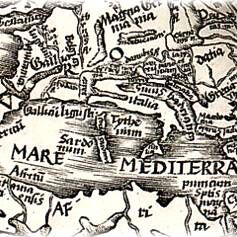
The History of Playing Cards
Playing cards appear in European records in the late 14th century, but their earlier history lies fu...
Most Popular
Our top articles from the past 60 days