

Tunisia
Playing Cards in Tunisia. Chkobba is one of the most popular card games in Tunisia, mainly played by men in coffee shops but also played at home by men and women alike.
Playing Cards in Tunisia
Gambling was prohibited in Tunisia until after World War 1 and this probably stifled any local production. The 1st law organizing the tobacco sector in Tunisia appeared in 1898 and matches, salt and playing cards were subsequently added (c.1920) to products managed by the monopoly more →. Playing cards in Tunisia have followed French influence, and many packs for Tunisia have been made in Belgium, but cards currently on sale appear to be standard Anglo-American Bridge or Poker packs sold in tobacco shops, as well as souvenir packs made in China. Locally produced packs usually carry a tax stamp of some kind and since the 1970s they have an imprint, usually on the Ace of Diamonds, which refers to the playing card monopoly.
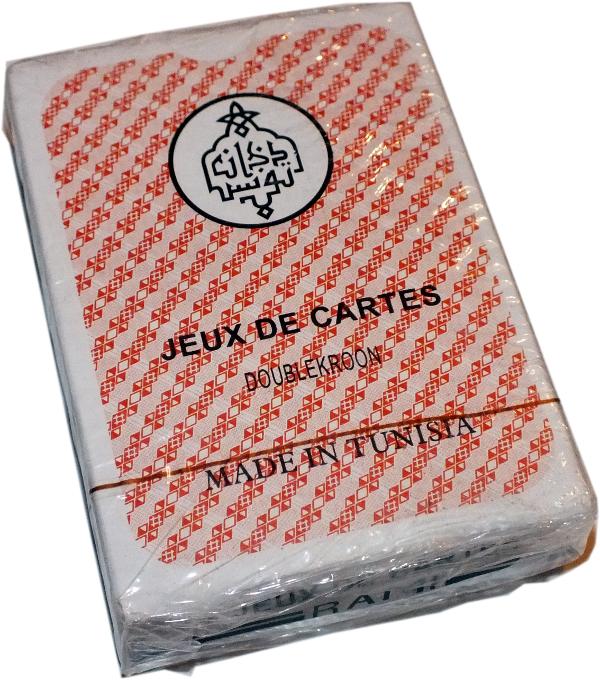
Right: cello-wrapped box from "Jeux de Cartes RAMI" made in Tunisia, 2012 →
The ‘Rami’ deck shown below is presumably a pun on the game Rummy.
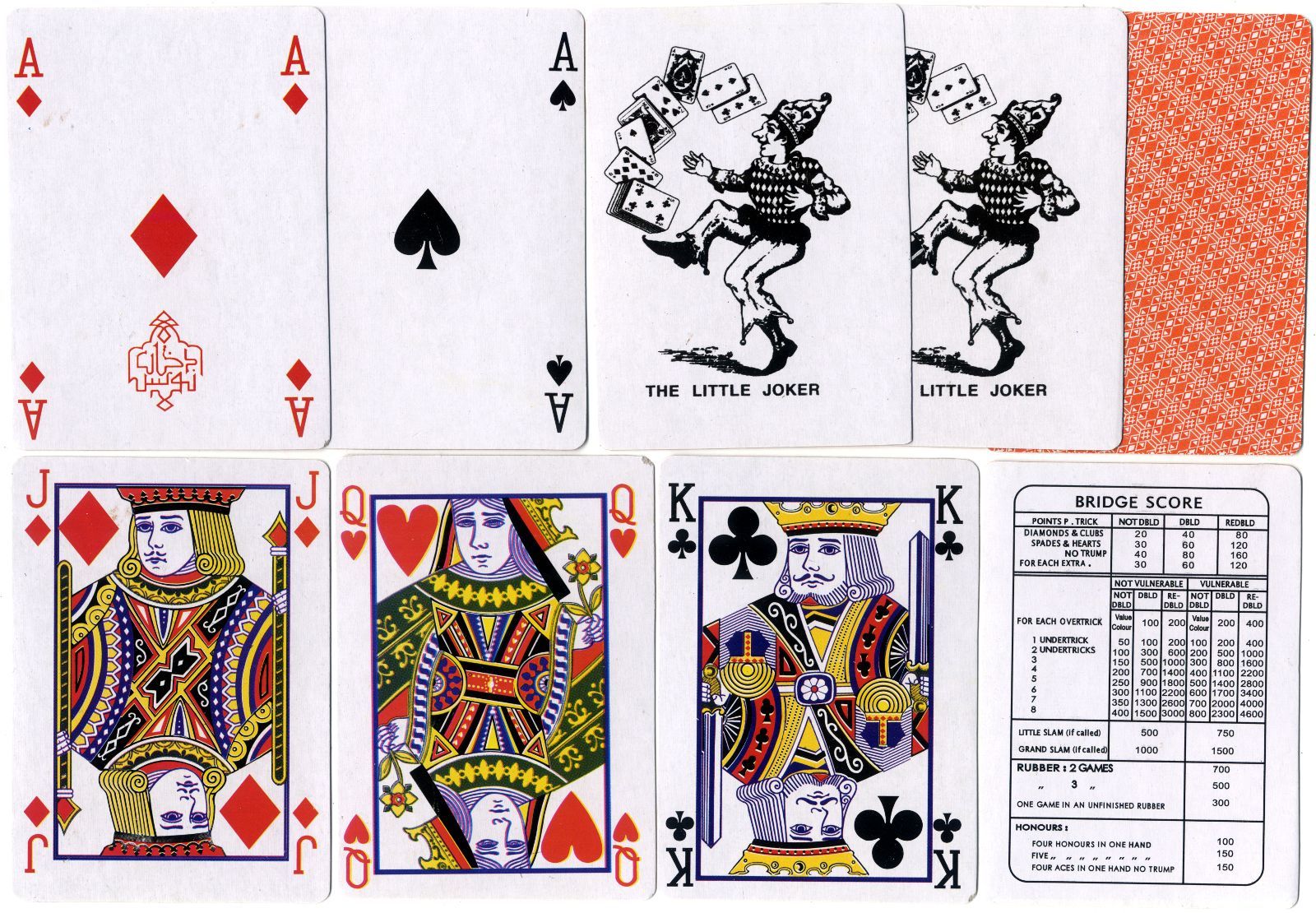
Above: 'Rami' playing cards made in Tunisia (2012), with standard Anglo-American courts and two 'Little Jokers'. The imprint of the national tobacco and playing card monopoly can be seen on the Ace of Diamonds. 52 cards + 2 Jokers + Bridge score card in box. 'Rami' playing cards seem to have been in production for several decades.
Note: The Tunisian state has a monopoly on the sale of playing cards. Following the French example, the Régie des Monopoles Tunisiens or RMT manages the monopoly. This service is a part of the Régie Nationale des Tabacs et des Allumettes in Tunis. Importation of cards was allowed provided a tax was paid. The cards for Tunisia were printed mostly in Turnhout, but also by F. Piatnik in Vienna. Previously, RMT issued annual tenders, but since 1986 it became autonomous.
Earlier examples
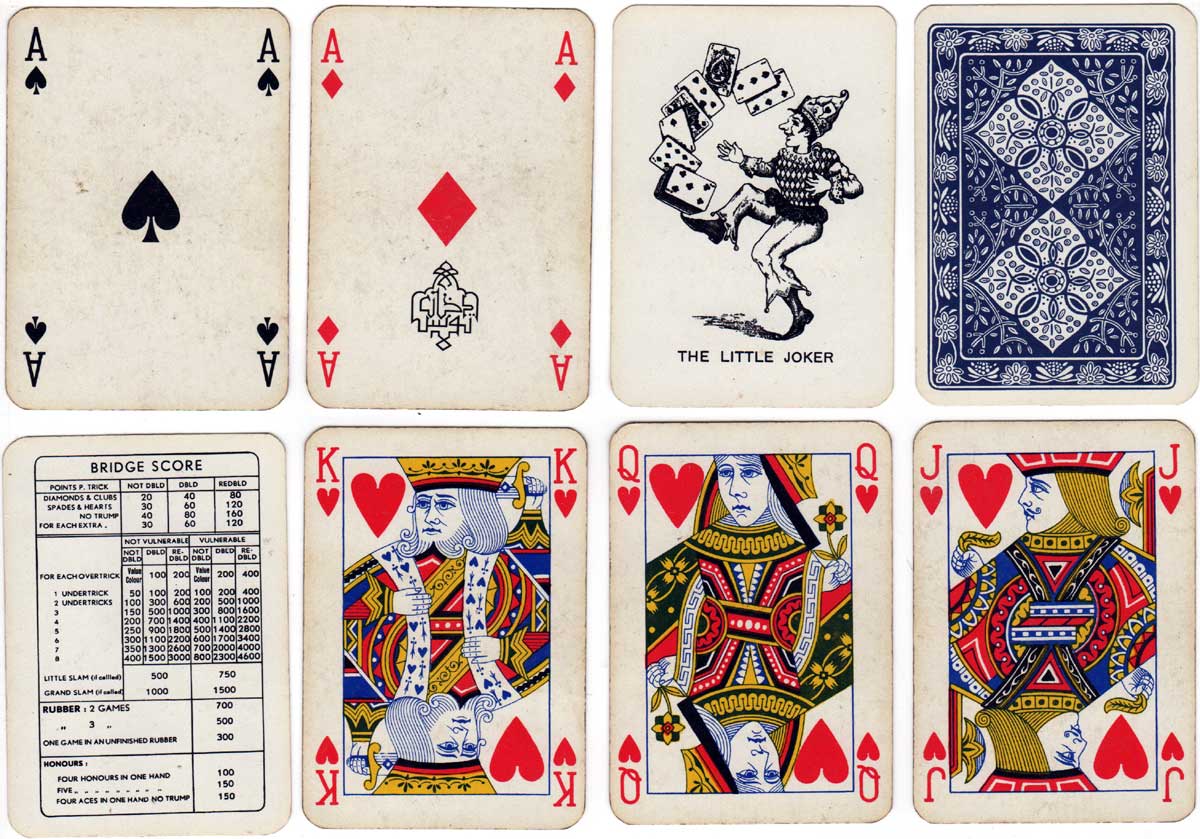
Above: ‘Double Kroon’ playing cards made in Belgium for Tunisia, probably by Mesmaekers c.1960. Image courtesy Matt Probert.
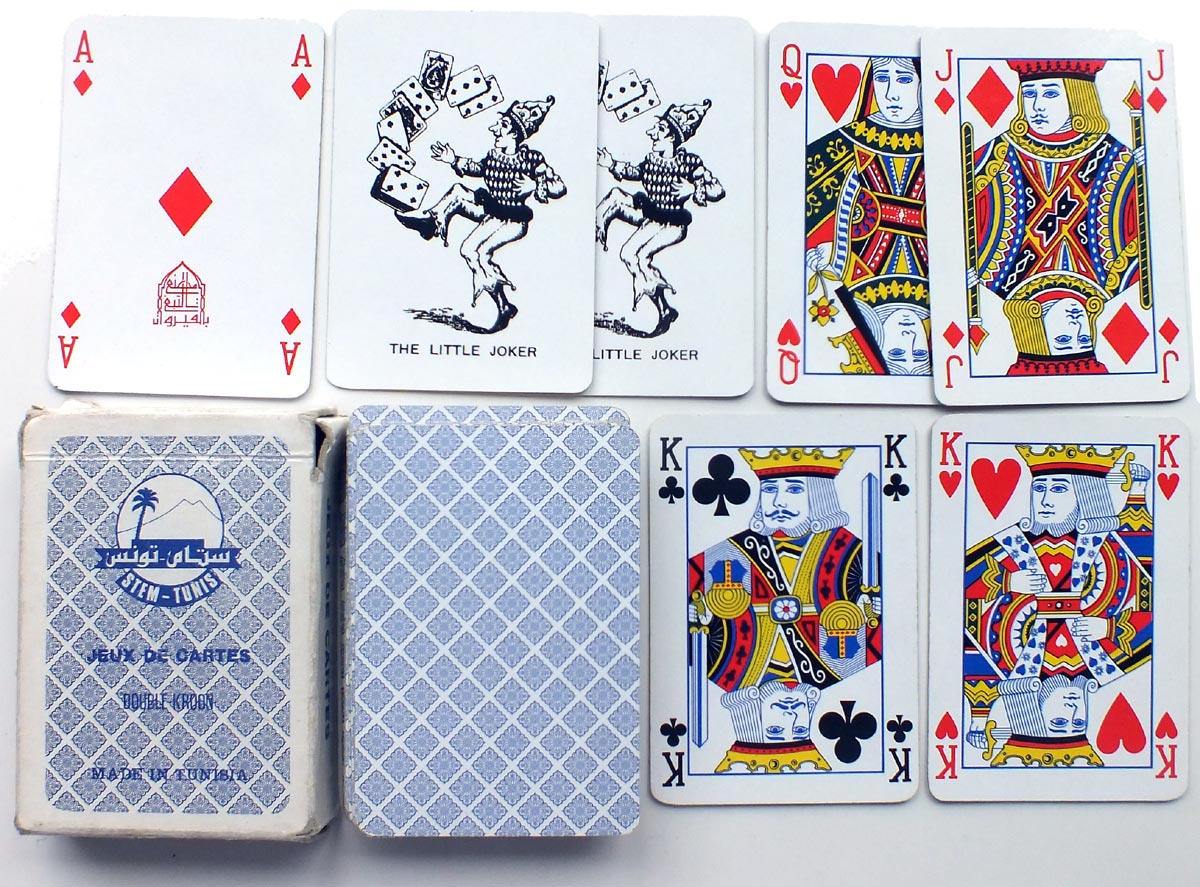
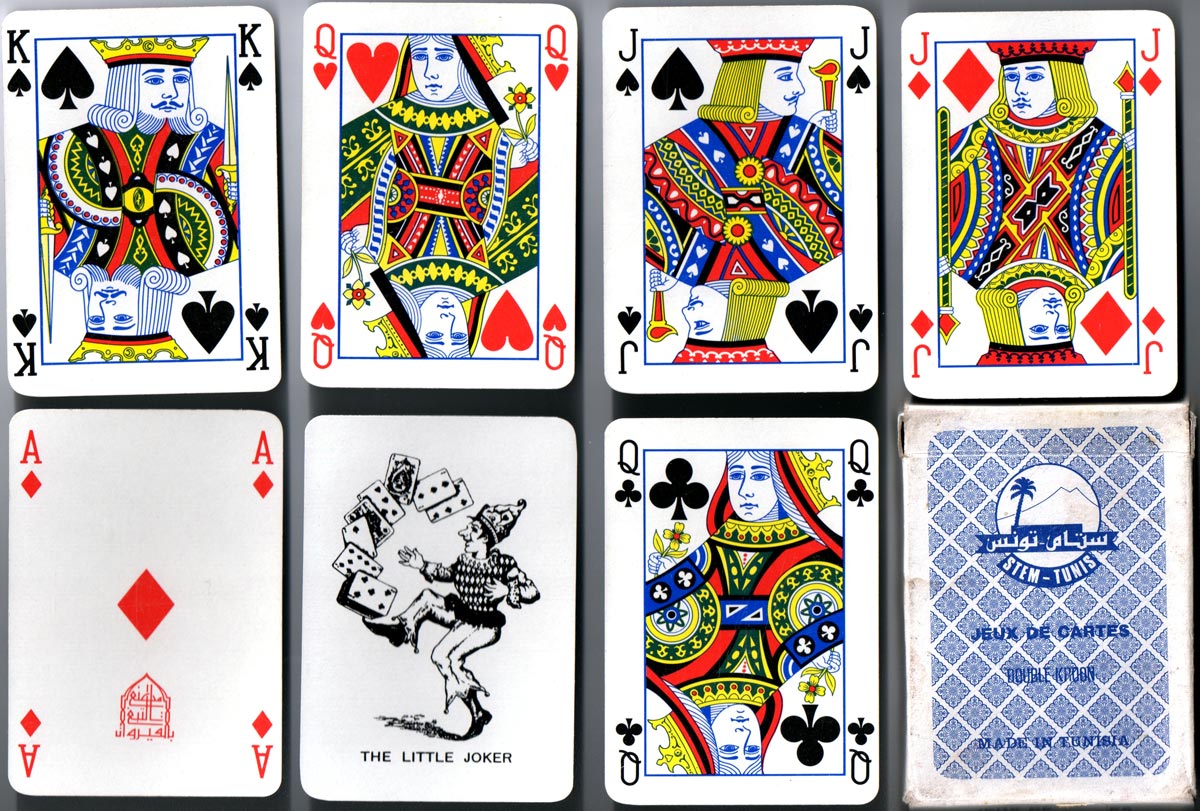
Above: 'Rami' playing cards made in Tunisia, c.1975. See also: STEM (Société Tunisienne des Emballages Modernes) website→
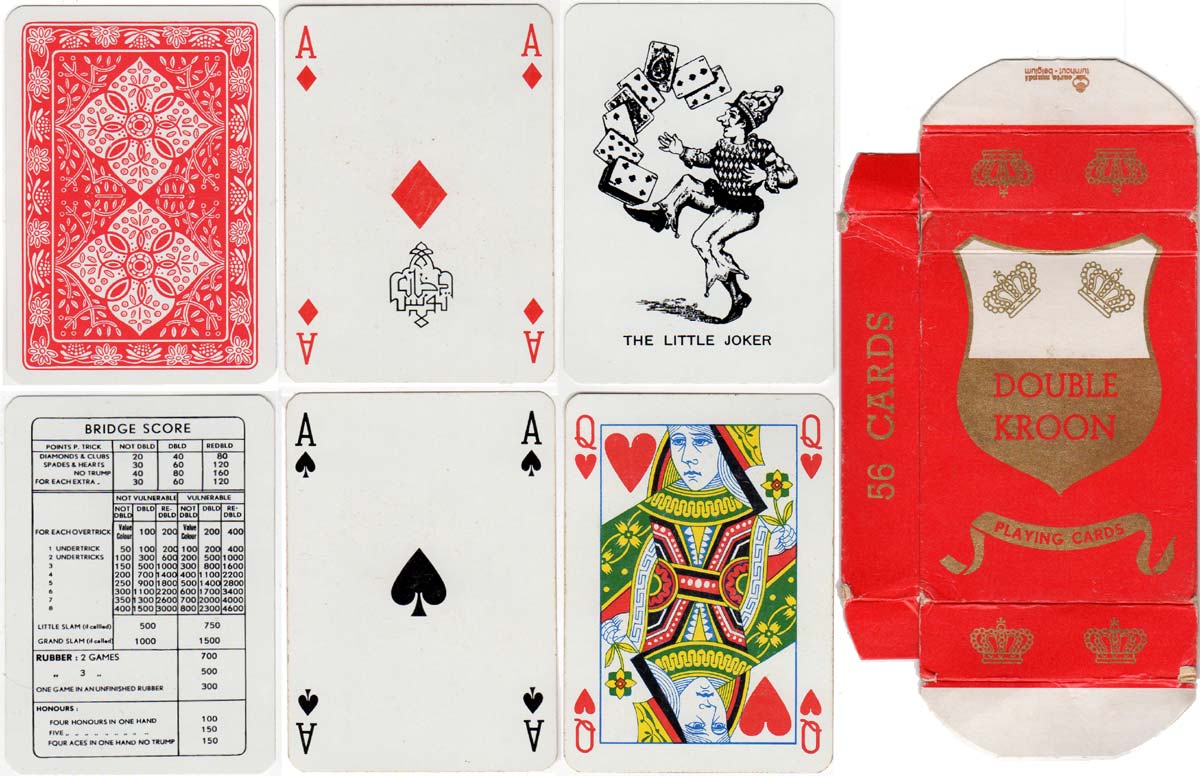
Above: ‘Double Kroon’ for Tunisia made in Belgium by Carta Mundi. 52 cards + 3 jokers + bridge scores card in box. Image courtesy Matt Probert.
In hot weather Tunisian men sit around with their shirts off playing cards in the cafés. Chkobba is one of the most popular card games in Tunisia, mainly played by men in coffee shops but also played at home by men and women alike.
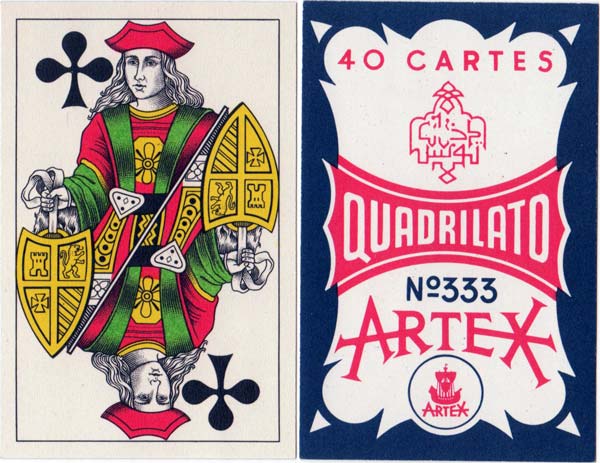
Above: Artex Quadrilato No.333 for Tunisia, c.1970
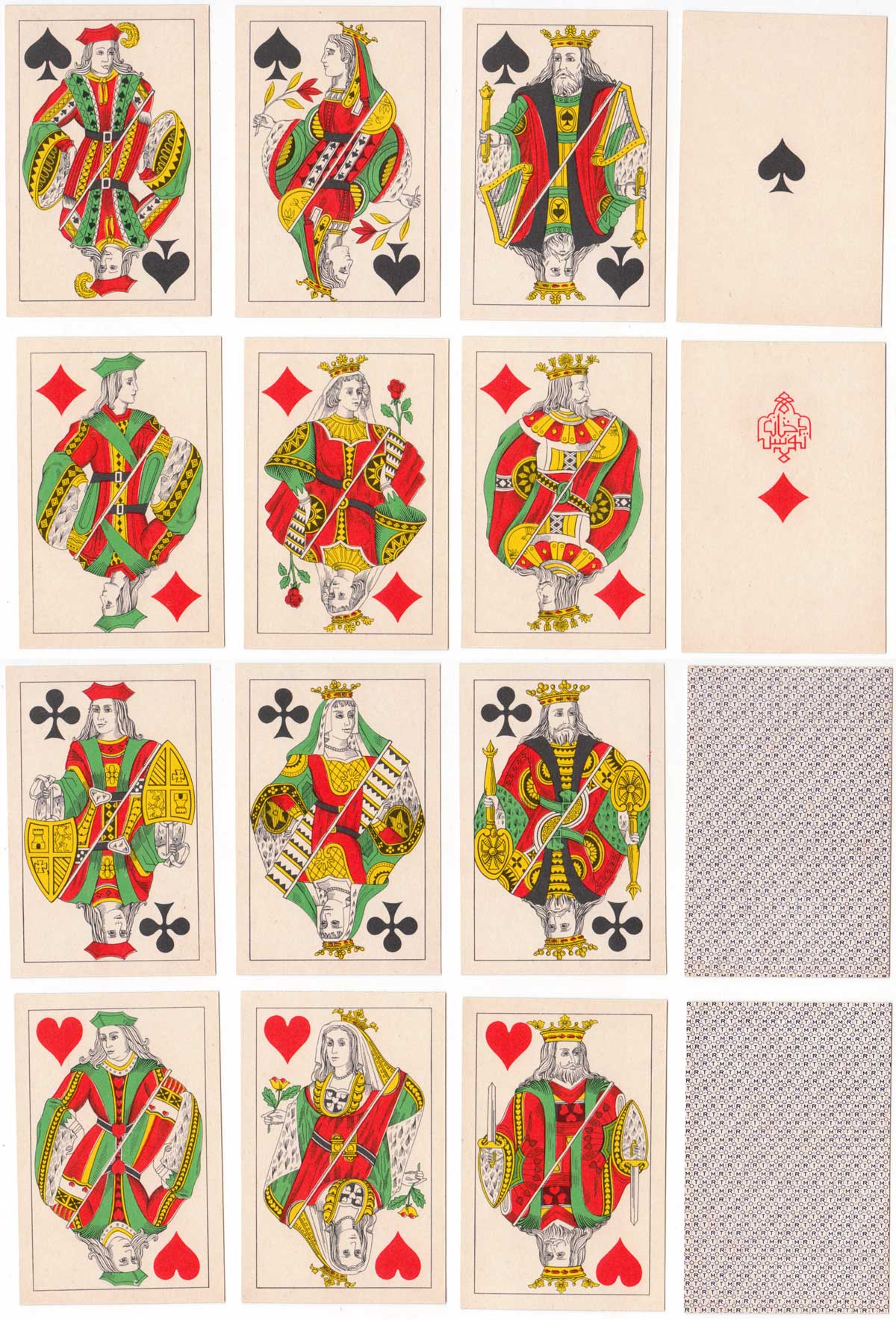
Above: “Quadrilato No.44” Genoese style playing cards manufactured by Leonard Biermans S.A. for Tunisia, c.1970.
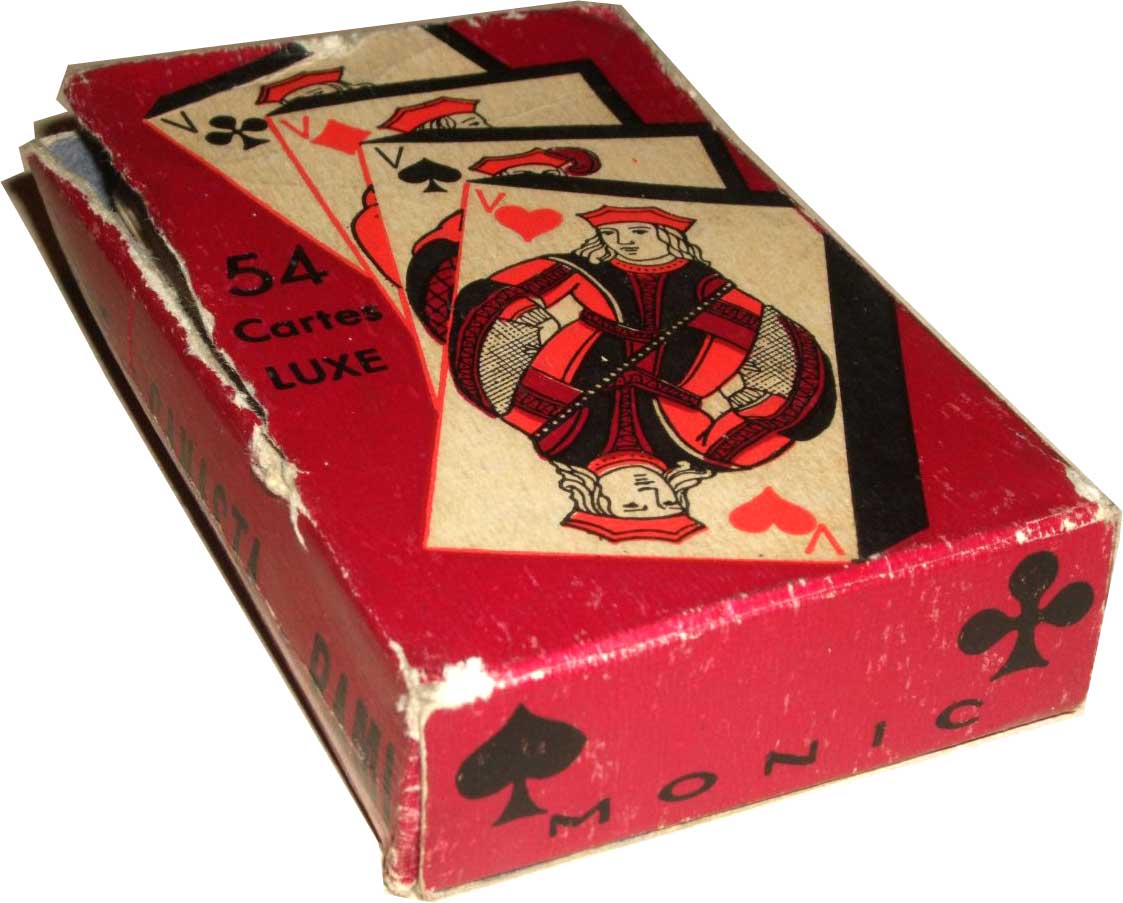
Above: ‘Monic’ brand playing cards. Dates and manufacturer uncertain, possibly c.1920s.
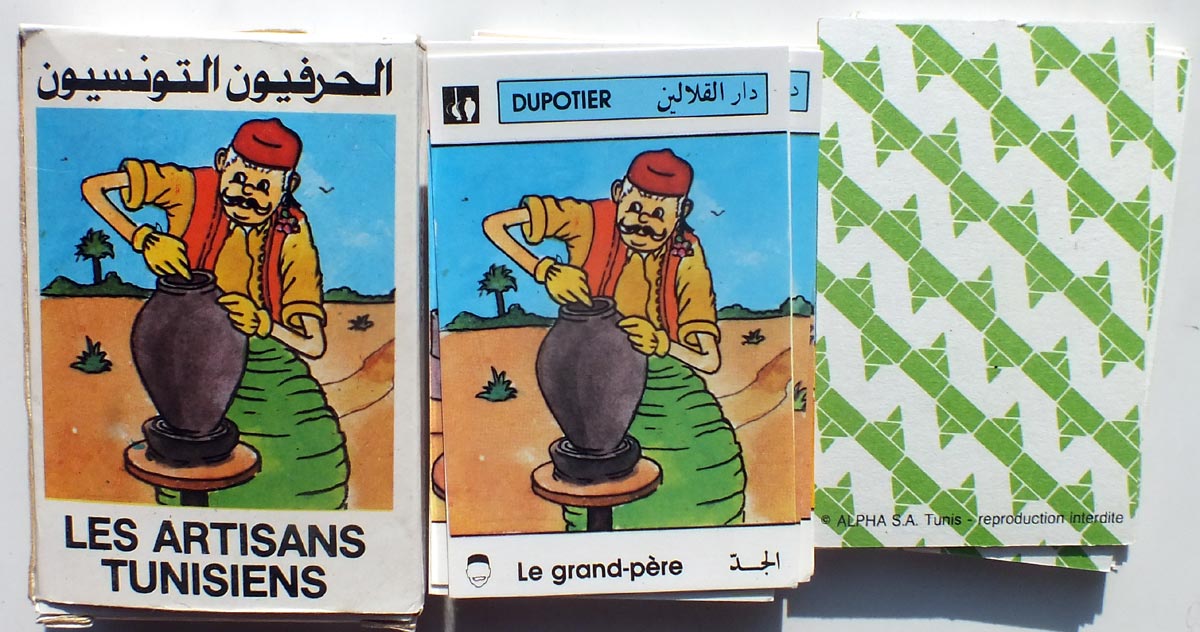
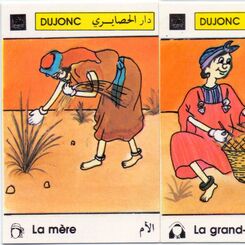
Above: “Les Artisans Tunisiens” Jeu de Sept Familles published by Éditions de la Mediterranée, Alpha S.A., Tunis, c.1980
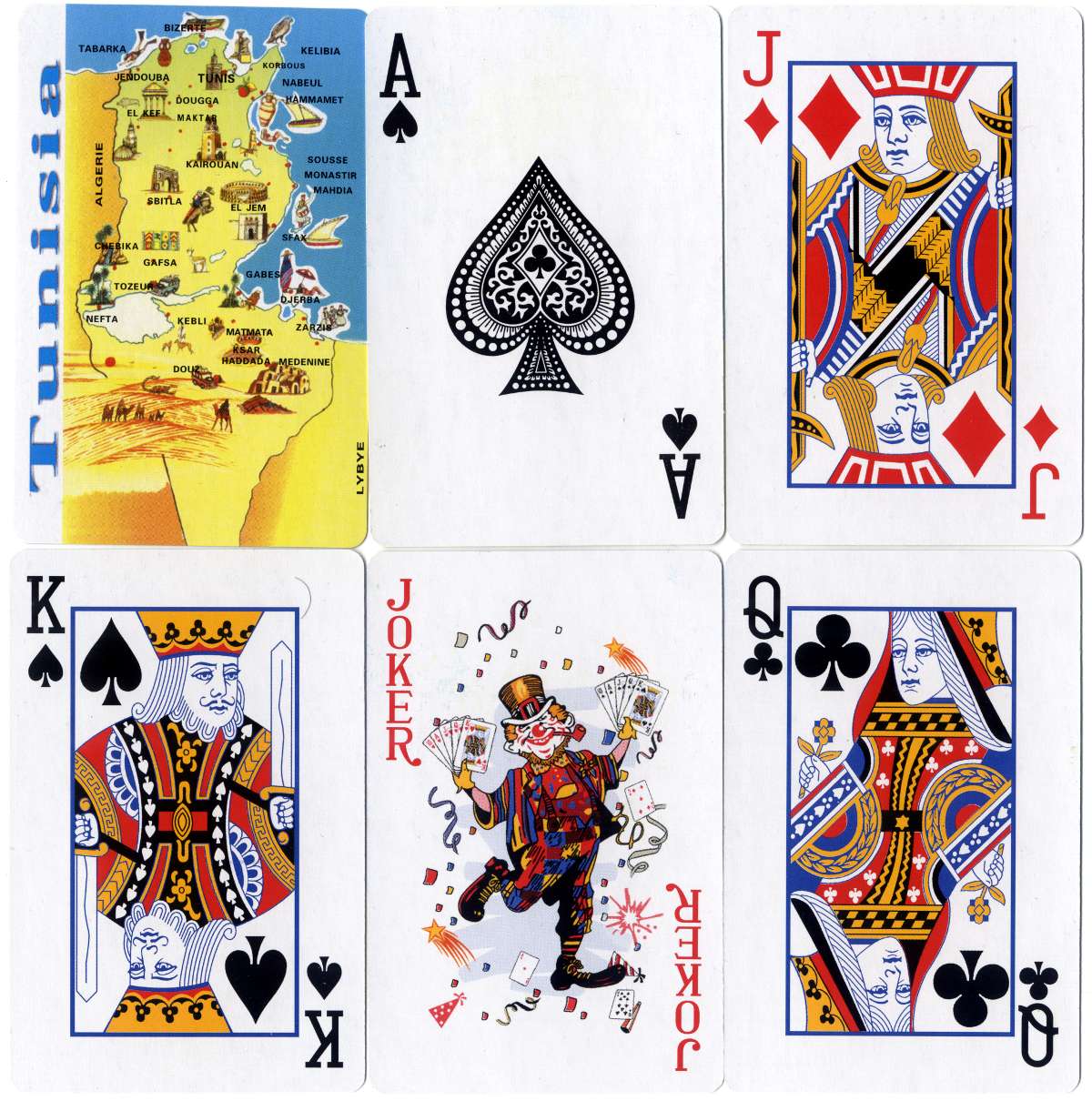
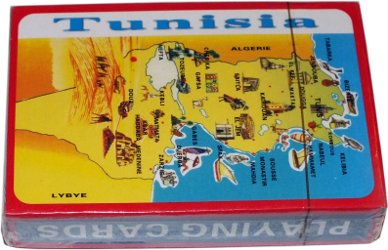
Above: box and cards from Tunisia souvenir playing cards made in China.
Reference
Cremers, Filip: Belasting is Troef, Nationaal Museum van de Speelkaart, Turnhout, 1992, p.105.

By Simon Wintle
Spain • Member since February 01, 1996 • Contact
I am the founder of The World of Playing Cards (est. 1996), a website dedicated to the history, artistry and cultural significance of playing cards and tarot. Over the years I have researched various areas of the subject, acquired and traded collections and contributed as a committee member of the IPCS and graphics editor of The Playing-Card journal. Having lived in Chile, England, Wales, and now Spain, these experiences have shaped my work and passion for playing cards. Amongst my achievements is producing a limited-edition replica of a 17th-century English pack using woodblocks and stencils—a labour of love. Today, the World of Playing Cards is a global collaborative project, with my son Adam serving as the technical driving force behind its development. His innovative efforts have helped shape the site into the thriving hub it is today. You are warmly invited to become a contributor and share your enthusiasm.

Leave a Reply

Your Name
Just now Your comment here. Your comment here. Your comment here. Your comment here. Your comment here. Your comment here. Your comment here. Your comment here. Your comment here. Your comment here. Your comment here. Your comment here. Your comment here. Your comment here. Your comment here. Your comment here. Your comment here. Your comment here. Your comment here. Your comment here. Your comment here. Your comment here. Your comment here. Your comment here. Your comment here. Your comment here. Your comment here. Your comment here. Your comment here. Your comment here. Your comment here. Your comment here.
Related Articles
Tarot Beirut
A beautiful Arabic Tarot : a mystical tool for positive guidance and well-being.
Âs Nas
Âs Nas type playing cards from Persia.
Qajar Dynasty playing cards
Qajar Dynasty playing cards, Iran, 19th century.
Les Artisans Tunisiens
“Les Artisans Tunisiens” Jeu de Sept Familles published by Éditions de la Mediterranée, Alpha S.A., ...
Tax on Spanish Playing Cards
Taxation on Spanish playing cards, the monopolies and smuggling.

Fours of Cups
Over the years the company evolved, and changes in the company's name and address can be seen reflec...
A Todos Alumbra
40-card “A Todos Alumbra - Naypes Refinos” pack manufactured by Léonard Biermans, Turnhout.
Estonian Historic Playing Cards
The court cards and indices on Estonian playing cards are Södur, Emand, Kuninga.
Impuestos Internos Sobre Naipes
Duty was first introduced on playing cards in Argentina in 1892, as part of the Internal Duties law,...

United Kingdom
Playing cards first arrived in England during the 15th century, but none have survived from such an ...
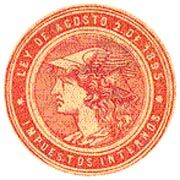
Argentina Tax Stamps on playing cards 1895-1968
Argentina Tax Stamps on playing cards 1895-1968
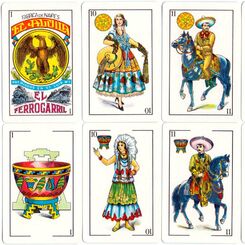
Playing Cards from Mexico
MEXICO shares a long tradition with Spain in the field of playing cards and also merges two complete...
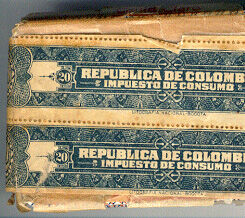
Impuesto de Timbre para Naipes
EL CONGRESO DE COLOMBIA. LEY 69 DE 1946, por la cual se elevan las tarifas de algunos impuestos indi...
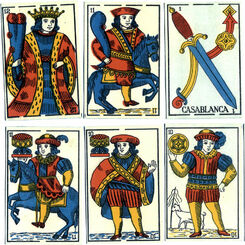
Casablanca playing cards from Morocco
Moroccan cards with the legend 'Casablanca'.
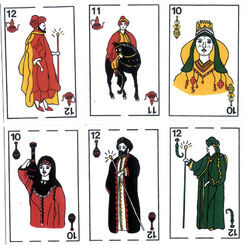
Moroccan Bank of Commerce and Industry
Advertising pack for the Moroccan Bank of Commerce and Industry, 1986.
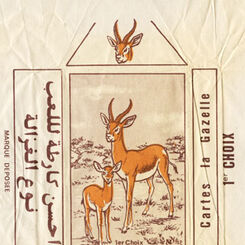
Cartes La Gazelle, Casablanca
Cartes La Gazelle, manufactured by Imprimerie de L’Entente, Casablanca
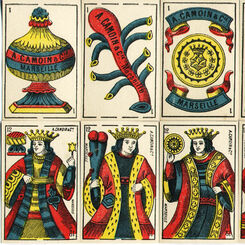
Playing cards in Morocco
The earliest literary references to playing cards in Europe refer to the game having been introduced...
History of Danish Playing Cards
The earliest mention of playing-cards in Denmark dates from 1487 when King Hans, who reigned from 14...
Estanco de Naipes del Perú
In October 1888 the Republic of Peru Congress passed Law no.26 establishing taxes on playing cards, ...

Uruguay playing card tax
In 1806 the Council of Concepción del Uruguay imposed an 8 Peso tax on card and billiard tables on a...
Most Popular
Our top articles from the past 60 days


