


Les Artisans Tunisiens
“Les Artisans Tunisiens” Jeu de Sept Familles published by Éditions de la Mediterranée, Alpha S.A., Tunis
“Les Artisans Tunisiens” Jeu de Sept Familles / Families card game published by Éditions de la Mediterranée, Alpha S.A., Tunis. The game has seven sets of families each containing six members, who practise various crafts and professions. The names of the families are a pun on their professions. The inscriptions on the cards and the rules printed on the box are in French and Arabic.
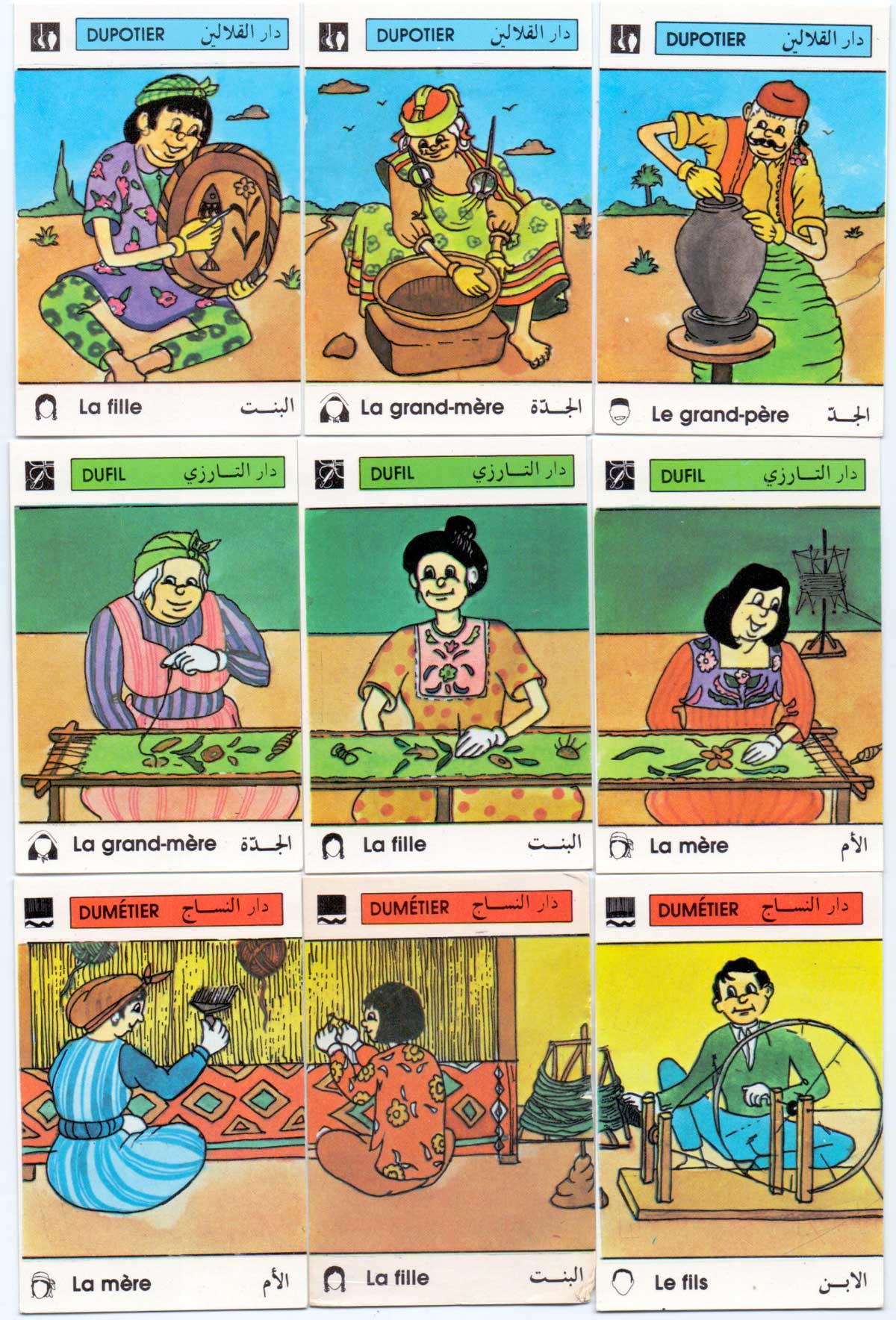
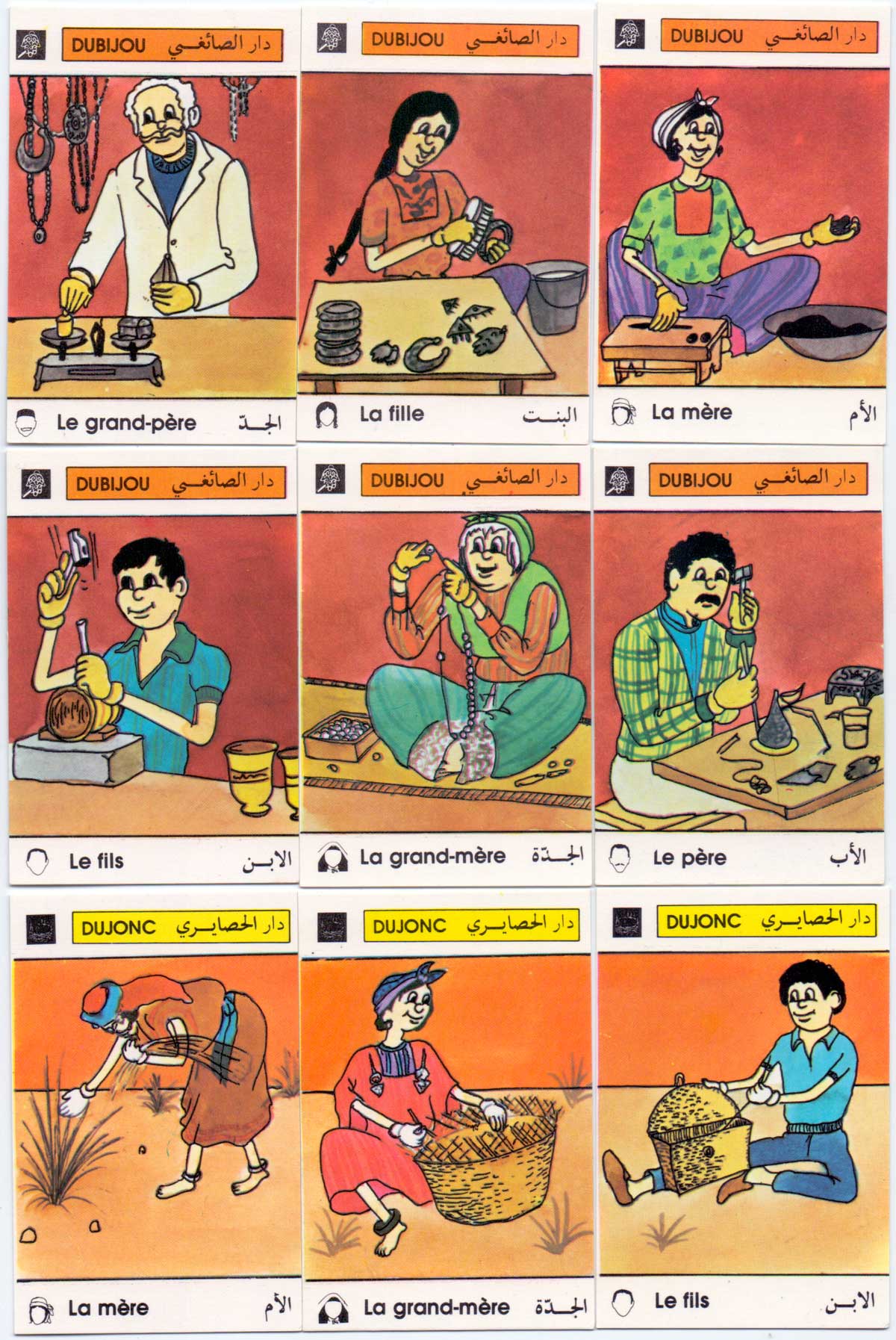
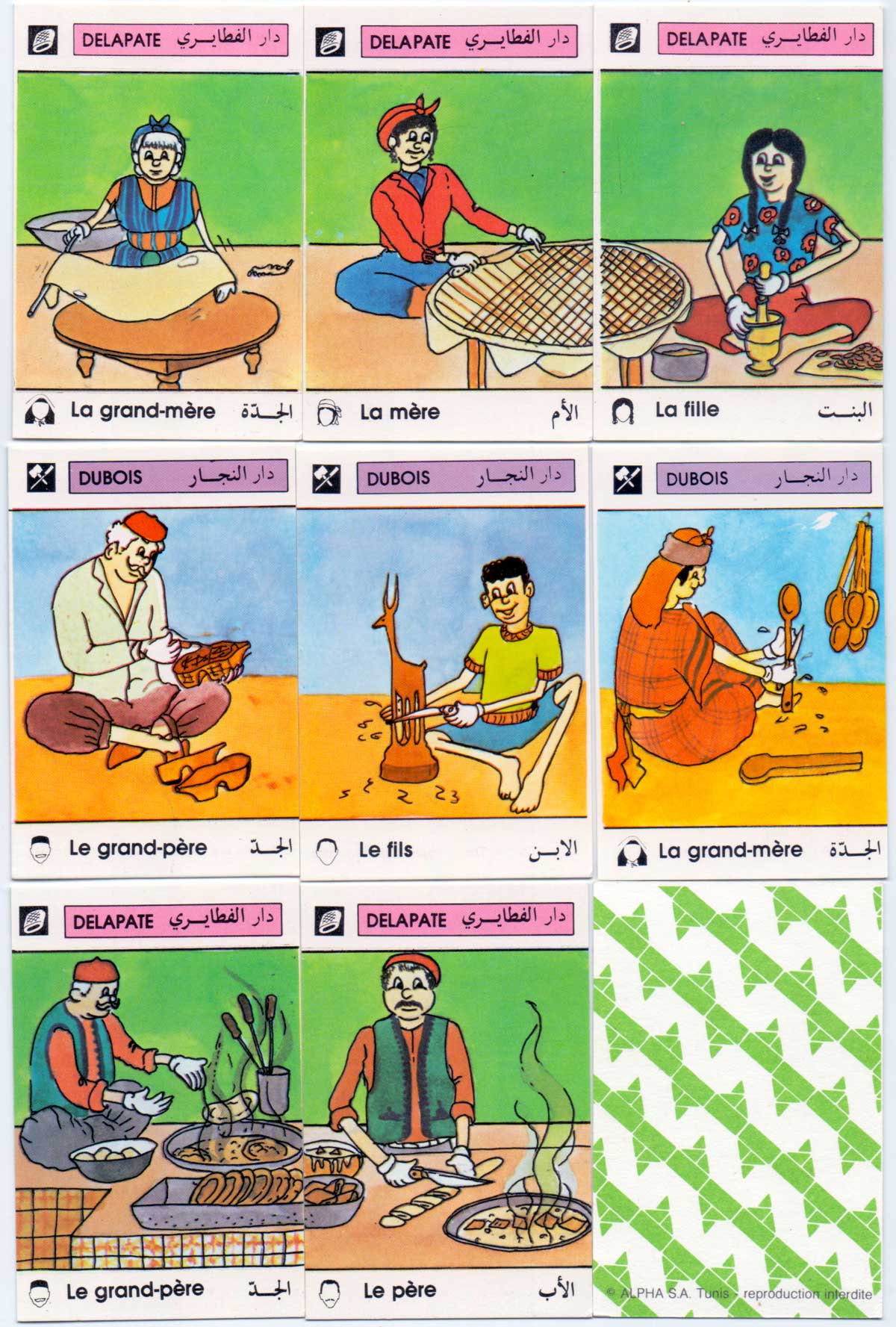
Above: “Les Artisans Tunisiens” Jeu de Sept Familles published by Éditions de la Mediterranée, Alpha S.A., Tunis, c.1980. 42 cards in box.

By Simon Wintle
Spain • Member since February 01, 1996
I am the founder of The World of Playing Cards (est. 1996), a website dedicated to the history, artistry and cultural significance of playing cards and tarot. Over the years I have researched various areas of the subject, acquired and traded collections and contributed as a committee member of the IPCS and graphics editor of The Playing-Card journal. Having lived in Chile, England, Wales, and now Spain, these experiences have shaped my work and passion for playing cards. Amongst my achievements is producing a limited-edition replica of a 17th-century English pack using woodblocks and stencils—a labour of love. Today, the World of Playing Cards is a global collaborative project, with my son Adam serving as the technical driving force behind its development. His innovative efforts have helped shape the site into the thriving hub it is today. You are warmly invited to become a contributor and share your enthusiasm.

Activity for Les Artisans Tunisiens
Sign in to comment or save this article.

Related Articles
Learning to play Cribbage
I learned to pay cribbage when I was very young, aged around six or seven.
Politically Incorrect Happy Families
A Happy Families set with many differences from a conventional one.
Gas Warm Homes
Gas Warm Homes Happy Families game published by British Gas, c.1980.
Familias de 7 Paises
“Familias de 7 Paises” card game published by Naipes H. Fournier S.A, Vitoria, 1979.
Happy Gas Families
Happy Gas Families published by British Gas, c.1985.
Trades People Happy Families
Happy Families card game depicting trades people from 1920s.
Casais Portugueses
Matching game by Majora, Lisbon, c.1970, featuring figures in national dress from Portuguese provinc...
Jeu des 7 Familles
Jeu des 7 Familles © K.F.S. Opera Mundi c.1960.
Happy Families of the World
Happy Families of the World published by Pepys Games, 1963.
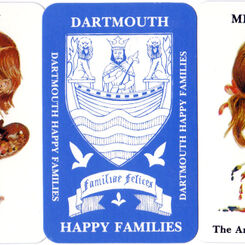
Dartmouth Happy Families
“Dartmouth Happy Families” printed by Tozer & Co, 1989 to raise funds for Dartmouth Swimming Pool.
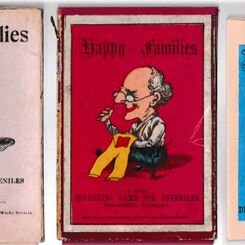
Spears Happy Families
Spears Happy Families.
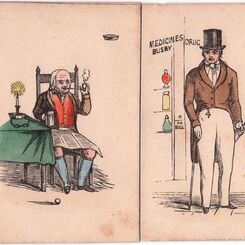
Doctor Busby
“Game of Doctor Busby“- anonymous manufacturer, c.1850.
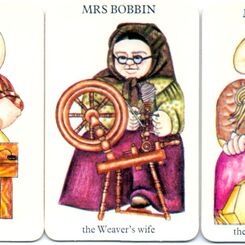
Country Craftsmen
“Country Craftsmen” Happy Families with illustrations by Mandy Hall, published for the National Trus...
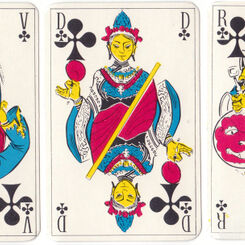
Jeu de Bataille
“Jeu de Bataille” card game published by Éditions Willeb, Paris. The court cards represent character...
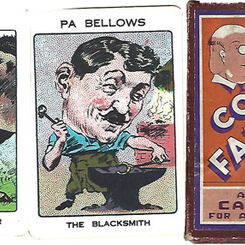
Comic Families
“Comic Families” card game from Australia, c.1940s
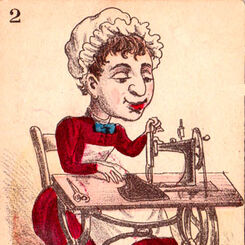
Mauclair Dacier Familles
This “Jeu de Sept Familles” was produced by Mauclair Dacier in the late 19th century.
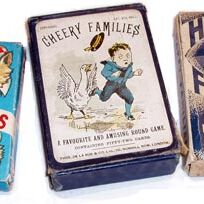
Happy Families
Happy Families is probably one of the most popular card games ever invented, with educational benefi...
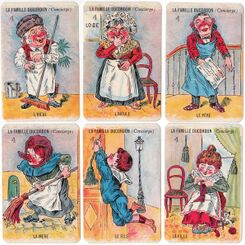
Jeu des 7 Familles by Miro Company
Jeu des 7 Familles by Miro Company, c.1960.
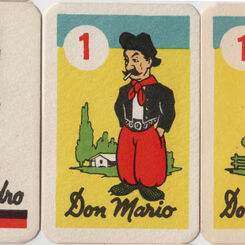
El Negrito Pedro, c.1950s
El Negrito Pedro, children’s card game, Buenos Aires, Argentina, c.1950s.
The History of Playing Cards
Playing cards appear in European records in the late 14th century, but their earlier history lies fu...
Most Popular
Our top articles from the past 60 days


