


Estate Playing Cards
Estate Playing Cards with five suits designed by Keith Wilson
Estate Playing Cards with five suits were designed by Keith Wilson as an augmented and modified deck of cards reflecting the modern world. The traditional royal courts (jack, queen and king) are replaced by a contemporary man and woman, called family cards. Each suit runs 2, 3, 4, 5, 6, 7, 8, 9, 10, Man, Woman, Ace. The suits, referred to as “Estates”, are hearts, diamonds, clubs, spades and waves which represent Church, Corporation, Community, Military and the Media. The resultant pack has 60 cards + 2 extra “Imperial” cards, the Pope and the President, which replace the joker.
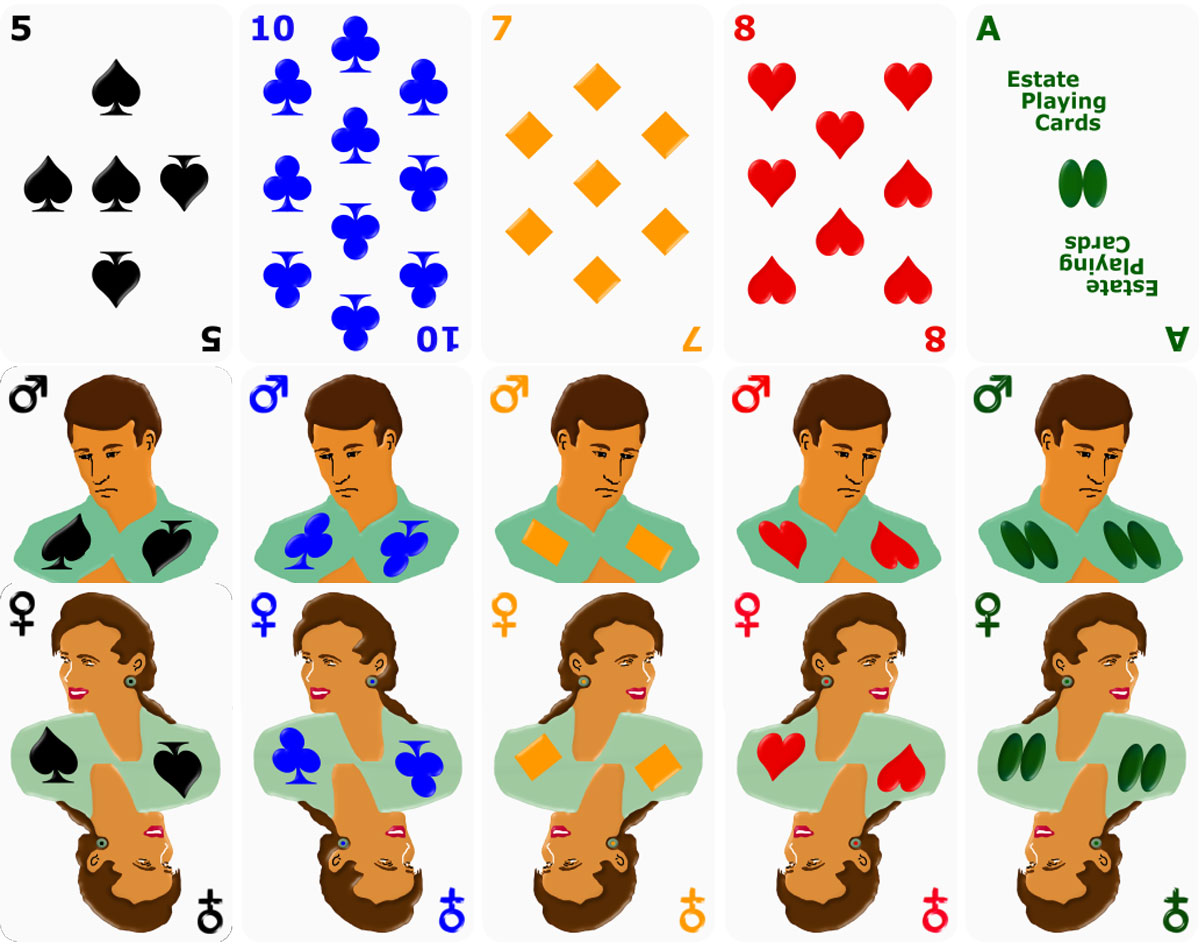
The fifth Estate, called Waves, represents signals put out by various media. The symbol is a graphic of a transmission wave. Most existing card games can be played with an estate deck. Some remain virtually unchanged while others require modifications. The family cards generally hold a value of ten, although in certain games Man may be eleven and Woman twelve. Aces are high or low usually with values of 11 or 1 respectively. In games such as 500 and Poker, estates from highest to lowest are Waves, Hearts, Diamonds, Clubs and Spades. In Bridge the estate order is Spades, Hearts, Waves, Diamonds, Clubs.
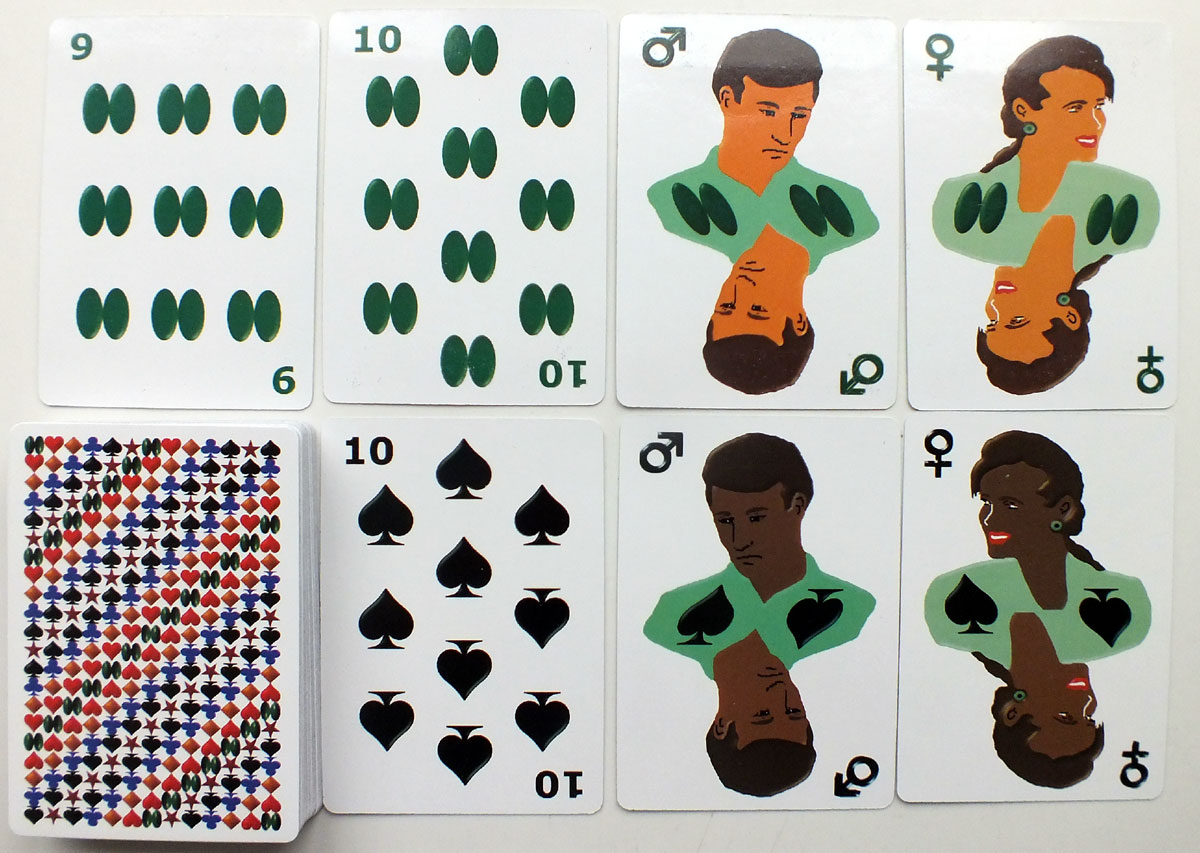
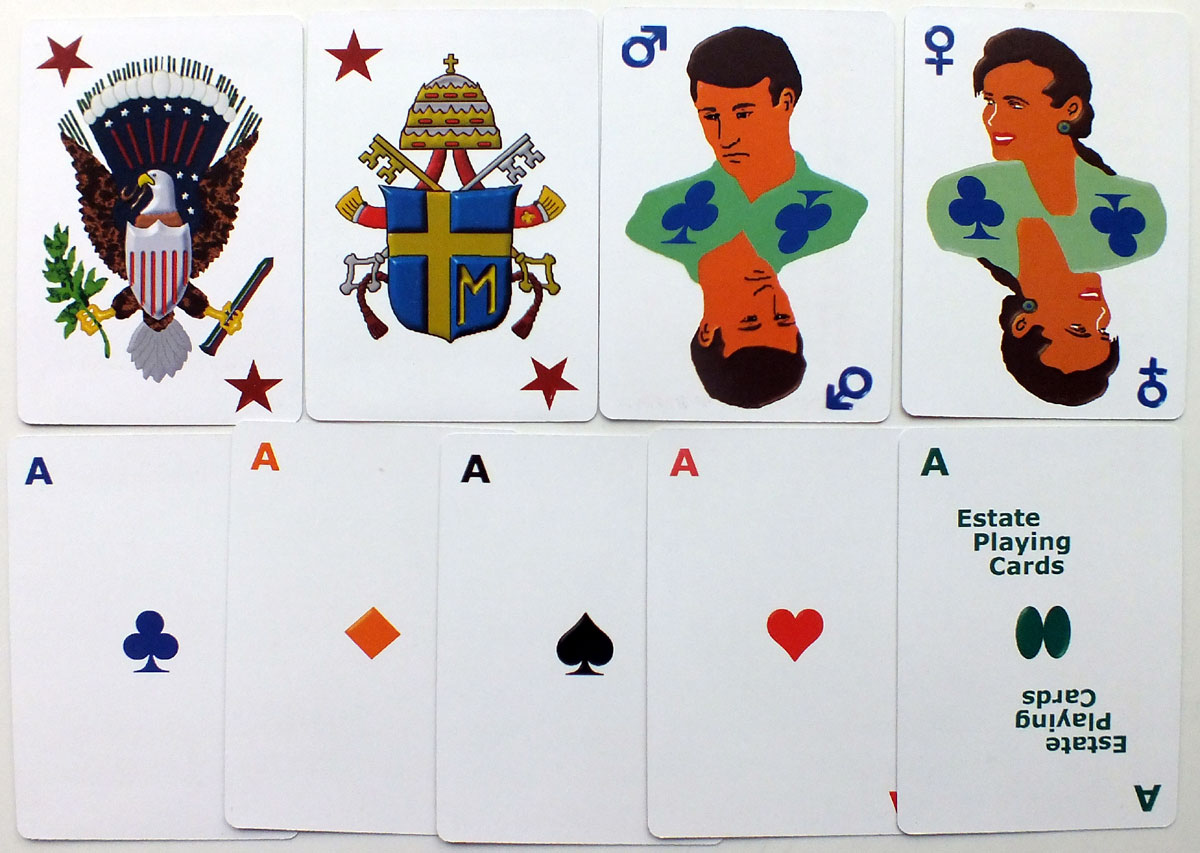
Above: Estate Playing Cards published by Vasey Corporation Pty Ltd Queensland Australia, 2006. Cards printed in India by The Ace Card Company [www.playingcardsindia.com]. 60 cards + 2 extra cards + leaflet in box.
REFERENCES
Estate Playing Cards website►

By Simon Wintle
Spain • Member since February 01, 1996
I am the founder of The World of Playing Cards (est. 1996), a website dedicated to the history, artistry and cultural significance of playing cards and tarot. Over the years I have researched various areas of the subject, acquired and traded collections and contributed as a committee member of the IPCS and graphics editor of The Playing-Card journal. Having lived in Chile, England, Wales, and now Spain, these experiences have shaped my work and passion for playing cards. Amongst my achievements is producing a limited-edition replica of a 17th-century English pack using woodblocks and stencils—a labour of love. Today, the World of Playing Cards is a global collaborative project, with my son Adam serving as the technical driving force behind its development. His innovative efforts have helped shape the site into the thriving hub it is today. You are warmly invited to become a contributor and share your enthusiasm.

Activity for Estate Playing Cards
Sign in to comment or save this article.

Related Articles
Balearic Souvenir Cards
Mediterranean Souvenir deck by Rioba Studio, Pollença, Mallorca.
Learning to play Cribbage
I learned to pay cribbage when I was very young, aged around six or seven.
Laughing Made Easy
a Victorian card game published by D. Ogilvy.
Schweizer Trachten
Schweizer Trachten No.174 (Costumes Suisses) by Dondorf.
Transformation Cards for Christmas
Hand-drawn Transformation cards, c.1870.
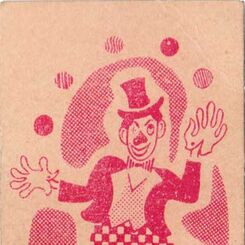
Chiefton Products Ltd
Chiefton Products Ltd, toy manufacturers, Pauls Road, Clifton, Bristol BS8 1QT.
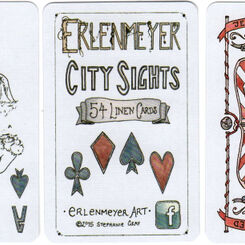
Erlenmeyer City Sights
Erlenmeyer City Sights hand-illustrated playing cards by Stephanie Gray, 2015.
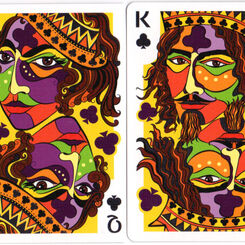
Vizaĝo playing cards
Vizaĝo playing cards created by Annette Abolins, 2017.
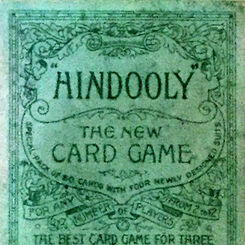
Hindooly
Hindooly published by Chas Goodall & Son Ltd with four newly designed suits, c.1904.
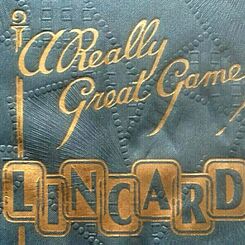
Lincard
“Lincard” card game invented by John William Wolf and patented in 1937.
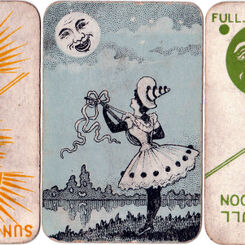
Sky
Sky card game published by Geo. Wright & Co, London, c.1905.
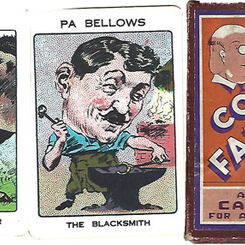
Comic Families
“Comic Families” card game from Australia, c.1940s
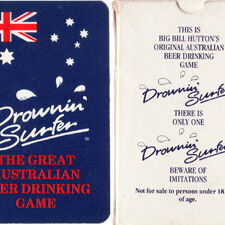
Drownin’ Surfer
Drownin’ Surfer card game
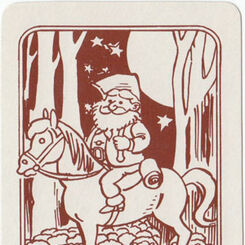
Drover’s Dilemma
“Drover’s Dilemma” - a card game from Australia.
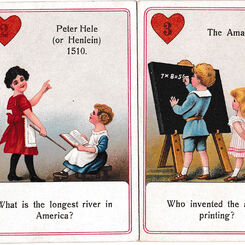
Who Knows?
Who Knows? game of questions and answers produced by Adolf Sala Games, Berlin, c.1900.
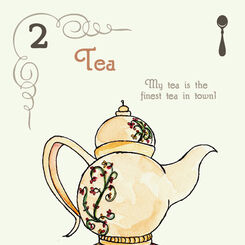
Elevenses
Elevenses is a card game in which respectable 1920s socialites strive to serve the finest morning te...
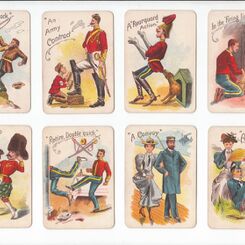
4: Some Card Games
Yet another strand of the playing card world is that of card games, packs of cards usually designed ...
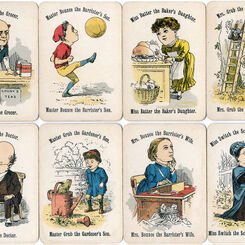
Cheery Families, c.1893
Cheery Families card game designed by Richard Doyle and printed by De La Rue & Co., Ltd, c.1893
The History of Playing Cards
Playing cards appear in European records in the late 14th century, but their earlier history lies fu...

Queen of Hearts
“Queen of Hearts” by Josie Callipari, winner of the Brian Tucker Accounting Desert Fantasia Award 20...
Most Popular
Our top articles from the past 60 days


