


Rococo Playing Cards
Piatnik’s Rococo style playing cards issued as “Rococo Patience”, “Luxus-Patience”, “Empire Patience”, “White Horse Patience”, “Patience-Whist No.140” and “Mini Patience”
Rococo period style is one of the most popular with playing card designers and manufacturers over the years, with lavish embroidered costumes and white, powdered wigs and tricorne hats. These particular designs have been published by Piatnik with decorative aces in several formats since around 1914, including “Rococo Patience”, “Luxus-Patience”, “Empire Patience”, “White Horse Patience” then as “Patience-Whist No.140”, and “Mini Patience”.
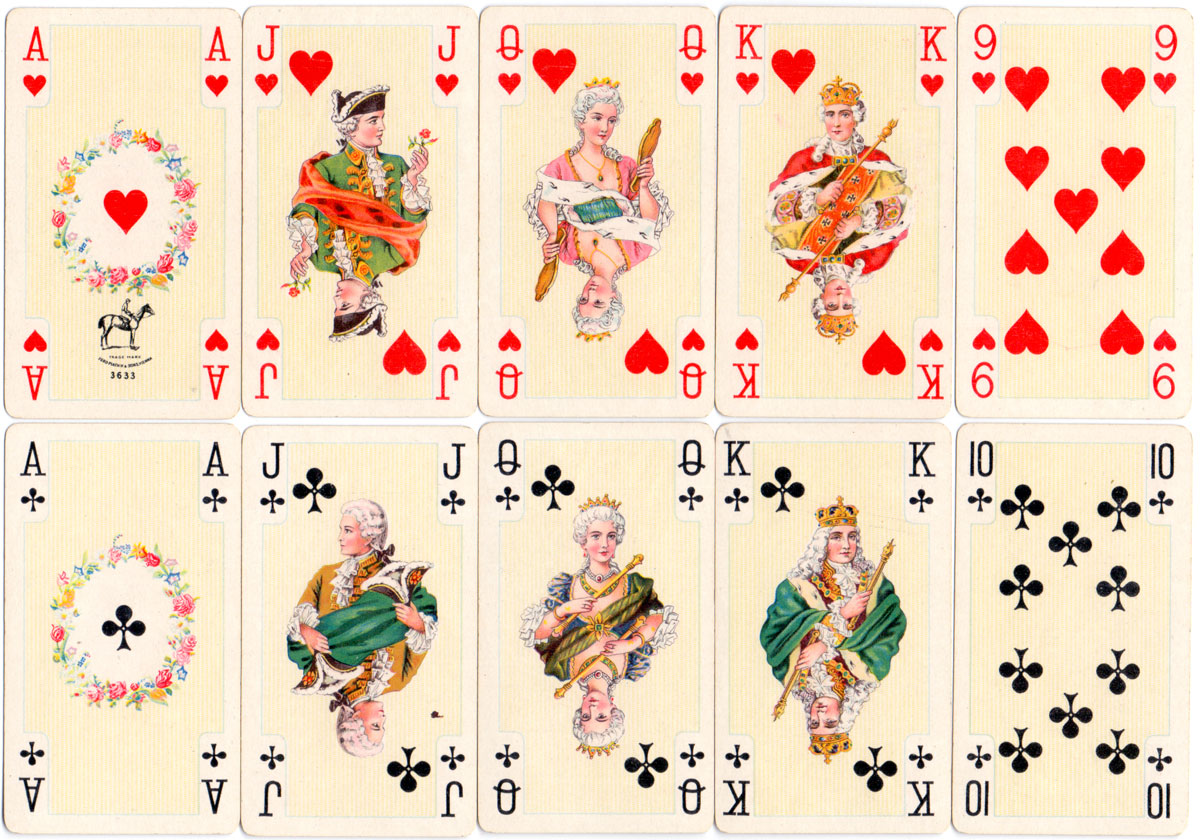
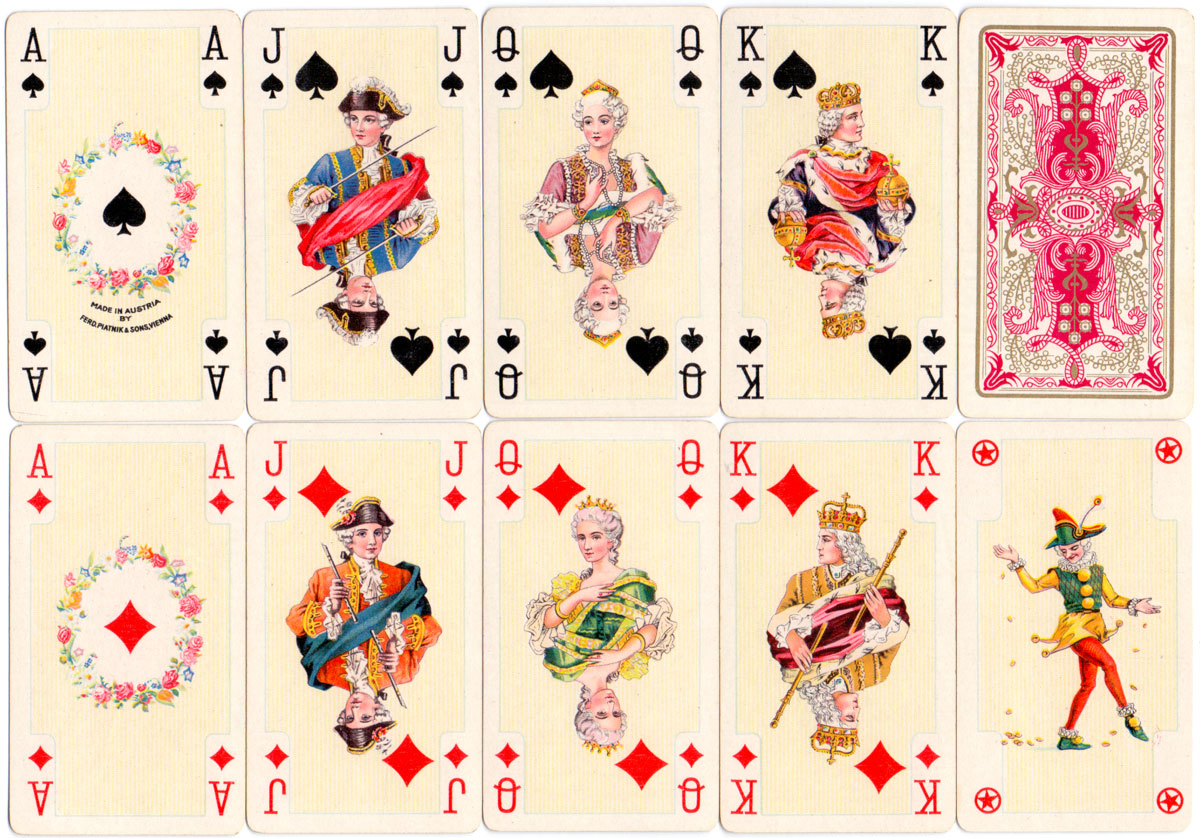
Above: Piatnik’s "Lady" slim sized playing cards with attractive historical courts imported into UK by Benno Products, 1950s. 52 cards + 2 jokers in box. These were normal-length cards but narrow (or slim), intended for use by ladies who tend to have smaller hands than men.
“White Horse Patience No.2018”
The cards were also repackaged as: “White Horse Patience No.2018” during the late 1970s.
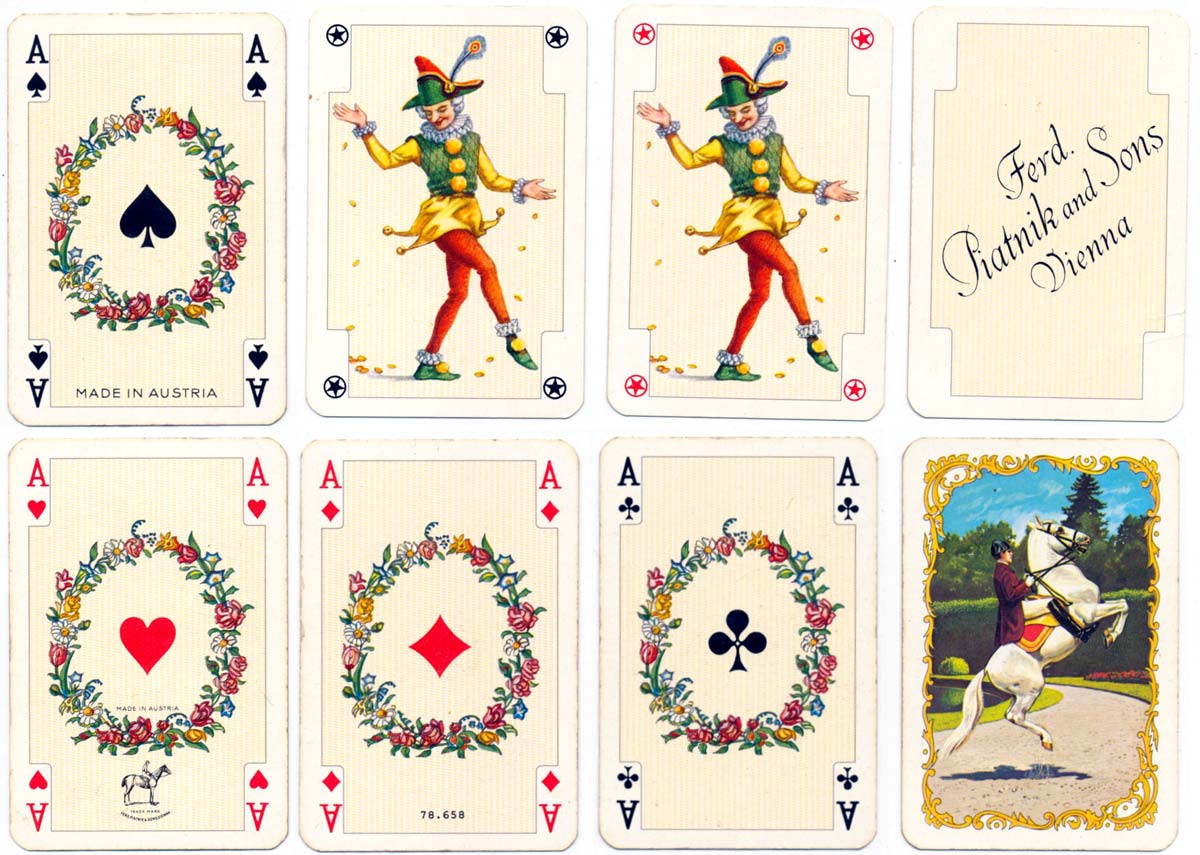
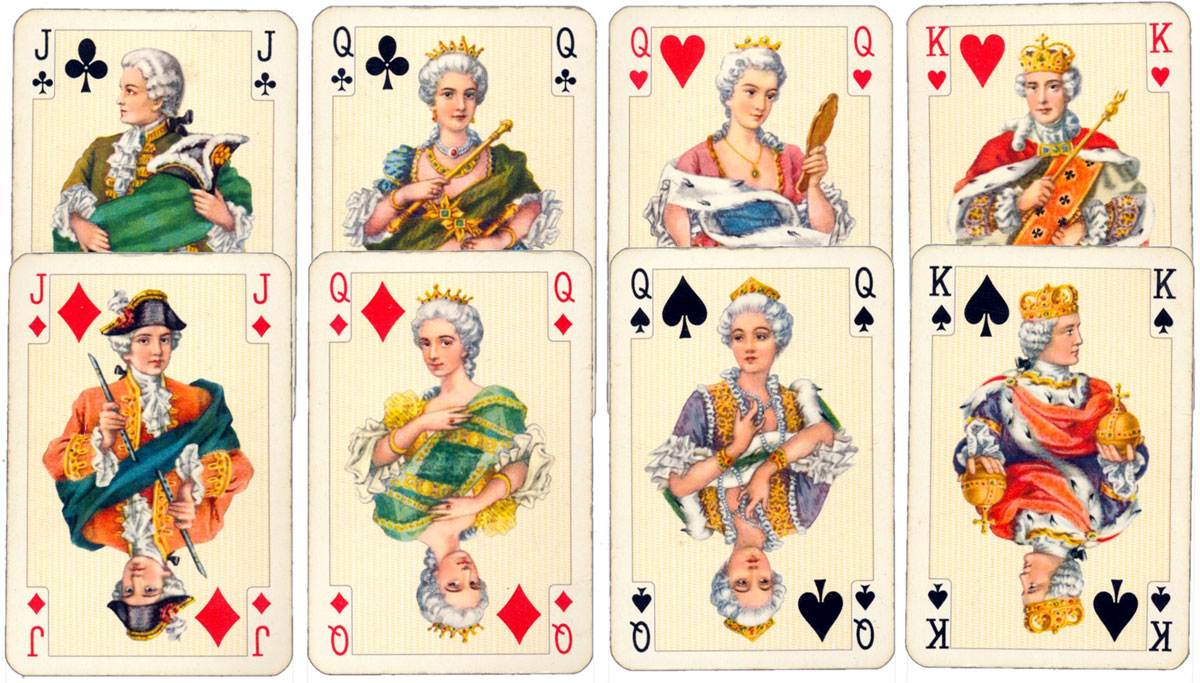
Above: Piatnik's "White Horse Patience" No 2018 using the same face designs but with different style of indices and Lipizzaner horses on the reverse. Each deck has 52 cards + 3 jokers + extra card. Unusually, the date code is printed on the ace of diamonds rather than the ace of hearts. Images courtesy Matt Probert.
“Empire Patience”
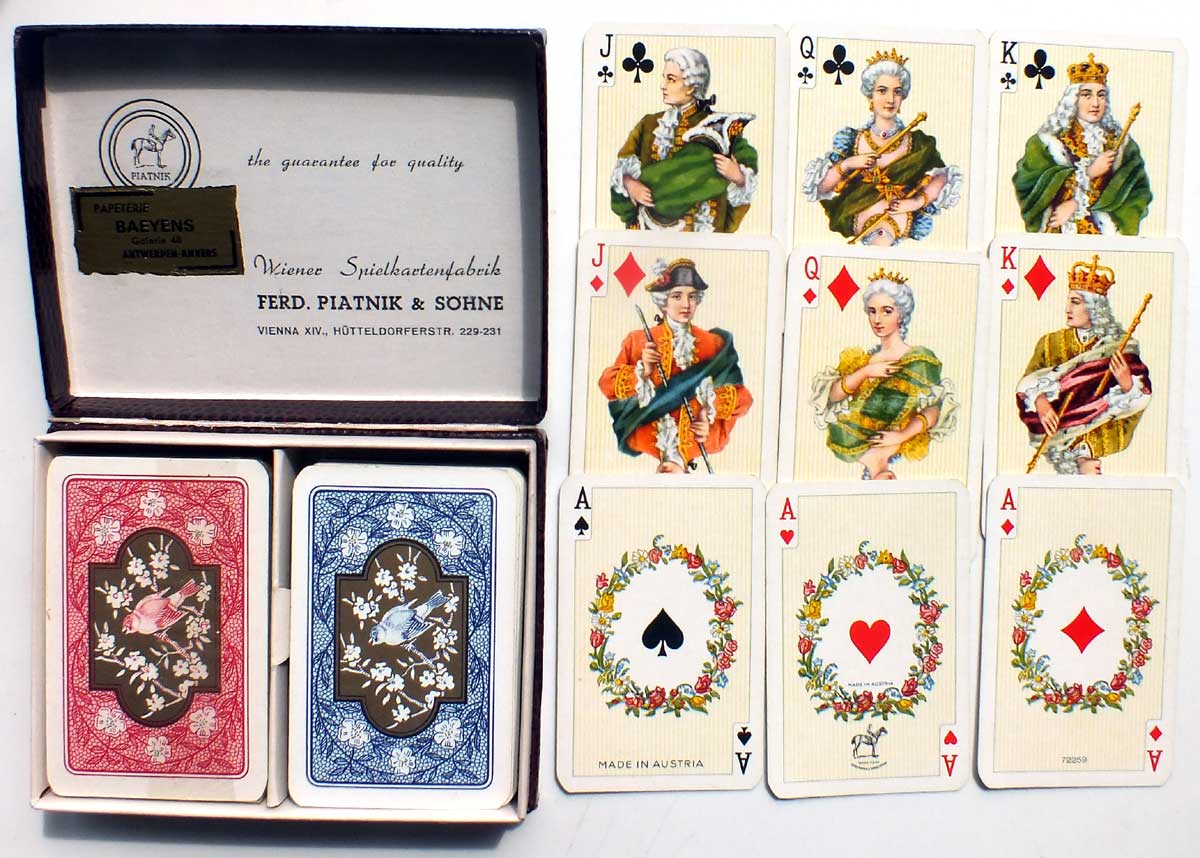
Above: Piatnik’s patience sized playing cards, 1970s. 2 x [52 cards + 3 jokers] in box. The box doesn't give any brand name, just "Piatnik Wien" but is was imported by a Belgian stationer called Baeyens, Galerie 48, Antwerp whose sticker is inside the lid. Courtesy Lotte Wintle and Francis Bevers.

By Matt Probert
United Kingdom • Member since March 02, 2012
I have adored playing cards since before I was seven years old, and was brought up on packs of Waddington's No 1. As a child I was fascinated by the pictures of the court cards.
Over the next fifty years I was seduced by the artwork in Piatnik's packs and became a collector of playing cards.
Seeking more information about various unidentified packs I discovered the World of Playing Cards website and became an enthusiastic contributor researching and documenting different packs of cards.
I describe my self as a playing card archaeologist, using detective work to identify and date obscure packs of cards discovered in old houses, flea markets and car boot sales.

Activity for Rococo Playing Cards
Sign in to comment or save this article.

Related Articles
Arik Brauer
An artist-led pack from Vienna’s Hilger Edition, with Arik Brauer’s fantasy imagery turned into card...
Patience-Whist No. 140 by Piatnik
A Small Connection Between Austria, Denmark, and Czechoslovakia.
Patience by Joseph Glanz
A refined and distinctly European Patience pack by Joseph Glanz from Austria.
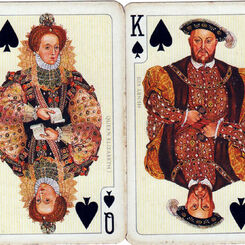
Mary Queen of Scots
Mary Queen of Scots and other Tudor period dignitaries, published by Piatnik, 1990.
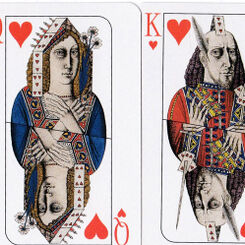
Cosmopolitan № 2121 playing cards
“Cosmopolitan” № 2121 playing cards designed by Russian artist Valeri Mishin, 1996
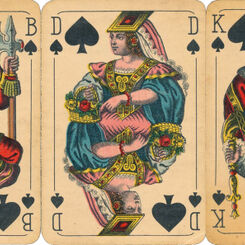
Vienna (ex-Lyon) pattern
‘Vienna pattern’ derived from archaic Lyon pattern by Ferd Piatnik & Söhne A.G., c.1926-1934.
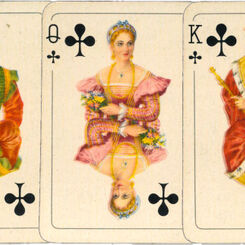
Piccadilly Patience
Piccadilly Patience by Piatnik, c.1955
Baroque No.2118
“Baroque” by Ferd Piatnik & Sons, Vienna, reflecting a bygone era of fashion.
Rococo No. 2130
Piatnik: Rococo No. 2130 playing cards designed by Prof. Kuno Hock, c.1975
Blue Playing Cards
“Blue Playing Cards” by Piatnik, 1960s, inspired by the Cubism art movement in which objects are ana...
Shakespeare by Piatnik
‘Shakespeare’ playing cards by Piatnik designed by the British actor Donald Burton.
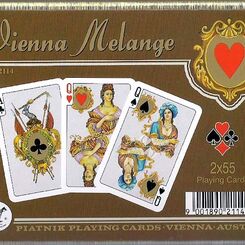
Vienna Melange
“Vienna Melange” Playing Cards by Piatnik with a historical feel representing the four races that ma...
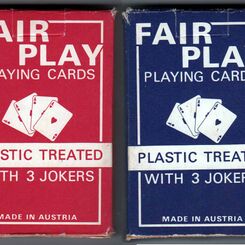
Fair Play
Fair Play budget brand by Piatnik first appeared c.1950 before disappearing in c.1990.
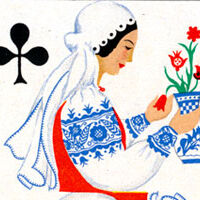
Matyó-Bridge No.50
The court cards in this delightful Art Deco pack represent persons in various colourfully embroidere...
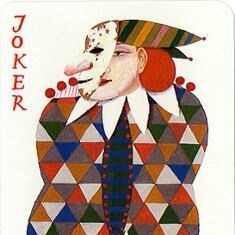
Karl Korab (Ed. Hilger)
Karl Korab was born in 1937 in Falkenstein (Lower Austria), the son of a forester. As a child he exp...
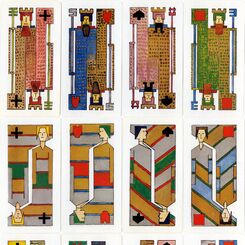
Arnold Schönberg
In around 1909 he created three sets of playing cards. His inventiveness was driven by a passion for...
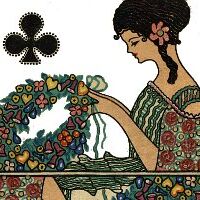
Waisenfond
Intended to attract donations on behalf of the Imperial Royal Austrian Military Widows’ and Orphans’...
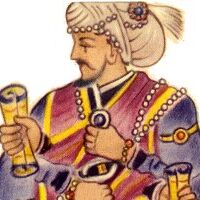
Cashmere
Bernhard Altmann is from the “The House of Cashmere” and these playing cards honour their best known...
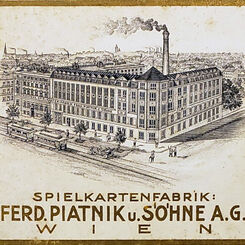
Ferd. Piatnik & Söhne
Ferdinand Piatnik was born in Ofen on October 14, 1819.
The History of Playing Cards
Playing cards appear in European records in the late 14th century, but their earlier history lies fu...
Most Popular
Our top articles from the past 60 days


Stephen Scharber
07 March 2026, 04:18SavedSaved this article to Stephen Scharber's Collection
Glo Lexa
28 April 2026, 00:18SavedSaved this article to Glo Lexa's Collection