


Baroque No.2118
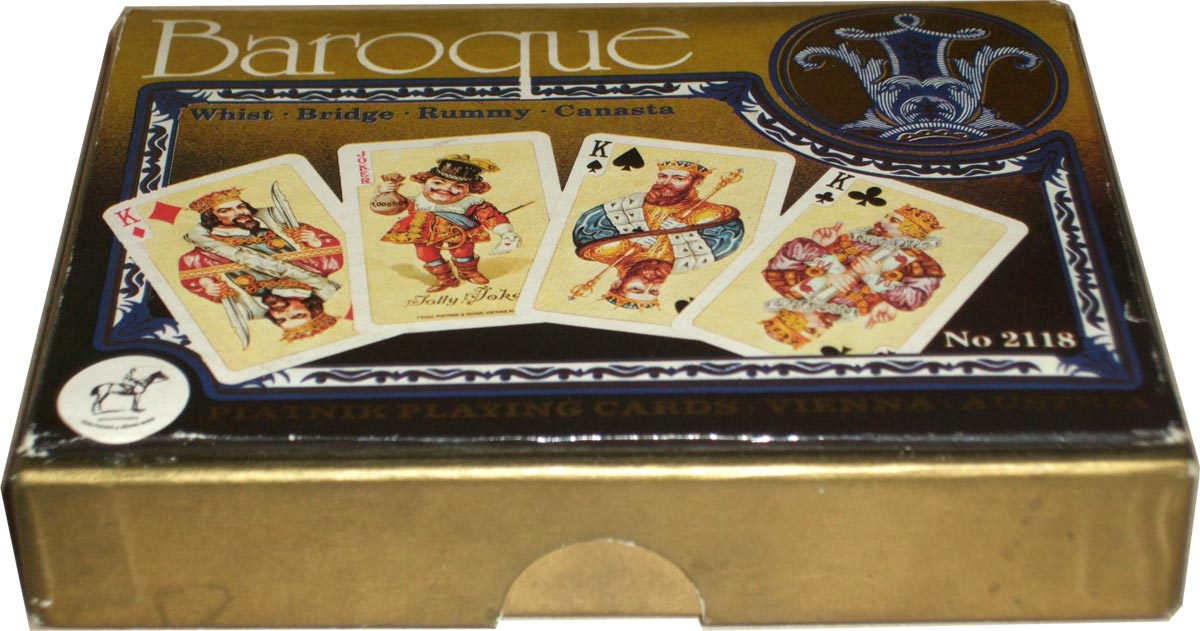
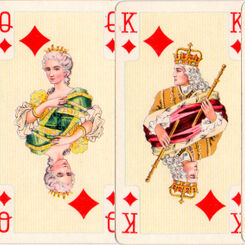
“Baroque” by Ferd Piatnik & Sons, Vienna, reflecting a bygone era of fashion.
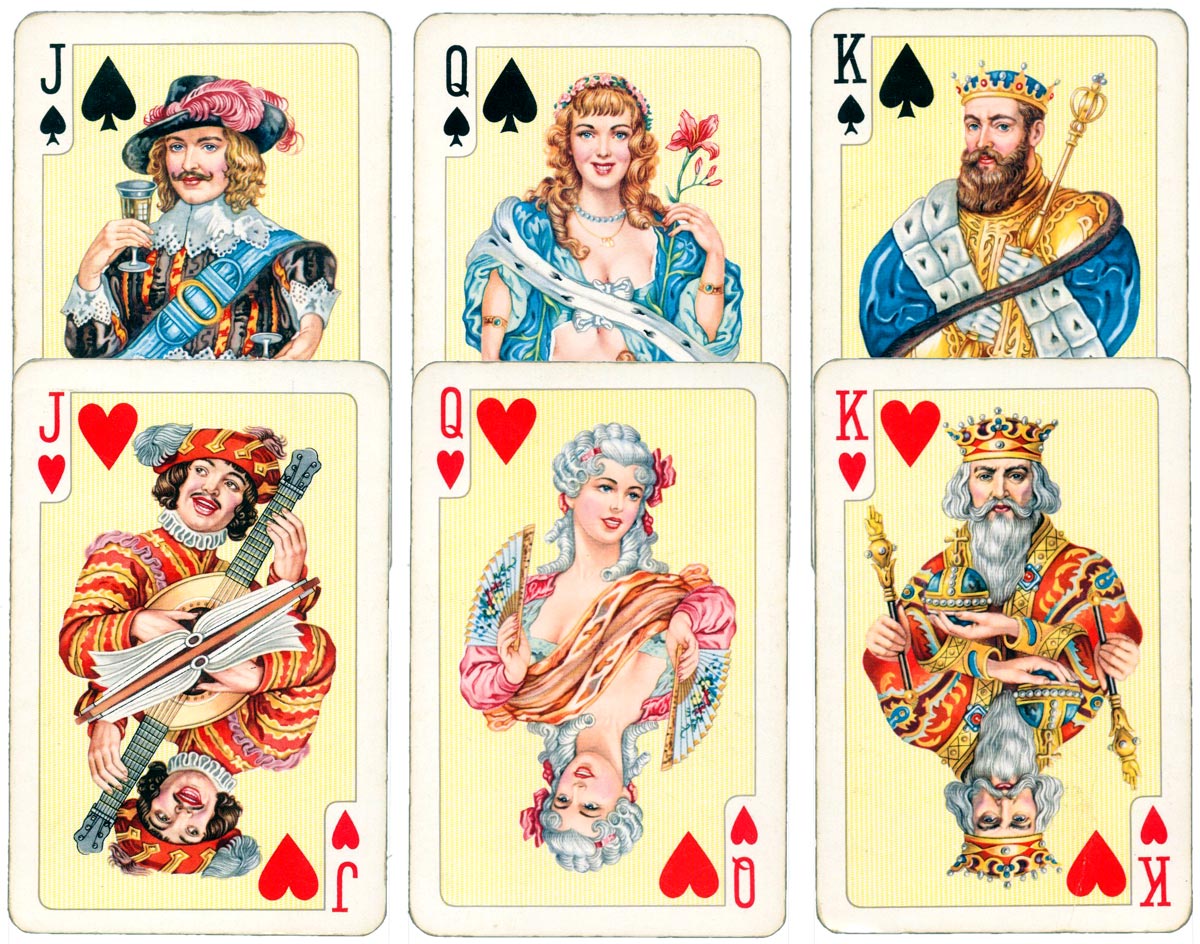
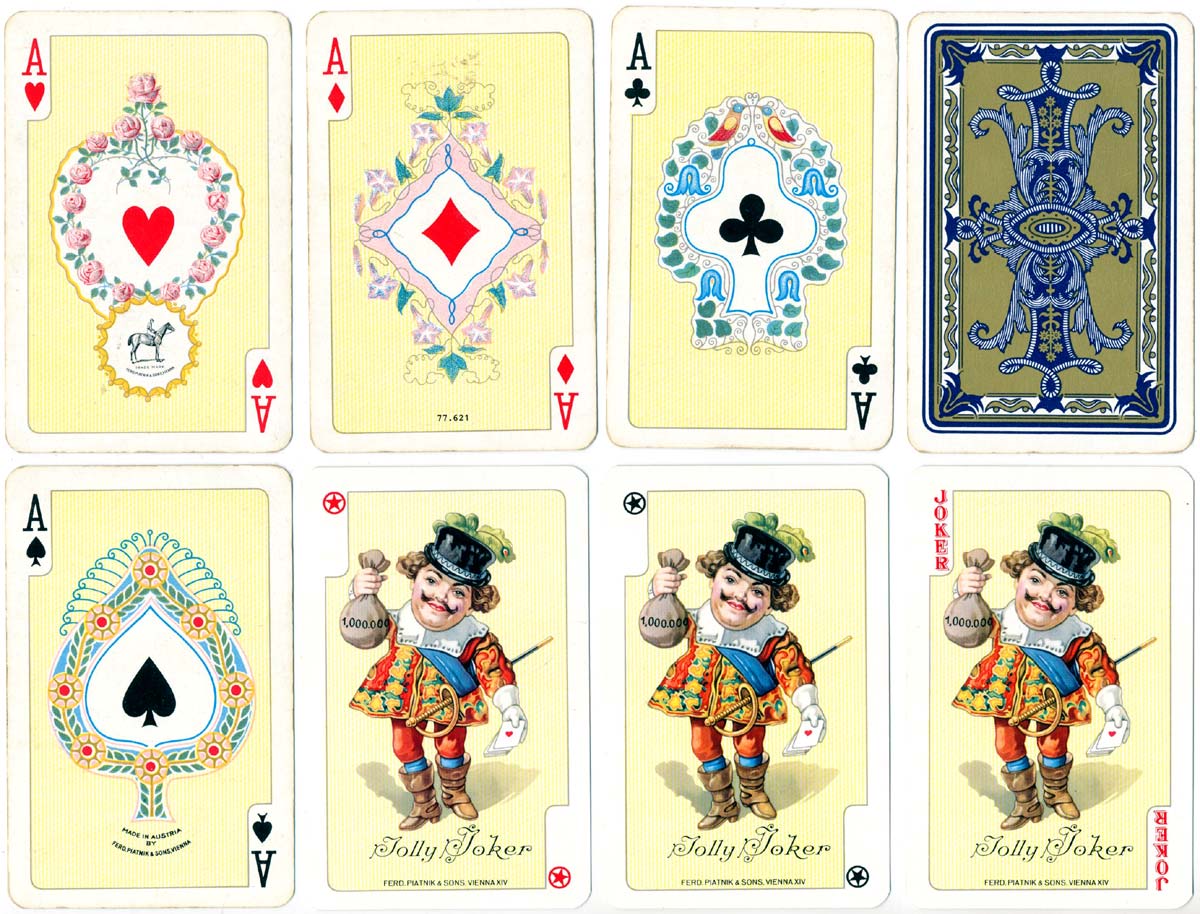
Colourful “Baroque” costume deck by Ferd Piatnik & Sons, Vienna, c.1928, reflecting a bygone era of fashion.
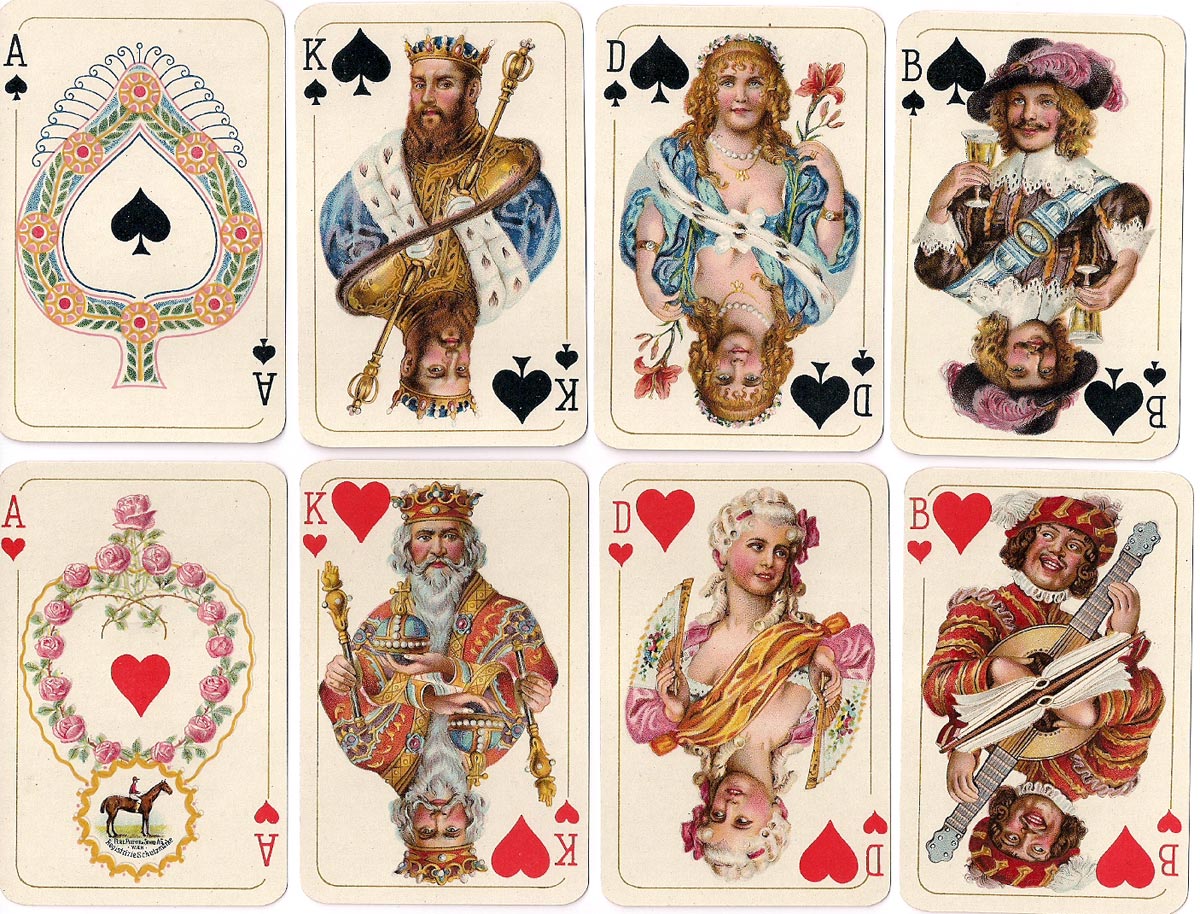
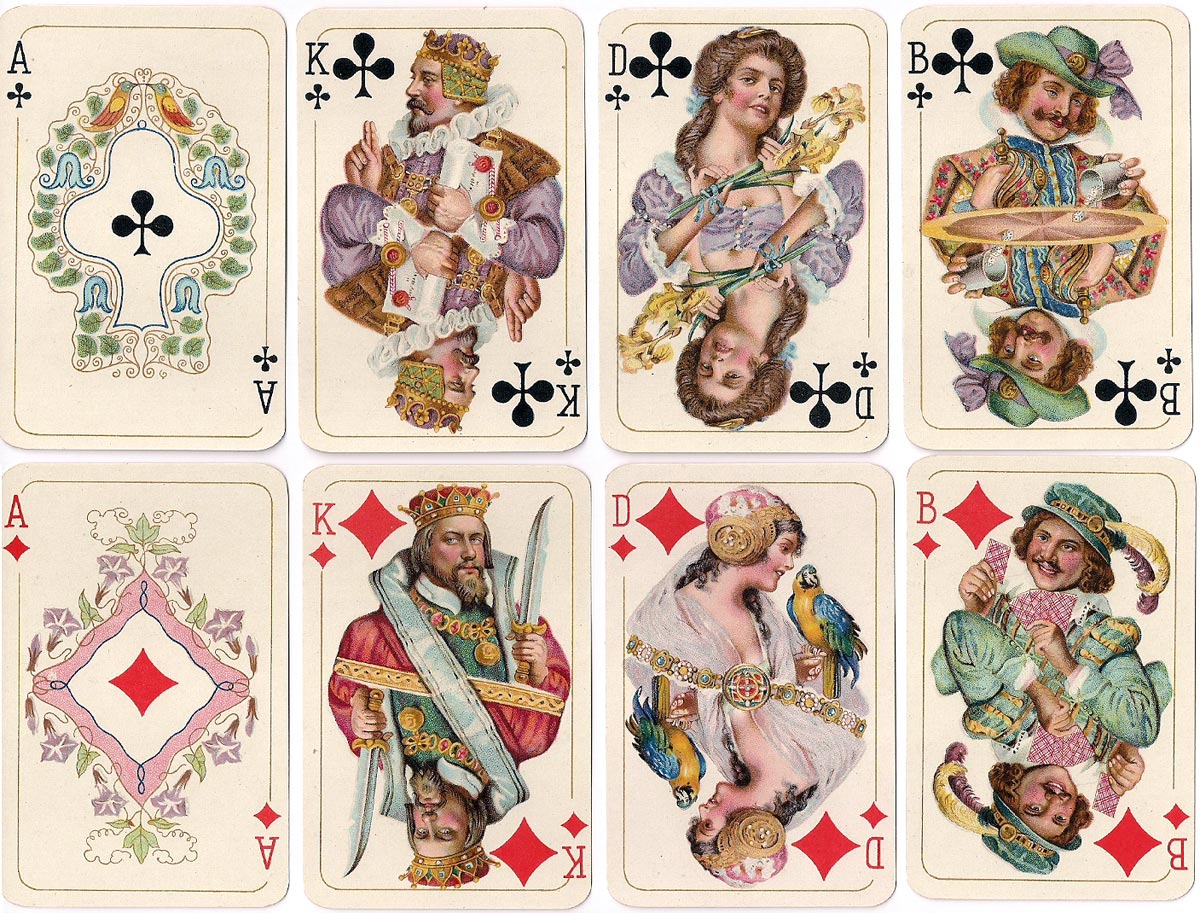
Above: “Baroque” printed in chromolithography by Ferd Piatnik & Sons, Vienna, c.1928. Images courtesy Rod Starling.
The deck appears to have enjoyed great popularity. It is believed to have been first issued in 1895. There have been at least three later issues, and subsequent reprints, in poker and bridge formats, with various types of indices. Some of these carry different date or production codes as Piatnik started printing the order number, generally on the ace of hearts, but sometimes on the ace of diamonds after c.1950. Differences of detail can be seen in the designs, possibly due to new printing technology (chromolithography, offeset litho, etc) being used over the years.
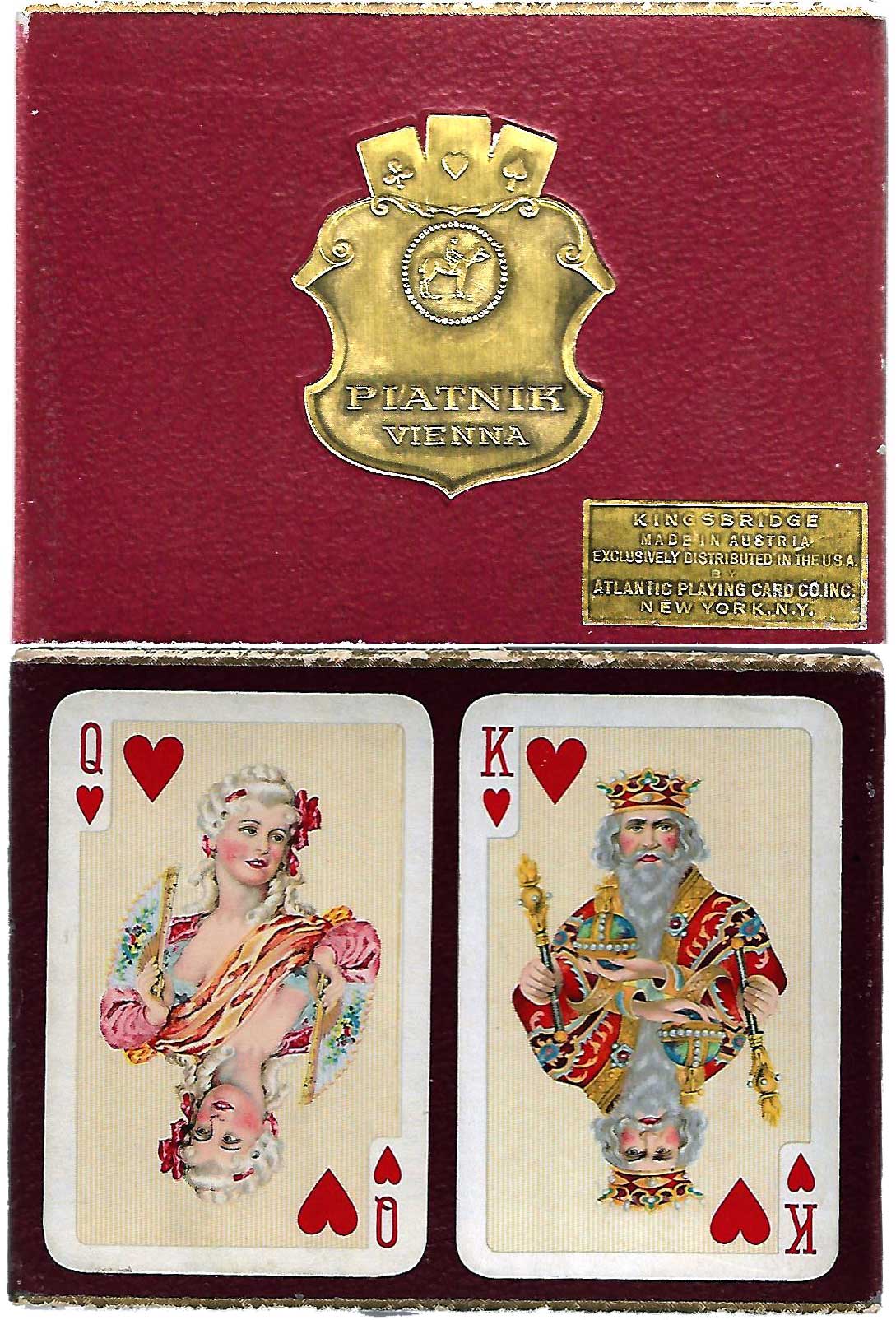
Above: “Baroque” by Ferd Piatnik & Sons, Vienna, in Bridge size, c.1950. This edition was distributed in USA by the Atlantic Playing Card Co., N.Y. (click to zoom).
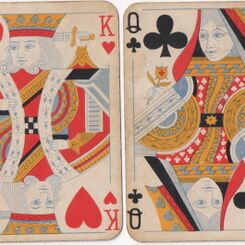
Shown below is a later edition of “Baroque” No.2118 by Ferd Piatnik & Sons, Vienna, 1977 in which the four Queens in particular show noteable differences.
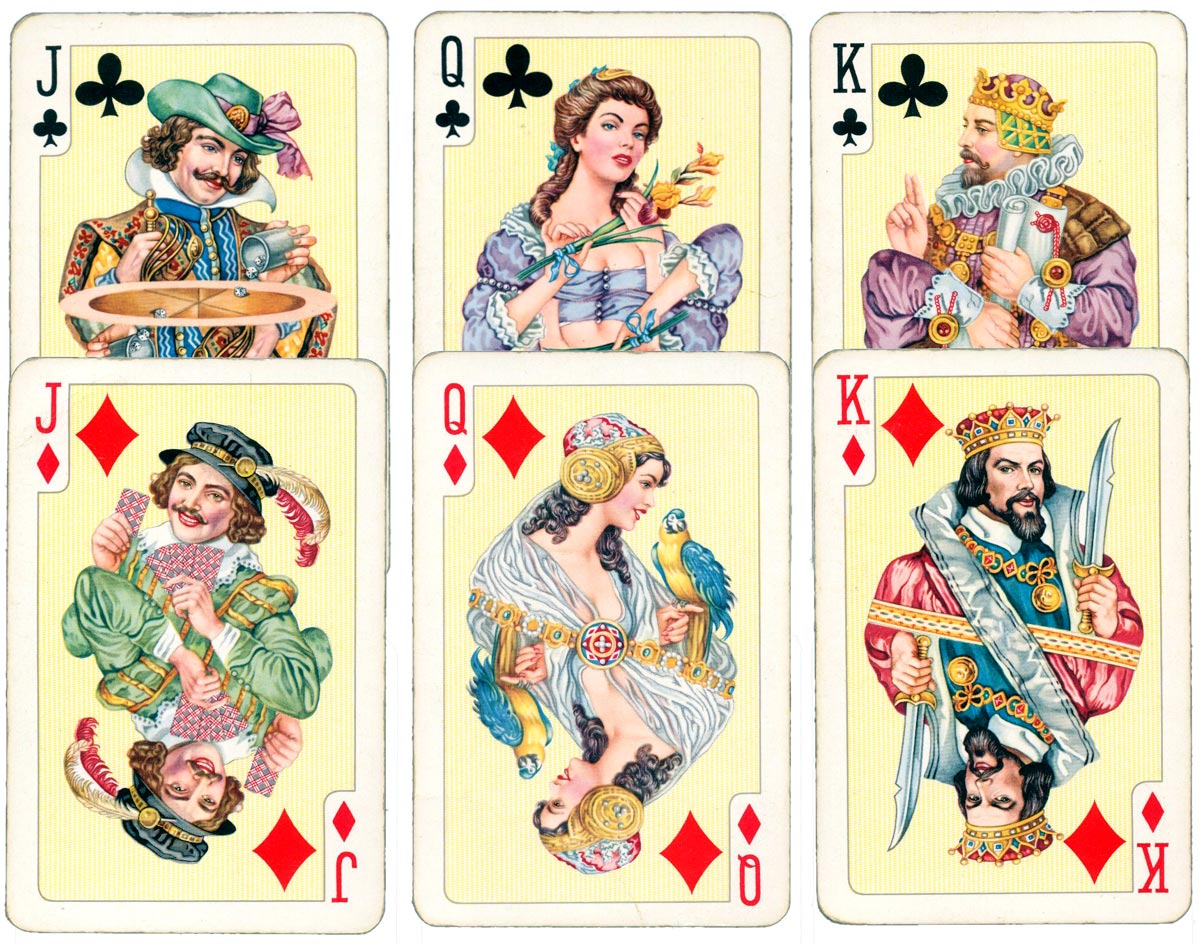
Above: “Baroque” No.2118 by Ferd Piatnik & Sons, Vienna, 1977. Blue or red backs, 3 jokers in each pack. Images and additional research courtesy Matt Probert.

By Rod Starling (1936-2023)
United States • Member since January 09, 2013
Rod Starling was one of the founding members of the 52 Plus Joker card collectors club. He authored many articles for the club's quarterly newsletter, Clear the Decks. His collection encompasses both foreign and American decks. Rod also authored a book titled The Art and Pleasures of Playing Cards.

Activity for Baroque No.2118
Sign in to comment or save this article.

Related Articles
Arik Brauer
An artist-led pack from Vienna’s Hilger Edition, with Arik Brauer’s fantasy imagery turned into card...
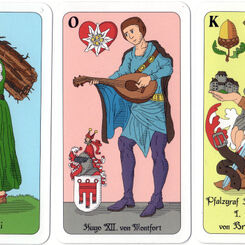
Vorarlberg Büschel Jasskarten
“Vorarlberg Büschel Jasskarten” designed by Austrian artist and typographer Konrad Hämmerle.
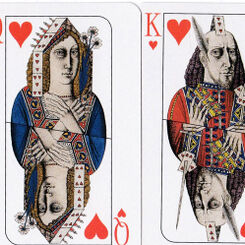
Cosmopolitan № 2121 playing cards
“Cosmopolitan” № 2121 playing cards designed by Russian artist Valeri Mishin, 1996
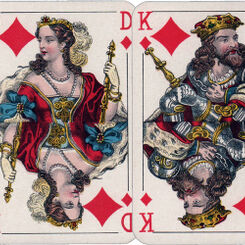
Piatnik No.97
Non-standard French-suited cards published by Ferd Piatnik & Sõhne, Vienna, c.1940s.
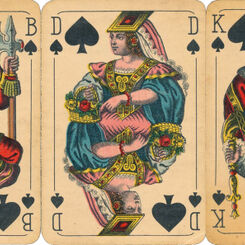
Vienna (ex-Lyon) pattern
‘Vienna pattern’ derived from archaic Lyon pattern by Ferd Piatnik & Söhne A.G., c.1926-1934.
Rococo Playing Cards
Piatnik’s Rococo style playing cards issued as “Rococo Patience”, “Luxus-Patience”, “Empire Patience...
48: Ferdinand Piatnik & Sons
Ferd. Piatnik produced a very large range of cards with many different standard and non-standard pat...
Popular No.257
Piatnik’s “Popular Playing Cards” No.257
Salzburger Pattern
Salzburger pattern by Ferd. Piatnik & Söhne, Vienna
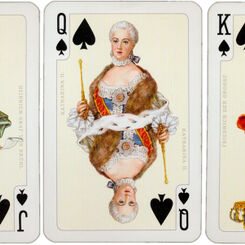
Rococo No. 2130
Piatnik: Rococo No. 2130 playing cards designed by Prof. Kuno Hock, c.1975
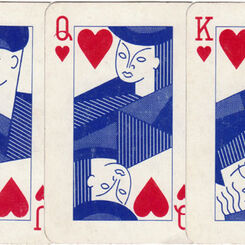
Blue Playing Cards
“Blue Playing Cards” by Piatnik, 1960s, inspired by the Cubism art movement in which objects are ana...
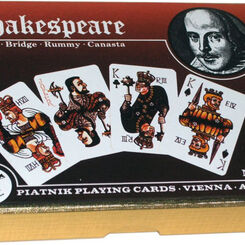
Shakespeare by Piatnik
‘Shakespeare’ playing cards by Piatnik designed by the British actor Donald Burton.
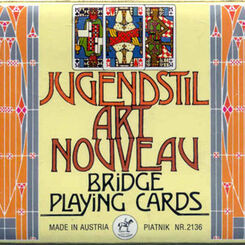
Jugendstil Art Nouveau Bridge
“Jugendstil Art Nouveau” Bridge Nr.2136 published by Piatnik, 1980.
Vienna Melange
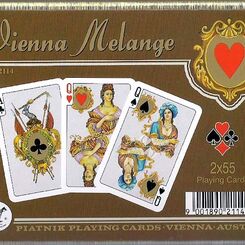
“Vienna Melange” Playing Cards by Piatnik with a historical feel representing the four races that ma...
Löschenkohl’s Botanical Playing Cards
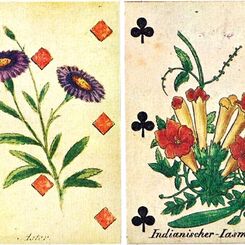
Löschenkohl produced a second copper engraved deck, the Botanical Playing Cards, in 1806. This deck,...
Karl Korab (Ed. Hilger)
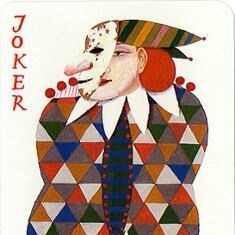
Karl Korab was born in 1937 in Falkenstein (Lower Austria), the son of a forester. As a child he exp...
Waisenfond
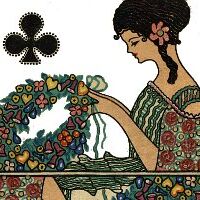
Intended to attract donations on behalf of the Imperial Royal Austrian Military Widows’ and Orphans’...

Cashmere
Bernhard Altmann is from the “The House of Cashmere” and these playing cards honour their best known...
Ferd. Piatnik & Söhne
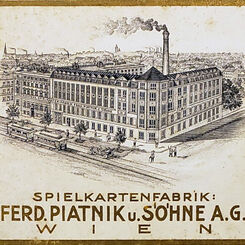
Ferdinand Piatnik was born in Ofen on October 14, 1819.
The History of Playing Cards
Playing cards appear in European records in the late 14th century, but their earlier history lies fu...
Most Popular
Our top articles from the past 60 days


