


Österreichisches Trachten-quartett
Österreichisches Trachten-quartett Nr.282 published by Ferd Piatnik & Söhne.
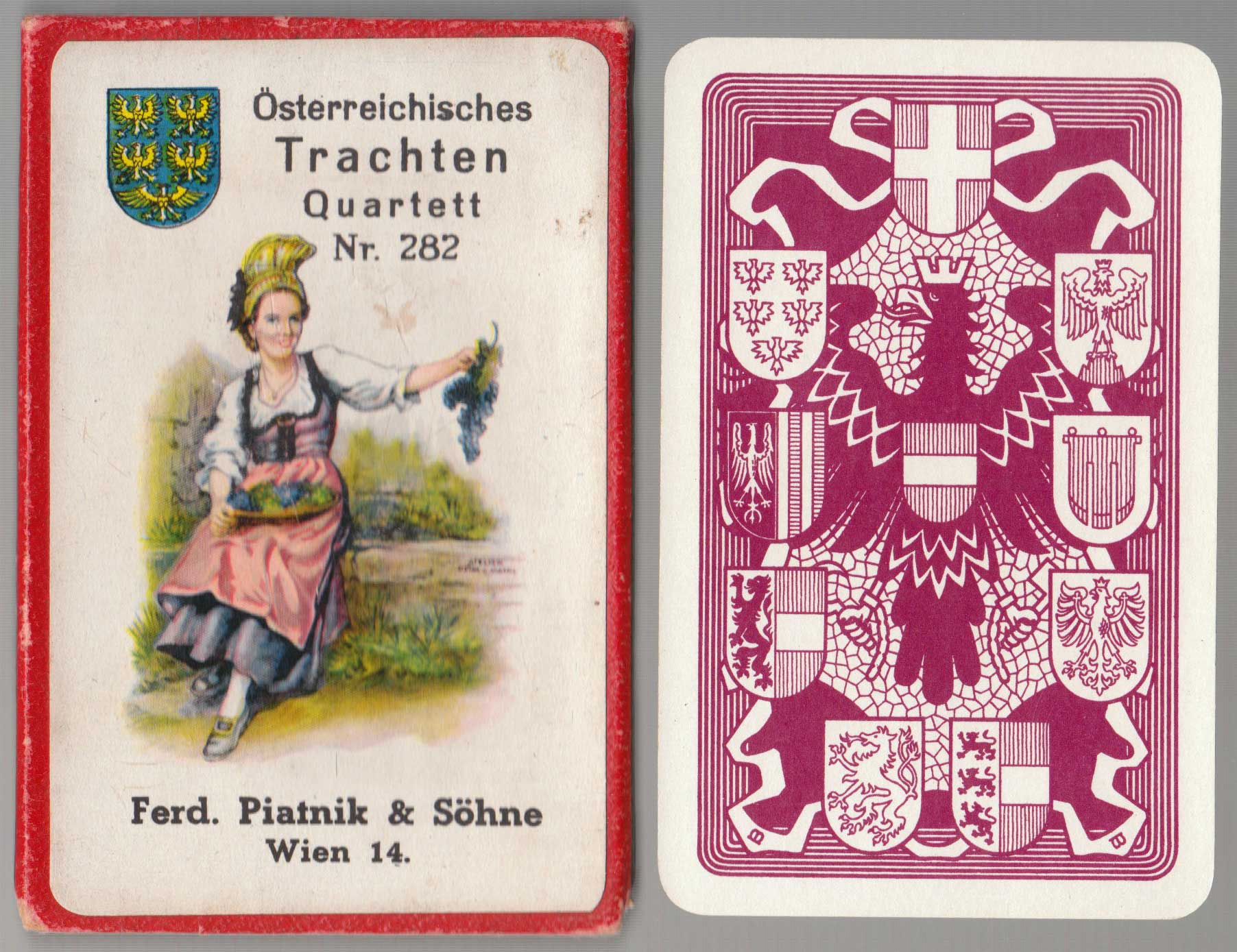
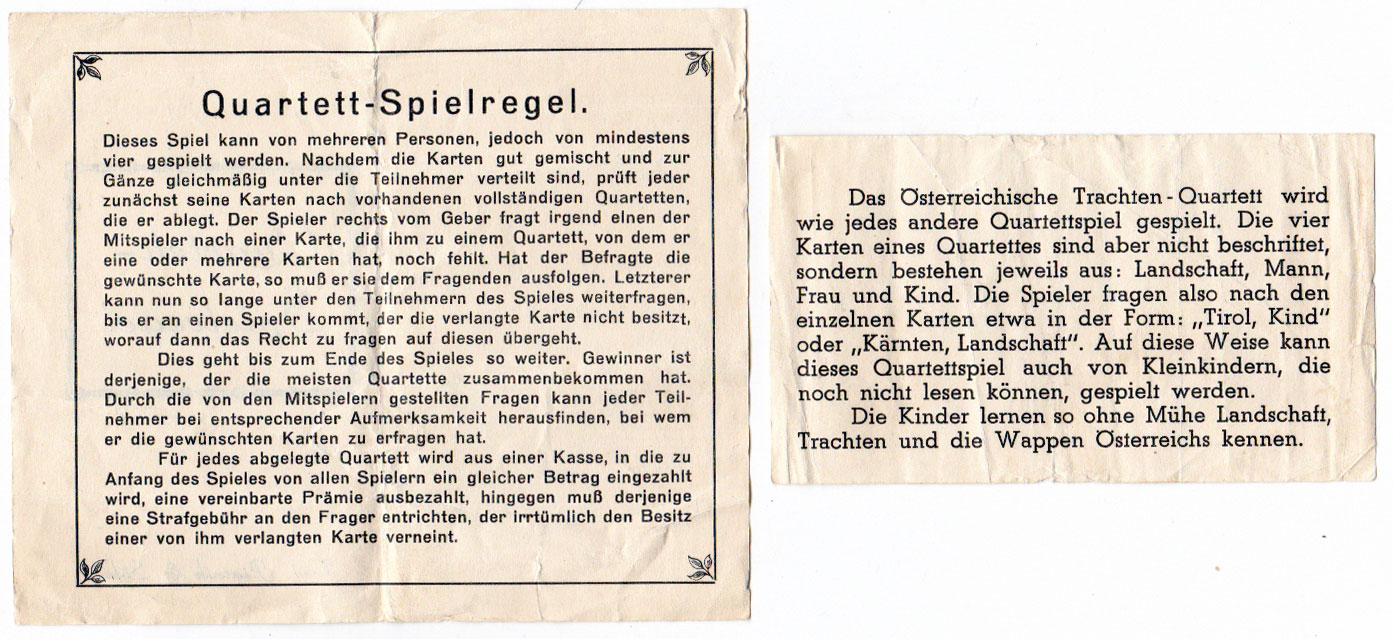
Österreichisches Trachten-quartett Nr.282 featuring Austrian traditional folk costumes, published by Ferd Piatnik & Söhne. Each set shows a landscape, a man, woman and children, and the shield from the community or region of origin. In some cases there is an association with local crafts, folk music or dancing. See the Rules►
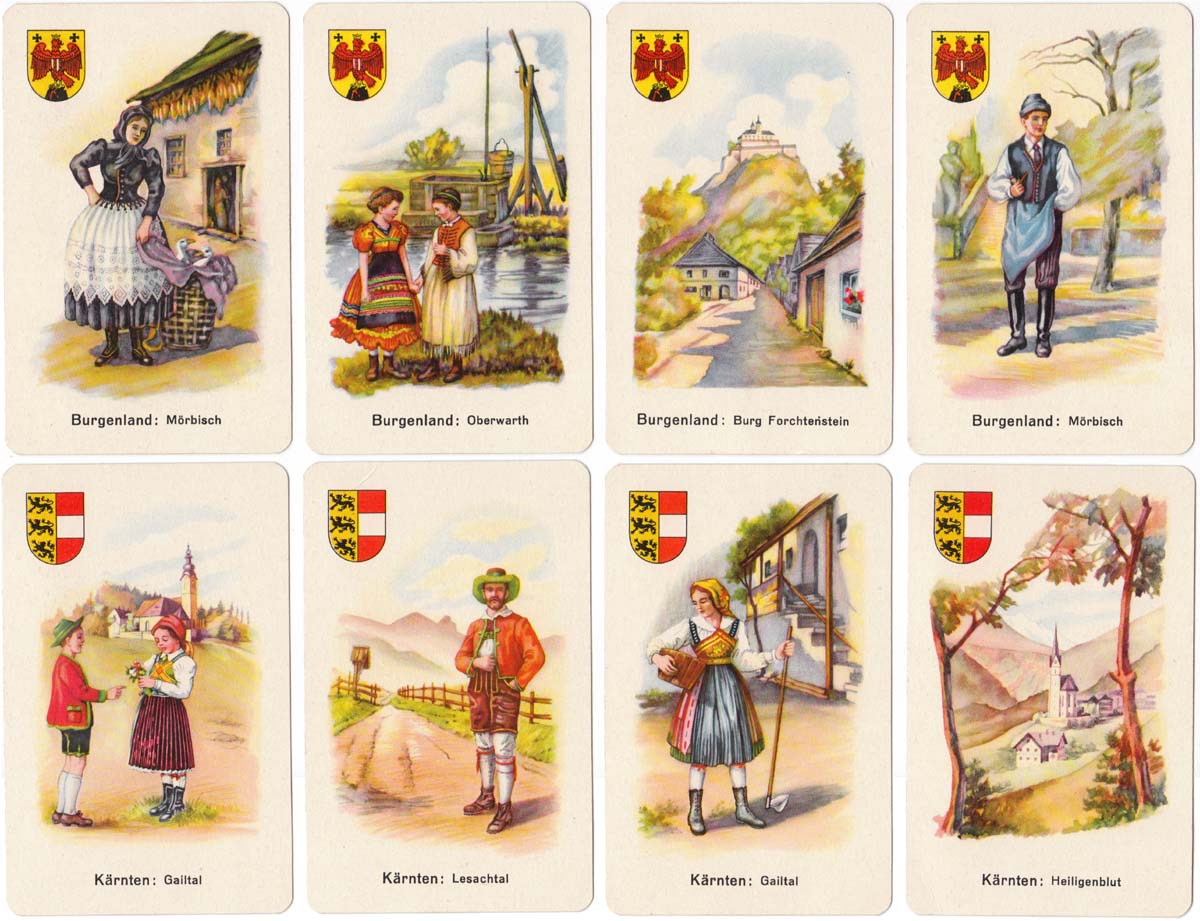
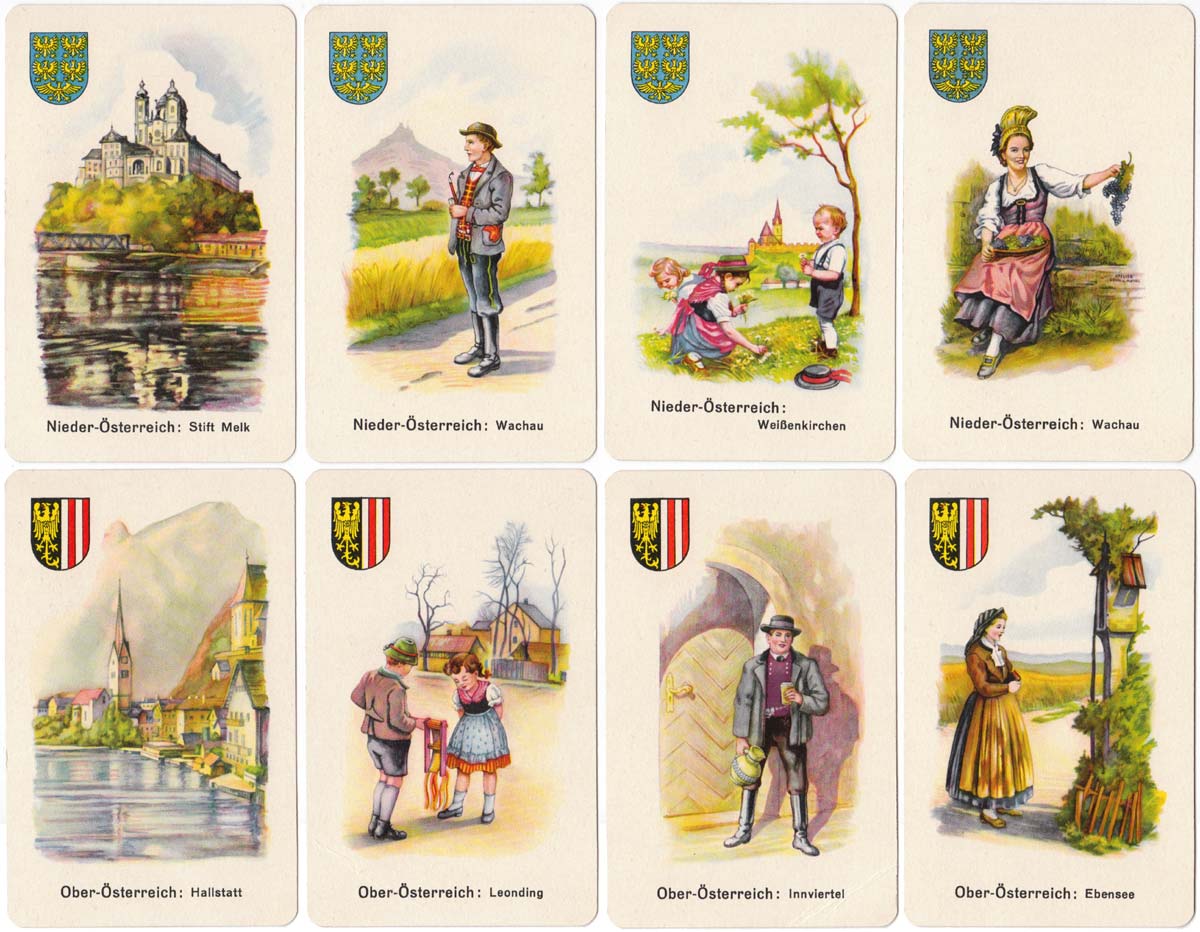
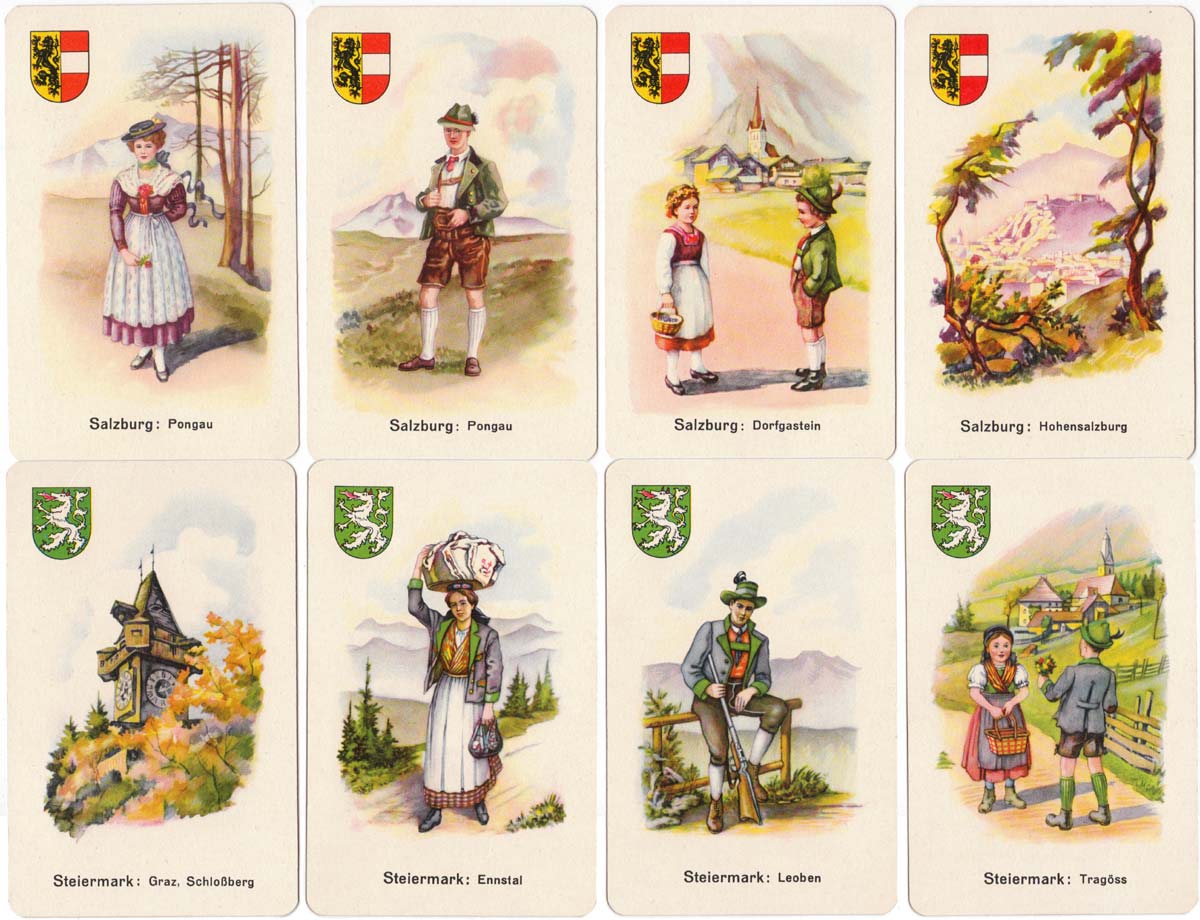
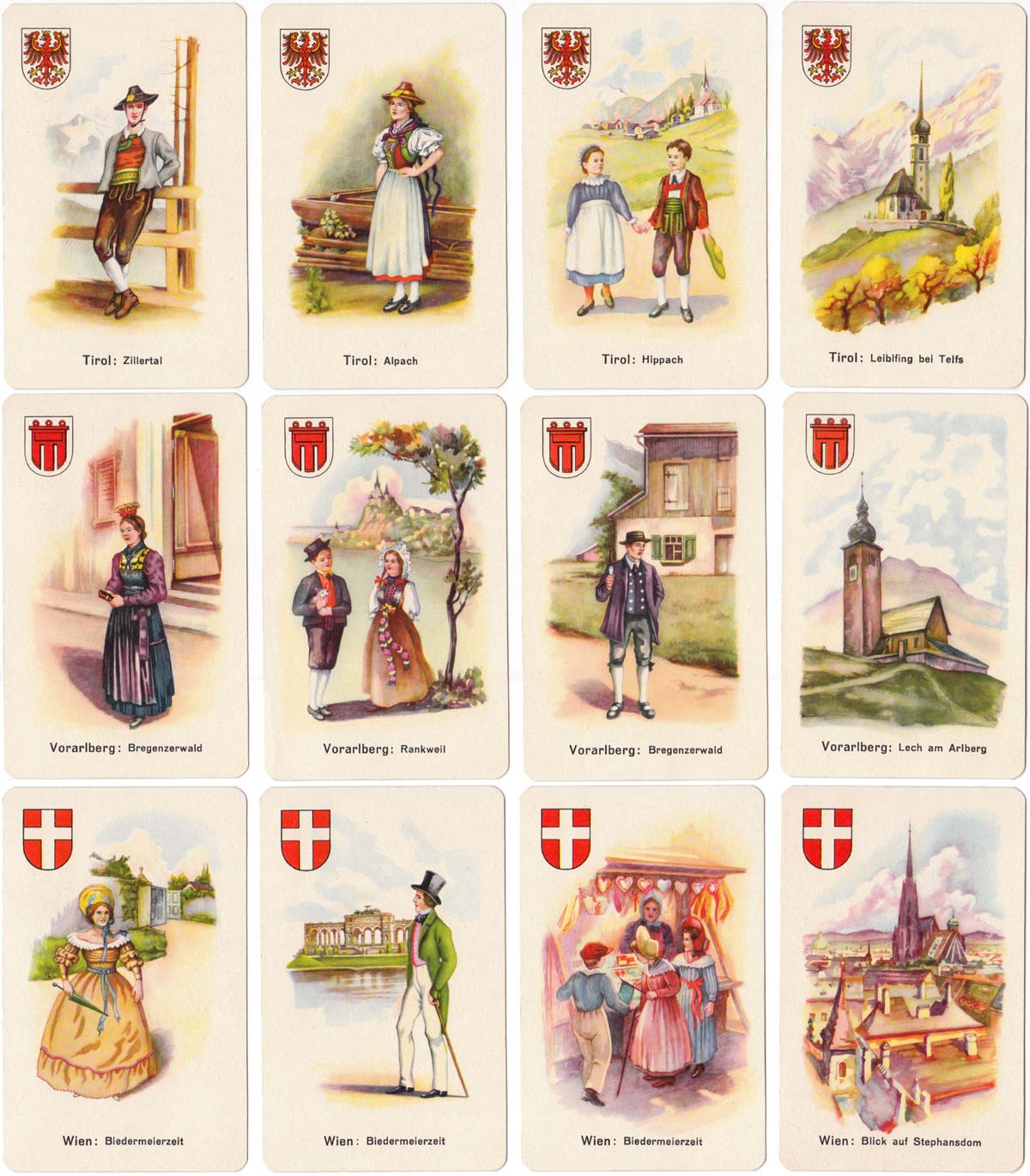
Above: Österreichisches Trachten-quartett Nr.282 published by Spielkartenfabrik Ferd Piatnik & Söhne, c.1960. 36 cards.

By Rex Pitts (1940-2021)
United Kingdom • Member since January 30, 2009
Rex's main interest was in card games, because, he said, they were cheap and easy to get hold of in his early days of collecting. He is well known for his extensive knowledge of Pepys games and his book is on the bookshelves of many. His other interest was non-standard playing cards. He also had collections of sheet music, music CDs, models of London buses, London Transport timetables and maps and other objects that intrigued him.
Rex had a chequered career at school. He was expelled twice, on one occasion for smoking! Despite this he trained as a radio engineer and worked for the BBC in the World Service. Later he moved into sales and worked for a firm that made all kinds of packaging, a job he enjoyed until his retirement. He became an expert on boxes and would always investigate those that held his cards. He could always recognize a box made for Pepys, which were the same as those of Alf Cooke’s Universal Playing Card Company, who printed the card games. This interest changed into an ability to make and mend boxes, which he did with great dexterity. He loved this kind of handicraft work.
His dexterity of hand and eye soon led to his making card games of his own design. He spent hours and hours carefully cutting them out and colouring them by hand.

Activity for Österreichisches Trachten-quartett
Sign in to comment or save this article.

Related Articles
Vorarlberg Büschel Jasskarten
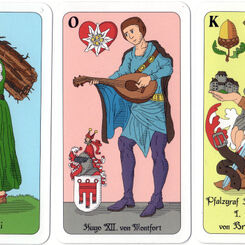
“Vorarlberg Büschel Jasskarten” designed by Austrian artist and typographer Konrad Hämmerle.
Black Peter
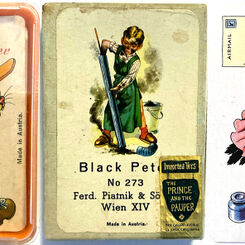
Two Black Peter games by Willy Mayrl published by Ferd Piatnik & Söhne, 1950s.
Netherlands Kostuum Kwartet
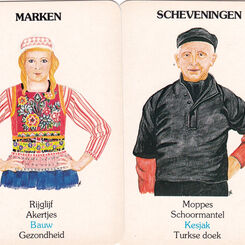
Dutch costumes quartet game designed by Gerard Huijg, 1983.
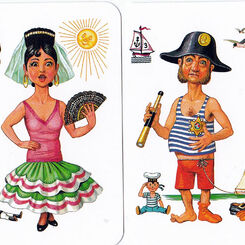
Black Peter
Black Peter card game designed by Willy Mayrl for Piatnik.
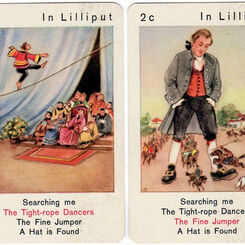
Gulliver’s Travels
Gulliver’s Travels card game no.293 published by Piatnik, c.1950.
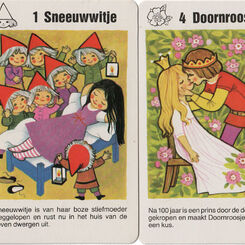
Sprookjes Kwartet
Fairy Tales quartet published by Heinrich Schwarz + Co for Dutch market, c.1970.
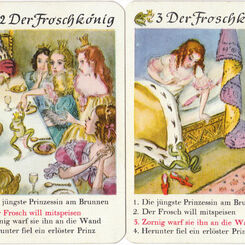
Märchenquartett
Fairy Tales quartet designed by Annemarie Gramberg, published by Vereinigte Altenburger und Stralsun...
Casais Portugueses
Matching game by Majora, Lisbon, c.1970, featuring figures in national dress from Portuguese provinc...
Folklore No.169
Austrian Folklore deck first published by Piatnik in 1934.
Goal Fußball Spielkarten
“Goal” Fußball Spielkarten manufactured by Ferd. Piatnik & Söhne Wien, c1930s.
Mary Queen of Scots
Mary Queen of Scots and other Tudor period dignitaries, published by Piatnik, 1990.
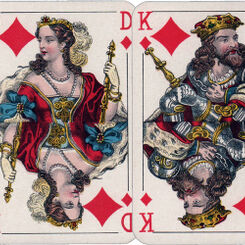
Piatnik No.97
Non-standard French-suited cards published by Ferd Piatnik & Sõhne, Vienna, c.1940s.
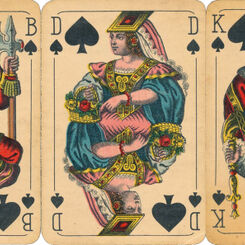
Vienna (ex-Lyon) pattern
‘Vienna pattern’ derived from archaic Lyon pattern by Ferd Piatnik & Söhne A.G., c.1926-1934.
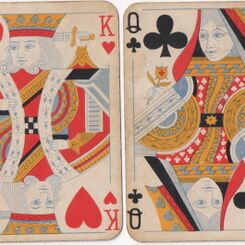
48: Ferdinand Piatnik & Sons
Ferd. Piatnik produced a very large range of cards with many different standard and non-standard pat...
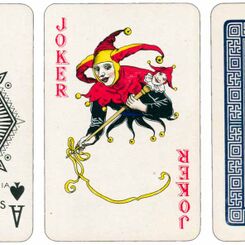
Popular No.257
Piatnik’s “Popular Playing Cards” No.257
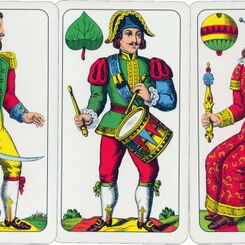
Salzburger Pattern
Salzburger pattern by Ferd. Piatnik & Söhne, Vienna
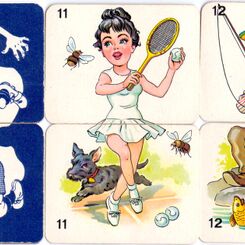
Tops and Tails
‘Sports Tops and Tails’ No.290 manufactured by Ferd Piatnik & Sons, Vienna, c.1950s.
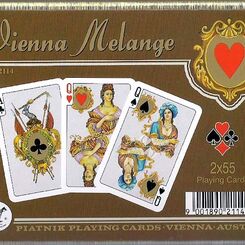
Vienna Melange
“Vienna Melange” Playing Cards by Piatnik with a historical feel representing the four races that ma...
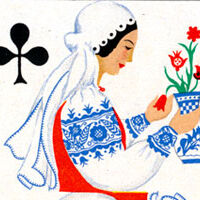
Matyó-Bridge No.50
The court cards in this delightful Art Deco pack represent persons in various colourfully embroidere...
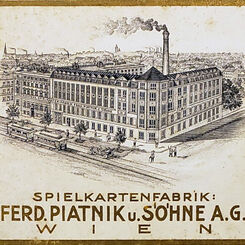
Ferd. Piatnik & Söhne
Ferdinand Piatnik was born in Ofen on October 14, 1819.
Most Popular
Our top articles from the past 60 days


Stephen Scharber
07 March 2026, 03:56SavedSaved this article to Stephen Scharber's Collection