


Vorarlberg Büschel Jasskarten
“Vorarlberg Büschel Jasskarten” designed by Austrian artist and typographer Konrad Hämmerle.
These delightfully decorative, full-length German-suited playing cards were designed by Konrad Hämmerle in 2019 for the 36-card Swiss-Vorarlberg version of the game Jass, in the westernmost alpine region of Austria. The illustrations are bright, clean-lined and inspired by folk-art traditions. In-keeping with the medieval origins of playing cards, the kings portray historical dukes and duchesses, named beneath each figure, the obers show figures from the aristocracy whilst the unters show everyday peasants. The four aces depict pigs (sau). Thus the indices are S, U, O and K whilst the colour-coded suits are acorns, bells, hearts and leaves. The charming designs also include local landmarks, traditions and folk costumes • See the box


Above: “Vorarlberg Büschel Jasskarten” designed by artist and typographer Konrad Hämmerle from Vorarlberg, printed by Piatnik in Vienna, 2019. 36 cards in tuckbox.
The artist says : one thing that clearly sets my deck apart from the Salzburg pattern is that the kings, obers and unters include both men and women. This was important to me as I wanted to reflect equality in the design. Konrad also created a custom typeface for the lettering. Further details are at www.jasskarten.at►


By Simon Wintle
Spain • Member since February 01, 1996
I am the founder of The World of Playing Cards (est. 1996), a website dedicated to the history, artistry and cultural significance of playing cards and tarot. Over the years I have researched various areas of the subject, acquired and traded collections and contributed as a committee member of the IPCS and graphics editor of The Playing-Card journal. Having lived in Chile, England, Wales, and now Spain, these experiences have shaped my work and passion for playing cards. Amongst my achievements is producing a limited-edition replica of a 17th-century English pack using woodblocks and stencils—a labour of love. Today, the World of Playing Cards is a global collaborative project, with my son Adam serving as the technical driving force behind its development. His innovative efforts have helped shape the site into the thriving hub it is today. You are warmly invited to become a contributor and share your enthusiasm.

Activity for Vorarlberg Büschel Jasskarten
Sign in to comment or save this article.

Related Articles
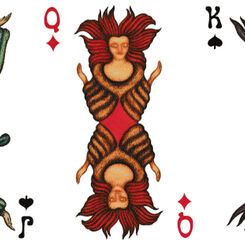
Arik Brauer
An artist-led pack from Vienna’s Hilger Edition, with Arik Brauer’s fantasy imagery turned into card...
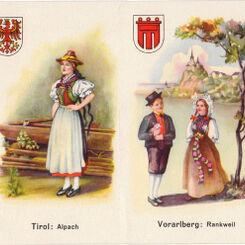
Österreichisches Trachten-quartett
Österreichisches Trachten-quartett Nr.282 published by Ferd Piatnik & Söhne.
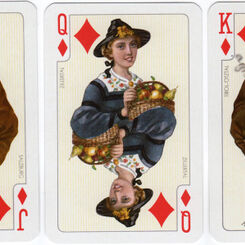
Folklore No.169
Austrian Folklore deck first published by Piatnik in 1934.
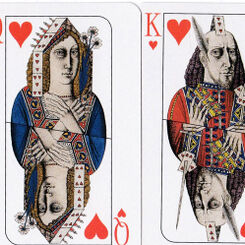
Cosmopolitan № 2121 playing cards
“Cosmopolitan” № 2121 playing cards designed by Russian artist Valeri Mishin, 1996
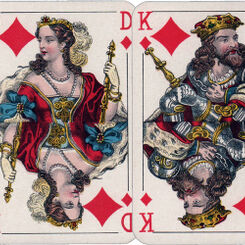
Piatnik No.97
Non-standard French-suited cards published by Ferd Piatnik & Sõhne, Vienna, c.1940s.
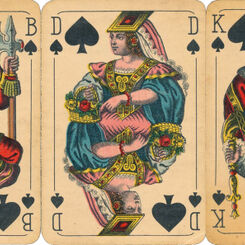
Vienna (ex-Lyon) pattern
‘Vienna pattern’ derived from archaic Lyon pattern by Ferd Piatnik & Söhne A.G., c.1926-1934.
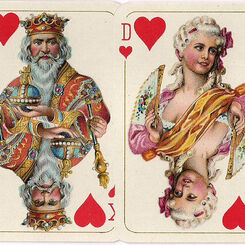
Baroque No.2118
“Baroque” by Ferd Piatnik & Sons, Vienna, reflecting a bygone era of fashion.
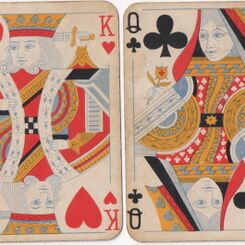
48: Ferdinand Piatnik & Sons
Ferd. Piatnik produced a very large range of cards with many different standard and non-standard pat...
Popular No.257
Piatnik’s “Popular Playing Cards” No.257
Salzburger Pattern
Salzburger pattern by Ferd. Piatnik & Söhne, Vienna
Rococo No. 2130
Piatnik: Rococo No. 2130 playing cards designed by Prof. Kuno Hock, c.1975
Blue Playing Cards
“Blue Playing Cards” by Piatnik, 1960s, inspired by the Cubism art movement in which objects are ana...
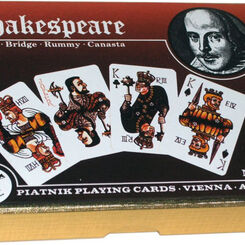
Shakespeare by Piatnik
‘Shakespeare’ playing cards by Piatnik designed by the British actor Donald Burton.
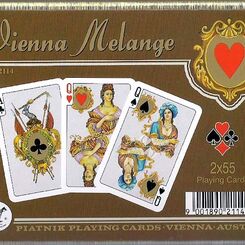
Vienna Melange
“Vienna Melange” Playing Cards by Piatnik with a historical feel representing the four races that ma...
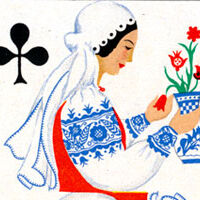
Matyó-Bridge No.50
The court cards in this delightful Art Deco pack represent persons in various colourfully embroidere...
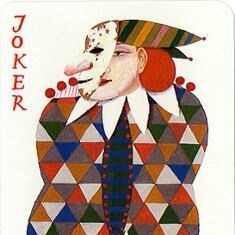
Karl Korab (Ed. Hilger)
Karl Korab was born in 1937 in Falkenstein (Lower Austria), the son of a forester. As a child he exp...
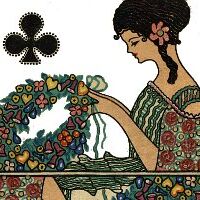
Waisenfond
Intended to attract donations on behalf of the Imperial Royal Austrian Military Widows’ and Orphans’...
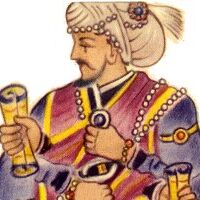
Cashmere
Bernhard Altmann is from the “The House of Cashmere” and these playing cards honour their best known...
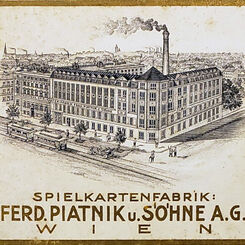
Ferd. Piatnik & Söhne
Ferdinand Piatnik was born in Ofen on October 14, 1819.
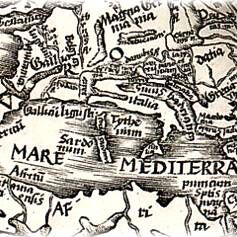
The History of Playing Cards
Playing cards appear in European records in the late 14th century, but their earlier history lies fu...
Most Popular
Our top articles from the past 60 days


Stephen Scharber
07 March 2026, 04:19SavedSaved this article to Stephen Scharber's Collection