Greek Heroes
Playing Cards manufactured by Aspioti Elka A.E., 1960, with ancient greek-style courts.
Playing Cards manufactured by Aspioti Elka A.E. “Elleinikon Monopolion Paienioxarton. Klasis A Koina”, 1960, with attractive ancient greek-style courts with Greek indices (crowns above Kings’ suit sign). The court cards portray ancient heroes of Greece. The National indices on French-suited cards are in Greek characters: B (King); K (Queen or Maid); Ɵ (Valet).
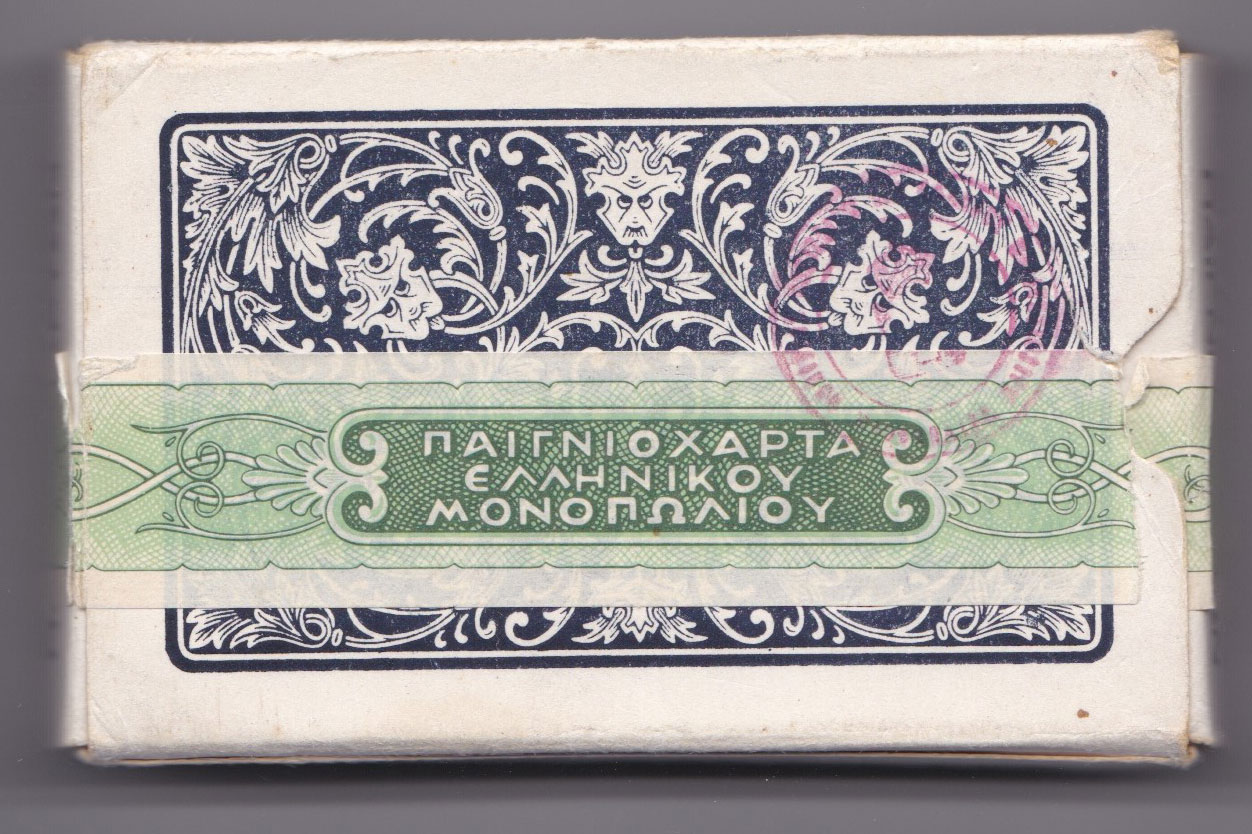
The Greek monopoly on the manufacture and sale of playing cards dates from 1884. Joining the European Community on January 1, 1981, led to the abolition of the playing card monopoly in 1986. In Greece adhesive bands on the package were used for tax purposes which were cancelled with a stamp. See the tax band on the Box►
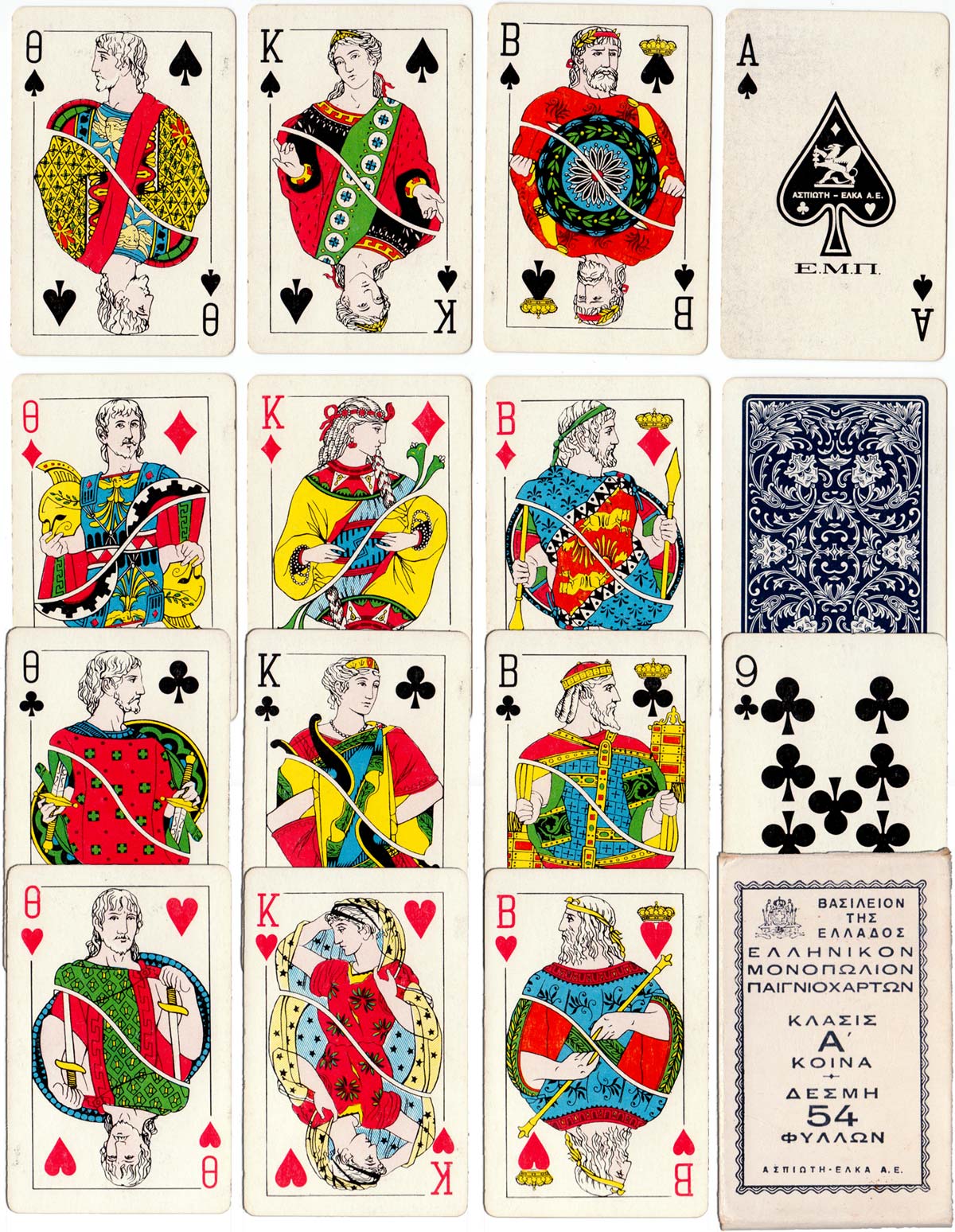
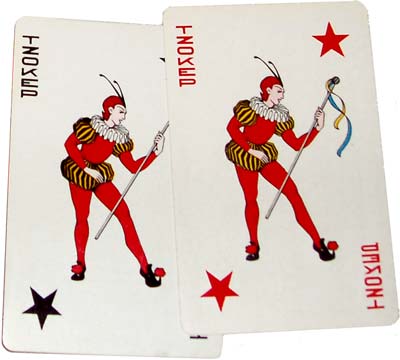
Above: playing Cards manufactured by Aspioti Elka A.E. depicting Greek Heroes, 52 cards + 2 Jokers, 1960.

By Rex Pitts (1940-2021)
United Kingdom • Member since January 30, 2009
Rex's main interest was in card games, because, he said, they were cheap and easy to get hold of in his early days of collecting. He is well known for his extensive knowledge of Pepys games and his book is on the bookshelves of many. His other interest was non-standard playing cards. He also had collections of sheet music, music CDs, models of London buses, London Transport timetables and maps and other objects that intrigued him.
Rex had a chequered career at school. He was expelled twice, on one occasion for smoking! Despite this he trained as a radio engineer and worked for the BBC in the World Service. Later he moved into sales and worked for a firm that made all kinds of packaging, a job he enjoyed until his retirement. He became an expert on boxes and would always investigate those that held his cards. He could always recognize a box made for Pepys, which were the same as those of Alf Cooke’s Universal Playing Card Company, who printed the card games. This interest changed into an ability to make and mend boxes, which he did with great dexterity. He loved this kind of handicraft work.
His dexterity of hand and eye soon led to his making card games of his own design. He spent hours and hours carefully cutting them out and colouring them by hand.

Activity for Greek Heroes
Sign in to comment or save this article.

Related Articles
Odyssey Playing Cards
A Kings Wild Project celebrating Homer’s epic.
Jeu de Cartomancie pour l’amusement des Dames
Early French Cartomancy deck "for the amusement of Ladies" but also referred to as "Jeu divinatoire ...
73: Fakes, forgeries and Tax Evasion
When there are official taxes to pay, people will find a way to avoid paying them - often illegally....
Russian Playing Card Monopoly
The Russian Playing Card Monopoly was established in March 1798 with all revenue going to support th...
Pantheon or Heathen Mythology
Pantheon or Heathen Mythology cards for instruction of youth, c.1770.
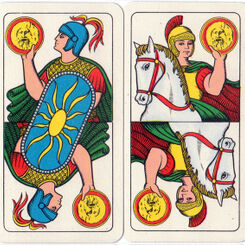
Carte Romane
“Carte Romane” designed by Giorgio Pessione, 1973, celebrating the history of Rome.
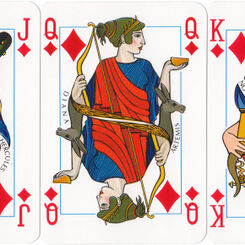
Greek Mythology
Greek Mythology playing cards published by Michalis Toubis S.A., 1995.
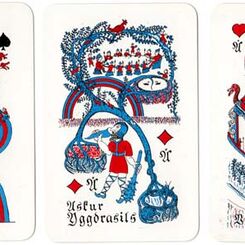
Iceland Mythological Playing Cards
Iceland Mythological Playing Cards designed by Sigurlinna Pétursson, 1958
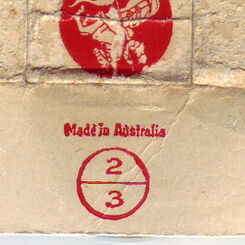
Australian Excise Duty
Excise Duty was introduced on Australian playing cards in 1932
Cyprus Souvenir
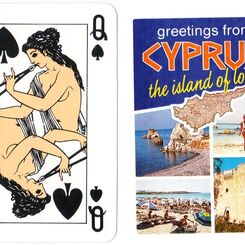
Cyprus souvenir playing cards showing scenes alluding to ancient history and myths.
Suicide King
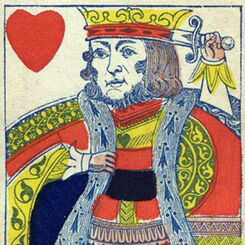
The King of Hearts, holding a sword behind his head, is sometimes nicknamed the “Suicide King”. He c...
Tunisia
Playing Cards in Tunisia. Chkobba is one of the most popular card games in Tunisia, mainly played by...
Greek Playing Cards
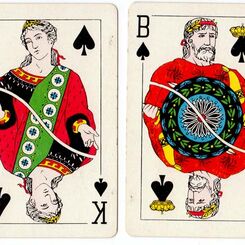
Greek Playing Cards.
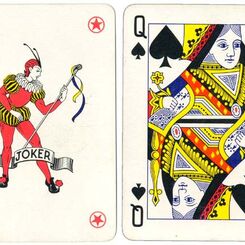
Aspioti Elka A.E.
An unknown brand by Aspioti Elka A.E probably from the 1960s.
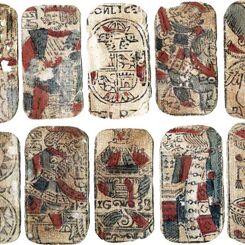
Tax on Spanish Playing Cards
Taxation on Spanish playing cards, the monopolies and smuggling.
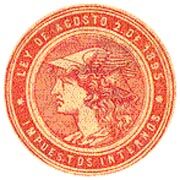
Argentina Tax Stamps on playing cards 1895-1968
Argentina Tax Stamps on playing cards 1895-1968
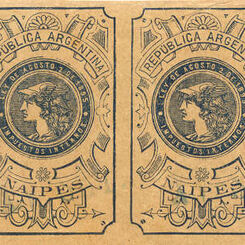
Impuestos Internos Sobre Naipes
Duty was first introduced on playing cards in Argentina in 1892, as part of the Internal Duties law,...
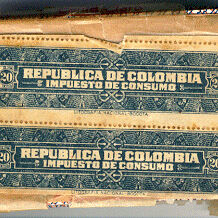
Impuesto de Timbre para Naipes
EL CONGRESO DE COLOMBIA. LEY 69 DE 1946, por la cual se elevan las tarifas de algunos impuestos indi...
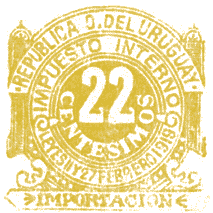
Uruguay playing card tax
In 1806 the Council of Concepción del Uruguay imposed an 8 Peso tax on card and billiard tables on a...
History of Danish Playing Cards
The earliest mention of playing-cards in Denmark dates from 1487 when King Hans, who reigned from 14...
Most Popular
Our top articles from the past 60 days