


Maya
“Maya” playing cards designed by Russian artist V. M. Sveshnikov and first published by The Colour Printing Plant, St Petersburg, in 1975.
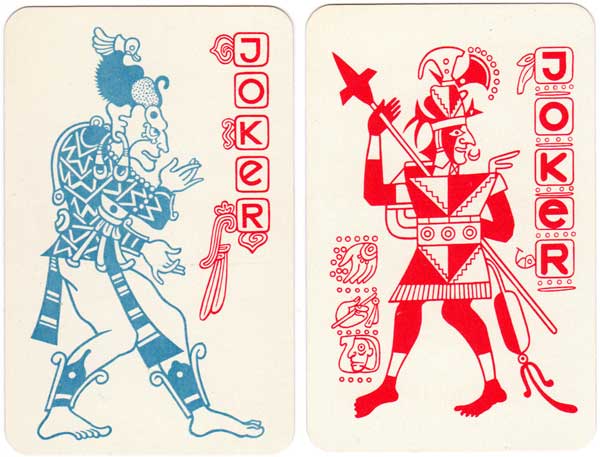
Russian “Maya” playing cards
“Maya” playing cards were designed by Russian artist V. M. Sveshnikov and first published by The Colour Printing Plant, St Petersburg, in 1975. The Russian connection to Mayan art stems from when Russian linguist Yuri Knorosov helped crack the code of the Maya glyphs. The intricate designs are inspired by ancient Mayan iconography found in original Mayan artworks from Mexico. The artist's attention to detail also includes the Tzolkin Calendar glyphs on each side of the cards.
The Maya civilization (AD 300-900) was one of the most sophisticated in pre-Columbian America and extended from Mexico across Guatemala, Belize and the western parts of Honduras and El Salvador. Mayan body art, including piercings and sacrificial blood letting, makes today's tattoos and studs seem harmless!
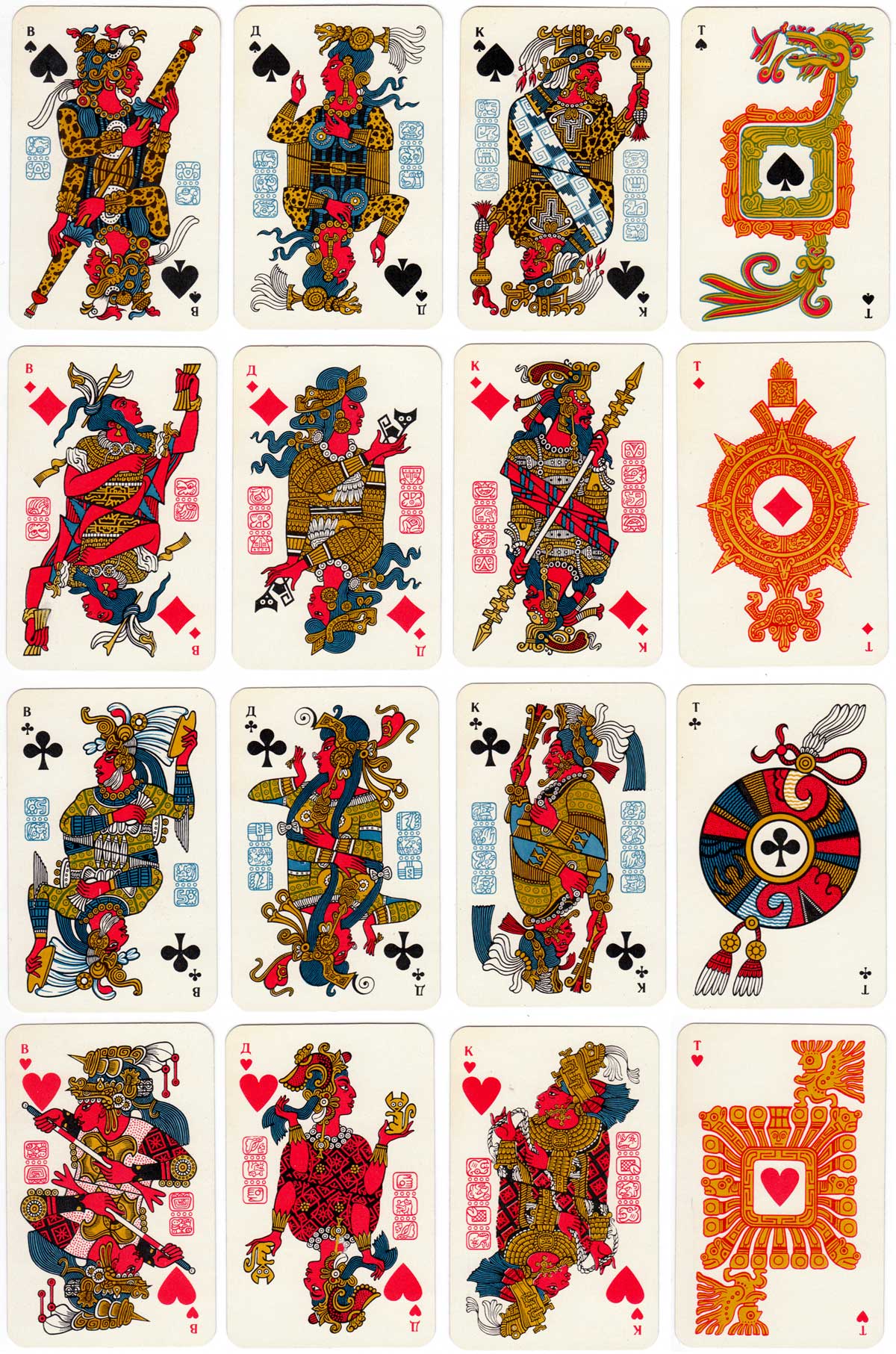
Above: Russian “Maya” playing cards, 52 cards + 2 Jokers. The designs were re-printed in 2012 as "Mayan Cards" with larger European indices and border frames by a Chinese manufacturer.
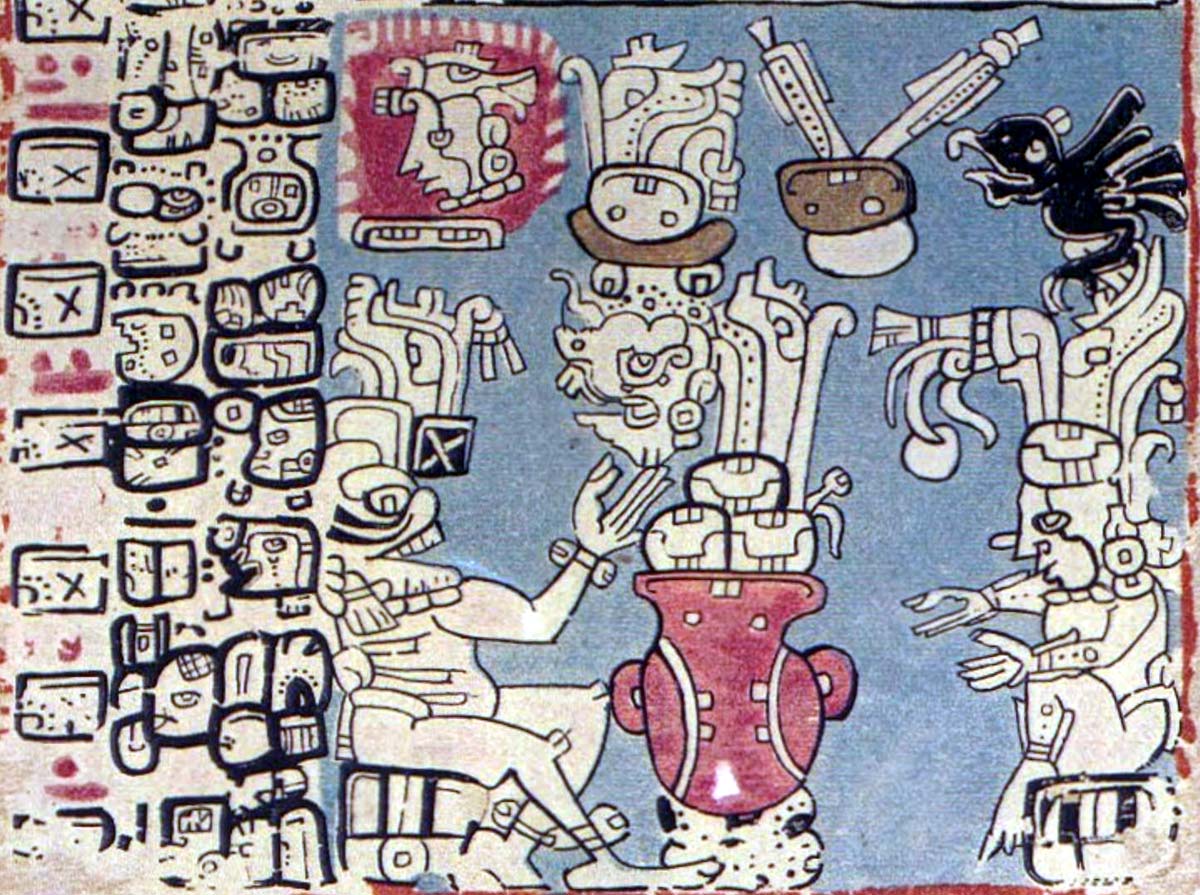
Above: detail from an astronomical passage in the Códice Trocortesiano, XVI century. MUSEO DE AMÉRICA more →

By Rex Pitts (1940-2021)
United Kingdom • Member since January 30, 2009
Rex's main interest was in card games, because, he said, they were cheap and easy to get hold of in his early days of collecting. He is well known for his extensive knowledge of Pepys games and his book is on the bookshelves of many. His other interest was non-standard playing cards. He also had collections of sheet music, music CDs, models of London buses, London Transport timetables and maps and other objects that intrigued him.
Rex had a chequered career at school. He was expelled twice, on one occasion for smoking! Despite this he trained as a radio engineer and worked for the BBC in the World Service. Later he moved into sales and worked for a firm that made all kinds of packaging, a job he enjoyed until his retirement. He became an expert on boxes and would always investigate those that held his cards. He could always recognize a box made for Pepys, which were the same as those of Alf Cooke’s Universal Playing Card Company, who printed the card games. This interest changed into an ability to make and mend boxes, which he did with great dexterity. He loved this kind of handicraft work.
His dexterity of hand and eye soon led to his making card games of his own design. He spent hours and hours carefully cutting them out and colouring them by hand.

Activity for Maya
Sign in to comment or save this article.

Related Articles
Aónikenk playing cards
Ethnographic playing cards made by members of the Aónikenk culture from Patagonia.
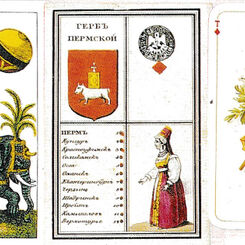
Russian Playing Card Monopoly
The Russian Playing Card Monopoly was established in March 1798 with all revenue going to support th...
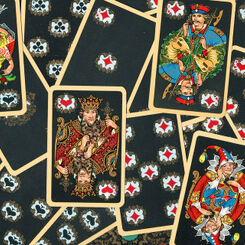
Russian Playing Cards
Playing cards were known in Muscovy as early as the last quarter of the sixteenth century.
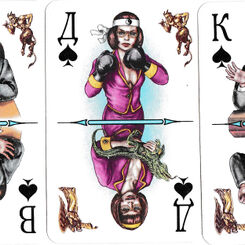
Madam Luck
“Madam Luck” playing cards designed by B. Adziev, 1998.
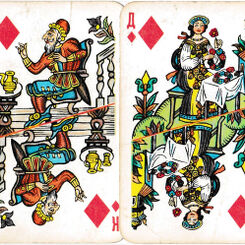
Lubok playing cards
Lubok playing cards designed by Victor M. Sveshnikov. Russia, 1984.
![Komandirskie [Commanders]](/core/cache-wopc-thumbs/var/www/wopc/production/www/images/countries/russia/komandirskie-0.647b4aa4.jpg "Komandirskie [Commanders]")
Komandirskie [Commanders]
‘Komandirskie’ military-themed playing cards from Russia, 1997.
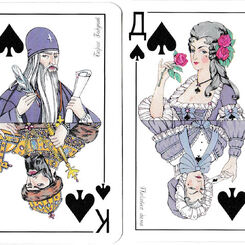
Pushkin
Pack designed by M. Rydaeva celebrating the 200th anniversary of Alexander Pushkin’s birth.
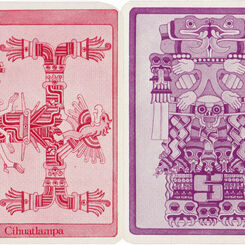
Tonalamatl
Baraja Tonalamatl Mexican Aztec playing cards based on the prehispanic Codex Borgia manuscript.
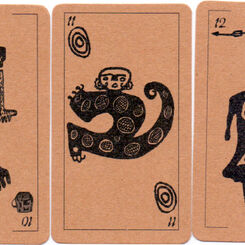
Cartas Precolombinas
Spanish playing cards with Pre-Columbian designs from Argentina, 2001.
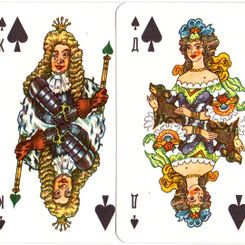
The Neva River
A deck designed by Victor M. Sveshnikov dedicated to the Neva river and the city of Saint Petersburg...
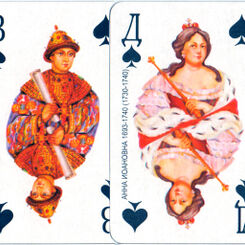
Peterhof
“Peterhof” deck manufactured at the St Petersburg Colour Printing Plant in 1999.
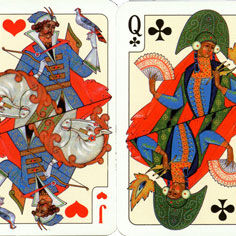
Palekh by Aleksey Orleansky
In the style of religious icon paintings, these court card figures wear costumes reminiscent of the ...
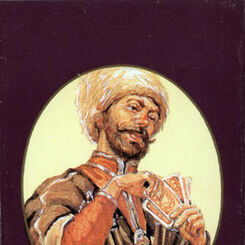
Cossack
“Cossack” playing cards, with artwork by O. Panchenko dedicated to the revival of the traditions of ...
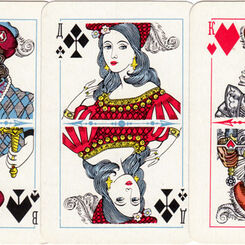
Russian Opera Scenes
Russian Opera & Theatre Scenes playing cards first published by the Colour Printing Plant (USSR, Rus...
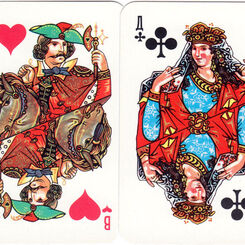
White Palekh
“White Palekh” was first published by the The Colour Printing Plant in St. Petersburg in 1982 with d...
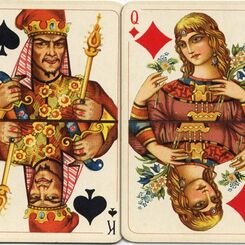
Slavonic
Originally published as “Slavonic Cards No.501” by The Colour Printing Plant, St. Petersburg in 1928...
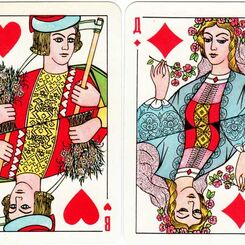
Russian Four Seasons
“Seasons” playing cards designed by U. P. Ivanov and published by The Colour Printing Plant in St Pe...
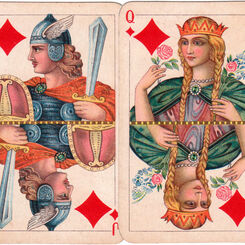
Russian “Historical”
Russian “Historical extra fine No.204” Playing Cards depicting Ancient Dynasties, 1920s.
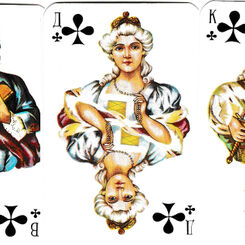
Rokoko
Rokoko (Rococo) reflecting the dress and culture of the first half of the 18th century.
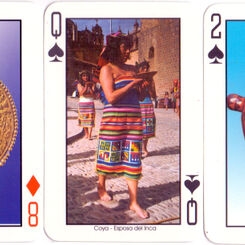
Cusco Inca Souvenir
Pre-Incas & Incas Souvenir Playing Cards, Cusco, Peru, 2000.
Most Popular
Our top articles from the past 60 days


Gino
09 September 2024, 14:58If anyone wants this deck. I'll have a few unopened on ebay. Search for Sveshnikov Maya.
Ваня Козлов (Vanya Kozlov)
19 November 2025, 09:47SavedSaved this article to Ваня Козлов's Collection