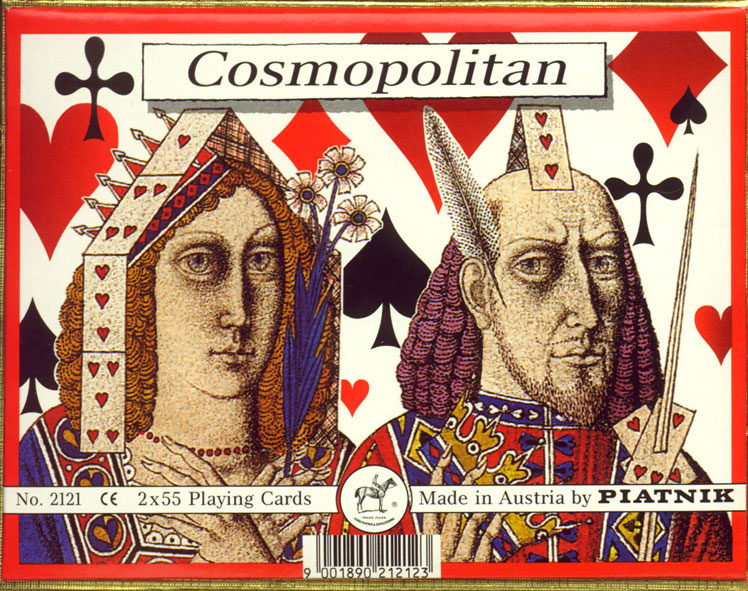
Cosmopolitan № 2121 playing cards
“Cosmopolitan” № 2121 playing cards designed by Russian artist Valeri Mishin, 1996
Cosmopolitan № 2121 playing cards were designed by Russian graphic artist Valeri Mishin from St. Petersburg and published by Piatnik in 1996. The imagery presents something of the artist’s allegorical dreamworld, or alternative reality, as open political comment had been muted for some time in Russia. See the Box►
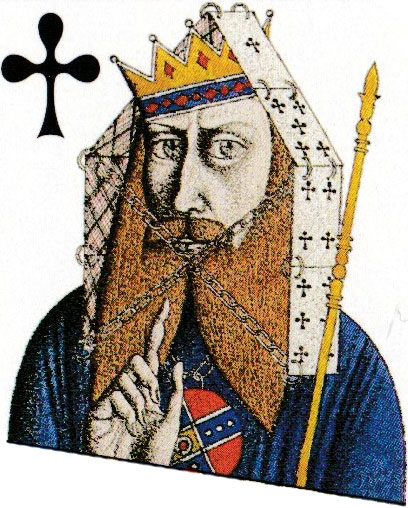
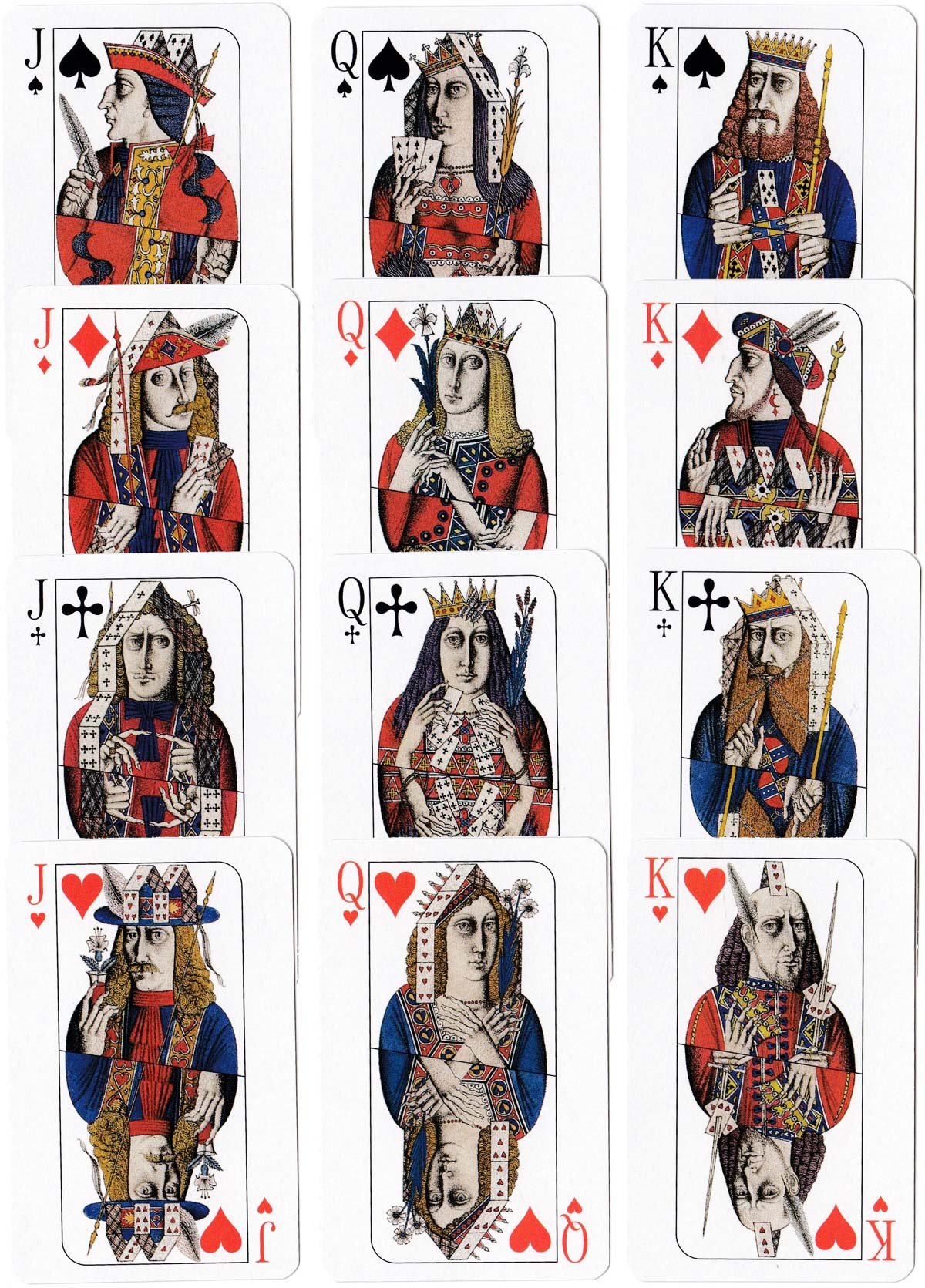
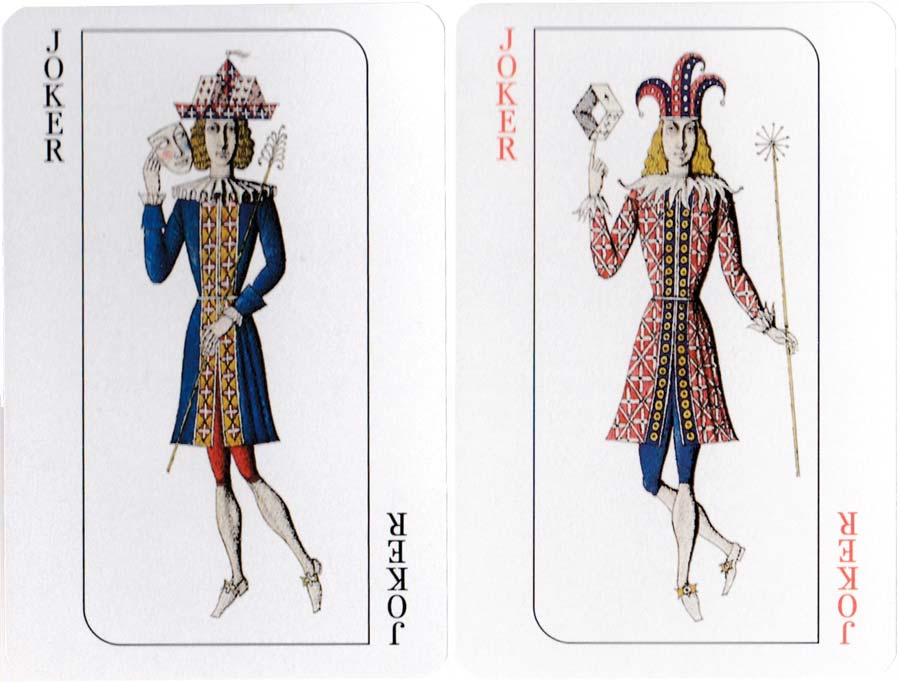
Above: “Cosmopolitan” № 2121 playing cards designed by Russian artist Valeri Mishin, published in double boxed sets with matching backs 2x[52 cards + 3 jokers], by Ferd Piatnik 1996.
REFERENCES
Images courtesy Rex Pitts.
Russian Academy of Arts: Valery Mishin Exhibition►
Mishin Valerii: Ex Libris Exhibition►

By Rex Pitts (1940-2021)
United Kingdom • Member since January 30, 2009
Rex's main interest was in card games, because, he said, they were cheap and easy to get hold of in his early days of collecting. He is well known for his extensive knowledge of Pepys games and his book is on the bookshelves of many. His other interest was non-standard playing cards. He also had collections of sheet music, music CDs, models of London buses, London Transport timetables and maps and other objects that intrigued him.
Rex had a chequered career at school. He was expelled twice, on one occasion for smoking! Despite this he trained as a radio engineer and worked for the BBC in the World Service. Later he moved into sales and worked for a firm that made all kinds of packaging, a job he enjoyed until his retirement. He became an expert on boxes and would always investigate those that held his cards. He could always recognize a box made for Pepys, which were the same as those of Alf Cooke’s Universal Playing Card Company, who printed the card games. This interest changed into an ability to make and mend boxes, which he did with great dexterity. He loved this kind of handicraft work.
His dexterity of hand and eye soon led to his making card games of his own design. He spent hours and hours carefully cutting them out and colouring them by hand.

Activity for Cosmopolitan № 2121 playing cards
Sign in to comment or save this article.

Related Articles
Arik Brauer
An artist-led pack from Vienna’s Hilger Edition, with Arik Brauer’s fantasy imagery turned into card...
CCCP playing cards
Soviet and other Communist celebrities depicted on every card, designed by Vladislav Pankevitch.
Piatnik No.97
Non-standard French-suited cards published by Ferd Piatnik & Sõhne, Vienna, c.1940s.
Vienna (ex-Lyon) pattern
‘Vienna pattern’ derived from archaic Lyon pattern by Ferd Piatnik & Söhne A.G., c.1926-1934.
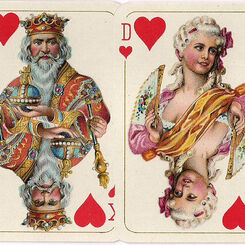
Baroque No.2118
“Baroque” by Ferd Piatnik & Sons, Vienna, reflecting a bygone era of fashion.
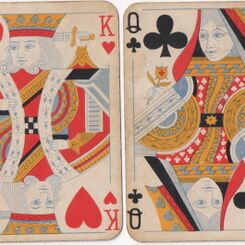
48: Ferdinand Piatnik & Sons
Ferd. Piatnik produced a very large range of cards with many different standard and non-standard pat...
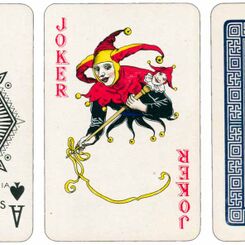
Popular No.257
Piatnik’s “Popular Playing Cards” No.257
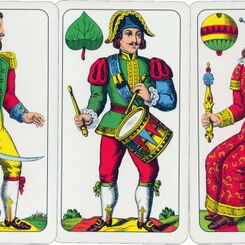
Salzburger Pattern
Salzburger pattern by Ferd. Piatnik & Söhne, Vienna
Rococo No. 2130
Piatnik: Rococo No. 2130 playing cards designed by Prof. Kuno Hock, c.1975
Blue Playing Cards
“Blue Playing Cards” by Piatnik, 1960s, inspired by the Cubism art movement in which objects are ana...
Shakespeare by Piatnik
‘Shakespeare’ playing cards by Piatnik designed by the British actor Donald Burton.
France Royale Bridge
“France Royale” Bridge playing cards by Willy Mayrl depict historical characters from France’s royal...
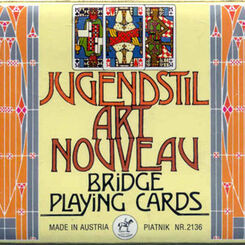
Jugendstil Art Nouveau Bridge
“Jugendstil Art Nouveau” Bridge Nr.2136 published by Piatnik, 1980.
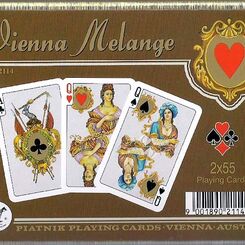
Vienna Melange
“Vienna Melange” Playing Cards by Piatnik with a historical feel representing the four races that ma...
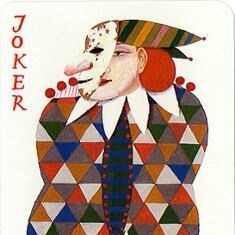
Karl Korab (Ed. Hilger)
Karl Korab was born in 1937 in Falkenstein (Lower Austria), the son of a forester. As a child he exp...
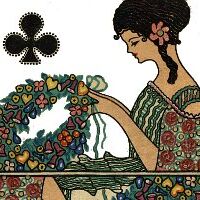
Waisenfond
Intended to attract donations on behalf of the Imperial Royal Austrian Military Widows’ and Orphans’...

Cashmere
Bernhard Altmann is from the “The House of Cashmere” and these playing cards honour their best known...
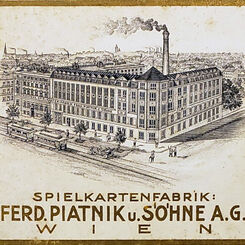
Ferd. Piatnik & Söhne
Ferdinand Piatnik was born in Ofen on October 14, 1819.
Piatnik Tarock
Deck of "Industrie und Glück" or "Rural Scenes" tarock cards manufactured by Ferd Piatnik & Söhne, V...
The History of Playing Cards
Playing cards appear in European records in the late 14th century, but their earlier history lies fu...
Most Popular
Our top articles from the past 60 days