Braulio Fournier

Published December 19, 2024 Updated December 20, 2024

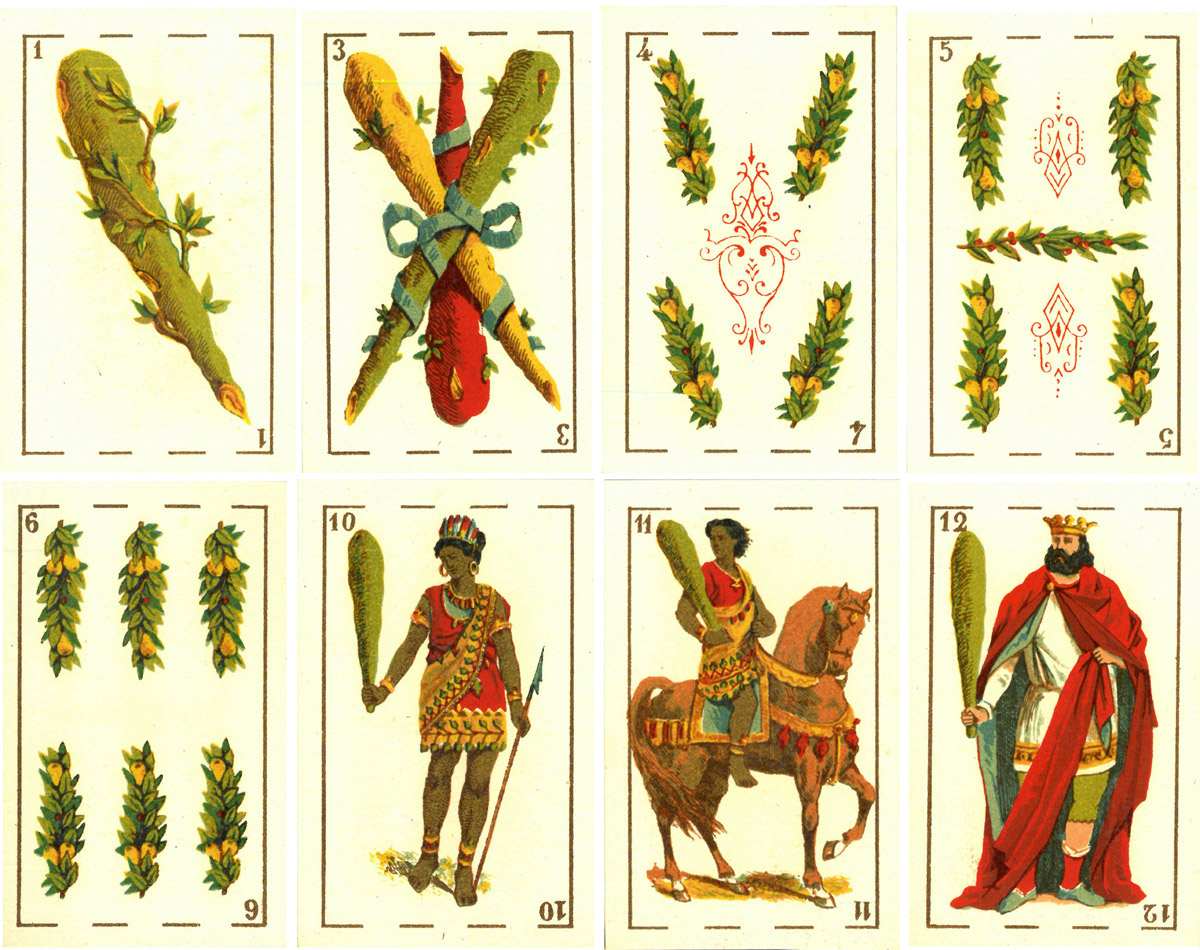
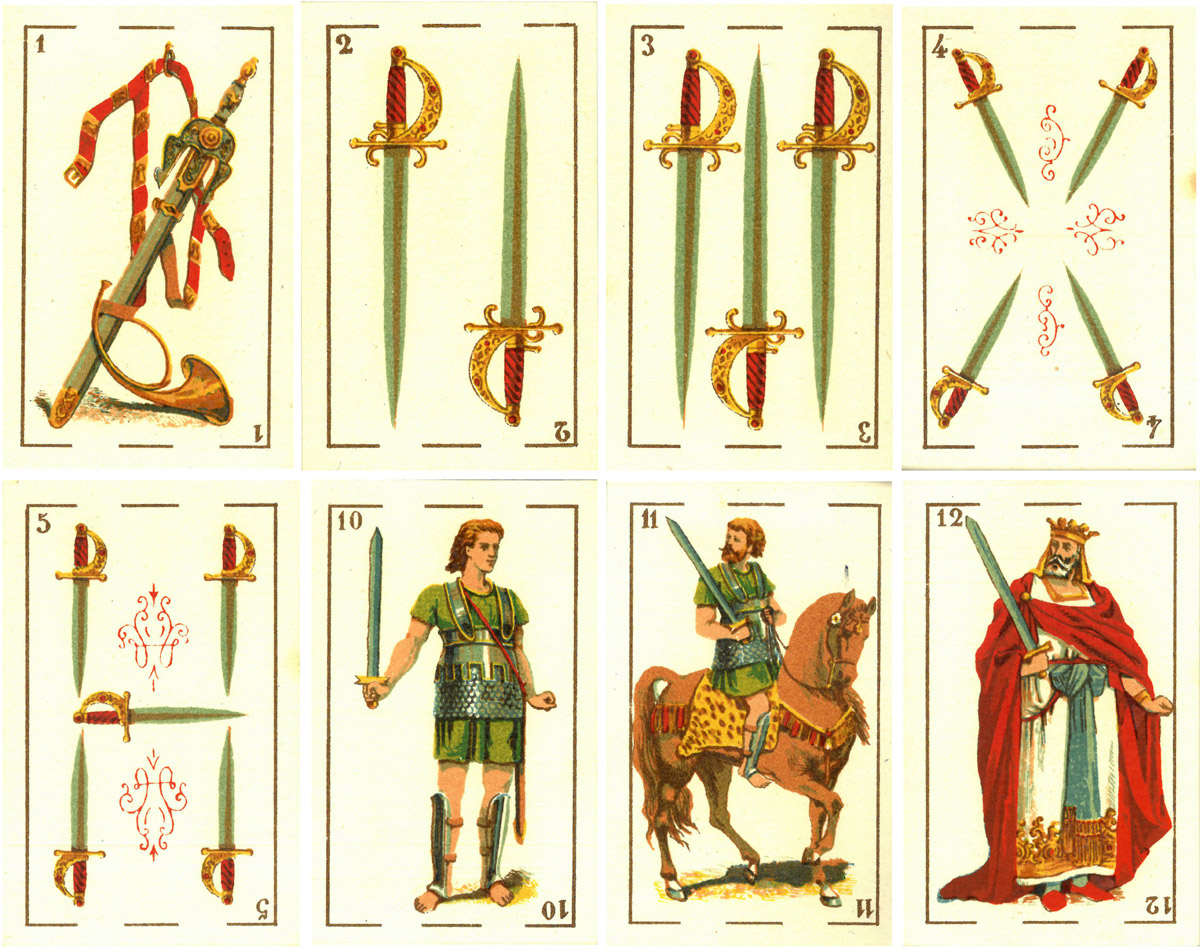
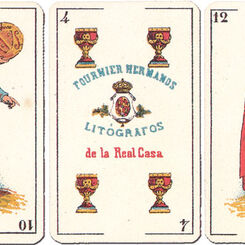
Baraja Nº 1 produced by Braulio Fournier, Burgos, c.1868.

1868 SpainLithographyBraulio FournierSpanish Suited

Braulio Fournier González, Burgos (1839-1888)

Braulio Fournier began his lithographic career in 1860, at the age of 21, alongside his brother Heraclio in Burgos. Together, they started producing playing cards under the name “Fournier Hermanos” or “Litografia Burgos”. A significant milestone in their careers was receiving the title of “Lithographers of the Royal Household” from Queen Isabel II. The business flourished, prompting expansion into other cities. In 1868 Heraclio Fournier decided to move to Vitoria (Álava), where he established a separate lithographic workshop which developed into a world leader in playing cards. Thus the original firm in Burgos ended up in the hands of the one remaining brother, Braulio.
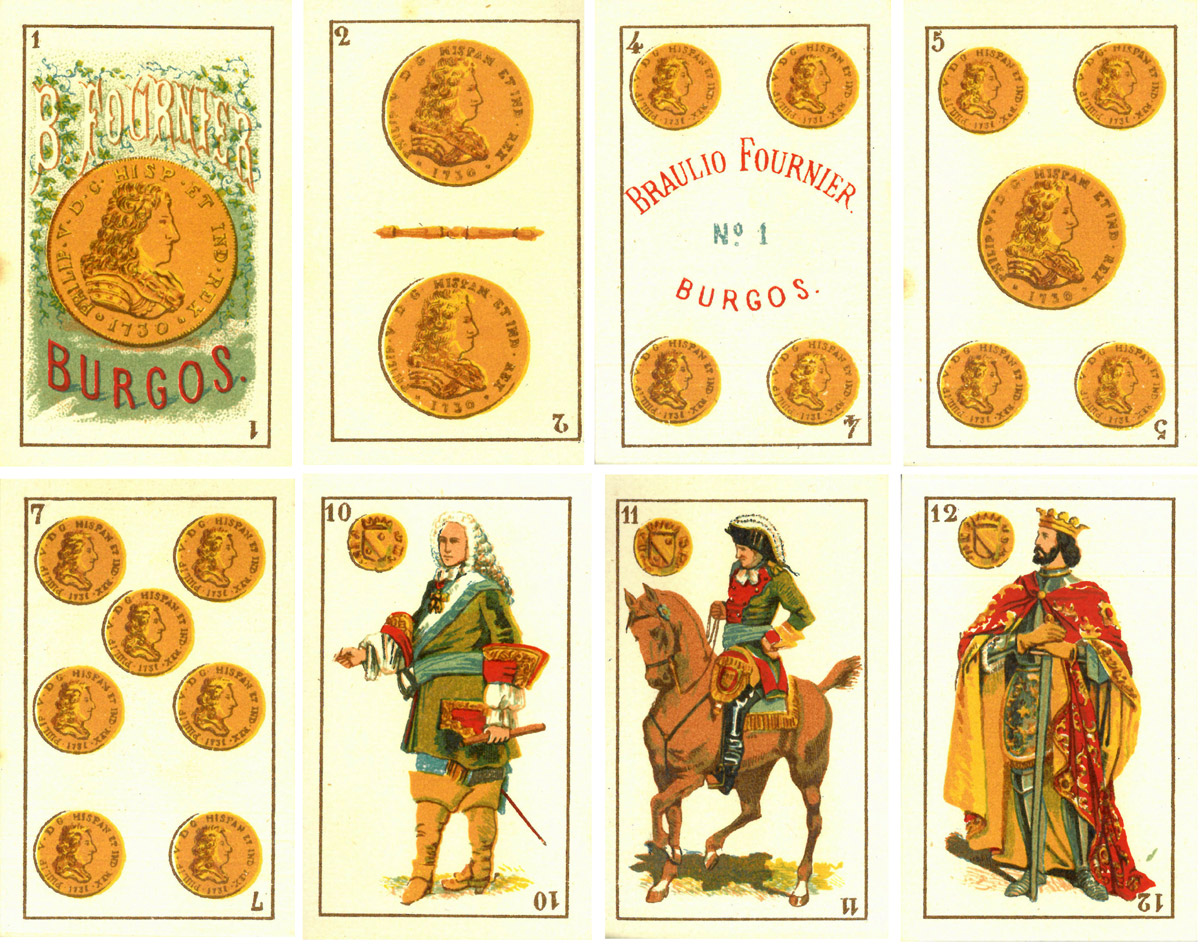
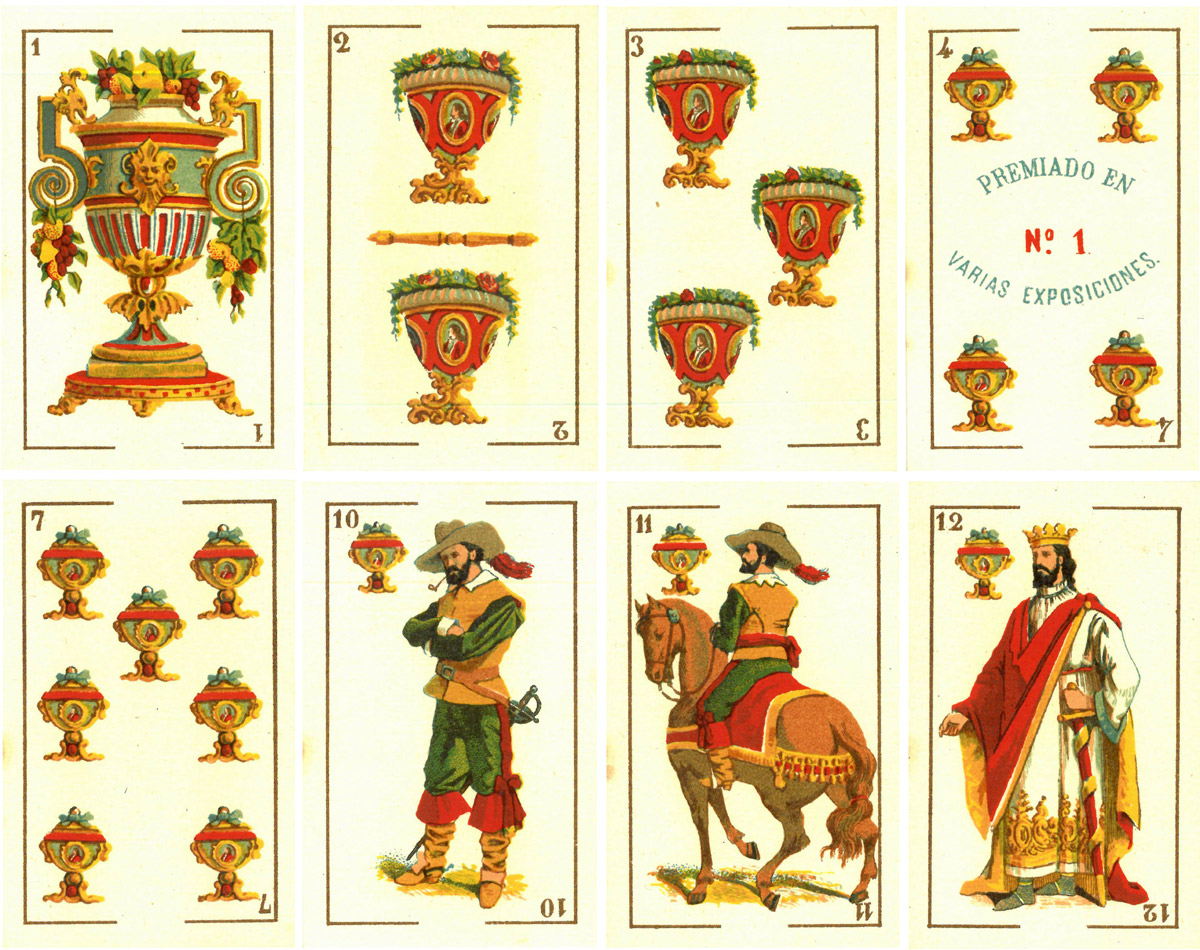
Baraja Nº 1 produced by Braulio Fournier, Burgos, c.1868 Baraja Nº 1 produced by Braulio Fournier, Burgos, c.1868 Baraja Nº 1 produced by Braulio Fournier, Burgos, c.1868 Baraja Nº 1 produced by Braulio Fournier, Burgos, c.1868
Baraja Nº 1 produced by Braulio Fournier, Burgos, c.1868

Above: Baraja Nº 1 produced by Braulio Fournier, Burgos, c.1868. 40 cards. Cards from the collection of Alec Gibb.

Braulio Fournier's dedication and skill in the field of lithography helped establish the Fournier brand as a respected name in the playing card industry. We can see the superb lithographic skills in the first pack published by Braulio Fournier under his own name. The various colours are applied as though in an oil painting. On Braulio's death in 1888 the business was taken over by Viuda de Braulio Fournier, which in turn was succeeded by Hijos de B. Fournier. Of the five surviving descendants of Braulio's second marriage, Teresa becomes the new company director and the name is changed to Hija de B. Fournier.

avatar
1 Article

By Alec Gibb

Member since December 19, 2024

I was recently given this set of spanish playing cards, which I'm told belonged to a great uncle of my grandmothers, and were found in a collection of his belongings.

Related Articles

QAIPES – cartas españolas

QAIPES – cartas españolas

Spanish-suited cards made in China inscribed “QAIPES” and “BAIPES”!

1888 Lithographic Stone

Lithographic Stone

Historic lithographic stone from the Fournier playing card factory, c.1888.
1460 XV Century Spanish-suited playing cards

XV Century Spanish-suited playing cards

XV Century Spanish-suited playing cards with moorish influences

1850 Bertschinger y Codina

Bertschinger y Codina

Fantasy Spanish-suited playing cards by Bertschinger y Codina (Barcelona), c.1850.

1814 Clemente Roxas double-ended Spanish pack

Clemente Roxas double-ended Spanish pack

Double-ended Spanish-suited playing cards published by Clemente de Roxas in Madrid, 1814.

Cádiz Pattern playing cards

Cádiz Pattern playing cards

A popular Spanish playing card pattern widely exported to Spanish-influenced markets.

1897 Naipes ‘El Leon’ 1897

Naipes ‘El Leon’ 1897

Naipes ‘El Leon’ manufactured by Federico Hidalgo (Barcelona, 1897-1899).

1978 Philishave

Philishave

Spanish-suited advertising deck for Philishave electric razors.

Naipes del Salitre

Naipes del Salitre

Playing cards recovered from the Northern Chile saltpetre workers. The cards are mostly from Spanish...

1905 S. Giráldez, Barcelona

S. Giráldez, Barcelona

Standard Spanish Catalan pattern playing cards by S. Giráldez, Barcelona, c.1905.

1871 Baraja de Amor

Baraja de Amor

Hijos de José Garcia Taboadela was a book-seller who also published this charming pack of lovers' fo...

1833 José Gombau

José Gombau

Deck of half-sized Spanish-suited playing cards in the Maciá pattern produced by José Gombau, Zarago...

1840 Sanmartí, 1840

Sanmartí, 1840

Sanmartí, 1840.

1860 Fournier Hnos Burgos

Fournier Hnos Burgos

In 1860 the Fournier Brothers of Burgos (Spain) commenced producing playing cards. They produced hig...

1580 Francisco Flores

Francisco Flores

Playing cards in this style have been discovered in various parts of the world, suggesting that they...

Spanish Playing Cards ~ La Baraja Española

Spanish Playing Cards ~ La Baraja Española

Spain has played a pivotal role in the history of playing cards in Europe and Latin America.

1932 Significado de los Naipes Españoles

Significado de los Naipes Españoles

Cartomantic meanings of Spanish playing cards by Benita the Witch (XVI century), published by Chocol...

1930 Juan Roura Catalan

Juan Roura Catalan

Catalan type by Juan Roura, La Hispano-Americana, Barcelona (1872 - 1962).

1420 Baraja Morisca — Early XV century playing cards

Baraja Morisca — Early XV century playing cards

Primitive Latin suited pack, dated by paper analysis as early XV century, which makes this one of th...

Hand-made Spanish Suited Playing Cards

Hand-made Spanish Suited Playing Cards

Decks are made on two-ply pasteboard which reproduces the tactile quality of antique cards.