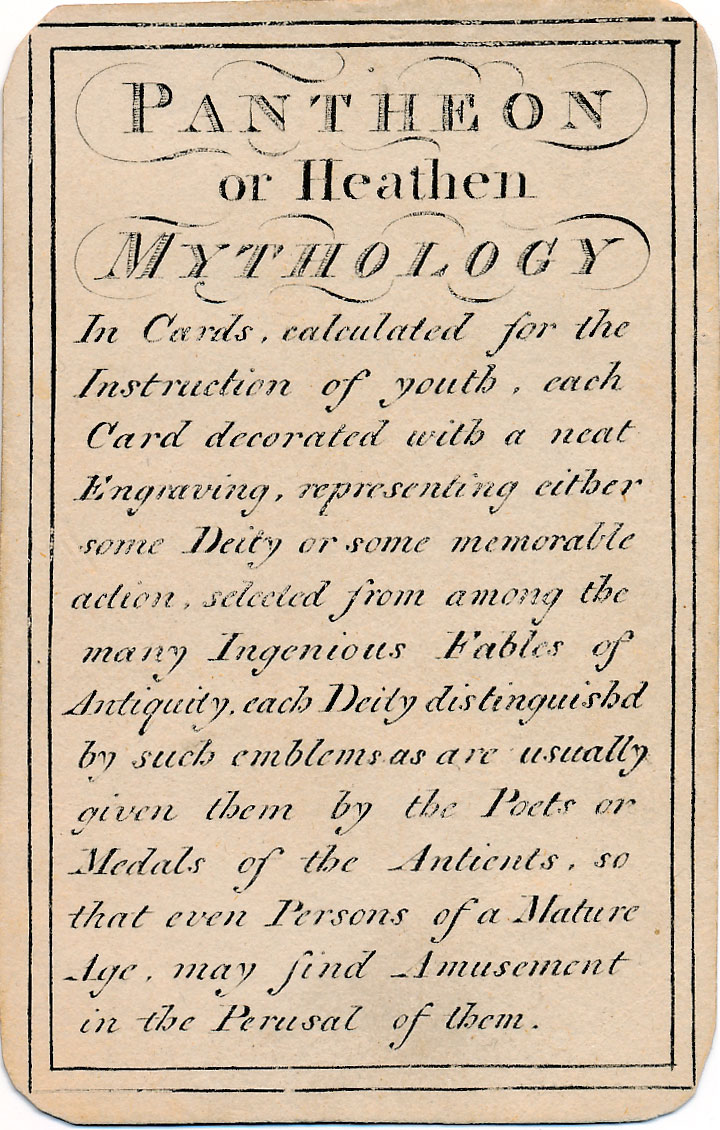
Pantheon or Heathen Mythology
Pantheon or Heathen Mythology cards for instruction of youth, c.1770.
Pantheon or “Heathen Mythology” pictorial cards introduce players to ancient Greek and Roman mythology, without which a classical education would be incomplete, and were designed for personal perusal and the instruction of youth in around 1770. A complete set contains 52 instruction cards plus an extra pictorial card showing Mount Olympus and a title card►
Each card is divided into two halves with double line borders. The top halves are decorated with elegant neoclassical engravings representing either some deity, hero or memorable event selected from myths and religions of antiquity. There are no suit signs or numbers; each deity is distinguished by the emblems which are usually given them. The bottom halves contain explanatory details of the lives of the mythological characters. The backs are plain and some cards have been coloured by a previous owner.
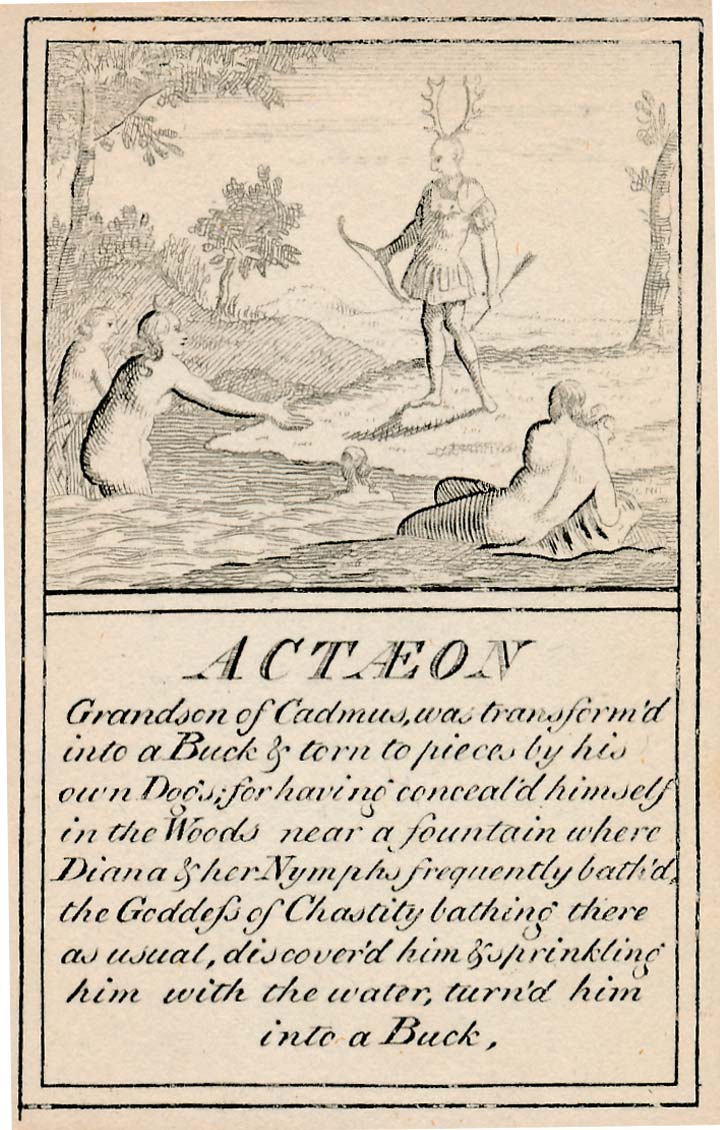
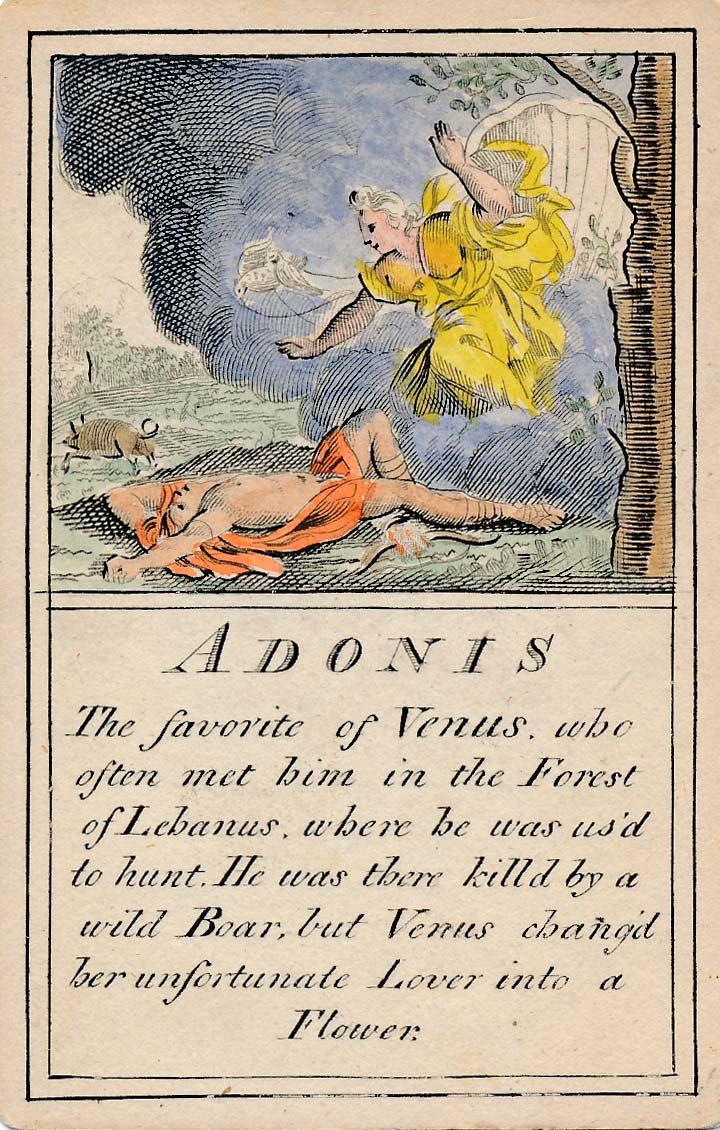
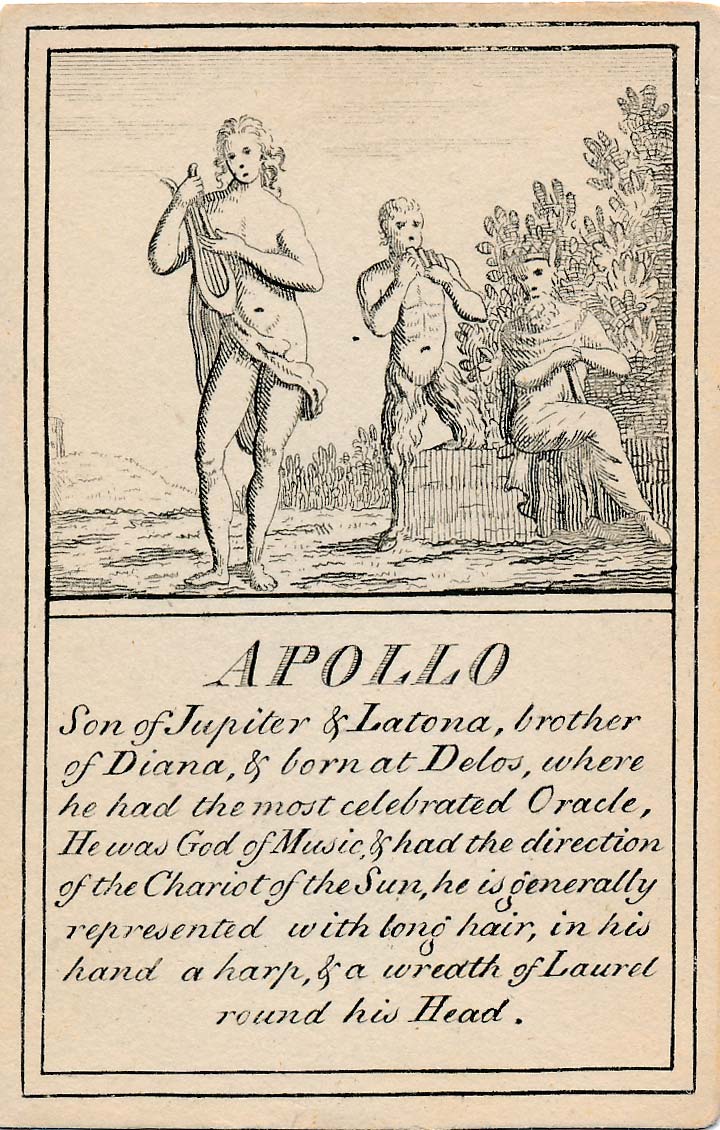
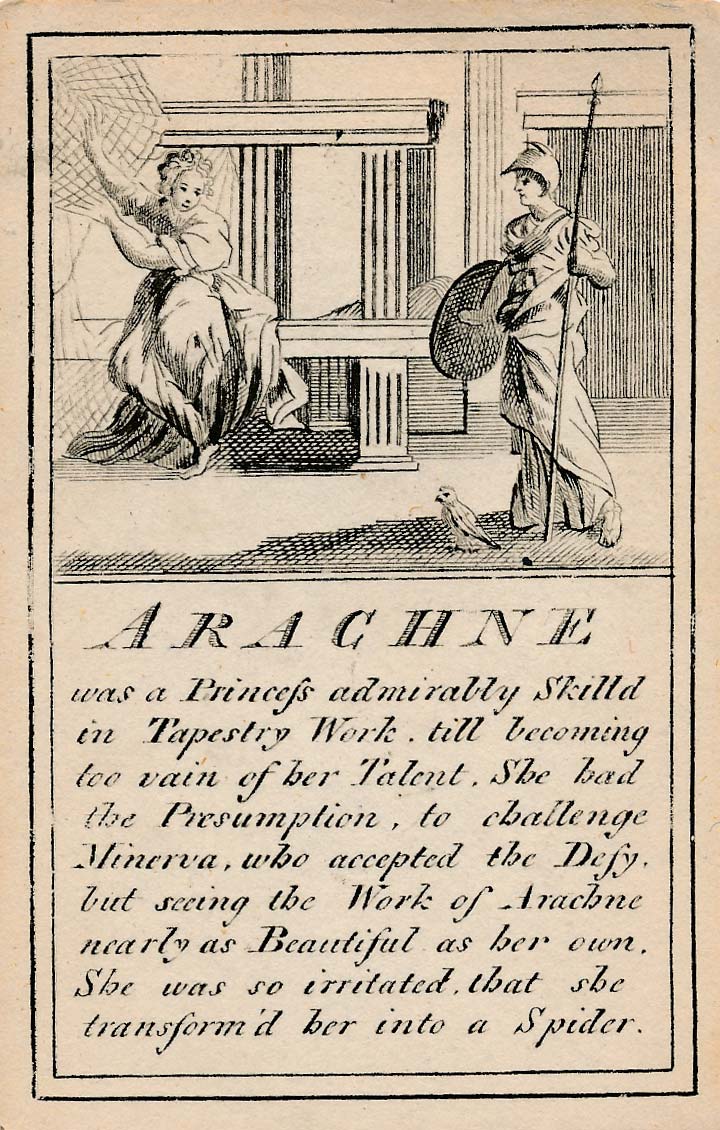
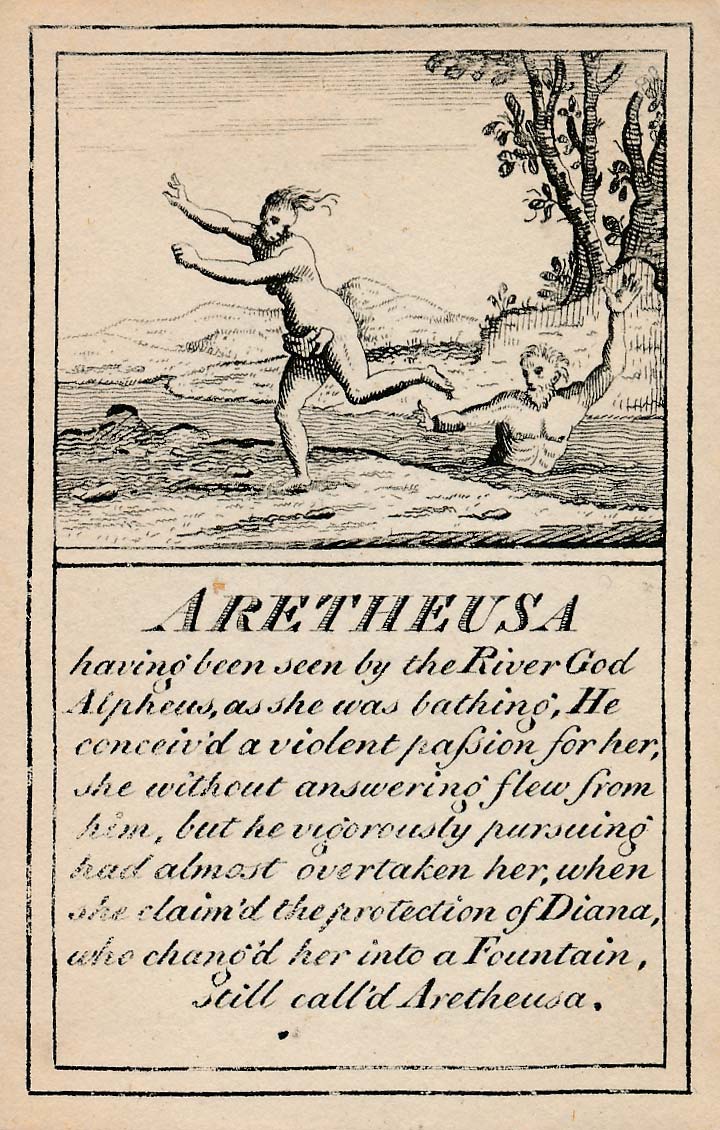
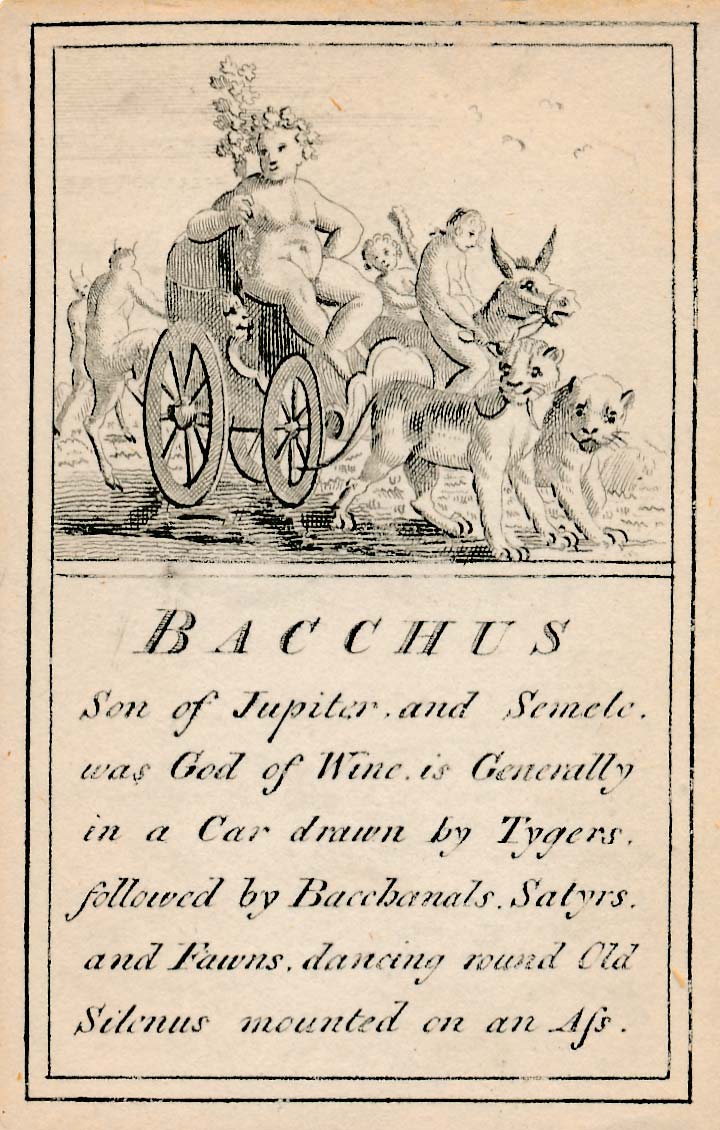
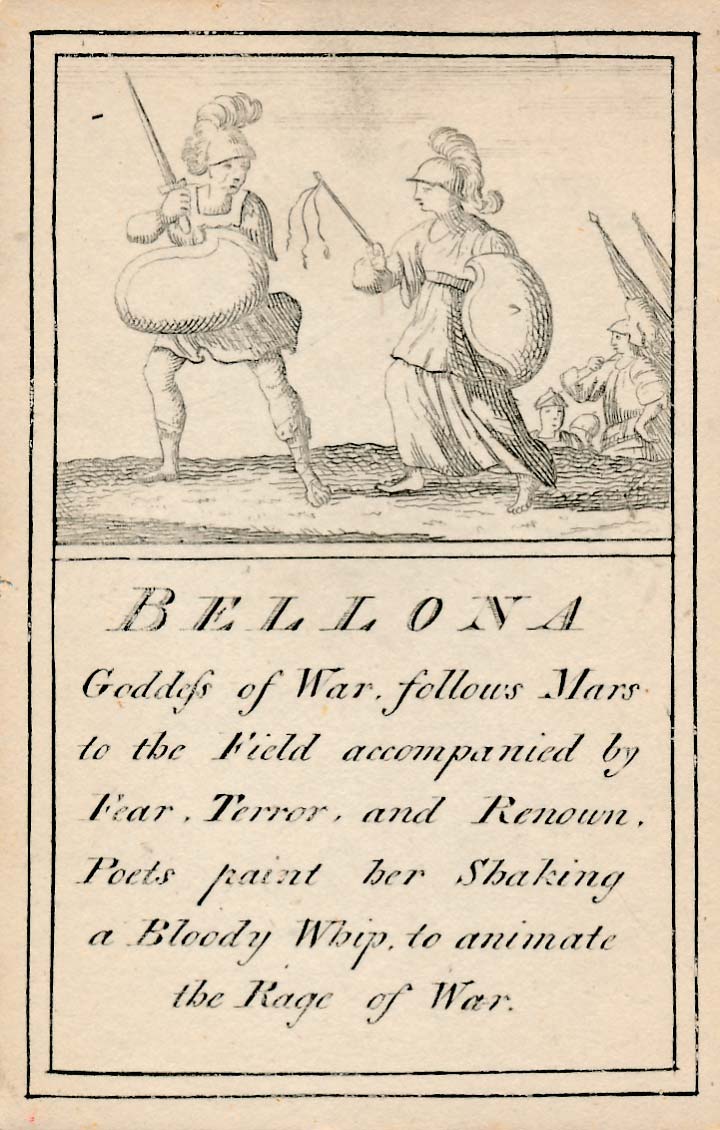
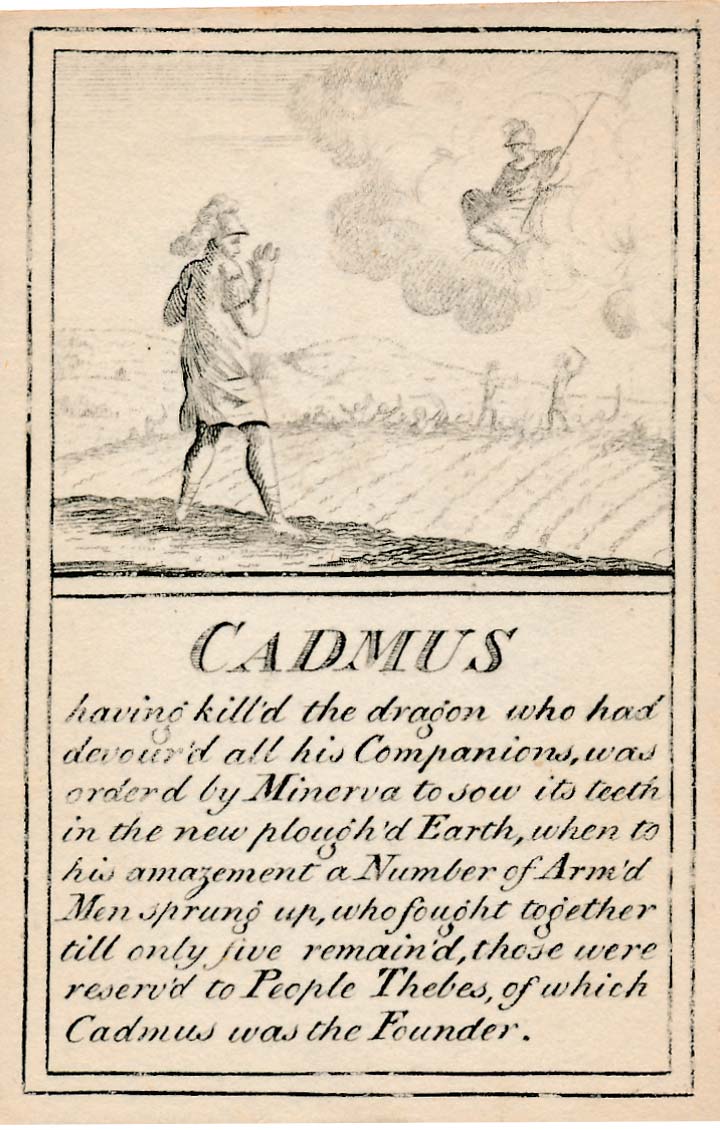
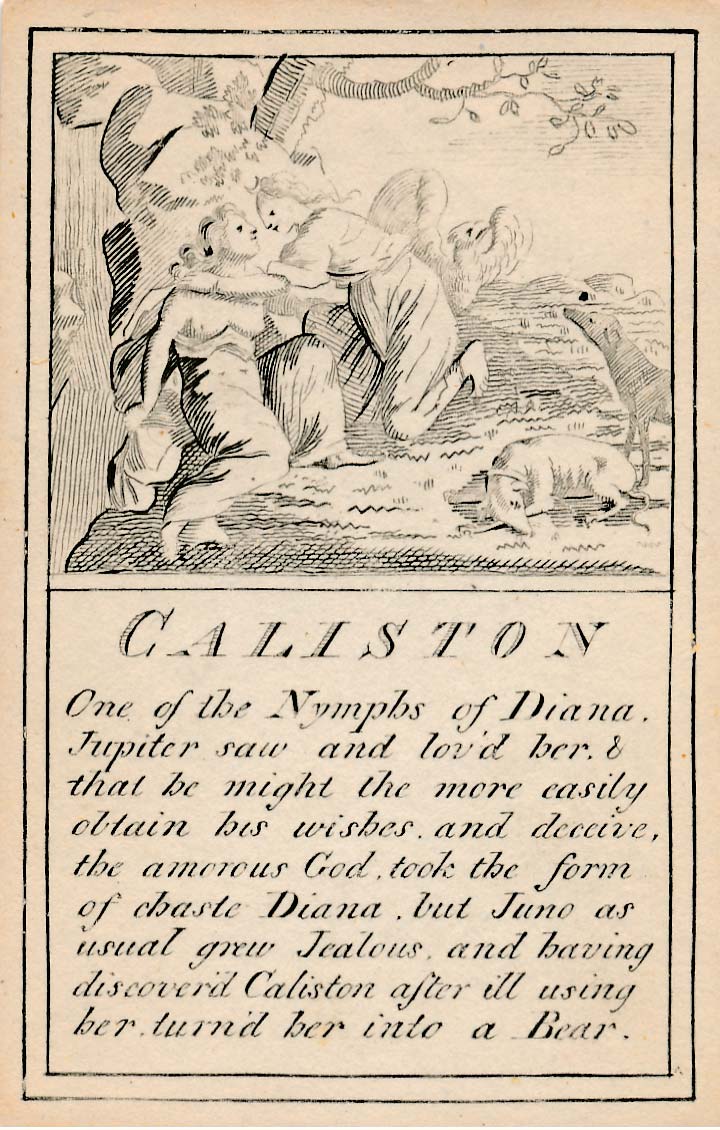
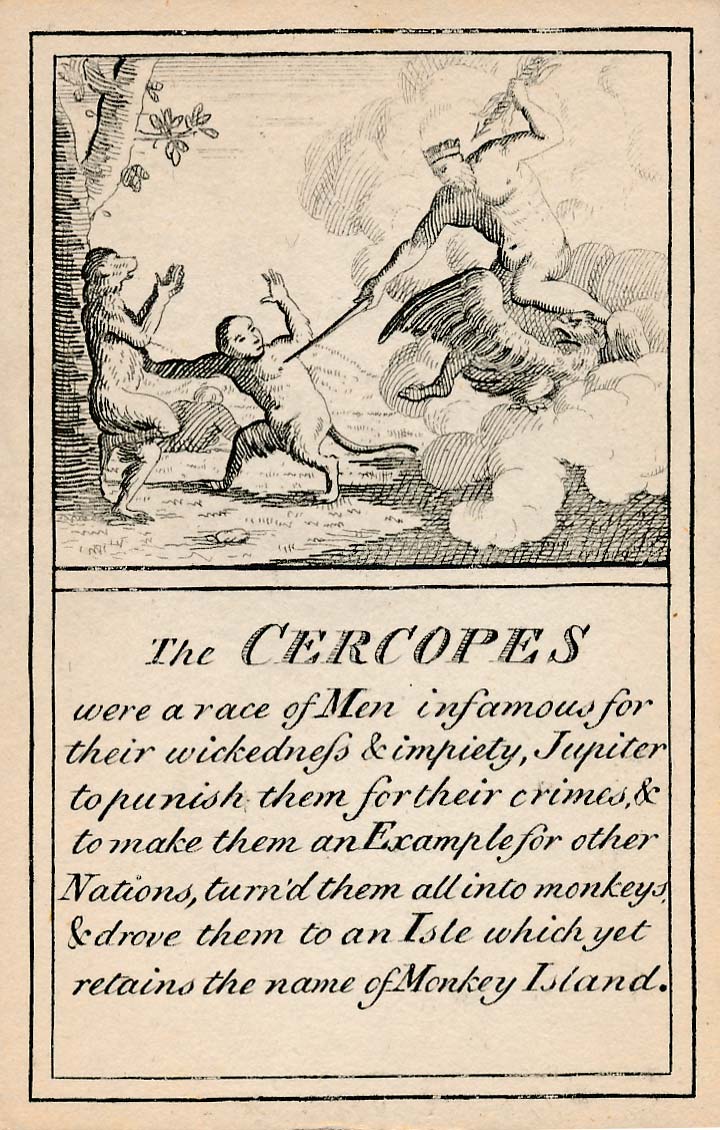
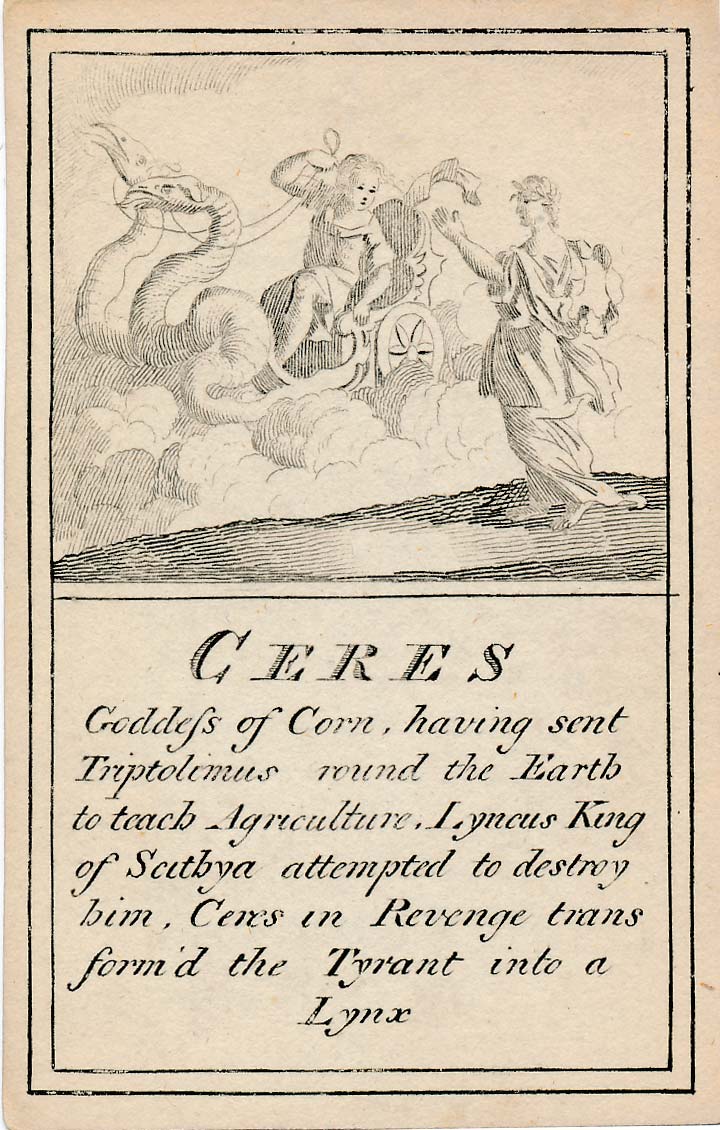
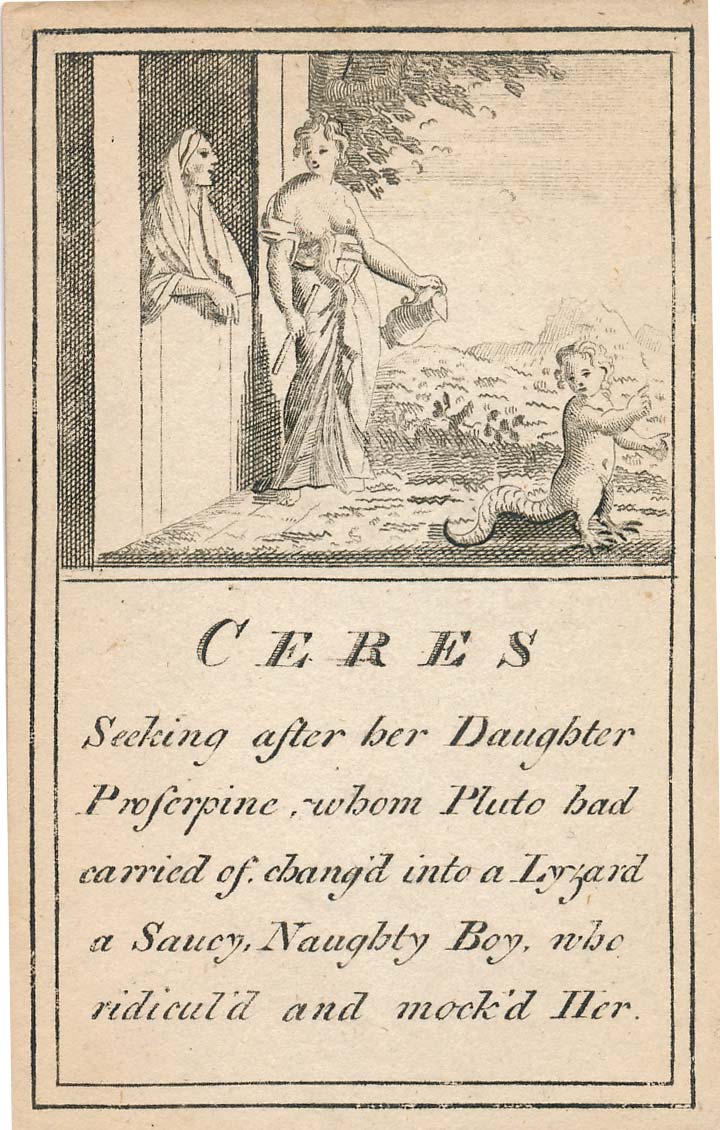
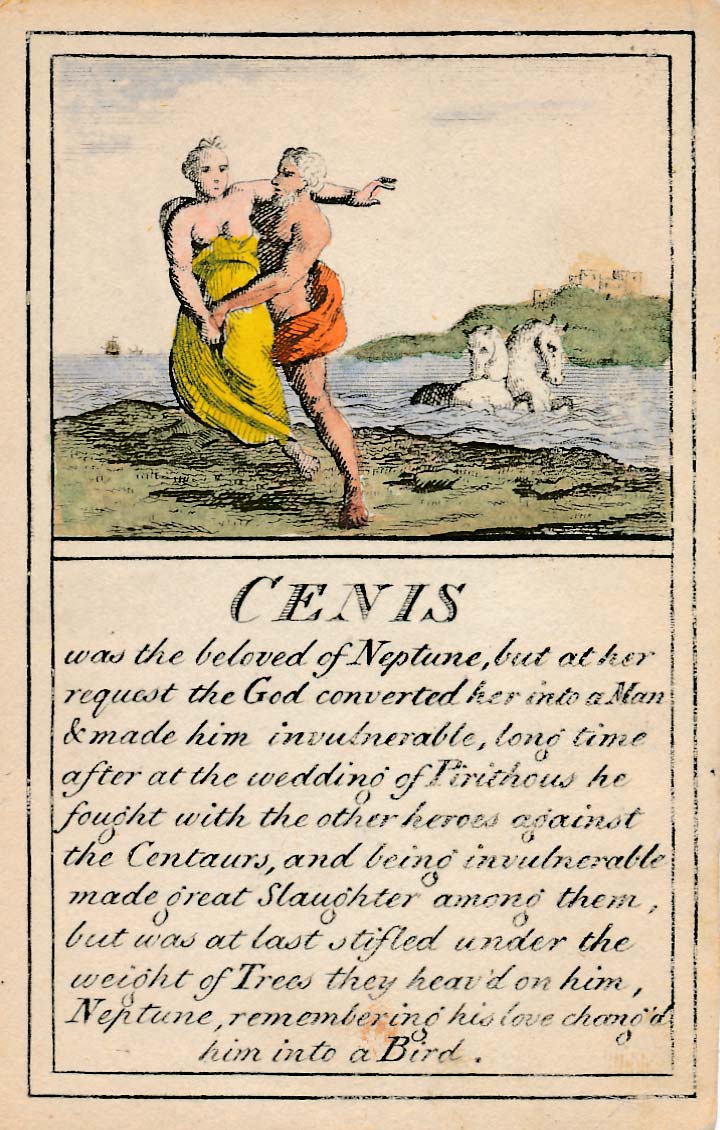
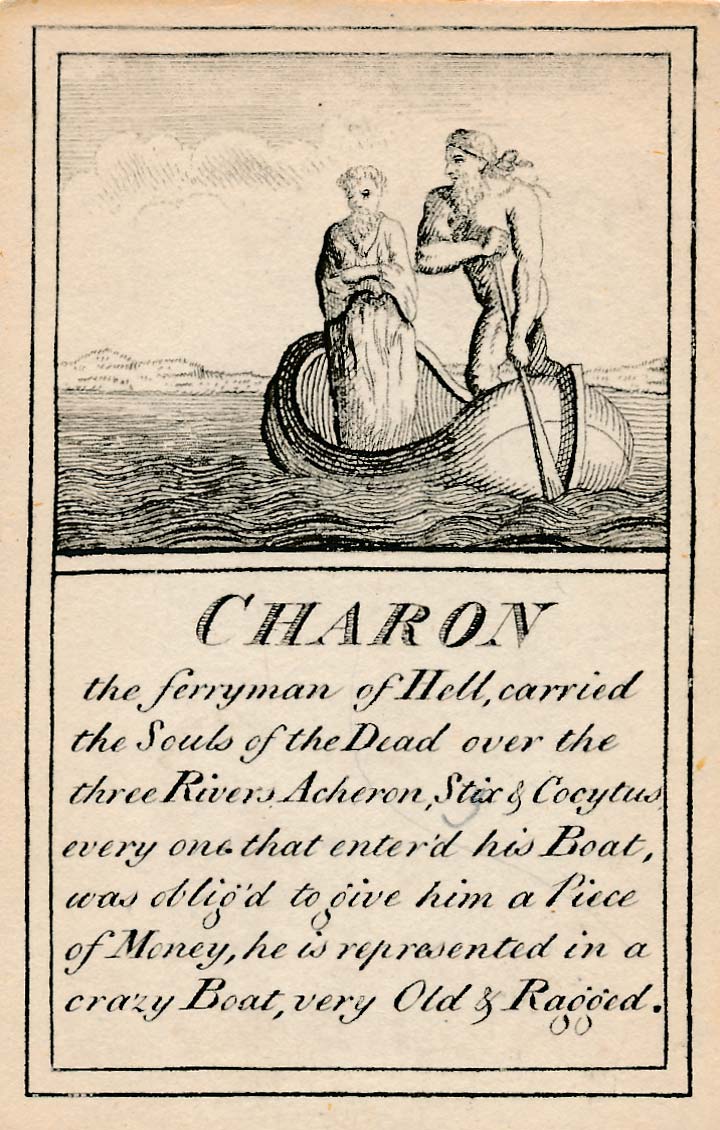
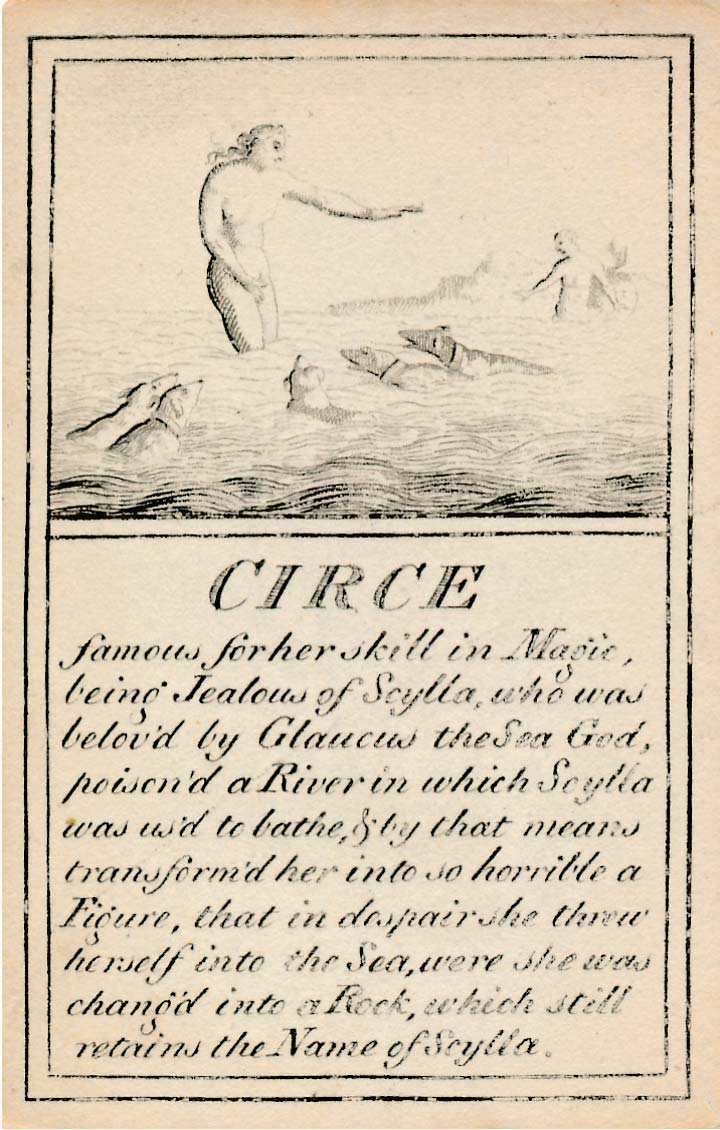
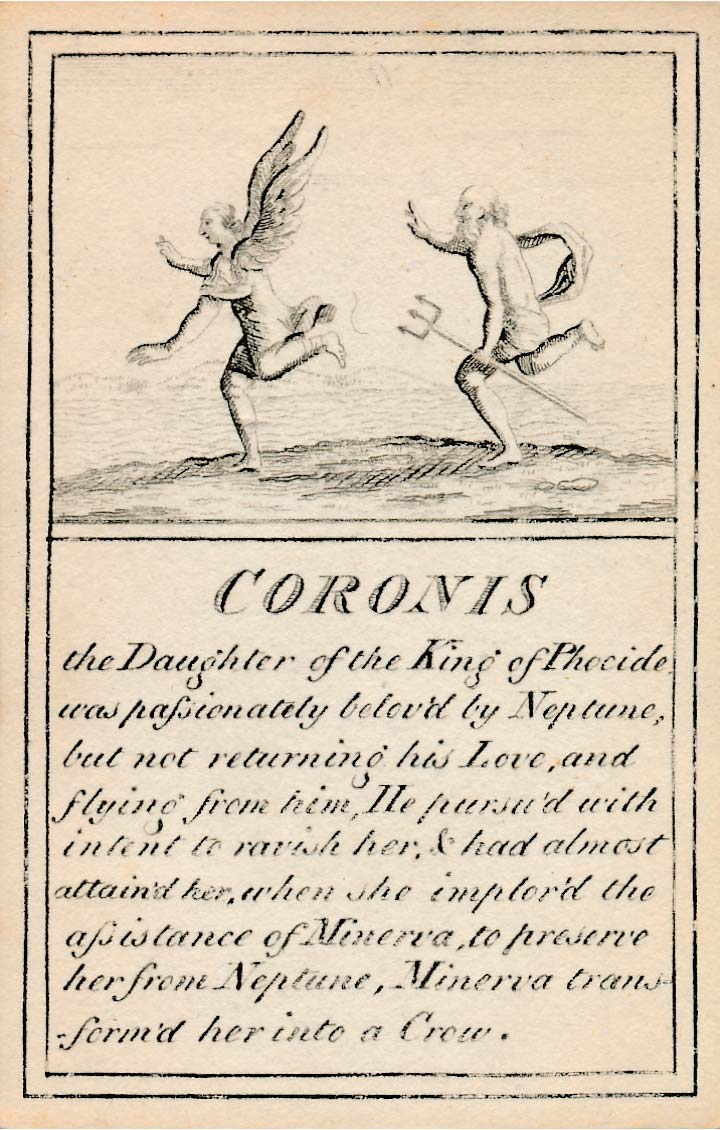
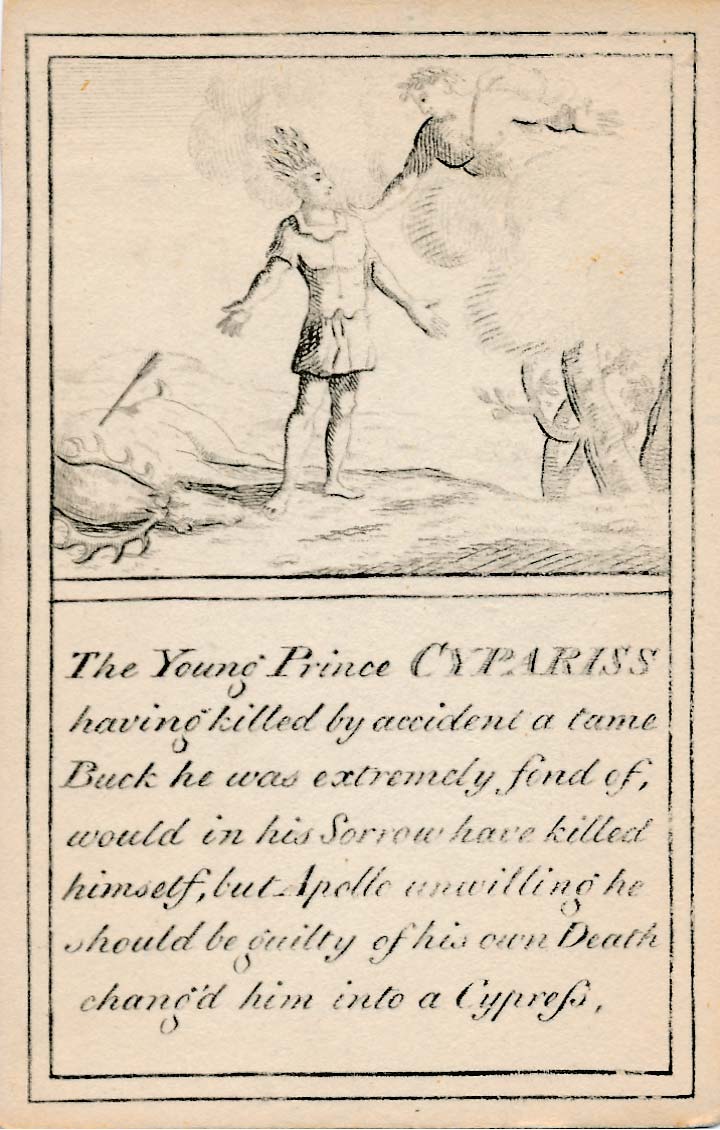
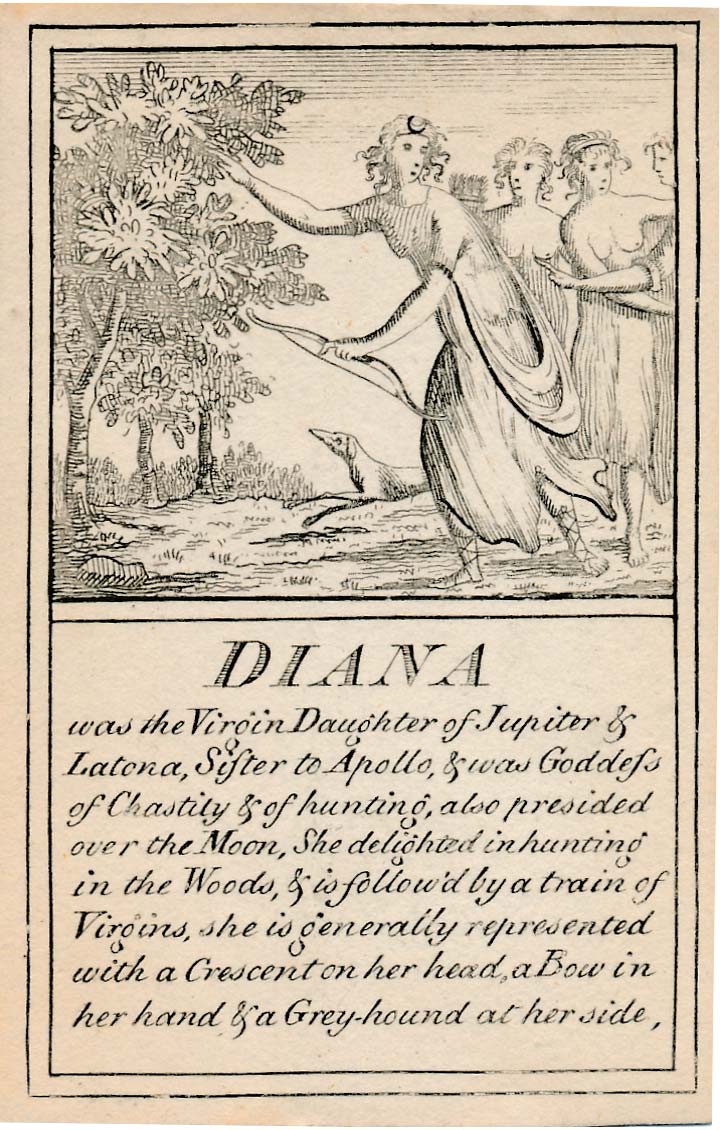
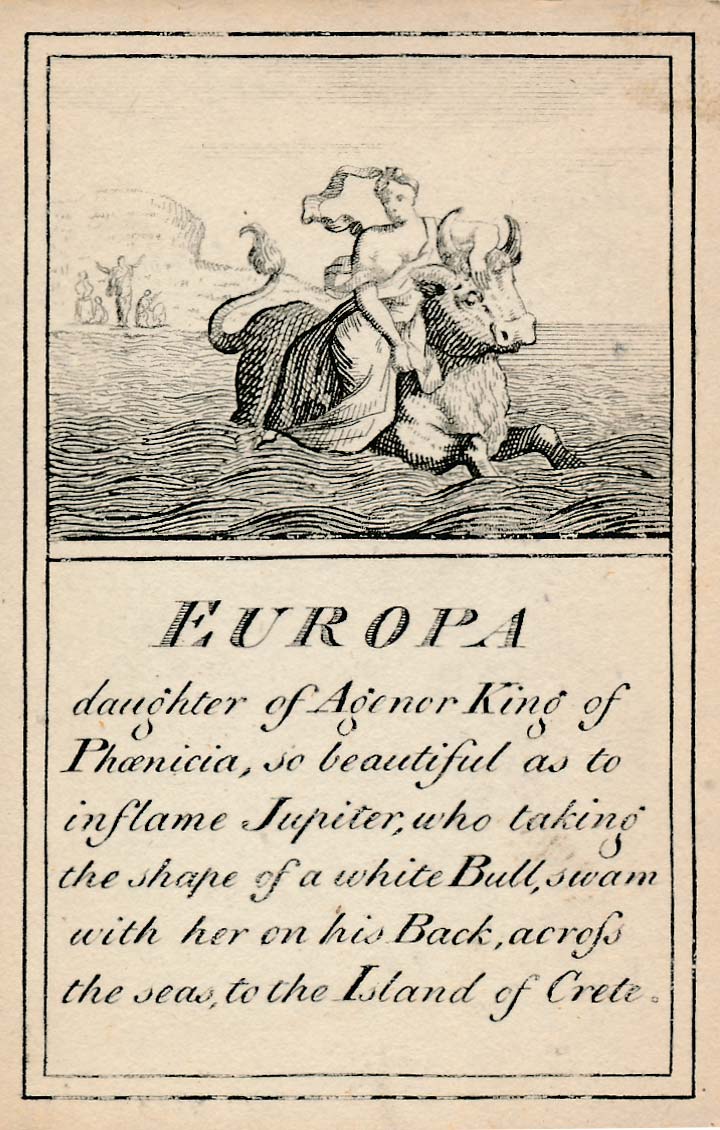
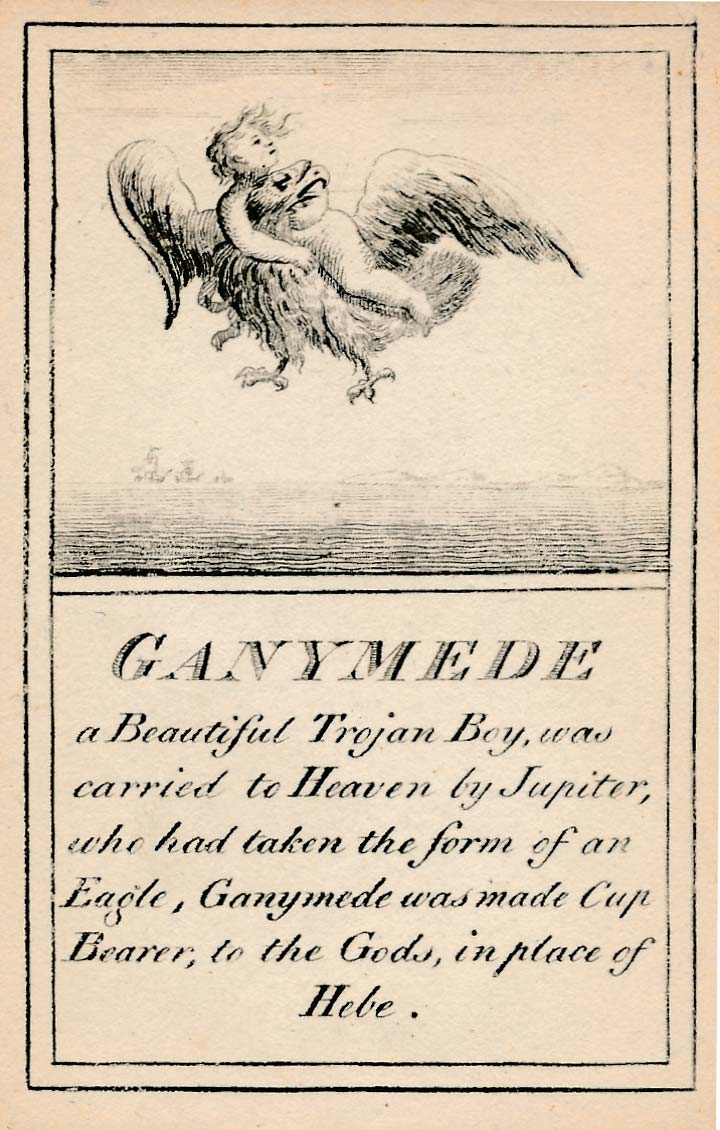
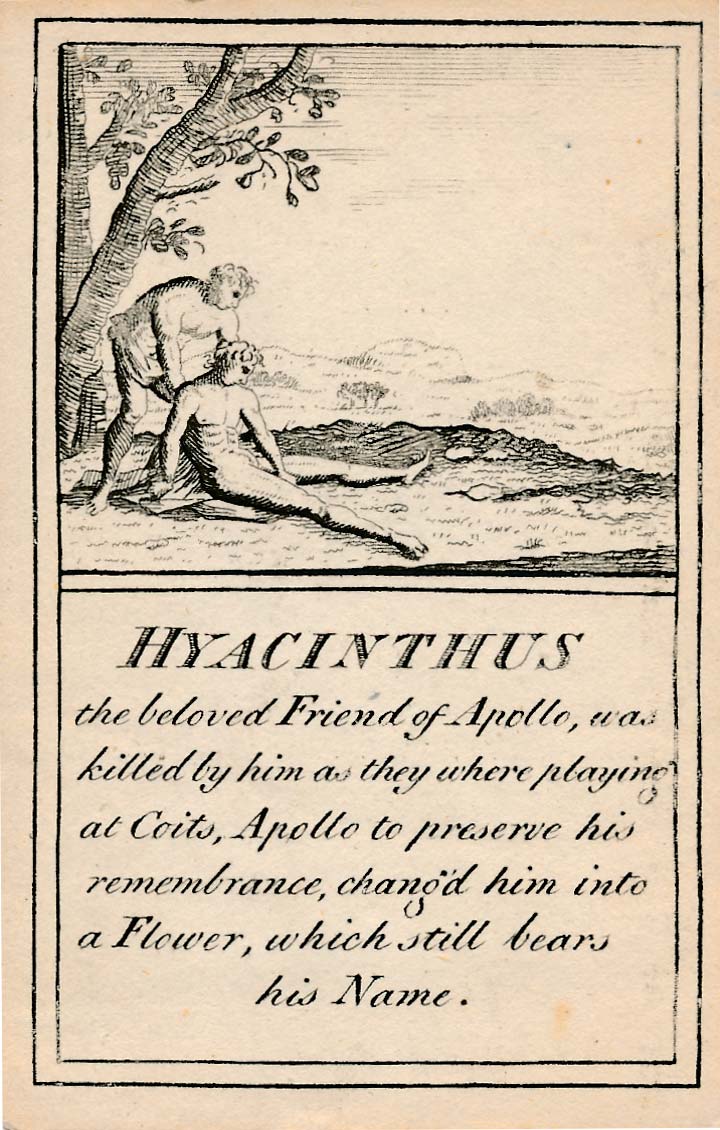
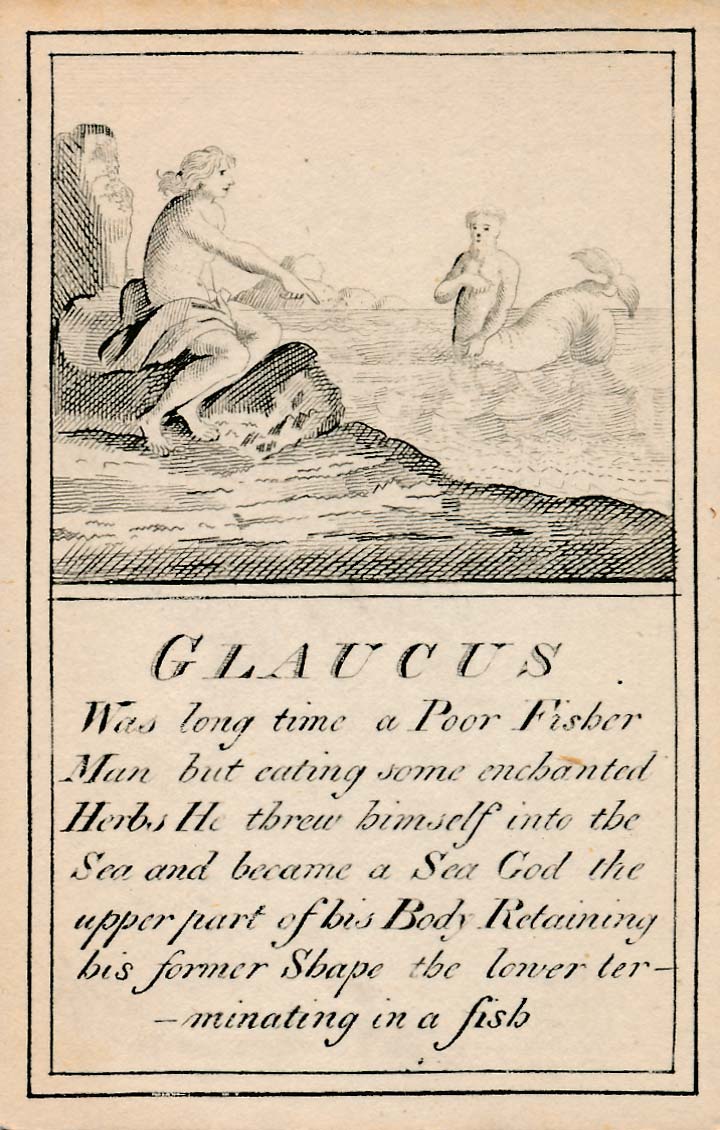
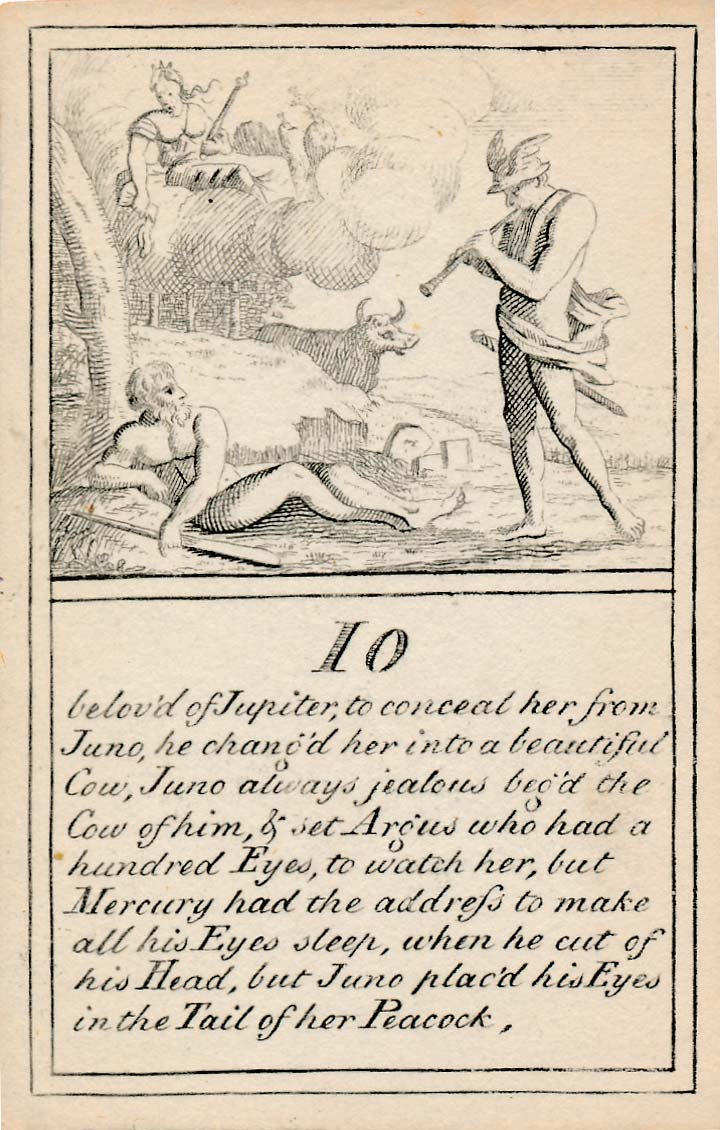
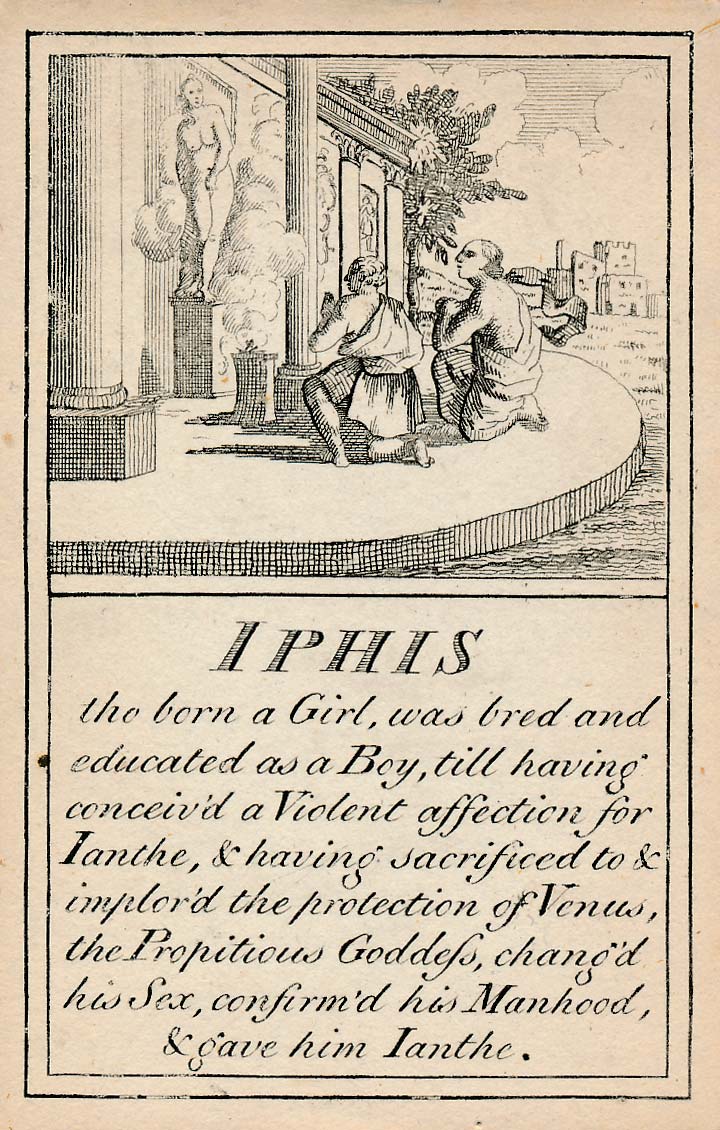
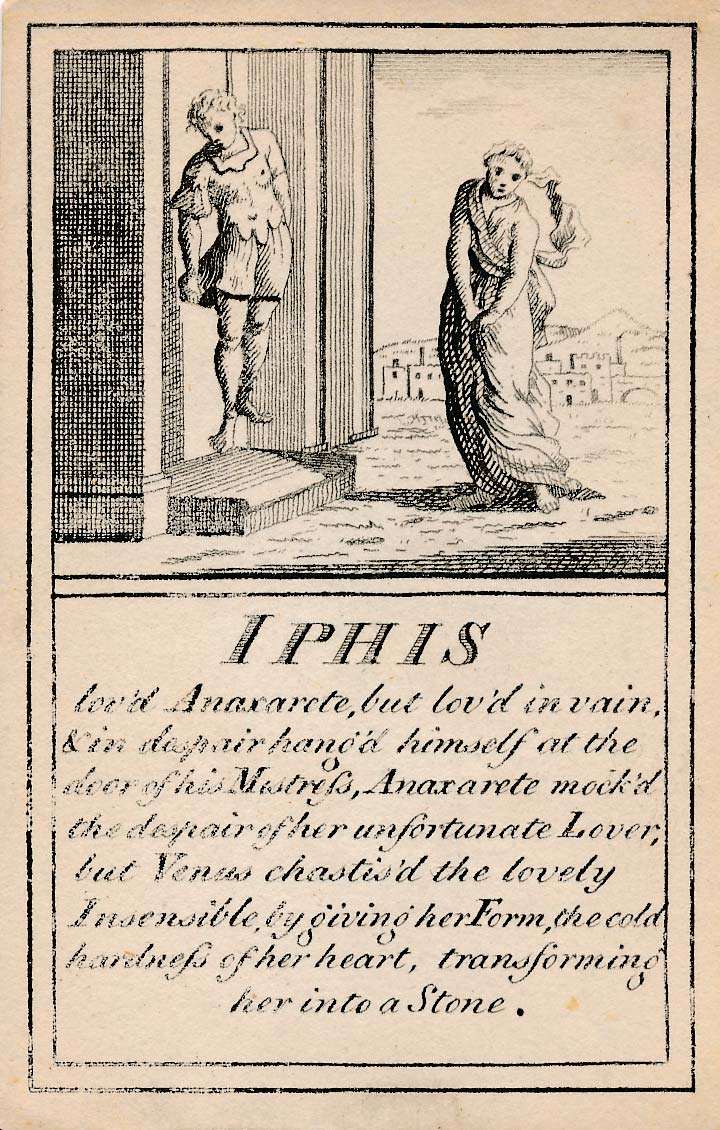
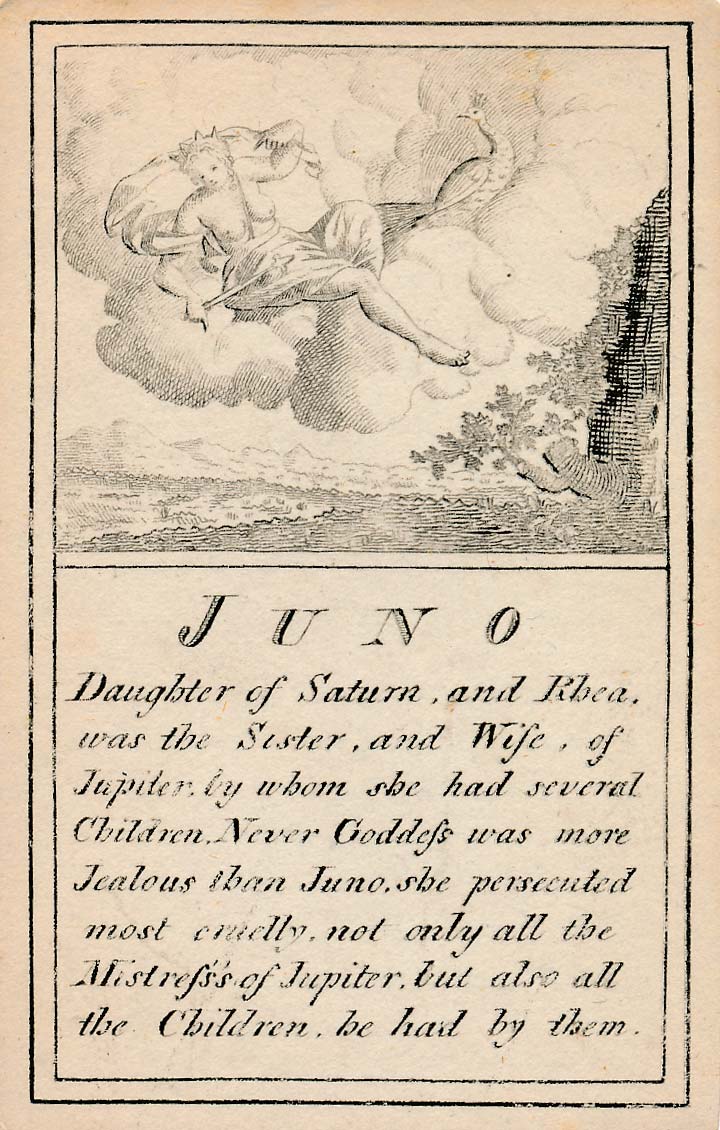
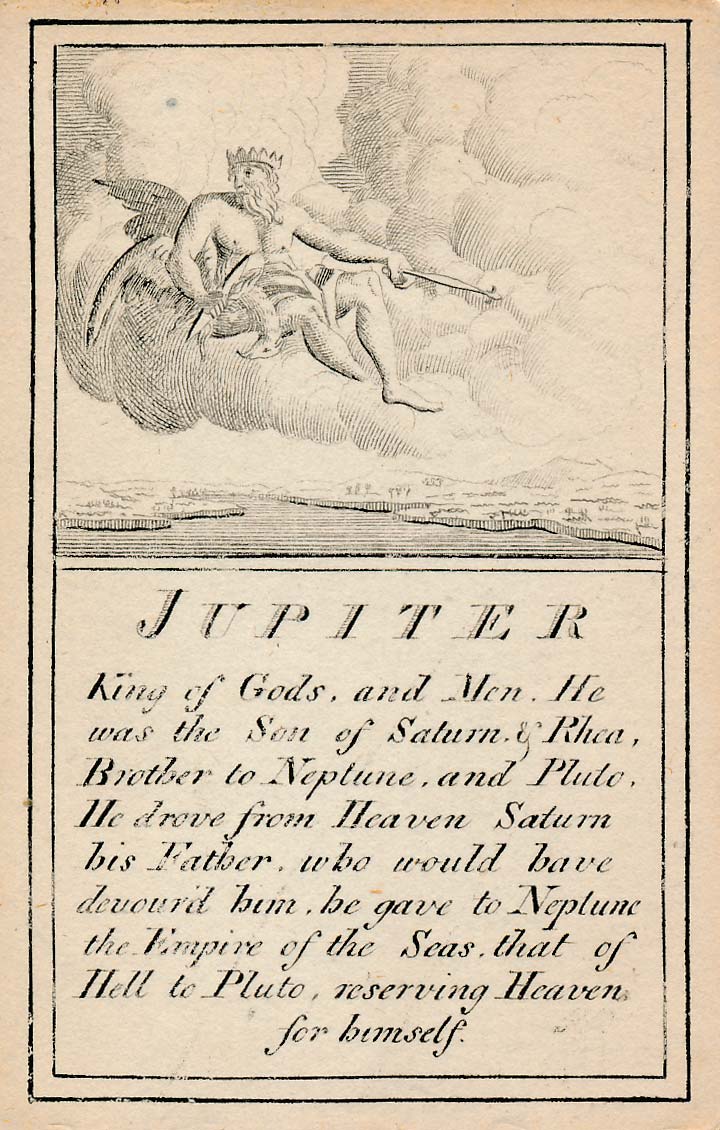
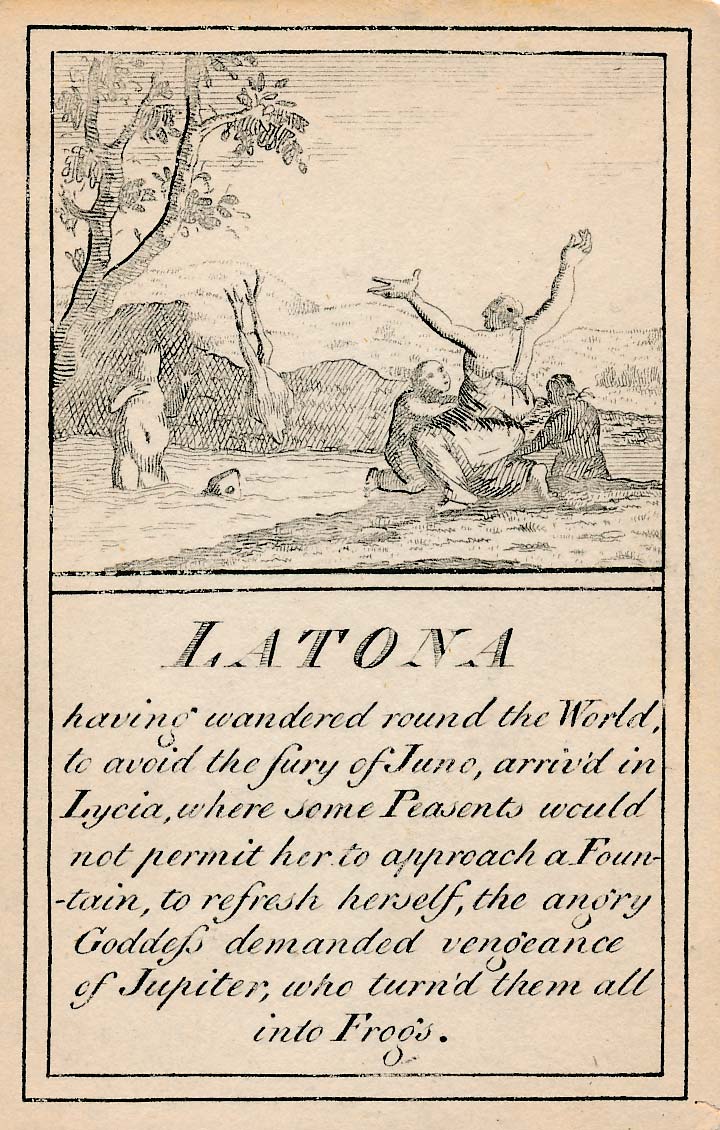
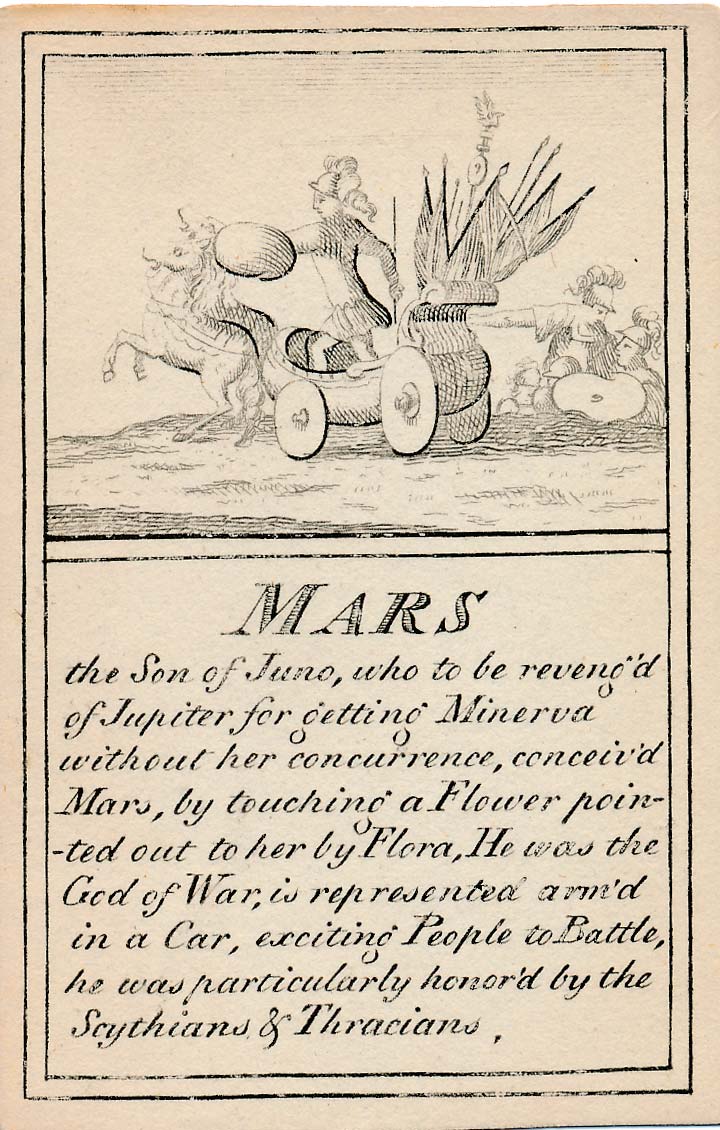
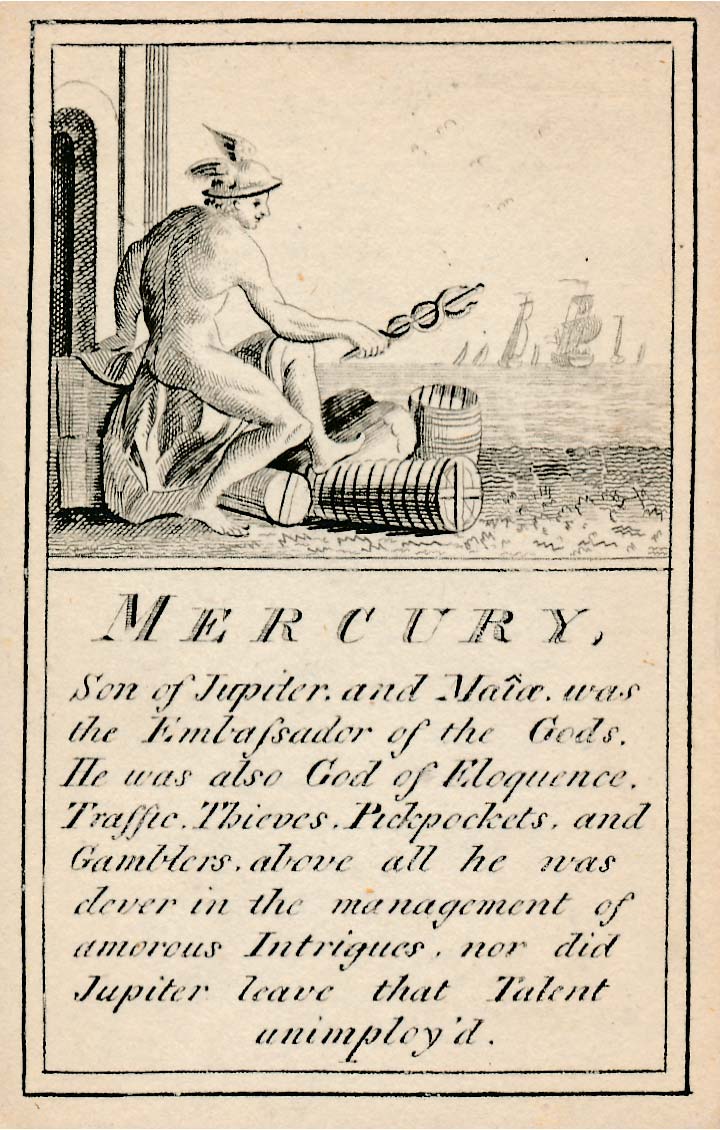
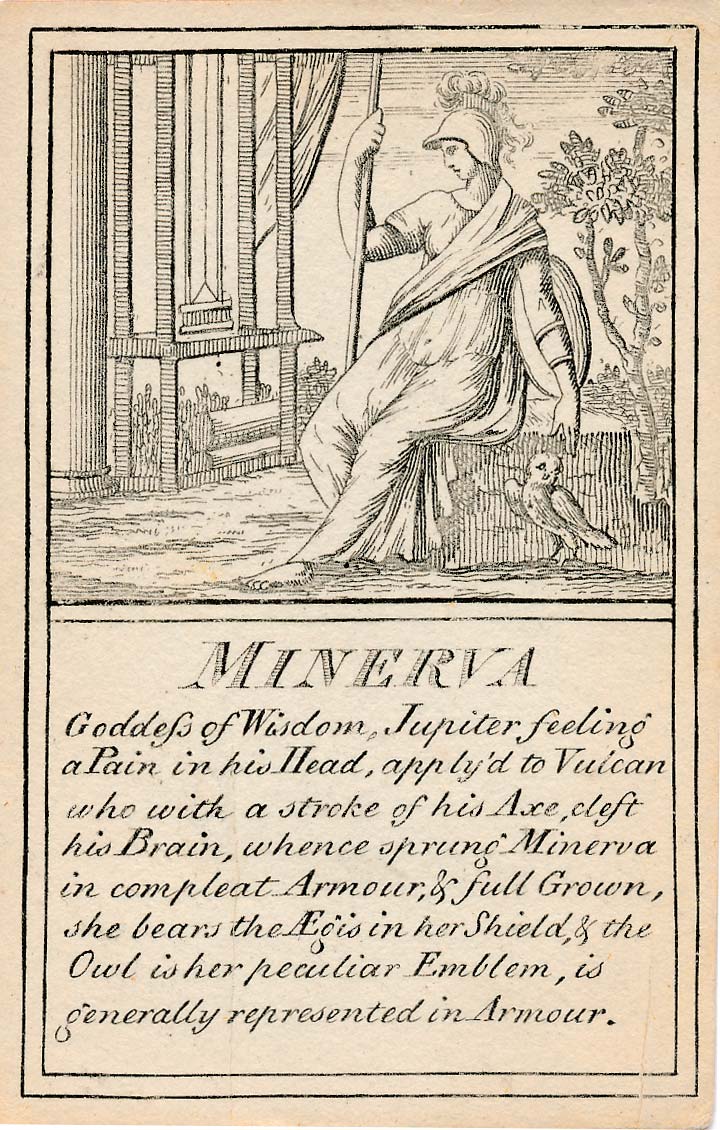
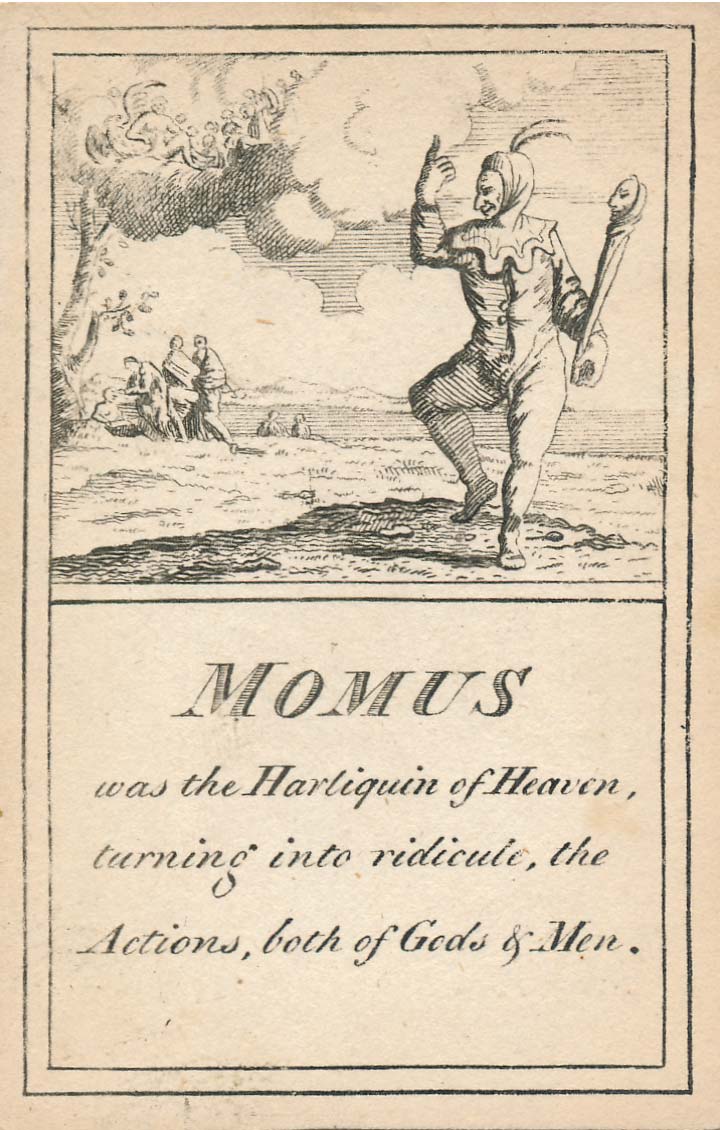
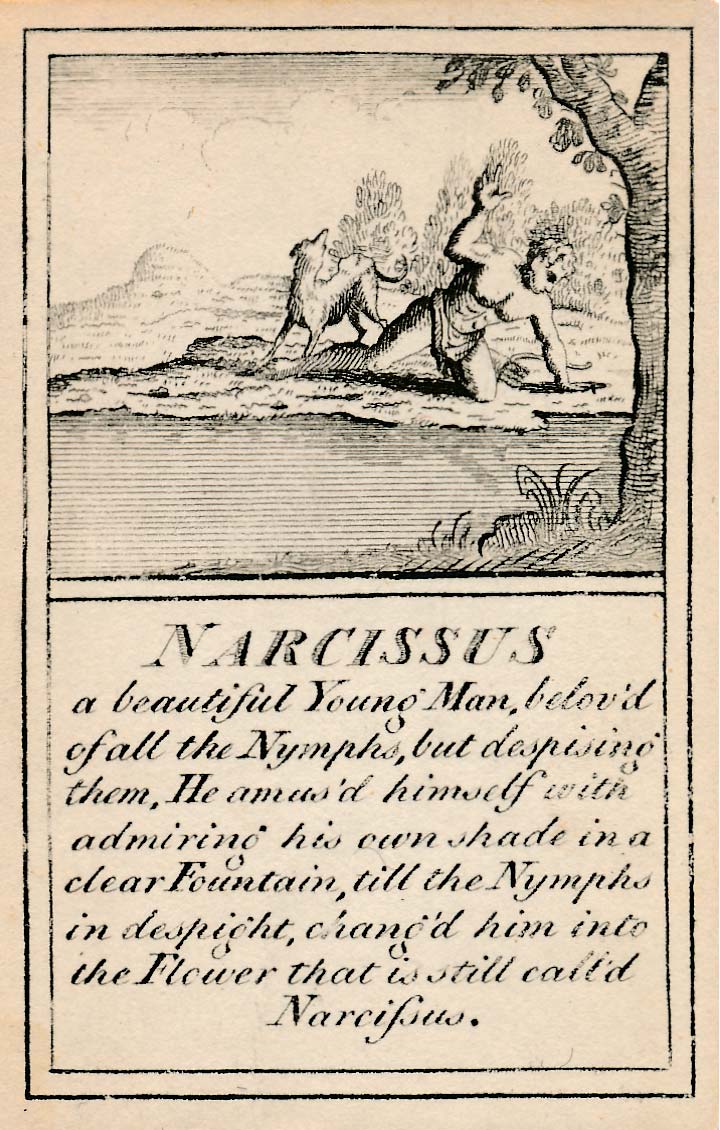
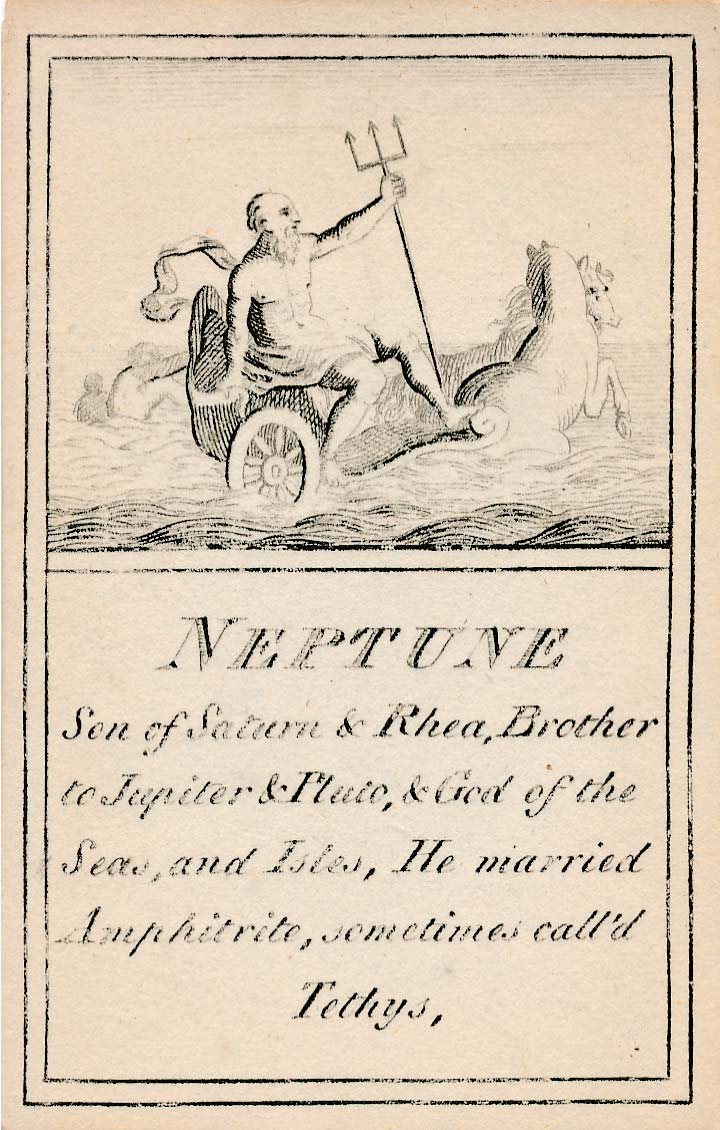
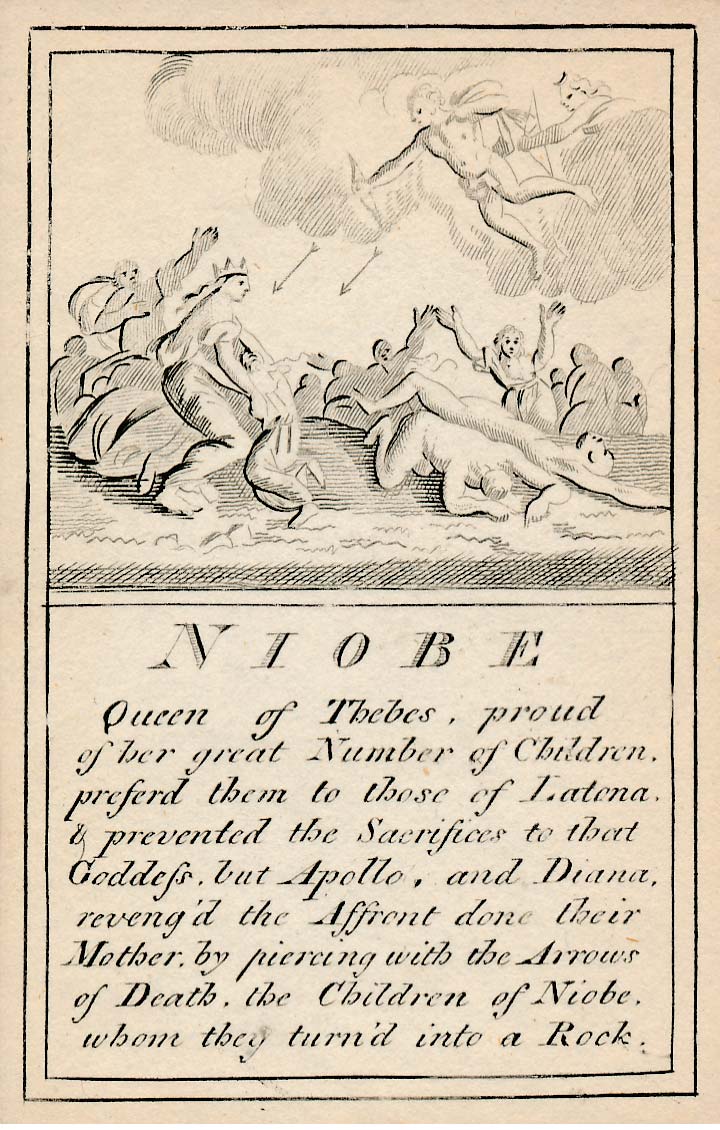
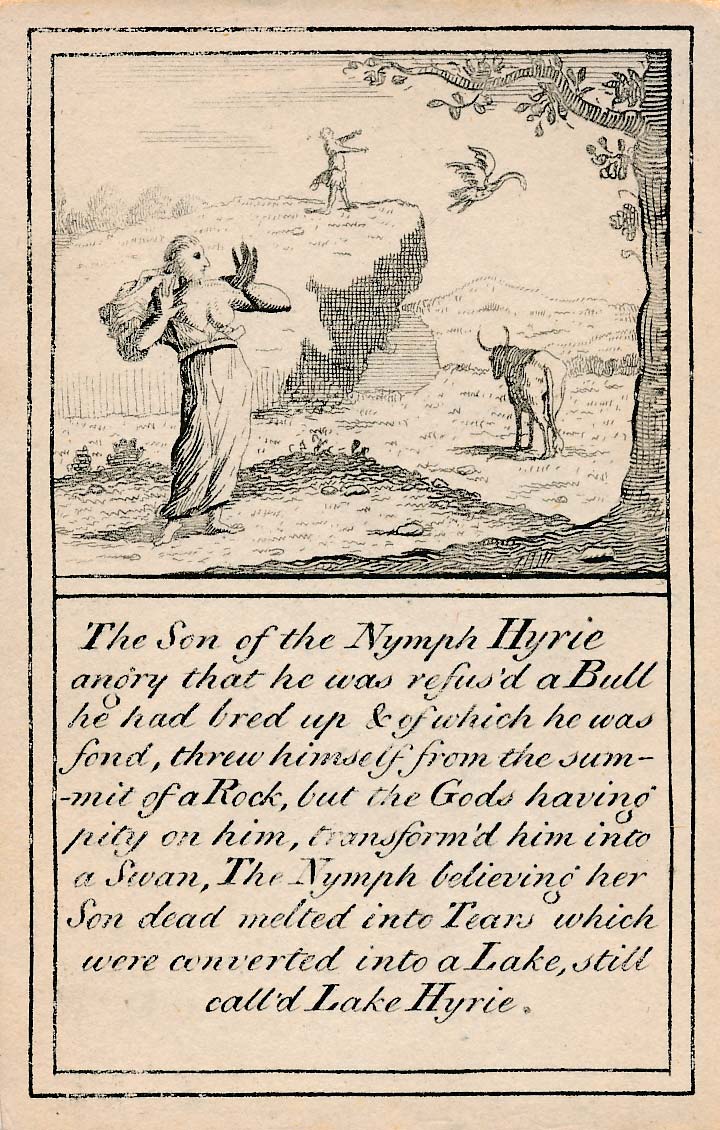
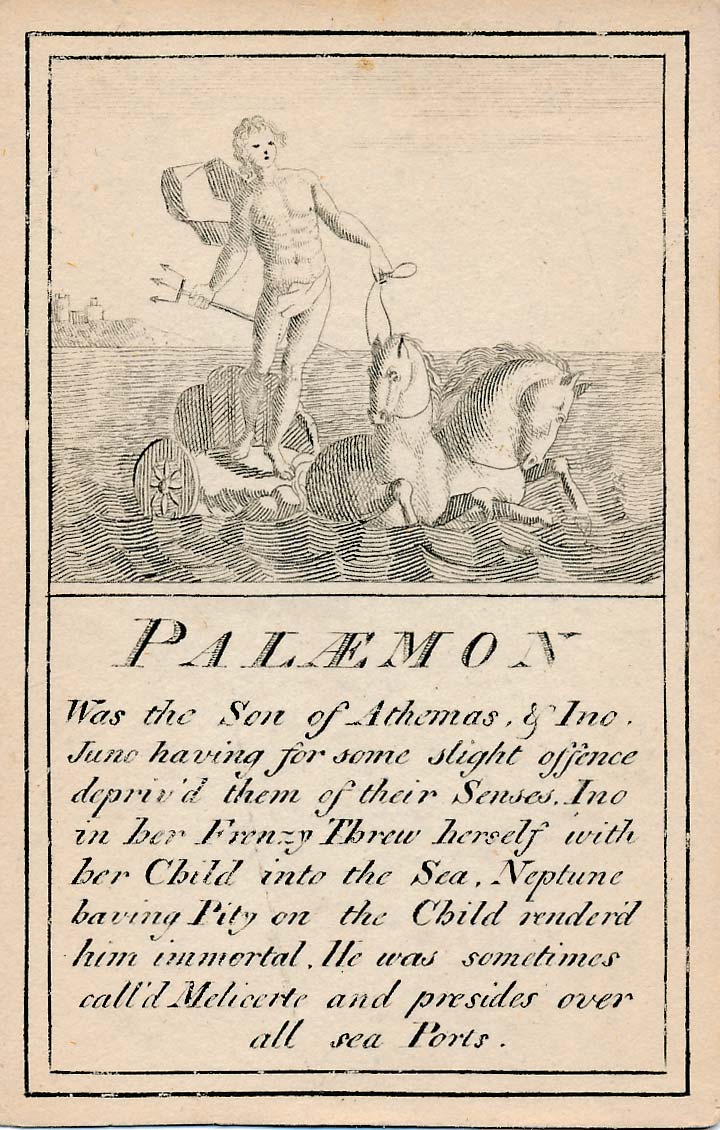
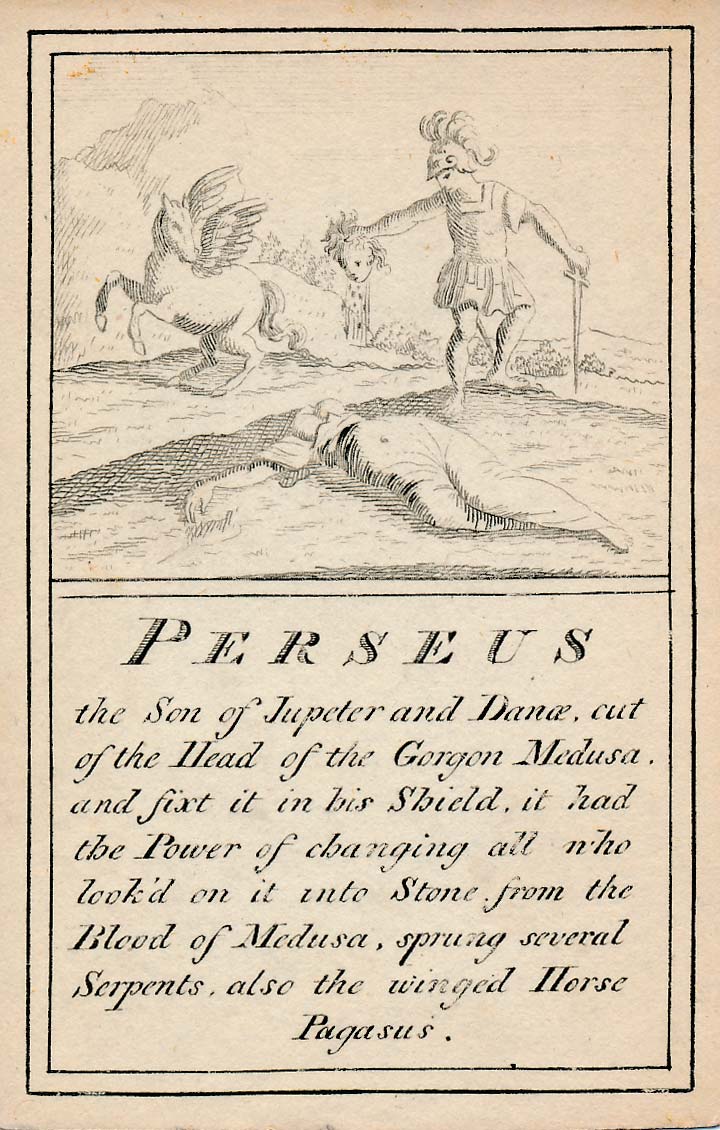
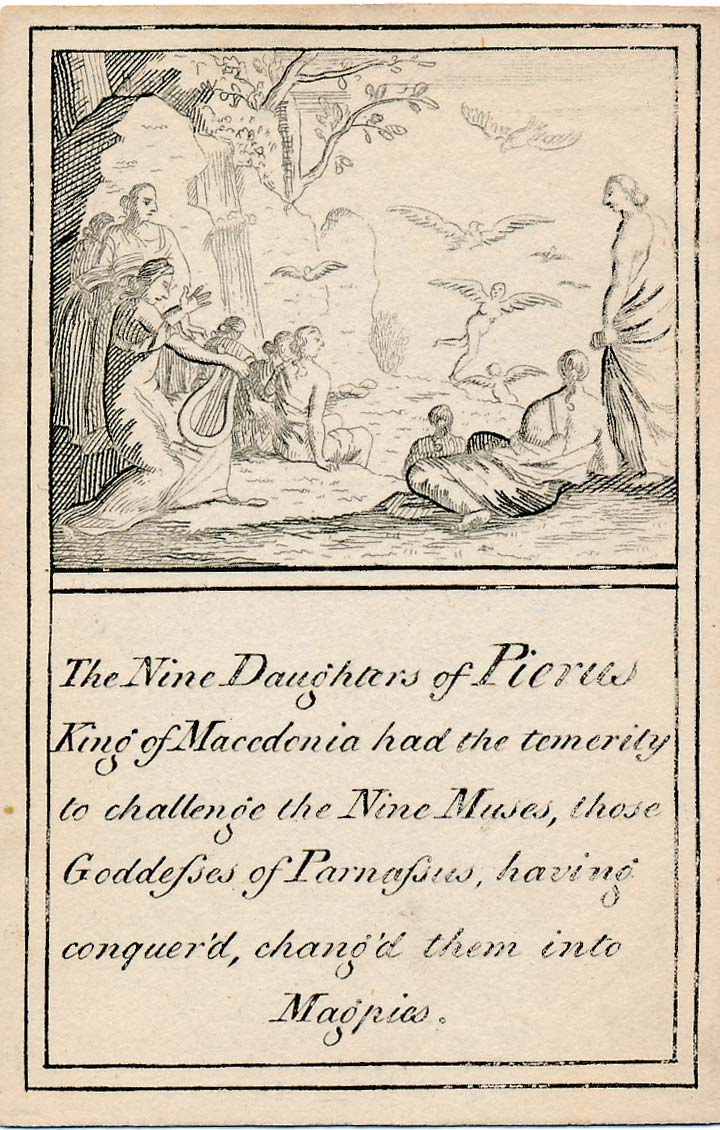
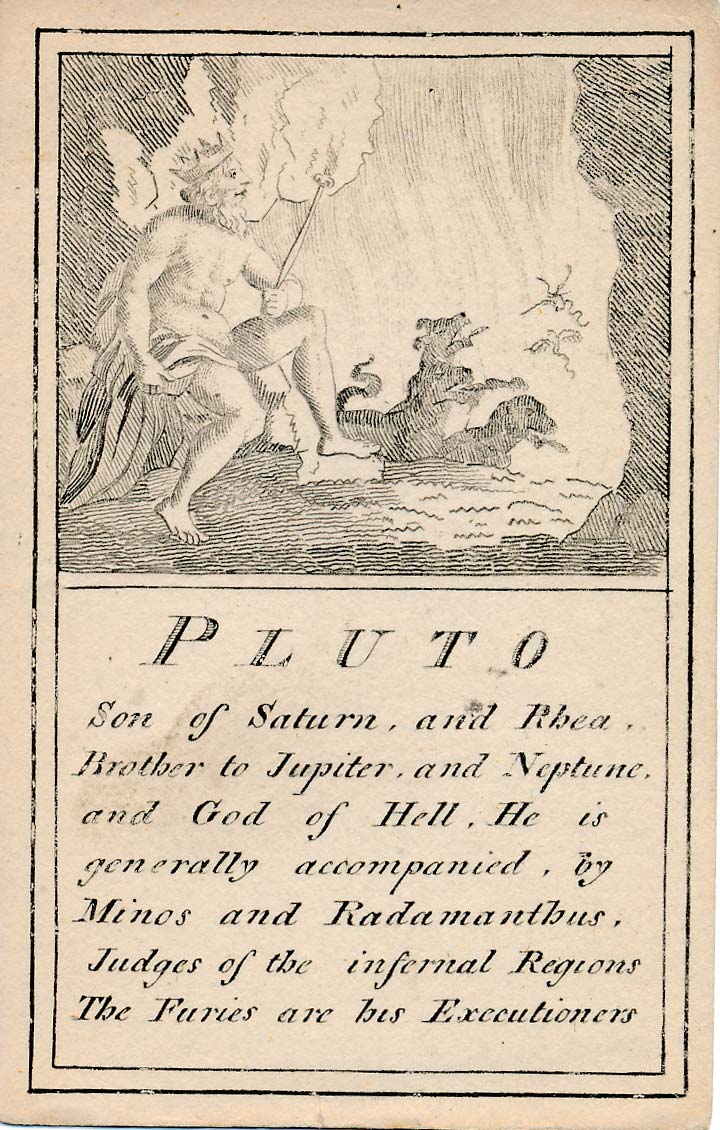
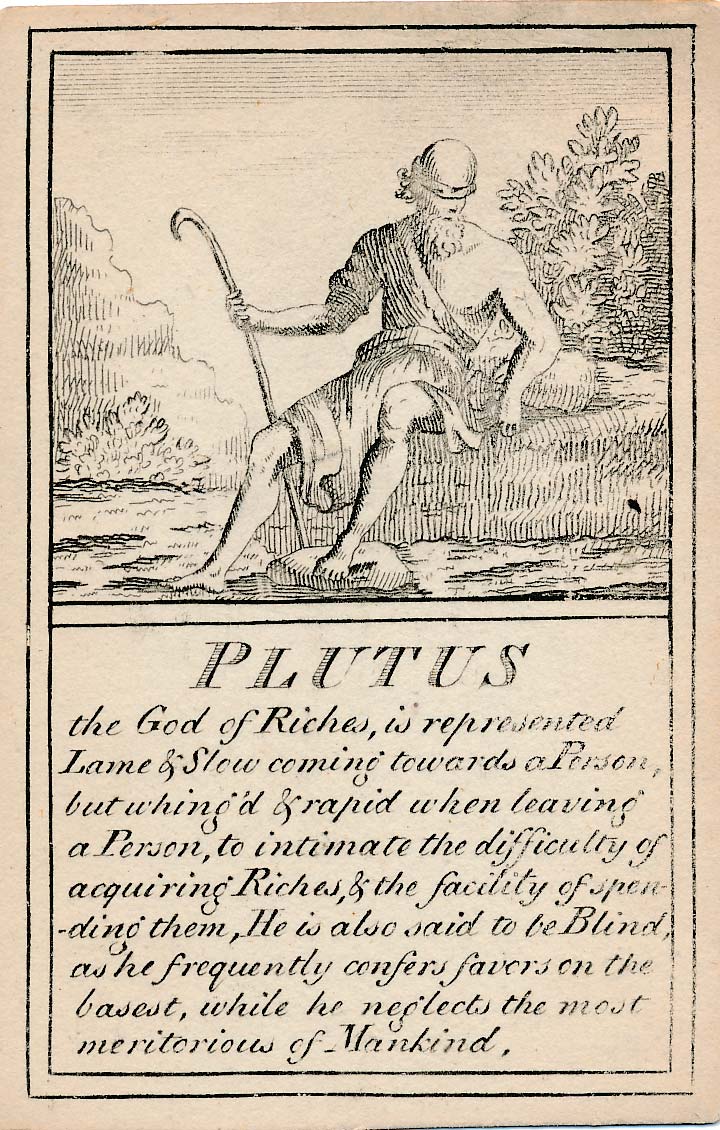
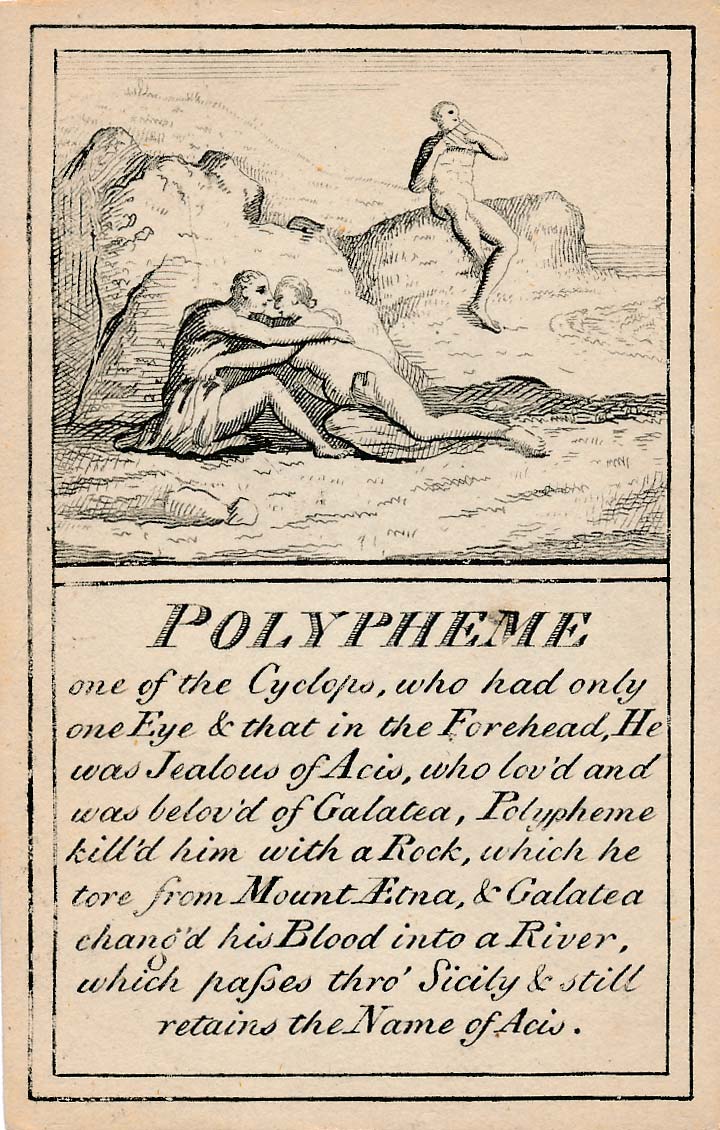
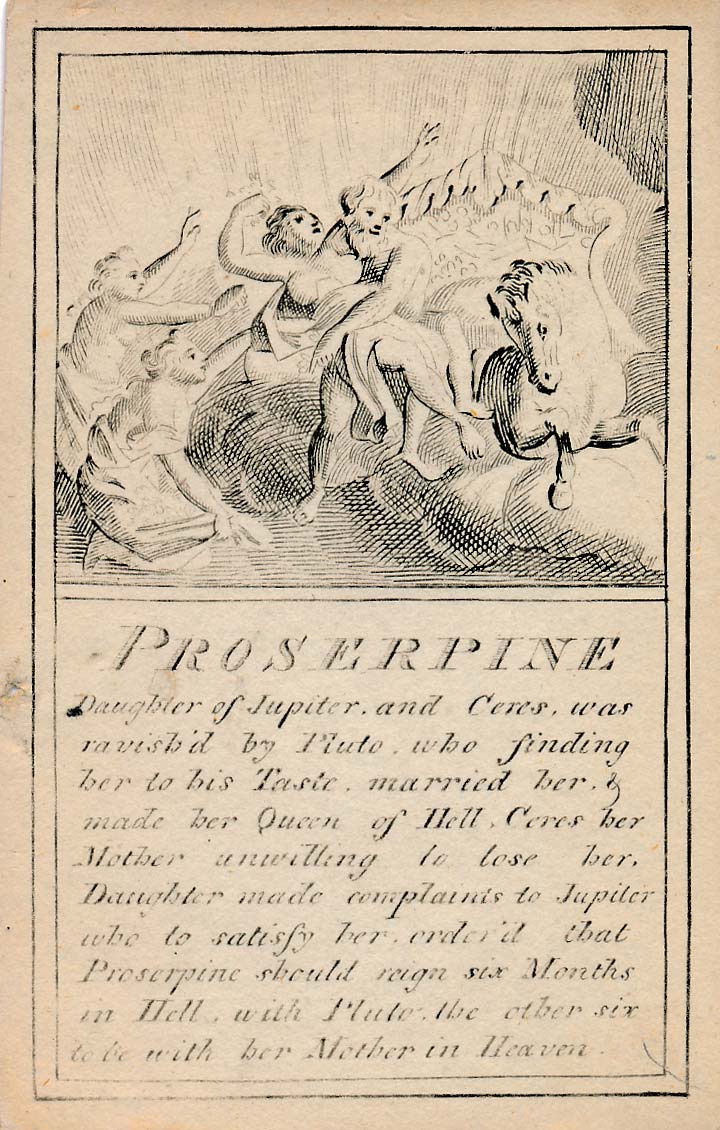
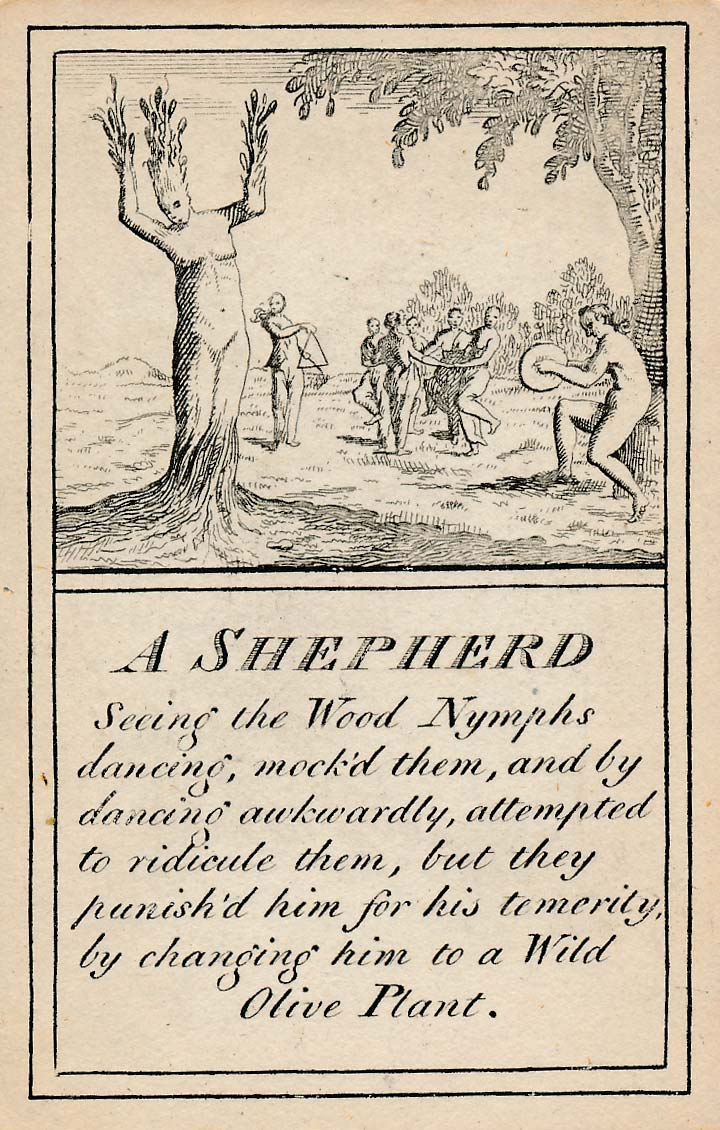
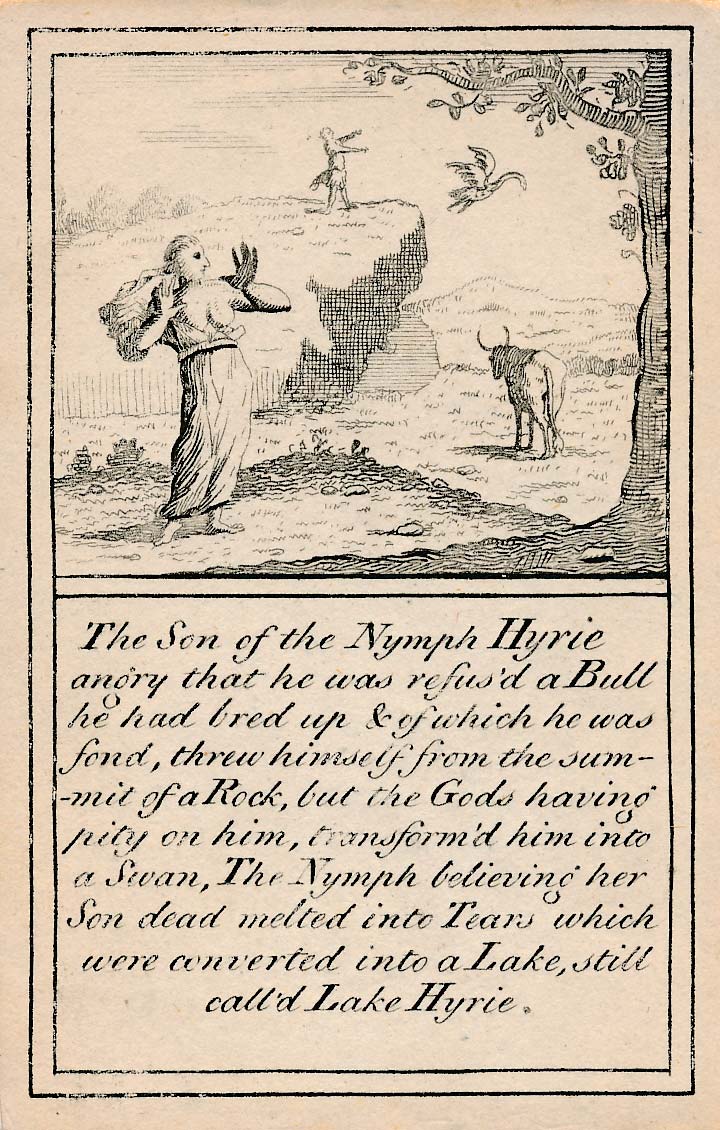
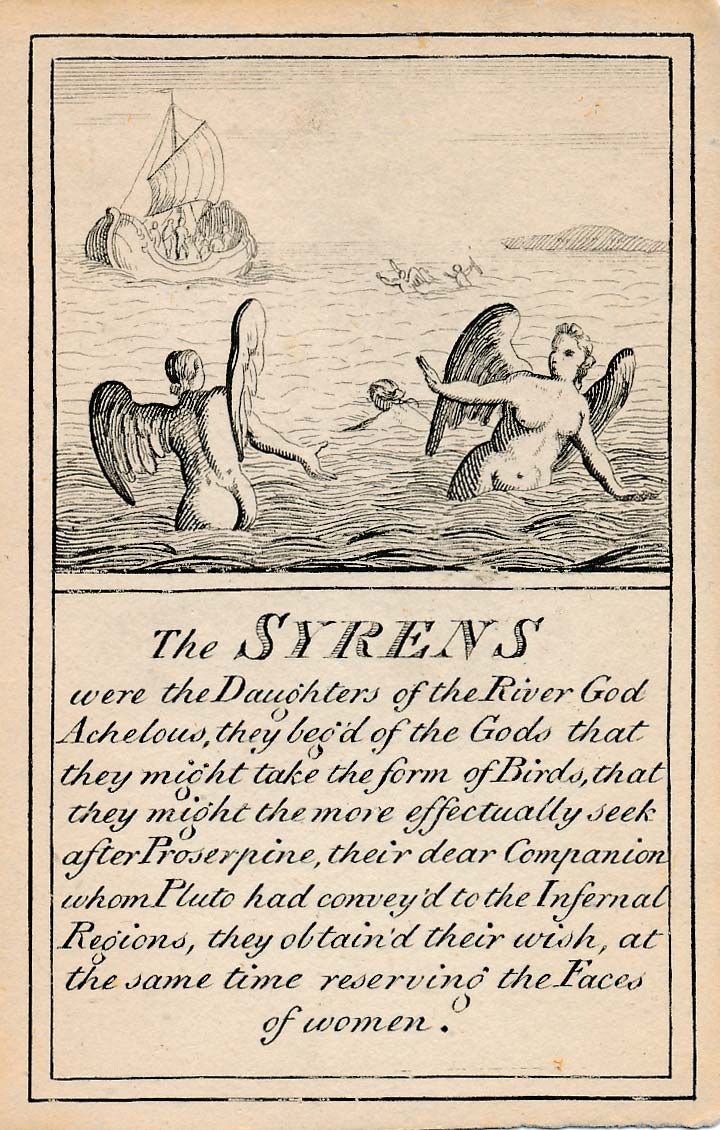
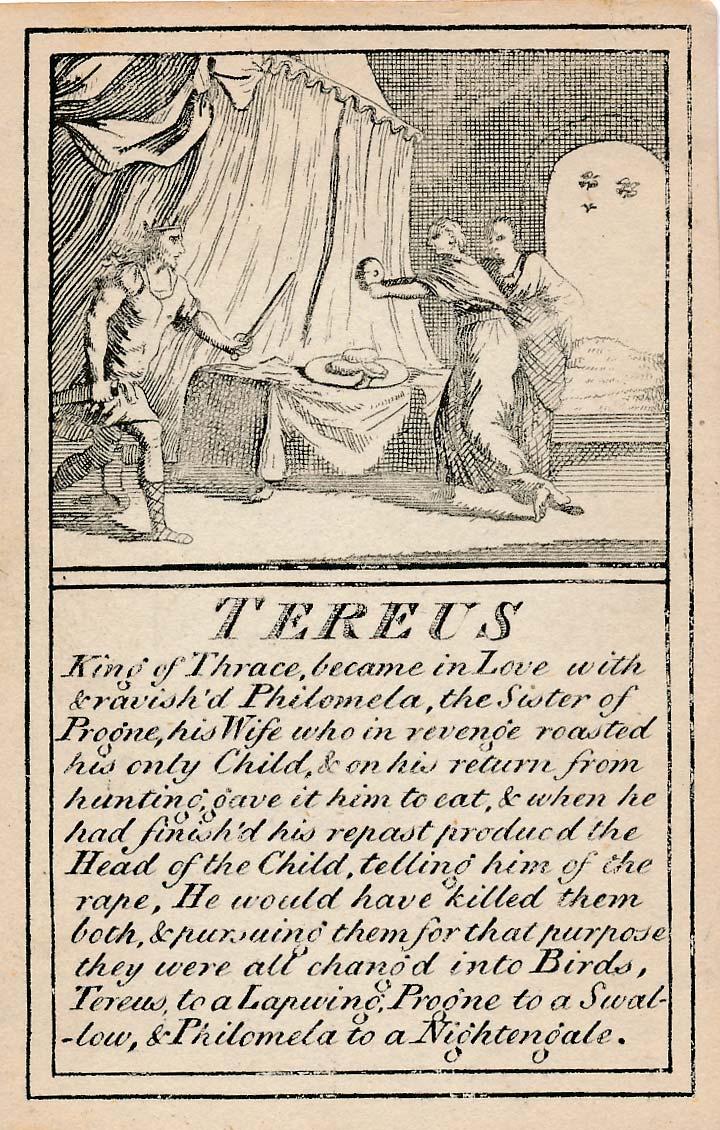
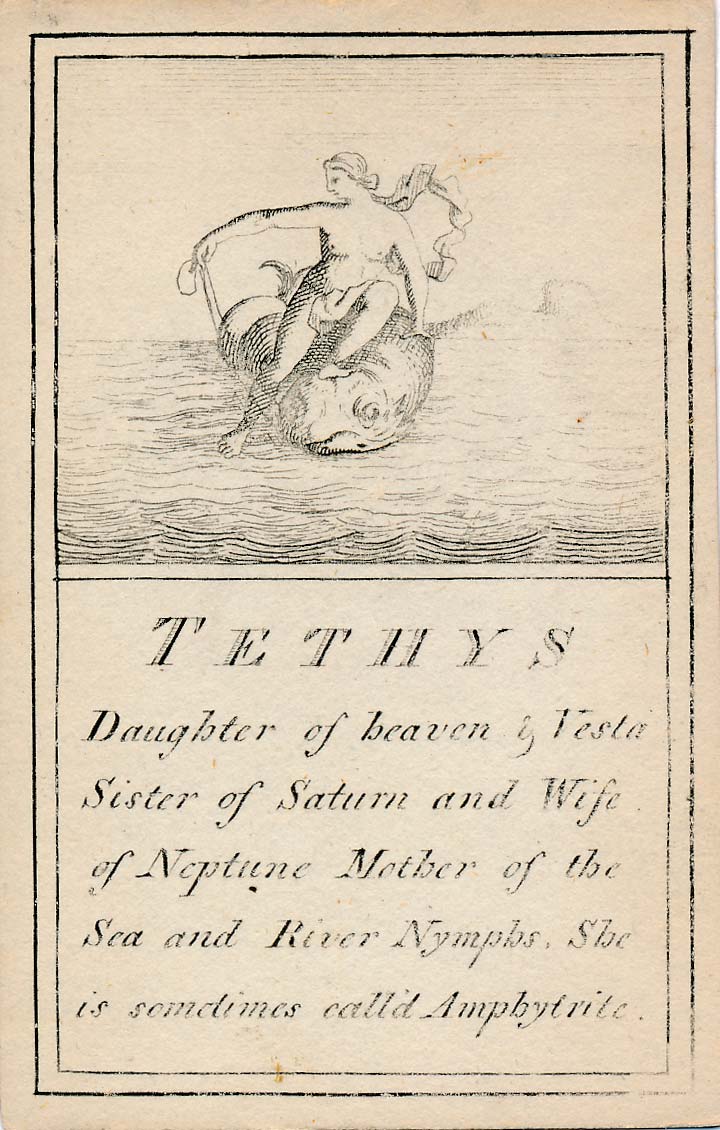
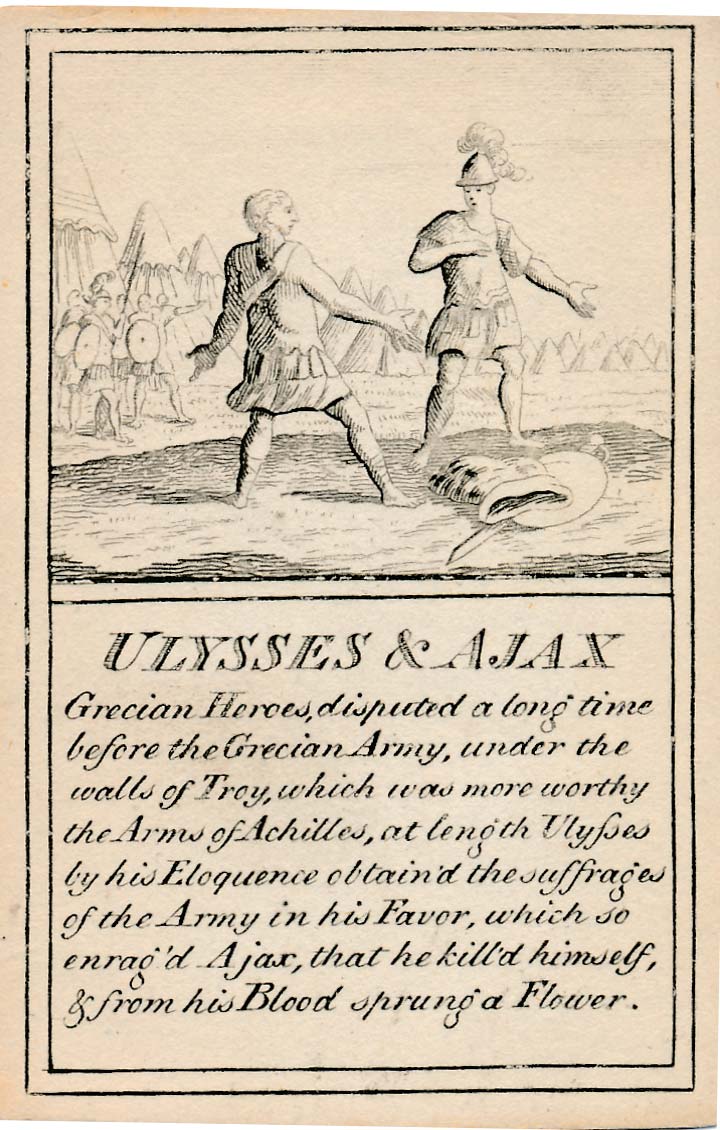
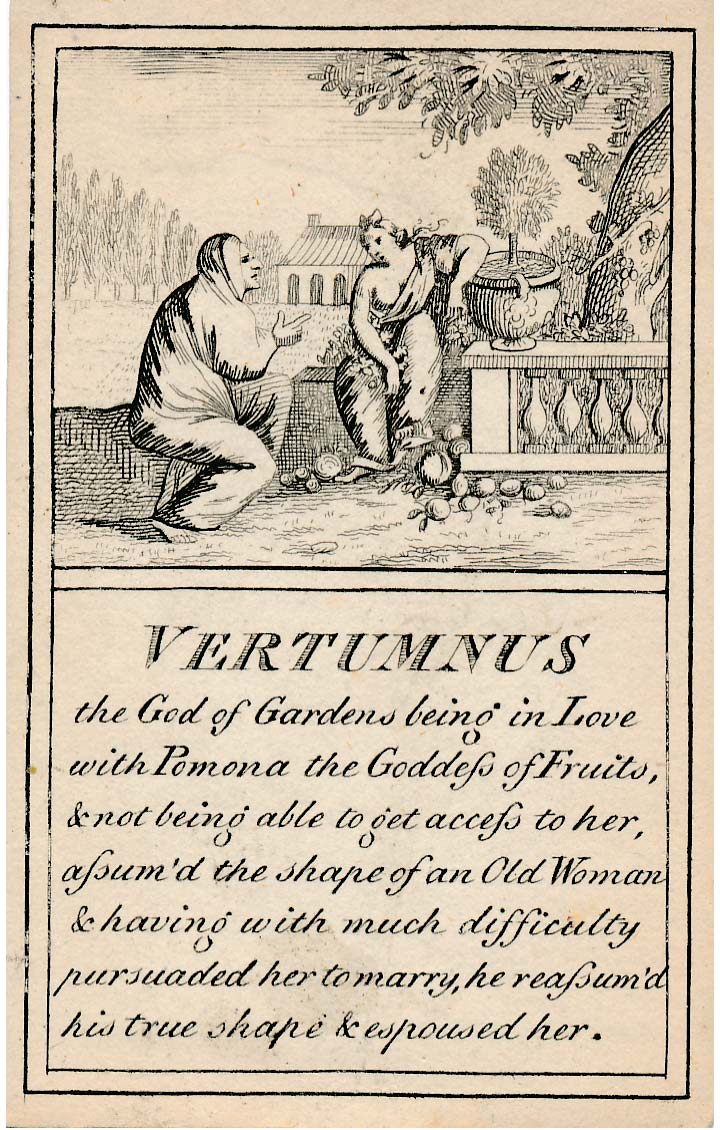
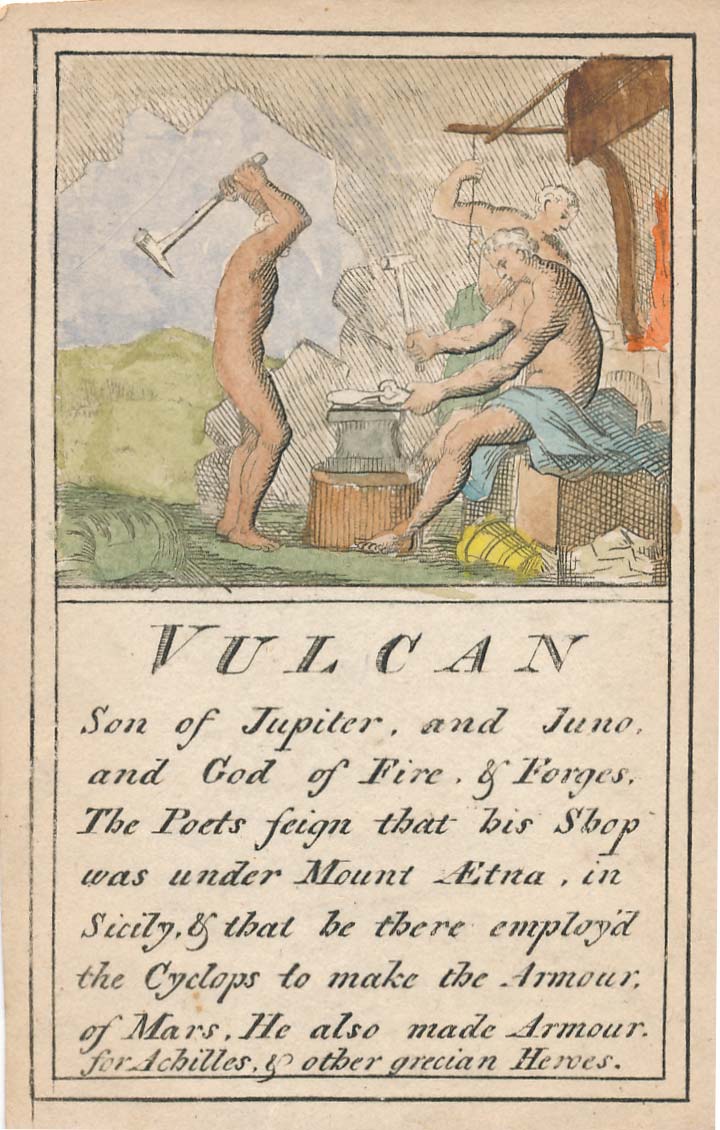
In those days interest in the history of ancient gods and classical mythology was inspired by emerging studies in archaeology, genealogy and other forms of antiquarianism. But these “Pantheon” cards were designed for amusement and sold at Willerton’s Toy Shop, London, c.1770. Interestingly there are two cards for two characters (Ceries and Iphis) both different, referring to different incidents.
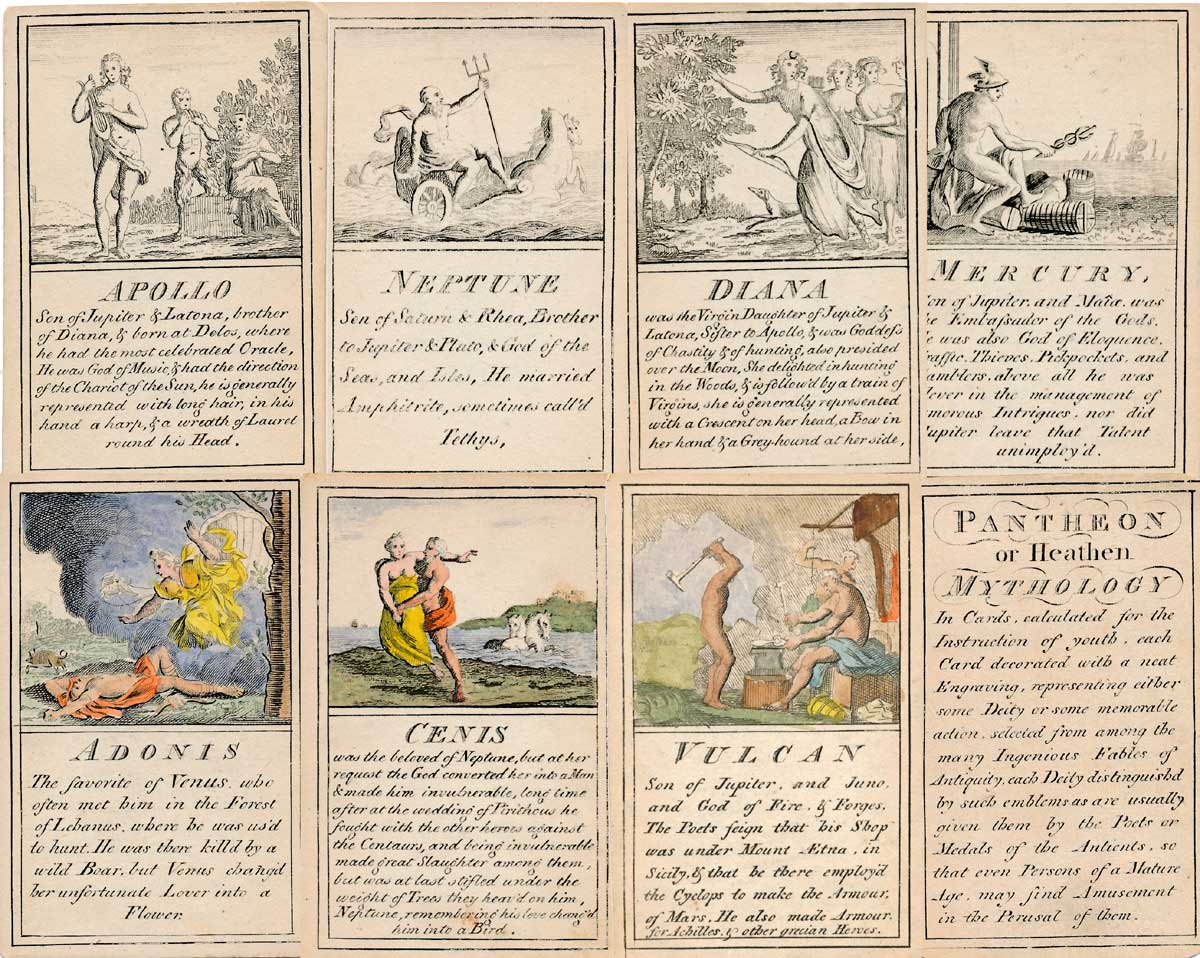
Above: Pantheon or “Heathen Mythology” cards for instruction of youth, c.1770.
REFERENCES and CREDITS
Images and notes kindly contributed by Ann Smith & John Sings - gamesetal.shop/►
honeyandwaxbooks.com - see lot 24: Pantheon or Heathen Mythology in Cards►
Another example of this rare pack can be seen at the British Museum►

By Ann and John Sings
United Kingdom • Member since December 22, 2021
Articles and contributions by Ann & John Sings.

Activity for Pantheon or Heathen Mythology
Sign in to comment or save this article.

Related Articles
Learning to play Cribbage
I learned to pay cribbage when I was very young, aged around six or seven.
Heathen Divinities
Handmade playing cards from the British Museum depicting classical Greek and Roman gods and goddesse...
Gone to Pot: Gardener’s playing cards
‘Gone to Pot’: special playing cards for keen gardeners, United Kingdom.
History of London illustrated playing cards
A catalogue in 54 cards of some of the treasures held within the Museum of London collections.
Ethics Education playing cards
Ethics Education playing cards produced by the Centre for Military Ethics at King’s College London, ...
Night & Day playing cards
‘Night & Day’ playing cards produced by London Underground, United Kingdom
Youthscape playing cards
Two packs of playing cards offering emotional help and support to young people.
Tea & Coffee Lovers playing cards
Tea & Coffee Lovers playing cards produced by Cultzilla.
House of Commons Playing Cards
House of Commons playing cards designed to serve as a civic guide to the UK Parliament.
XIXth Century
The XIXth Century published by John Jaques & Son, c.1875.
Aesop’s Fables
Aesop’s Fables playing cards by I. Kirk, c.1759.
Desperanto
Desperanto language game by Qui Vive Ltd, c.1990.
Weights and Measures
“Weights and Measures” card game by John Jaques & Son, Ltd., c.1910, a reminder of some of our more ...
Forrest Cards, c.1750s
Hand-coloured Forrest Cards produced for “Young Gentlemen & Ladys who are Lovers of Ingenuity”, c.17...
Arms of English Peers
The Arms of English Peers playing cards were first published in 1686. Heraldry, or a knowledge of th...

University of Essex
Playing Cards produced for the University of Essex during 2005-2007.
Iddy Umpty
“Iddy Umpty” card game based around learning to read the Morse Code Alphabet. by Thomas de la Rue & ...
Hodges’ Constellations
Hodges’ pack dealing with astronomy had numeral cards carrying diagrams of constellations and their ...
Suicide King
The King of Hearts, holding a sword behind his head, is sometimes nicknamed the “Suicide King”. He c...
The Llewellyn Tarot - Welsh tarot cards
The Llewellyn Tarot - Welsh tarot cards
Most Popular
Our top articles from the past 60 days