Iddy Umpty
“Iddy Umpty” card game based around learning to read the Morse Code Alphabet. by Thomas de la Rue & Co., Ltd, c.1905
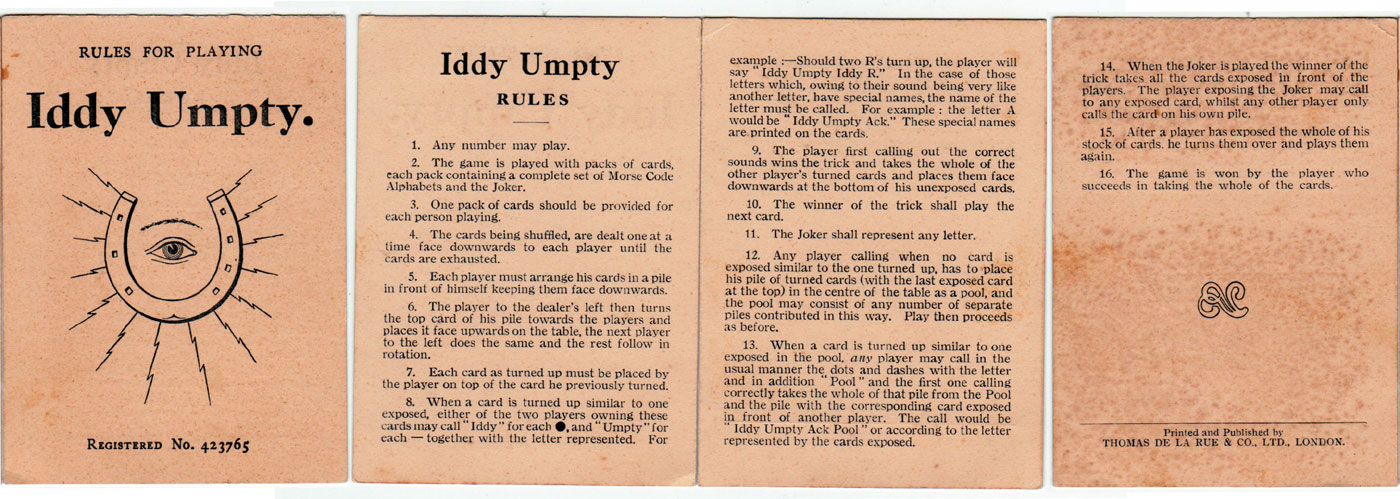
Iddy Umpty card game is based around learning to read the Morse Code Alphabet. and was manufactured by Thomas de la Rue & Co., Ltd in around 1905. The packs of cards each contain a complete set of Morse Code cards (A-Z) plus a Joker. See the rules→
Although it sounds like a nonsense nursery rhyme, “Iddy Umpty” is a representation of the dots and dashes of the Morse code. Apparently troops were taught to recognise a dot or a dash by the sound of the signalling machine: a dot made an “iddy” sound and a dash sounded like “umpty”. An ‘Iddy Umpty’ in that way became slang for a signaller.
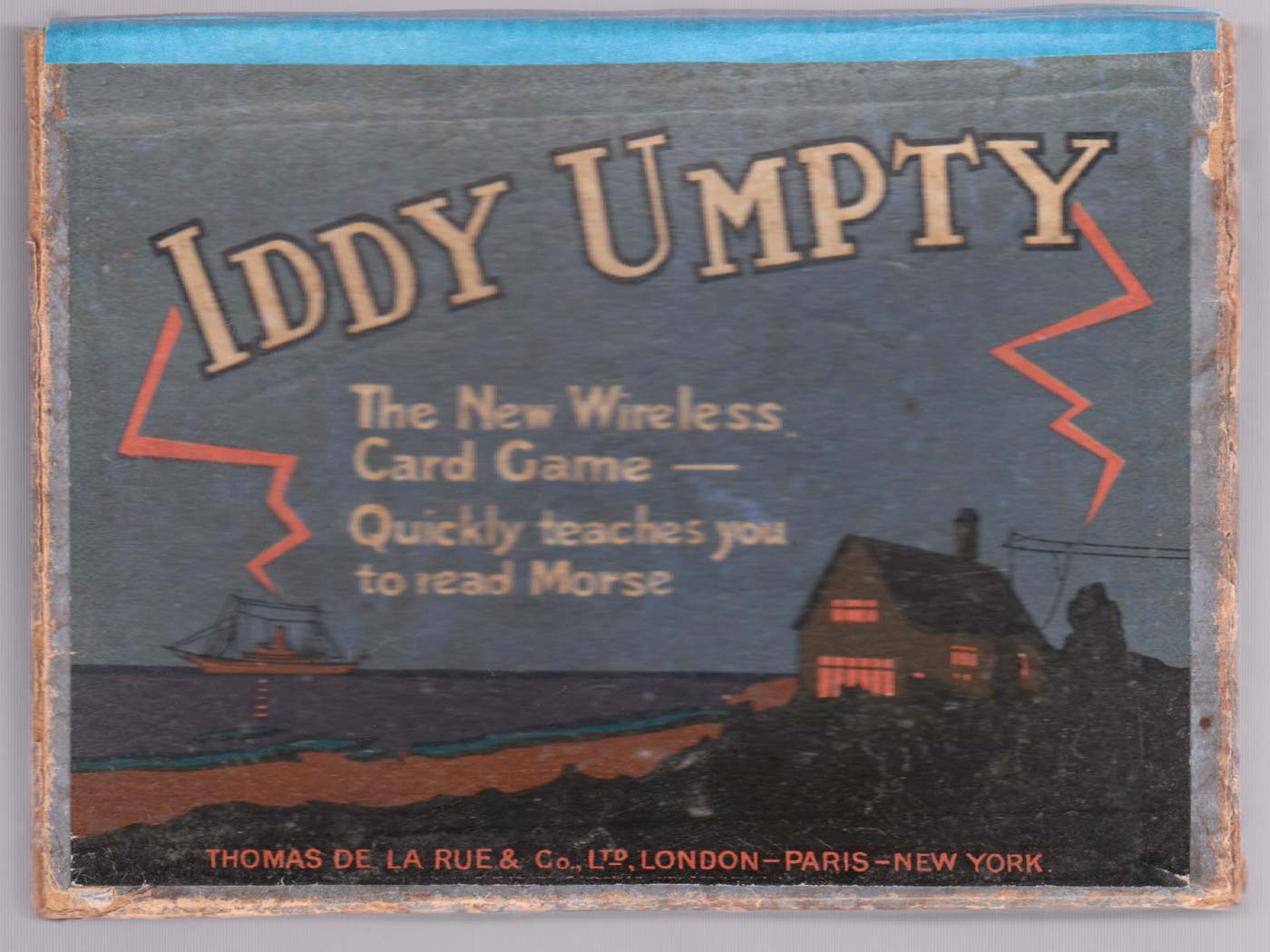
See the box→
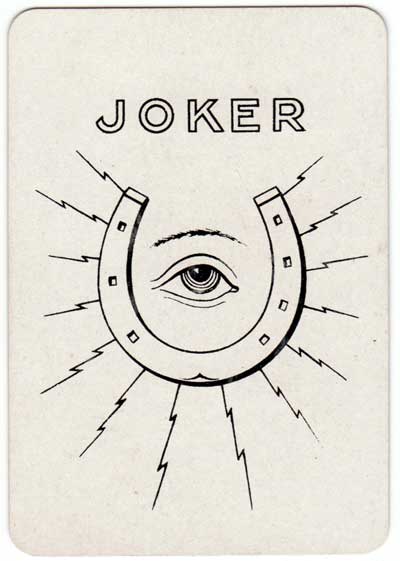
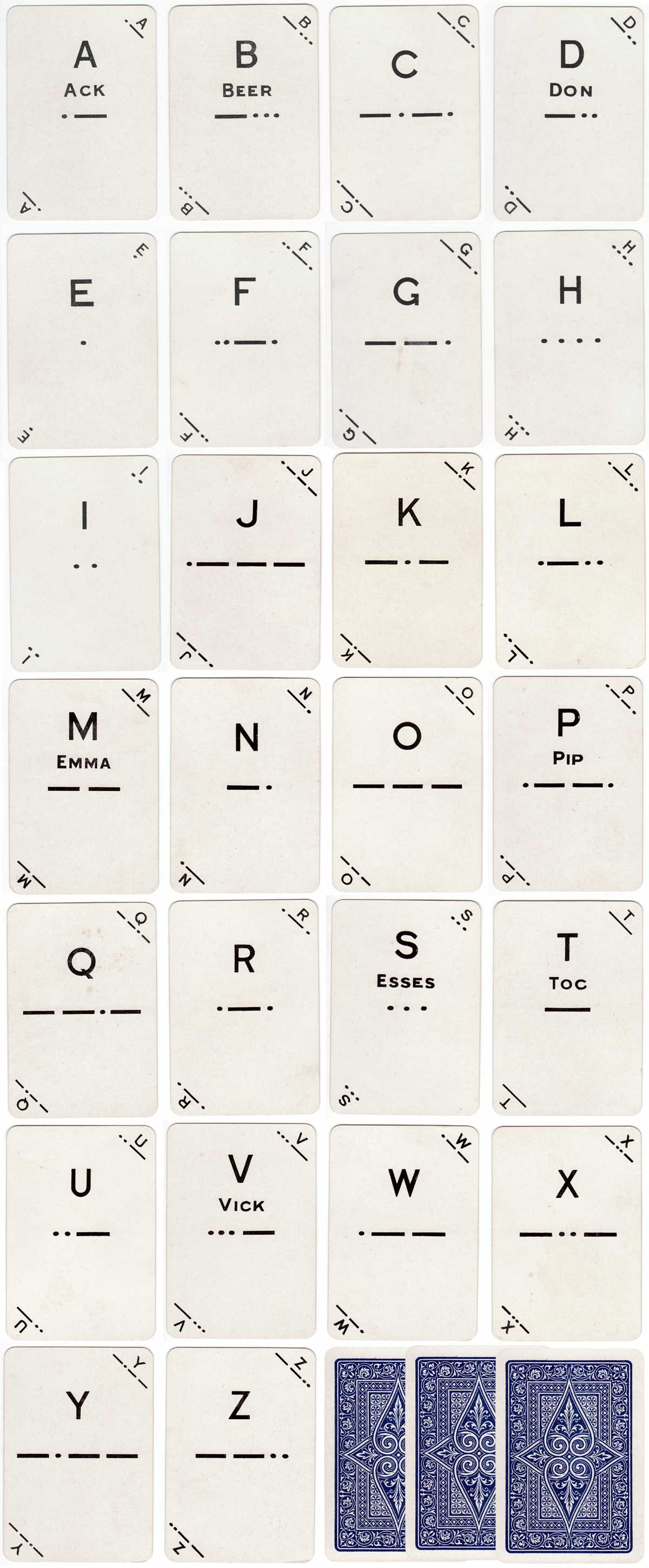
Above: “Iddy Umpty” card game based around learning to read the Morse Code Alphabet, manufactured by Thomas de la Rue & Co., Ltd, c.1905.

By Rex Pitts (1940-2021)
United Kingdom • Member since January 30, 2009
Rex's main interest was in card games, because, he said, they were cheap and easy to get hold of in his early days of collecting. He is well known for his extensive knowledge of Pepys games and his book is on the bookshelves of many. His other interest was non-standard playing cards. He also had collections of sheet music, music CDs, models of London buses, London Transport timetables and maps and other objects that intrigued him.
Rex had a chequered career at school. He was expelled twice, on one occasion for smoking! Despite this he trained as a radio engineer and worked for the BBC in the World Service. Later he moved into sales and worked for a firm that made all kinds of packaging, a job he enjoyed until his retirement. He became an expert on boxes and would always investigate those that held his cards. He could always recognize a box made for Pepys, which were the same as those of Alf Cooke’s Universal Playing Card Company, who printed the card games. This interest changed into an ability to make and mend boxes, which he did with great dexterity. He loved this kind of handicraft work.
His dexterity of hand and eye soon led to his making card games of his own design. He spent hours and hours carefully cutting them out and colouring them by hand.

Activity for Iddy Umpty
Sign in to comment or save this article.

Related Articles
Learning to play Cribbage
I learned to pay cribbage when I was very young, aged around six or seven.
XIXth Century
The XIXth Century published by John Jaques & Son, c.1875.
Lobo
Lobo, the London Underground card game published by Thomas De la Rue & Co Ltd, 1930s.
Desperanto
Desperanto language game by Qui Vive Ltd, c.1990.
Weights and Measures
“Weights and Measures” card game by John Jaques & Son, Ltd., c.1910, a reminder of some of our more ...
Lincard
“Lincard” card game invented by John William Wolf and patented in 1937.
Cavalry Game
The “Cavalry Game” manufactured by Thomas de la Rue & Co Ltd, c.1900-10.
Tempest
Tempest is a family card game designed by W. Heath Robinson and published by Thomas de la Rue & Co. ...
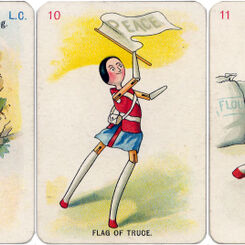
Golliwogg, c.1902
The stories about the Golliwogg and the Dutch dolls were written by Bertha Upton (1849-1912) and ill...
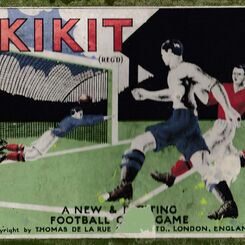
Kikit
Kikit is an indoor football game made by De la Rue, c.1920.
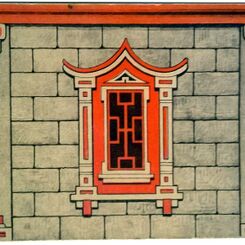
Rūfa
Rūfa is a game designed by Ernest Legh and manufactured by De la Rue. The object is to build a pagod...
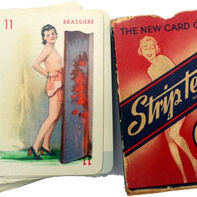
Strip Tease
‘Strip Tease’ card game featuring characters involved in the performance and subsequent prosecution ...
Drownin’ Surfer
Drownin’ Surfer card game
Jack Horner Snap
“Little Jack Horner” Snap made by Thomas De la Rue & Co Ltd, c.1890.
Quits
Jaques' Quits card game, c.1880-85, with portraits of monarchs inside suit symbols in red, blue and ...
5: De La Rue
In December 1831 Thomas de la Rue was granted his patent for printing playing cards by letterpress.
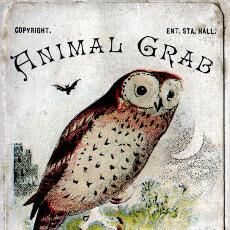
Animal Grab
Animal Grab card game by Thomas De La Rue & Co., 110 Bunhill Row, London..
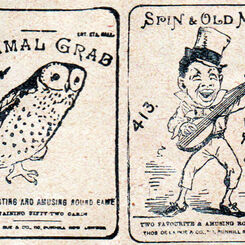
Games Leaflets
Thos De la Rue & Co. & Gibson's Games Leaflets.
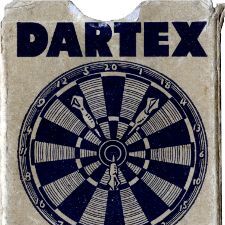
Dartex
Dartex, the Thrilling New Card Game of Skill (1938) based on the traditional pub game where darts ar...
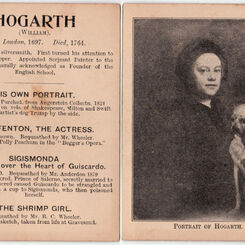
National Gallery (British School)
Jaques' The National Gallery Card Game, c.1895.
Most Popular
Our top articles from the past 60 days