


Tensho Mekuri - Japan
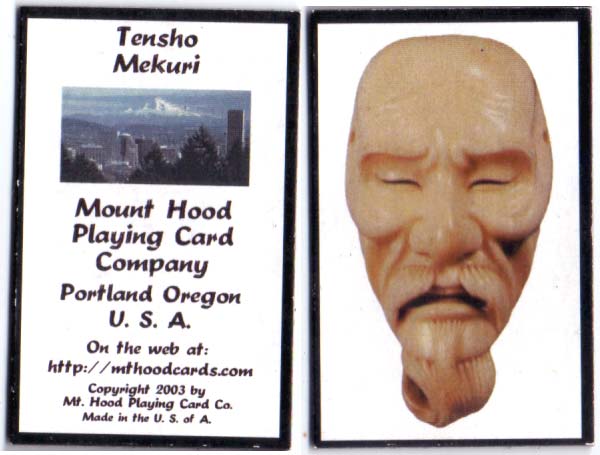
Tensho Mekuri cards hand-made by Patricia Kirk, 2003.
Mekuri Tensho playing cards are derived from the early ‘Dragon’ type cards of the 16th century, usually associated with cards which arrived in Japan via trading routes to Spain and Portugal. The 48-card deck consists of four suits of twelve cards each, ace through nine pip cards, a female sota, a mounted caballo and a seated rey.
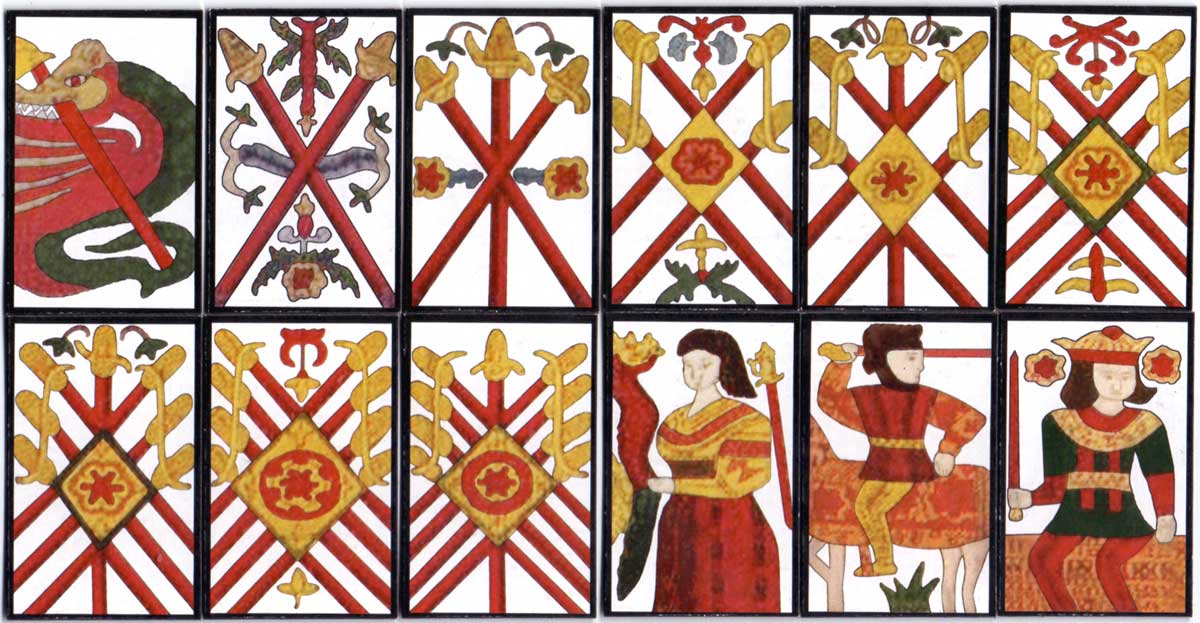
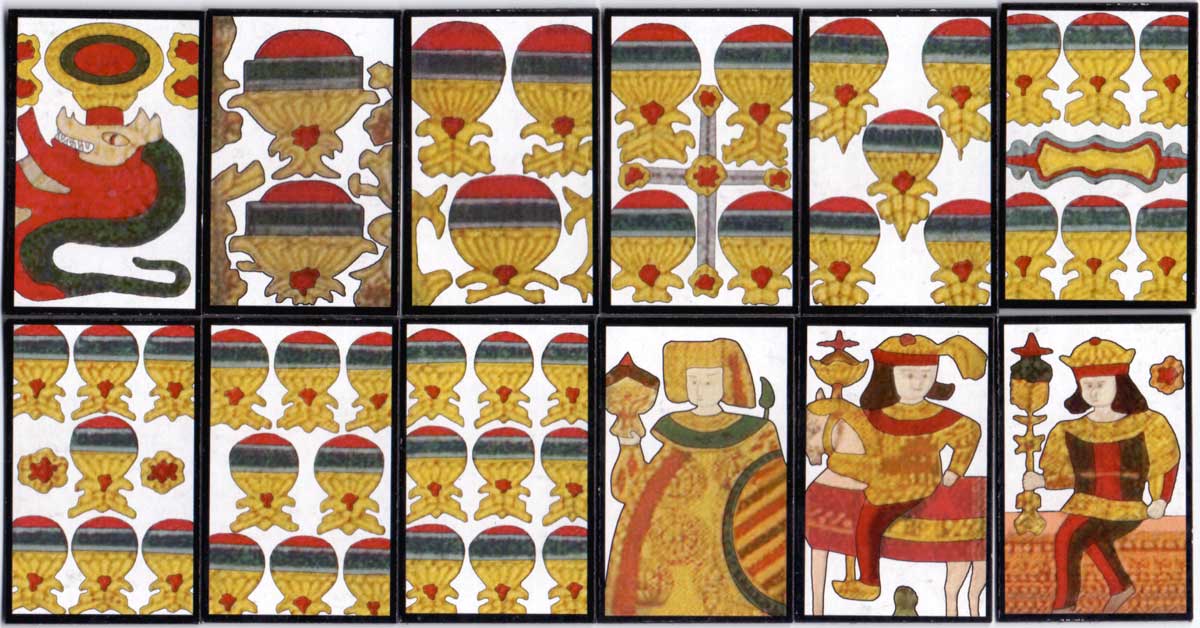
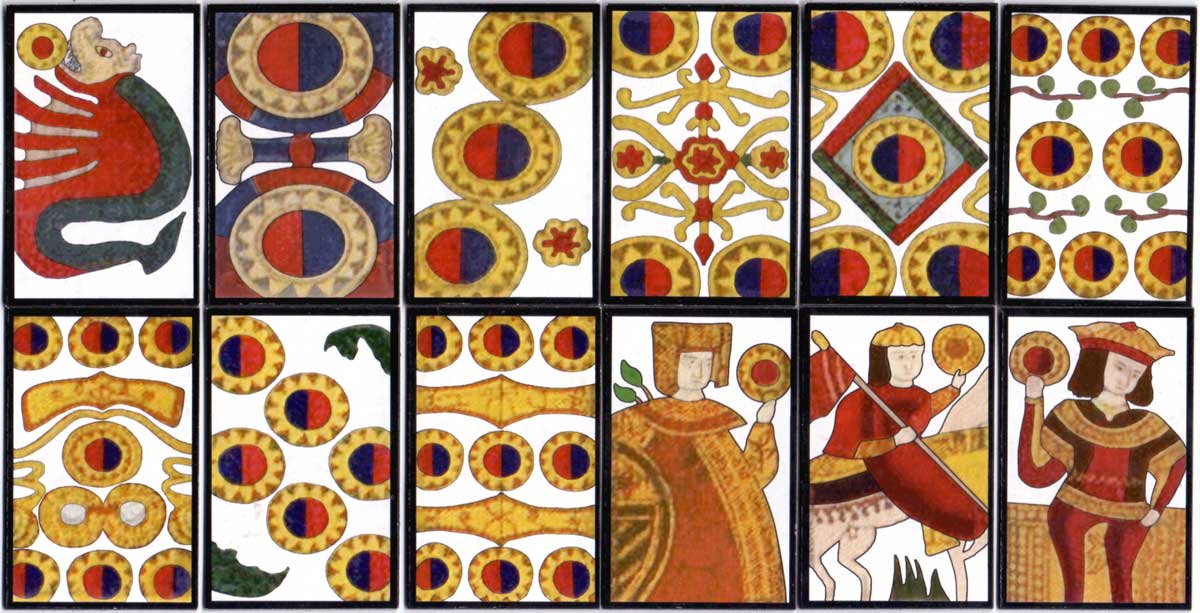
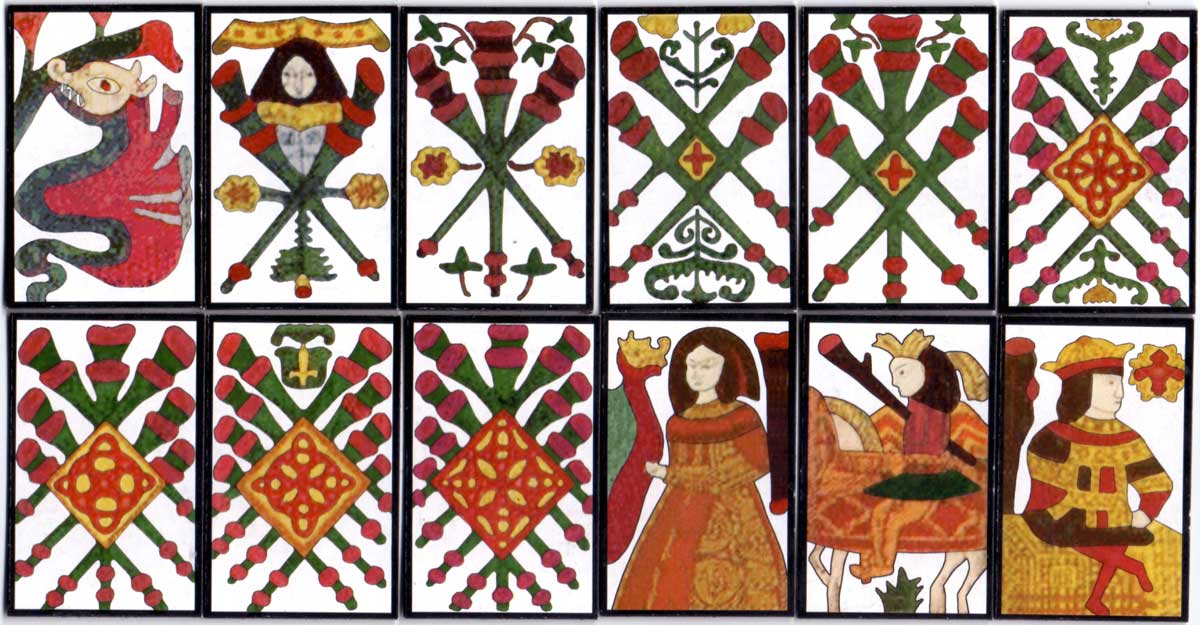
Above: limited edition recreation of Tensho Mekuri cards, based on an 18th century original, hand-made by Patricia Kirk, 2003. The deck also includes a Tengu and an extra card to make a total of fifty cards. The cards are about 1½" wide by 2¼" high and 1/32 of an inch thick.

By Simon Wintle
Spain • Member since February 01, 1996
I am the founder of The World of Playing Cards (est. 1996), a website dedicated to the history, artistry and cultural significance of playing cards and tarot. Over the years I have researched various areas of the subject, acquired and traded collections and contributed as a committee member of the IPCS and graphics editor of The Playing-Card journal. Having lived in Chile, England, Wales, and now Spain, these experiences have shaped my work and passion for playing cards. Amongst my achievements is producing a limited-edition replica of a 17th-century English pack using woodblocks and stencils—a labour of love. Today, the World of Playing Cards is a global collaborative project, with my son Adam serving as the technical driving force behind its development. His innovative efforts have helped shape the site into the thriving hub it is today. You are warmly invited to become a contributor and share your enthusiasm.

Activity for Tensho Mekuri - Japan
Sign in to comment or save this article.

Related Articles
Okinawa Playing Cards
Ryūkyū Kingdom culture meets the international pattern.
75: Early American cards
An overview of some of the early cards made in the United States.
Chandelier No. 55 (Nintendo)
Standard international pattern playing cards made in occupied Japan, c.1950.
Sushi playing cards
Sushi playing cards illustrating different types and styles of sushi, USA, 2004.
72: The Ace of Spades
In standard English packs the Ace of Spades is associated with decorative designs. This is a histori...
Bicycle Playing Cards, 1st edition
1st edition of famous Bicycle Playing Cards printed by Russell & Morgan Printing Co., Cincinnati, 18...
Trentine Pattern
Trentine Pattern

Suicide King
The King of Hearts, holding a sword behind his head, is sometimes nicknamed the “Suicide King”. He c...

The Steamboat Brand
The theme of steamboats navigating up and down the Mississippi also extended to the cotton plantatio...
Triplicate No.18
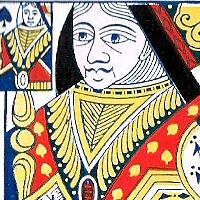
Dougherty first secured a patent for “Triplicates” in 1876, a novel type of indices with a miniature...
Japanese Kurofuda 黑札
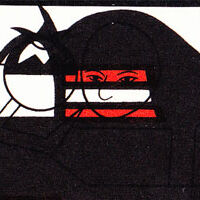
The name means “Black cards”, which is especially true of you look at the suit of batons. The horse...
Akahachi
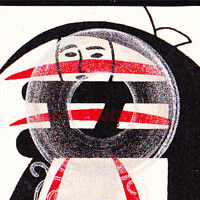
After Mekuri games such as Unsun Karuta and Tenshô Karuta were banned by the authorities, especially...
1: Playing Cards and their History: An Introduction and some links to other sites
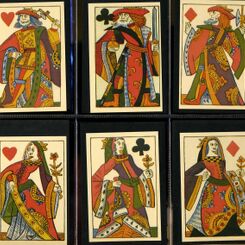
What was considered the first mention of playing cards in England is in 1463 when Edward I banned th...
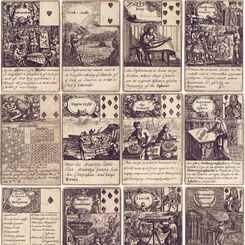
Mathematical Instruments
Mathematical Instruments playing cards forming an instrument maker's trade catalogue, Thomas Tuttell...
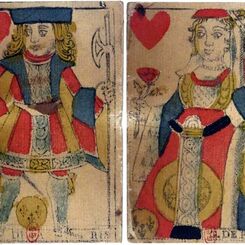
Paris Pattern
The Paris pattern was established as such around the middle of the seventeenth century (based, perha...
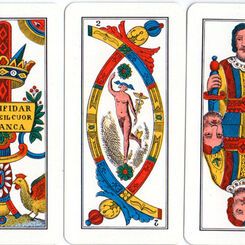
Trevisane pattern
The double-ended version of the ‘Trevisane’ pattern originated in the early 19th century.
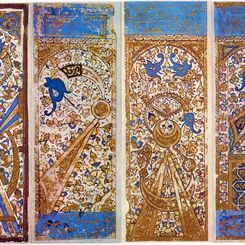
Mamluk Playing Cards
Nã'ib, the game of lieutenants... these cards are amongst the earliest Arabic playing cards ext...
Hana Fuda - Japan
Hana Fuda playing cards hand-made by Patricia Kirk, 2003
Unsun Karuta
Unsun Karuta うんすんかるた Japan c.1780.
The History of Playing Cards
Playing cards appear in European records in the late 14th century, but their earlier history lies fu...
Most Popular
Our top articles from the past 60 days


