Gnav
cards from an early 'Gnav' game made by C.L.Keiblinger, Copenhagen c.1860
Gnav cards were used in Denmark and Norway. It is not known exactly when the game first appeared. The earliest known Gnav-pack printed in Denmark is by Jacob Holmblad (1820-1837). Others are known by C. Steen and C. L. Keiblinger. Originally Gnav is believed to have been a gambling game but during the 19th century it changed into a children’s game played at Christmas. The game did not maintain popular appeal in Denmark after the 1920s.
Keiblinger Gnav
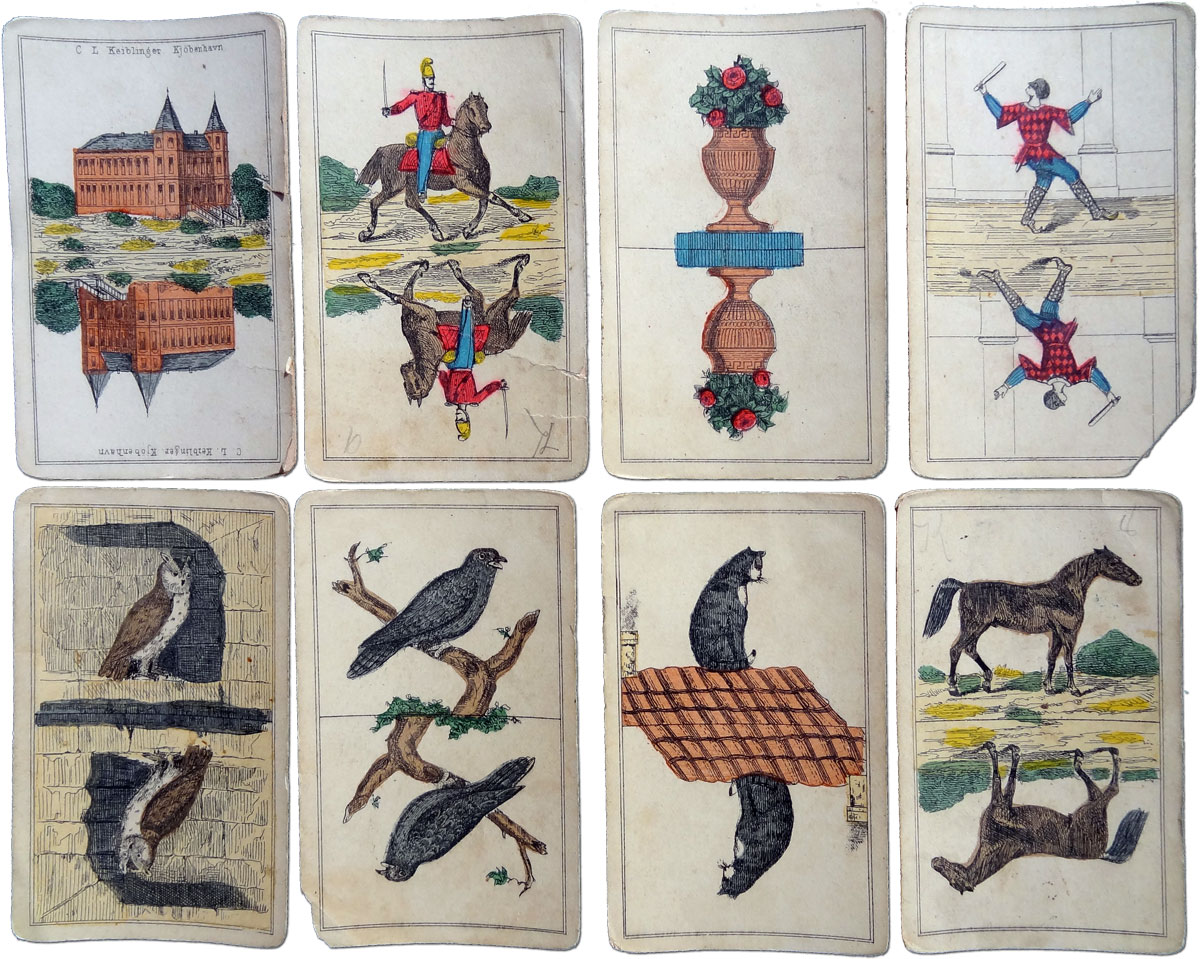
Above: hand-coloured cards from an early 'Gnav' game with reversible figures, made by C.L.Keiblinger, Copenhagen c.1860. Image courtesy Hans J. Hinrup.
A Gnav deck consists of two of each of the following cards: the Cuckoo, the Horseman, the Cat, the Horse, the House, figure cards from 1-10 (or 1-12), the Garland (or zero), the Flowerpot, the Owl and the Fool. The Cuckoo is the highest card and the Owl the lowest.
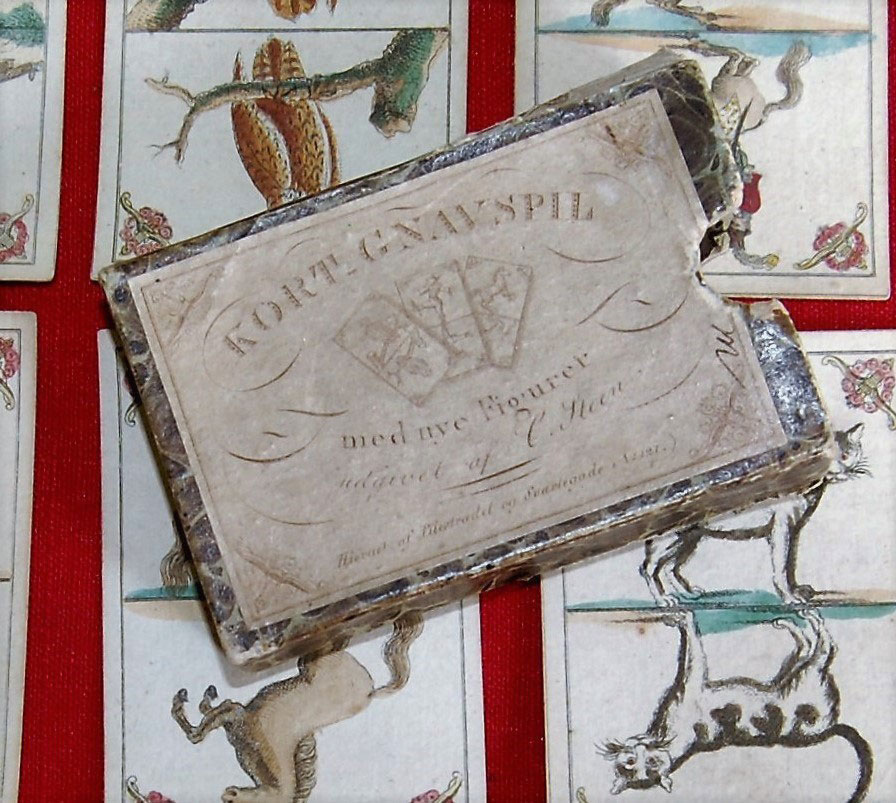
Kort Gnavspil, C. Steen, c.1825-40
The box states "med nye figurer" (with new pictures/figures). Instead of the usual house card, where the manufacturer often shows their factory, Steen has used a well-known castle north of Copenhagen, the "Eremitage-slottet", a royal hunting castle. See the Box►
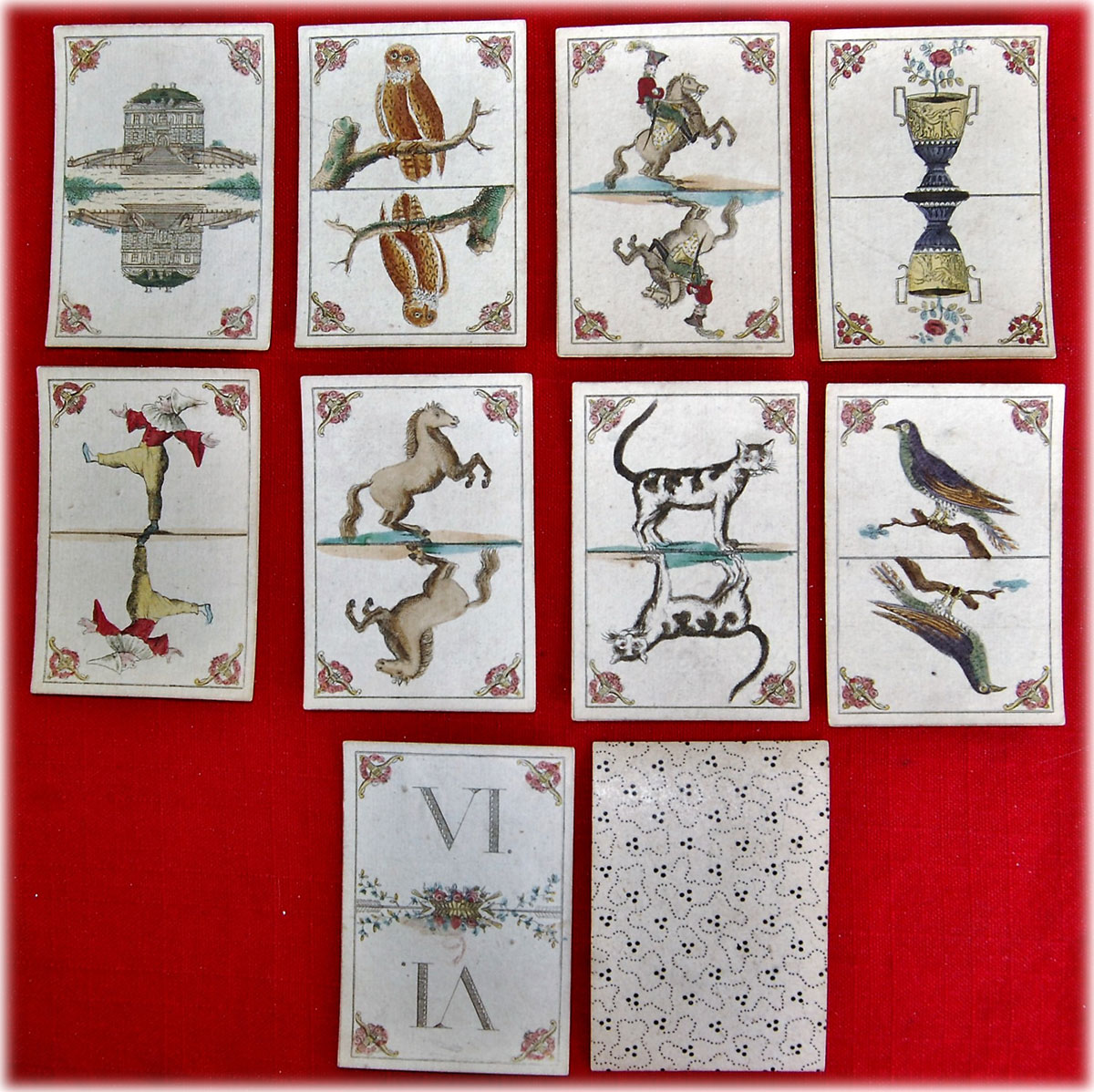
Above: very nice hand-coloured 'Gnav' game published by C. Steen, a prominent publisher and bookseller, whose address is given as 'on the corner of Pilestraede and Svaertegade', c.1825-40. Image courtesy Stephen Bohrer, extra research by Hans Jørgen Hinrup and Per Kristian Guntvedt.

By Simon Wintle
Spain • Member since February 01, 1996
I am the founder of The World of Playing Cards (est. 1996), a website dedicated to the history, artistry and cultural significance of playing cards and tarot. Over the years I have researched various areas of the subject, acquired and traded collections and contributed as a committee member of the IPCS and graphics editor of The Playing-Card journal. Having lived in Chile, England, Wales, and now Spain, these experiences have shaped my work and passion for playing cards. Amongst my achievements is producing a limited-edition replica of a 17th-century English pack using woodblocks and stencils—a labour of love. Today, the World of Playing Cards is a global collaborative project, with my son Adam serving as the technical driving force behind its development. His innovative efforts have helped shape the site into the thriving hub it is today. You are warmly invited to become a contributor and share your enthusiasm.

Activity for Gnav
Sign in to comment or save this article.

Related Articles
Learning to play Cribbage
I learned to pay cribbage when I was very young, aged around six or seven.
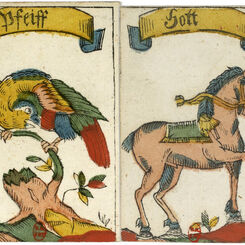
Vogelspiel
Vogelspiel, a German card game known as the “cuckoo game” also known as “Gnau”.
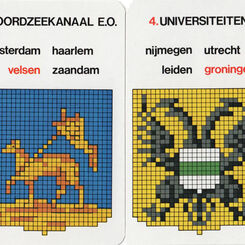
Nederlands Stedenkwartet
Nederlands Stedenkwartet with heraldic needlepoint patterns by Permin, c.1970.
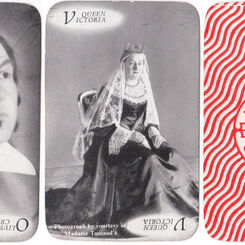
Have A Go
Have A Go card game published by Photo-Briton Ltd featuring photographs of waxwork figures from Mada...
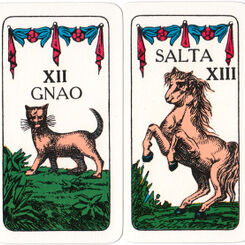
Cuccù
Cuccù or Cucco, an ancient Italian card game, published by Masenghini, 1979.
Holiday Games
IE Design Holiday Games, c.1990s.
Strip Tease
‘Strip Tease’ card game featuring characters involved in the performance and subsequent prosecution ...
Warburg’s Danske
Warburg’s Danske playing cards published by Aktieselskabet Emil Jensen, København, 1944.
Warburg’s Skandinaviske Bridge Kort
“Warburg’s Skandinaviske Bridge Kort” published by Aktieselskabet Emil Jensen, København, c.1935.
Standard Handa Pattern
Standard Danish playing cards made by Handa, Copenhagen.
Kille
‘Kille’, an old Swedish card game
P. Steinmann
Single-figure provincial Paris pattern cards with traditional names on the courts manufactured in Co...
C.L.Keiblinger, Copenhagen 1852-85
C.L.Keiblinger, Copenhagen 1852-85
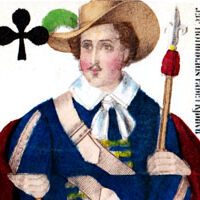
Jacob Holmblad c.1830
An amazing difference can be seen between the early and the later Jacob Holmblad packs, covering a t...
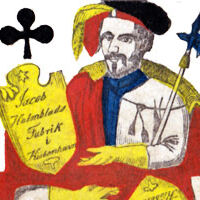
Jacob Holmblad, 1820s
The Q♥ has a butterfly net in which she has caught four hearts. Many of Holmblad's designs were repl...
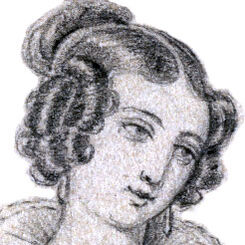
L. P. Holmblad, c.1845
Holmblad ordered his earlier designs to be re-drawn and updated. Comparison of packs from this era s...
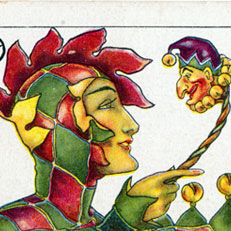
Warburg Luxus Bridgekort
“Luxus Bridgekort” was specially designed by Barbara MacDonald in a vibrant Art Deco style for Warbu...
4: Some Card Games
Yet another strand of the playing card world is that of card games, packs of cards usually designed ...
Gnau
Gnau, a Norwegian Card Game

Holmblads No. 121
Holmblads No. 121 made by John Waddington, England, for Denmark
Most Popular
Our top articles from the past 60 days