


District Messenger
District Messengers were uniformed young men wearing little pill-box hats and mounted on bicycles who fulfilled urgent tasks and were paid by the mile
District Messengers were uniformed young men between 10 and 18 years of age who, wearing little pill-box hats and mounted on bicycles, fulfilled urgent tasks or carried telegrams through urban streets and were paid by the mile. This unusual card game, probably dating from the early 1900s, is based on this theme, and clearly embraces the values of capitalist ideology. There are twenty-six cards labelled A, B, C ... Z, plus twelve cards numbered 1, 2, 3 ... 12 each with a short rhyme at the bottom, plus seven additional cards making a total of 45 cards. The game was probably inspired by earlier editions of a board game of the same name published in America by McLoughlin Brothers in the 1880s patterned on the “rags to riches” idea.
The images show servile Messenger boys in the streets of London and other places, ever ready to go anywhere and do anything, fulfulling errands and duties for wealthy patrons who are depicted as being of higher social status and worthy to be served. Many of the rhymes refer to the low wages and unfavourable conditions of employment endured stoically by the Messenger boys, as well as their unquestioning sense of duty.
The style of clothing, the absence of motorised vehicles as well as a number of the business names or products featured in the artwork, correspond with a date of late 19th or early 20th century. For example: Sloper’s Pills, Dash & Bellamy Fishmonger, V. Benoist 36 Piccadilly, Streeter & Co (1873-1905), Morel Cobbett & Son, Hewetson’s Tottenham Court Road London, Bertram Upholsterers, Simpson & Sons livery outfitters and Dr. Jaeger’s Sanitary Woollen System, which had received its first Royal Warrant by 1910, all operated around the turn of the century.
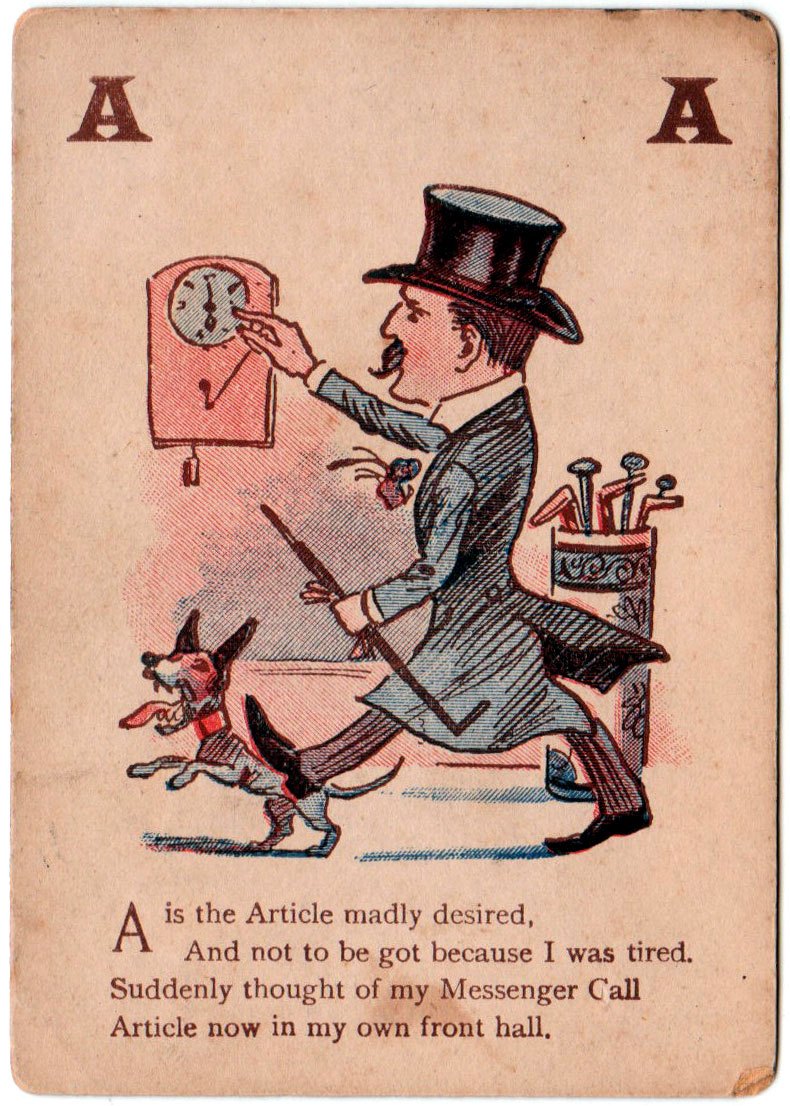
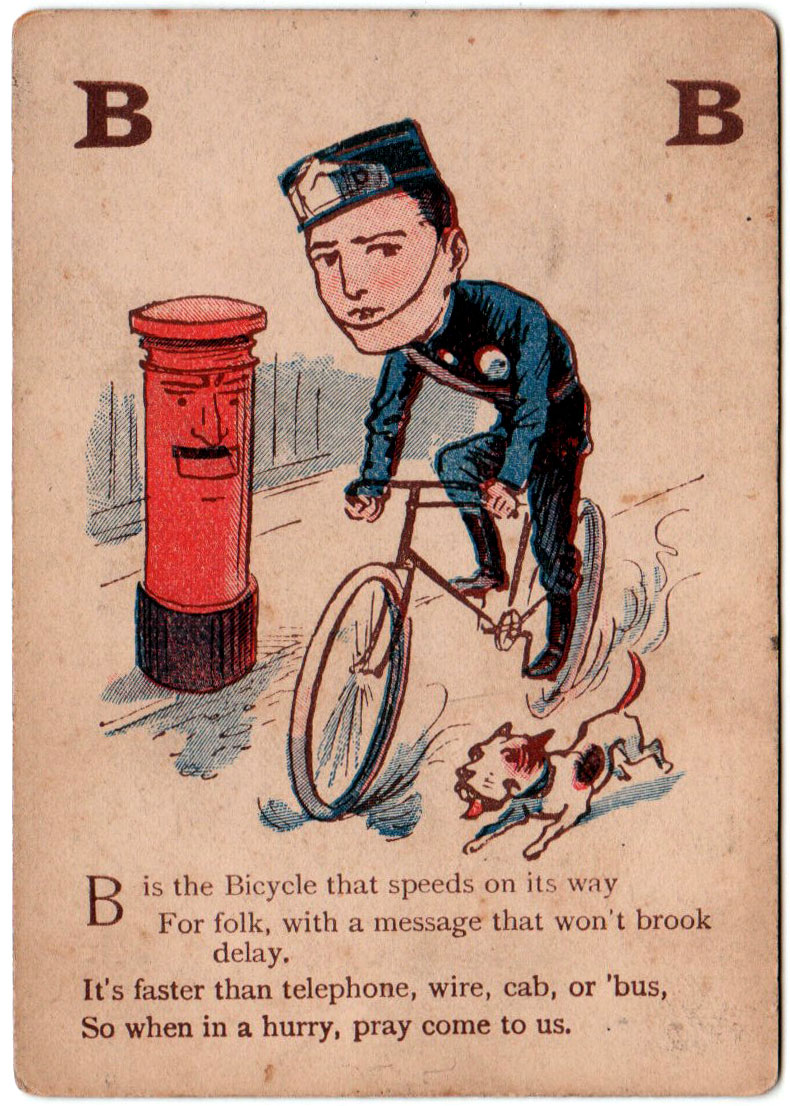
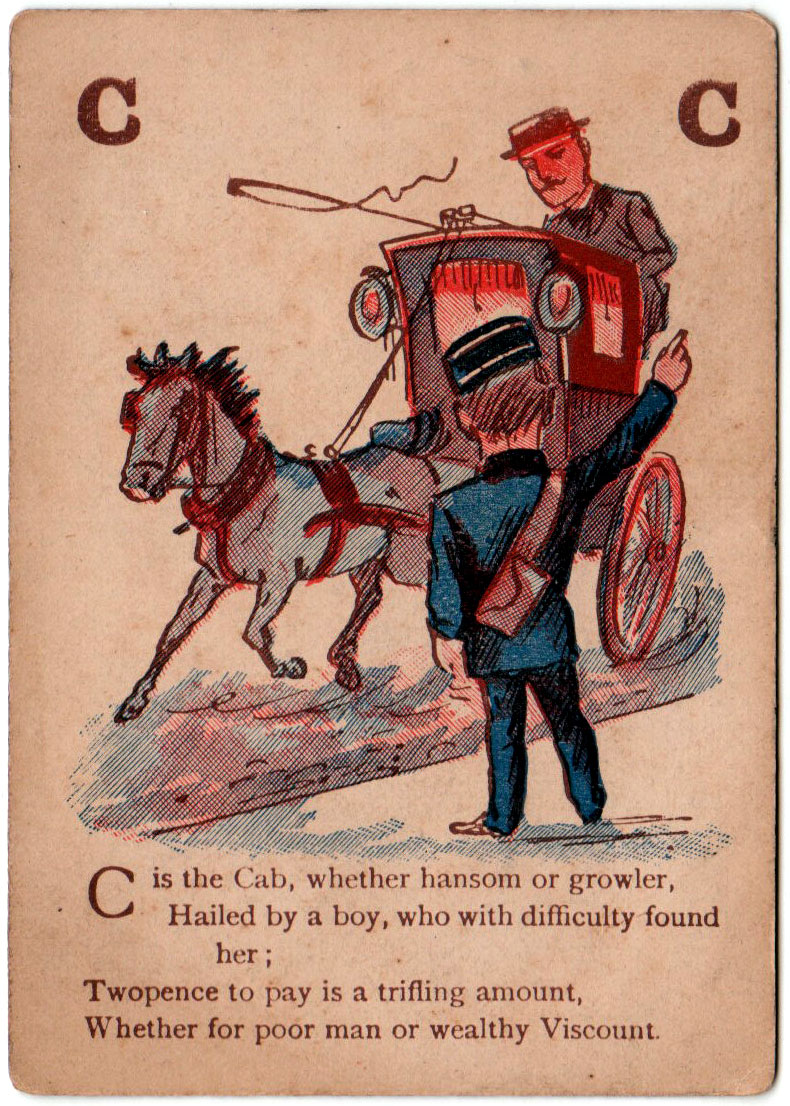
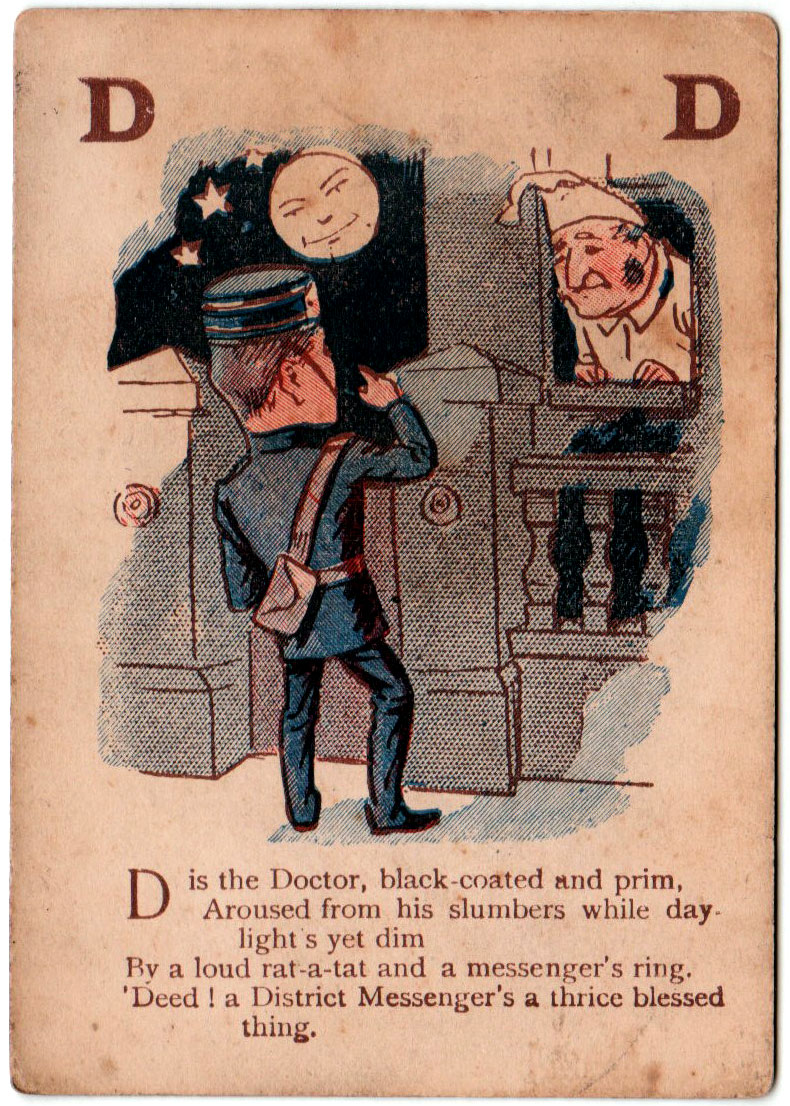
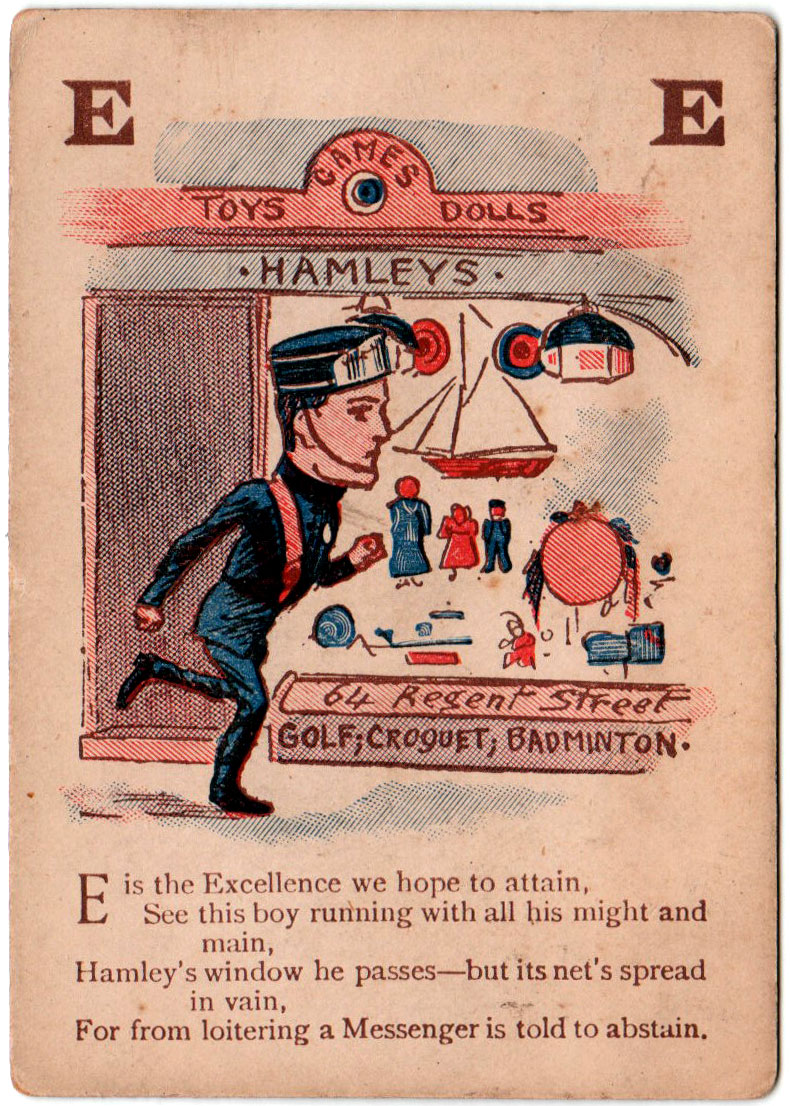
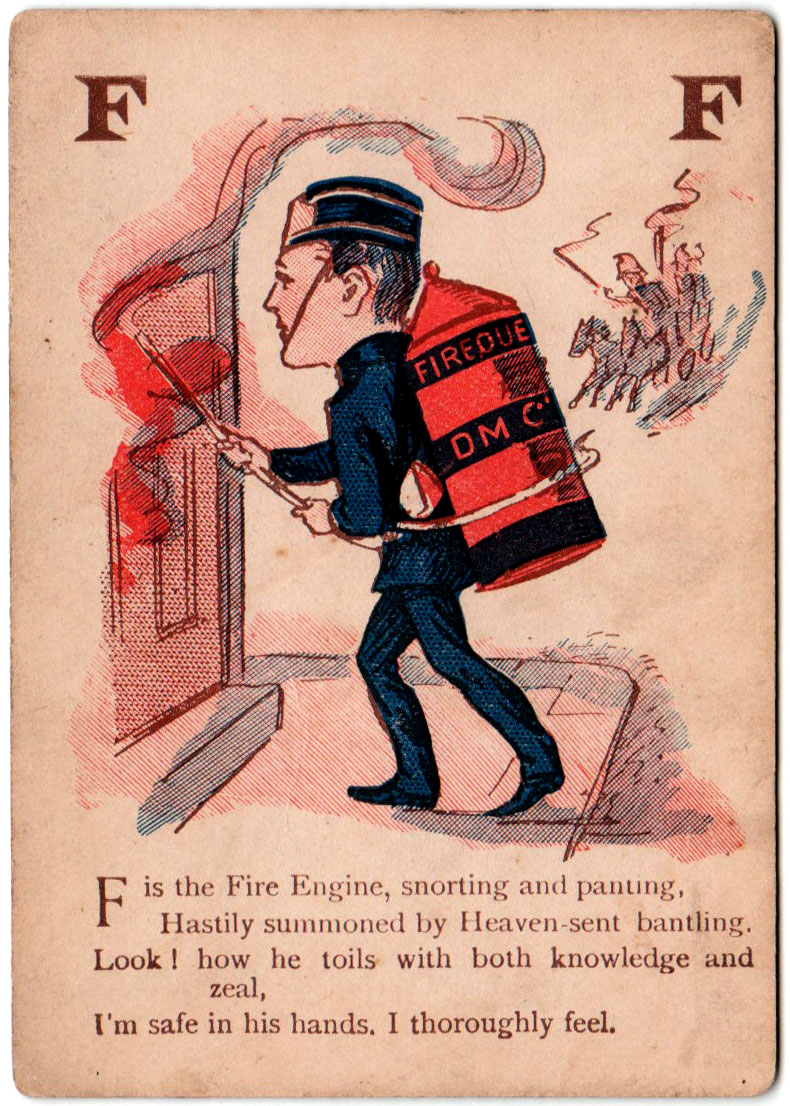
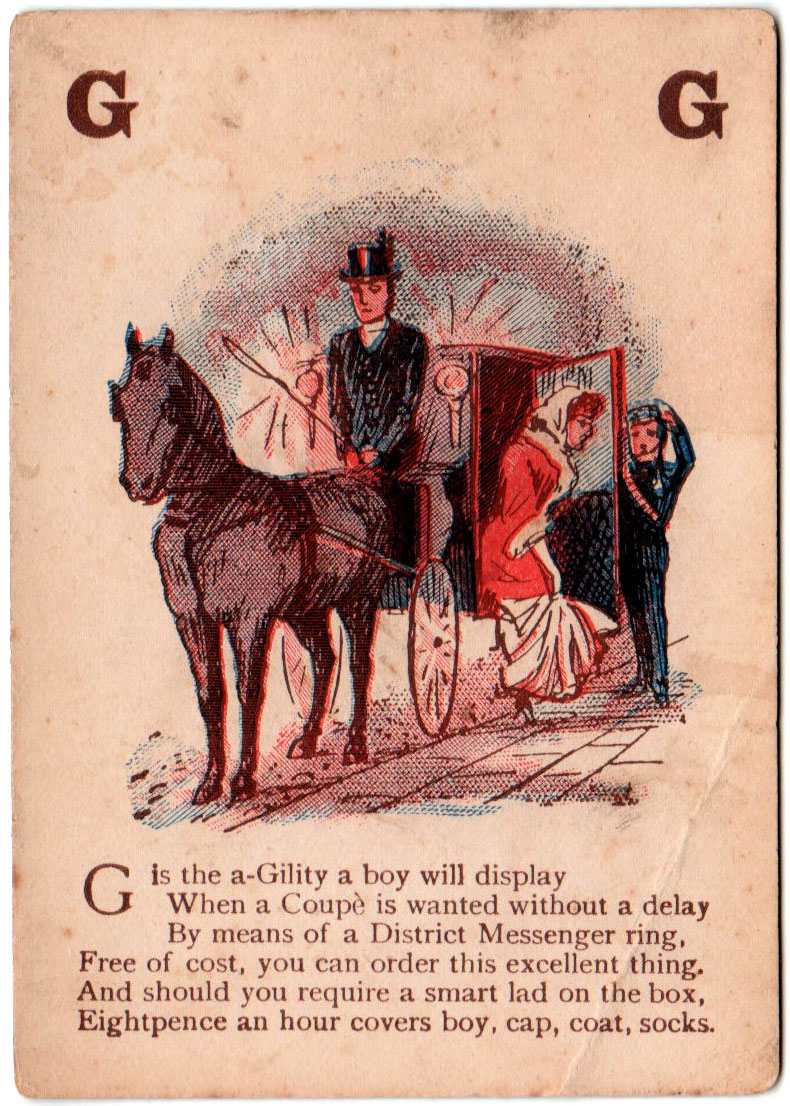
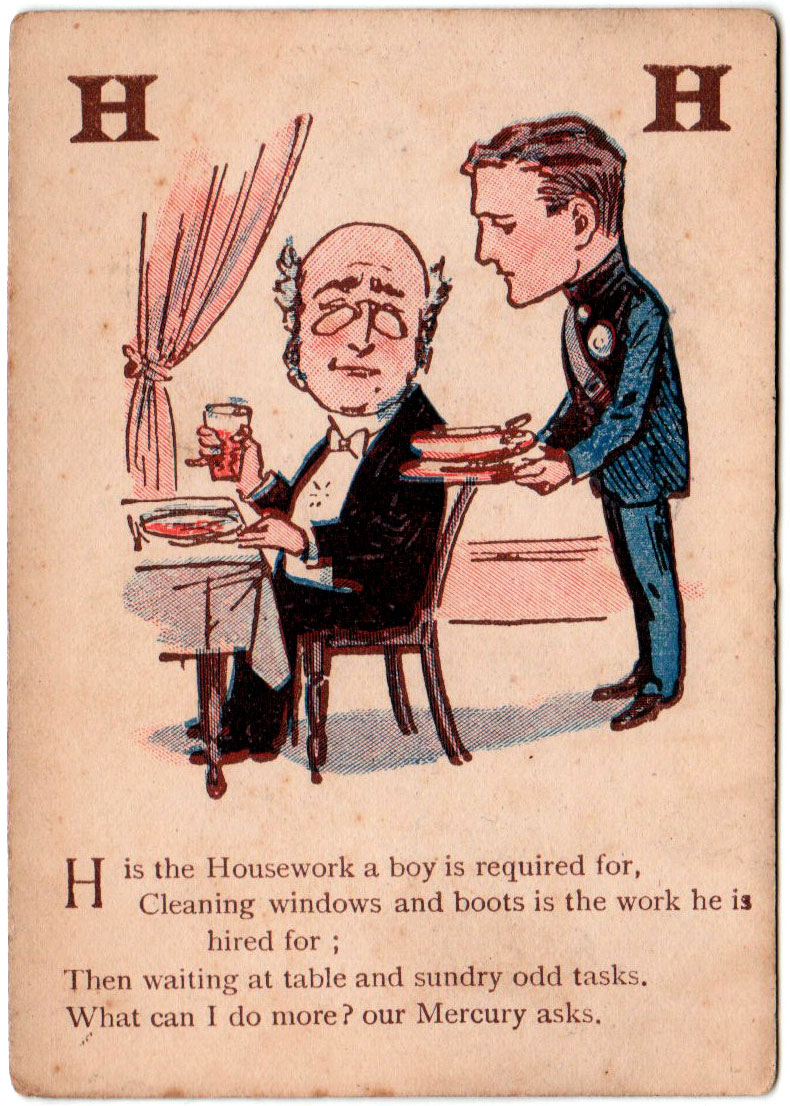
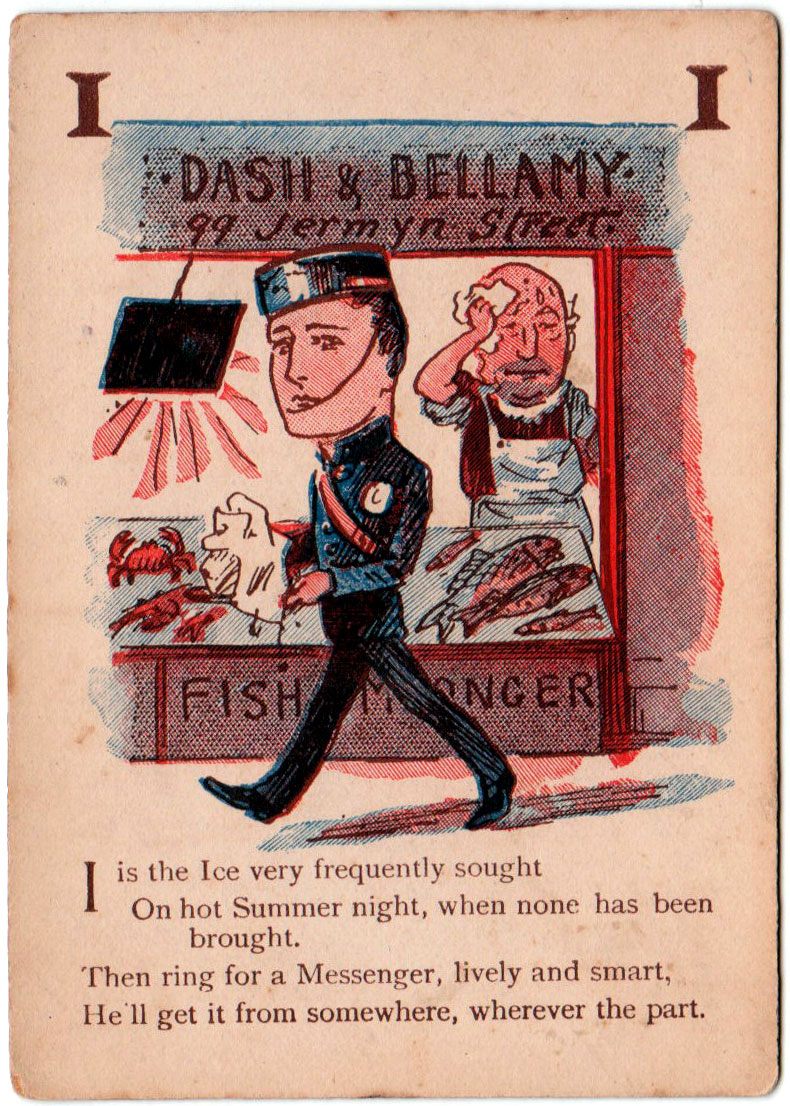
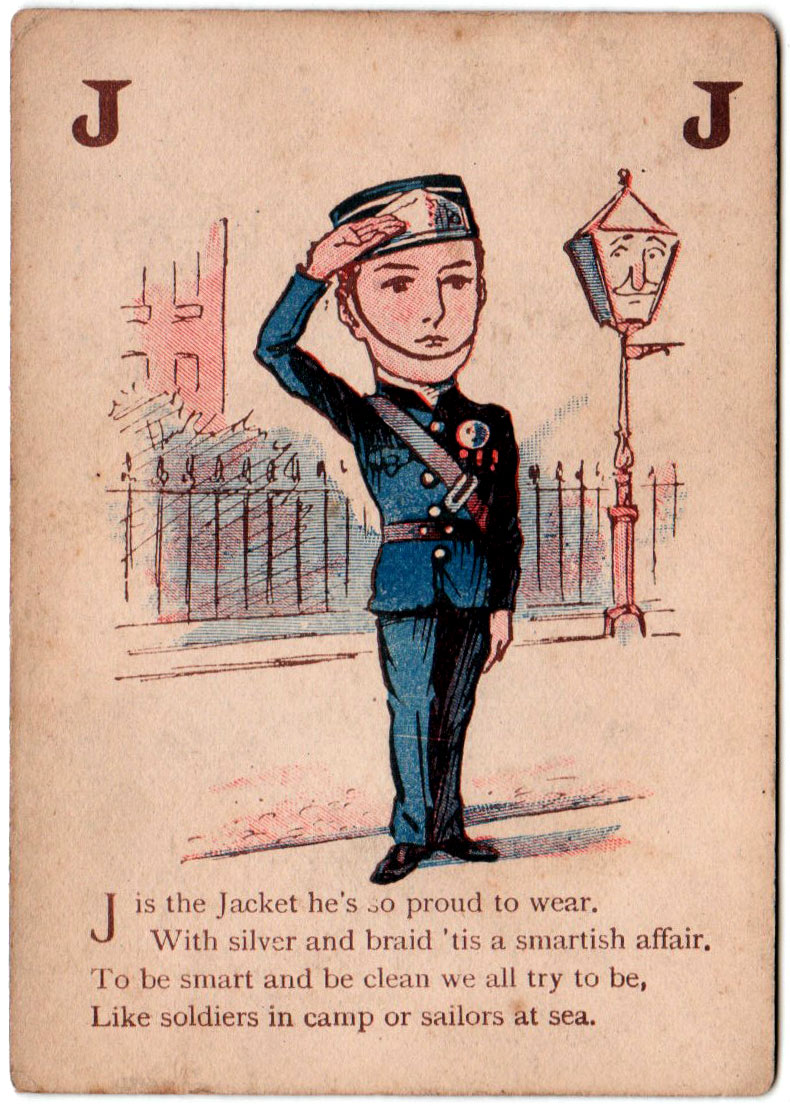
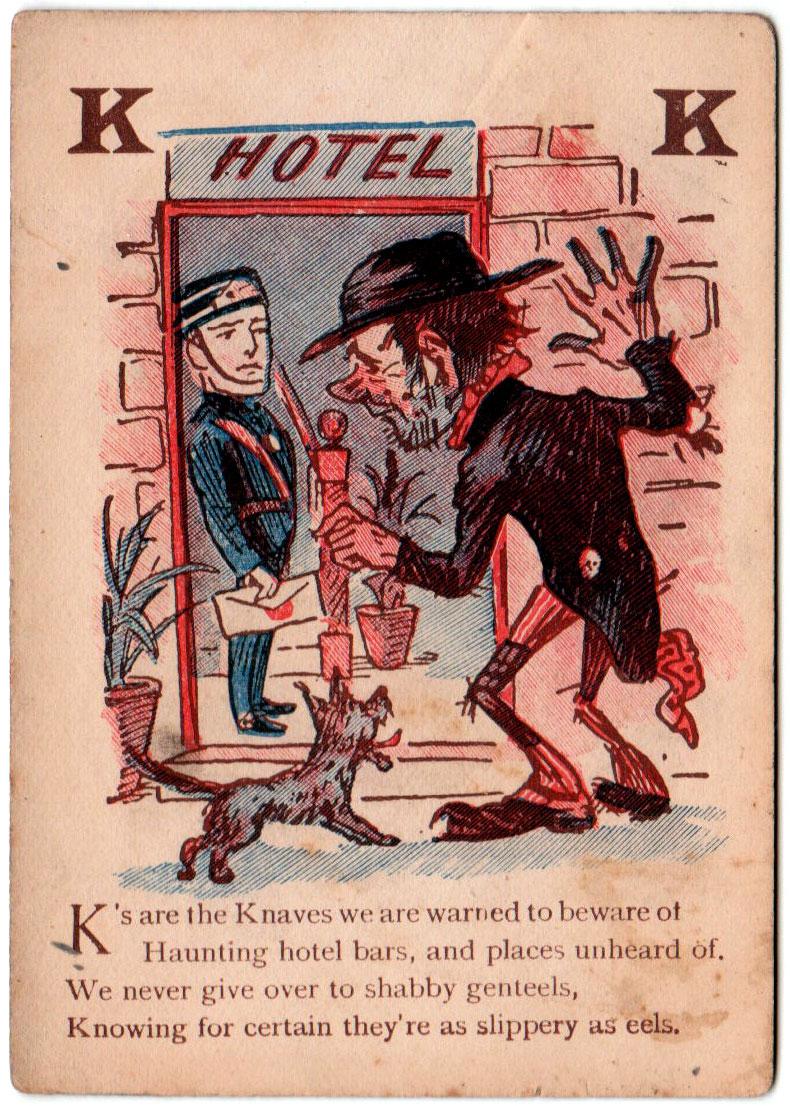
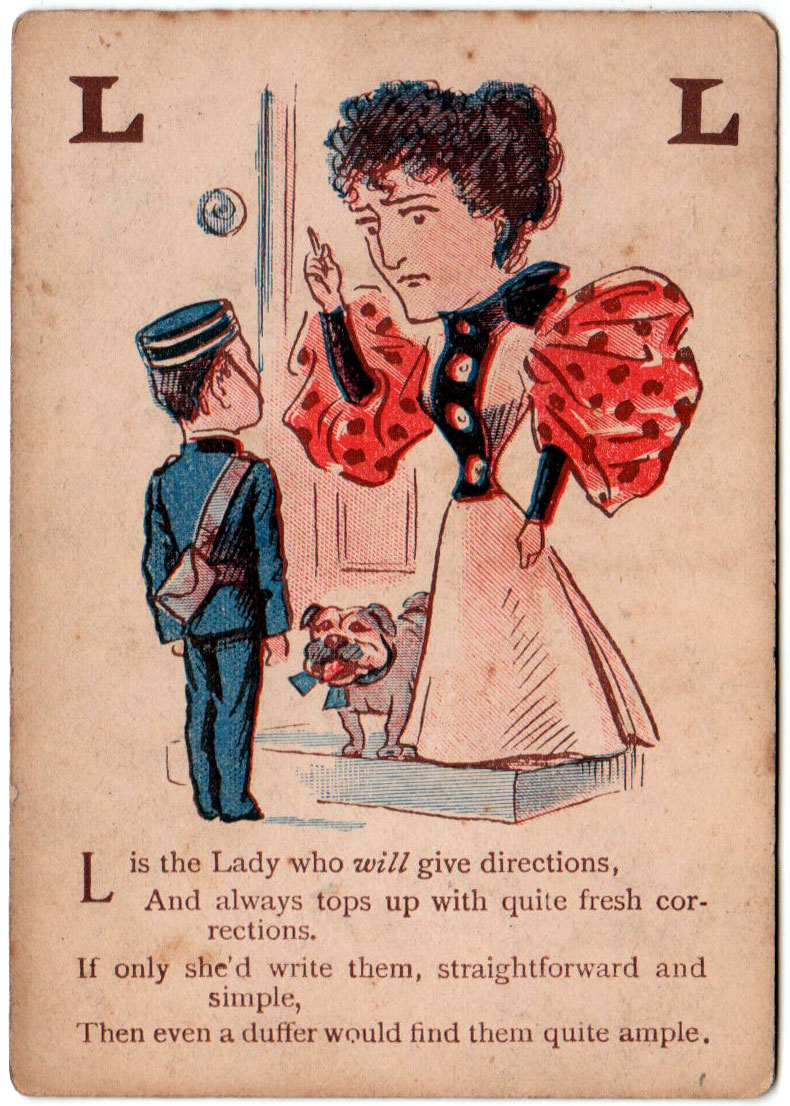
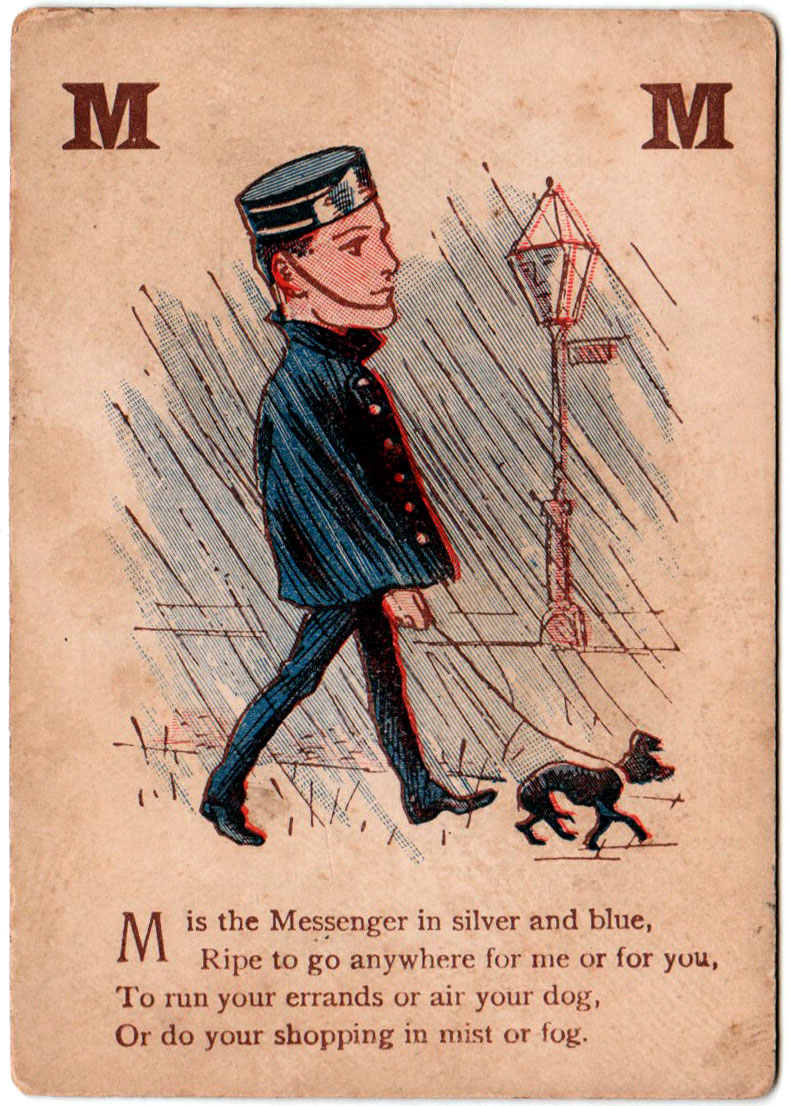
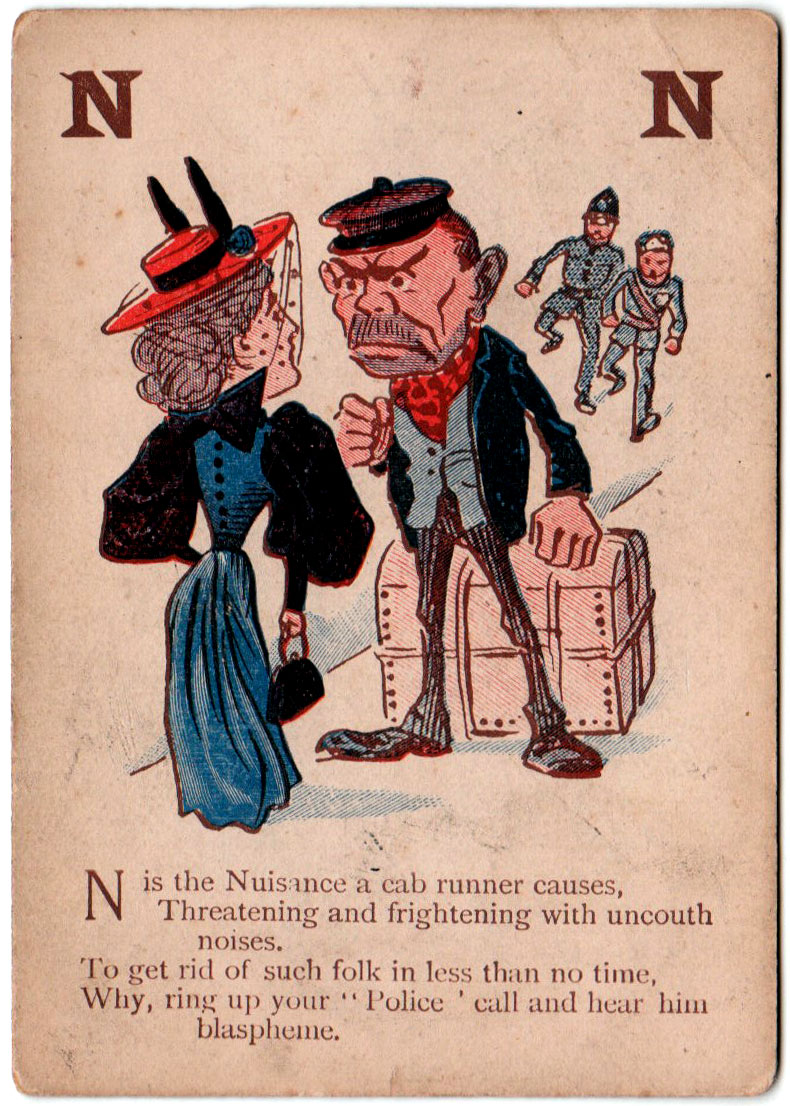
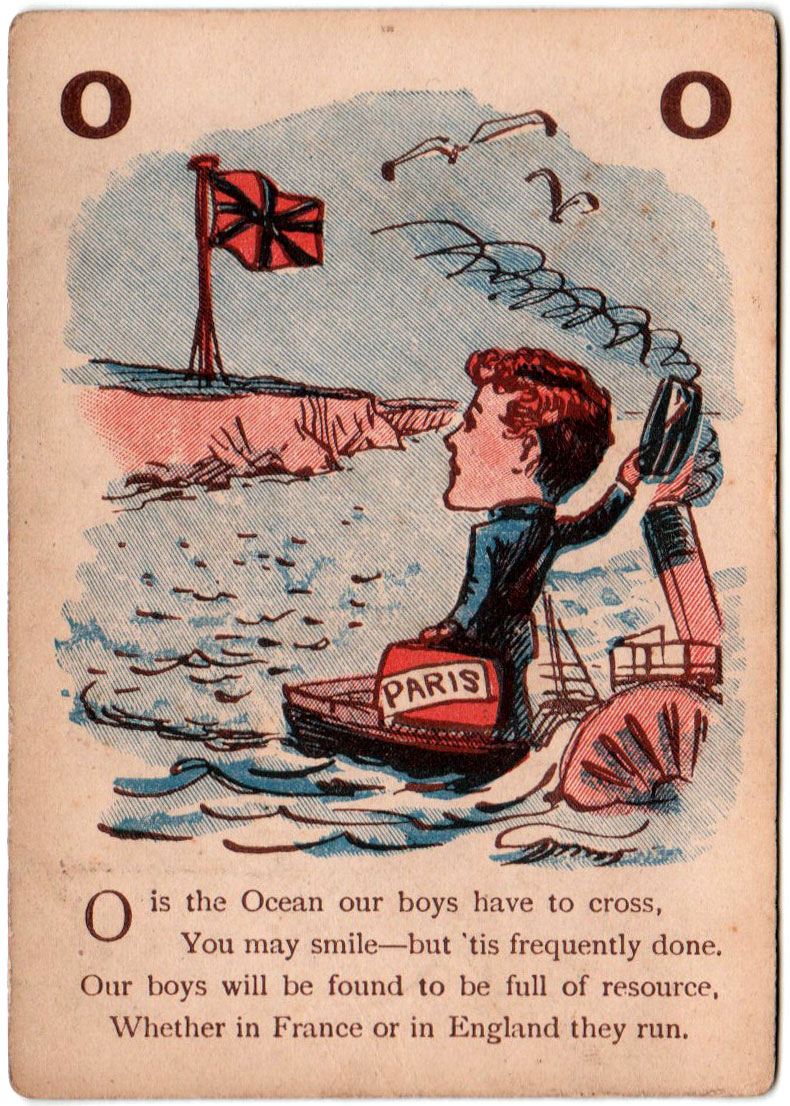
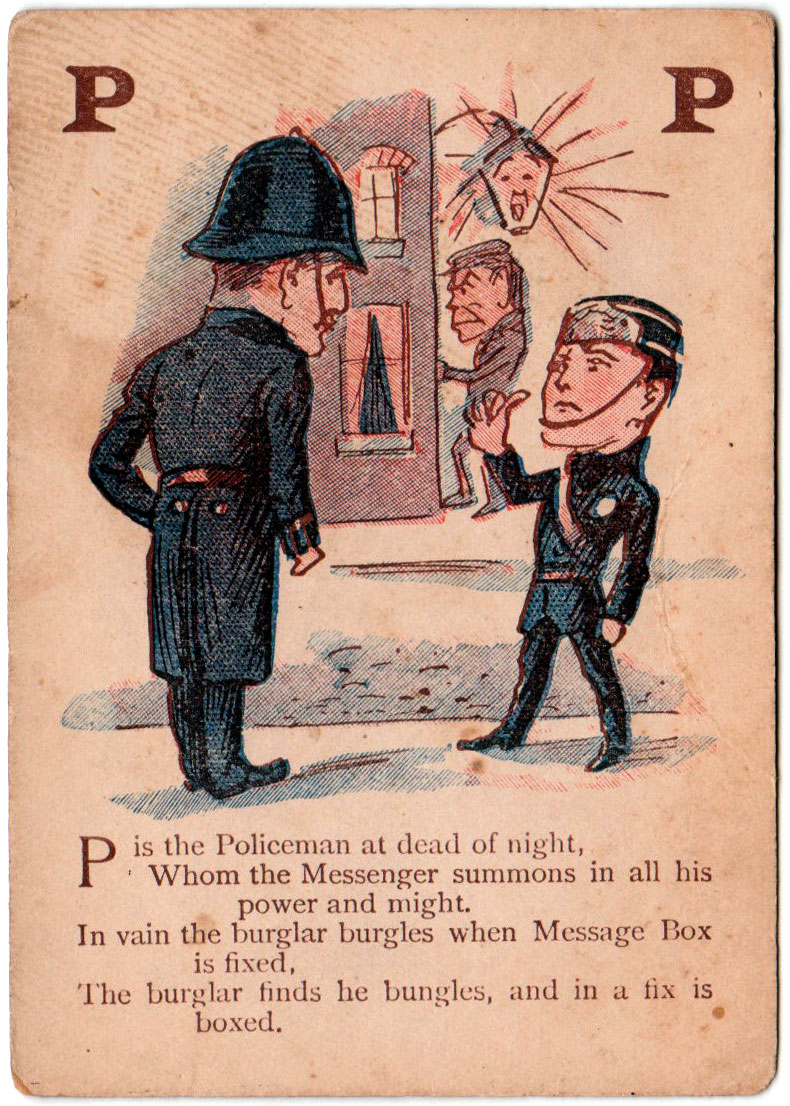
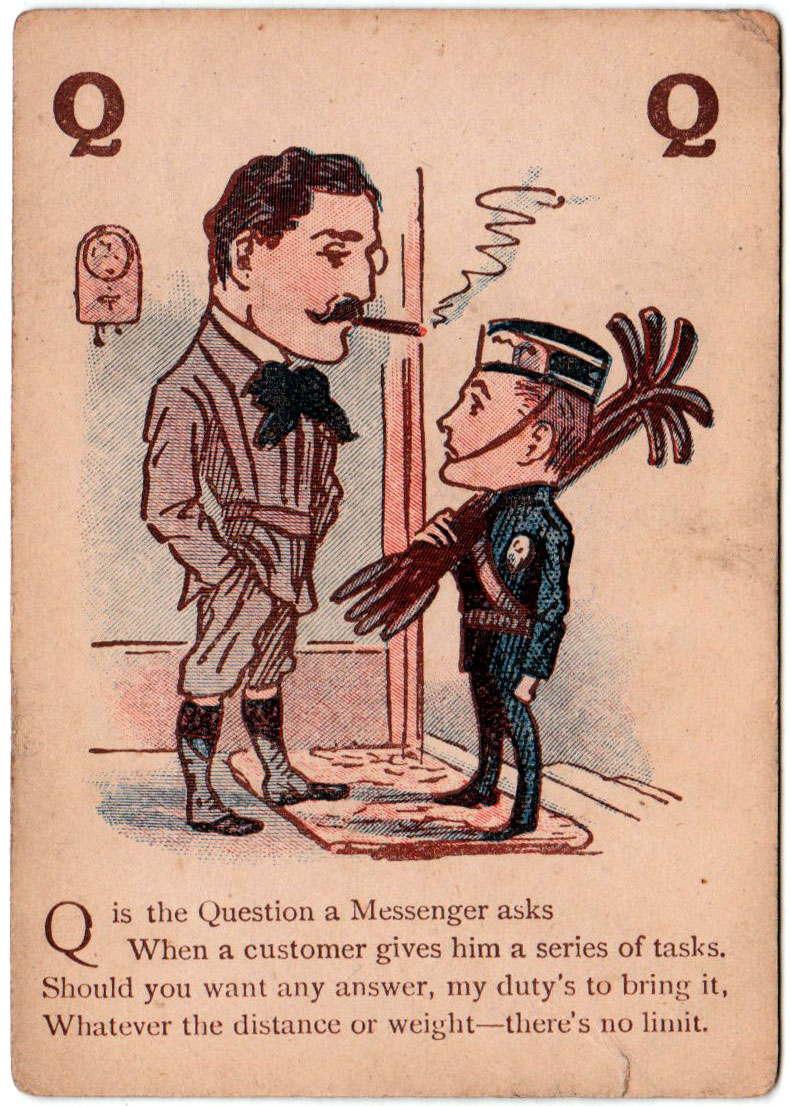
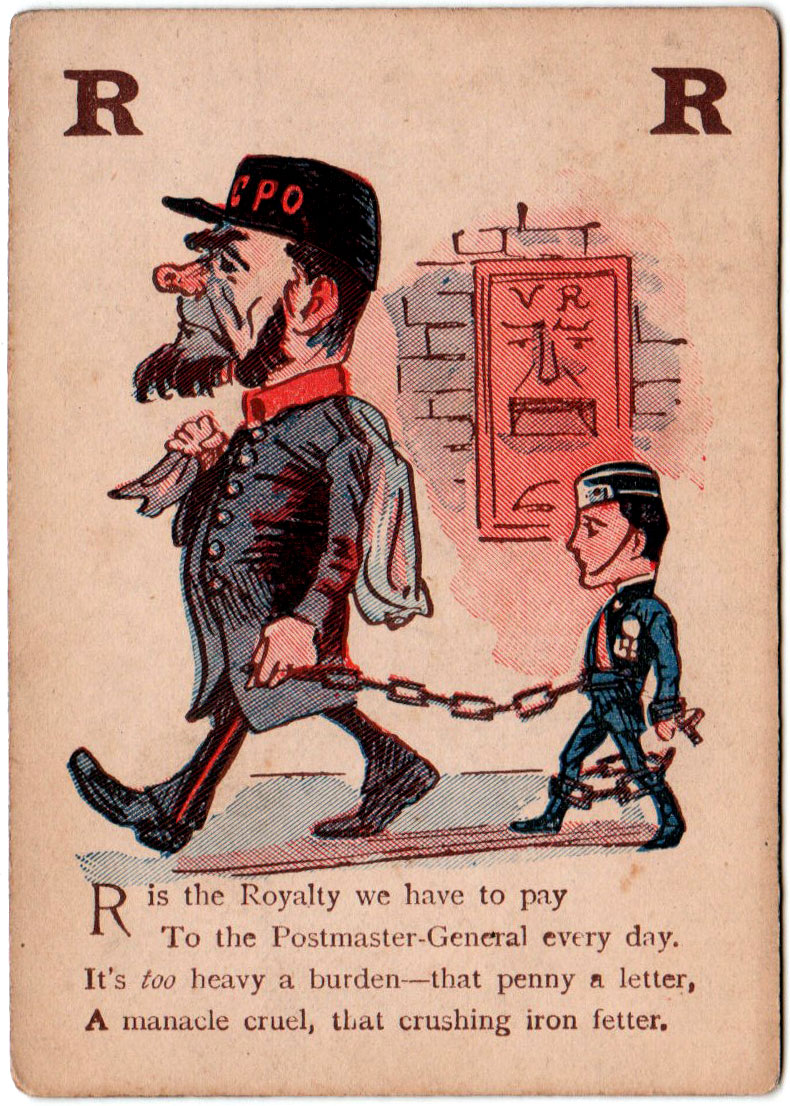
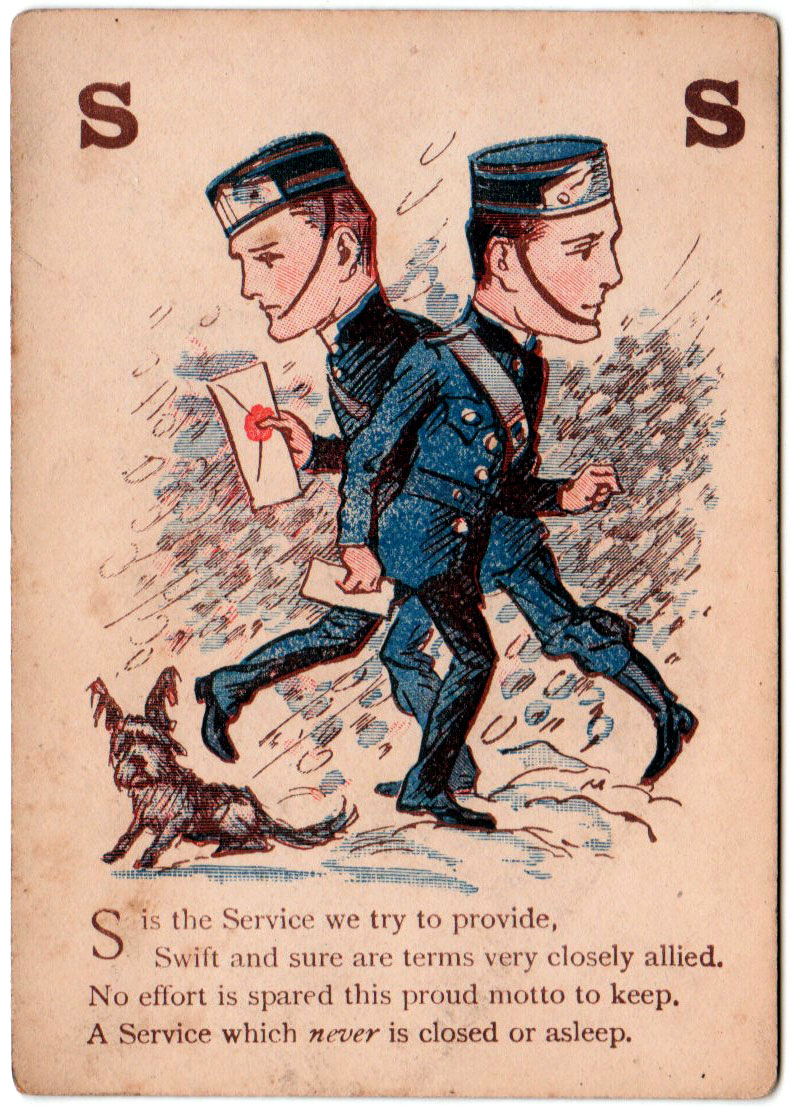
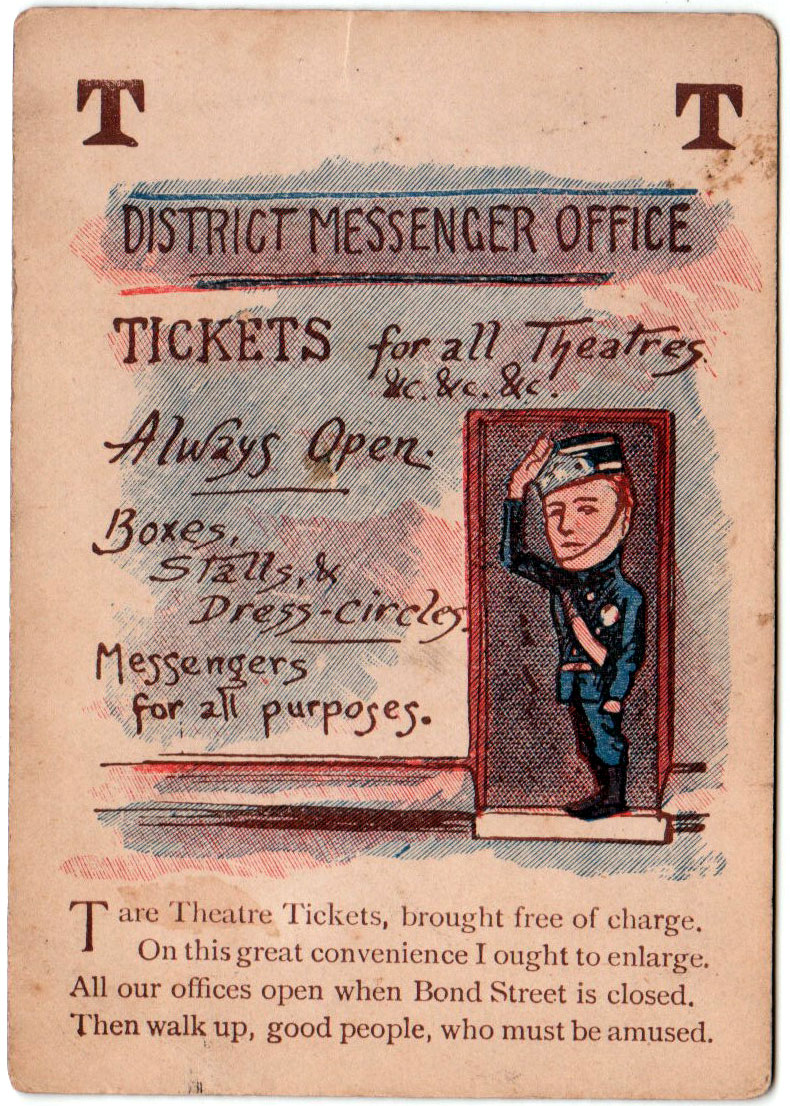
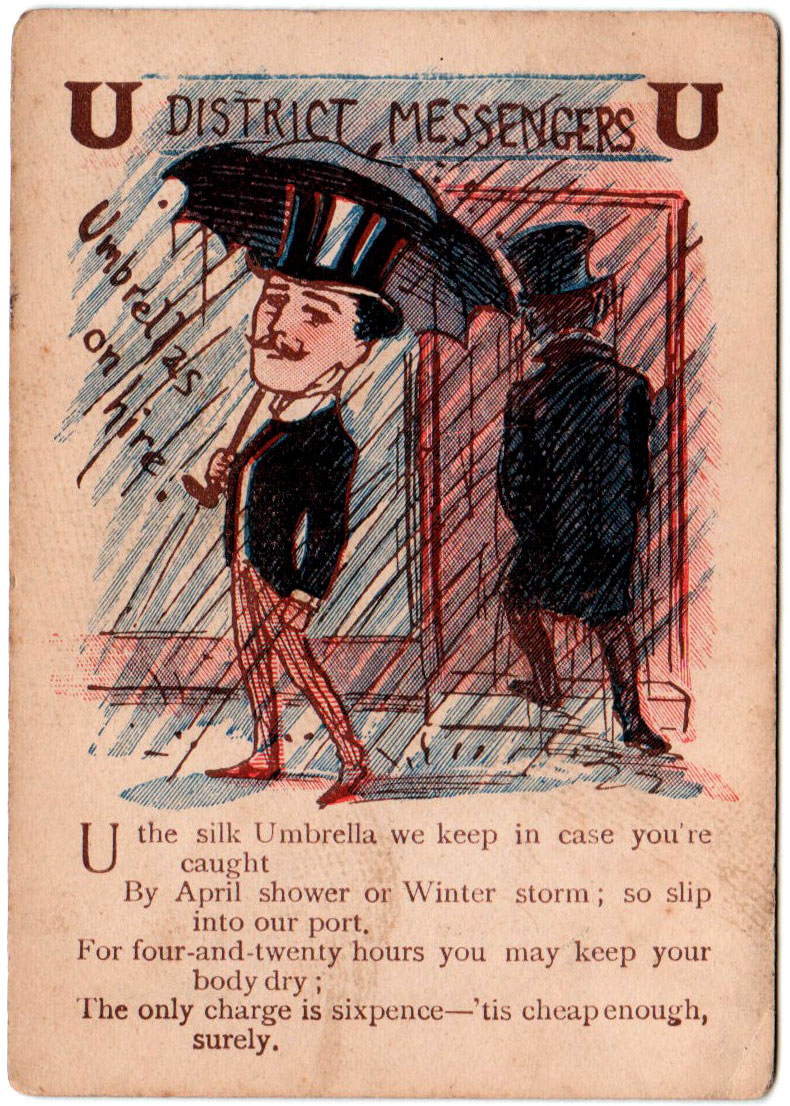
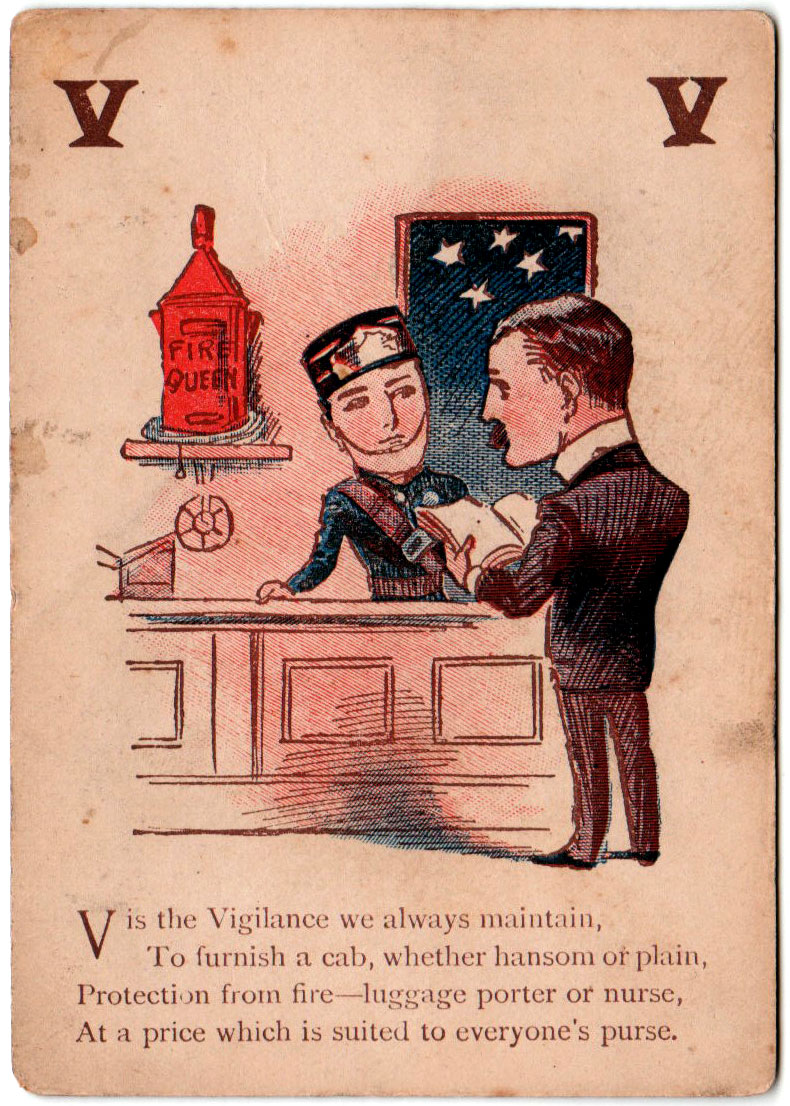
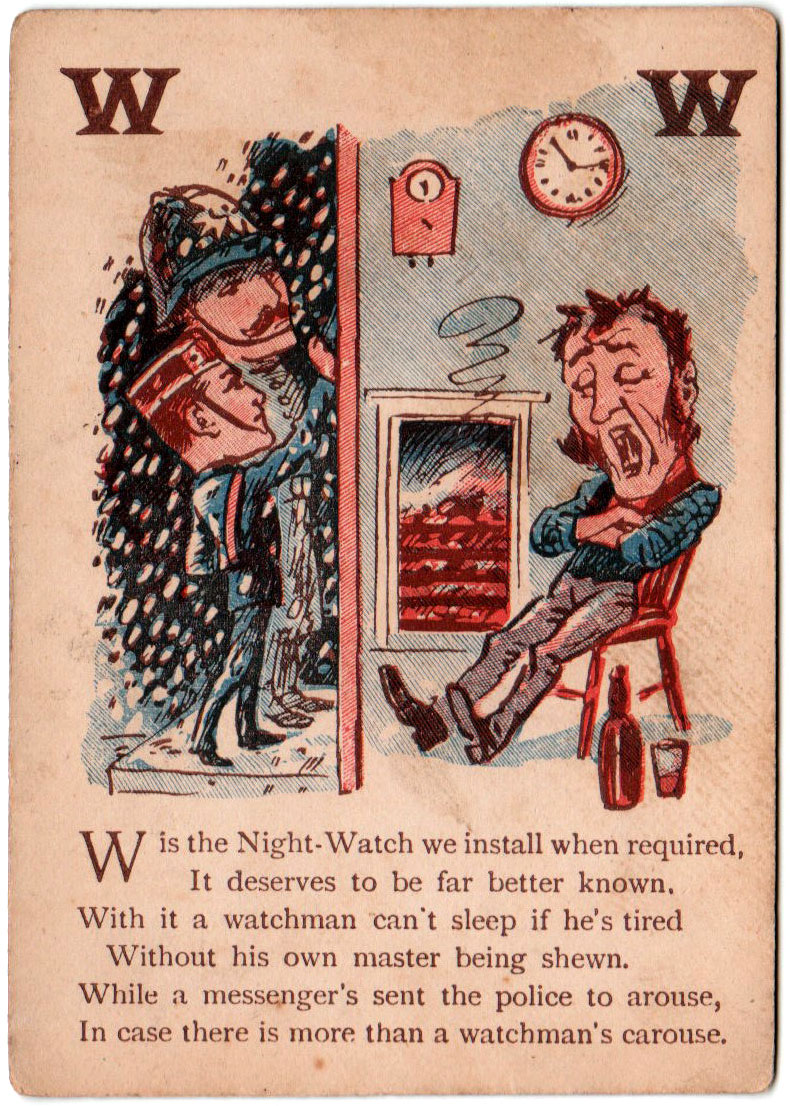
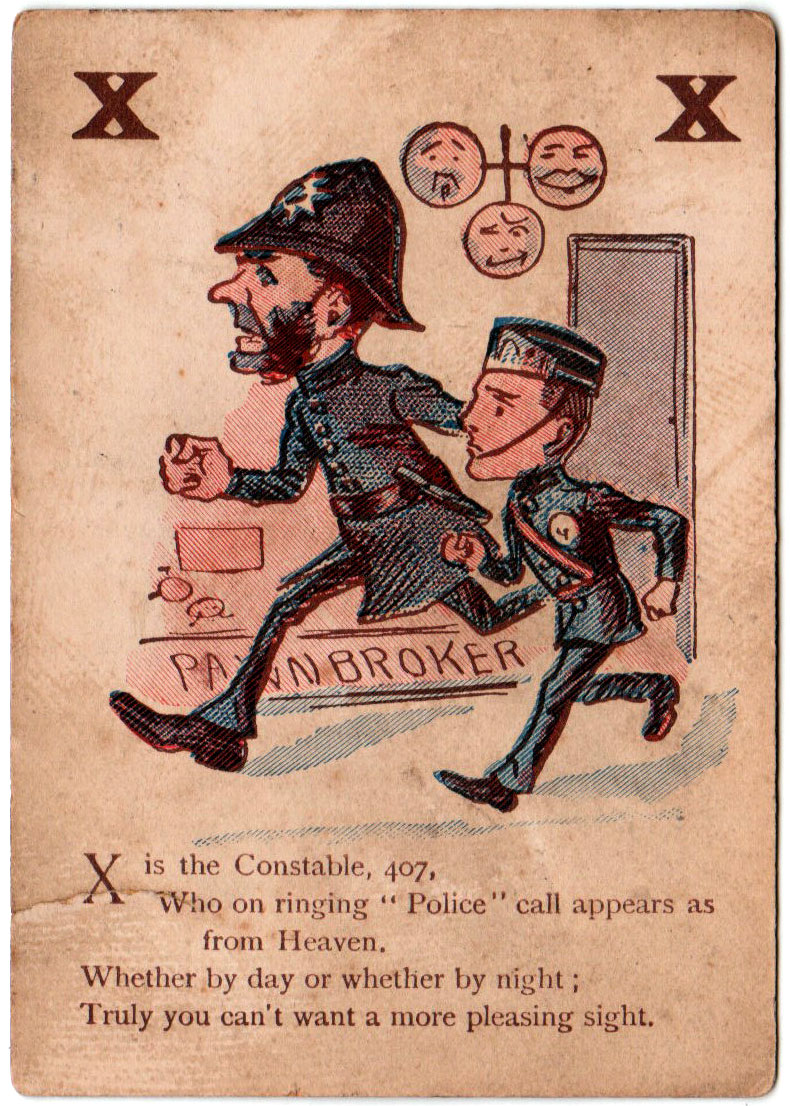
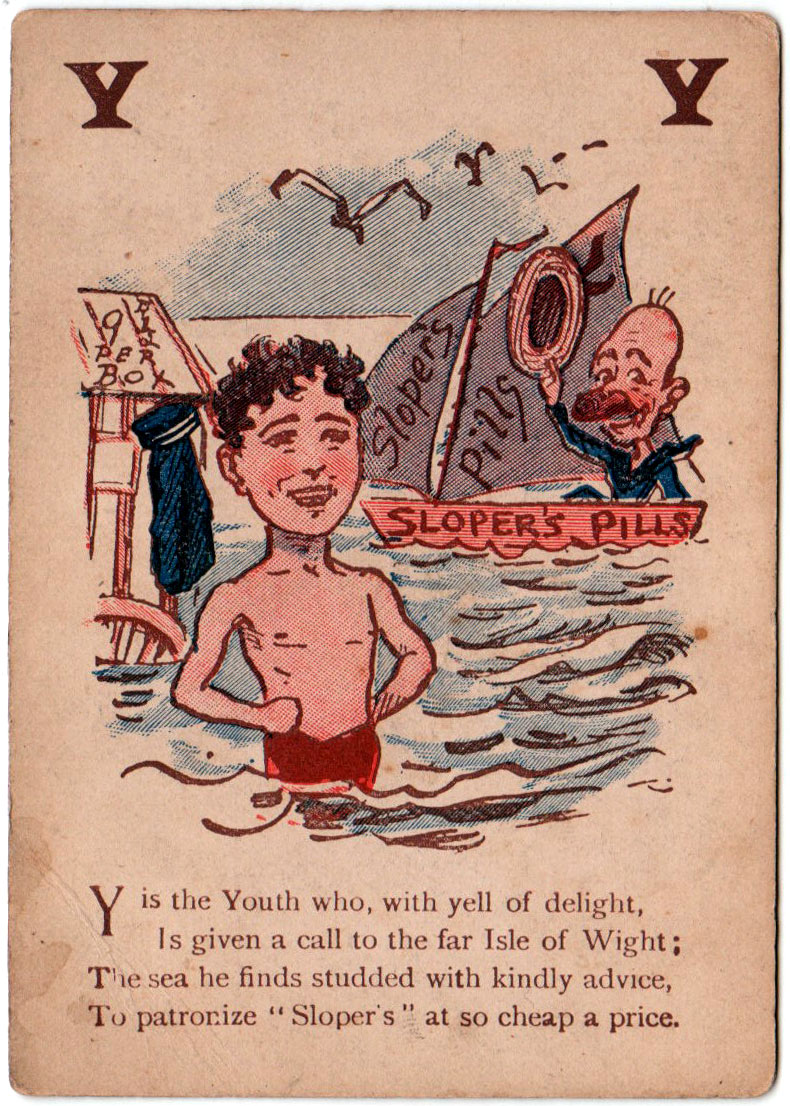
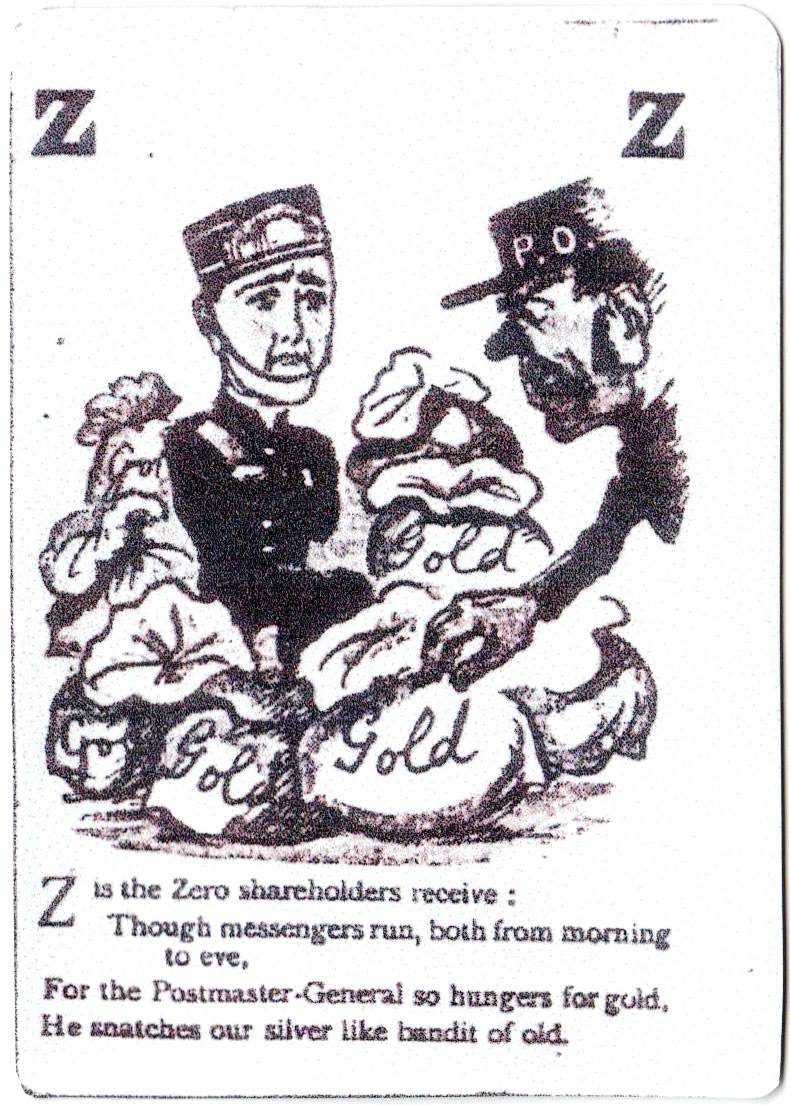
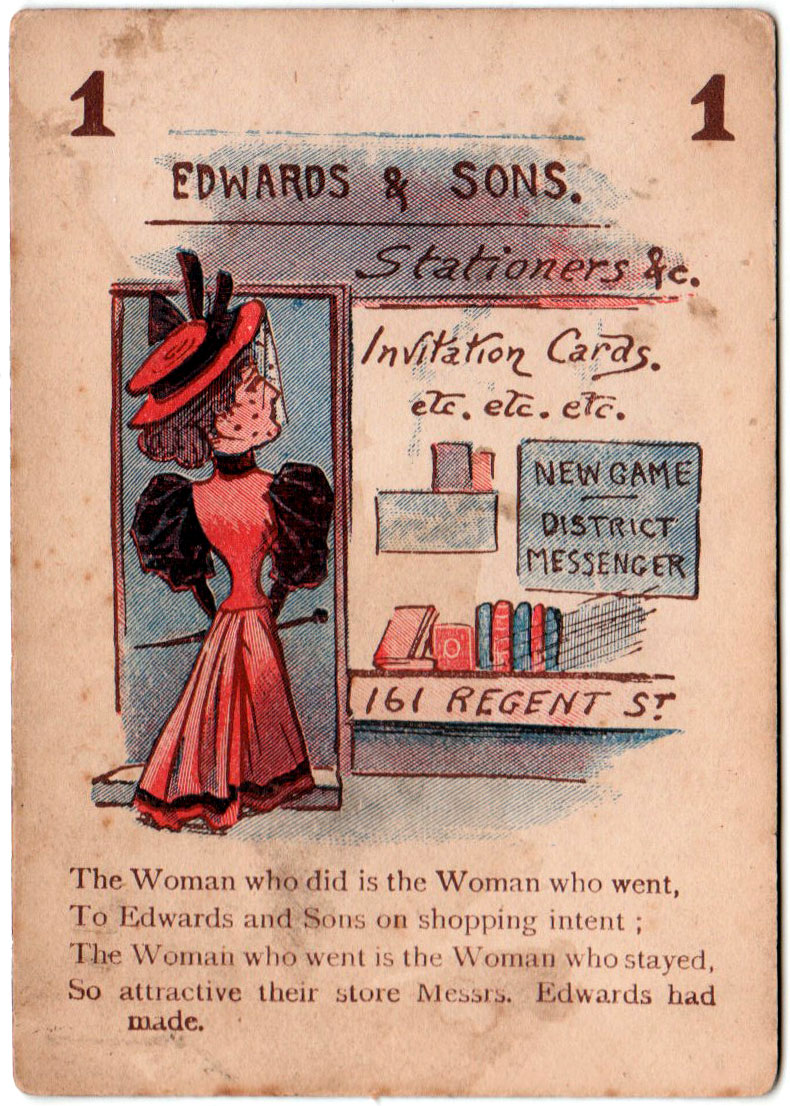
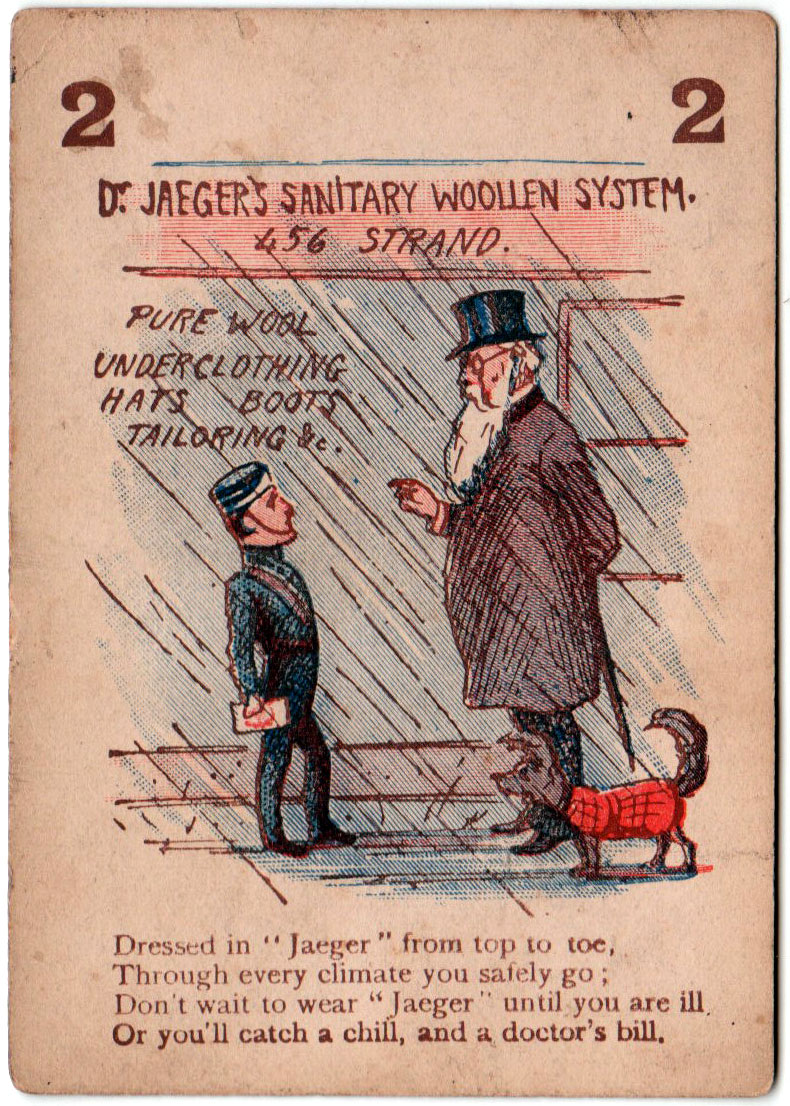
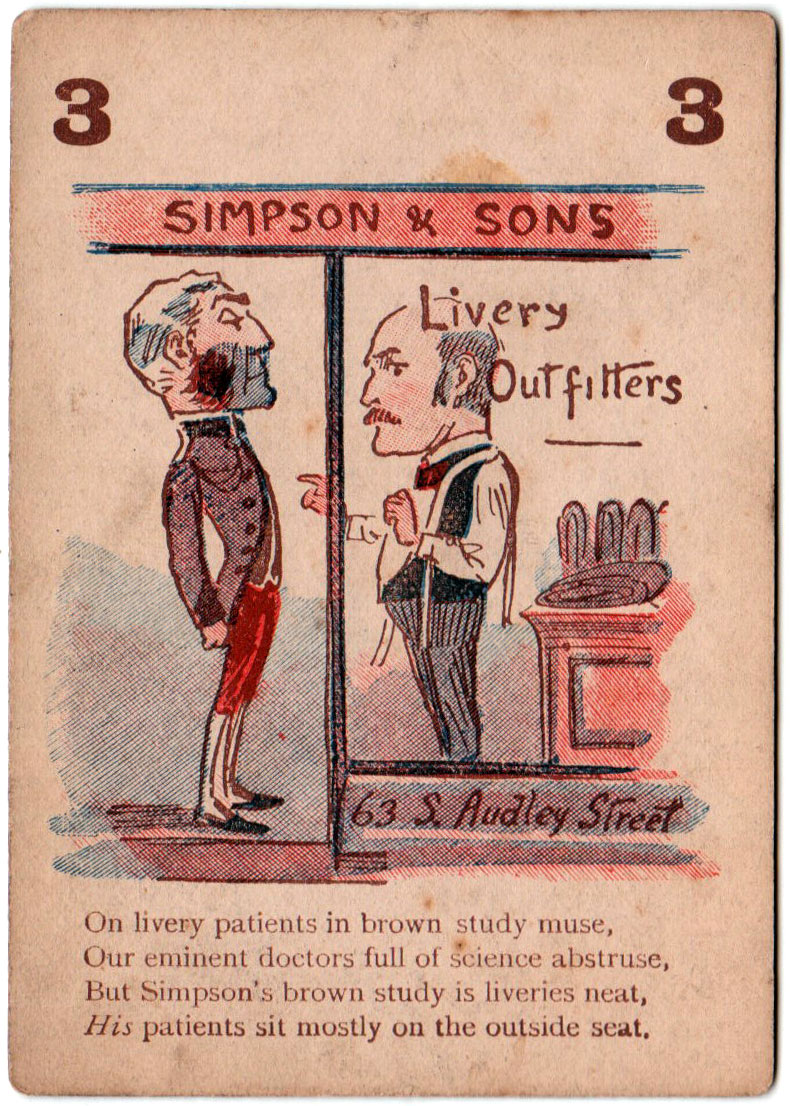
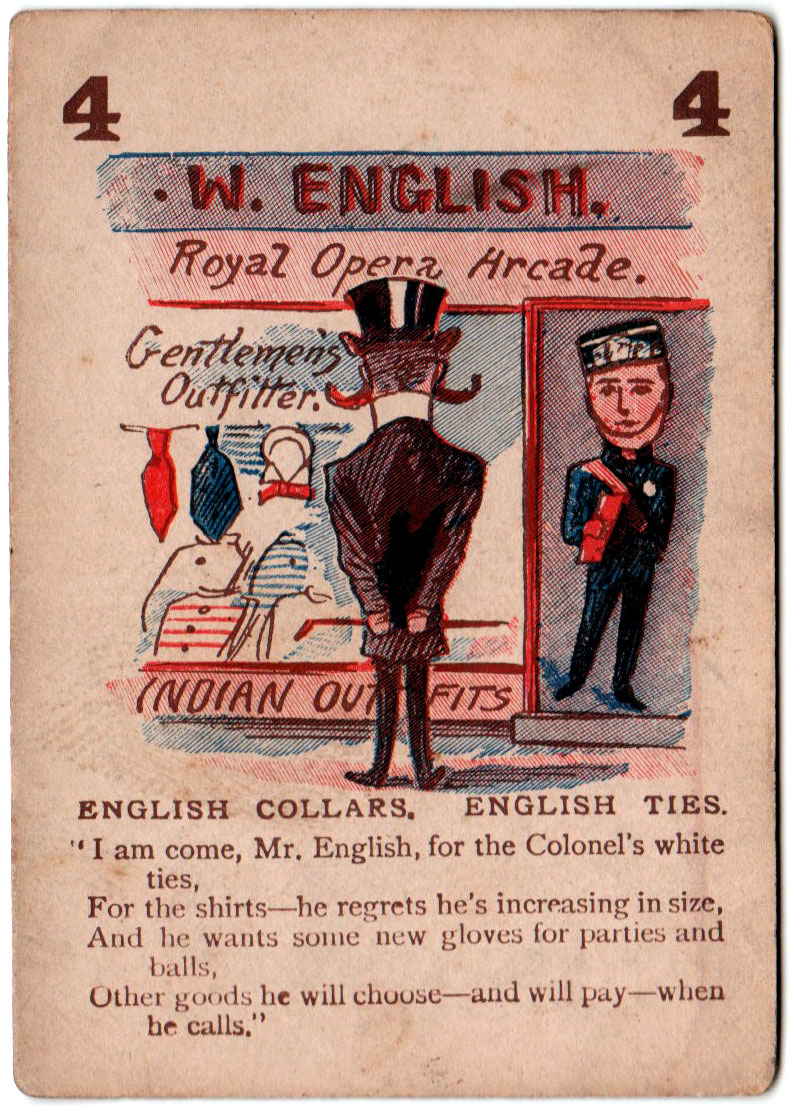
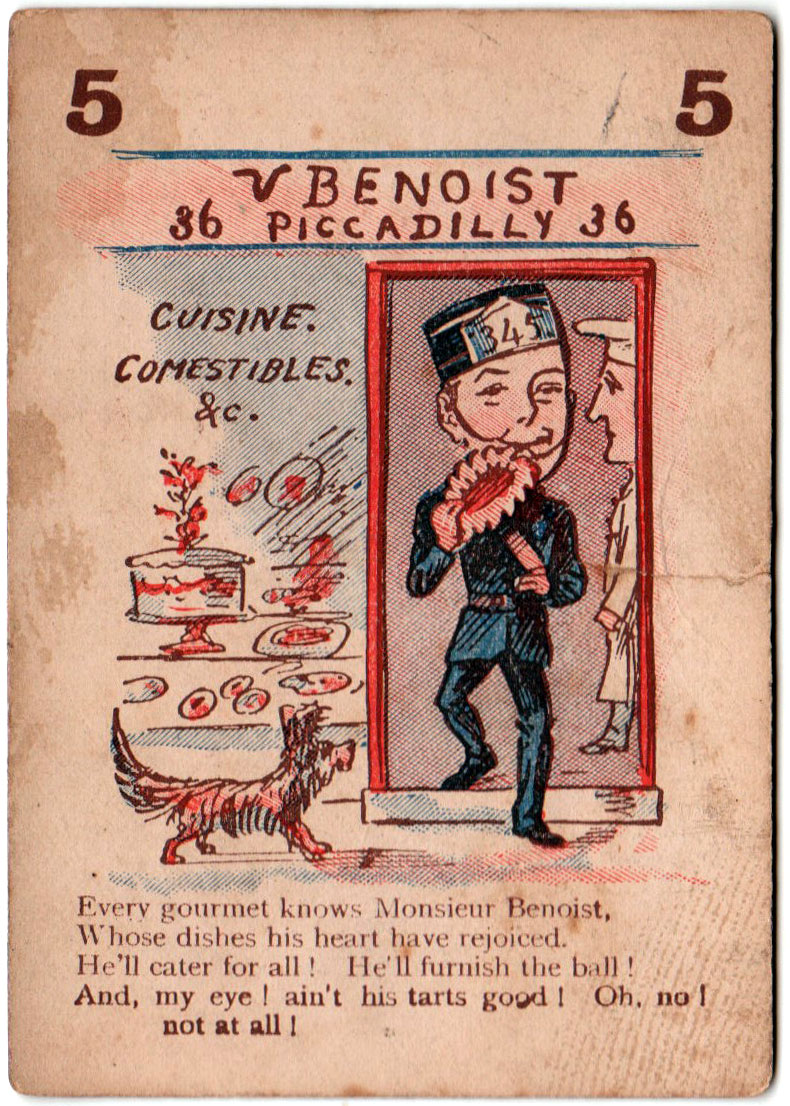
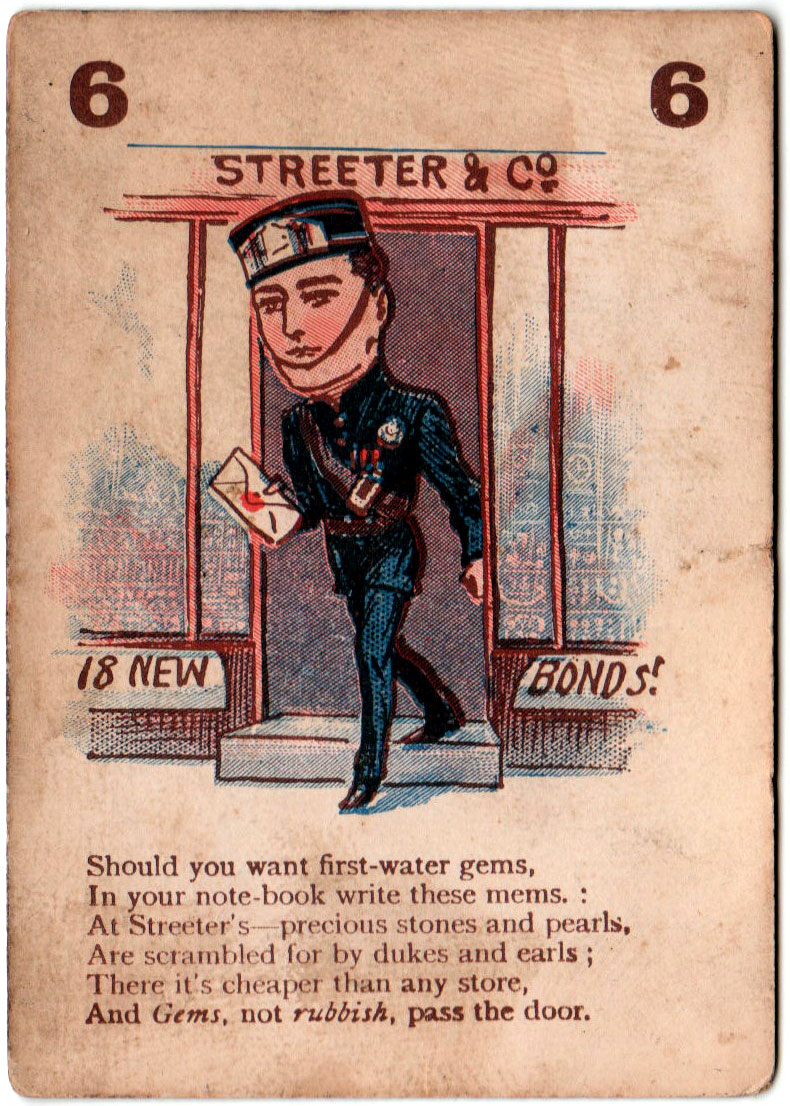
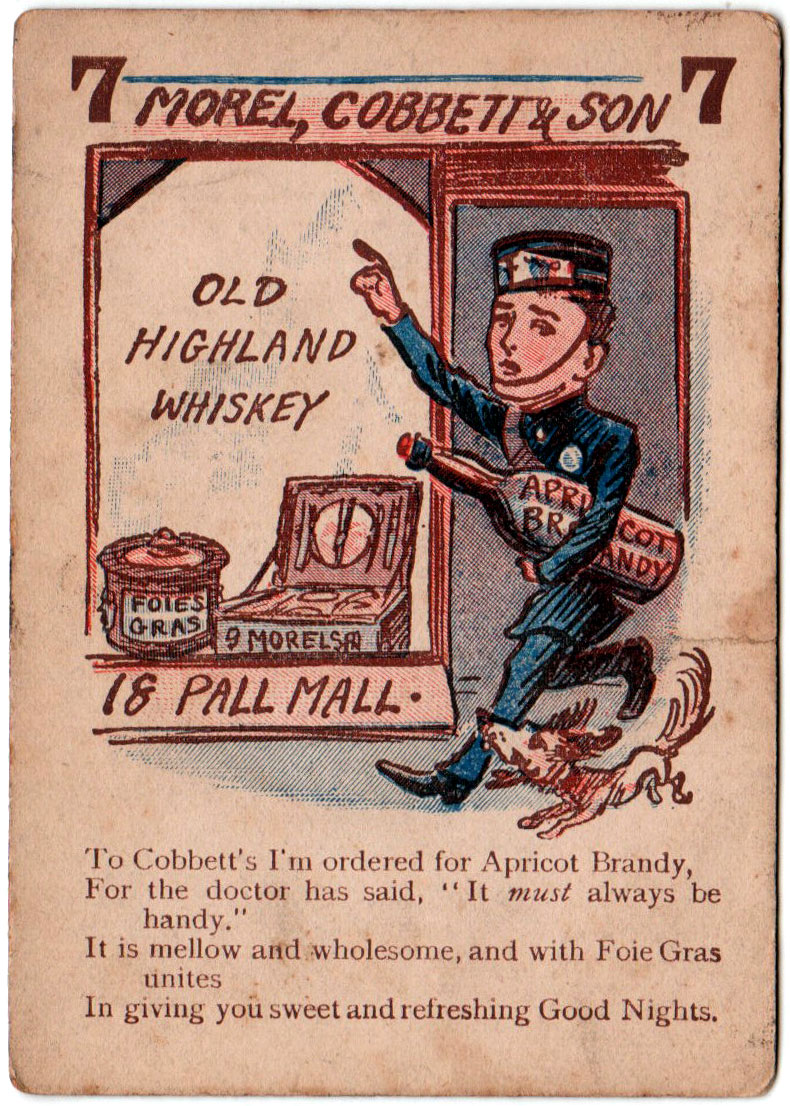
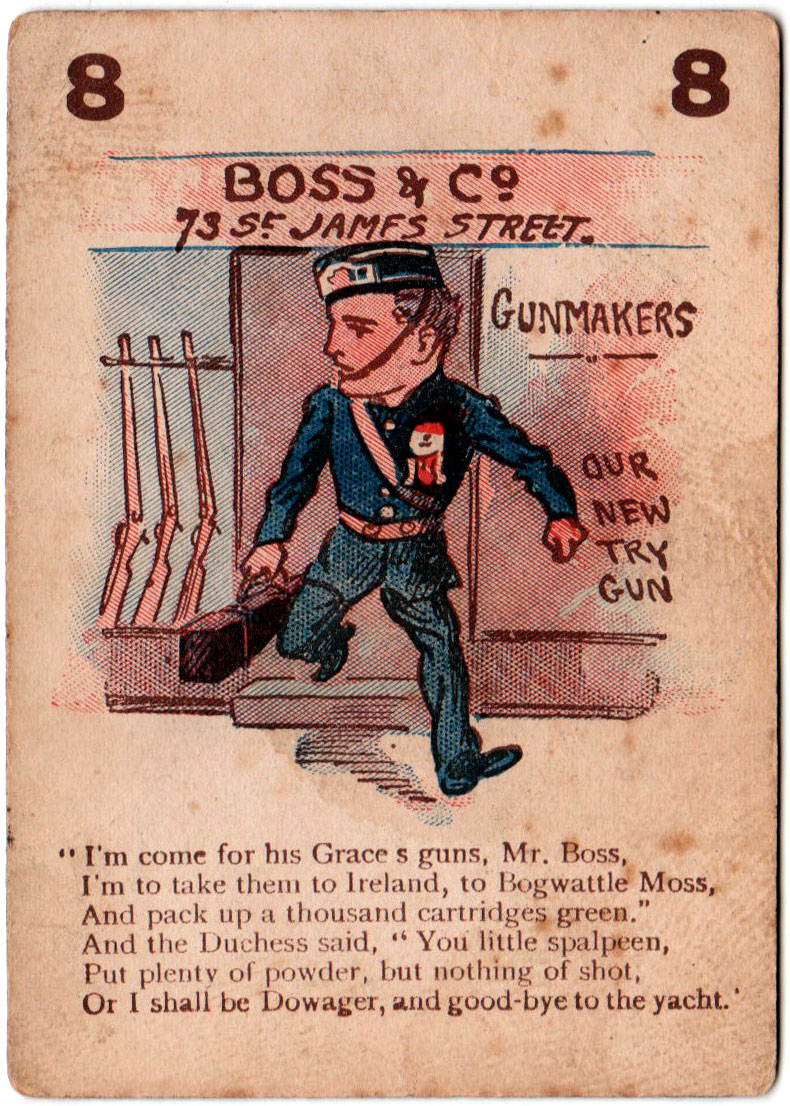
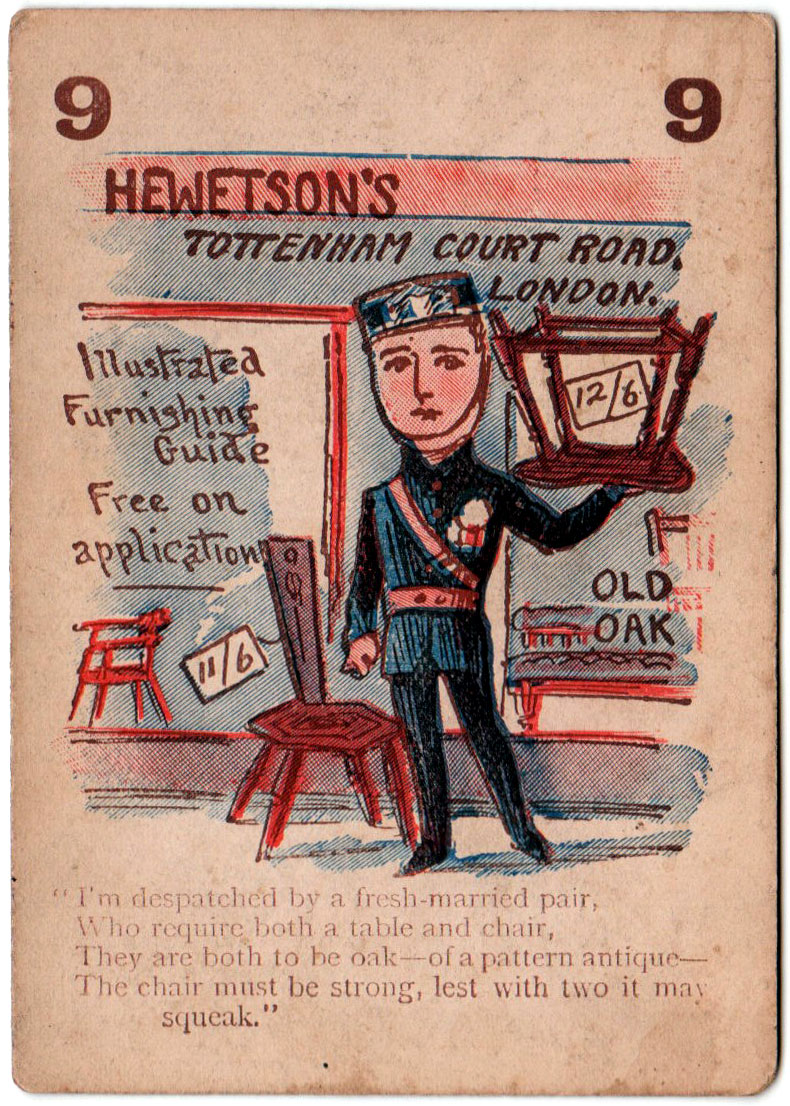
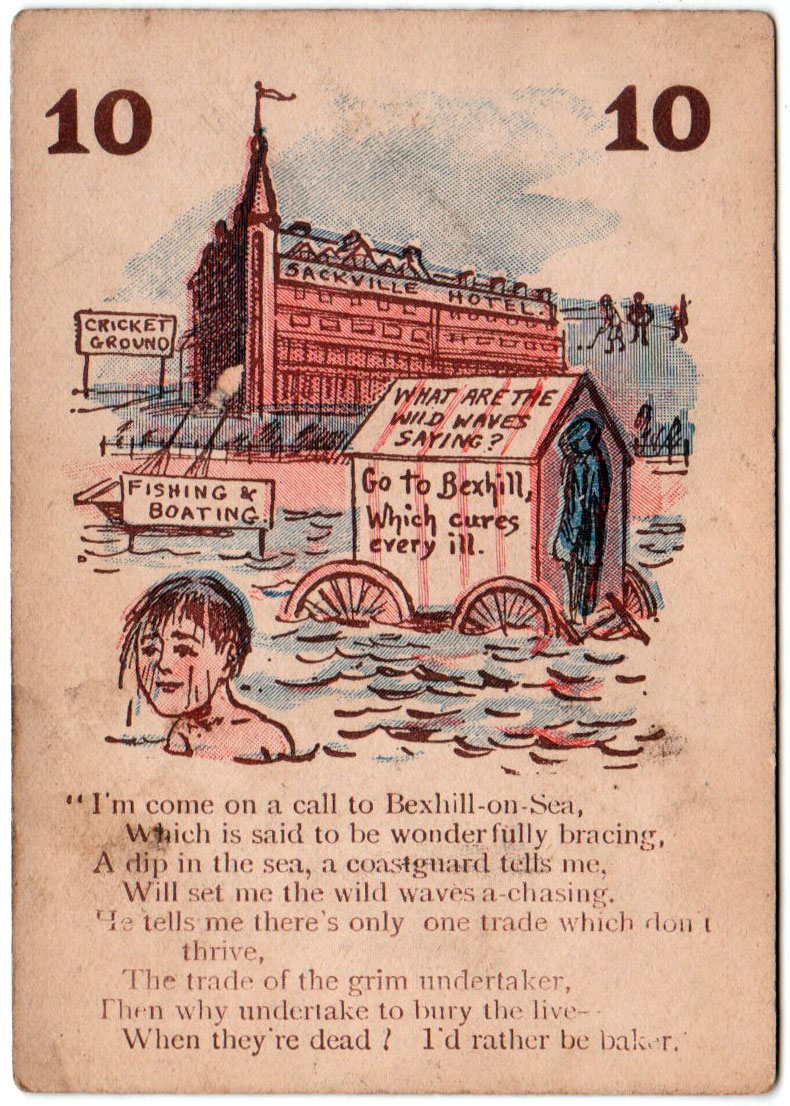
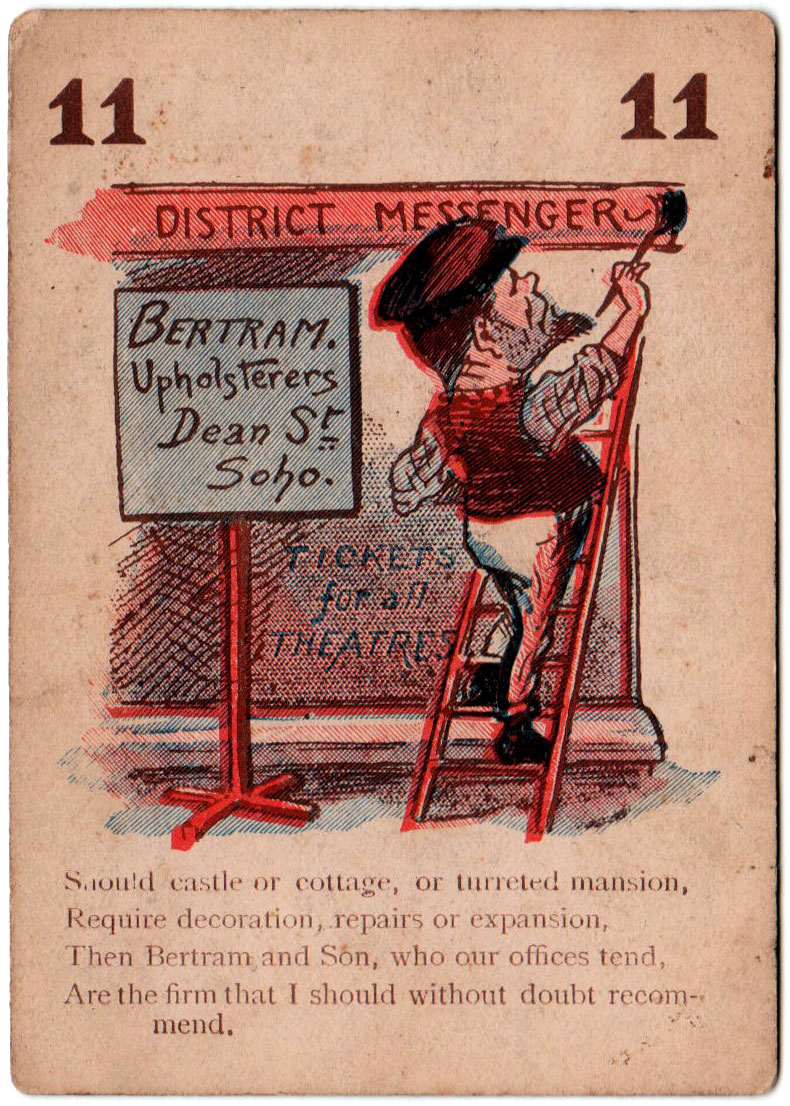
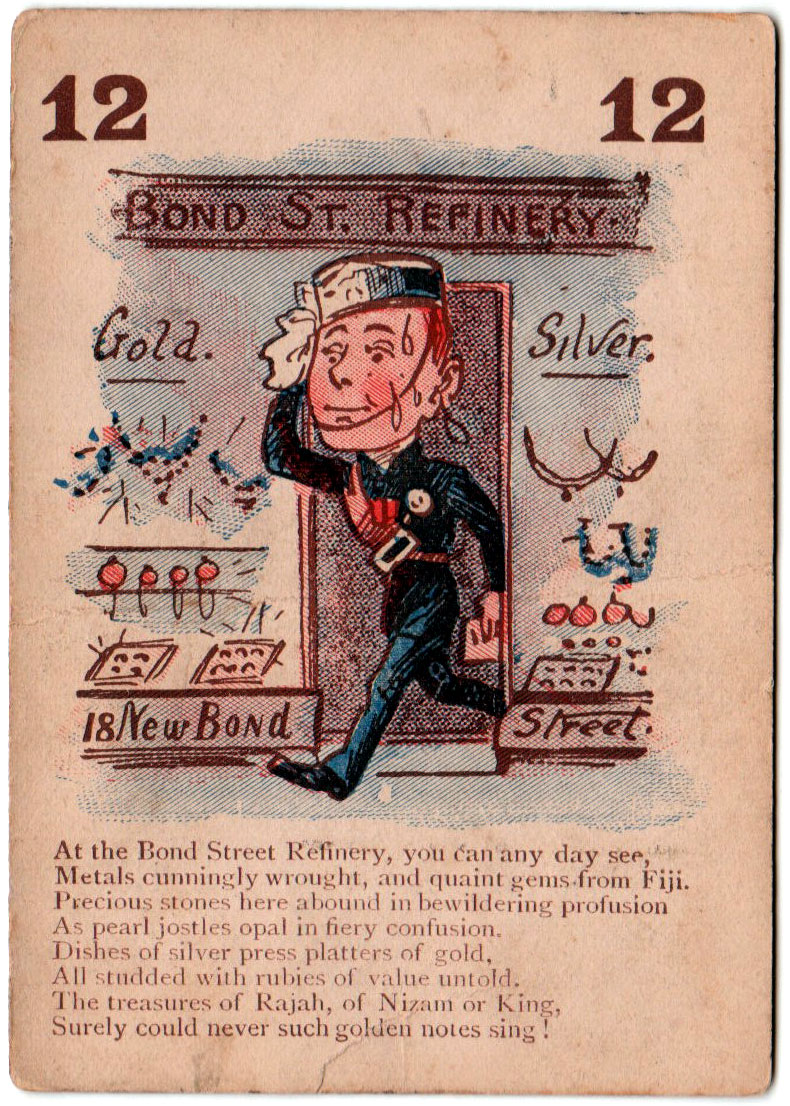
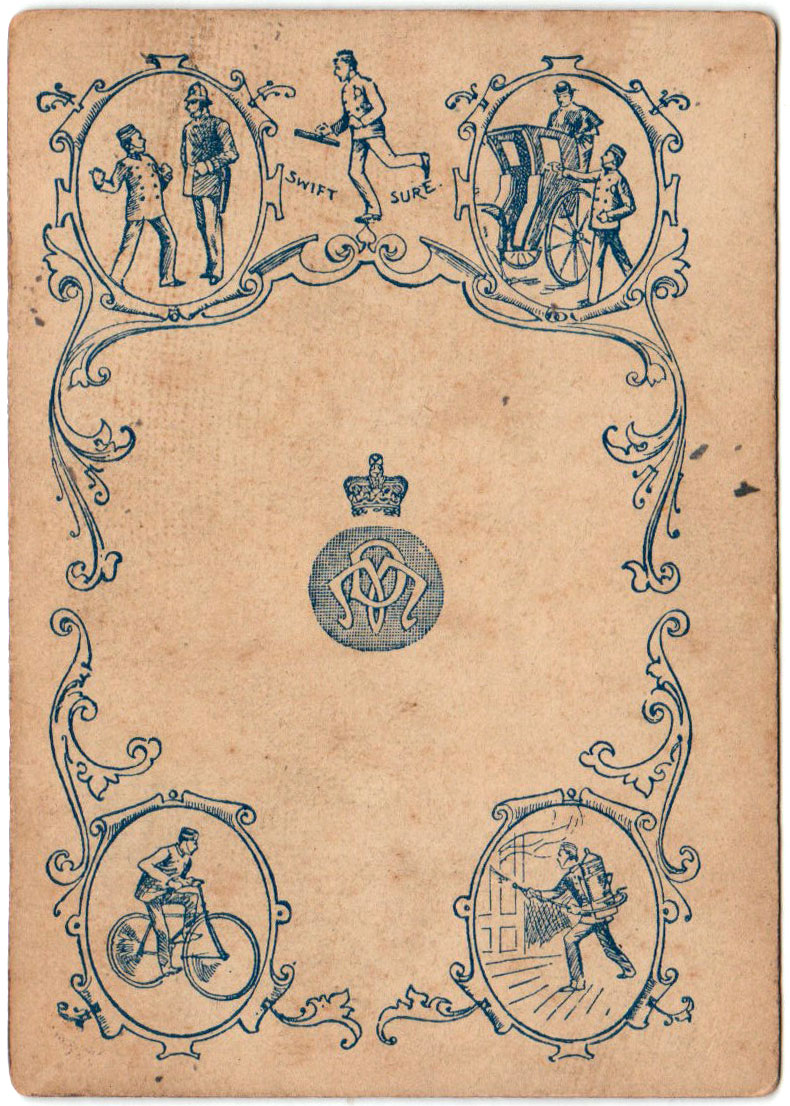
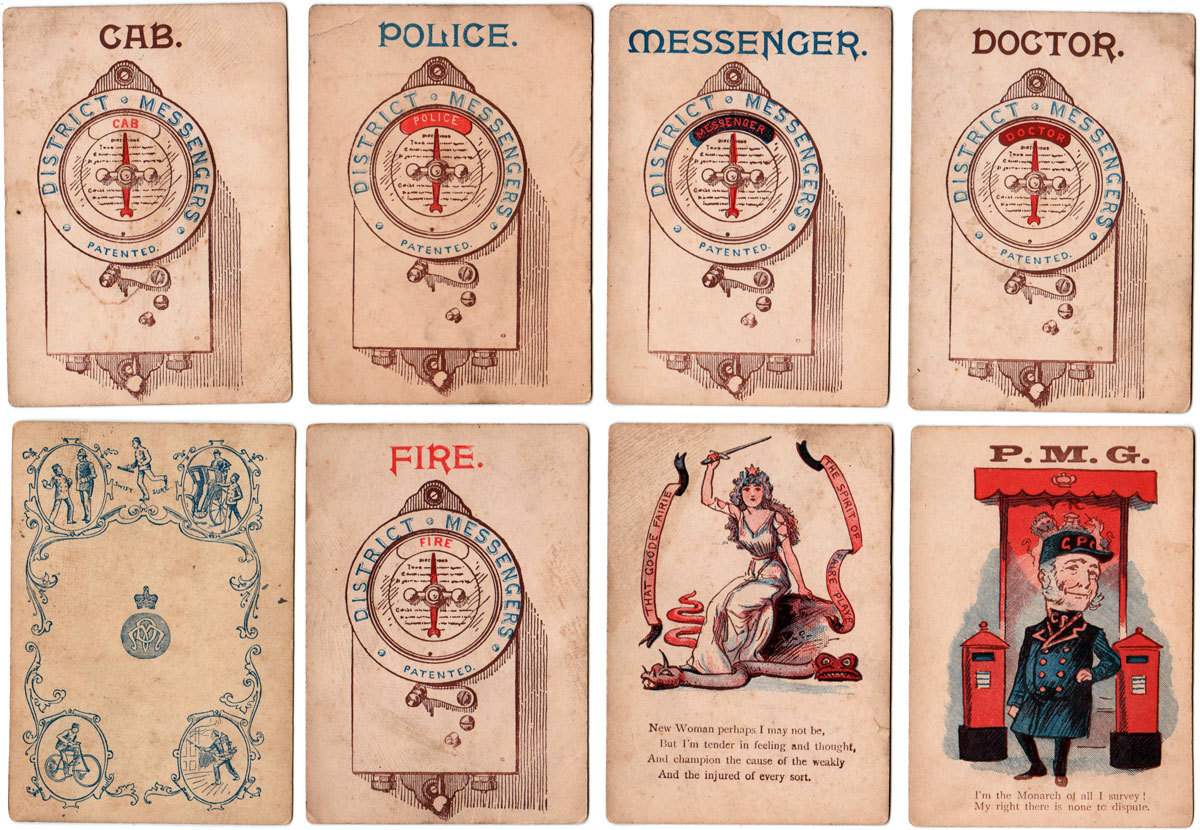
Above: “District Messenger” card game, early 1900s.
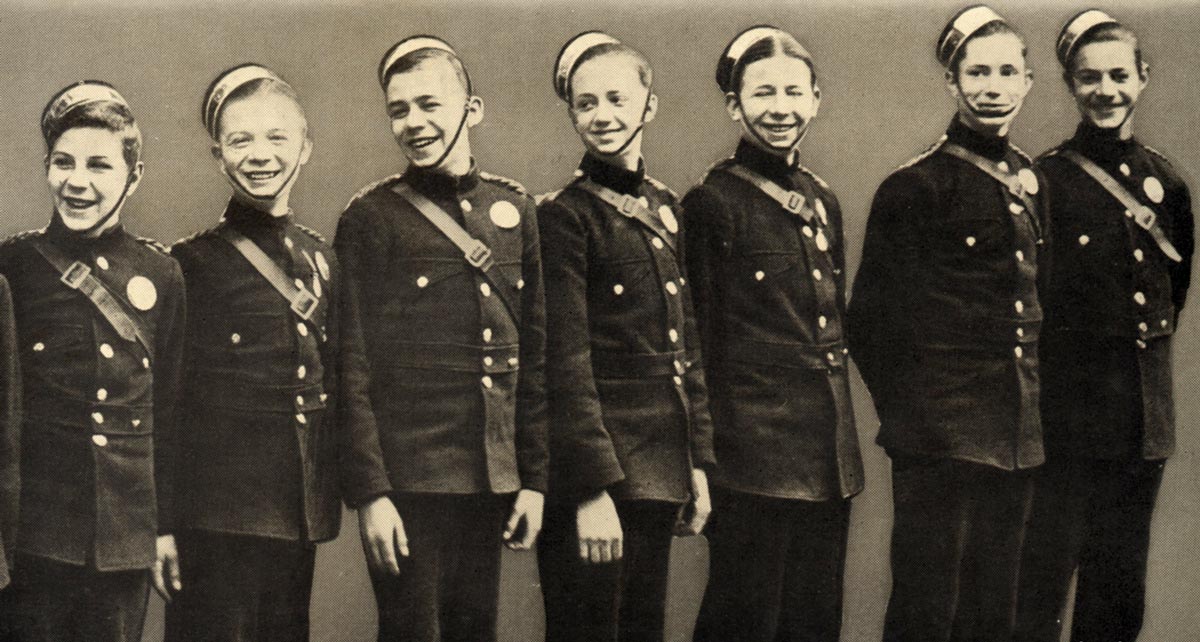
Above: District Messenger boys in the 1930s.
See also Katz, Leslie: 'Who Ya Gonna Call?': District Messengers in the Sherlock Holmes Adventures►
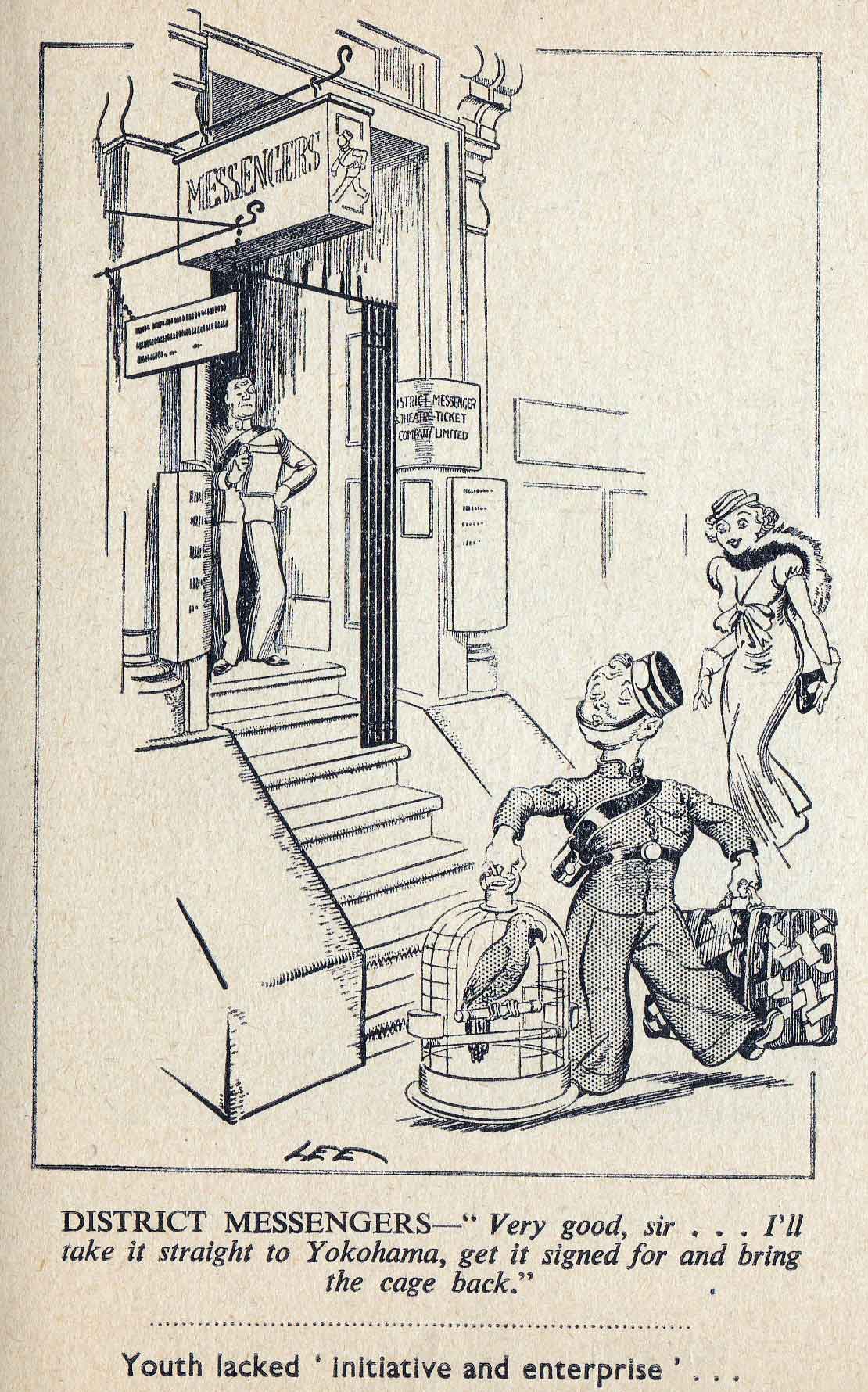
Above: cartoon in a book called “London Laughs” containing cartoons by “Lee” in the Evening News between 1934 and 1951.

By Rex Pitts (1940-2021)
United Kingdom • Member since January 30, 2009
Rex's main interest was in card games, because, he said, they were cheap and easy to get hold of in his early days of collecting. He is well known for his extensive knowledge of Pepys games and his book is on the bookshelves of many. His other interest was non-standard playing cards. He also had collections of sheet music, music CDs, models of London buses, London Transport timetables and maps and other objects that intrigued him.
Rex had a chequered career at school. He was expelled twice, on one occasion for smoking! Despite this he trained as a radio engineer and worked for the BBC in the World Service. Later he moved into sales and worked for a firm that made all kinds of packaging, a job he enjoyed until his retirement. He became an expert on boxes and would always investigate those that held his cards. He could always recognize a box made for Pepys, which were the same as those of Alf Cooke’s Universal Playing Card Company, who printed the card games. This interest changed into an ability to make and mend boxes, which he did with great dexterity. He loved this kind of handicraft work.
His dexterity of hand and eye soon led to his making card games of his own design. He spent hours and hours carefully cutting them out and colouring them by hand.

Activity for District Messenger
Sign in to comment or save this article.

Related Articles
Learning to play Cribbage
I learned to pay cribbage when I was very young, aged around six or seven.
Waddingtons Nursery Rhymes
Nursery rhyme playing cards by Waddingtons, Leeds, UK, 1975.
Have A Go
Have A Go card game published by Photo-Briton Ltd featuring photographs of waxwork figures from Mada...
Lend Me Five Shillings
Lend Me Five Shillings; or, Her Majesty's Privy Purse by John Jaques & Son, c.1875
The Streets of London
“The Streets of London” published by John Jaques & Son, London, c.1880.
Bobs y’r Uncle
“Bobs y'r Uncle” nursery rhyme card game designed by Frank H. Simpson for John Waddington Ltd. in 19...
Strip Tease
‘Strip Tease’ card game featuring characters involved in the performance and subsequent prosecution ...
The New Game of Animals
Victorian card game with imaginatively designed letters which spell the name of an animal, with one ...
St George Game
St George Game, 1858, depicting St George and other saints engaged in battle slaying the dragon to s...
Spear’s Old Maid
Spear’s “The Jolly Game of Old Maid” was introduced around 1900. The cards contain some interesting ...
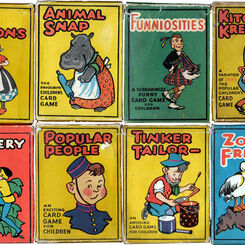
Waddy Productions
Waddy Productions Ltd was a member of the giant Amalgamated Press group and only published card game...
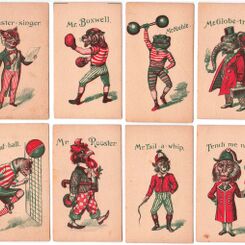
Animal Snap
The full set of this 'Snap' card game is believed to have 9 characters in sets of four, making a tot...

Little Folk Misfitz
C. W. Faulkner & Co. Ltd were prolific card game manufacturers over a period of around 50 years, c.1...
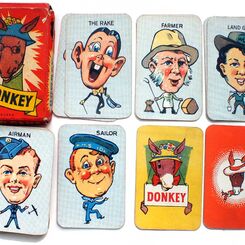
Clifford ‘Donkey’ card game
Clifford ‘Donkey’ card game, c.1948.
C.W. Faulkner
C. W. Faulkner & Co Ltd, London, an important publisher of games, pictorial souvenirs, children’s bo...
Dartex
Dartex, the Thrilling New Card Game of Skill (1938) based on the traditional pub game where darts ar...
Entente Cordiale
Jaques' The Entente Cordiale Card Game, c.1905.
Jaques’ Illustrated Proverbs
Jaques’ Illustrated Proverbs, c.1870. The complete proverb is printed along the top of each card in ...
Most Laughable Thing on Earth
The Most Laughable Thing on Earth, or, A Trip to Paris published by H. G. Clarke & Co., London, c.18...
Collecting English Playing Cards & Games
The History of English Playing Cards dates probably from the mid 15th century, the first documentary...
Most Popular
Our top articles from the past 60 days


