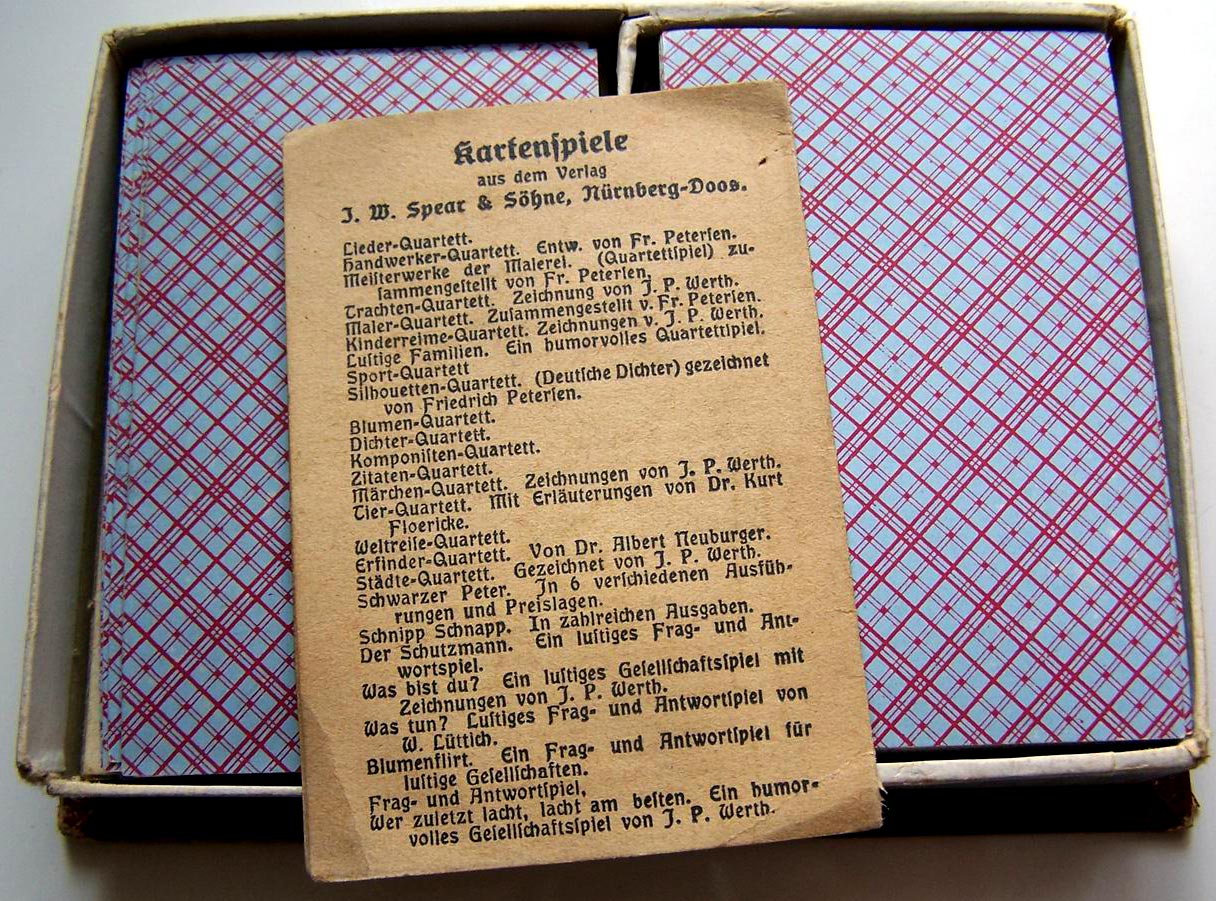
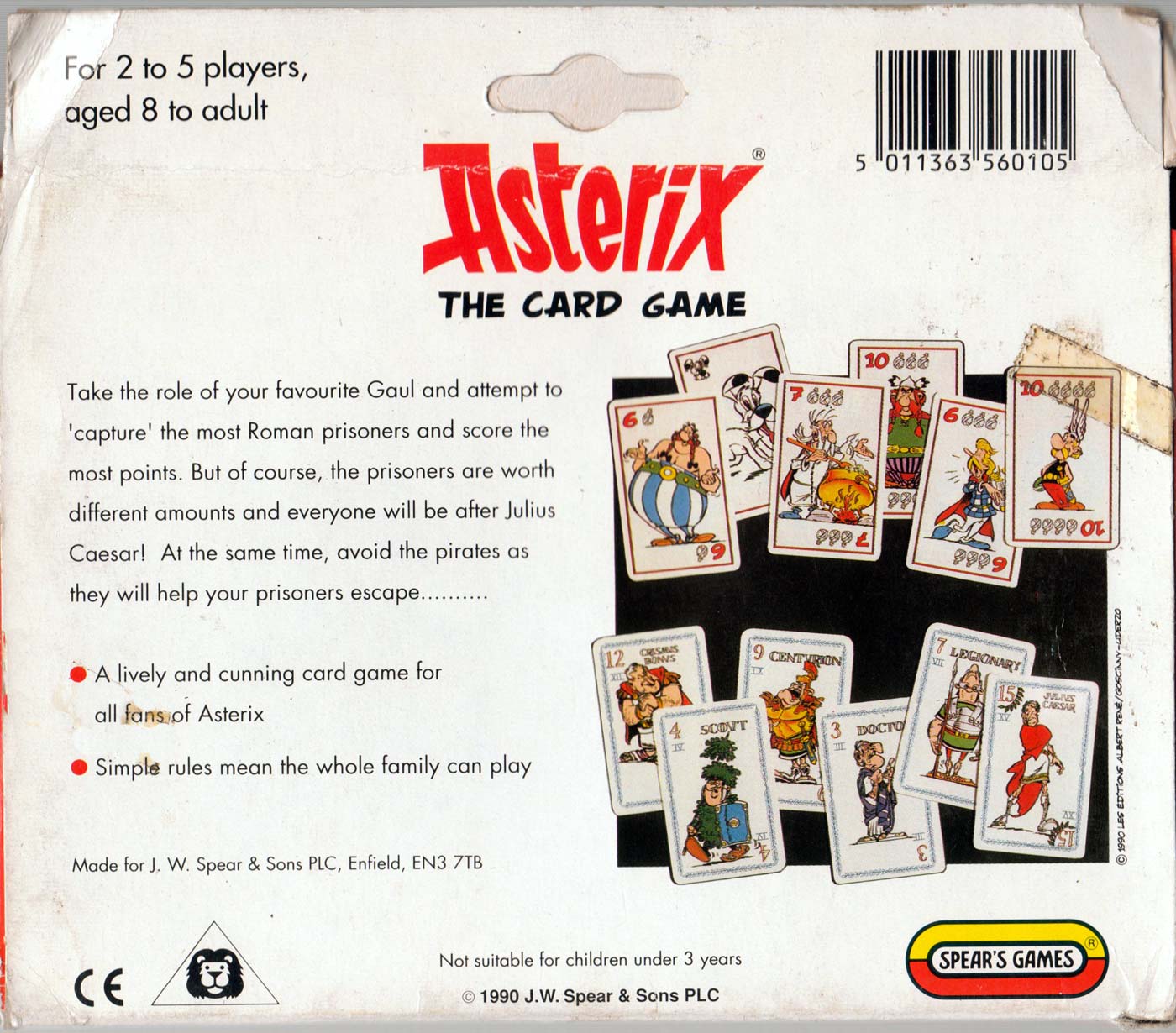
J. W. Spear and Sons
Jacob Wolfe Spear founded his company manufacturing fancy goods in 1879 near Nuremberg in Bavaria, Germany
Jacob Wolfe Spear founded his company manufacturing fancy goods in 1879 near Nuremberg in Bavaria, Germany. Nuremberg had been a centre for toy and printed goods manufacturing for 600 years and was especially famous for its dolls houses and tin toys. Bavaria was also famous for its lithographic printing process which had, by the 1870s, become world famous for its quality since its invention in the early 1800s. There were many famous toy makers in Nuremberg such as Stief and Gebrüder Bing.

No doubt inspired by the success of John Jaques & Son in this area, Spears began producing the well known Happy Family and Snap games sometime around the 1880s and these continued in production for many years. See list of games →. A Quartet game using flowers, composers and poets as families was published in 1903. This was followed with topographical German ‘beautiful cities’ and countries games with black and white photographs.
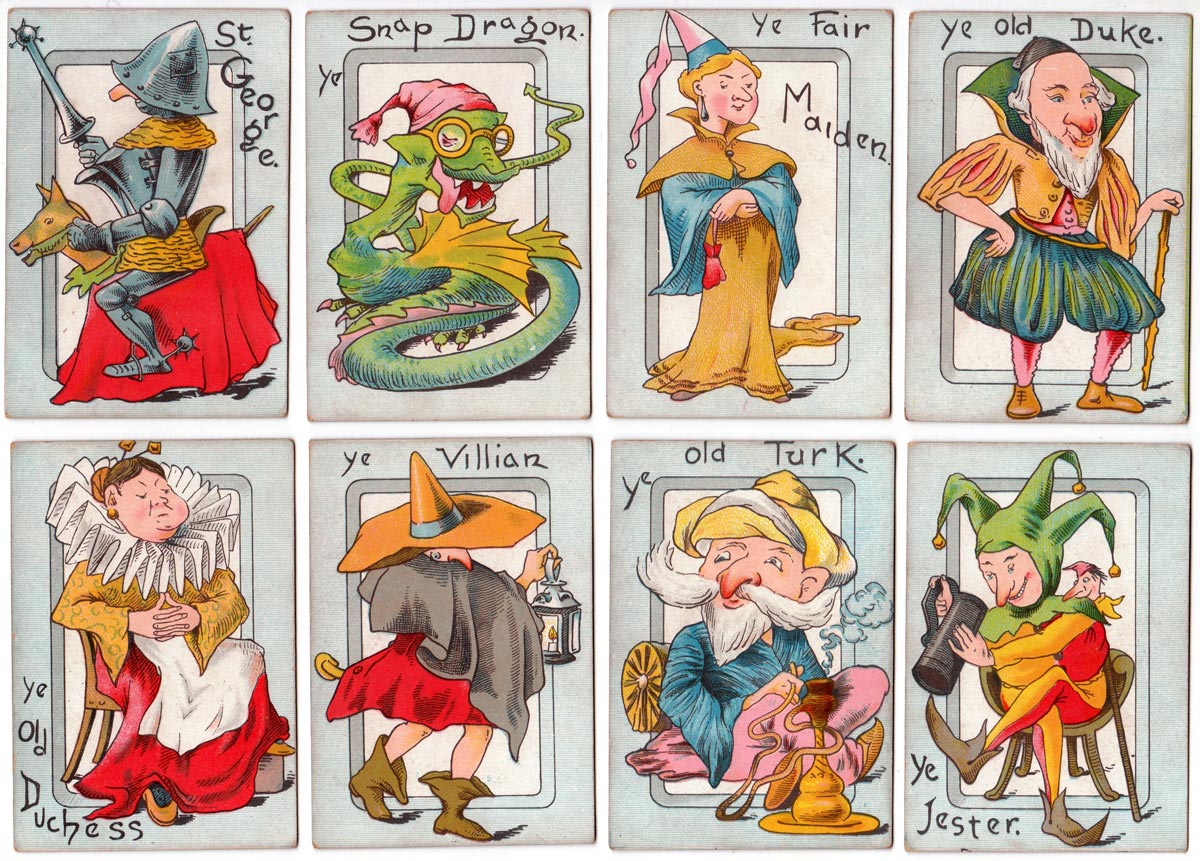
Above: card and “Man in the Moon” back design from “Snap” or “Snap Dragon” game, believed to be produced by Spears Games c.1920-30.
B Dondorf, which had been manufacturing card games as well as their famous playing cards since the late 1800s, had by the 1920s suffered a huge drop in sales and was sold in 1929.
The company was split into six parts and each part was sold off to the highest bidder.  Spears bought the Games department and continued to sell some of the card games that had been produced by Dondorf.
All they had to do was put their logo on the card backs instead of the BD logo and change the name on the box.
They also continued to issue the animal, bird, flower series of quartets (as ‘Happy Families’).
Spears bought the Games department and continued to sell some of the card games that had been produced by Dondorf.
All they had to do was put their logo on the card backs instead of the BD logo and change the name on the box.
They also continued to issue the animal, bird, flower series of quartets (as ‘Happy Families’).
In the 1930s during the recession Britain imposed import duties on foreign goods. As Britain was Spears largest market and they didn't want to lose any of it, they sent Richard Spear over to the UK to set up an import business here and left his brother Hermann in charge of the factory at Nuremberg. Richard was lucky enough to find a suitable empty factory in Enfield and he set up a manufacturing business there in 1932. During the course of the Second World War things became increasingly difficult for the Spears family because they were Jews. The factory was eventually bought from them at a knock down price under threats.
Even after the war was over Spears Nuremberg factory wasn't returned to them until 1948 and only returned to production in 1950. One condition which applied to the two factories once the German factory was restored to the family was that the English factory made no German goods and the German factory made no English goods. It never returned to the volume of output that there had been in the 1920s. By 1984 the German factory was closed but the Enfield factory was still working.
There was a revival to some extent when Spears gained the licence to produce the American game Scrabble and it sold very well in the UK and Germany being made in each country for its own market. By the 1980s sales were down again and they decided to sell the Nuremberg factory and continue production only at the British factory.
In 1994 Spears was bought by Mattel, the American giant, for £62 million. Since then the failed Woolworth chain were licensed to name some of their children's games as Spears. That, of course, must have lapsed now.
REFERENCES
“The Games We Play” the history of J W Spear & Sons by Helmut Schwarz & Marion Faber published by the Nuremberg Toy Museum 1998
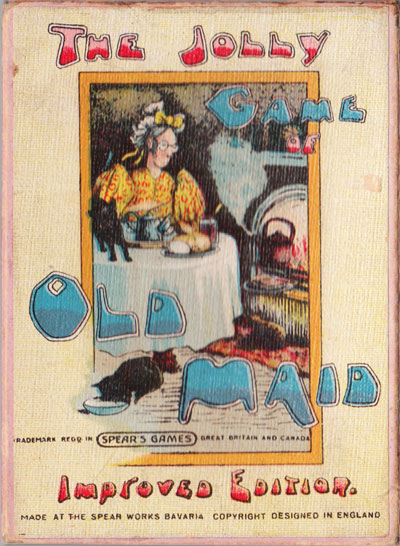
Above: the Jolly Game of Old Maid, c.1900
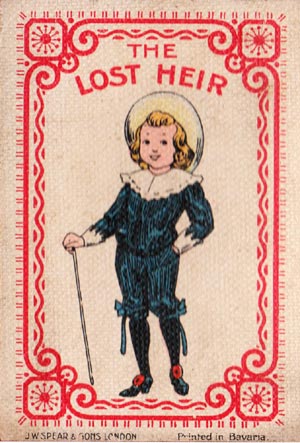
Above: “Lost Heir”, 1912.
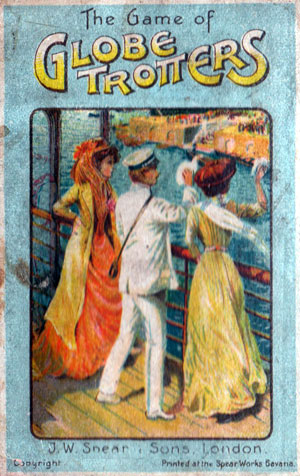
Above: Globe Trotters, 1913
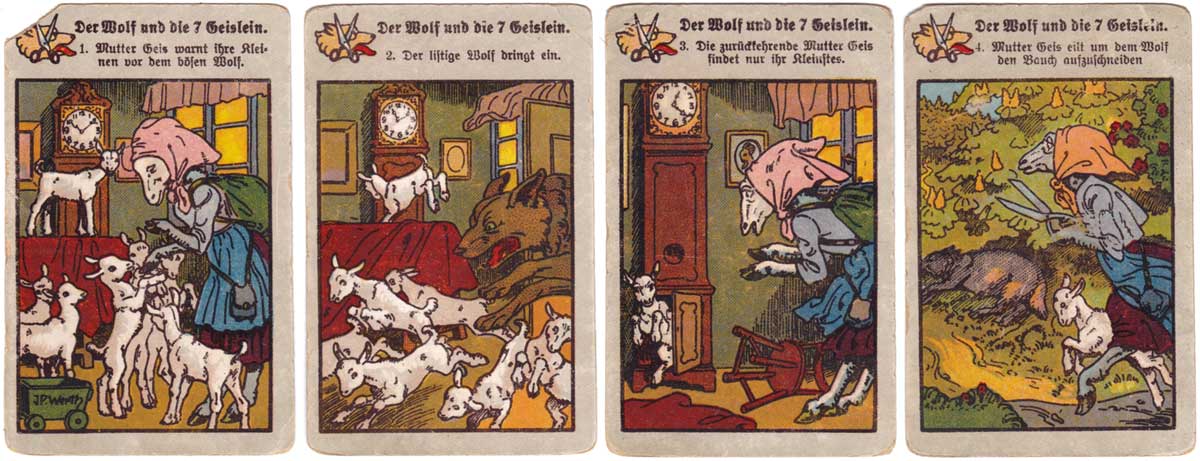
Above: Märchen-Quartett, c.1915
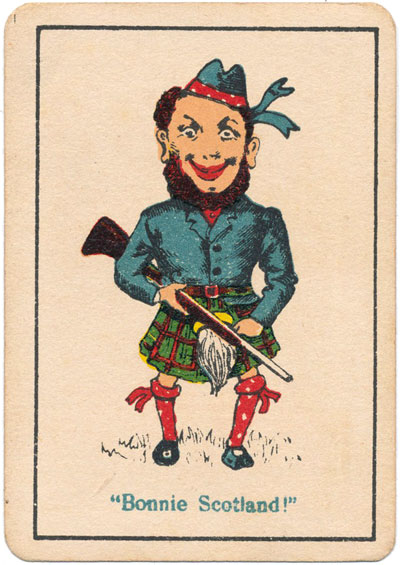
Above: “Snap”, 1920s
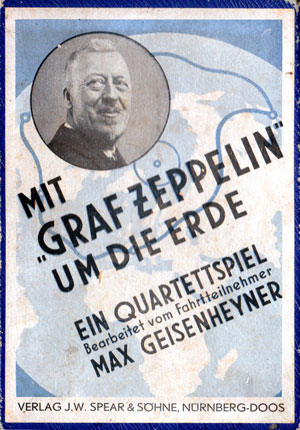
Above: Graf Zeppelin Round the World Flight, 1930
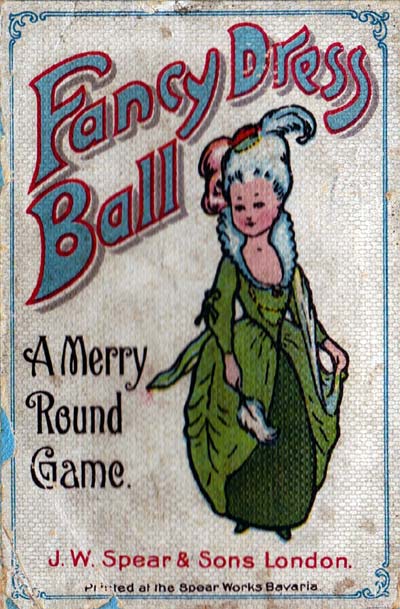
Above: “Fancy Dress Ball”, 1930s
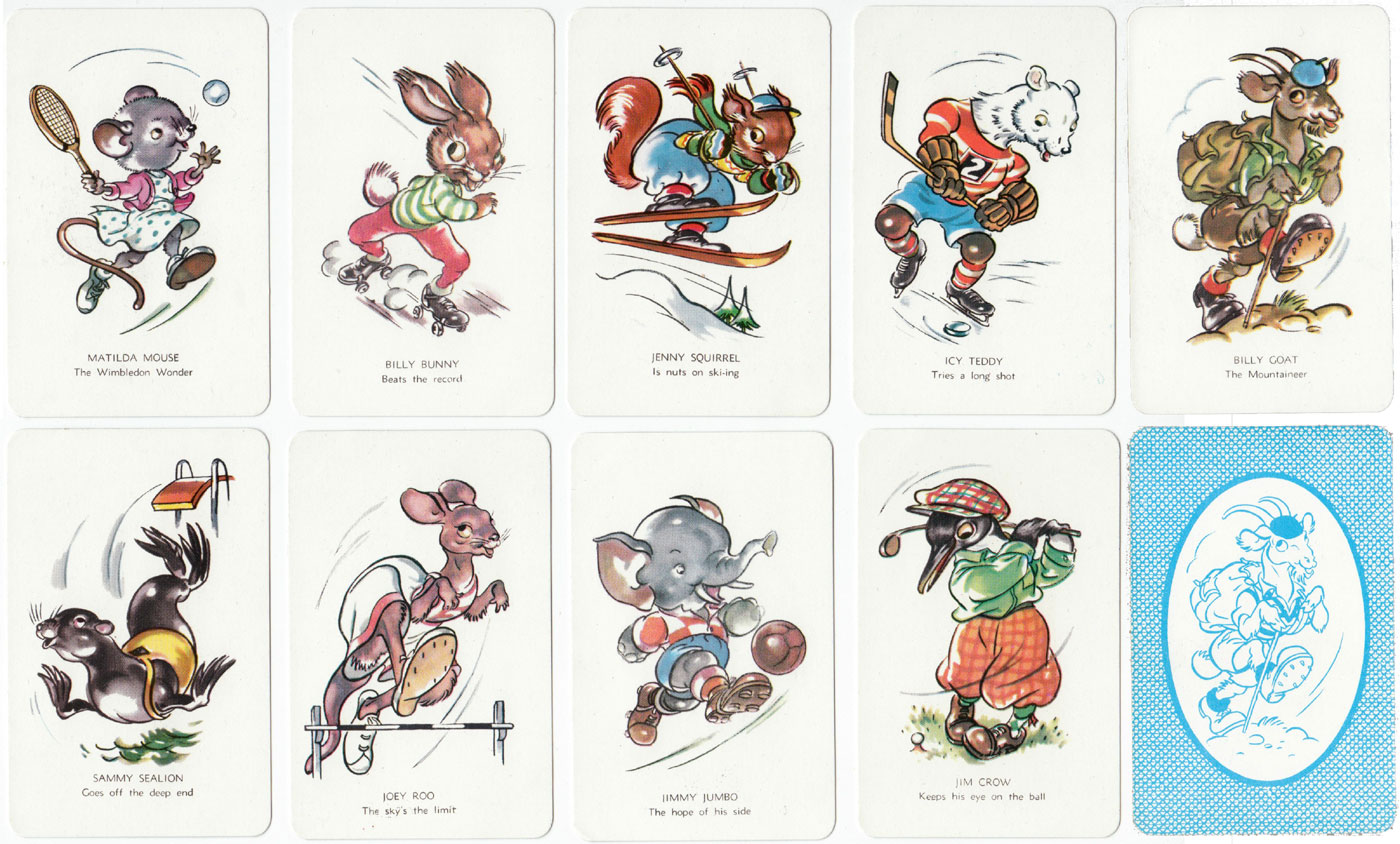
Above: “Animal Snap”, 1960s
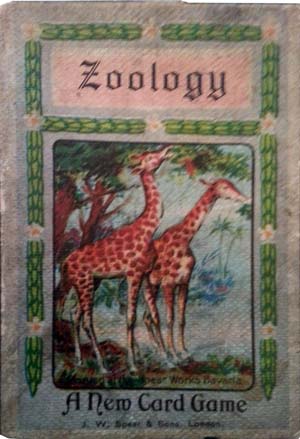
Above: “Zoology”, c.1900
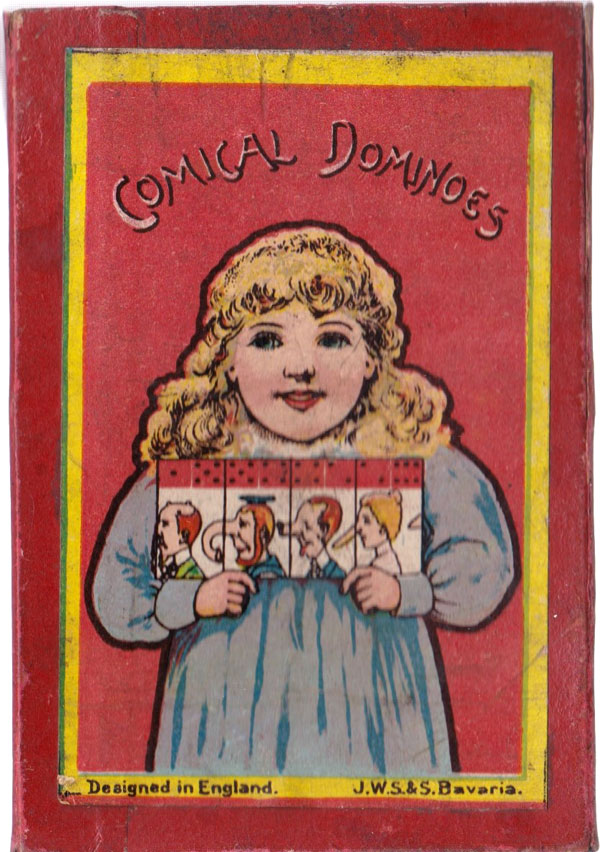
Above: “Comical Dominoes”, c.1900
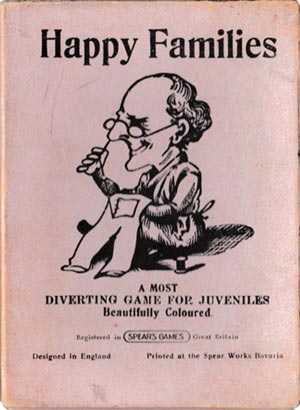
Above: Happy Families
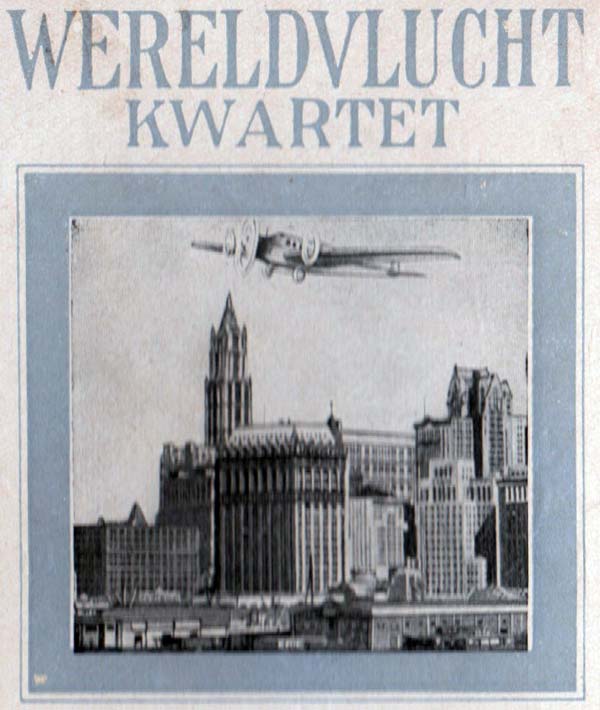
Above: Wereldvlucht Kwartet, 1933
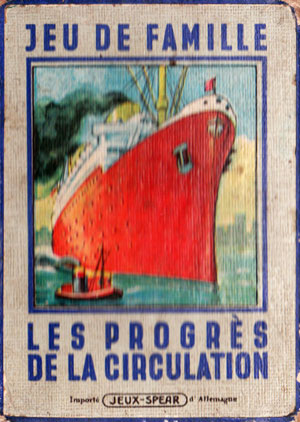
Above: Jeu de Famille “Le Progrès de la Circulation”, 1933
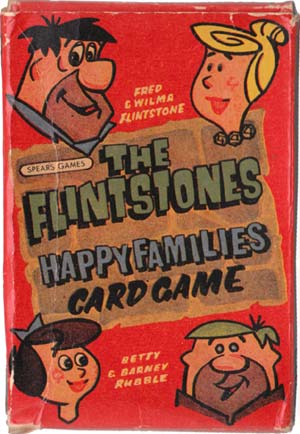
Above: Flintstones Happy Families, c.1960
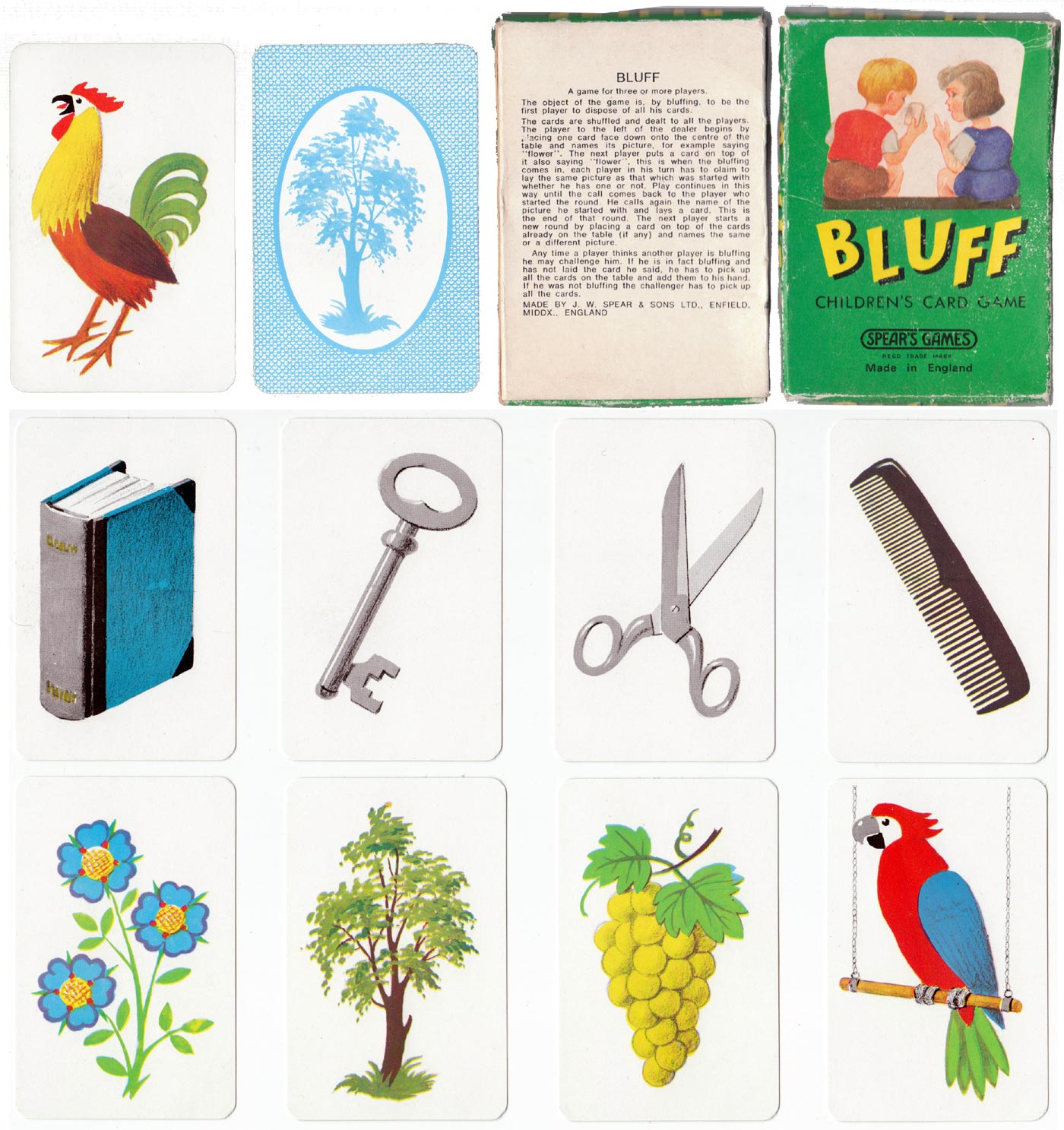
Above: “Bluff”, 1960s
Above: around 1990 Spear’s tried to spruce up their image with a new red and yellow trade mark shaped like a speedway stadium. They only lasted a few years after the takeover though.

By Rex Pitts (1940-2021)
United Kingdom • Member since January 30, 2009
Rex's main interest was in card games, because, he said, they were cheap and easy to get hold of in his early days of collecting. He is well known for his extensive knowledge of Pepys games and his book is on the bookshelves of many.
His other interest was non-standard playing cards. He also had collections of sheet music, music CDs, models of London buses, London Transport timetables and maps and other objects that intrigued him.
Rex had a chequered career at school. He was expelled twice, on one occasion for smoking! Despite this he trained as a radio engineer and worked for the BBC in the World Service.
Later he moved into sales and worked for a firm that made all kinds of packaging, a job he enjoyed until his retirement. He became an expert on boxes and would always investigate those that held his cards. He could always recognize a box made for Pepys, which were the same as those of Alf Cooke’s Universal Playing Card Company, who printed the card games. This interest changed into an ability to make and mend boxes, which he did with great dexterity. He loved this kind of handicraft work.
His dexterity of hand and eye soon led to his making card games of his own design. He spent hours and hours carefully cutting them out and colouring them by hand.

Leave a Reply

Your Name
Just now Your comment here. Your comment here. Your comment here. Your comment here. Your comment here. Your comment here. Your comment here. Your comment here. Your comment here. Your comment here. Your comment here. Your comment here. Your comment here. Your comment here. Your comment here. Your comment here. Your comment here. Your comment here. Your comment here. Your comment here. Your comment here. Your comment here. Your comment here. Your comment here. Your comment here. Your comment here. Your comment here. Your comment here. Your comment here. Your comment here. Your comment here. Your comment here.
Related Articles
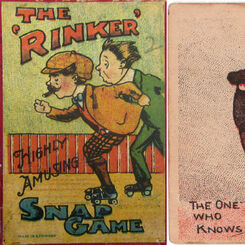
The ‘Rinker’ Snap
The ‘Rinker’ highly amusing snap game, c.1910.
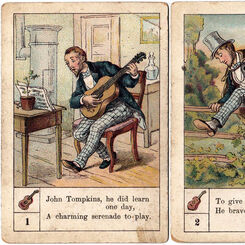
Ups & Downs
Ups and Downs humorous card game published in UK by A. N. Myers, c.1885.
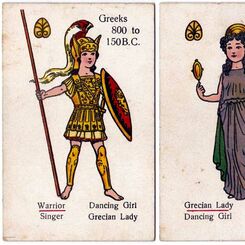
Fancy Dress Ball
Spear’s “Fancy Dress Ball” card game with children dressed in period costumes, 1930s.
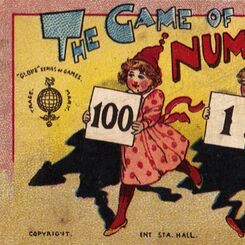
The Game of Numbers
The Game of Numbers published by Globe Series, c.1900.
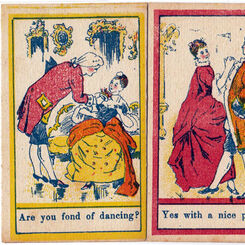
Questions and Answers
Questions and Answers card game by Globe Series, c.1900.
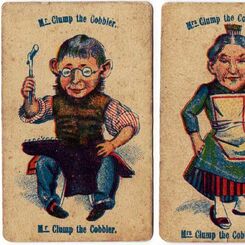
Happy Families
Happy Families published by Globe Series, c.1900.
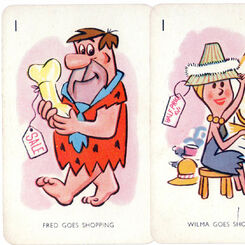
Flintstones Happy Families
Flintstones Happy Families by J. W. Spear and Sons, c.1960.
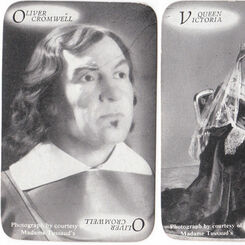
Have A Go
Have A Go card game published by Photo-Briton Ltd featuring photographs of waxwork figures from Mada...
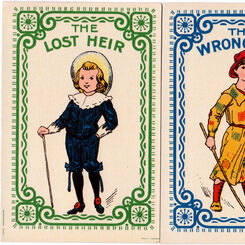
The Lost Heir
“The Lost Heir” was first issued by J. W. Spear and Sons in UK in 1912.

Spears Happy Families
Spears Happy Families.
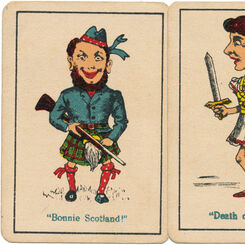
Snap
Spear’s “Snap” card game from the 1920s.
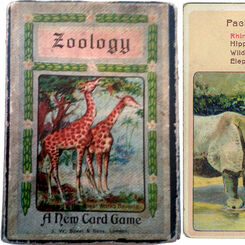
J. W. Spear and Sons: ‘Zoology’
Quartet games with scientific illustrations became popular during the Victorian and Edwardian eras. ...

Comical Dominoes
Comical Dominoes game manufactured in Germany by J. W. Spear & Sons, early 1900s

Alice in Wonderland Snap
Alice in Wonderland “Snap” 1 penny game from 1920s or 30s, made in Germany, anonymous manufacturer. ...
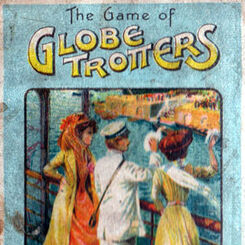
Globe Trotters
Globe Trotters follows the journey of a group of travellers who depart from Genoa by ocean liner and...
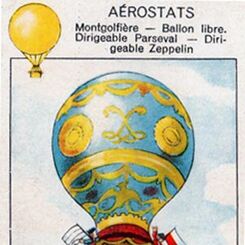
Le Progrès de la Circulation
The beautiful images in this quartet game published by Jeux Spear in 1933 depict the progress of tra...
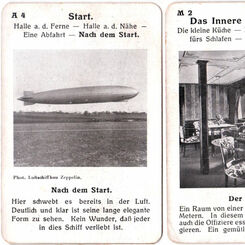
Graf Zeppelin
A card game commemorating the first round the world flight by the Graf Zeppelin, published by J.W. S...

Spear’s Old Maid
Spear’s “The Jolly Game of Old Maid” was introduced around 1900. The cards contain some interesting ...
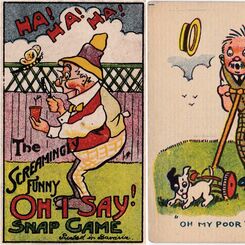
Oh I Say! Snap
The screamingly funny “Oh I Say!” Snap game, c.1920.
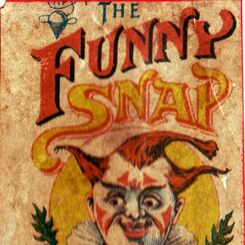
Funny Snap
Funny Snap one penny game designed in England, printed in Bavaria, c.1920.
Most Popular
Our top articles from the past 60 days