The Lost Heir
“The Lost Heir” was first issued by J. W. Spear and Sons in UK in 1912.
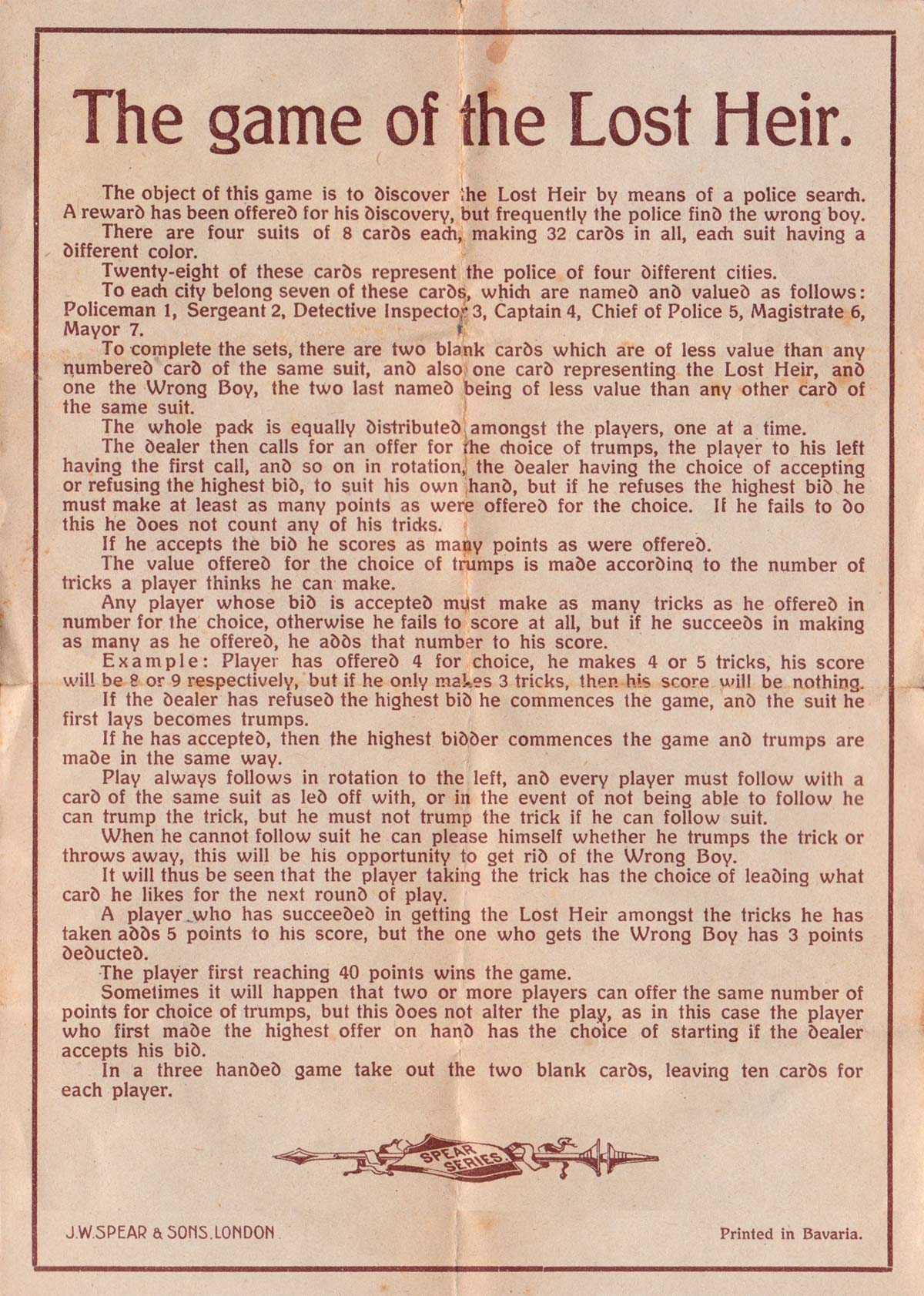
Based on the U.S. novel of 1872 titled “The Lost Heir” by E.D.E.N. Southworth, the first US publisher introduced the card game in 1875 and many others followed. This Spear’s edition for the UK was first issued in 1912. The game comprises 32 cards in four suits of 8 cards each and is a trick-taking game. See the Rules►
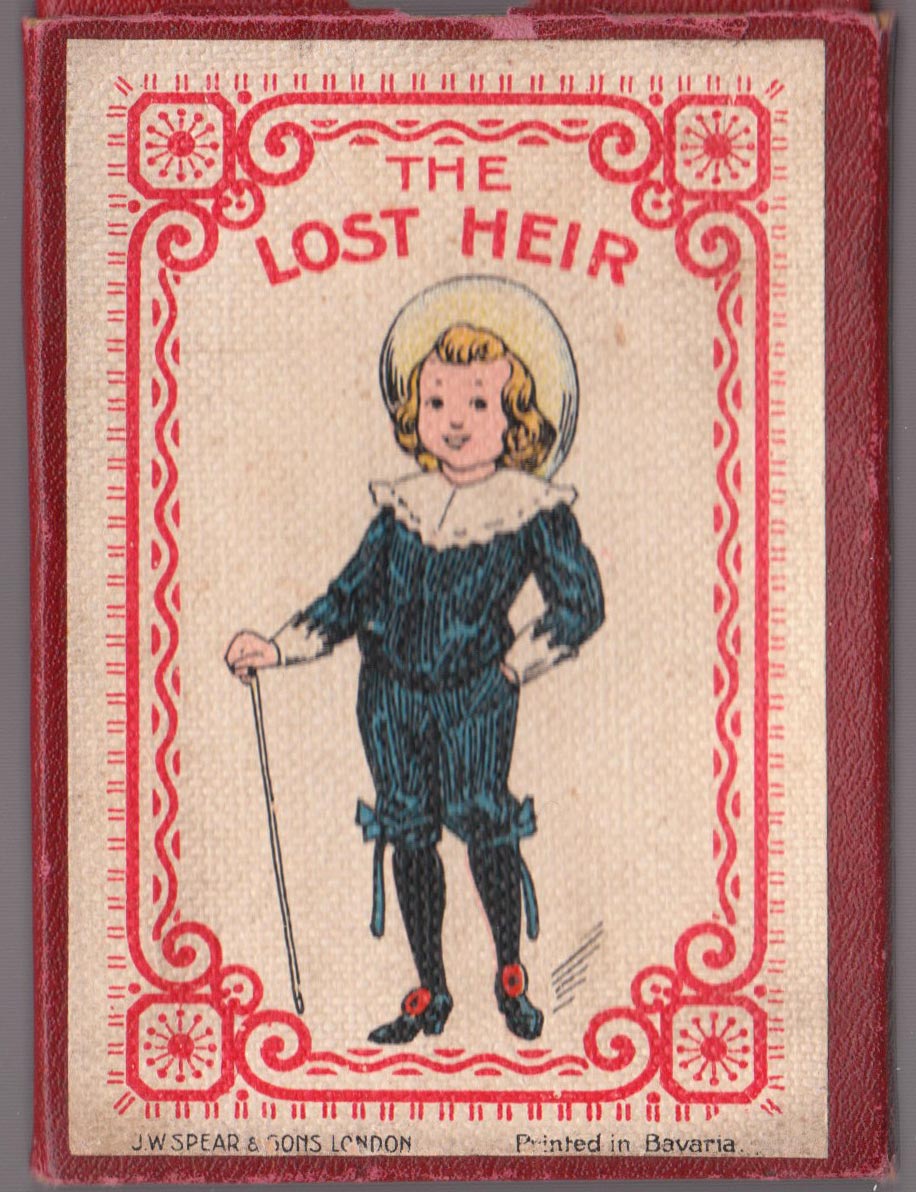

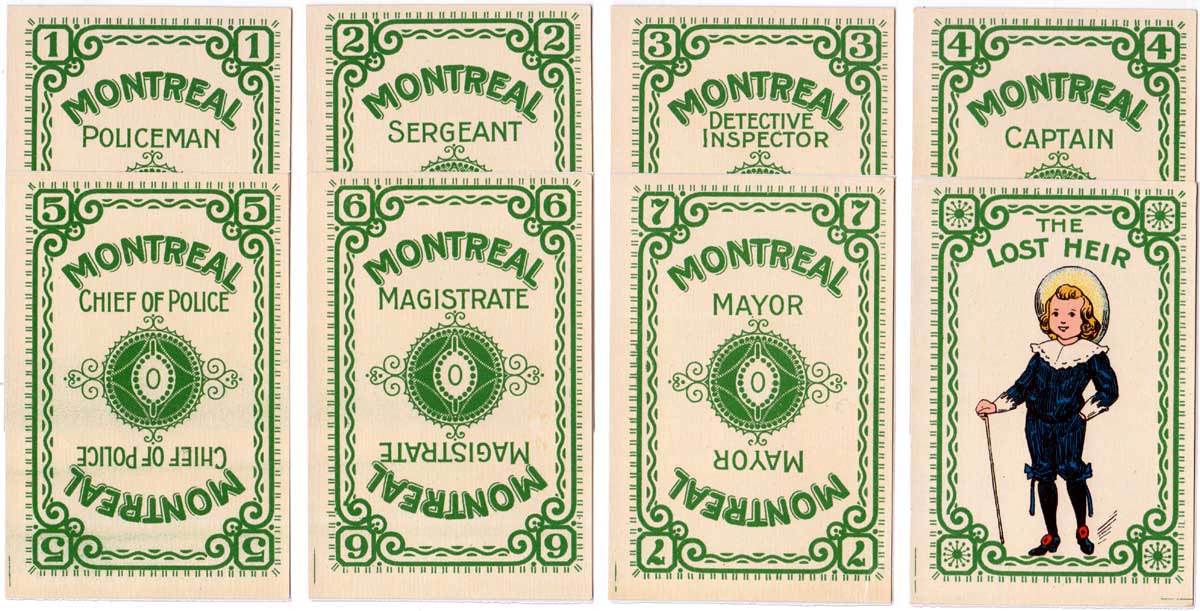
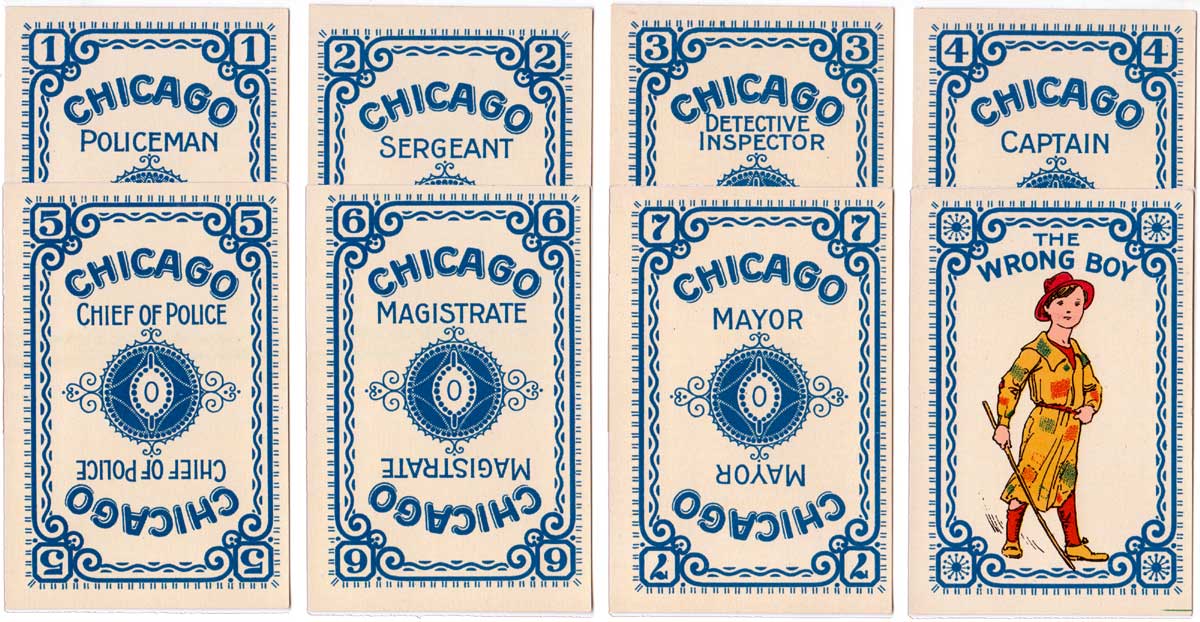
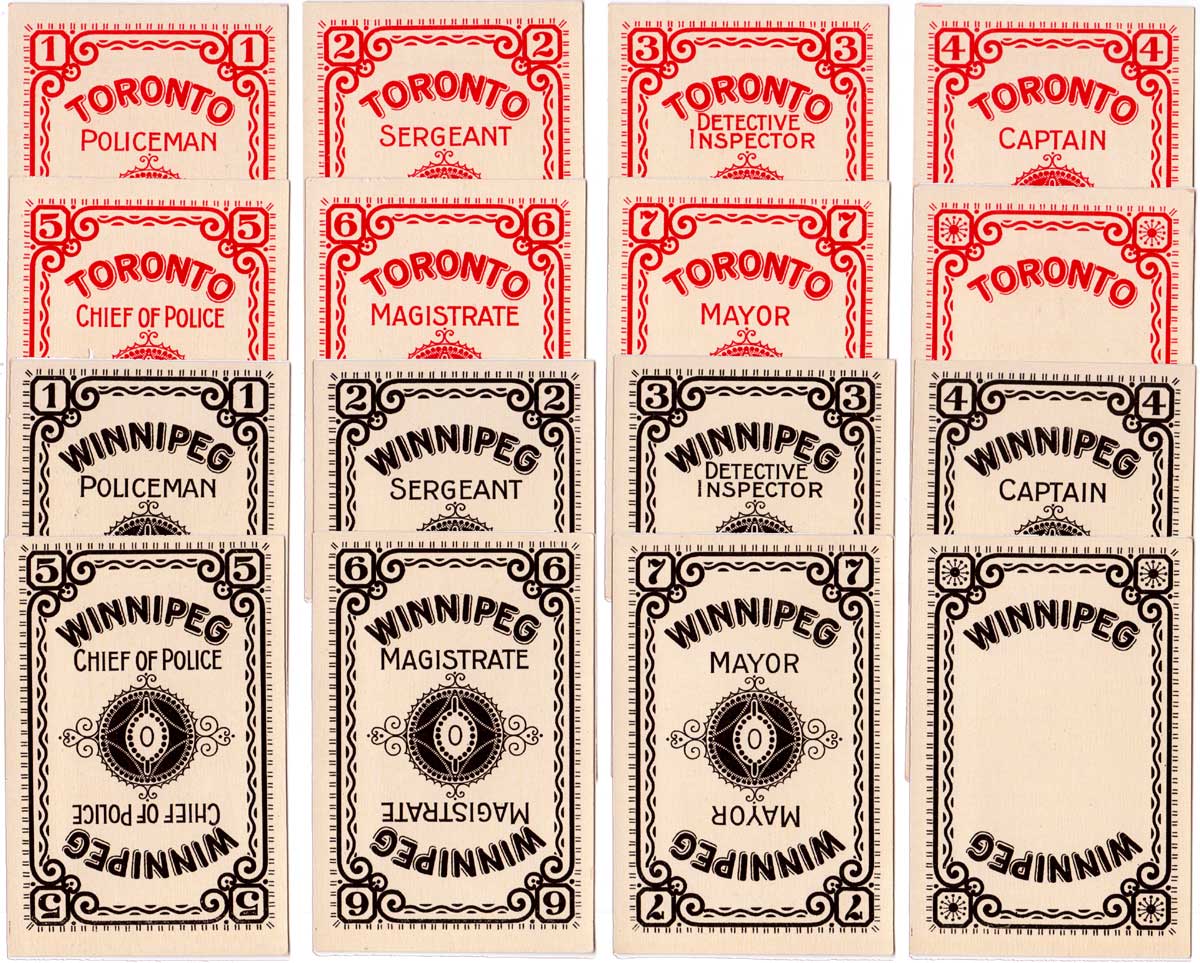
Above: “The Lost Heir” first issued by J. W. Spear and Sons in UK in 1912. 32 cards + rules in box.

By Rex Pitts (1940-2021)
United Kingdom • Member since January 30, 2009
Rex's main interest was in card games, because, he said, they were cheap and easy to get hold of in his early days of collecting. He is well known for his extensive knowledge of Pepys games and his book is on the bookshelves of many. His other interest was non-standard playing cards. He also had collections of sheet music, music CDs, models of London buses, London Transport timetables and maps and other objects that intrigued him.
Rex had a chequered career at school. He was expelled twice, on one occasion for smoking! Despite this he trained as a radio engineer and worked for the BBC in the World Service. Later he moved into sales and worked for a firm that made all kinds of packaging, a job he enjoyed until his retirement. He became an expert on boxes and would always investigate those that held his cards. He could always recognize a box made for Pepys, which were the same as those of Alf Cooke’s Universal Playing Card Company, who printed the card games. This interest changed into an ability to make and mend boxes, which he did with great dexterity. He loved this kind of handicraft work.
His dexterity of hand and eye soon led to his making card games of his own design. He spent hours and hours carefully cutting them out and colouring them by hand.

Activity for The Lost Heir
Sign in to comment or save this article.

Related Articles
Learning to play Cribbage
I learned to pay cribbage when I was very young, aged around six or seven.
Pinochle
I have always been intrigued by the game Pinochle.
J. W. Spear and Sons
Jacob Wolfe Spear founded his company manufacturing fancy goods in 1879 near Nuremberg in Bavaria, G...
Fancy Dress Ball
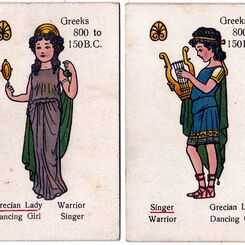
Spear’s “Fancy Dress Ball” card game with children dressed in period costumes, 1930s.
Flintstones Happy Families
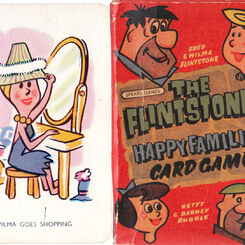
Flintstones Happy Families by J. W. Spear and Sons, c.1960.
Have A Go
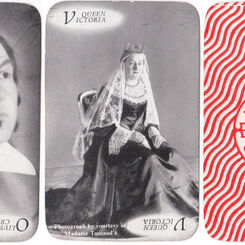
Have A Go card game published by Photo-Briton Ltd featuring photographs of waxwork figures from Mada...
Spears Happy Families
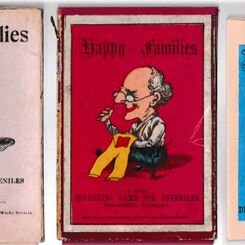
Spears Happy Families.
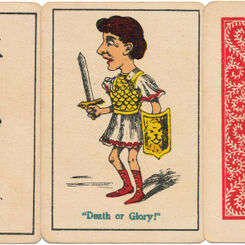
Snap
Spear’s “Snap” card game from the 1920s.
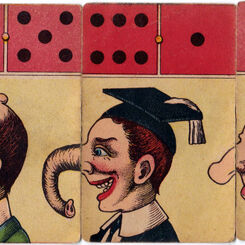
Comical Dominoes
Comical Dominoes game manufactured in Germany by J. W. Spear & Sons, early 1900s
Strip Tease
‘Strip Tease’ card game featuring characters involved in the performance and subsequent prosecution ...
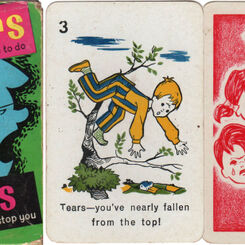
Cheers & Tears
Cheers & Tears by John Waddington Ltd, 1963.
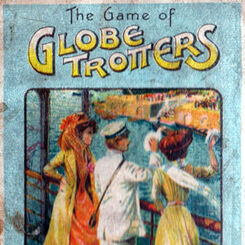
Globe Trotters
Globe Trotters follows the journey of a group of travellers who depart from Genoa by ocean liner and...
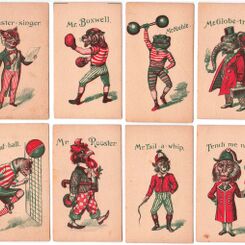
Animal Snap
The full set of this 'Snap' card game is believed to have 9 characters in sets of four, making a tot...

Card Games for Kids
Card Games for Kids by Hamlyn 2004.
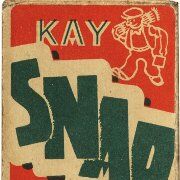
Kay Snap
Kay Snap Children's Card Game, made in England, 1930s.
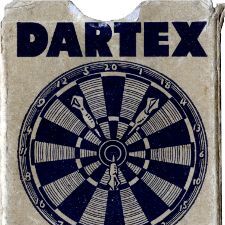
Dartex
Dartex, the Thrilling New Card Game of Skill (1938) based on the traditional pub game where darts ar...
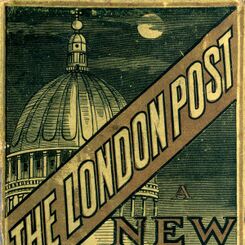
London Post
Jaques' The London Post Card Game, c.1895.
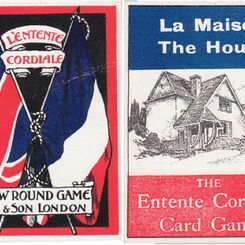
Entente Cordiale
Jaques' The Entente Cordiale Card Game, c.1905.
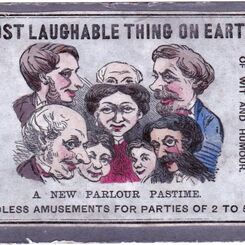
Most Laughable Thing on Earth
The Most Laughable Thing on Earth, or, A Trip to Paris published by H. G. Clarke & Co., London, c.18...
Collecting English Playing Cards & Games
The History of English Playing Cards dates probably from the mid 15th century, the first documentary...
Most Popular
Our top articles from the past 60 days