


Joseph Losch
French-suited pack with full-length courts by Joseph Losch, c.1800.
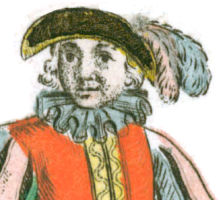
Chur Ober-Pfälzische Französisch Karten by Joseph Losch, Amberg, c.1800
A French-suited pack with full-length courts derived from the French Paris pattern, like the Bavarian cards of Göbl who first produced this type of cards about 1750, but with contemporary costume and imperial symbolism, manufactured in Amberg (Bavaria) by Joseph Losch. Finely engraved on copper plates, hand-coloured with brush and stencils.
"Chur Ober-Pfälzische": The "Chur Pfalz" was a part of the Holy Roman Empire divided into "Ober-Pfalz" (Upper Pfalz) and Unter-Pfalz (Under Pfalz). Amberg, where Losch produced the cards, is a town located in the Ober-Pfalz.
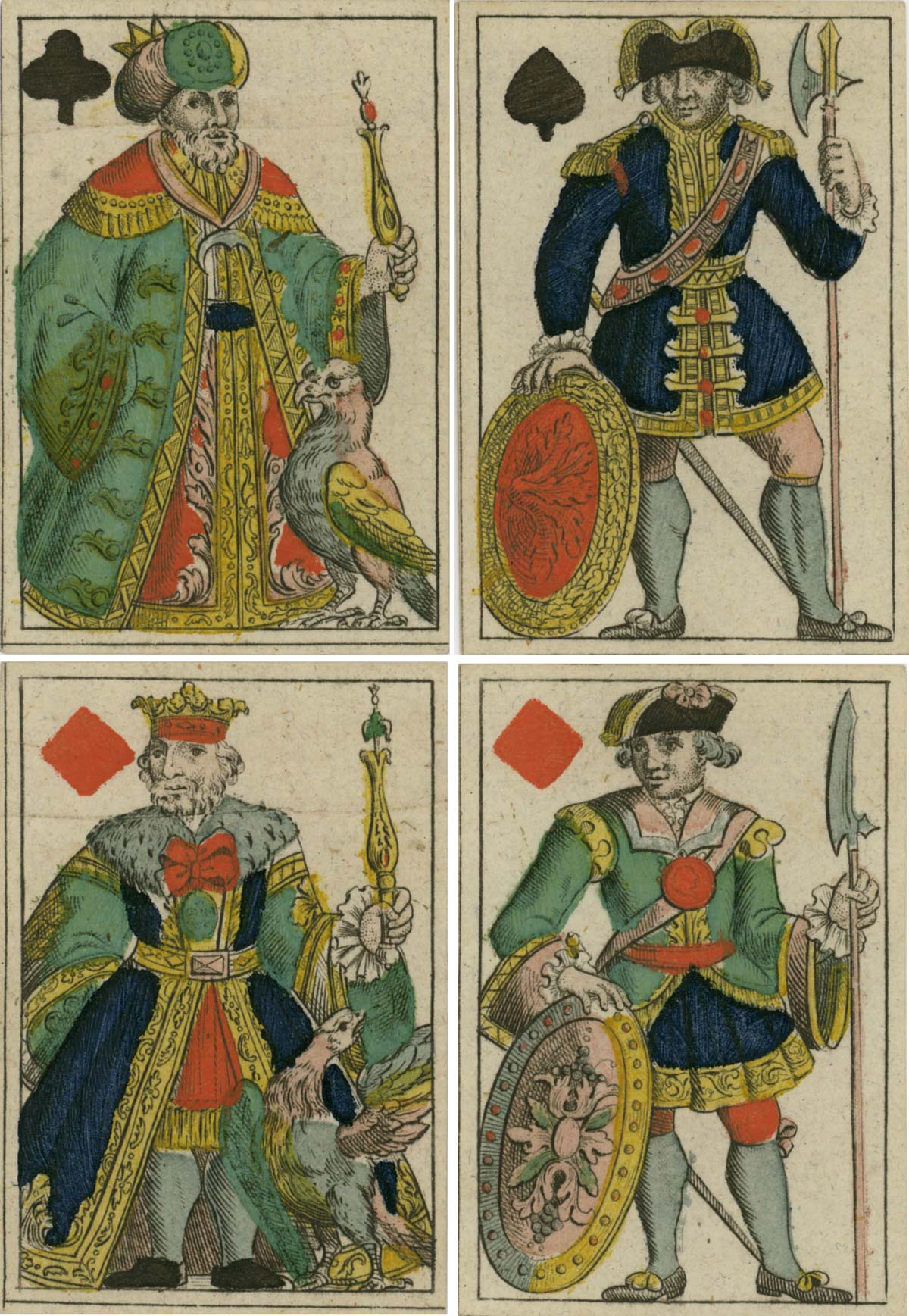
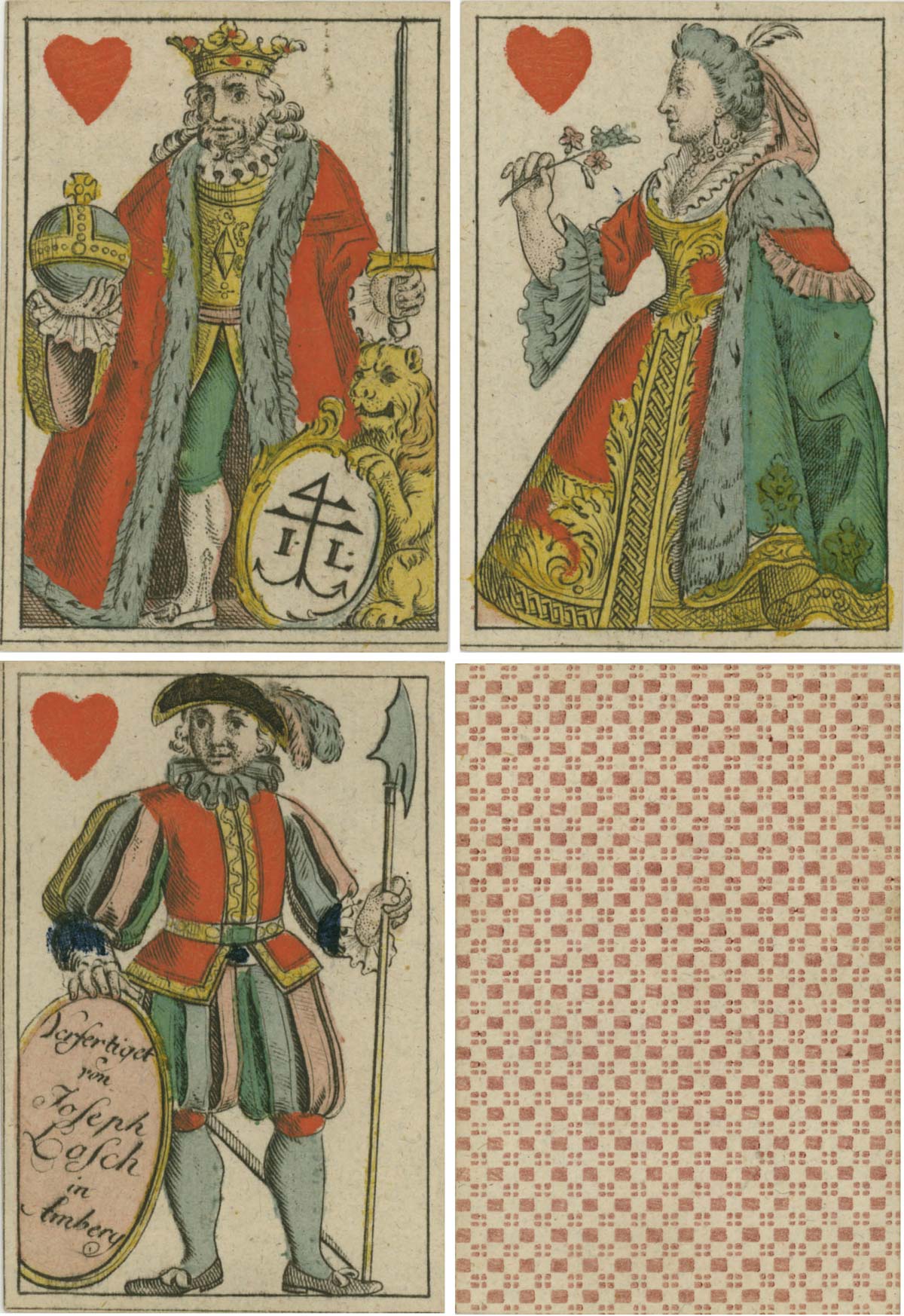
Above: “Chur Ober-Pfälzische Französisch. Karten” by Joseph Losch, Amberg, c.1800, copper engraved, stencil coloured, 52 cards

By Klaus-Juergen Schultz (1948-2025)
Germany • Member since February 03, 2024
From the collection of Klaus-Jürgen Schultz.

Activity for Joseph Losch
Sign in to comment or save this article.

Related Articles
Early German playing cards
Some early examples of popular German playing cards from the XV and XVI centuries.
History of Playing Cards explained in 5 Minutes
Video by Art of Impossible. In this video you will get a short overview of the most important histor...
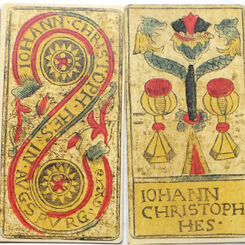
Iohann Christoph Hes Tarot c.1750
Facsimile of Tarot de Marseille by Iohann Christoph Hes, Augsburg, c.1750.
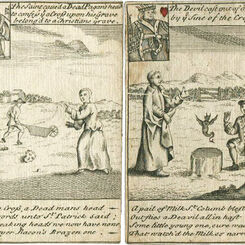
Illustrated Playing Cards, c.1740
Illustrated playing cards featuring comical engravings and rhymes about saints, c.1740.
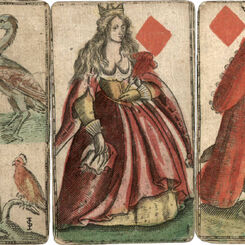
XVII Century Engraved Animal Cards
Anonymous French-suited German engraved cards c1610 to 1650.
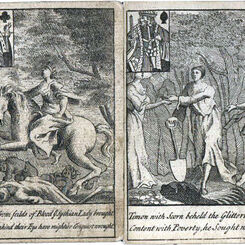
Delightful Cards, c.1723
Delightful Cards, containing variety of entertainment for young Ladies and Gentlemen c.1723.
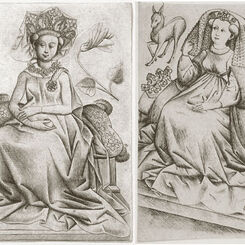
Master of the Playing Cards
Animal suited playing cards engraved by the Master of the Playing Cards, Germany, c.1455
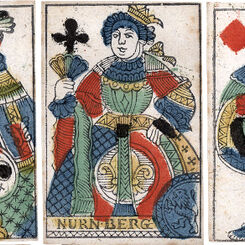
I. Schenck, Nuremberg
I. Schenck, Nuremberg, late XVIIIth century
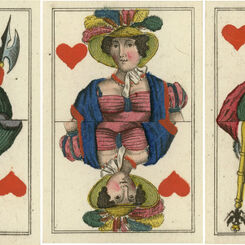
Unknown Maker
Early German deck by unknown maker, c.1825
Hans Sebald Beham
Playing cards designed by Hans Sebald Beham (1500–1550).
Old Bavarian pattern
Uncut sheets of playing cards of the Old Bavarian pattern by Michael Schatzberger, Passau, c.1780.
Cotta Transformation playing cards
In 1804, J.G. Cotta, a publisher and bookseller in Tübingen, Germany, produced the first set of tran...
German Saxon Pattern
The German Saxon Pattern or “Schwerdter Karte”.
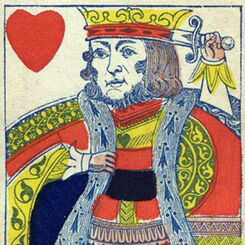
Suicide King
The King of Hearts, holding a sword behind his head, is sometimes nicknamed the “Suicide King”. He c...
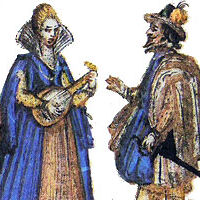
Das Kupferstichspiel des I.M.F. von 1617
Playing cards had been made as precious objects for wealthy clients since the late 14th century. The...
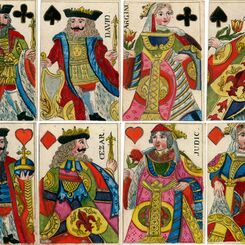
Johann Jobst Forster
Deck made by Johann Jobst Forster, Nürnberg, first half of 18th century in the Paris pattern.
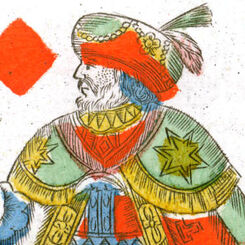
Johann Matheus Backofen
French-suited deck manufactured by Johann Matheus Backofen, Nürnberg c.1800.
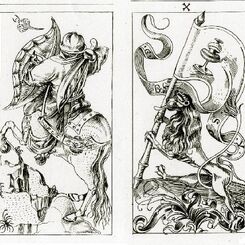
South German Engraver
A pack of 52 cards with banner 10s, female 'Sotas', horsemen and kings, the pack was engraved in the...
Playing cards in the Upper Rhine region
Documentary evidence suggests that card playing established itself in Italy in 1376, and then spread...
The History of Playing Cards
Playing cards appear in European records in the late 14th century, but their earlier history lies fu...
Most Popular
Our top articles from the past 60 days


