Old Bavarian pattern
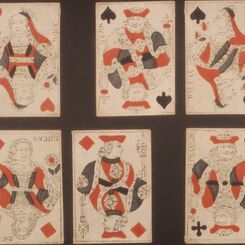
Uncut sheets of playing cards of the Old Bavarian pattern by Michael Schatzberger, Passau, c.1780.
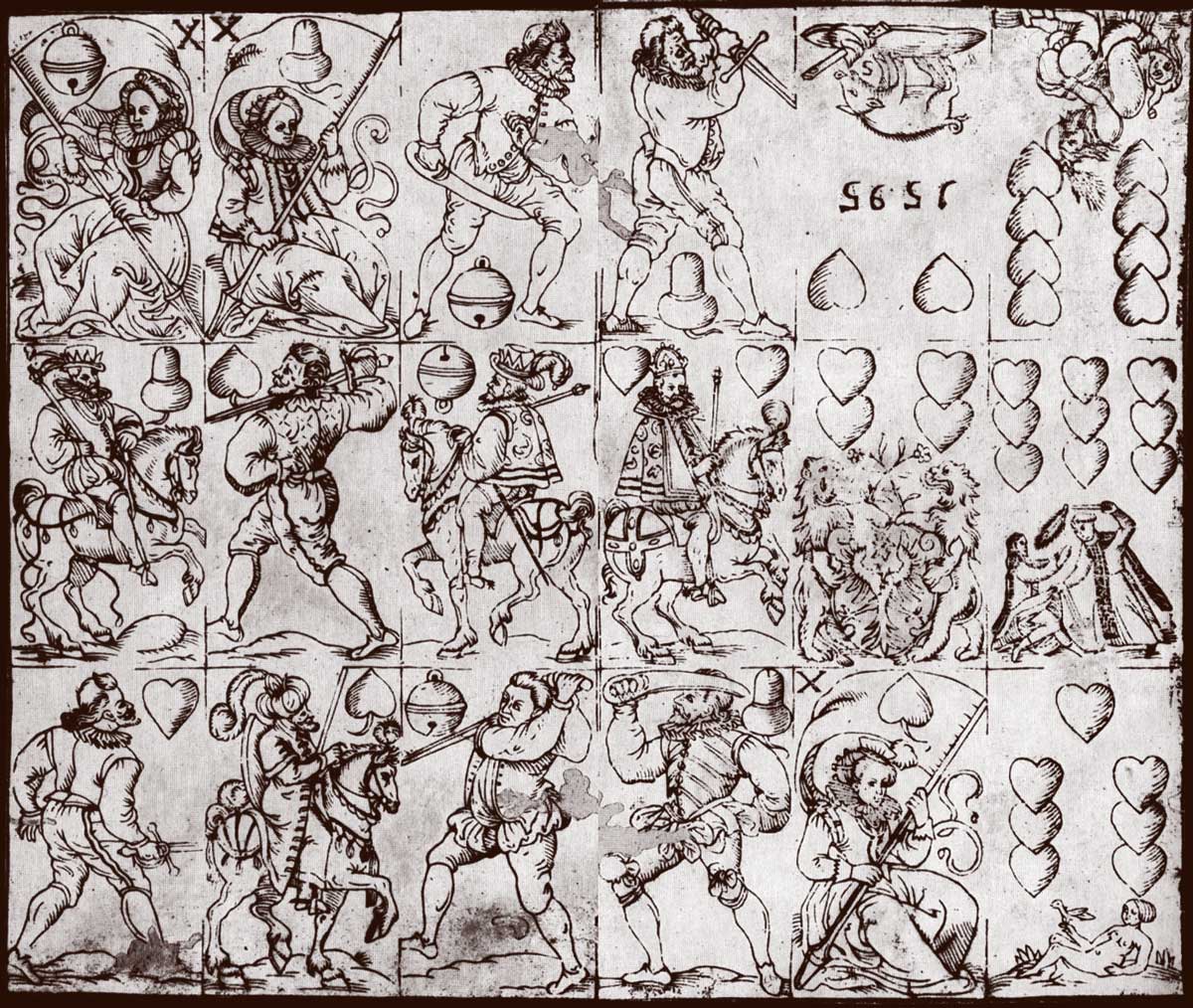
An uncut sheet containing half of a set of 36 playing-cards of the Old Bavarian type, which has roots in the early 16th century. The cards are the twelve court cards, the four deuces, the 10 of leaves and the 7 of hearts. Several newer regional patterns, such the Bavarian, the Bohemian or Prague, the Franconian, the Salzburg and the Tyrolean patterns are derived from this. The images recall some 16th century German cards by Heinrich Hauk►
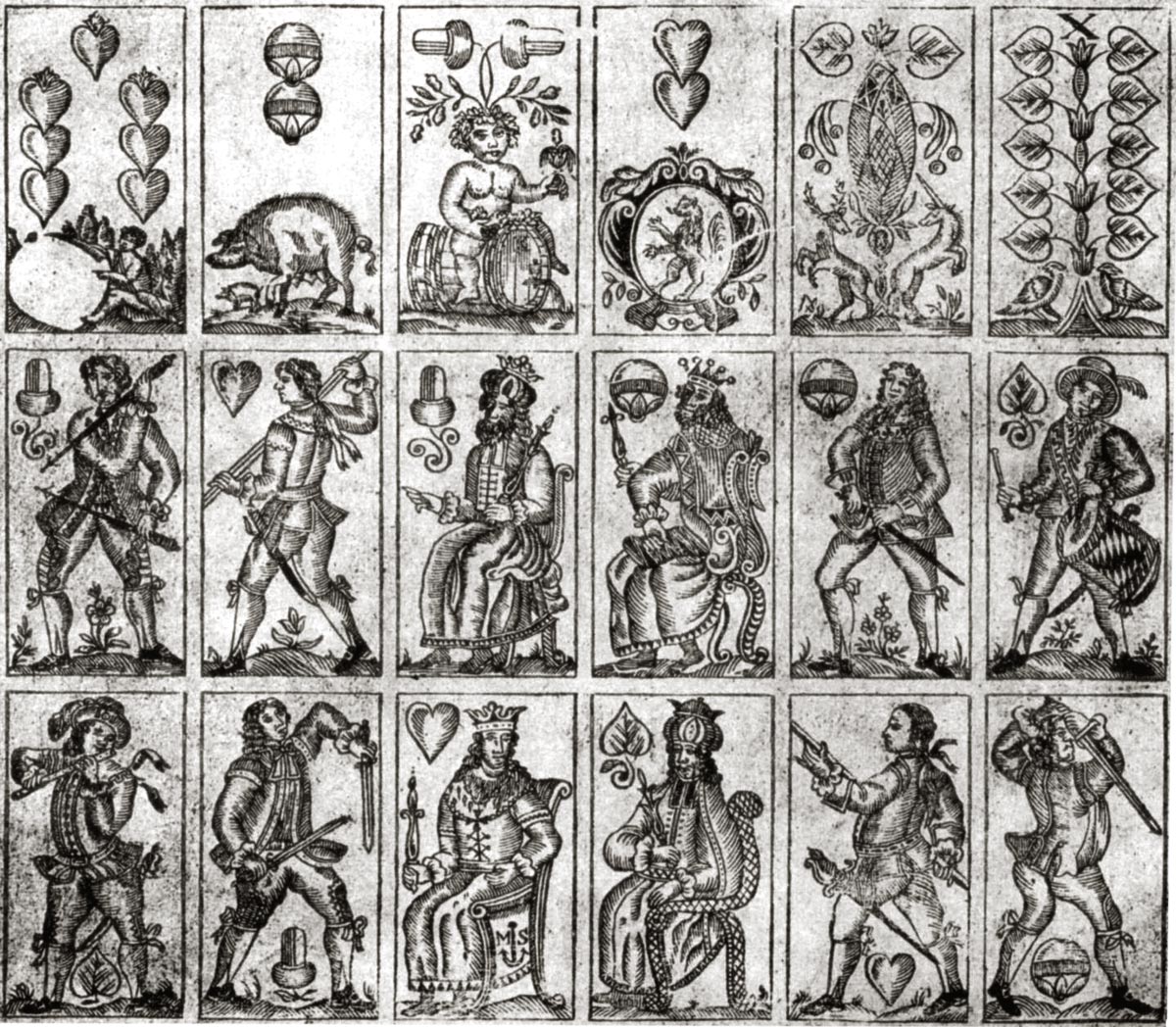
Above: uncut sheet of German-suited playing cards in the old Bavarian pattern, c.1790. The back of the sheet is printed in black with a pattern of fleurs-de-lis. The monogram M.S. (Michael Schatzberger, Passau) appears on the king of hearts. Image taken from Fisher (1946) where it is incorrectly assigned to Martin Schongauer.
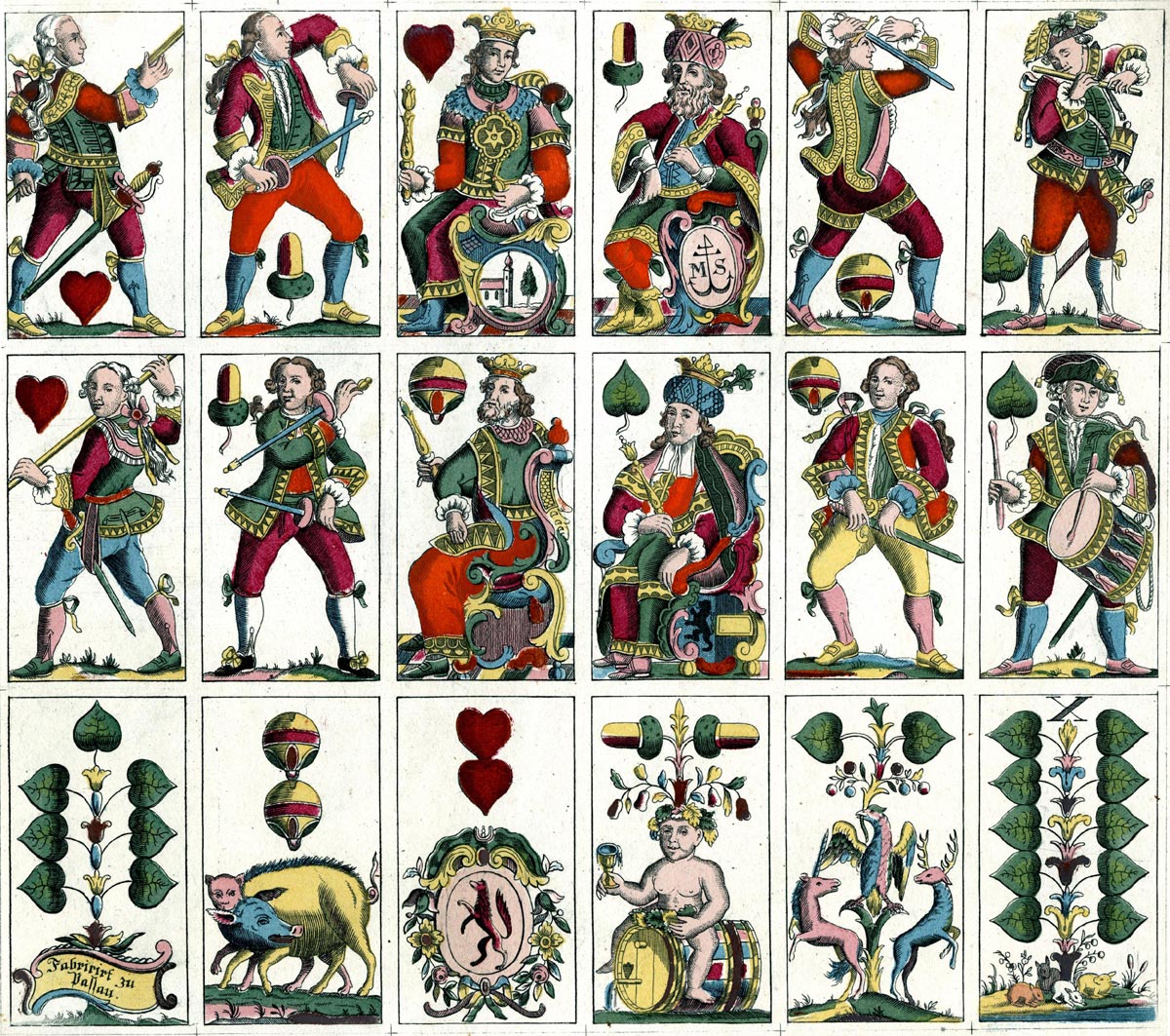
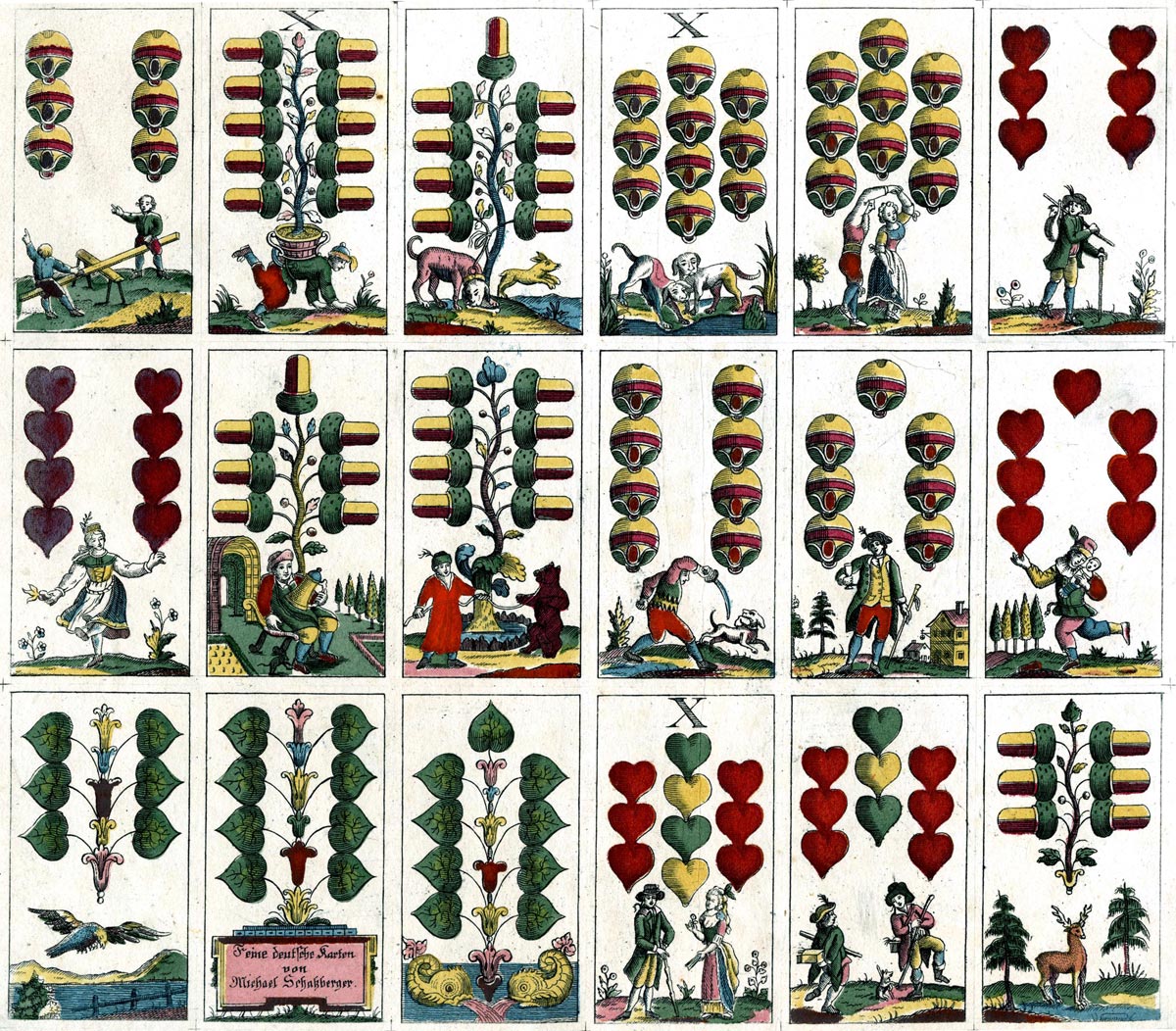
Above: two uncut sheets of the Old Bavarian pattern produced by Michael Schatzberger, late 18th century. The numeral cards have little vignettes at the bottom with animals or rural scenes. The 7 of leaves has a cartouche with "Fabricirt in Passau" and 8 of leaves reads "Feine deutsche Karten von Michael Schatzberger". The king of acorns has a shield bearing the maker's mark. © The Trustees of the British Museum • numbers 1896,0501.1133 and 1896,0501.1134►
REFERENCES
British Museum online: 1896,0501.1125►
Fisher, Margaret Sargent: The Devil's Picture Books, The Yale University Library Gazette, Vol. 20, No. 3 (January 1946), pp. 41-47
I.P.C.S. Pattern Sheet 53►

By Simon Wintle
Spain • Member since February 01, 1996
I am the founder of The World of Playing Cards (est. 1996), a website dedicated to the history, artistry and cultural significance of playing cards and tarot. Over the years I have researched various areas of the subject, acquired and traded collections and contributed as a committee member of the IPCS and graphics editor of The Playing-Card journal. Having lived in Chile, England, Wales, and now Spain, these experiences have shaped my work and passion for playing cards. Amongst my achievements is producing a limited-edition replica of a 17th-century English pack using woodblocks and stencils—a labour of love. Today, the World of Playing Cards is a global collaborative project, with my son Adam serving as the technical driving force behind its development. His innovative efforts have helped shape the site into the thriving hub it is today. You are warmly invited to become a contributor and share your enthusiasm.

Activity for Old Bavarian pattern
Sign in to comment or save this article.

Related Articles
La baraja de Almagro
De la chimenea al monumento nacional: la baraja de Almagro y el renacer del corral de comedias.
History of Tarot and Playing Cards: Timeline & Origins
An alternative history of tarot and playing cards – from Mamluk Egypt to the invention of tarot in R...
Ganjifa - Playing Cards from India
Indian playing cards, known as Ganjifa, feature intricate designs with twelve suits and are traditio...
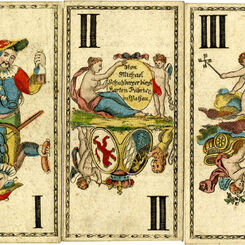
Mythological tarot by Michael Schatzberger
Mythological tarot by Michael Schatzberger, Passau, Bavaria, early 19th century.
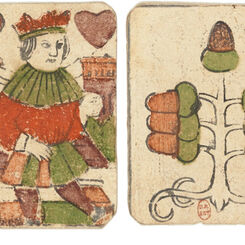
Early German playing cards
Some early examples of popular German playing cards from the XV and XVI centuries.
History of Playing Cards explained in 5 Minutes
Video by Art of Impossible. In this video you will get a short overview of the most important histor...
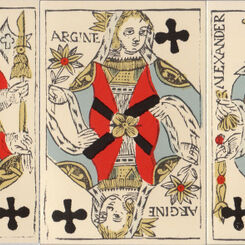
“Deck with French suits”
A facsimile of an early 19th century French-suited deck from the collection of F.X. Schmid.
64: The descendants of the French regional patterns: 2
A continuation oF the development of the off-spring of the Paris patterns and a few examples of how ...
Trentine Pattern
Trentine Pattern
XVII Century Engraved Animal Cards
Anonymous French-suited German engraved cards c1610 to 1650.
I. Schenck, Nuremberg
I. Schenck, Nuremberg, late XVIIIth century
Joseph Losch
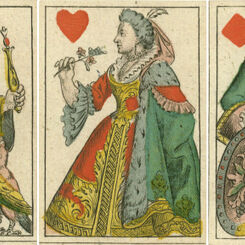
French-suited pack with full-length courts by Joseph Losch, c.1800.
Cotta Transformation playing cards
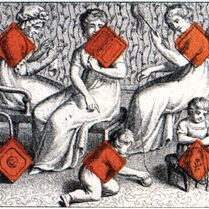
In 1804, J.G. Cotta, a publisher and bookseller in Tübingen, Germany, produced the first set of tran...
German Saxon Pattern
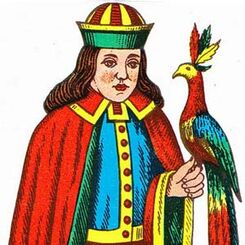
The German Saxon Pattern or “Schwerdter Karte”.
Suicide King
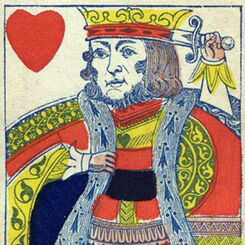
The King of Hearts, holding a sword behind his head, is sometimes nicknamed the “Suicide King”. He c...
Das Kupferstichspiel des I.M.F. von 1617
Playing cards had been made as precious objects for wealthy clients since the late 14th century. The...
19: 19th Century Breaks with Tradition - Unusual versions of the Standard English Pattern
The centuries-long tradition of English court cards was subject to misinterpretation and in some cas...
1: Playing Cards and their History: An Introduction and some links to other sites
What was considered the first mention of playing cards in England is in 1463 when Edward I banned th...
Playing cards in the Upper Rhine region
Documentary evidence suggests that card playing established itself in Italy in 1376, and then spread...
The History of Playing Cards
Playing cards appear in European records in the late 14th century, but their earlier history lies fu...
Most Popular
Our top articles from the past 60 days