Playing Cards from Malaysia
Playing Cards from Malaysia.
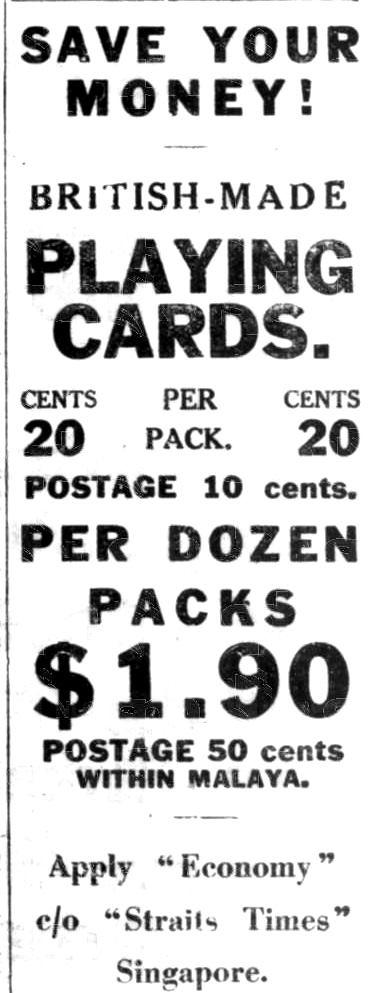
See advertisement from “The Straits Times”, 1 February 1934, page 5, for imported British-made playing cards►
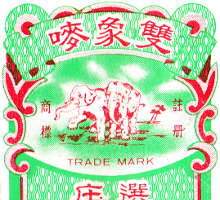
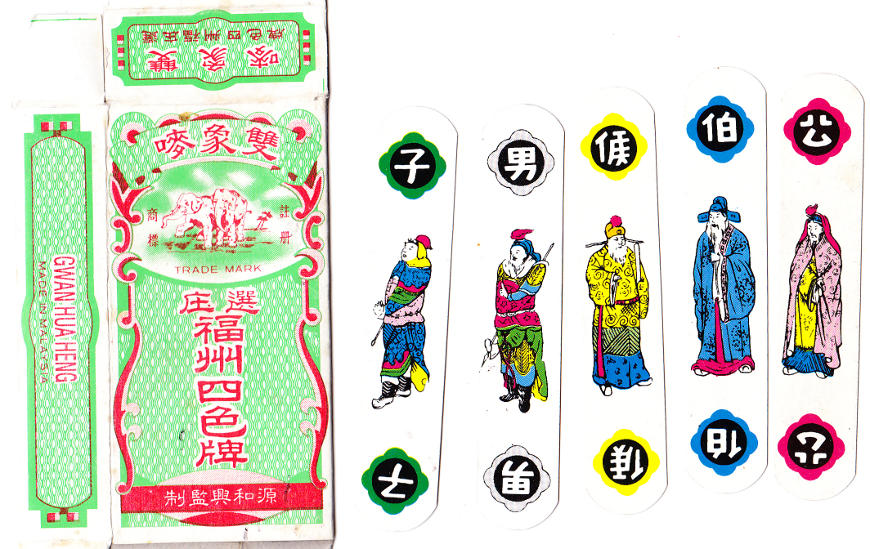
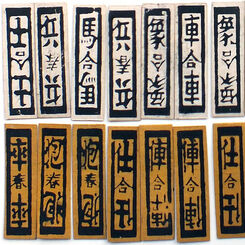
“Foochow four colour cards” or Chess-based cards, made by Gwan Hua Heng, Malaysia
The characters on the cards translate literally as: green circle "son"; white circle "man"; yellow circle "behind"; blue circle "uncle" and pink circle "duke". Some sources translate these enigmatic characters as being various ranks of the chinese nobility and a better translation might be: Pink circle : 公 = Duke; Yellow Circle 侯= marquis; Blue circle 伯 = Count; Green circle 子 = viscount; White circle 男= Baron. This type of playing cards originates from China; its area of use stretches from Taiwan to Singapore and Thailand, North Borneo and the Philippines. Images and notes courtesy Anthony Lee.
Above: “foochow four colour cards” made by Gwan Hua Heng, Malaysia. Images courtesy Anthony Lee.
“Ceki” Chinese Money cards - used practically all over S/E Asia
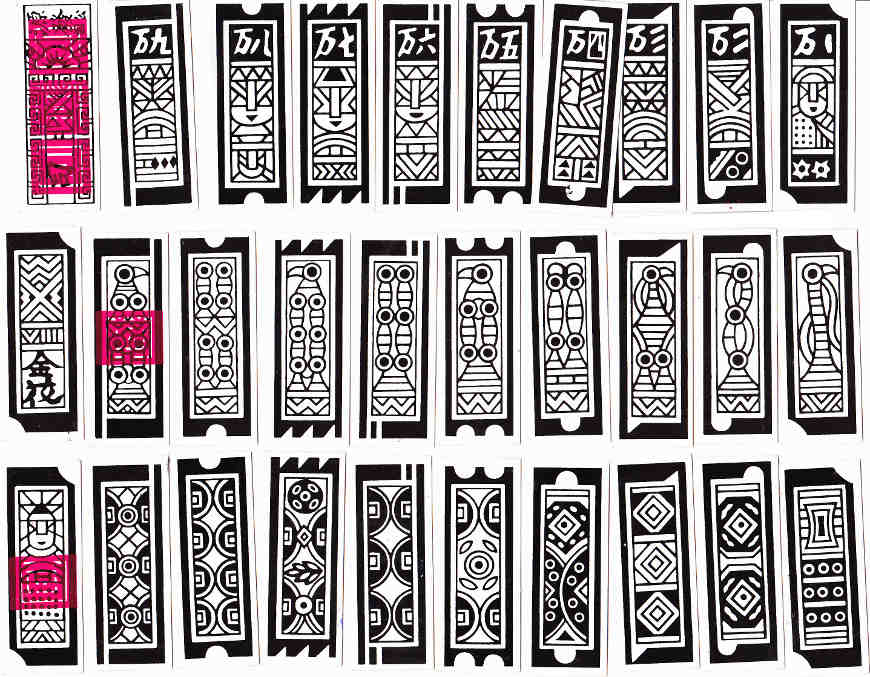
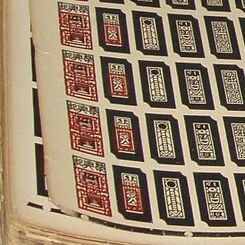
Above: 60-card Double Elephant brand 'Ceki' Chinese Money cards which might be found in Far eastern countries such as Singapore, Malaysia, Thailand, and practically all over South East Asia. The deck is of three suits: myriads (top row), strings and coins and each suit is repeated twice making a total of 60 cards. In the Coins suit, from right to left, we have one (or ace) to nine, then there is a extra card with the image of a man on it which bears a red stamp (this card ranks as a ace in play, hence it shares a common marking with the ace). The last card on the middle row (strings) is the 金花 or "gold flower" and it bears the characters on it. The topmost row is the suit of "myriads" used here as in the sense of 10,000. The values of the cards are marked by a little black box which bears the value (in chinese numbers) of the card. If you squint your eyes a bit, the seemingly incoherent jumble of lines below the boxes form vaguely into human figures. (I am informed that they are characters from chinese plays, but others say they are portraits of gamblers - take your pick). The values are 10,000- 90,000 from R-L. The card to the extreme left is another one of the 3 extra cards. The heavy red overprinting on it makes the card quite illegible. Games similar to mahjongg or rummy are played with this deck, hence there are "indexes" or breaks in the thick black frames to help players. Image kindly provided by Anthony Lee.
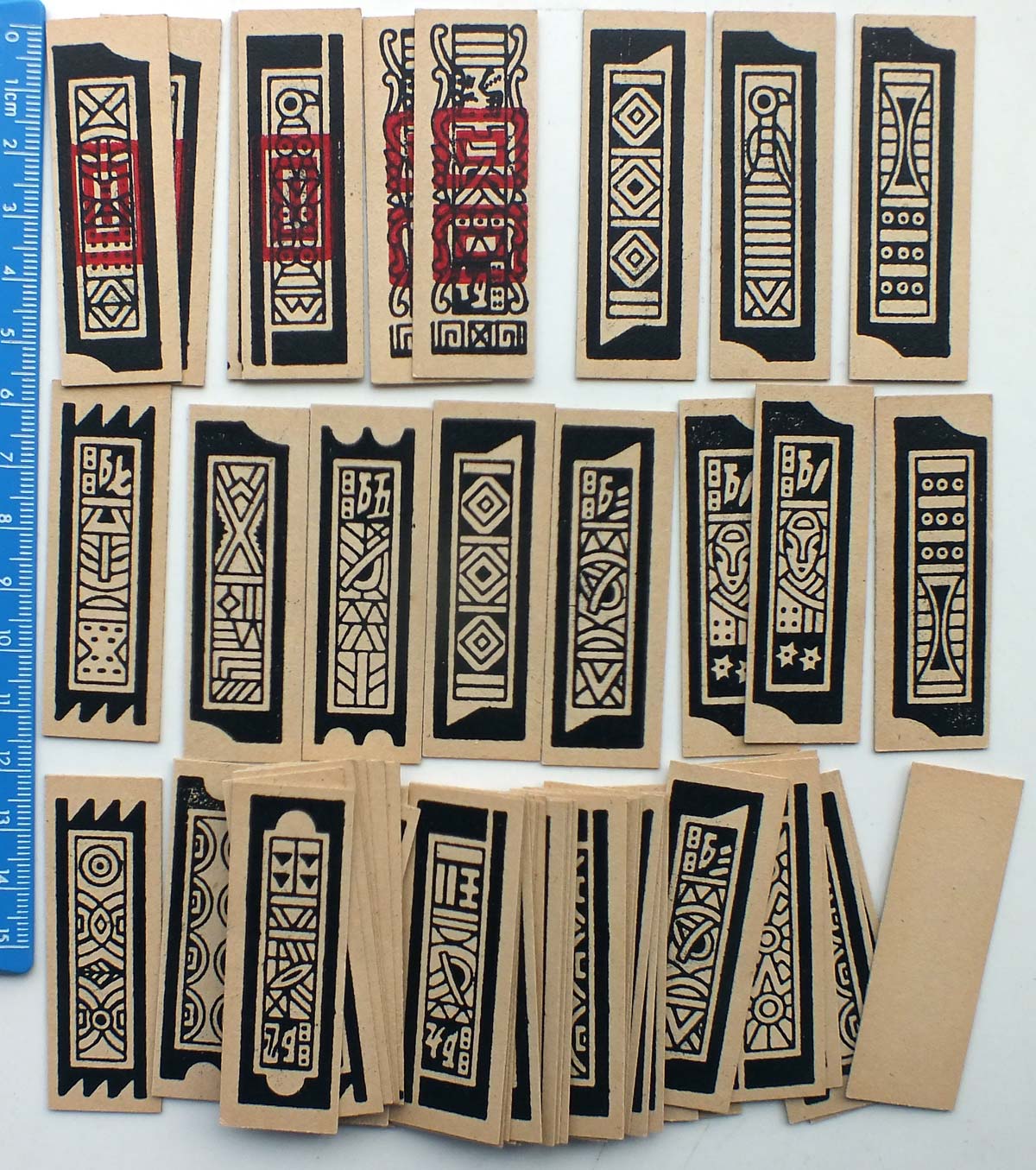
Above: another example of 60-card 'Ceki' Chinese Money cards, unknown manufacturer.
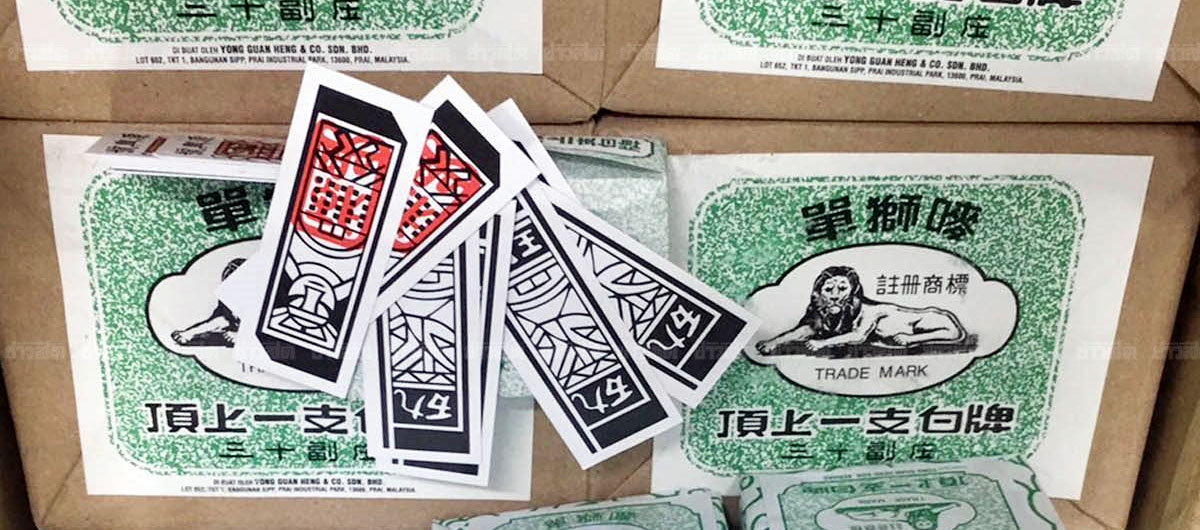
Above: Lion brand Chinese cards manufactured and exported by Yong Guan Heng & Co from Malaysia to Thailand. Image credit: Live News Online►
Hee Trading Co.
Hee Trading Co. manufacture board games, jig-saw puzzles, chess sets, compendiums as well as card games such as ‘Happy Families’, ‘Donkey’ and ‘Snap’ see more →
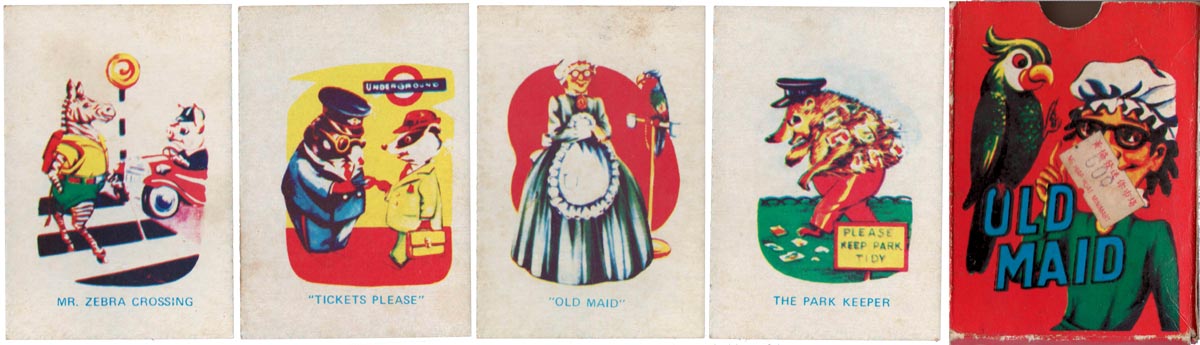
Above: this ‘Old Maid’ deck appears to be a transitional stage between Tower Press ‘Old Maid’, and the present decks published by Hee Trading. However, this deck is anonymous. Image courtesy Anthony Lee.
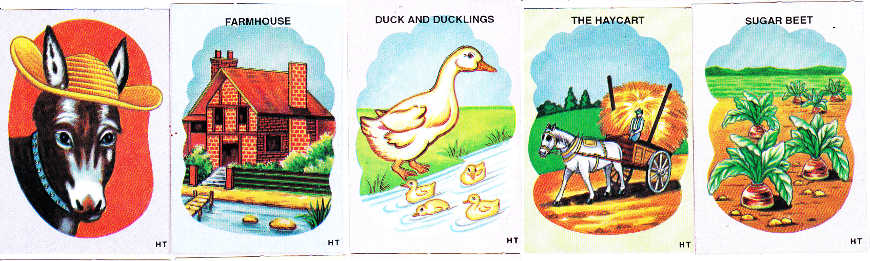
Above: “Donkey” children's card game designed and created by Ooi Yan Hee, manufactured by Hee Trading Co., Malaysia, 1984. Images kindly supplied by Anthony Lee.
Just last year, Singapore celebrated its 50th Year of independence. Hee’s cards were given out in state-sponsored “Goody packs” for this occasion ( see: Keep SG Funpack postcard for SG50 goodie bag collection►). Hee’s cards were included as part of the “Good old games” that were played back then. Such is the presence of the cards on the Singaporean psyche.
Souvenir of Malaysia
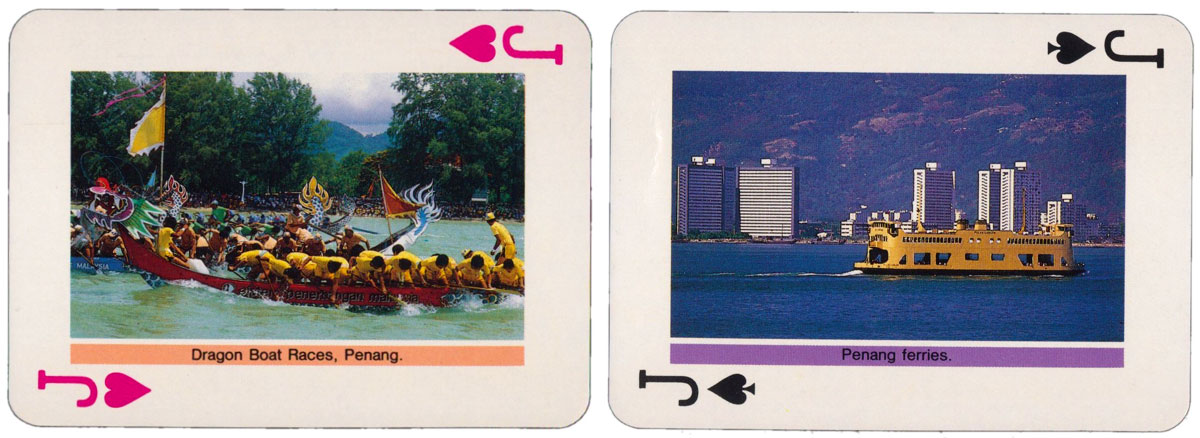
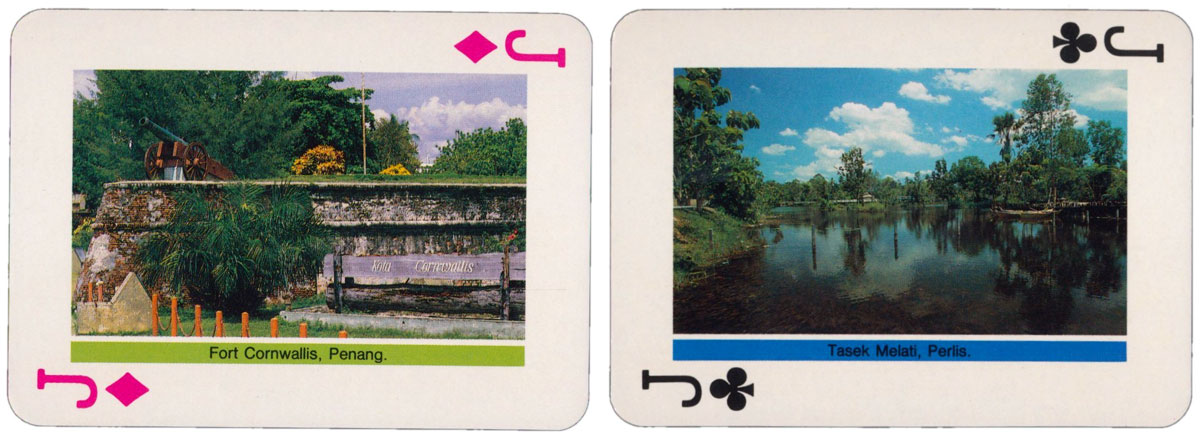
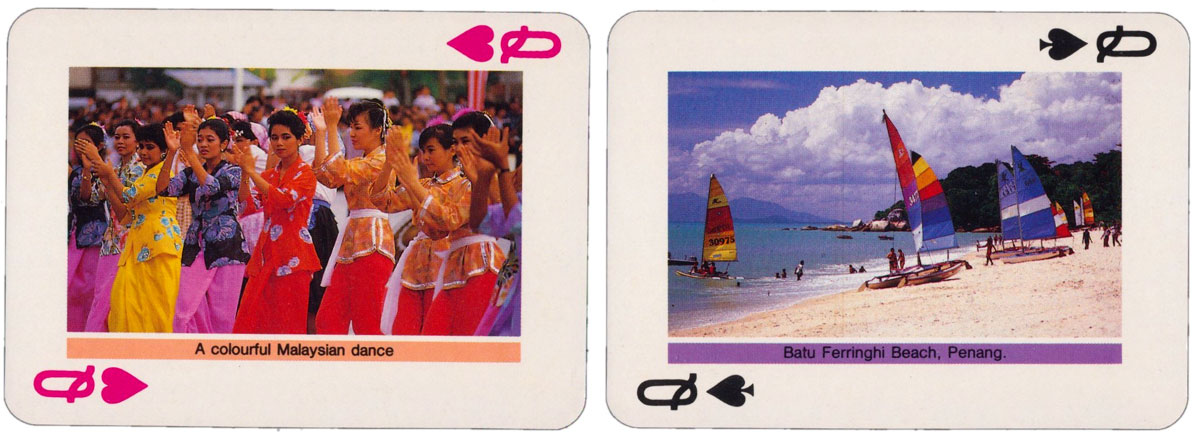
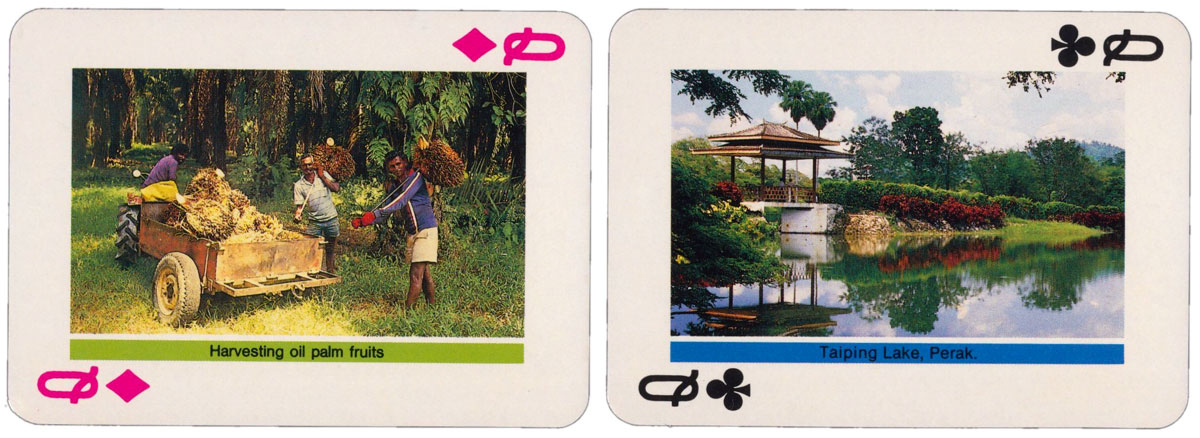
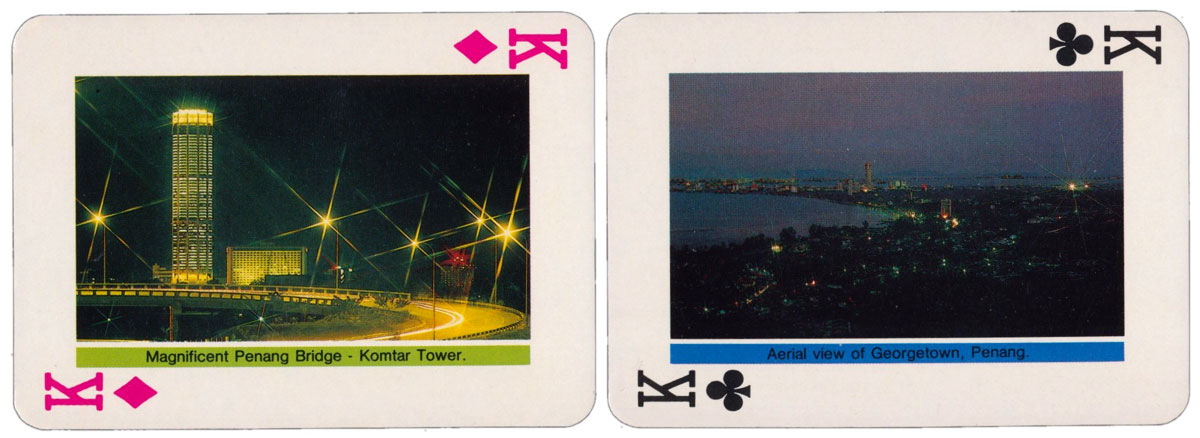
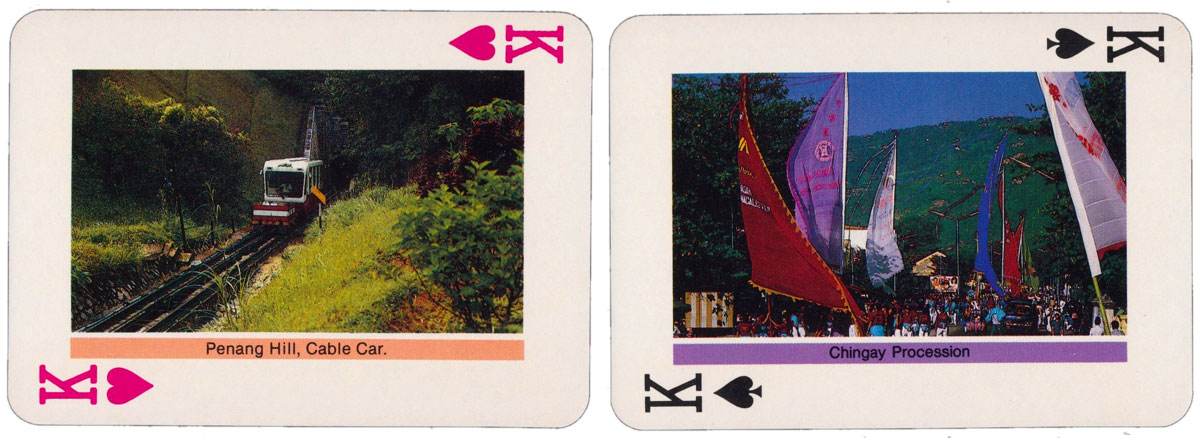
Above: Images courtesy Matt Probert.
Airlines
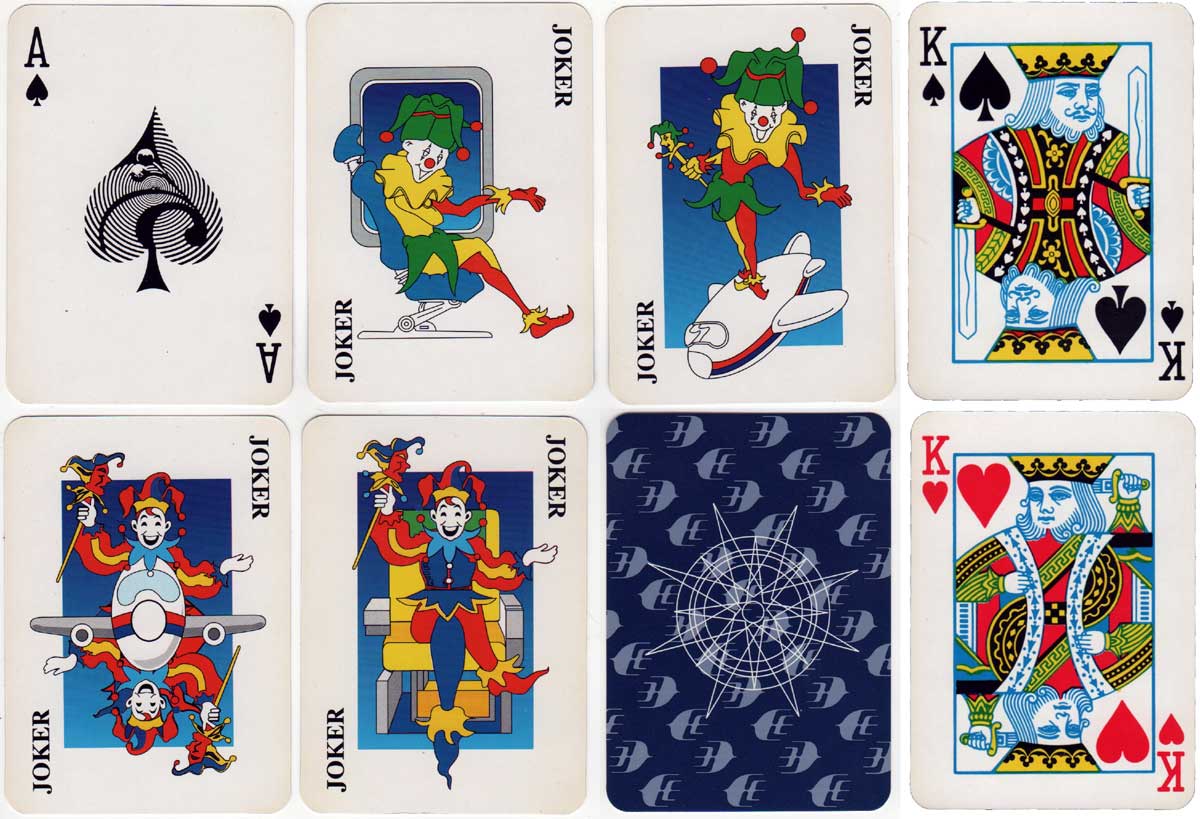
Above: Malaysia Airlines by Yong Guan Heng & Co. Images courtesy Matt Probert.
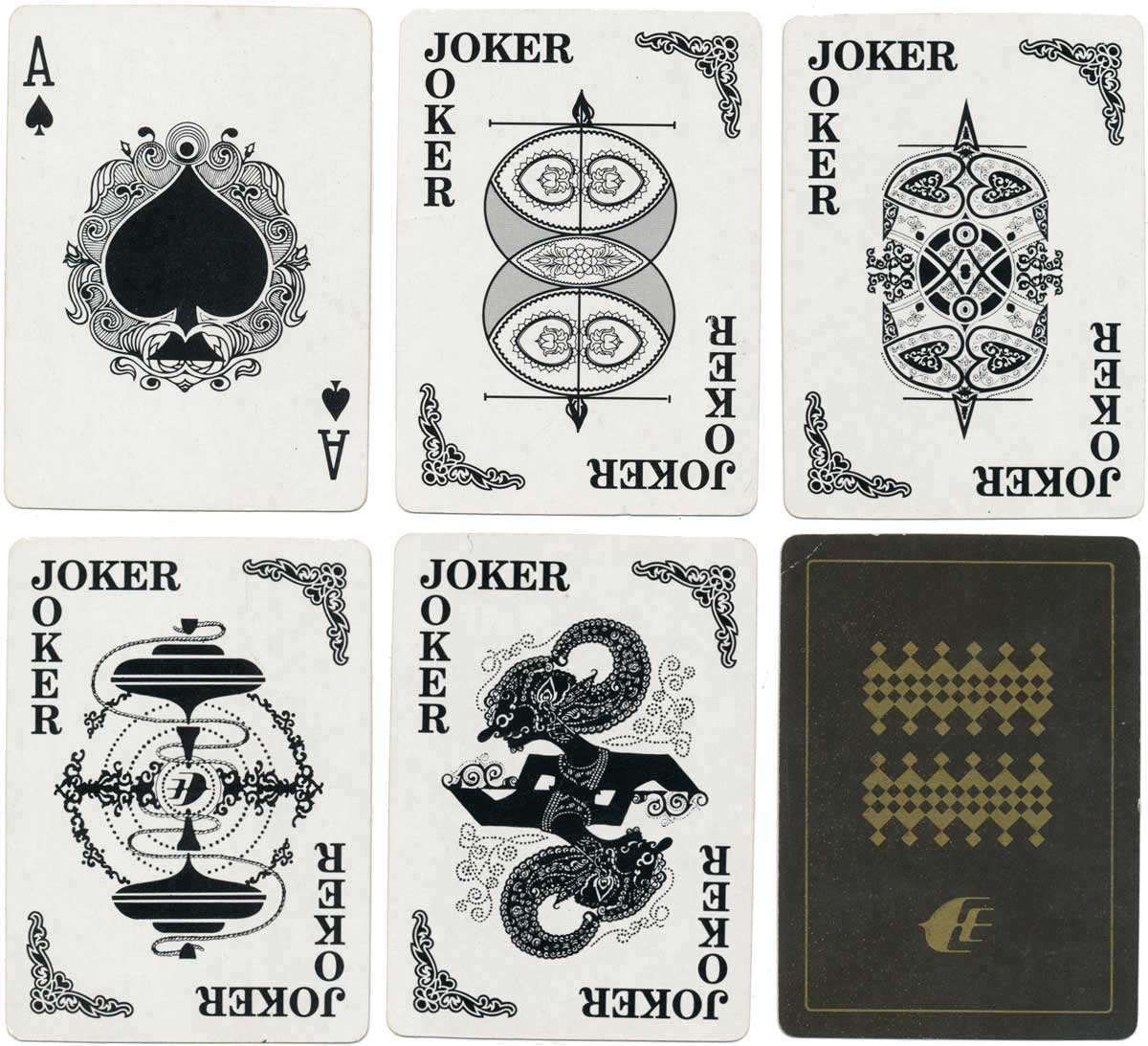
Advertising Playing Cards
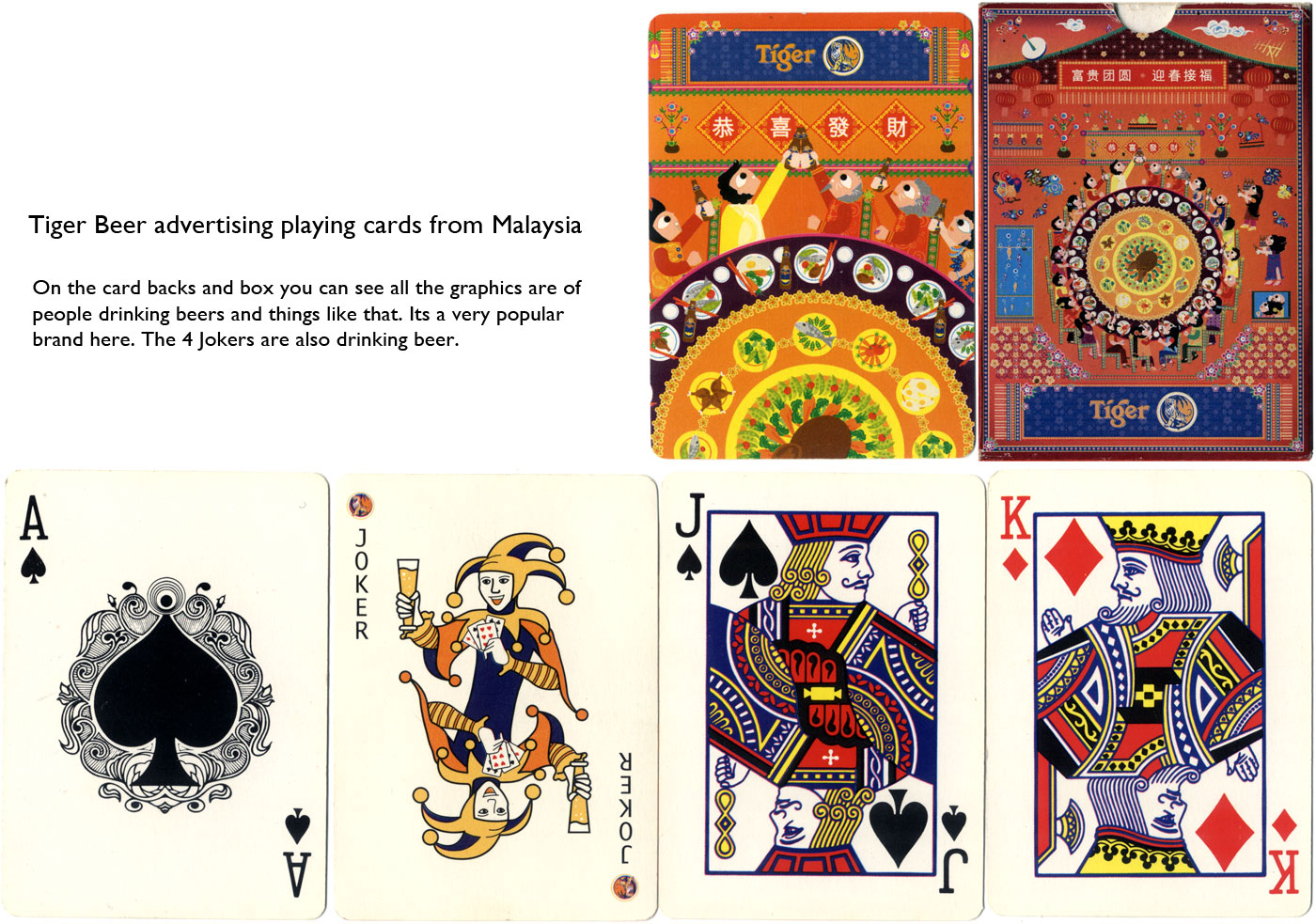 Yong Guan Heng & Cor-beer-box.jpg" class="pull-right">
Tiger Beer advertising playing cards featuring special artwork on the box, backs and Jokers depicting people drinking beer.
Click image to see more →
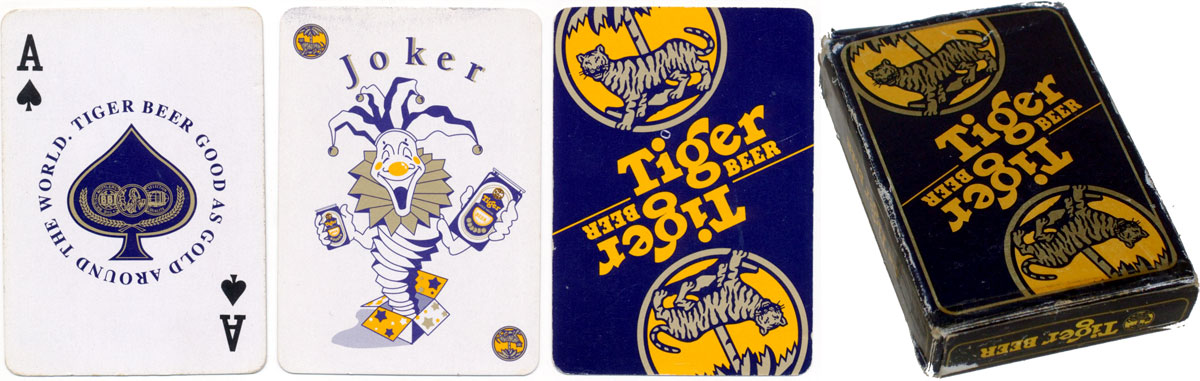
Above: Tiger Beer advertising playing cards. Image courtesy Matt Probert.

Leave a Reply

Your Name
Just now Your comment here. Your comment here. Your comment here. Your comment here. Your comment here. Your comment here. Your comment here. Your comment here. Your comment here. Your comment here. Your comment here. Your comment here. Your comment here. Your comment here. Your comment here. Your comment here. Your comment here. Your comment here. Your comment here. Your comment here. Your comment here. Your comment here. Your comment here. Your comment here. Your comment here. Your comment here. Your comment here. Your comment here. Your comment here. Your comment here. Your comment here. Your comment here.
Related Articles
Souvenir of Singapore, Malaya and Borneo
52 different colour pictures of Singapore, Malaya and Borneo from the early 1960s.
Malaya 1941-1942: King George VI currency notes
Playing cards featuring King George VI Currency Notes, Malaya 1941-1942.
Hakka
“Double Happiness” brand Hakka [客家] playing cards used by Hakka ethnic communities who have a separa...
Tam Cúc 三菊
Tam Cúc playing cards from Vietnam (Việt Nam), based on Chinese chess, 2016
Penang Souvenir
Souvenir of Penang with a different photograph on every card, manufactured by Yong Guan Heng & Co, P...
Four Colour Cards / 四色牌 / Si Sek Pai
Four Colour Cards made in Belgium for Far Eastern markets
Ceki Cards
Indonesian Ceki cards
Chi Chi Pai
Chinese “Chi Chi Pai” Playing Cards by Mesmaekers Frères for Far East market.
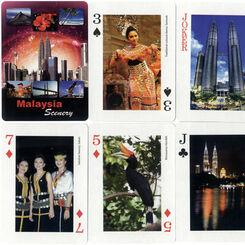
Malaysia Scenery
Souvenir playing cards from Malaysia featuring 56 colour photographs of scenery, wildlife, local peo...
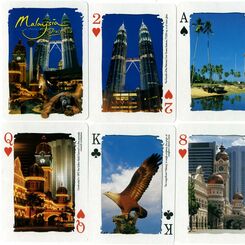
Malaysia Truly Asia
Souvenir playing cards from Malaysia featuring 56 colour photographs of skyscrapers, wildlife, local...
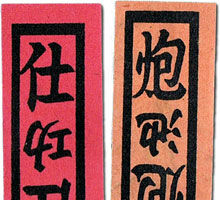
Hokkien Four Colour Cards
The characters on the cards are written one way for red and yellow, and another for green and white....
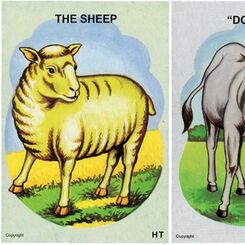
Donkey game from Malaysia
“Donkey” children's card game designed and created by Ooi Yan Hee, manufactured by Hee Trading Co., ...

Hee Trading Co
Hee Trading Co., Malaysia, manufacture board games, jig-saw puzzles, chess sets, games compendiums a...
Minnie Patience
Minnie Patience. The backs show images of Mickey & Minnie mouse dancing together.

Mahjongg
Mahjongg is usually played with tiles, which are Chinese playing cards made in solid form...

Double Elephant & Double Dragon
Double Elephant brand Four Colour cards
Playing Cards in Singapore
Playing Cards in Singapore, one of the Four Asian Tigers.
Thai & Siamese Playing Cards
The Portuguese were the first Westerners to trade with Ayutthaya in Thailand in the 16th century. Tr...
Regional Cards: South-Eastern Asia
Indonesia • Malaysia • Singapore • Thailand • Vietnam
Chinese Playing Cards 中国纸牌
The Chinese took their cards with them wherever they travelled and traded in the East, and we find C...
Most Popular
Our top articles from the past 60 days