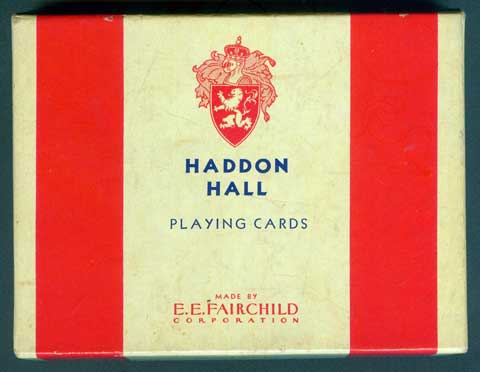

E. E. Fairchild Co.
Decks manufactured in USA and published by E.E. Fairchild Co., Rochester, N.Y.
E.E. Fairchild Co., Rochester, N.Y, published many varieties of Bridge sized cards, advertising decks and card games during the 1930s & 1940s. Decks published by Fairchild were imported into Argentina by Julio Laje (Buenos Aires) during this time.
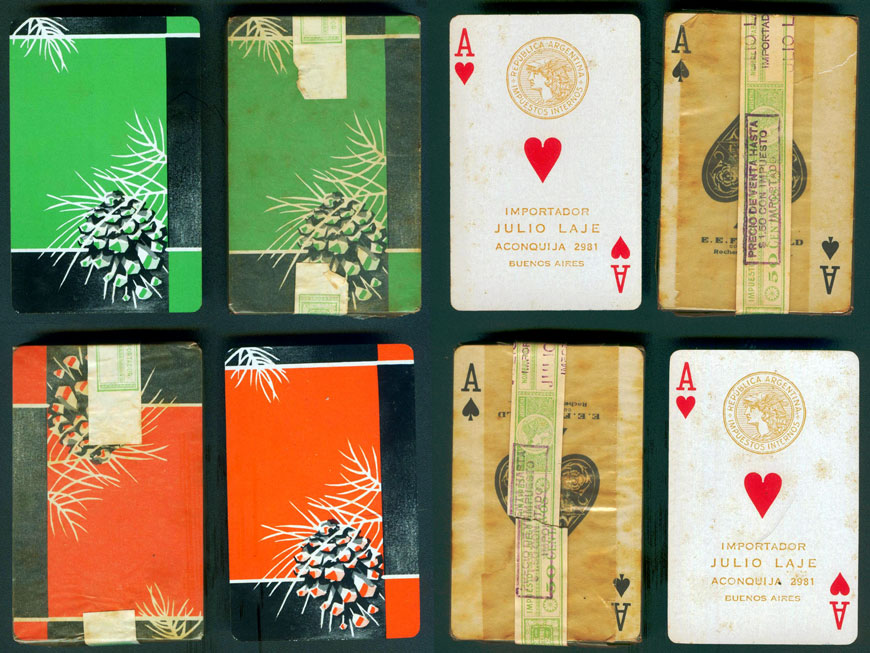
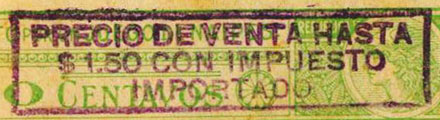
Above: twin set of 'Haddon Hall' playing cards manufactured by E.E. Fairchild Corporation (USA) and imported into Argentina by Julio Laje, Buenos Aires, c.1930s. The green 50 Centavos tax bands wrapped around the decks, which along with the orange/brown 'Mercury' tax stamp on the Ace of Hearts, used between 1924-1943, show the importer's details. The selling price is also overstamped on the tax band. See the Box►
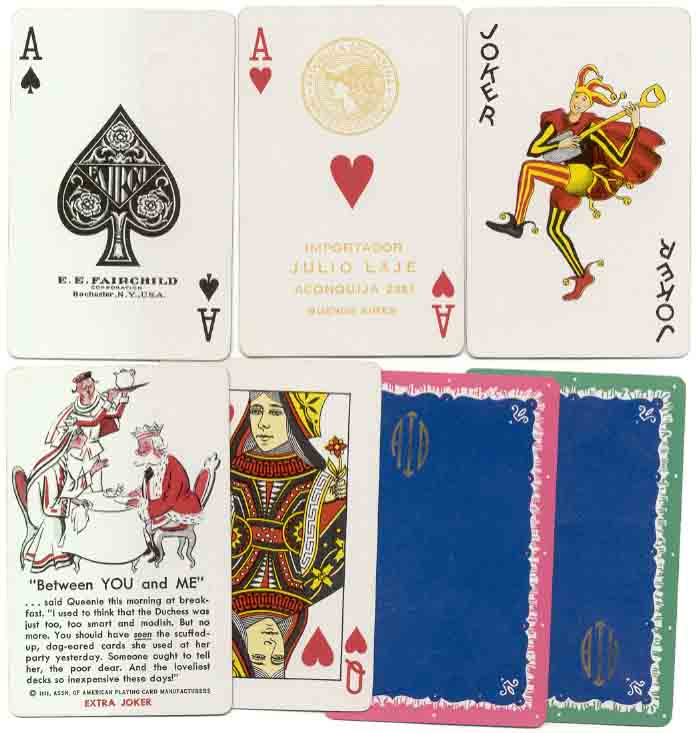
Above: another set similar to the twin decks shown above, showing the Joker and Ace of Spades, with the same tax stamp and importing agent's details overprinted on the Ace of Hearts. Interestingly, the design of the Joker was the inspiration for Jokers made in Uruguay by Compañía General de Fósforos Montevideana and their successors Ingrapa.
Card Games
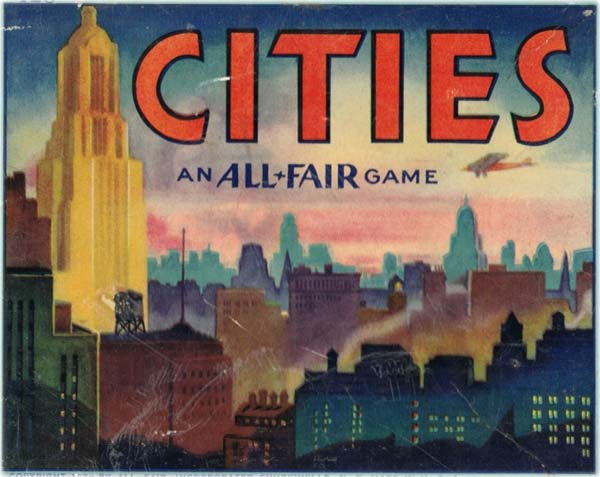
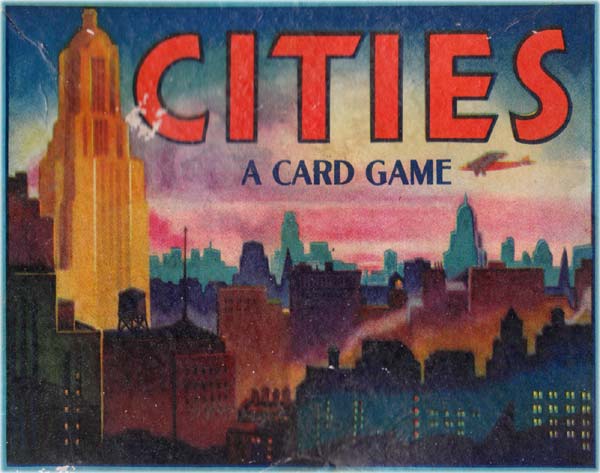
Above: Game of Cities boxes by E. E. Fairchild, 1932 & 1945 more →

By Simon Wintle
Spain • Member since February 01, 1996 • Contact
I am the founder of The World of Playing Cards (est. 1996), a website dedicated to the history, artistry and cultural significance of playing cards and tarot. Over the years I have researched various areas of the subject, acquired and traded collections and contributed as a committee member of the IPCS and graphics editor of The Playing-Card journal. Having lived in Chile, England, Wales, and now Spain, these experiences have shaped my work and passion for playing cards. Amongst my achievements is producing a limited-edition replica of a 17th-century English pack using woodblocks and stencils—a labour of love. Today, the World of Playing Cards is a global collaborative project, with my son Adam serving as the technical driving force behind its development. His innovative efforts have helped shape the site into the thriving hub it is today. You are warmly invited to become a contributor and share your enthusiasm.

Leave a Reply

Your Name
Just now Your comment here. Your comment here. Your comment here. Your comment here. Your comment here. Your comment here. Your comment here. Your comment here. Your comment here. Your comment here. Your comment here. Your comment here. Your comment here. Your comment here. Your comment here. Your comment here. Your comment here. Your comment here. Your comment here. Your comment here. Your comment here. Your comment here. Your comment here. Your comment here. Your comment here. Your comment here. Your comment here. Your comment here. Your comment here. Your comment here. Your comment here. Your comment here.
Related Articles
Spanish-Suited Playing Cards in Latin America
The journey of Spanish-Suited decks from Conquistadores to local makers.

Royal Mischief Transformation
Royal Mischief Transformation reworks Patrick Valenza’s Royal Mischief characters and imagery...
Mamluk Cards and the Making of the European Deck
Mamluk “naib” cards — four suits with named courts — offer a persuasive clue to how playing c...
David’s fortune-telling cards
Entertaining and easy-to-use fortune-telling cards published by David, Paris, c.1895.
X'Mas Elf Tarot
Deckstiny’s X’Mas Elf Tarot is a Christmas-themed Rider-Waite-Smith tarot deck from Thailand, illust...
Dielo playing cards
Heroic Socialist-style version of the Four Seasons pattern from Bratislava.
Ormavyl
Branded advertising playing cards with modern look made in France, 1970s.
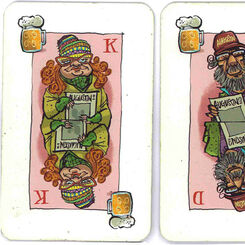
Augustin Playing Cards
Augustin street newspaper playing cards illustrated by Thomas Kriebaum.
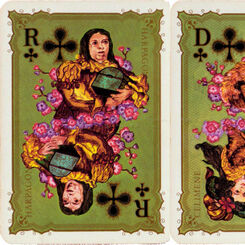
Gibert Jeune (Molière)
Pack offered by the Parisian bookshop Gibert Jeune on the tricentenary of Molière’s death.
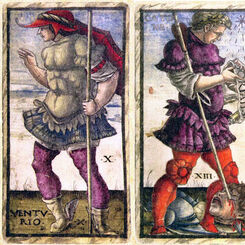
The Sola-Busca Tarot
Humanist Iconography, Alchemical Metaphor, and the Origins of the Illustrated Minor Arcana.
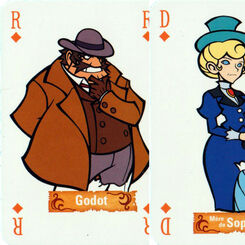
Docteur Lautrec et les Chevaliers Oubliés
Promotional pack for a video game set in late 19th-century Paris, designed by Noriaki Okamura.
Assassin’s Creed Unity
Characters from the 2014 video game set during the French Revolution, published by Ubisoft.
French pattern (Conver)
French pattern produced in Marseille c.1850 by the widow of Nicolas Conver.
Collectors’ Playing Cards for Sale
Some interesting playing cards for sale.

78: The Standard English pattern - Part 2, the tricky bits
There are many less straightforward aspects to the designs of the English pattern, which need carefu...
Vorarlberg Büschel Jasskarten
“Vorarlberg Büschel Jasskarten” designed by Austrian artist and typographer Konrad Hämmerle.

Solo Whist
A distinctive British trick-taking game that emerged in the mid-19th century.

77: The Standard English pattern - Part 1, the basics
A simple set of criteria for defining the standard English pattern
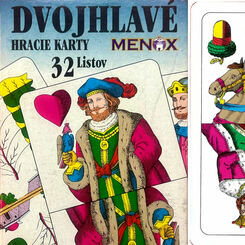
Slovak Season Playing Cards (Dvouhlavé Hrací Karty)
Slovakian edition of the Wilhelm Tell pattern found on a day trip to Bratislava.

Dr Ken Lodge
I'm Ken Lodge and ha e been collecting playing cards since I was about eighteen months old (1945). ...
Most Popular
Our top articles from the past 60 days