


Das Lustige Familien Quartett
“Das Lustige Familien Quartett” published by Eugen Schmidt K.G., Dresden, c.1930s
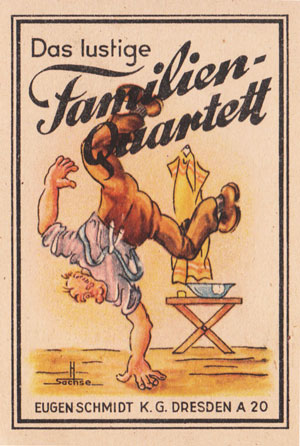
“Das Lustige Familien Quartett” published by Eugen Schmidt K.G., Dresden, c.1930s. Eugen Schmidt published several children's card games during the 1920s & 30s. In this “Happy Families” game, the families have comic names and their amusing antics are described in rhymes so that each set resembles a comic strip. The Gluttons, the Hardworking and the Sporty families can each be seen doing their things. Each family also has an appropriate icon. The artist's name on the box appears to read ‘H. Sachse’.
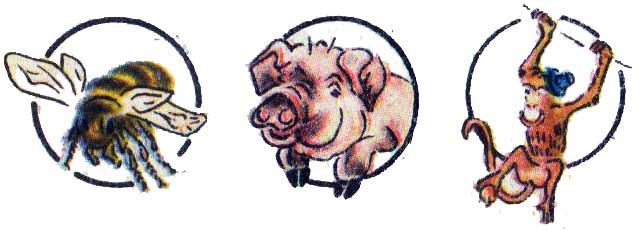
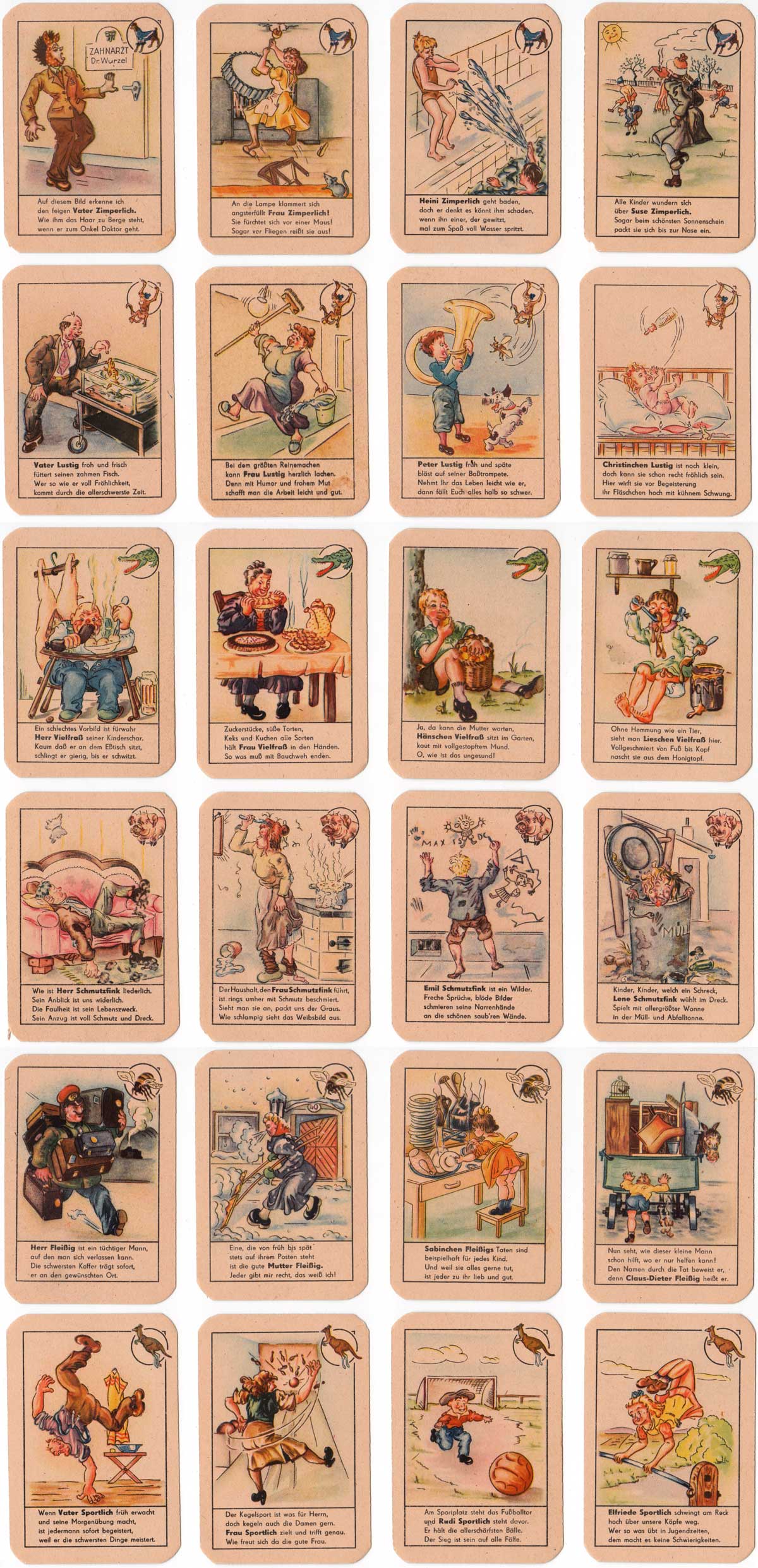
Above: “Das Lustige Familien Quartett” published by Eugen Schmidt K.G., Dresden, c.1930s. Images courtesy Rex Pitts.

By Rex Pitts (1940-2021)
United Kingdom • Member since January 30, 2009
Rex's main interest was in card games, because, he said, they were cheap and easy to get hold of in his early days of collecting. He is well known for his extensive knowledge of Pepys games and his book is on the bookshelves of many. His other interest was non-standard playing cards. He also had collections of sheet music, music CDs, models of London buses, London Transport timetables and maps and other objects that intrigued him.
Rex had a chequered career at school. He was expelled twice, on one occasion for smoking! Despite this he trained as a radio engineer and worked for the BBC in the World Service. Later he moved into sales and worked for a firm that made all kinds of packaging, a job he enjoyed until his retirement. He became an expert on boxes and would always investigate those that held his cards. He could always recognize a box made for Pepys, which were the same as those of Alf Cooke’s Universal Playing Card Company, who printed the card games. This interest changed into an ability to make and mend boxes, which he did with great dexterity. He loved this kind of handicraft work.
His dexterity of hand and eye soon led to his making card games of his own design. He spent hours and hours carefully cutting them out and colouring them by hand.

Activity for Das Lustige Familien Quartett
Sign in to comment or save this article.

Related Articles
Learning to play Cribbage
I learned to pay cribbage when I was very young, aged around six or seven.
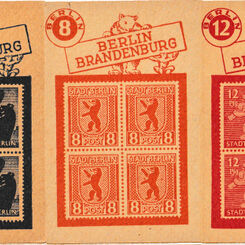
Briefmarken-Quartett
Quartet game featuring postage stamps from the Zones of Occupation in post-WWII Germany.
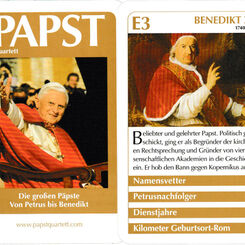
Papst Quartett
A quartet game featuring a selection of popes up to Benedict XVI.
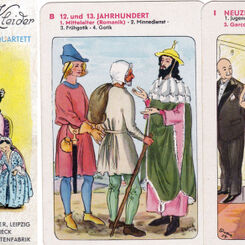
Andere Zeiten - Andere Kleider
‘History of fashion’ cultural quartet game designed by Erika Werner-Nestler, 1954.
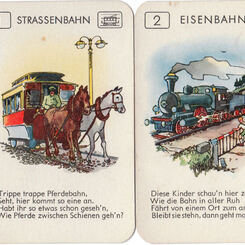
Verkehrsmittel Einst und Jetzt
“Verkehrsmittel Einst und Jetzt” transport quartet game by Bielefelder Spielkarten Fabrik GmbH, 1949...
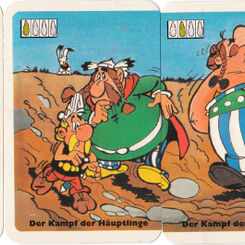
Asterix Abenteuer
Asterix Adventure quartet game by ASS, 1989.
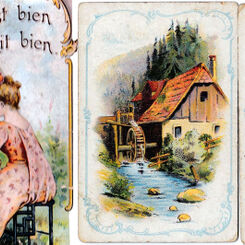
Tout Est Bien Qui Finit Bien
‘Tout Est Bien Qui Finit Bien’ family card game by Dondorf.
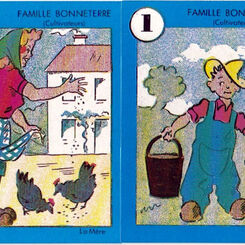
Bass & Bass Jeu des Familles
Bass & Bass ‘Jeu des Familles’ made by Franz-Josef Holler, Münich, 1989.
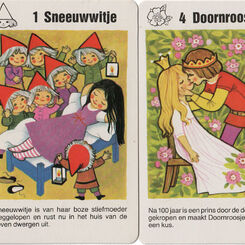
Sprookjes Kwartet
Fairy Tales quartet published by Heinrich Schwarz + Co for Dutch market, c.1970.
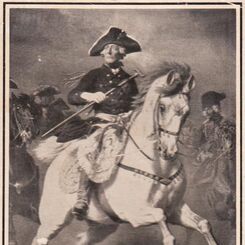
Deutsche Geschichte
German History Quartet published by Otto Maier Verlag Ravensburg, c.1930-35.
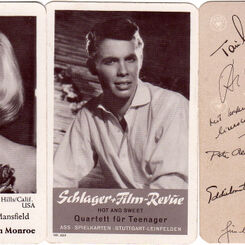
Schlager Film Revue
Schlager Film Revue “Hot and Sweet” Quartett für Teenager, 1964.
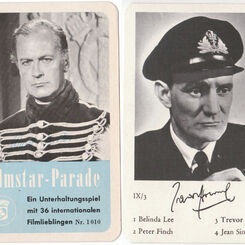
Filmstar-Parade
Filmstar-Parade Quartet card game published by F X Schmid, Munich, c.1958.
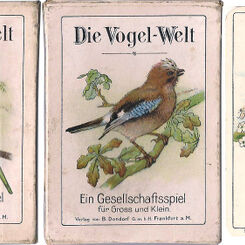
Die Vogel-Welt No. 351
Dondorf’s “Die Vogel-Welt” No. 351 quartet game, c.1905
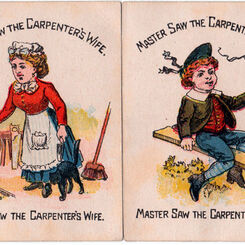
Funny Families
“Funny Families” card game manufactured by Woolley & Co, 1890s.
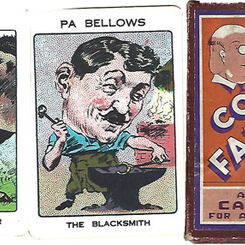
Comic Families
“Comic Families” card game from Australia, c.1940s
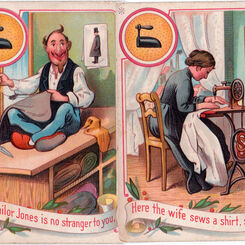
Humouristic Quartett
“Humouristic Quartett” families game produced by Adolf Sala of Berlin.
Wereldvlucht Kwartet
Published in 1933, this game celebrated the burgeoning passenger services by air around the world. S...
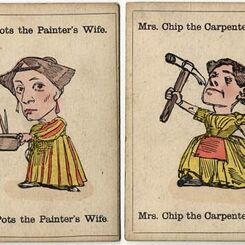
Jaques’ Happy Families
In 1851 the games manufacturer John Jaques of London (founded in 1795) commissioned a set of drawing...
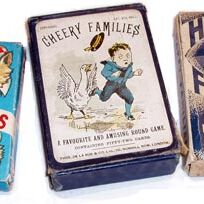
Happy Families
Happy Families is probably one of the most popular card games ever invented, with educational benefi...
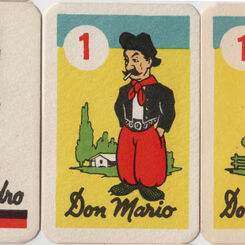
El Negrito Pedro, c.1950s
El Negrito Pedro, children’s card game, Buenos Aires, Argentina, c.1950s.
Most Popular
Our top articles from the past 60 days


