

Hermanos Solesio
“Money Bag” pattern by Hermanos Solesi, late 18th c.
Spanish National Pattern / “Money Bag” Type
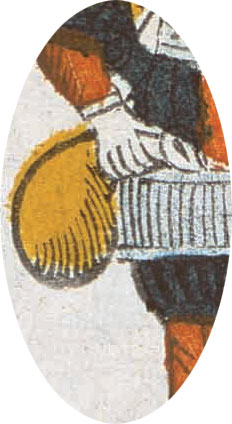
Money Bag pattern by Hermanos Solesio (Caietano and Pedro Maria Solesio), Genoa, late 18th c. The Fratelli Solesio factory in Genoa supplied regional patterns to many overseas markets. Once their reputation had been established, the name Hermanos Solesi (or Solesio) was used in the Spanish speaking markets. In this example, the ace of coins has the arms of Spain with two scrolls reading “Hermanos Solesi”. However, the sota (or Jack) of coins holds a bag full of money in his right hand, which, along with other features, is a distinctive variation of the Spanish National pattern, associated primarily with Italian card makers from the Finale Ligure region.
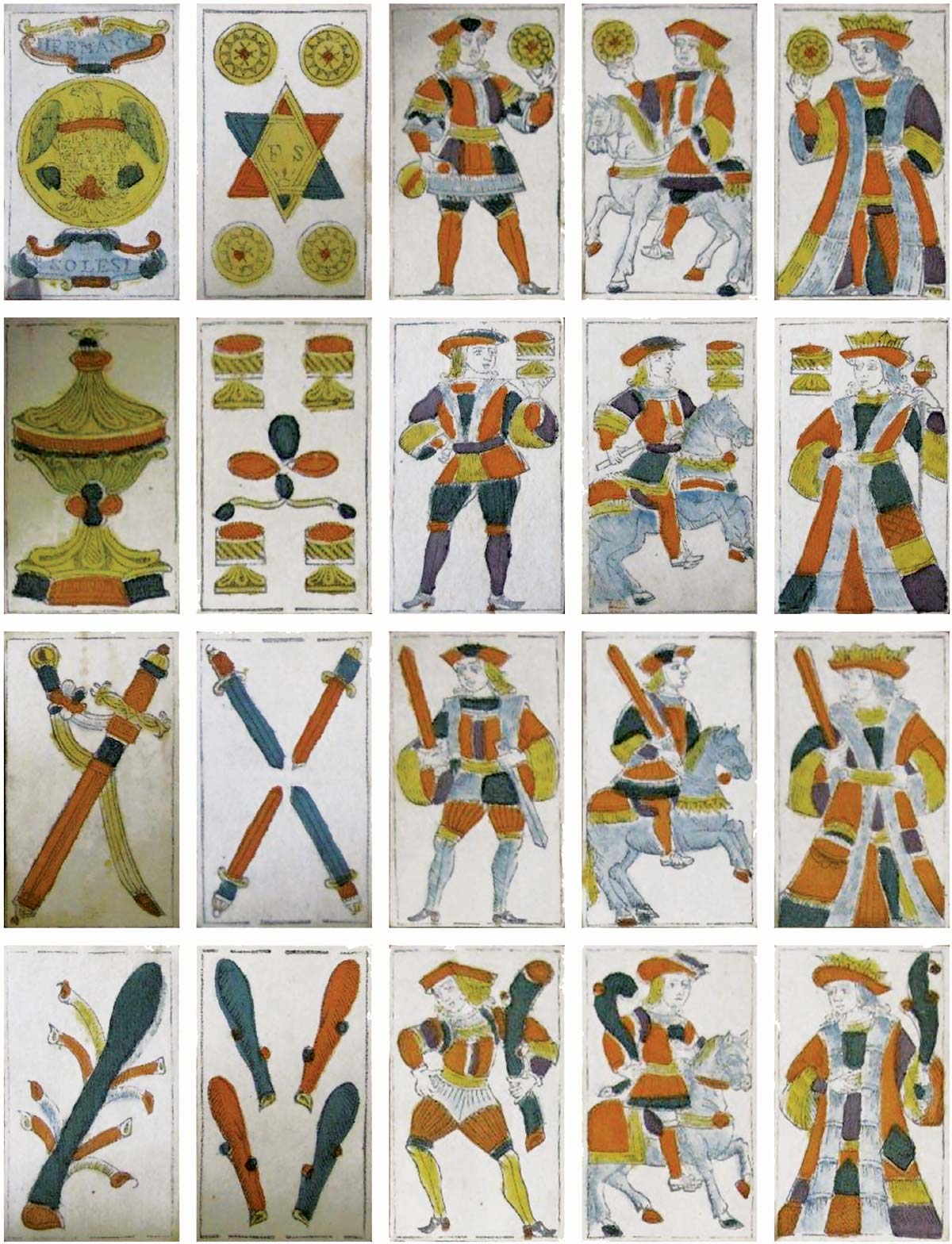
Above: “Money Bag” pattern by Hermanos Solesi, woodcut and stencils, late 18th century. The four of coins has the initials F.S. [Fratelli Solesi] and a rising sun motif. Note also the trefoil device on the four of cups.
The Fratelli Solesi playing card factories in Genoa exported their wares far and wide. In this way, examples of this pattern reached Spanish dependencies in Manila (Philippines), Peru and Mexico, where, due to its popularity, were sought after and imitated by local manufacturers. This became a challenge for the Official Spanish monopoly in those territories to cards produced in the Royal factory at Macharaviaya (Malaga). The Money Bag pattern also appeared at the Impressão Régia (Lisbon) via Lorenzo María Solesio, Félix Solesio’s older brother, who worked there. Examples are also known produced by Félix Solesio himself. Surprisingly, in spite of its popularity, this pattern was not produced at the Royal factory at Macharaviaya.
Another Example
“Baraja que viene de Europa y cuesta dos reales”.
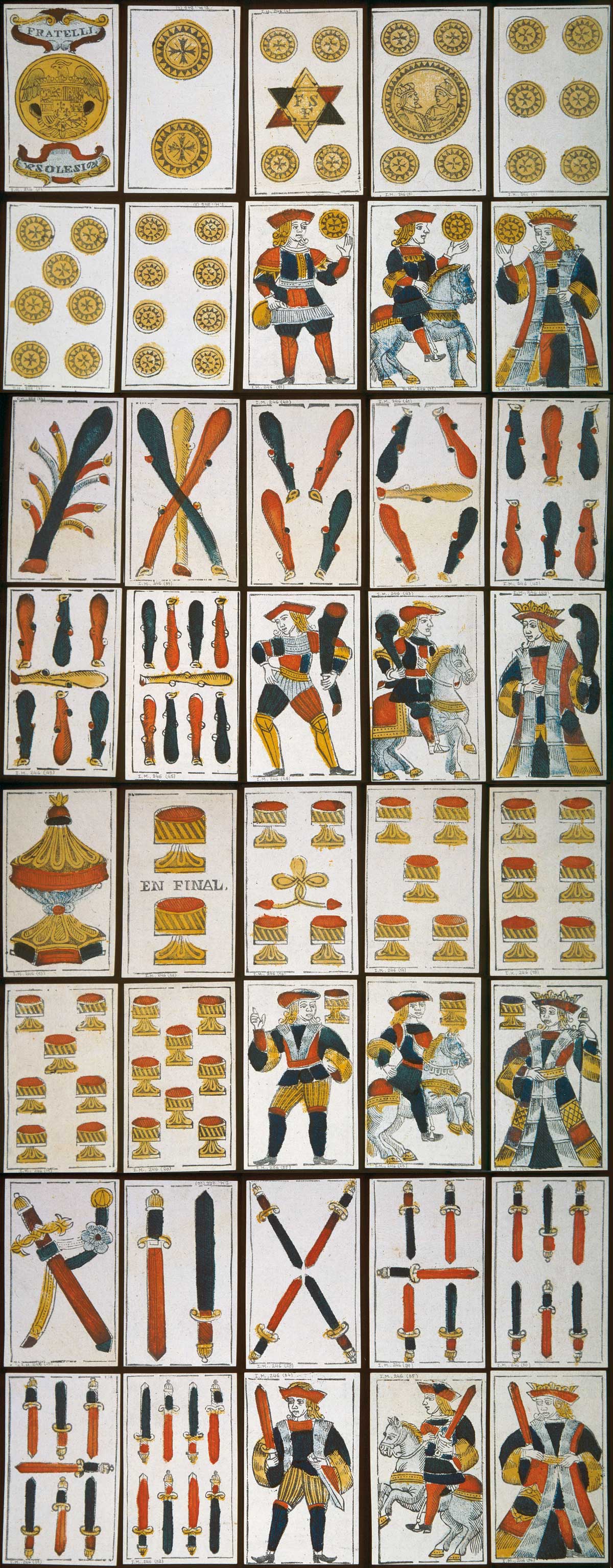
Above “Money Bag” pattern by Fratelli Solesi, mid-late 18th century. 48 cards. The two of cups has the inscription “En Final”. © Ministerio de Educación, Cultura y Deporte. Archivo General de Indias MP Ingenios y Muestras 246.
CREDITS & REFERENCES
Additional research by Alberto Pérez González.
Denning, Trevor: The Playing-Cards of Spain, Cygnus Arts, London, 1996
Pérez González, Alberto: Una introducción y dos precisiones, in “La Sota” Nº19, Asescoin, Madrid, 1998.
Pérez González, Alberto: Anexo: La Baraja Perdida de Félix Solesio, in “La Sota” Nº38, pp.76-77, Asescoin, Madrid.
A further example of this pattern by Hermanos Solesio can be viewed on the British Museum website►

By Simon Wintle
Spain • Member since February 01, 1996 • Contact
I am the founder of The World of Playing Cards (est. 1996), a website dedicated to the history, artistry and cultural significance of playing cards and tarot. Over the years I have researched various areas of the subject, acquired and traded collections and contributed as a committee member of the IPCS and graphics editor of The Playing-Card journal. Having lived in Chile, England, Wales, and now Spain, these experiences have shaped my work and passion for playing cards. Amongst my achievements is producing a limited-edition replica of a 17th-century English pack using woodblocks and stencils—a labour of love. Today, the World of Playing Cards is a global collaborative project, with my son Adam serving as the technical driving force behind its development. His innovative efforts have helped shape the site into the thriving hub it is today. You are warmly invited to become a contributor and share your enthusiasm.

Leave a Reply

Your Name
Just now Your comment here. Your comment here. Your comment here. Your comment here. Your comment here. Your comment here. Your comment here. Your comment here. Your comment here. Your comment here. Your comment here. Your comment here. Your comment here. Your comment here. Your comment here. Your comment here. Your comment here. Your comment here. Your comment here. Your comment here. Your comment here. Your comment here. Your comment here. Your comment here. Your comment here. Your comment here. Your comment here. Your comment here. Your comment here. Your comment here. Your comment here. Your comment here.
Related Articles
Early German playing cards
Some early examples of popular German playing cards from the XV and XVI centuries.
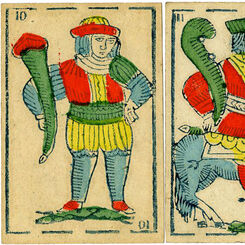
P. Buscaglia: Spanish-suited cards
Spanish-suited cards published by P. Buscaglia, Mele & Genova.

Trentine Pattern
Trentine Pattern

Primiera Bolognese
Primiera Bolognese by Modiano, c.1975
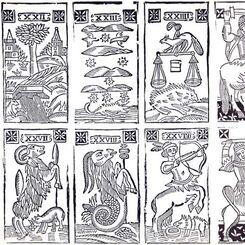
Minchiate Fiorentine, 17th C.
17th century Minchiate cards reprinted from the original woodblocks.

Benoist Laius
Spanish playing cards such as these were used in those parts of France where certain games were enjo...
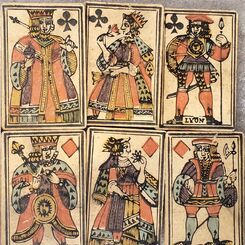
Lyon Pattern type iii
This pattern was used in various parts of eastern France but was ultimately replaced by the official...

Agostino Bergallo
Agostino Bergallo Spanish pattern made for South American countries

Giuseppe Cattino
Playing cards manufactured in Italy by Giuseppe Cattino and Paolo Montanar for Spanish markets.
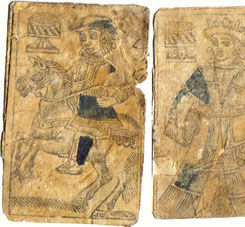
Pedro Bosio, 2
Cards of the Spanish National Pattern manufactured by Pedro Bosio, Genova (Italy) during the 18th ce...

Pedro Bosio
Cards of the Spanish National Pattern 'Money Bag' type manufactured by Pedro Bosio, Genova (Italy) ...
Paris Pattern
The Paris pattern was established as such around the middle of the seventeenth century (based, perha...
Trevisane pattern
The double-ended version of the ‘Trevisane’ pattern originated in the early 19th century.
Baraja Morisca — Early XV century playing cards
Primitive Latin suited pack, dated by paper analysis as early XV century, which makes this one of th...
XV Century Italian Playing Cards
Cards from a pack of an early form of north Italian playing cards, with the swords back-to-back and ...

Sicilian playing cards by Antonio Monasta
"Il Leon" Sicilian playing cards, 40-card pack based on Spanish designs, made in Sicily by Antonio M...
Small Tuscan Pattern
Small Tuscan Pattern
Romagnole pattern by Guglielmo Murari
Romagnole pattern by Guglielmo Murari c.1920
Italian Playing Cards
The first reliable evidence that playing cards were being used in Italy is from 1376, when a game ca...

Playing cards in the Upper Rhine region
Documentary evidence suggests that card playing established itself in Italy in 1376, and then spread...
Most Popular
Our top articles from the past 60 days


