


Baraja Carlos IV by Félix Solesio, 1800
Baraja Carlos IV, Félix Solesio en la Real Fábrica de Macharaviaya, 1800.
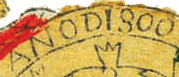
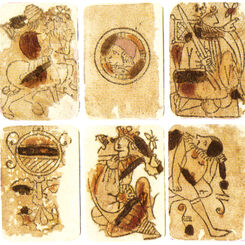
“Baraja Carlos IV” fantasy deck by Félix Solesio, Real Fábrica de Macharaviaya, 1800. A rare example of a “de Corte” deck, that is, made for use by the Royal Court (see Fournier ESP 45), specially printed by Felix Solesio in the Royal Factory at Macharaviaya when, by Royal Decree and under monopoly, this establishment normally only made cards for Spanish overseas possessions.
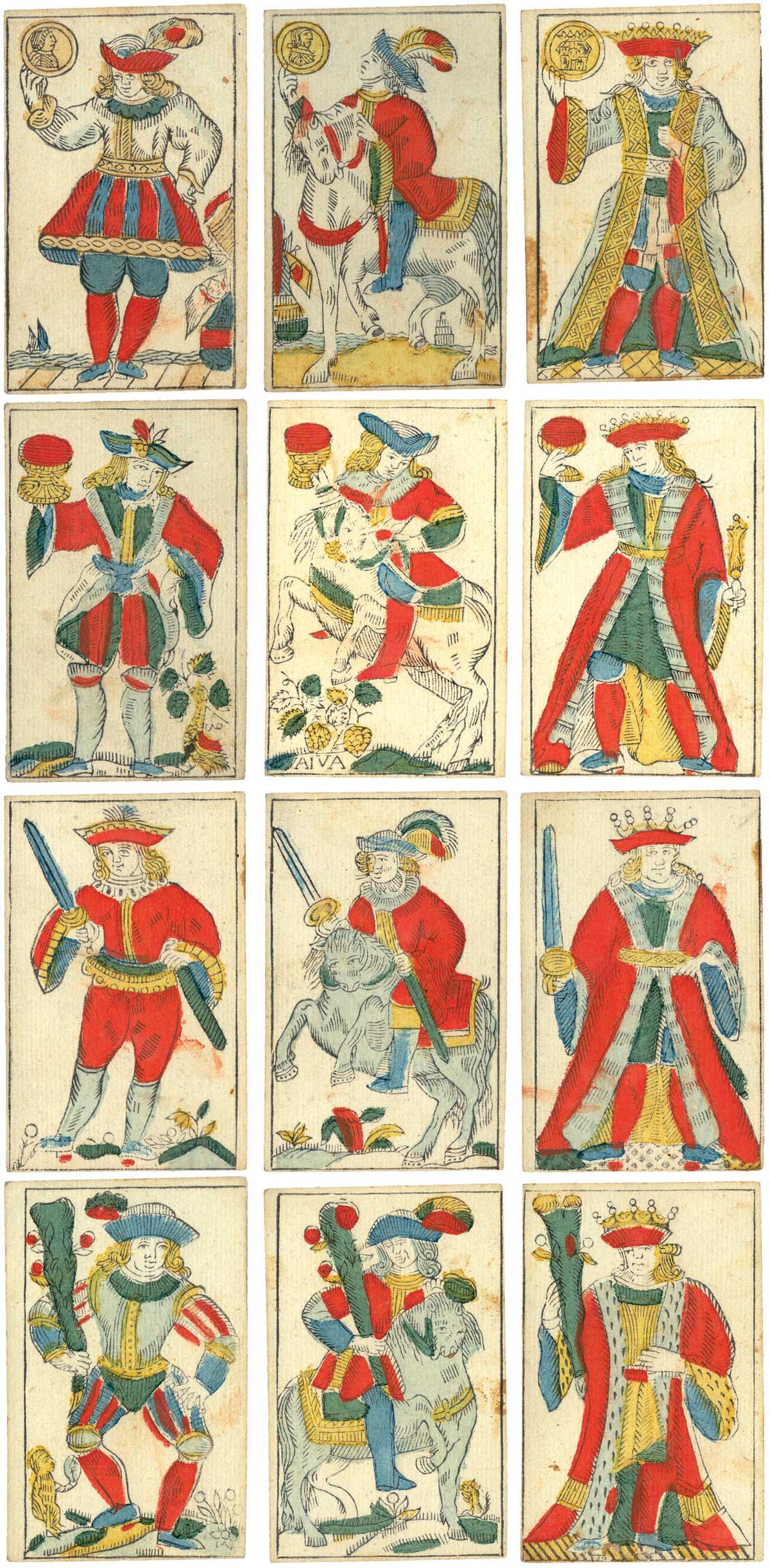
The design, as you see, varies between popular and more sophisticated models, but always within a “courtly” aesthetic, with pleasing details like the monkey, the elephant, and so on. Very likely this would be a courtesy gift from Solesio in return for the facilities and perks he had received from the Royal House.
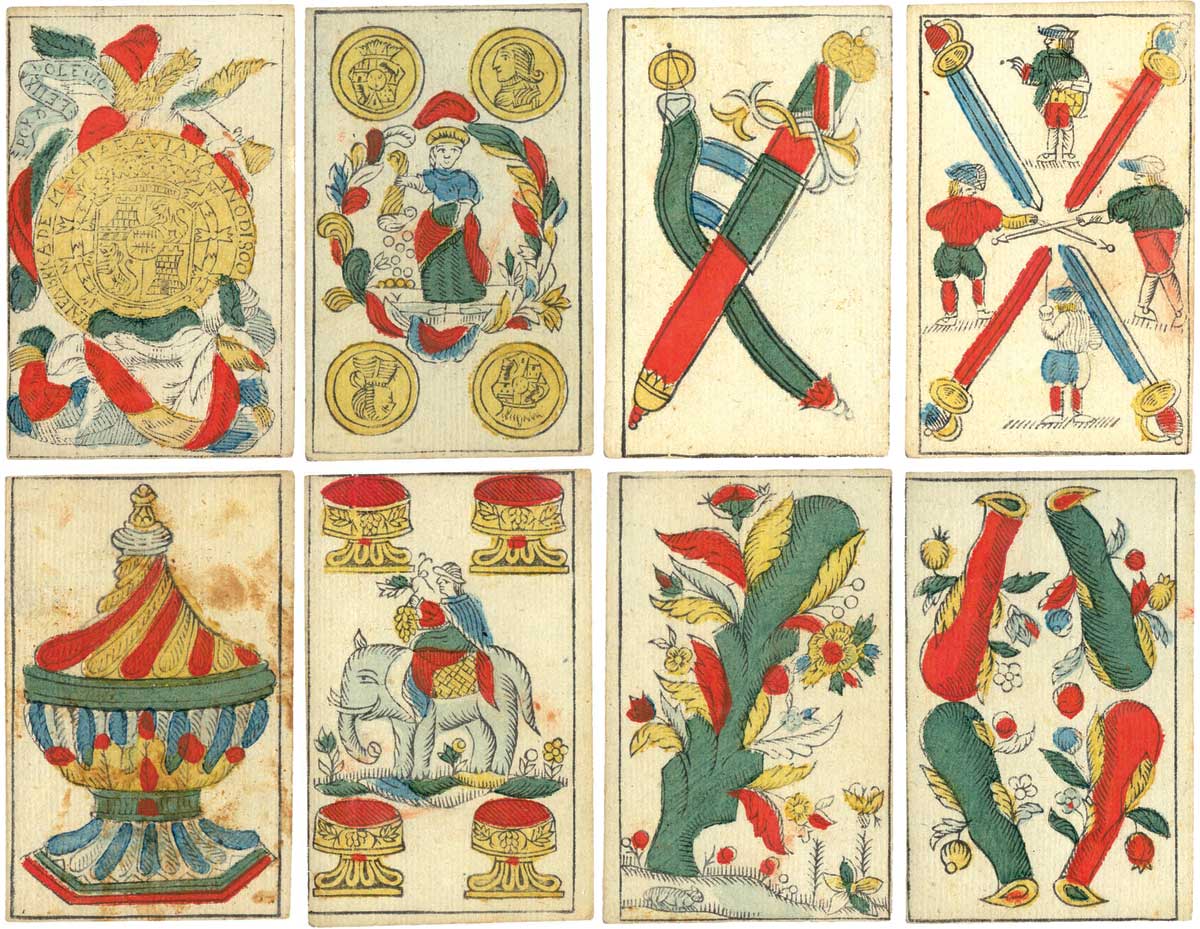
Above: “Baraja Carlos IV” fantasy deck by Félix Solesio, Real Fábrica de Macharaviaya, 1800.
Other known examples
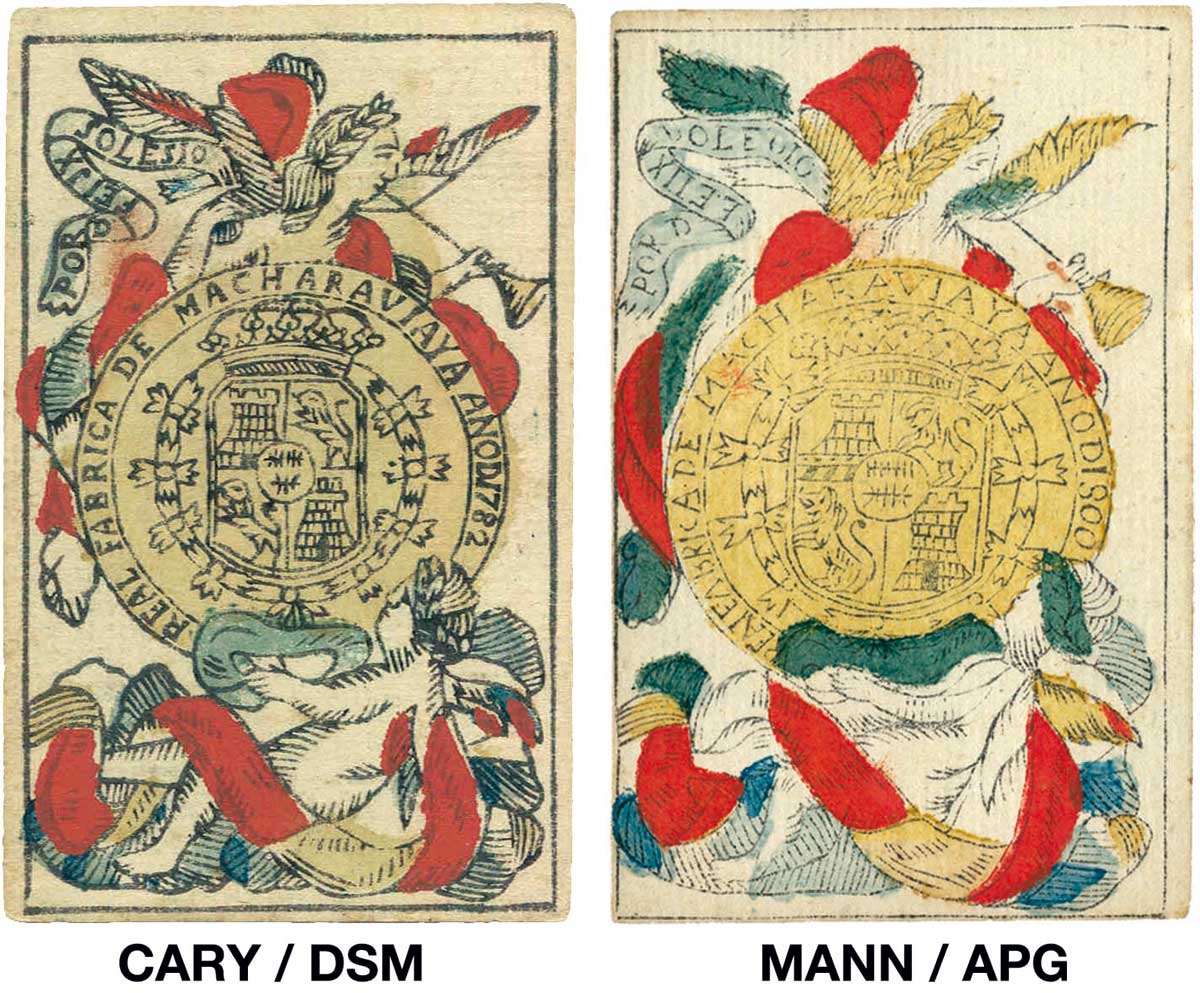
Above: three other copies are known: Cary Collection, SPA 52; Deutsches Spielkarten Museum, 1991-111; and one formerly owned by Sylvia Mann. In turn, there are two different models, with slight, but perceptible, design variations. The Cary example (reverse white) and the DSM deck (reverse floral, lacks two cards) have “pintas” (border breaks); dated 1782 on the ace of coins and 1800 on the two of coins. The Mann copy (reverse same as DSM) and AGP (reverse lines and dots) do not have “pintas”. Dates include 1800 on the ace and two of coins of Mann copy, and 1800 on the ace of coins and 1801 on the two of coins of AGP copy.
REFERENCES and CREDITS
Thanks to Alberto Pérez González for images and research. In 2006 Alberto Pérez published a limited reproduction of this deck, based on the DSM copy, for Maria Bellezza Bussi, descendant of Solesio.
Cary Collection (SPA 52).
By Alberto Pérez González
Spain • Member since December 21, 2016
I am a researcher and my primary interest lies in playing cards manufactured in Cádiz (not the 'Cádiz' type in general). I have authored several articles in the annual Asescoin magazine 'La Sota'. Among them are: “Madrid’s Playing Cards from the 17th to the 20th Century”; “New Contributions to the Study of Playing Cards in the Valencian Country”; “The Fouquets: 'Navarra pattern' in the Netherlands”; “Divided Playing Cards: Combining Ingenuity with Skill”; “Here Be Dragons: Speculations on the Evolution of the so-called 'Portuguese' Pattern”; “Playing Cards in Chile: News and Chronicles from the Viceroyalty Era”...
I have written and designed the book “Los Naipes de Cádiz” (296 pp). Additionally, I have contributed to the design, layout, and collaboration in Enrique García Martín’s book “Naipes, Arte y Fantasía” (444 pp).

Activity for Baraja Carlos IV by Félix Solesio, 1800
Sign in to comment or save this article.

Related Articles
The archaic “Classic Madrid” Pattern
Centralisation, standardisation and consolidation of the Spanish card tradition.
La baraja de Almagro
De la chimenea al monumento nacional: la baraja de Almagro y el renacer del corral de comedias.
Sevilla 1647 reproduction
Facsimile of Spanish-suited pack produced in Sevilla, Spain, 1647.
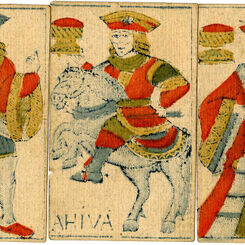
Félix Solesio e Hijos
Félix Solesio e Hijos, Fábrica de Macharaviaya, Spanish National pattern for West Indies, 1801.
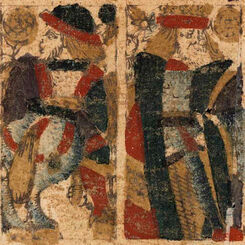
Toledo, 1584
Archaic Spanish-suited deck with 48 cards made in Toledo in 1584.
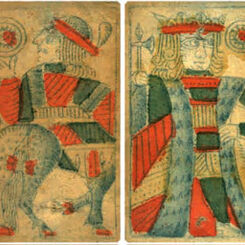
Pedro Varangot, 1786
Archaic Navarra pattern produced for the Pamplona General Hospital Monopoly by Pedro Varangot in 178...
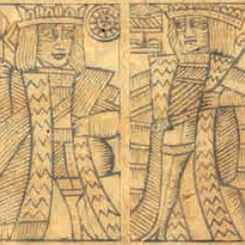
Navarra Pattern, 1682
Navarra pattern produced for the Pamplona General Hospital Monopoly in 1682.
Navarra Pattern
Navarra Pattern produced for the Pamplona General Hospital Monopoly.
Navarra Pattern, 1793
Navarra pattern by an unknown cardmaker with initials I. I., 1793.
Anonymous Spanish Suited pack, c.1760
Anonymous archaic Spanish suited pack, c.1760.
XV Century Catalan playing cards
XV Century Catalan Playing Cards, featuring four female Sotas, four Aces and four cards from the sui...
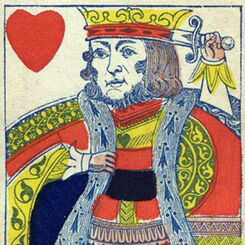
Suicide King
The King of Hearts, holding a sword behind his head, is sometimes nicknamed the “Suicide King”. He c...
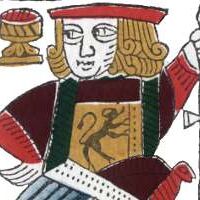
Navarra, XVII Century
Facsimile of 17th century Spanish-suited playing cards produced by Erregeak, Sormen S.A., Vitoria-Ga...
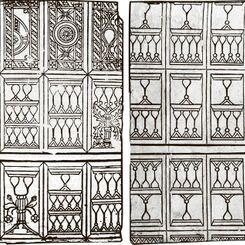
Moorish playing cards
These two uncoloured, uncut sheets of early Moorish playing cards were formerly preserved in the Ins...
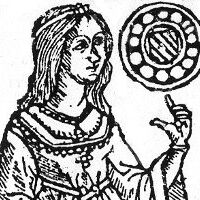
Gothic Spanish-suited cards
These cards may be a typical example of early 'standard' Spanish playing cards, maybe from before Co...
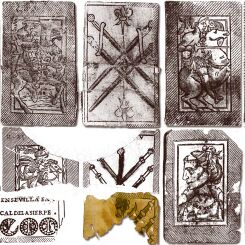
16th century cards discovered in Peru
Fragments of playing cards and 2 dice were unearthed in a 16th century rubbish tip adjacent to a Spa...
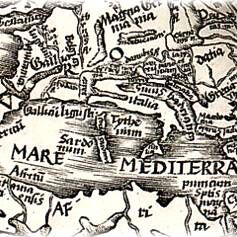
The History of Playing Cards
Playing cards appear in European records in the late 14th century, but their earlier history lies fu...
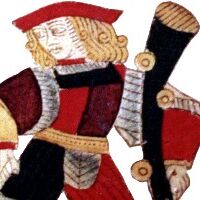
Spanish National Pattern
Probably originating in Spain in the seventeenth century or even earlier, this pattern became strong...
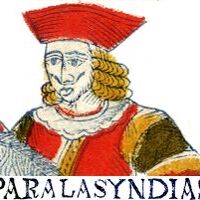
Real Fábrica de Macharaviaya
Production was controlled from Madrid as a source of national or regional revenue and, as a rule, th...
Baraja Morisca — Early XV century playing cards
Primitive Latin suited pack, dated by paper analysis as early XV century, which makes this one of th...
Most Popular
Our top articles from the past 60 days


