


Félix Solesio e Hijos
Félix Solesio e Hijos, Fábrica de Macharaviaya, Spanish National pattern for West Indies, 1801.
Since the late 18th century production of the Spanish National pattern was carried on under control of the Real Fábrica de Madrid monopoly, thereby prolonging its life as the orthodox design of the time. Another branch of the Royal Manufactory was set up in Macharaviaya (Málaga) to supply South and Central America, and the Madrid cardmaker Félix Solesio was put in charge. The inscription “Paralasyndias” can be read on the two of cups, showing that the pack was intended for Spain's West Indian colonies.
The ace of coins has the arms of Spain with two scrolls bearing the legend "Naipes Finisimos de la R. Fabrica de Macharaviaya por D. Felix Solesio". Other inscriptions on the cards include the 4 of coins which reads "Real Fabrica de Macharaviaya 1801" and the ace of cups reads "1801". From the mid-18th century the words Ahi Va, Ahivá or Aíva often appear at the bottom of the caballo of cups, as in this example. It means literally ‘there he [it] goes’ - colloquially a breezy exclamation of approval or encouragement.
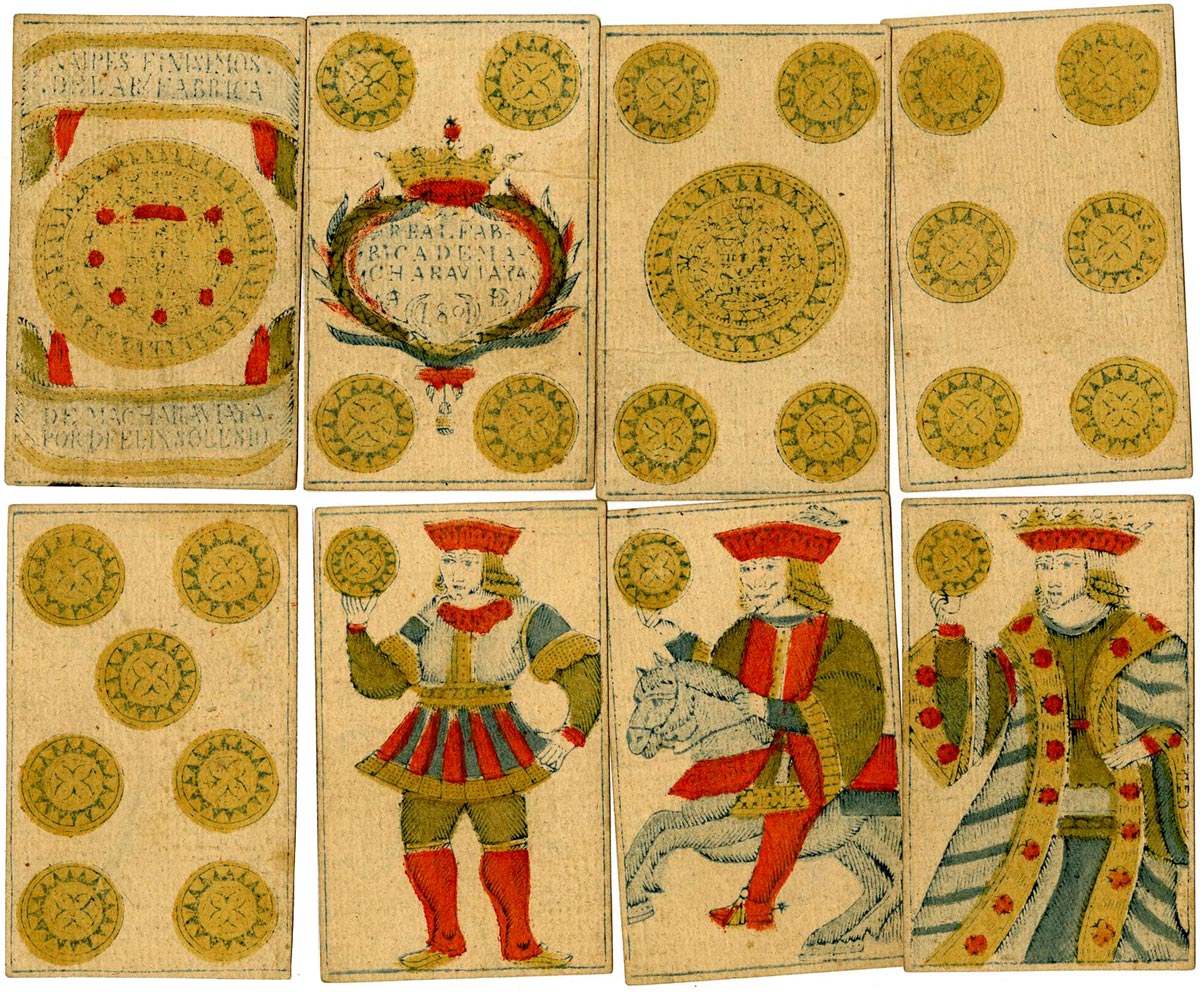
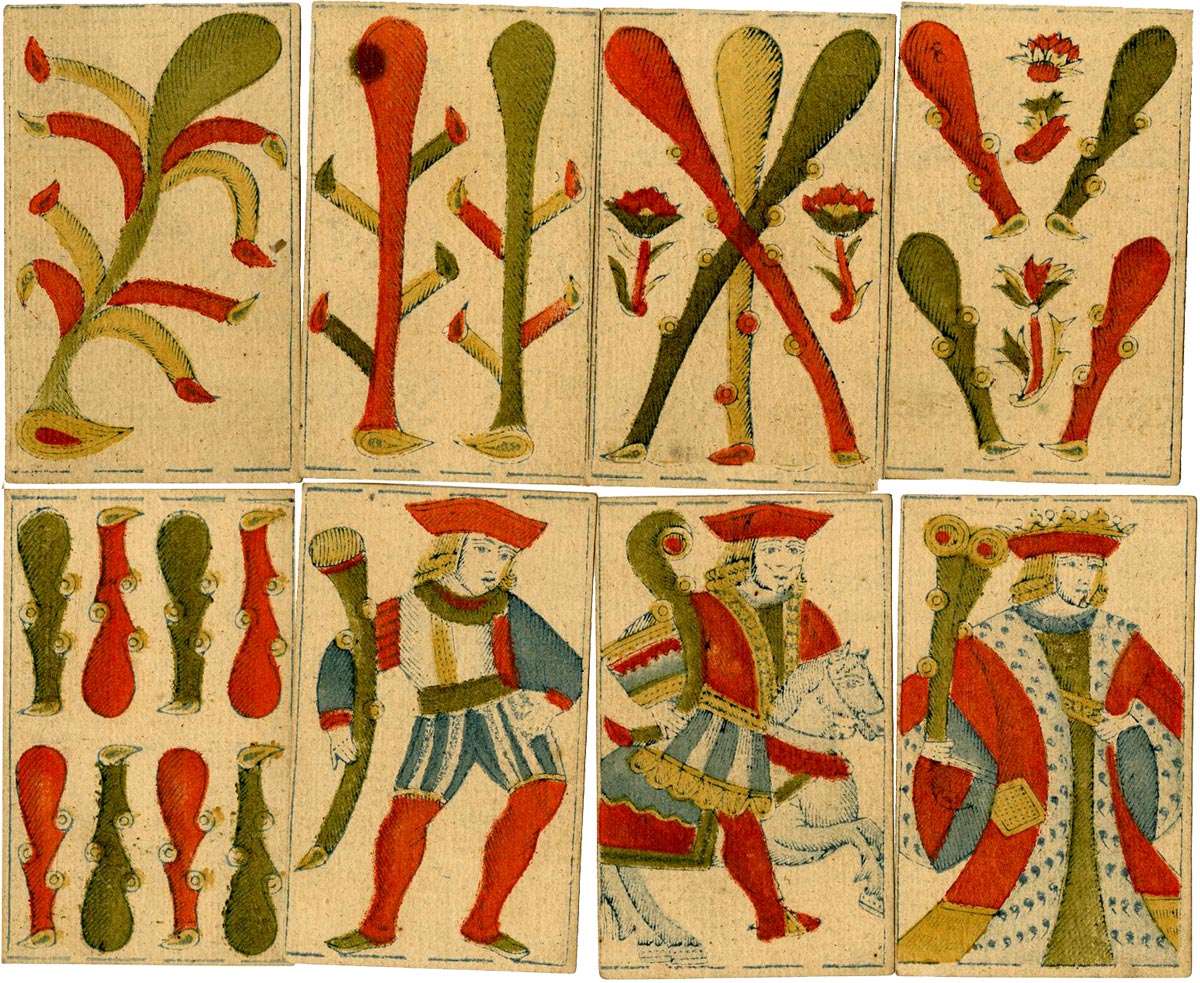
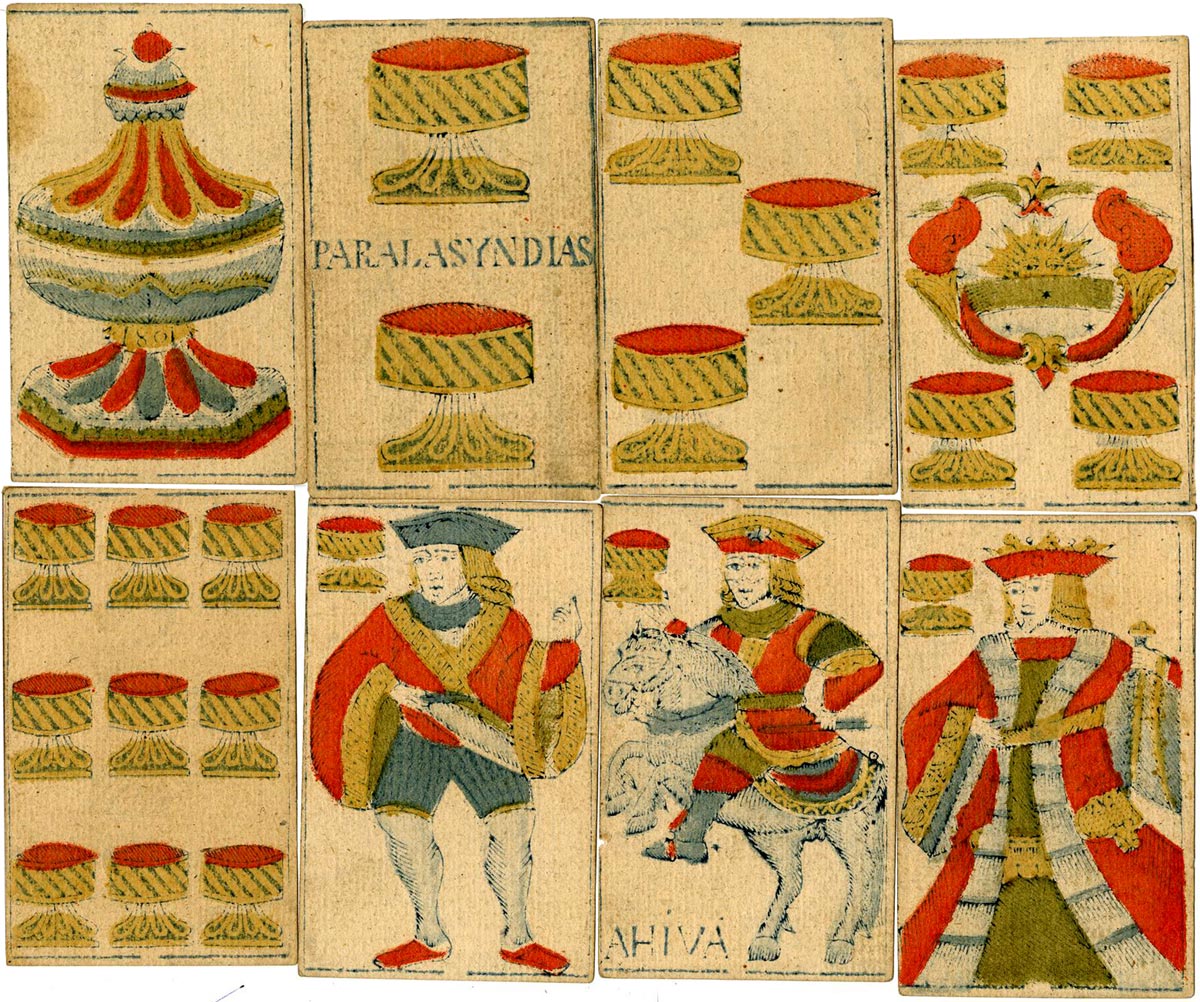
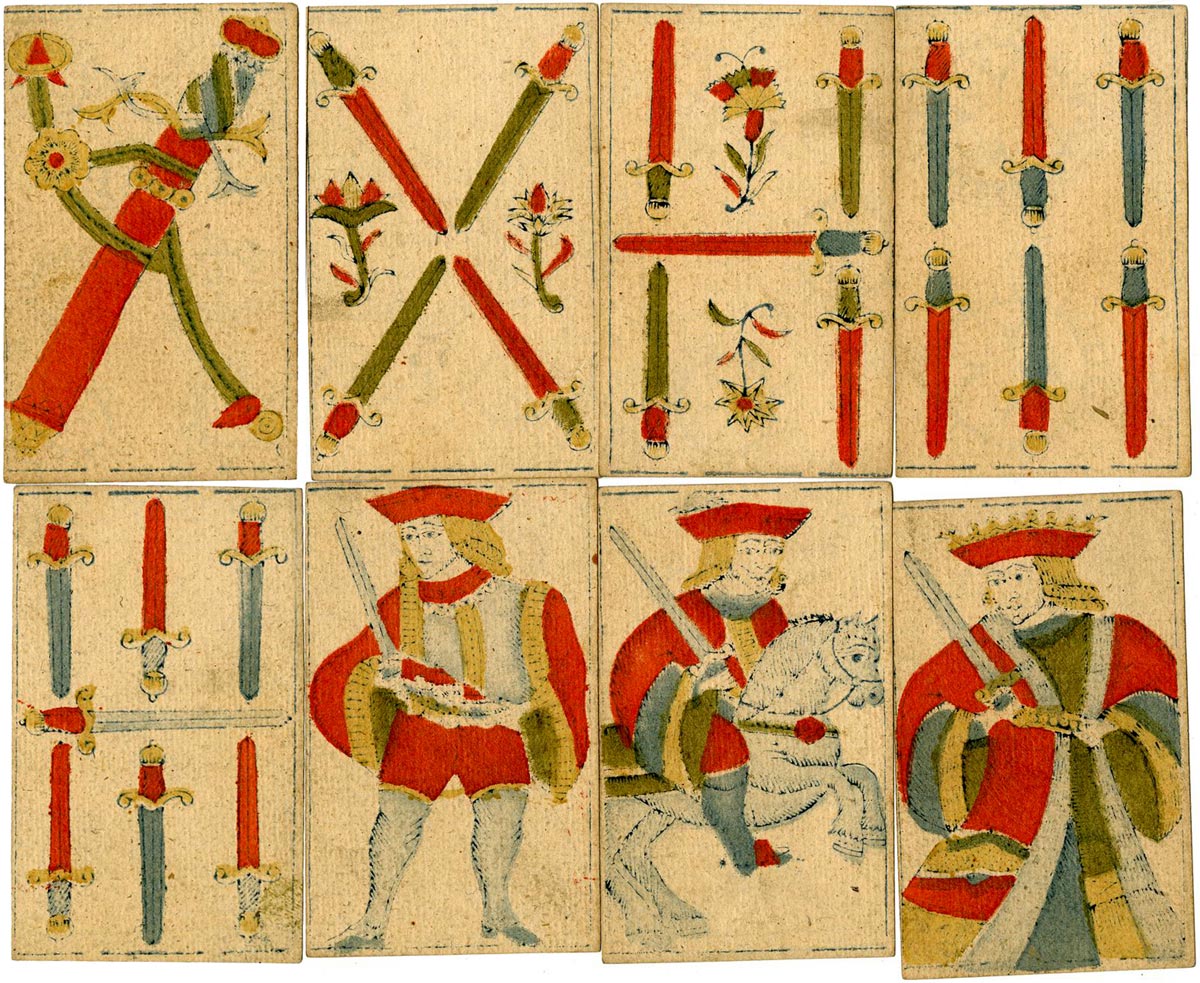
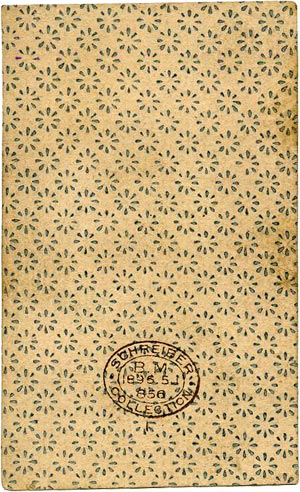
Above: Félix Solesio e Hijos, Fábrica de Macharaviaya, 1801. 48 cards, hand-coloured woodcuts. Backs printed in blue with a pattern of stars. © The Trustees of the British Museum • Museum number 1896,0501.856►
The Macharaviaya factory was built there becuase it was the birthplace of José de Gálvez, Minister of Carlos III of Indias, and Solesio was the administrator.
References
O’Donoghue, Freeman M: Catalogue of the collection of playing cards bequeathed by Lady Charlotte Schreiber, Trustees of the British Museum, London, 1901 (Spanish 23) [digital version here]
Denning, Trevor: The Playing-Cards of Spain, Cygnus Arts, London, 1996

By Simon Wintle
Spain • Member since February 01, 1996
I am the founder of The World of Playing Cards (est. 1996), a website dedicated to the history, artistry and cultural significance of playing cards and tarot. Over the years I have researched various areas of the subject, acquired and traded collections and contributed as a committee member of the IPCS and graphics editor of The Playing-Card journal. Having lived in Chile, England, Wales, and now Spain, these experiences have shaped my work and passion for playing cards. Amongst my achievements is producing a limited-edition replica of a 17th-century English pack using woodblocks and stencils—a labour of love. Today, the World of Playing Cards is a global collaborative project, with my son Adam serving as the technical driving force behind its development. His innovative efforts have helped shape the site into the thriving hub it is today. You are warmly invited to become a contributor and share your enthusiasm.

Activity for Félix Solesio e Hijos
Sign in to comment or save this article.

Related Articles
Archaic Spanish proof sheets
2 x uncoloured proof sheets of archaic Spanish-suited playing cards produced for “New Spain”, possib...
Peintres Latino Americains
Original artwork by 18 different Latin American artists.
Félix Solesio e Hijos
Félix Solesio e Hijos - Real Fábrica de Madrid - Spanish National pattern for Venezuela
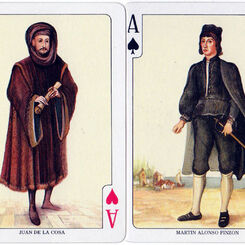
Christopher Columbus 5th Centenary playing cards
Fifth Centenary of the Discovery of America playing cards by published by Heraclio Fournier.
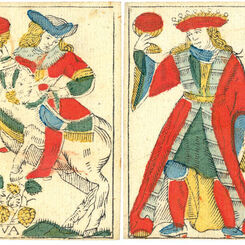
Baraja Carlos IV by Félix Solesio, 1800
Baraja Carlos IV, Félix Solesio en la Real Fábrica de Macharaviaya, 1800.
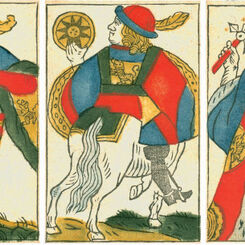
Anonymous Spanish Suited pack, c.1760
Anonymous archaic Spanish suited pack, c.1760.
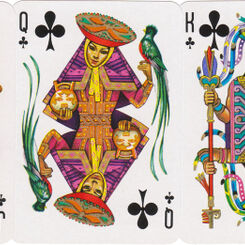
America
“America” playing cards designed by Teodoro N Miciano, 1960.
Baraja Hispanoamericana
“Baraja Hispanoamericana” published by Asescoin, with artwork by Ortuño, illustrates memorable peopl...
Fournier No. 55
Naipes Intransparentes de Una Hoja No.55 made by Hijos de Heraclio Fournier (Vitoria) for exportatio...
Silver Cards from Peru
Spanish-suited silver cards, richly embellished and enamelled, from a former Spanish Viceroy in Peru...
Paraguayan Playing Cards
Playing Cards in Paraguay
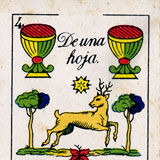
El Ciervo, c.1930
Sebastian Comas y Ricart - Hija de A. Comas “El Ciervo” Spanish Catalan pattern, c.1930.
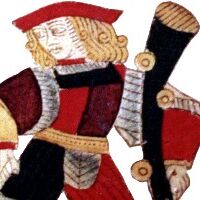
Spanish National Pattern
Probably originating in Spain in the seventeenth century or even earlier, this pattern became strong...
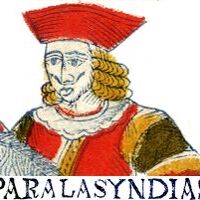
Real Fábrica de Macharaviaya
Production was controlled from Madrid as a source of national or regional revenue and, as a rule, th...
Most Popular
Our top articles from the past 60 days


