


Prussian Pattern
Derived from Jagdkarten or Hunting cards with patriotic overtones and rural scenes as vignettes on the numeral cards, the Prussian pattern emerged in the middle of the nineteenth century.
Prussian Pattern, later type

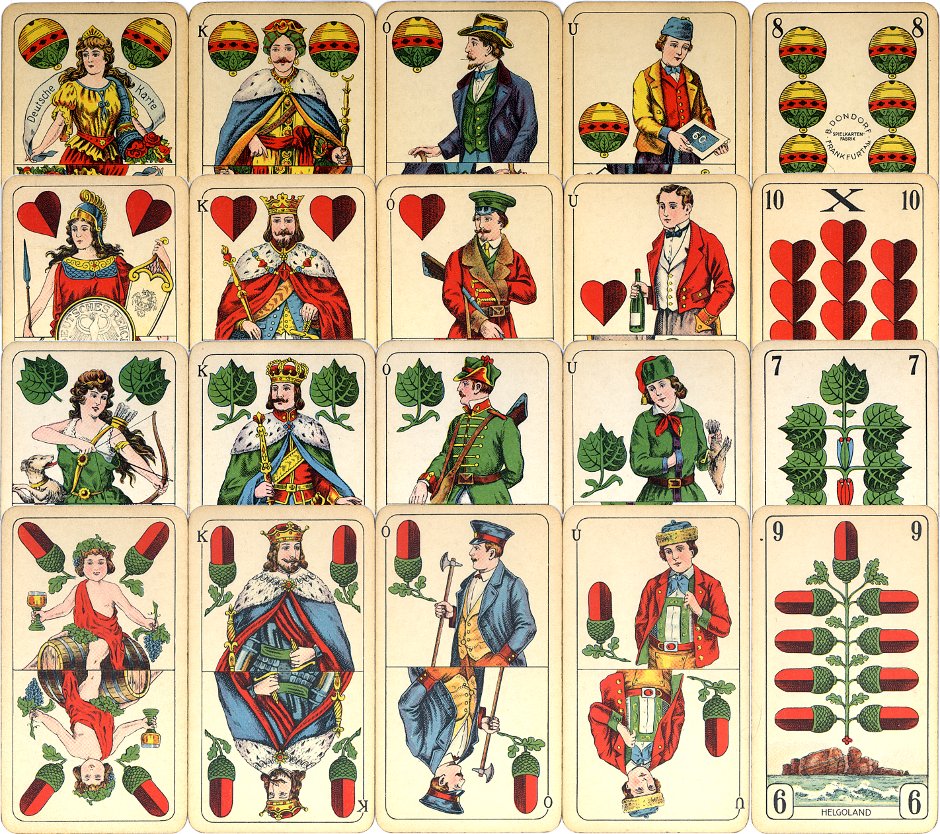
Derived from Jagdkarten or Hunting cards with patriotic overtones, the Prussian pattern coincided with the emergence of politically ambitious Prussia in the middle of the nineteenth century. The figures are largely drawn from the Prussian bourgeoisie with rural scenes as vignettes on the numeral cards. By around 1865 these previously single-figure packs had settled into a standard double-ended version which has had few variations since and embraces a more general theme in its illustration, the lower court cards portraying a more varied set of characters. At first the pattern showed a more or less constant set of vignettes on the numeral cards (known as "Genrebildchen") but possibly as a result of the increased facilities for travel, it later entered the souvenir market with the second type depicting views, usually of the surrounding area in which the cards were made.
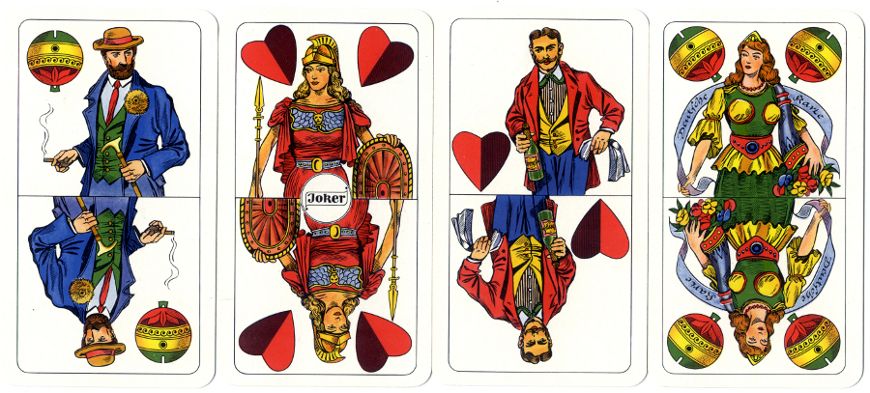
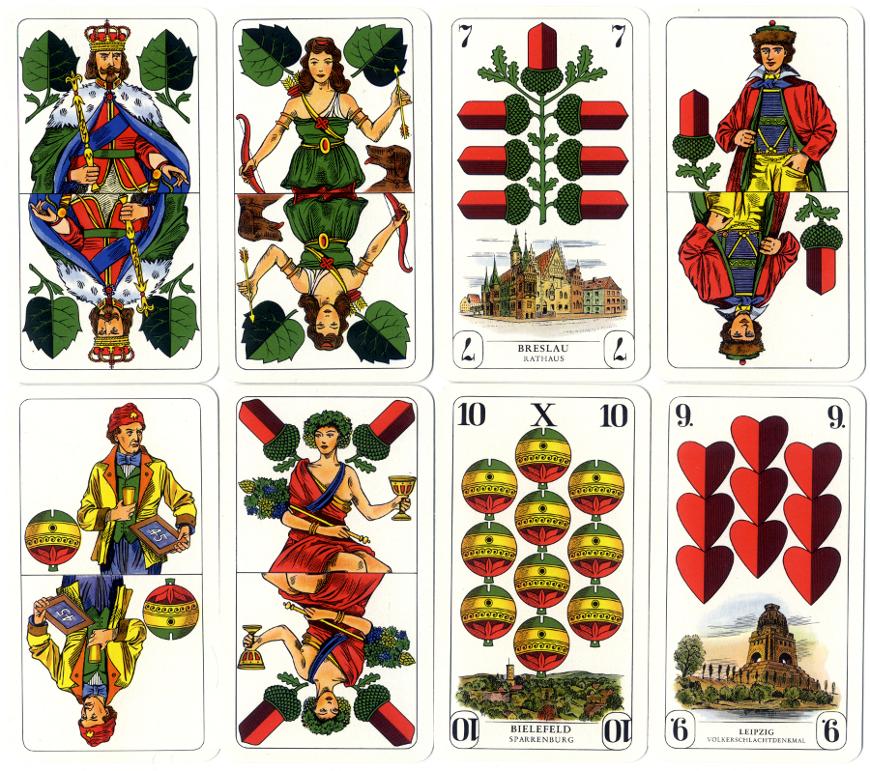
Above: cards from 32-card Prussian pattern deck manufactured by Bielefelder Spielkarten GmbH, 1970. Reverse: black criss-cross.
An edition of the Prussian pattern by B. Dondorf c.1930 can be seen here. The pack is still made and used and has also been made in Silesia and Cracow. The example shown below is from an antique deck made in Altenburg around 1895.
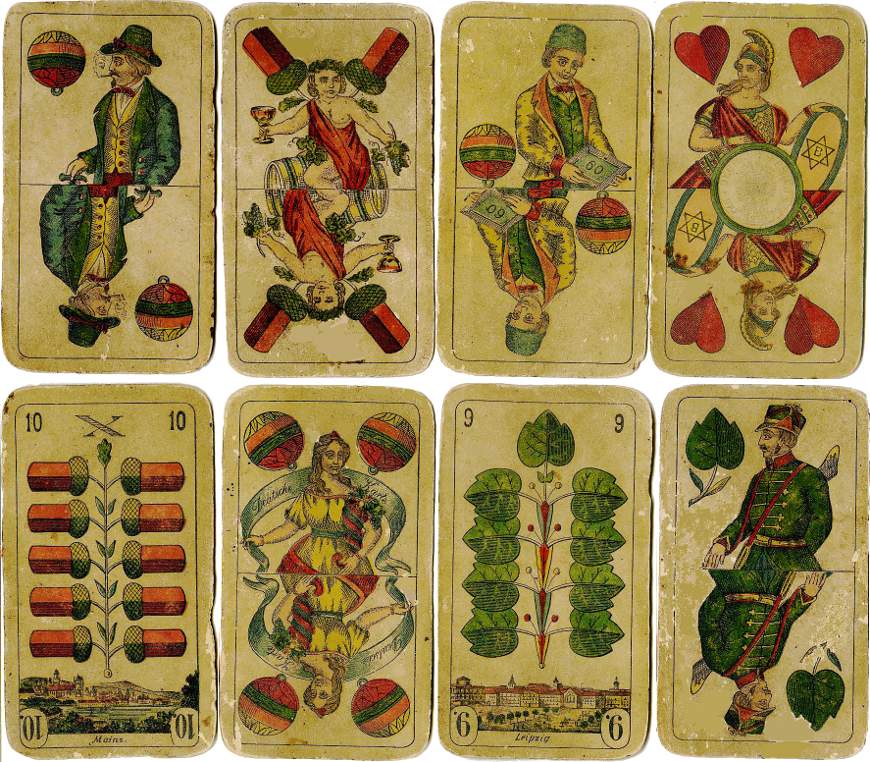
Above: cards from well-used deck made by "Altenburger Spielkartenfabrik Schneider & Co." in Altenburg about 1895 (because of the additional index numbers on the pip cards). Schneider & Co. was the successor of "Altenburger Spielkartenfabrik AG" which was the successor of Gebrüder Bechstein - hence the "B" in the star. Possibly as a result of the increased facilities for travel, the Prussian II pattern emerged with unchanged court figures but with views of cities and landscapes as vignettes on the numeral cards, often reflecting scenes to be found in the area of the maker. Image courtesy Harold Langen.
See also: Souvenir Playing Cards • Germany Homepage • Geistliche Karten, Augsburg, 1718 • Johann Jobst Forster • Joseph Losch, c.1800 • Joh. Matheus Backofen, c.1800 • ‘Victory Deck’, c.1815 • Anti-Napoleon Deck, c.1815 • Bergmannskarte, c.1816 • Schiller Deck, C.L. Wüst, c.1830 • Verkehrte Welt Tarock, c.1850 • Johann Jegel's Historical Deck, c.1850 • Narren-Karte by C. H. Reuter, c.1860 • Dondorf Tarot Microscopique, c.1870 • Wüst Swiss Album Patience • C.L. Wüst: Brazil Scenic Aces • Mlle Lenormand Cartomancy Cards • Historic Boston Souvenir Playing Cards • New Zealand Pictorial Playing Cards • Panama Canal Souvenir Playing Cards • Spanish Republic Souvenir • Swiss Scenic Aces Souvenir Playing Cards • Swiss Album Patience • Souvenir packs for King Christian of Denmark • Vistas del Perú Souvenir Playing Cards

By Simon Wintle
Spain • Member since February 01, 1996
I am the founder of The World of Playing Cards (est. 1996), a website dedicated to the history, artistry and cultural significance of playing cards and tarot. Over the years I have researched various areas of the subject, acquired and traded collections and contributed as a committee member of the IPCS and graphics editor of The Playing-Card journal. Having lived in Chile, England, Wales, and now Spain, these experiences have shaped my work and passion for playing cards. Amongst my achievements is producing a limited-edition replica of a 17th-century English pack using woodblocks and stencils—a labour of love. Today, the World of Playing Cards is a global collaborative project, with my son Adam serving as the technical driving force behind its development. His innovative efforts have helped shape the site into the thriving hub it is today. You are warmly invited to become a contributor and share your enthusiasm.

Activity for Prussian Pattern
Sign in to comment or save this article.

Related Articles
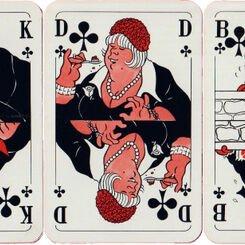
Der Abend
Caricatural designs by Aribert Nesslinger for the Berlin newspaper Der Abend.
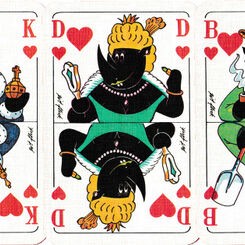
Mit Rhino auftrumpfen
Black rhinos on a publicity pack for Armstrong, a flooring company, with comic designs by Pit Flick....
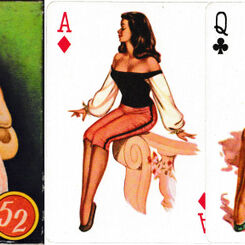
Beauty
Pin-up pack closely resembling the more famous one called “Darling”.
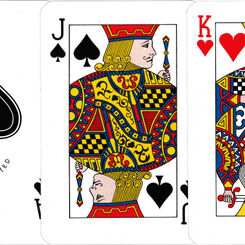
English pattern by Bielefelder Spielkarten
Standard designs by Bielefelder Spielkarten GmbH, Bielefeld, Germany, c1966.
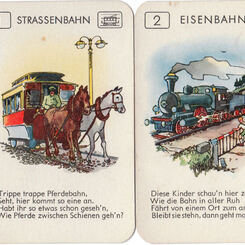
Verkehrsmittel Einst und Jetzt
“Verkehrsmittel Einst und Jetzt” transport quartet game by Bielefelder Spielkarten Fabrik GmbH, 1949...
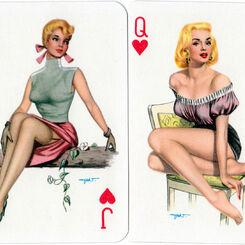
Darling
Darling pin-up playing cards designed by Heinz Villiger.
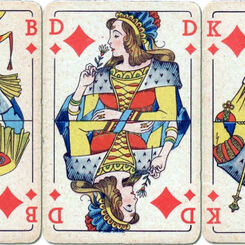
Gundlach Skat No.100
Skat No.100 by E. Gundlach, Bielefeld, 1949.
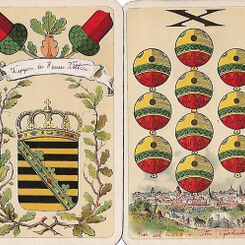
Leipzig Exhibition Skat, 1897
“Leipziger Skat-Karte” depicting scenes from the Leipzig Industry and Trade Exhibition designed by A...
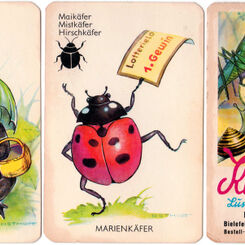
Kleine Tierwelt
“Kleine Tierwelt” wildlife quartet game designed by Heinz Osthoff, published by Bielefelder Spielkar...
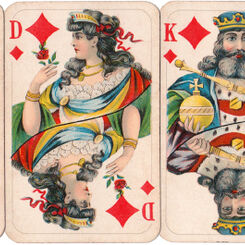
Hansa-Karte
Bechstein design reprinted by Vereinigte Stralsunder Spielkartenfabriken AG former Schneider & Co., ...

Fussball Quartett
Fussball Quartett by Bielefelder Spielkarten GmbH, c.1950.
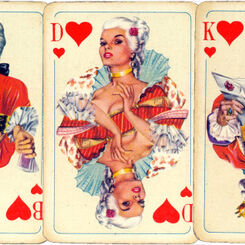
Comtesse
“Comtesse” by Bielefelder Spielkarten Fabrik GmbH, 1961.
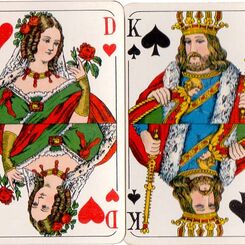
North German Pattern
The North German pattern appeared in the mid-19th century, derived from the French ‘Paris’ pattern. ...
Wilhelm Busch (1832-1908)
Wilhelm Busch was a German caricaturist and humourist. Many card games made in Germany use his chara...
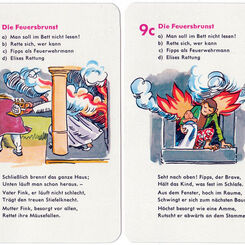
Fipps der Affe
“Fipps der Affe“ (Fipps the Ape) quartet game with cartoons by Wilhelm Busch published by Bielefelde...
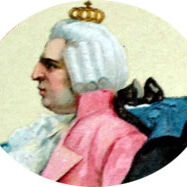
Otto Tragy Jugendstil Spielkarten
Special Jugendstil playing cards designed by Otto Tragy and first published by Altenburger Spielkart...
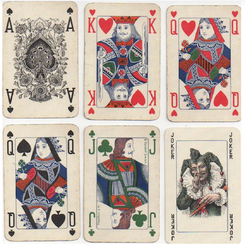
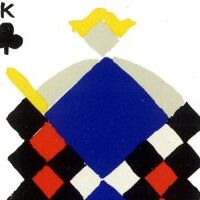
Simultané
Simple geometric forms with an inner life and poetry emanating from the richness of colour, the musi...
Most Popular
Our top articles from the past 60 days


James Liles
18 October 2023, 05:23I'm looking for someone to help identify my great great grandma tarot card I got them through my grandpa and his family are hungering I just looking to get info on these cards so I know some things about my grandpa family
Stephen Scharber
16 March 2026, 19:08SavedSaved this article to Stephen Scharber's Collection