

Gothic Spanish-suited cards
These cards may be a typical example of early 'standard' Spanish playing cards, maybe from before Columbus sailed for the 'New World' which were imitated by German engravers who wished to export their wares back to Spain.
Gothic Spanish-suited cards, 15th century
Gothic Spanish-suited cards discovered in the cover of a book published in 1519; uncut sheet showing 15 cards. Some time may have elapsed between the rejection of the sheet by the playing-card printer, its being made into board and the board finally being drawn from stock for use by the bookbinder.
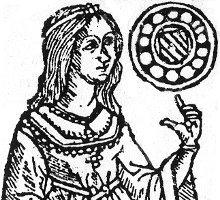
The style and costume of the figures places it between 1460 and 1470. All the ‘sotas’ are female, standing three-quarter profile, upholding their suit symbols. The clubs are hefty tree branches - not slender rods as in Italian cards. The numeral cards have been decorated by the addition of extra motifs which are not essential to the design, i.e. cavorting putti, and in this and other respects they are related in design to the pack by the Oberdeutscher Stecher, engraved in the 1490s, and also the uncut sheet by the Master of the Banderoles, engraved in the third quarter of the fifteenth century, and which also feature naked children deporting themselves. The coins all feature the shield of Aragon.
These early Spanish playing cards, maybe from before Columbus sailed for the New World, contain female maids, or ‘sotas’, which are seen in other early Catalan cards as well as Portuguese cards.
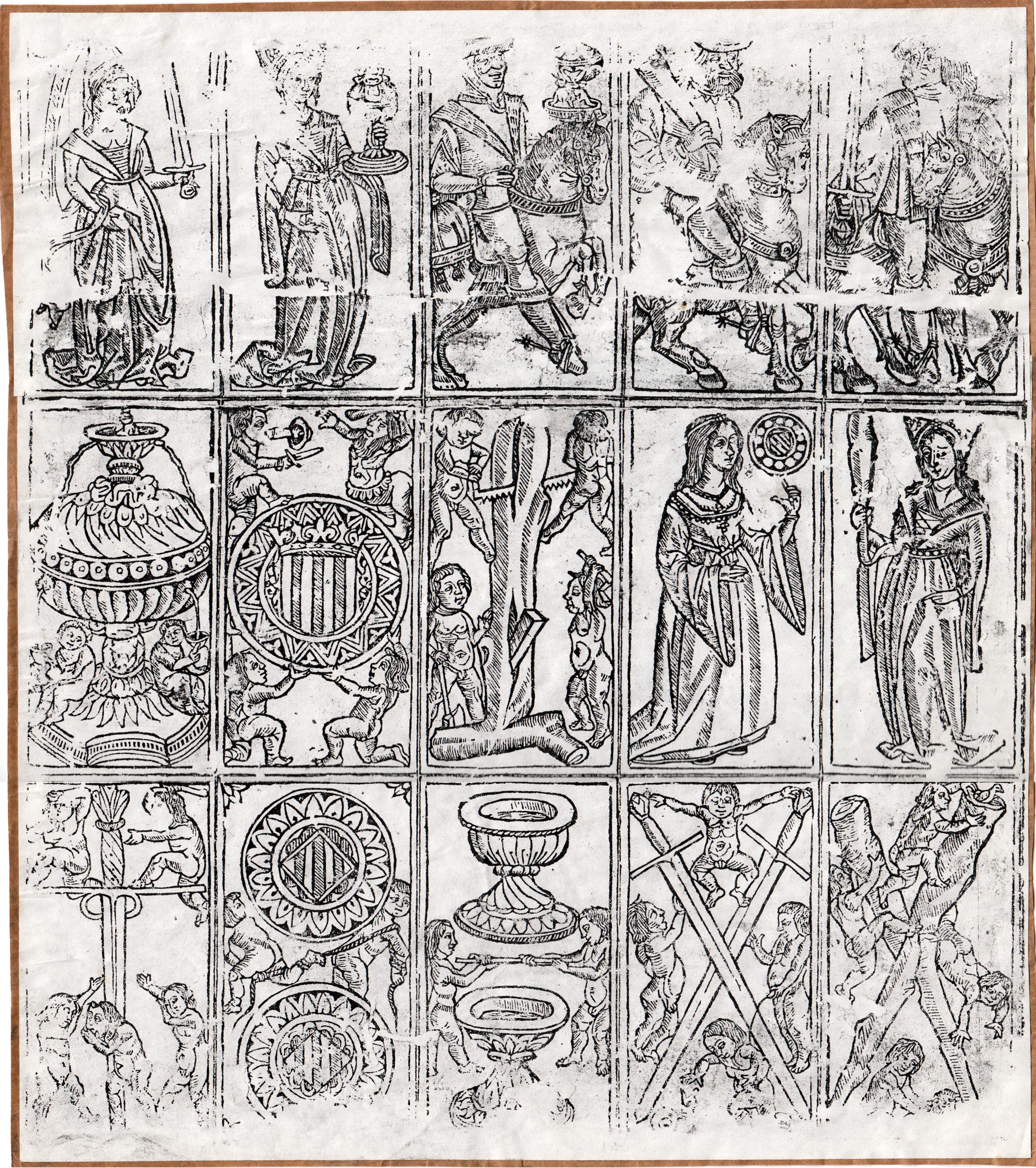
Above: uncut sheet showing fifteen playing cards, 15th century. Discovered in the cover of a Catalan manuscript of 1519 (discovered by Enrique Claudio Girbal). Museu Nacional d'Art de Catalunya (Barcelona). Size of original: 263 x 296 mm.
Looking at the layout of the cards on the sheet, we note that the woodblock had five cards in each row, and that a missing row at the top might have contained the four kings and a cavalier. If this was the case, then it is still unclear whether the complete pack might have contained 48 cards, 52 cards or some other number.
See also: Spanish Playing Cards • Phelippe Ayet • Baraja Morisca • History of Playing Cards • Master of the Banderoles • Seville 17th Century • Spanish National Pattern • The Money Bag pattern • Pedro Bosio • Rotxotxo Inventories • Navarra XVII Century • Quercia y Possi • Gandarillas • Naipes Artiguistas • Macharaviaya • Francisco Flores • 16th Century 'Rimac' Cards • Joan Barbot • Spanish-suited playing cards made in Germany.

By Simon Wintle
Spain • Member since February 01, 1996 • Contact
I am the founder of The World of Playing Cards (est. 1996), a website dedicated to the history, artistry and cultural significance of playing cards and tarot. Over the years I have researched various areas of the subject, acquired and traded collections and contributed as a committee member of the IPCS and graphics editor of The Playing-Card journal. Having lived in Chile, England, Wales, and now Spain, these experiences have shaped my work and passion for playing cards. Amongst my achievements is producing a limited-edition replica of a 17th-century English pack using woodblocks and stencils—a labour of love. Today, the World of Playing Cards is a global collaborative project, with my son Adam serving as the technical driving force behind its development. His innovative efforts have helped shape the site into the thriving hub it is today. You are warmly invited to become a contributor and share your enthusiasm.

Leave a Reply

Your Name
Just now Your comment here. Your comment here. Your comment here. Your comment here. Your comment here. Your comment here. Your comment here. Your comment here. Your comment here. Your comment here. Your comment here. Your comment here. Your comment here. Your comment here. Your comment here. Your comment here. Your comment here. Your comment here. Your comment here. Your comment here. Your comment here. Your comment here. Your comment here. Your comment here. Your comment here. Your comment here. Your comment here. Your comment here. Your comment here. Your comment here. Your comment here. Your comment here.
Related Articles
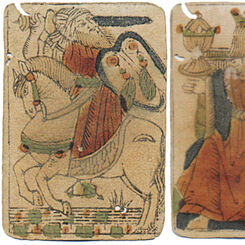
XV Century Spanish-suited playing cards
XV Century Spanish-suited playing cards with moorish influences
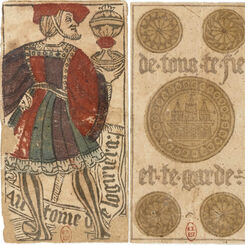
Antoine de Logiriera
Archaic Spanish-suited playing cards published in Toulouse by Antoine de Logiriera (1495-1518).
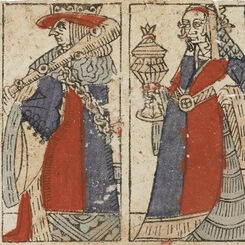
J. Deluy c.1490s
Archaic Spanish-suited cards produced by J. Deluy c.1490s.
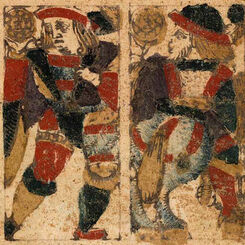
Toledo, 1584
Archaic Spanish-suited deck with 48 cards made in Toledo in 1584.
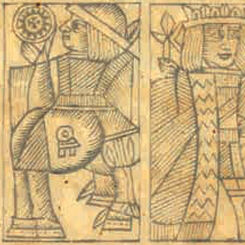
Navarra Pattern, 1682
Navarra pattern produced for the Pamplona General Hospital Monopoly in 1682.
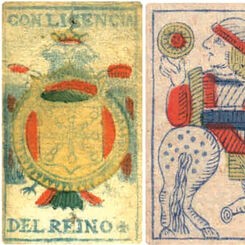
Navarra Pattern
Navarra Pattern produced for the Pamplona General Hospital Monopoly.
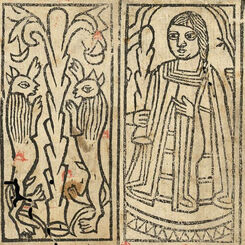
XV Century Catalan playing cards
XV Century Catalan Playing Cards, featuring four female Sotas, four Aces and four cards from the sui...
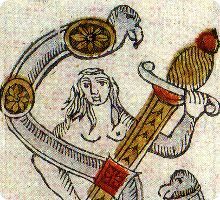
Joan Barbot
Joan Barbot, San Sebastian c.1765-1810.

Navarra, XVII Century
Facsimile of 17th century Spanish-suited playing cards produced by Erregeak, Sormen S.A., Vitoria-Ga...
Sanmartí, 1840
Sanmartí, 1840.
Moorish playing cards
These two uncoloured, uncut sheets of early Moorish playing cards were formerly preserved in the Ins...
Francisco Flores
Playing cards in this style have been discovered in various parts of the world, suggesting that they...
Spanish Playing Cards ~ La Baraja Española
Spain has played a pivotal role in the history of playing cards in Europe and Latin America.
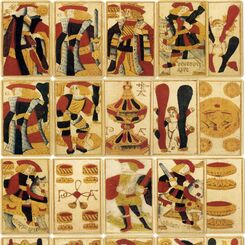
Phelippe Ayet, c.1574
Archaic, late medieval Spanish-suited playing cards printed by Phelippe Ayet, c.1574.
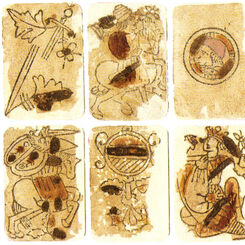
Baraja Morisca — Early XV century playing cards
Primitive Latin suited pack, dated by paper analysis as early XV century, which makes this one of th...
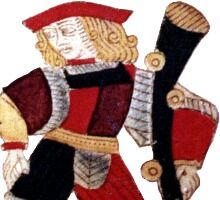
Spanish National Pattern
Probably originating in Spain in the seventeenth century or even earlier, this pattern became strong...

Hand-made Spanish Suited Playing Cards
Decks are made on two-ply pasteboard which reproduces the tactile quality of antique cards.
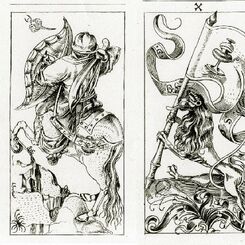
South German Engraver
A pack of 52 cards with banner 10s, female 'Sotas', horsemen and kings, the pack was engraved in the...
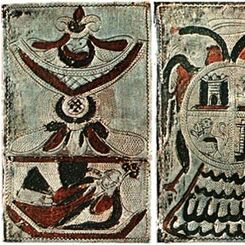
Silver Cards from Peru
Spanish-suited silver cards, richly embellished and enamelled, from a former Spanish Viceroy in Peru...
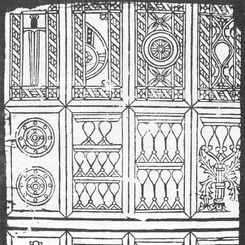
A Moorish Sheet of Playing Cards
This article was originally published in “The Playing-Card”, the Journal of the International Playin...
Most Popular
Our top articles from the past 60 days


