Pierre l’Ebouriffé
Heinrich Hoffmann (1809-1894) wrote the Struwwelpeter stories in 1847 for his son Carl. The stories quickly became famous and were translated into many languages...
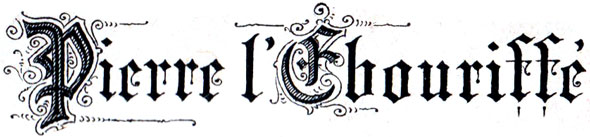
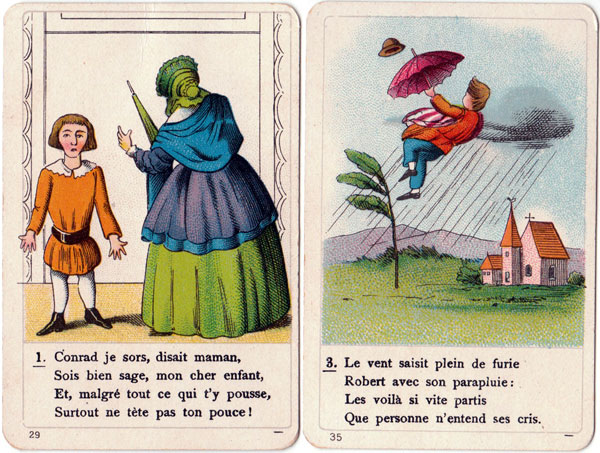
Dondorf No.314 Pierre l’Ebouriffé - Jeu de Cartes
Alongside their magnificent range of luxury playing cards, Dondorf also produced a varied range of games for children. This example based on the “Der Struwwelpeter” stories first published in 1847 was evidently made for export to Holland, Belgium and France as it is accompanied by bi-lingual instructions. It was published in UK by A.N. Myers in c.1890. The game contains 9 sets of four cards numbered consecutively. Each set is like a comic strip with a moral lesson, telling a story about a naughty child who gets into trouble for such things as disobeying their parents, bad table manners, harming animals or making fun of foreigners.
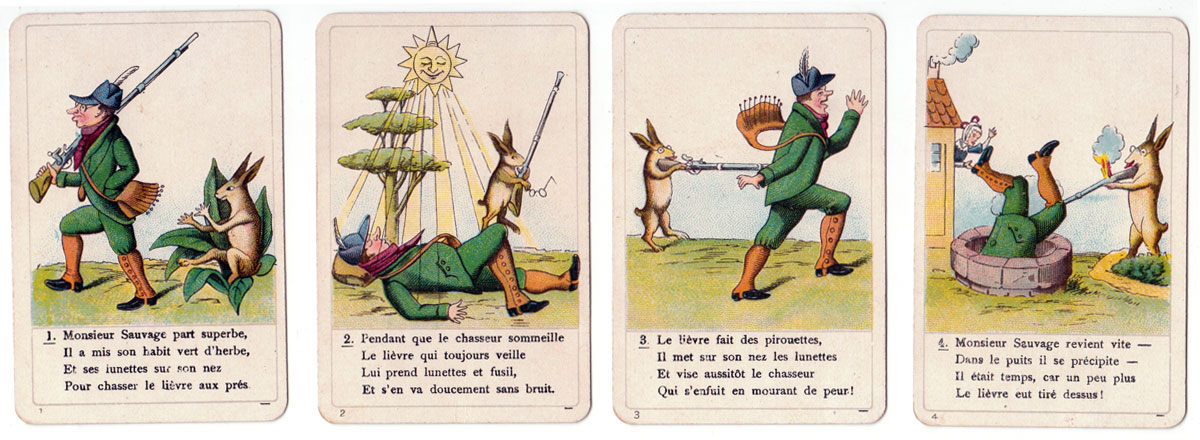
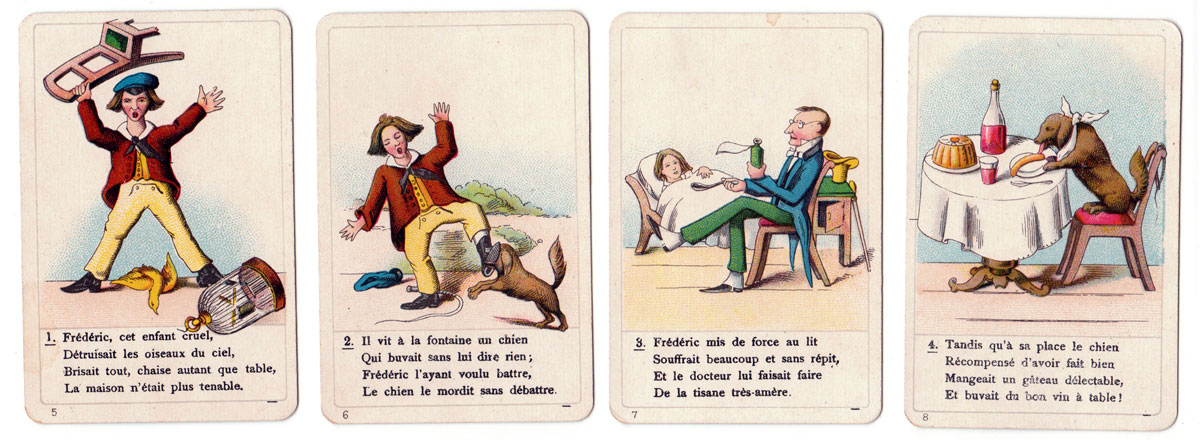
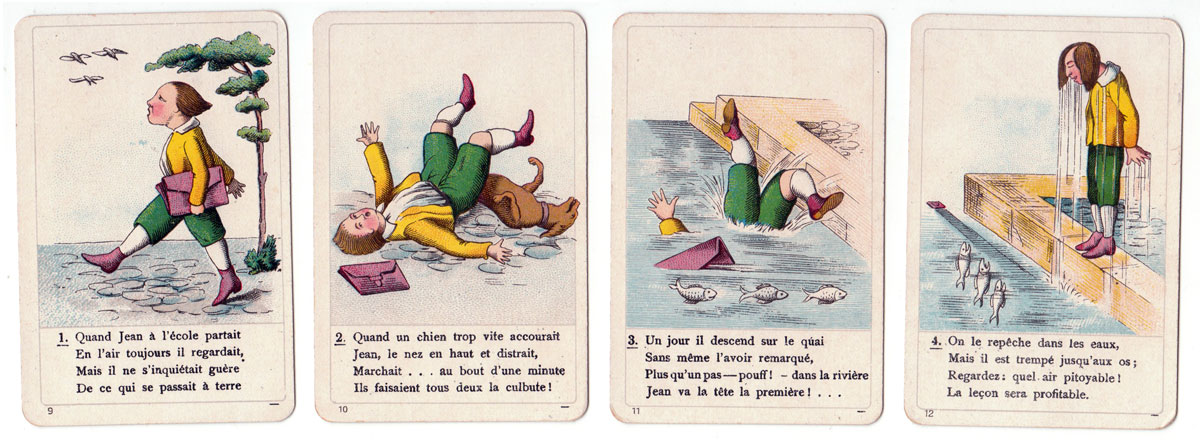
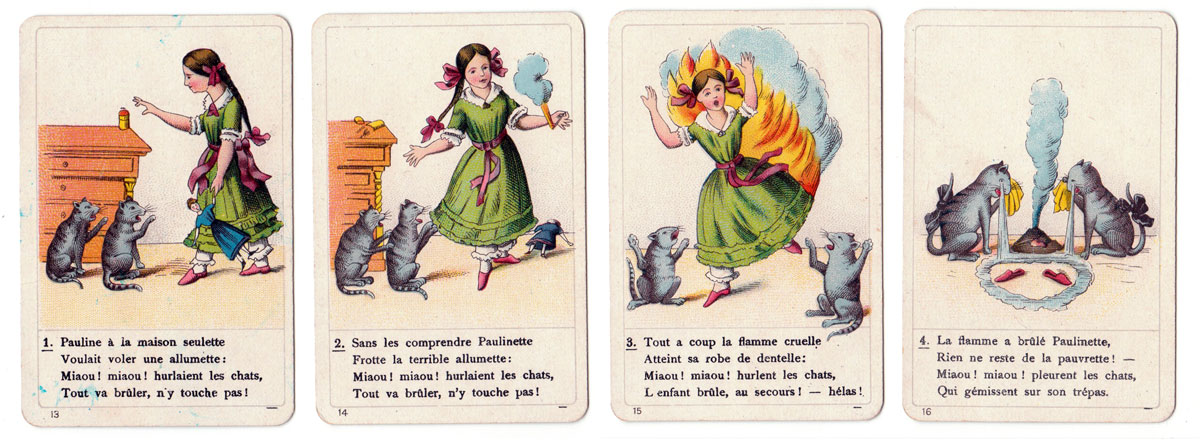
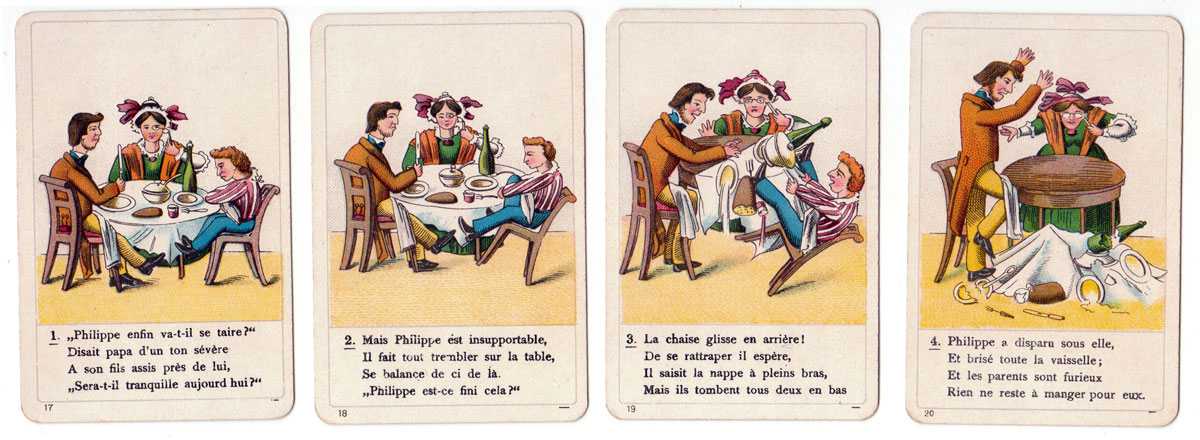
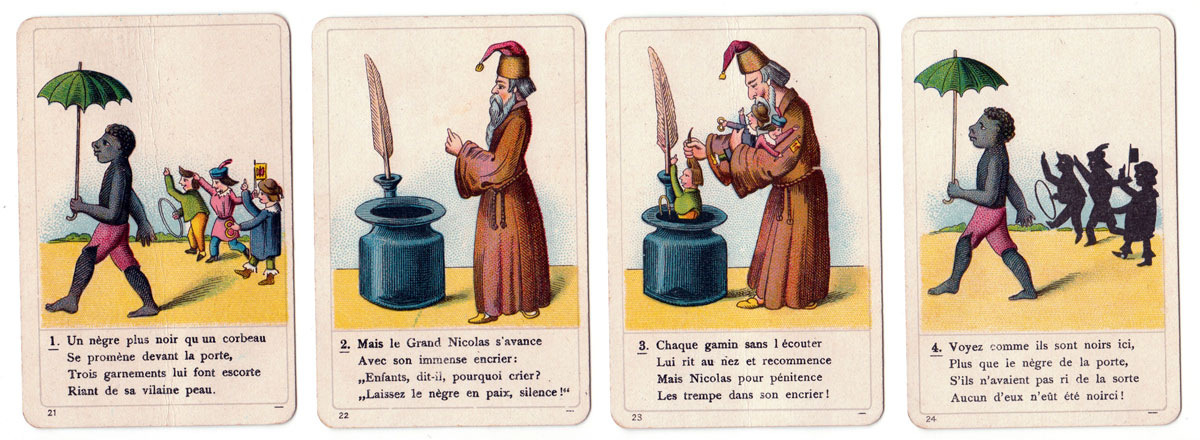
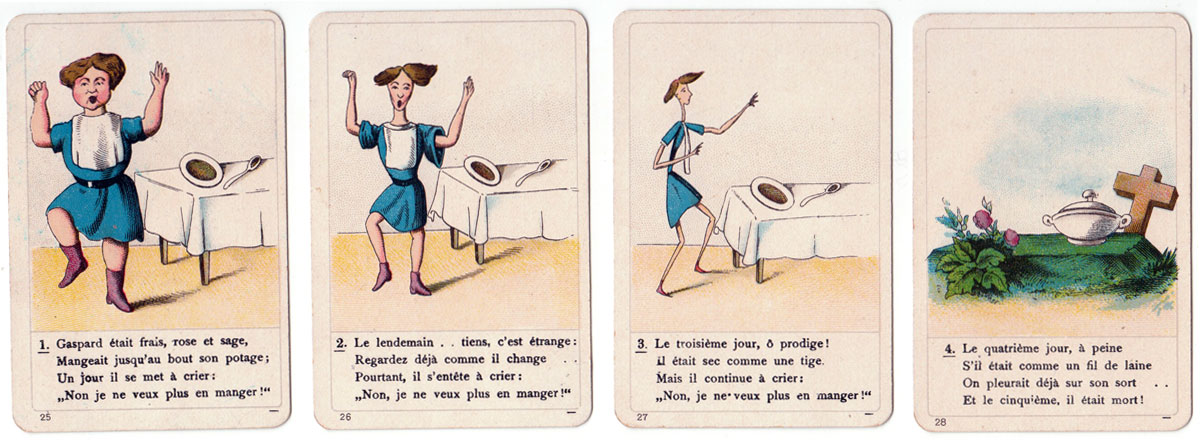
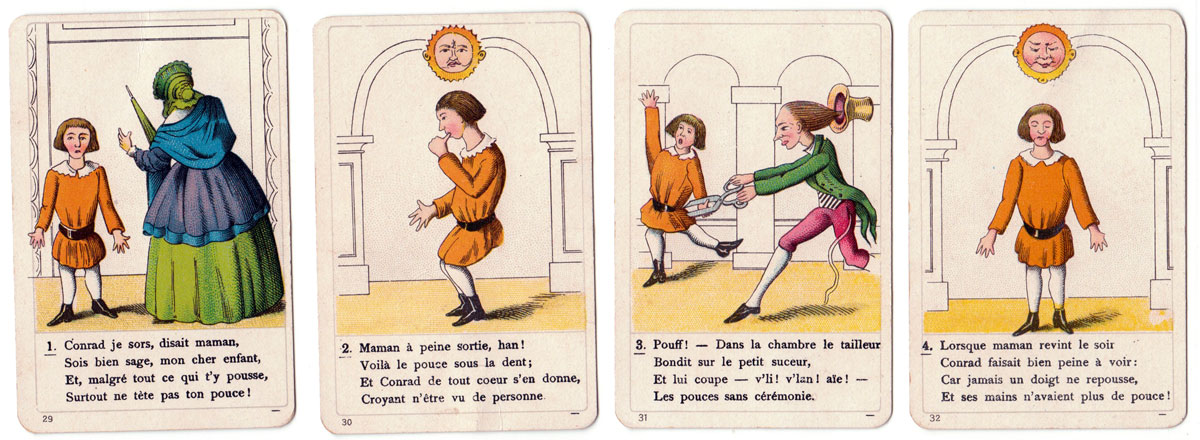
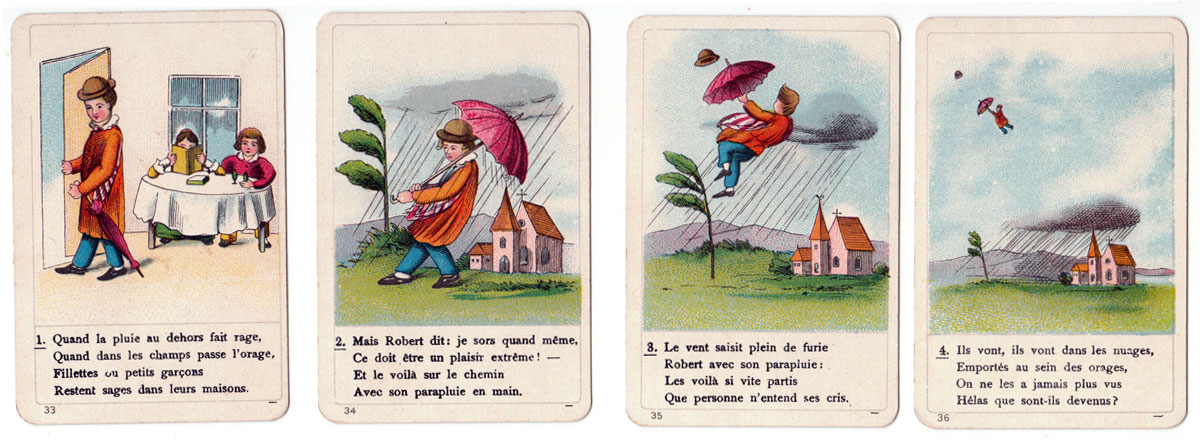
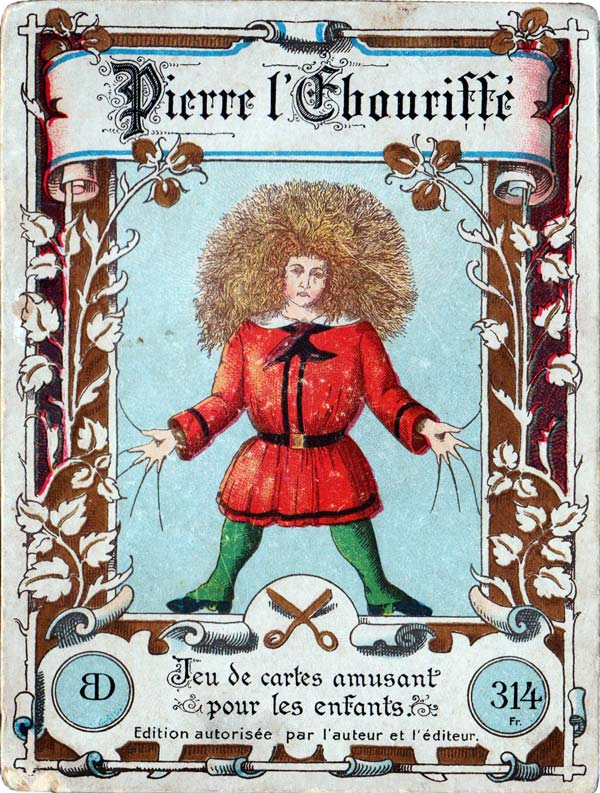
Above: the complete set contains 36 cards. The print quality and quality of the card and packaging are all excellent. According to the label on the box the game is authorized by the publisher as well as by the author, suggesting that it was first published before the death of Frankfurt psychiatrist and author Heinrich Hoffmann (1809-1894), who wrote the Struwwelpeter stories in 1847 for his son Carl. The Struwwelpeter stories quickly became famous in Germany and the success spread to other countries. The stories were translated into many languages→
Right: the box. All images courtesy Rex Pitts.
Dondorf Card Games
Dondorf began producing card games (rather than playing cards) in around 1870 with a then fashionable “Question and Answer” game which was obviously aimed at children because all the illustrations were of children. Around the same time there were children’s quartet games with sets such as Ass, Moon, Sheep etc and a musical game. By 1900 the “Struwwelpeter” game and “Wappen Quartet” were on the market. A “Black Peter” game appeared by 1905 but not so much with pairs of characters but pairs such as Trees, House and Cyclists. It seems that all the games cards were catalogued with a number beginning with a “3” and many are numbered between 314 and 352. This would suggest that at least 37 games were published up to the time when Dondorf were taken over. At this point Spears purchased the rights to the card games and continued to publish the educational ones featuring flowers and animals etc.

By Rex Pitts (1940-2021)
United Kingdom • Member since January 30, 2009
Rex's main interest was in card games, because, he said, they were cheap and easy to get hold of in his early days of collecting. He is well known for his extensive knowledge of Pepys games and his book is on the bookshelves of many. His other interest was non-standard playing cards. He also had collections of sheet music, music CDs, models of London buses, London Transport timetables and maps and other objects that intrigued him.
Rex had a chequered career at school. He was expelled twice, on one occasion for smoking! Despite this he trained as a radio engineer and worked for the BBC in the World Service. Later he moved into sales and worked for a firm that made all kinds of packaging, a job he enjoyed until his retirement. He became an expert on boxes and would always investigate those that held his cards. He could always recognize a box made for Pepys, which were the same as those of Alf Cooke’s Universal Playing Card Company, who printed the card games. This interest changed into an ability to make and mend boxes, which he did with great dexterity. He loved this kind of handicraft work.
His dexterity of hand and eye soon led to his making card games of his own design. He spent hours and hours carefully cutting them out and colouring them by hand.

Activity for Pierre l’Ebouriffé
Sign in to comment or save this article.

Related Articles
Englische Karten nr.190
Dondorf Nr.190“Englische Karten”, 1867-1895.
Tout Est Bien Qui Finit Bien
‘Tout Est Bien Qui Finit Bien’ family card game by Dondorf.
Zwarte Piet
Zwarte Piet by Dondorf for the Dutch market, 1906.
Die Vogel-Welt No. 351
Dondorf’s “Die Vogel-Welt” No. 351 quartet game, c.1905
Fairy Tales
German Fairy Tales Card Game.
Figures Amusantes
French language edition of a children's quartet game published by B. Dondorf, c.1900, consisting of ...
Fruits et Légumes
The beautiful artwork in Dondorf's “Fruits et Légumes” quartet game reminds us of the benefits of na...
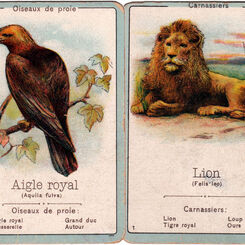
La Zoologie
Dondorf's “La Zoologie” card game no.335 features a collection of 40 chromolithographic prints of sp...
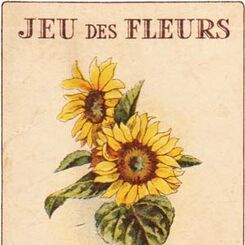
Jeu des Fleurs
Dondorf no.332: ‘Jeu des Fleurs’ French edition
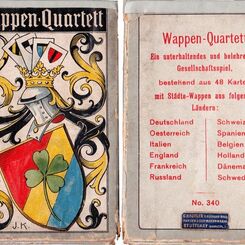
Wappen-Quartett
A coat-of-arms quartet game published by B. Dondorf, c.1900
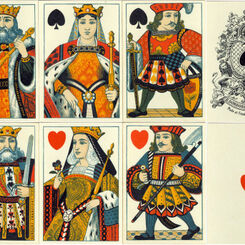
Birma Karte or Englische Karten
Based upon older ‘standard’ patterns, the Kings and Queens are three-quarter length figures whilst t...
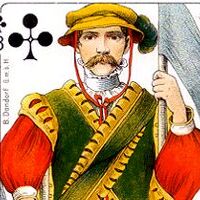
Hauptstadte Spiel
Each Ace shows views of two European capital cities.
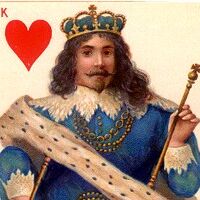
Whist No.178 ‘Stuart Zeit’
Although not historically accurate this example is subtitled “Stuart period”, with rich costumes cre...
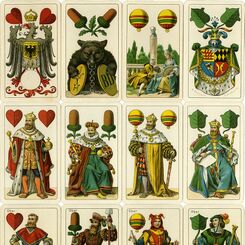
Einköpfige Deutsche Spielkarte No.303
Dondorf's ‘Einköpfige Deutsche Spielkarte No.303’ (‘Single-ended German Playing Cards’) were produce...
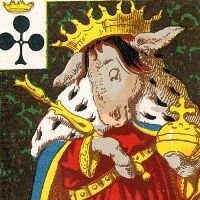
Cartes Comiques, 1870-1888
“Cartes Comiques”, published by B. Dondorf, printed by chromolithography, c.1870-1888.

Deutsches Luxusbild
The court cards in this well designed double-ended pack are realistically dressed in 16th century co...

Club Karte
There have been many variations in the design of “Club Karte” including the introduction of borders,...
Poker No. 140
Dondorf Poker-Karte No. 195, re-issued as Poker No. 140 for the "Argentina Compañia General de Naveg...
Tarot Microscopique
French-suited tarot cards made by B. Dondorf, c.1870.
Most Popular
Our top articles from the past 60 days