


Transformation of Playing Cards
The best-known fantasy playing cards are Transformation cards, in which figurative scenes are drawn around the suit symbols, making the pips an integral part of the design. This practice emerged around 1800, both as a popular pastime and as a playful test of invention and drawing skill. Early printed examples appeared in the first decades of the nineteenth century, sometimes issued in almanac form and occasionally described as metastasis, and quickly became a fashionable novelty. In the strict sense, a transformation preserves the pips in their standard positions, incorporating them into the image rather than disguising or relocating them.
Transformation Playing Cards are those in which the ordinary pip cards have been integrated into a new design thereby 'transforming' the playing card into a miniature graphic artwork. The pips must retain their traditional position and shape, so it is challenging to create a good overall composition. Some packs have standard court figures but others do not. Thus every card carries a different design, some of them extremely ingenious.
A New Form of Creative Art...
The exact date of their origin is unknown, but must have been within a few years of 1800. The idea became popular in late 18th or early 19th century as a pastime. Cards, maybe from incomplete packs, were 'transformed' using pen and ink, often with the addition of colour, into amusing miniature scenes. In those days packs did not have corner indices so there was more space available for the artwork. It is rather like transforming random squiggles or spots on a piece of paper into a picture, testing your ingenuity and artistic ability.
In France sets of “jeux à cartes transformées” often depicted satirical themes which earned them the name “jeux de cartes à rire”, or less often that of “jeux grotesques”.
A considerable fashion for them developed throughout the 19th century and many miniature masterpieces were created. Transformed packs were even made for fortune-telling. At the same time, printed almanacs were published containing drawings designed as playing cards and these also became a fasionable novelty. The first of these appeared in the “Taschenbuch für 1801”, published in Brunswick in 1800, representing scenes from Samuel Butler’s “Hudibras” (which lampoons the Puritans and was originally published 1663-1678) on eight cards designed by D.W. Soltan. This was not a complete pack, just eight cards, some of them duplicated.
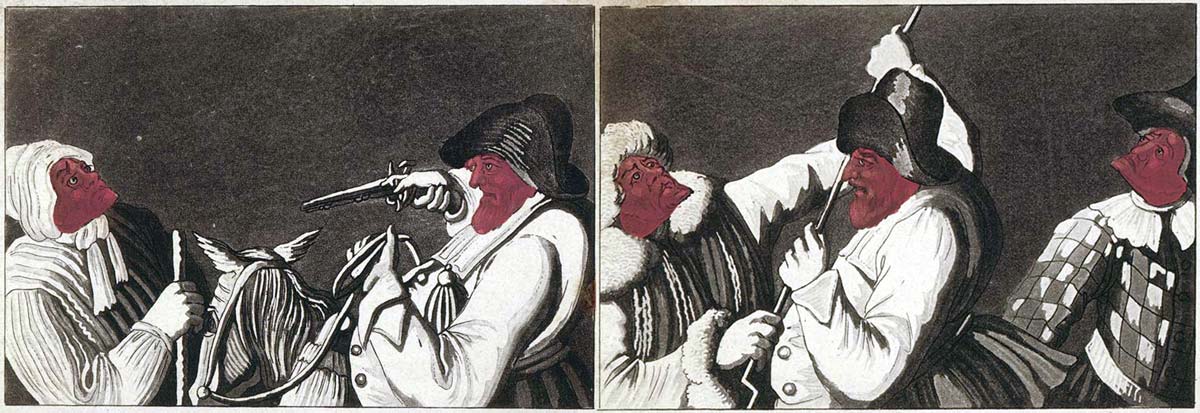
Above: two copper engraved ‘transformed’ playing cards (from a set of eight) designed by D.W. Soltan in c.1800 representing scenes from Samuel Butler’s satirical bestseller “Hudibras”. Images © Bibliothek für Bildungsgeschichtliche Forschung.
Twelve transformation cards were engraved by Christoph Haller von Hallerstein and dated 1802. This incomplete set was published the following year as “Bout-Rimes Pittoresques.” These early transformations were not intended to be used to play card games, but were a new form of creative art.
In c.1802 Jan Rustem (1762-1835) composed “Cartes Barbouillées” (“Kitsch Cards”) and “Cartes de Fantaisie” (“Fantasy Cards”) from different drawings and sketches (mythological, religious and domestic compositions, still lifes and portraits), deciding where to place the symbols and playing with stories, motifs and cultural allusions. However, it does not appear that the artist wanted to make a complete pack to play with.
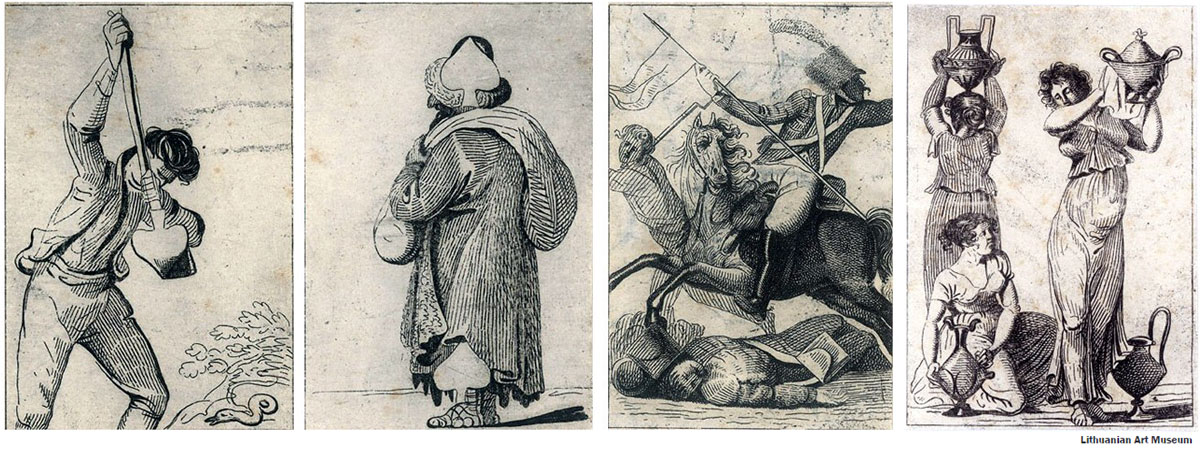
Above: “Cartes Barbouillées” transformed playing cards by Jan Rustem (1762-1835) in the Lithuanian Art Museum.
The first complete pack was printed in 1804 and published in 1805 by J. G. Cotta, a publisher and bookseller in Tübingen, Germany. The twelve court cards depict characters from Friedrich von Schiller's tragedy Die Jungfrau von Orleans (The Maid of Orleans) but the transformed pip cards are unrelated see more→
Cotta went on to publish a total of six almanacs of transformation packs.
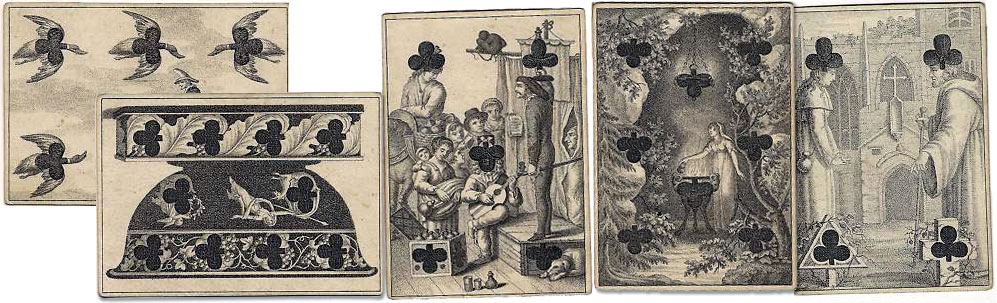
Above: pip cards from J. G. Cotta's “Classical Antiquity” transformed playing cards, designed by Charlotte von Jennison-Walworth, published in 1806.
19th century hand-drawn packs are now extremely scarce... some of them contain original ideas, humorous caricatures or comical satires of the theatre, politicians or opera stars, or else epic heroes of classical antiquity and so on. Some of them tell a story or recount a nursery rhyme. Others contain contemporary social scenes including ethnic stereotypes which might be incorrect today, showing how social attitudes have changed. Whilst many are ingenious in their design, others do not display so much originality; if the pips do not fit in with the design they are placed therein just the same. We can imagine families in their drawing rooms, by the fireside, reading, smoking, cross-stitching or doodling on old playing cards...
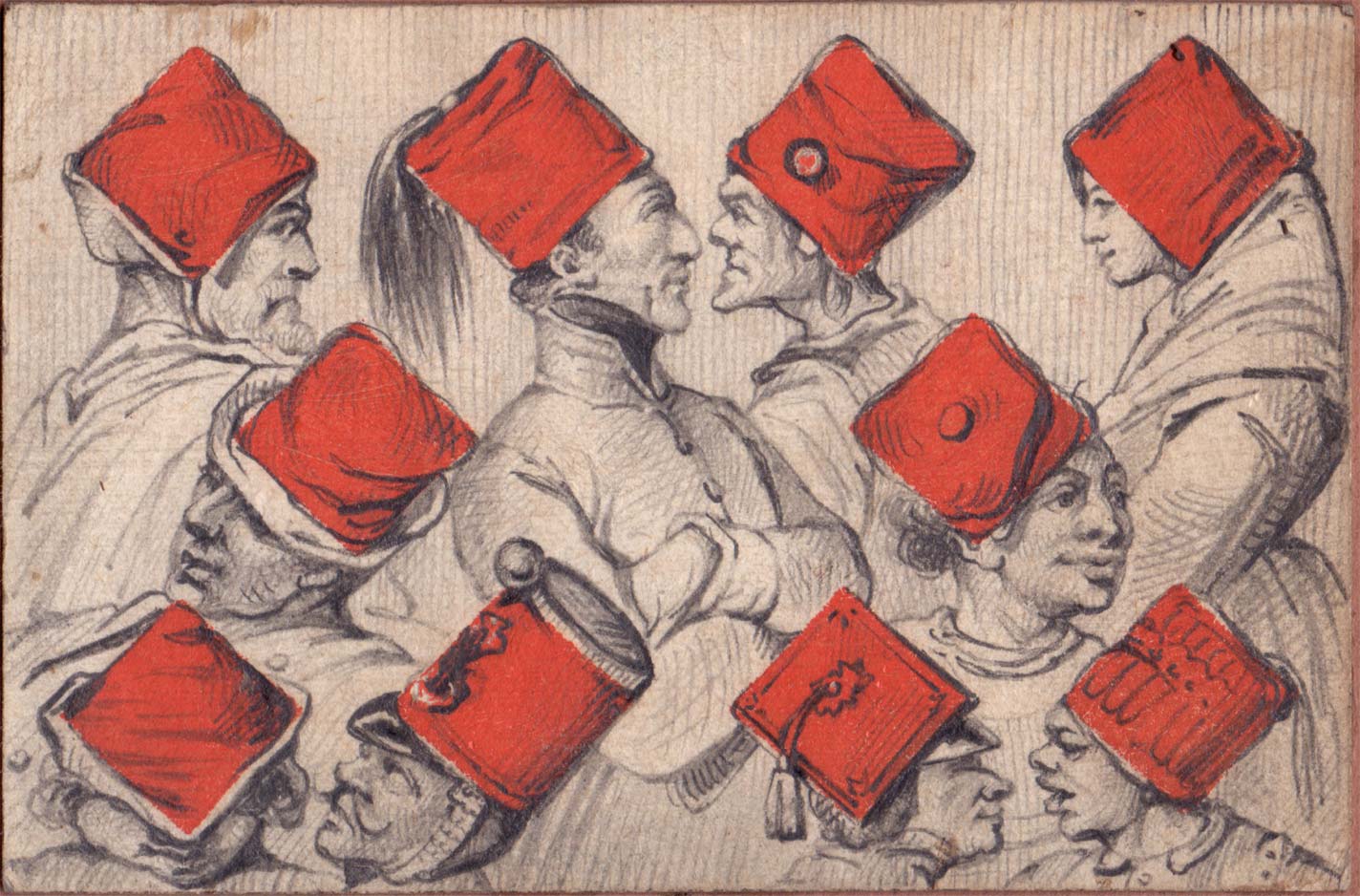
Above: hand drawn transformation card by a skilled artist on a 10 of diamonds, early to mid-19th century, possibly French. Courtesy David Potter.
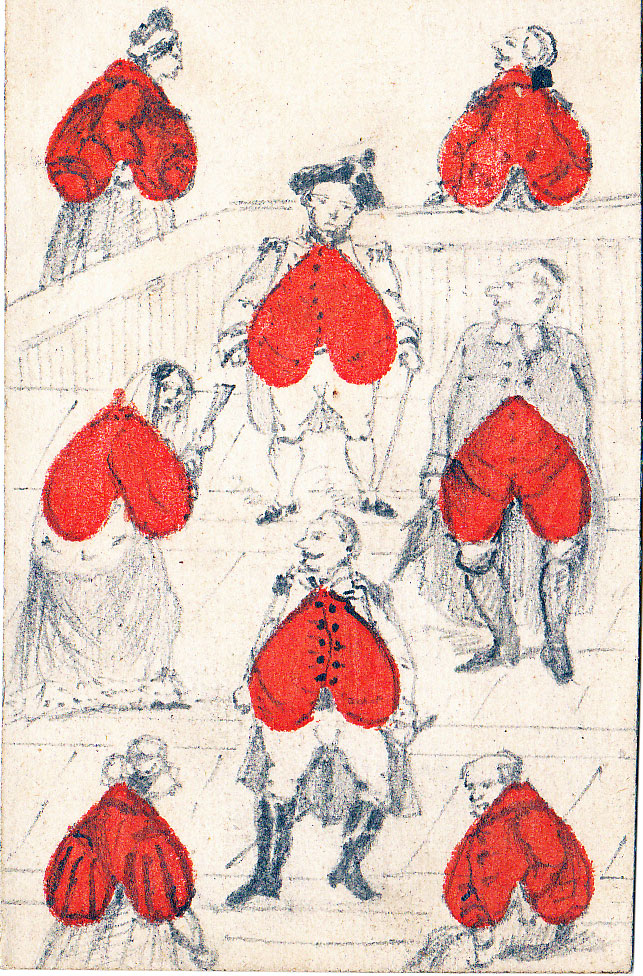
Above: hand drawn transformation card on an eight of hearts, mid-19th century, possibly French. Courtesy David Potter.

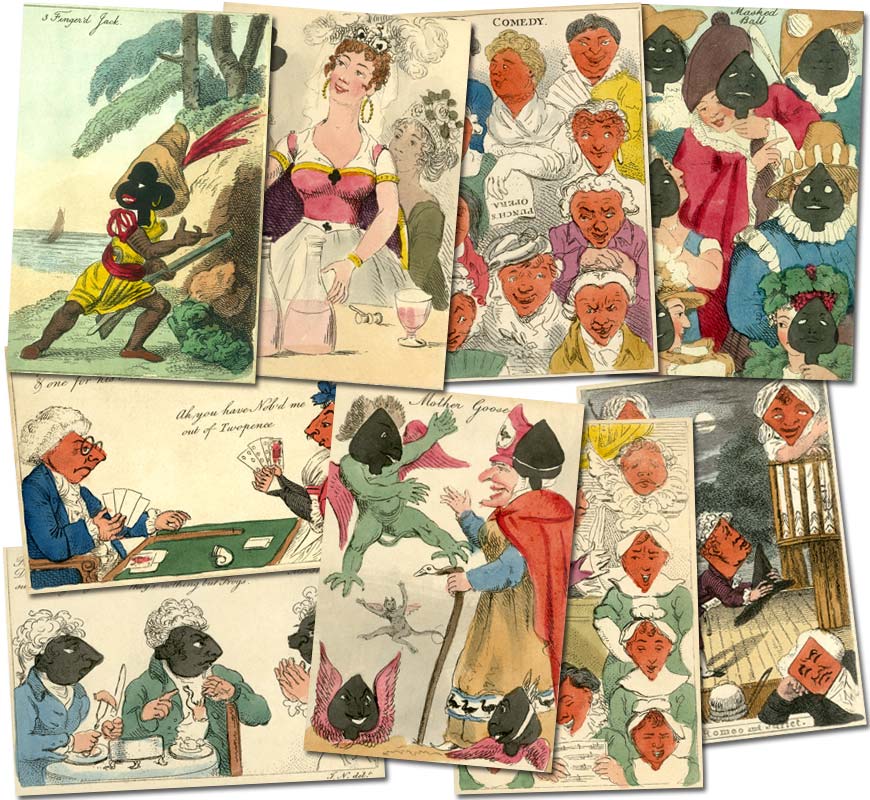
Above: "Metastasis" Transformation Cards, designed by John Nixon and published in 1811 by S & J Fuller, London. A new reproduction edition of this pack is available from the E.P.C.S. These designs were later re-used in other packs. Click here.
Rudolf Ackermann published a popular monthly periodical titled “Repository of Arts, Literature, Fashion etc” in 1818 and 1819 in which he included plates of original transformation playing cards as this was a popular topic amongst the gentry. Similar packs, differing slightly in design, were published in Austria, France and America.
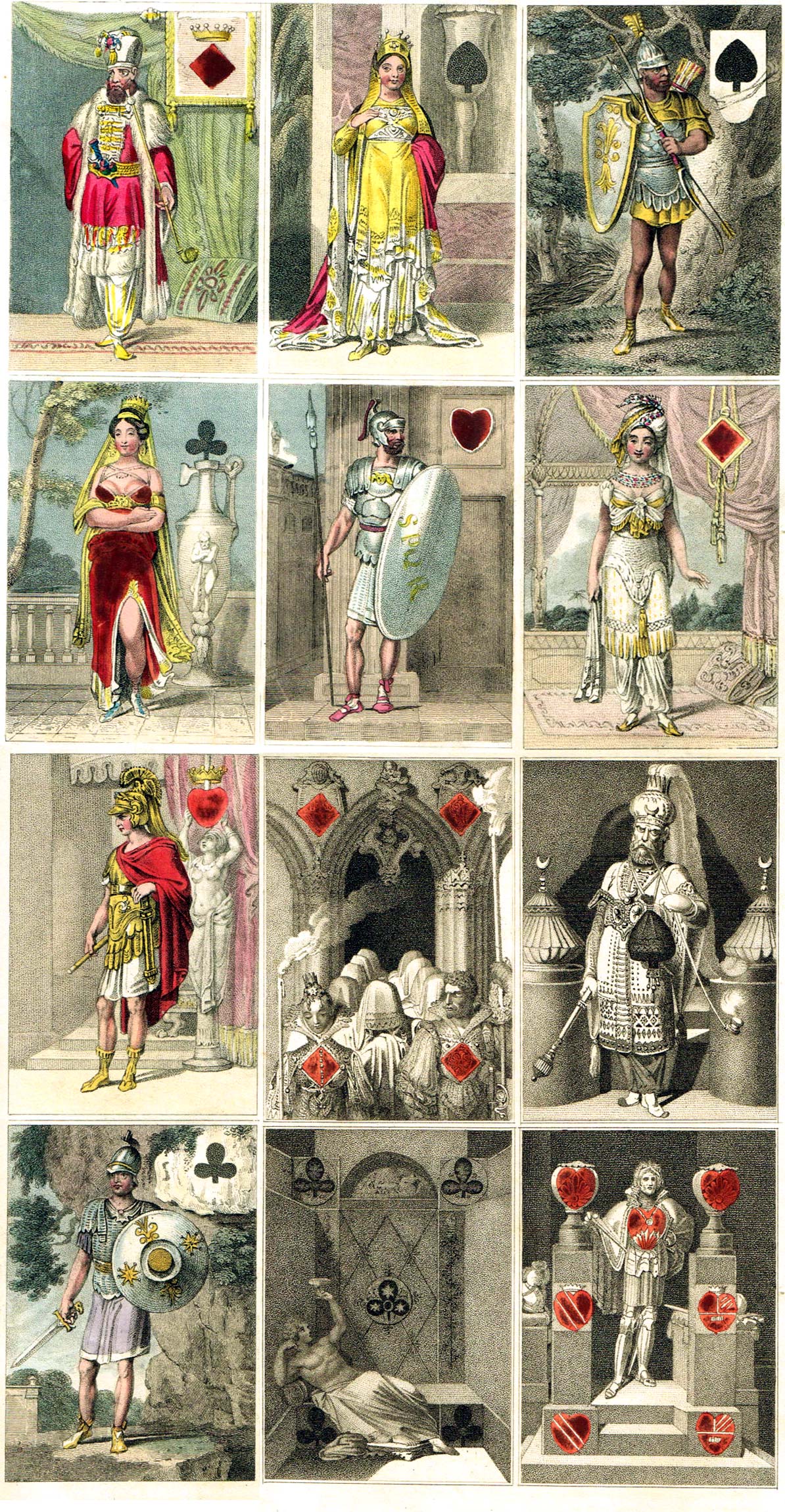
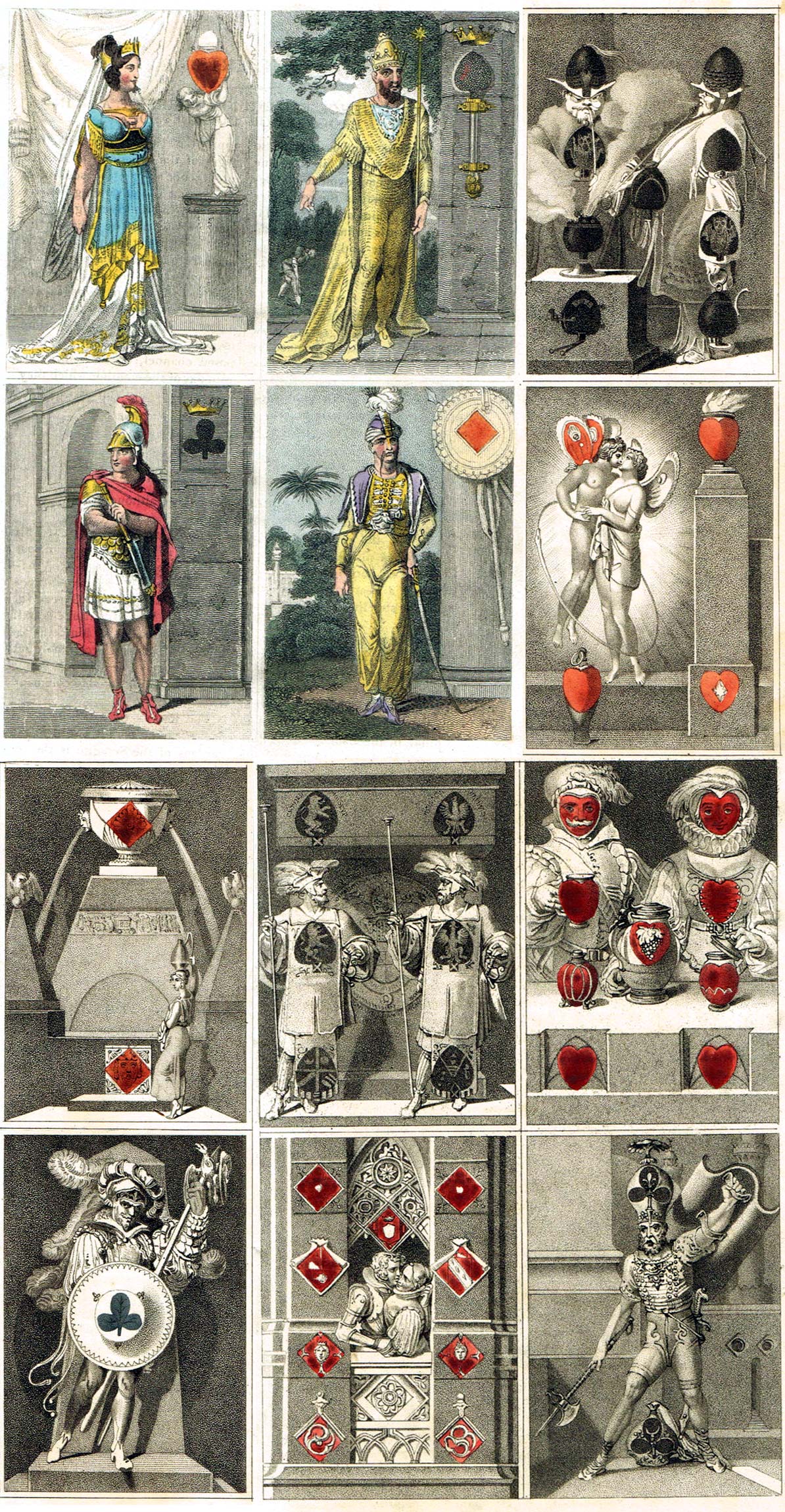
Above: these cards first appeared as plates in "The Repository of Arts, Literature, Fashion etc." published by Ackermann in 1818-19. There were 52 cards in total. Images courtesy John Sings. See also: Bartlett Ackermann Transformation→
Generally-speaking, cards can be ‘transformed’ in several different ways. One method is to design a scene which occupies the entire card and cleverly incorporates the pip symbols into the design. Another method is to transform each pip into a flower or insect so that the result shows, say, six beetles moving across the card. In some cases the pips themselves are transformed into faces which become part of a caricature. Cards can be oriented the way which best suits the artist; upright, inverted or landscape. Extra colours can be added as highlights or illumination.
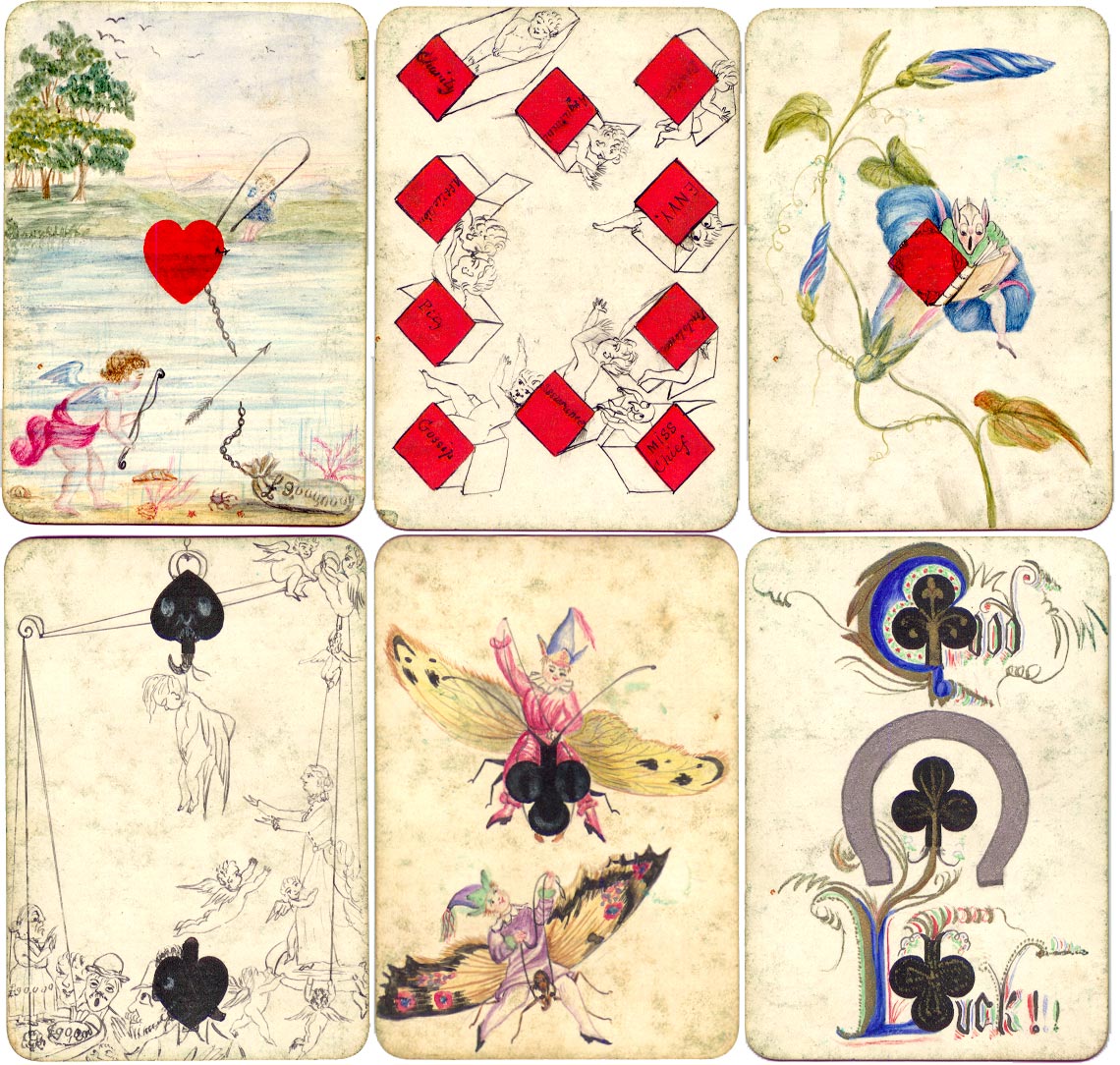
Above: hand drawn and painted onto a De la Rue pack, c.1890. Double-ended cards, no corner indices, round corners.
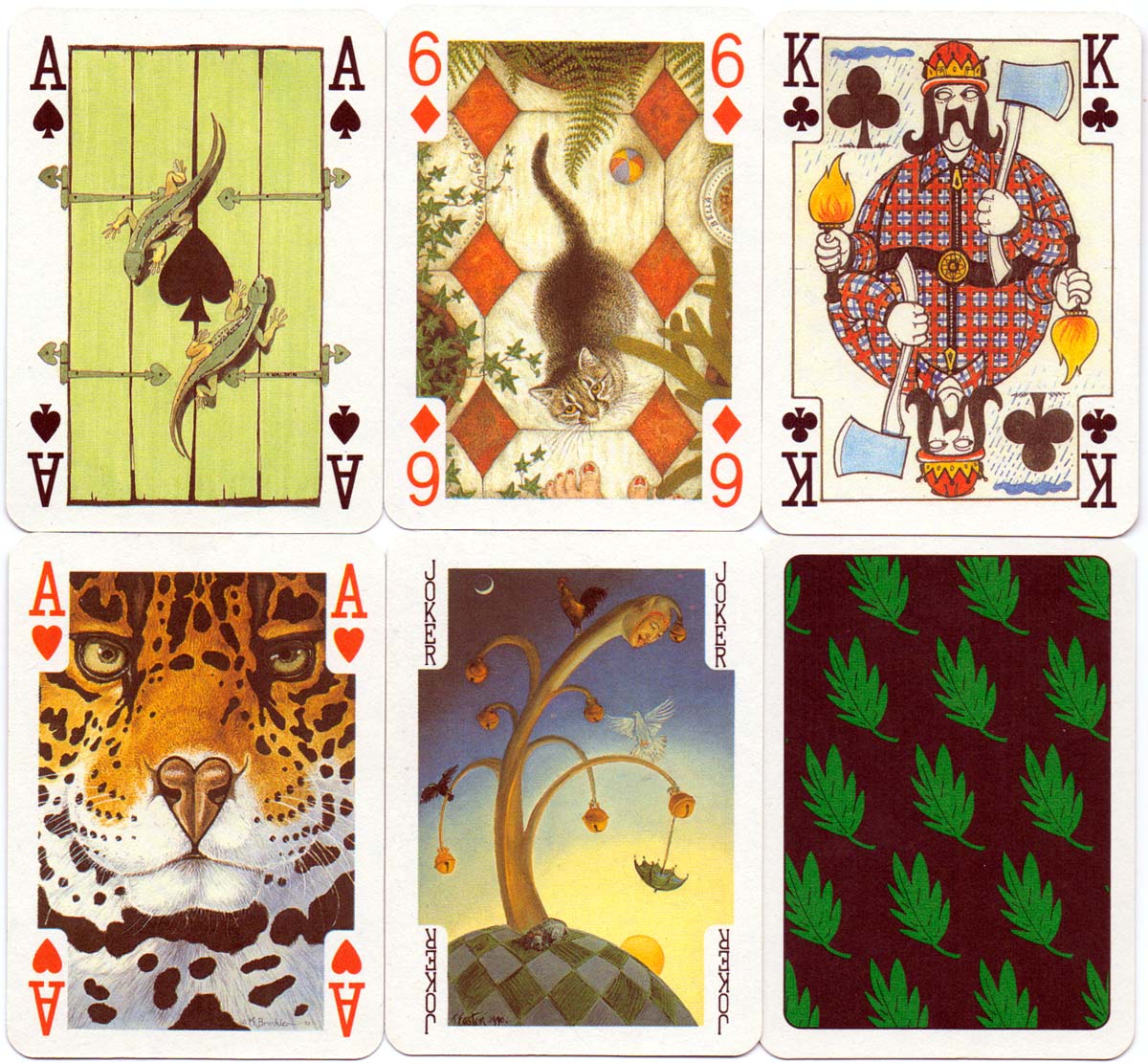
Above: "Art for the Earth" Playing Cards published by Andrew Jones Art for The Friends of the Earth, 1992. Royalties from the sale of the pack went towards the campaign to sustain the world's tropical rainforests.
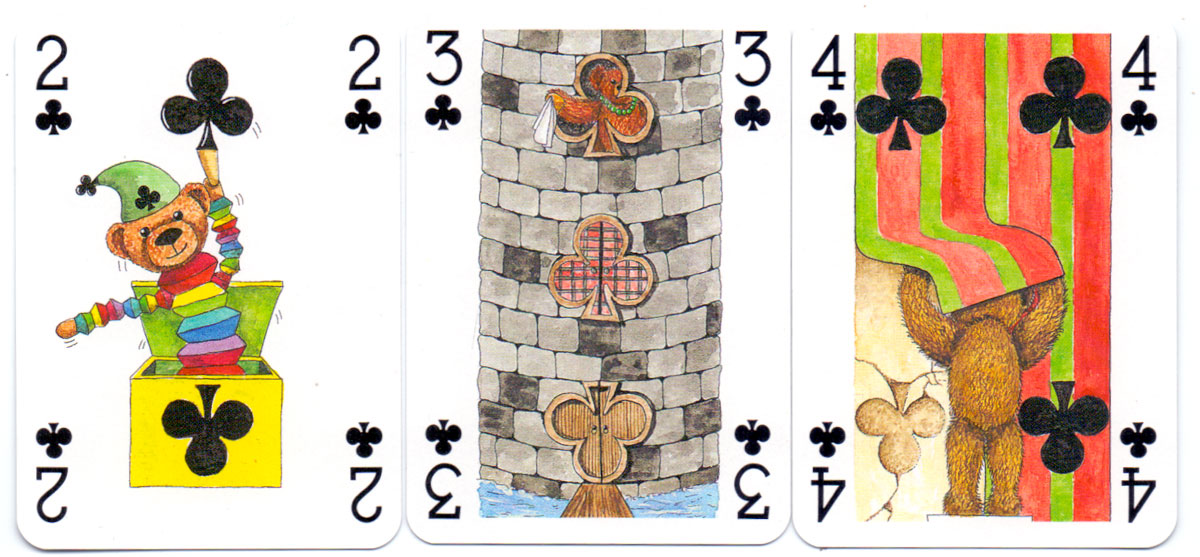
Above: three cards from Peter Wood's 'Teddy Bears' Transformation pack of playing cards (1994).
REFERENCES
Field, Albert: Transformation Playing Cards, U.S. Games Systems Inc., Stamford, CT, 1987
Mann, Sylvia: Collecting Playing Cards, Arco Publications, 1966
Mann, Sylvia: All Cards on the Table, Jonas Verlag/Deutsches Spielkarten-Museum, Leinfelden-Echterdingen, 1990
Strand Magazine: Playing-Card Squiggles, December 1910
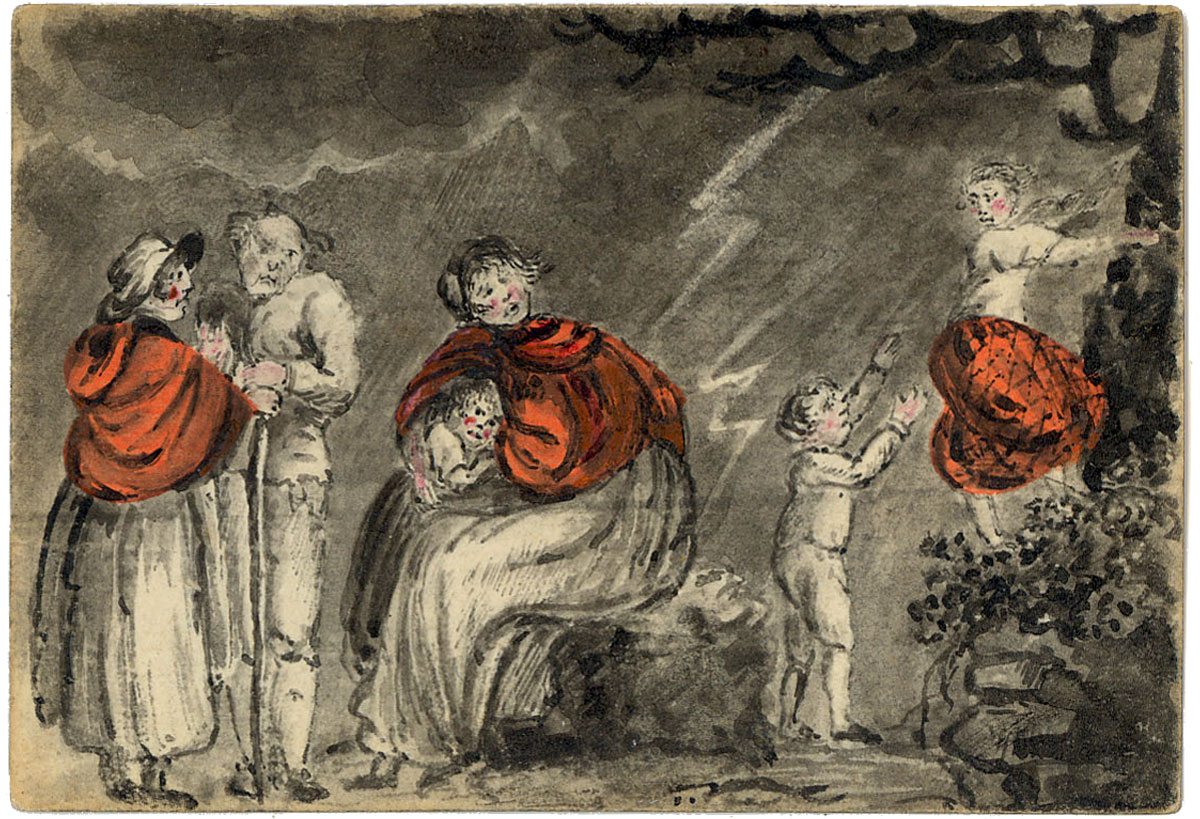
Above: hand-painted Transformation, c.1800-20
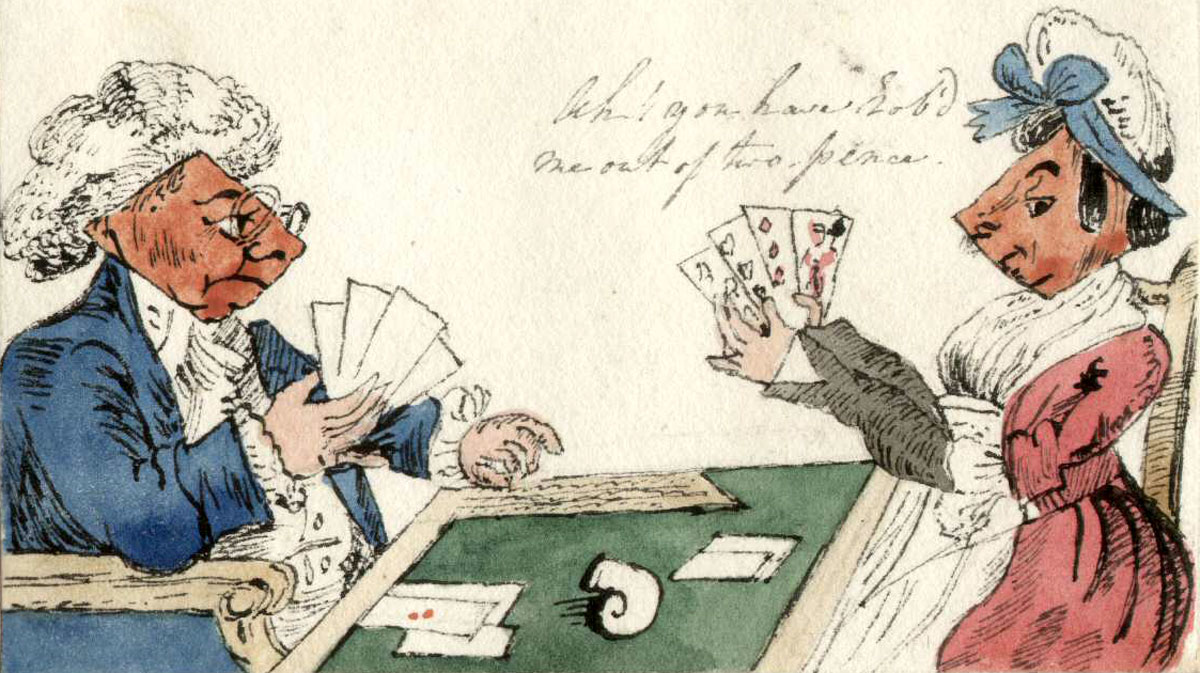
Above: John Nixon, 1803
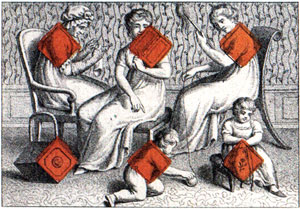
Above: Cotta Transformation playing cards, 1804
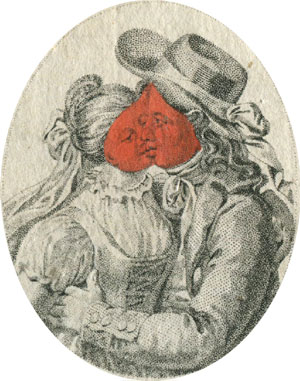
Above: The Kiss, 1808
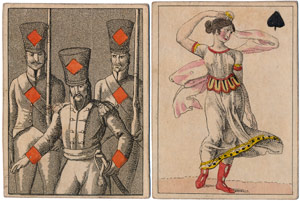
Above: H. F. Müller Transformation Vienna, 1809
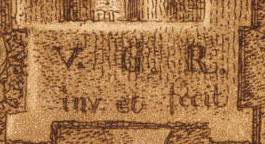
Above: Vincenz Raimund Grüner, Almanac, 1809
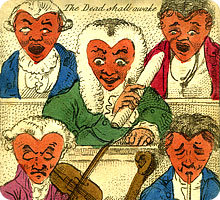
Above: Metastasis - 1811
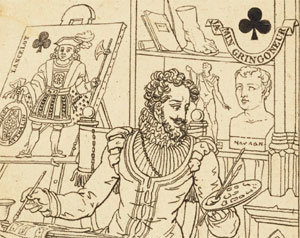
Above: “Cartes Comiques” by Louis Atthalin, 1817
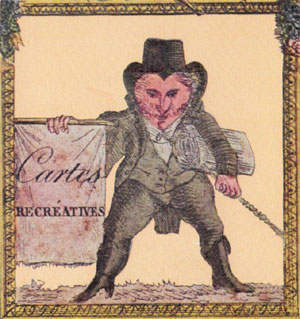
Above: Cartes Recréatives, 1819
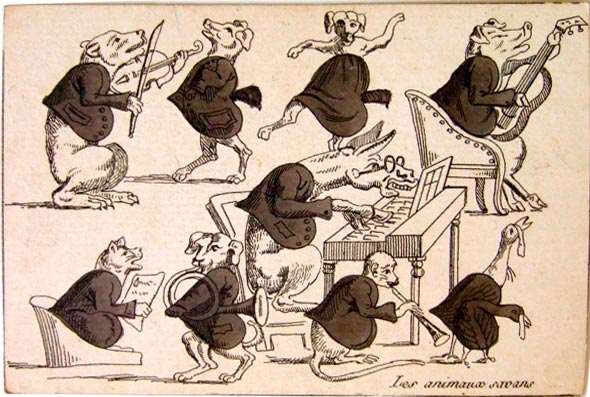
Above: Cartes à rire “des journaux”, 1819
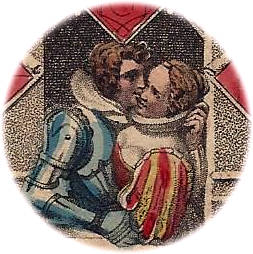
Above: Bartlett Ackermann, 1833
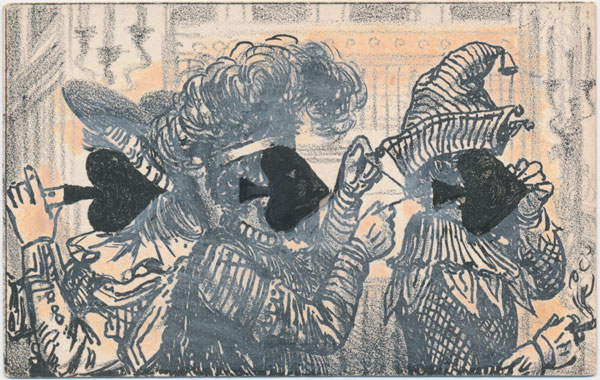
Above: Carl Arnold, 1856
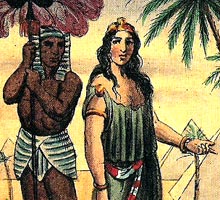
Above: Adolfo Matarelli (1832-1877)
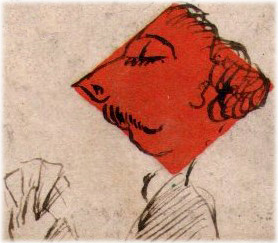
Above: transformed playing cards on a pack by Goodall & Son, c.1870, with Christmas-themed back.
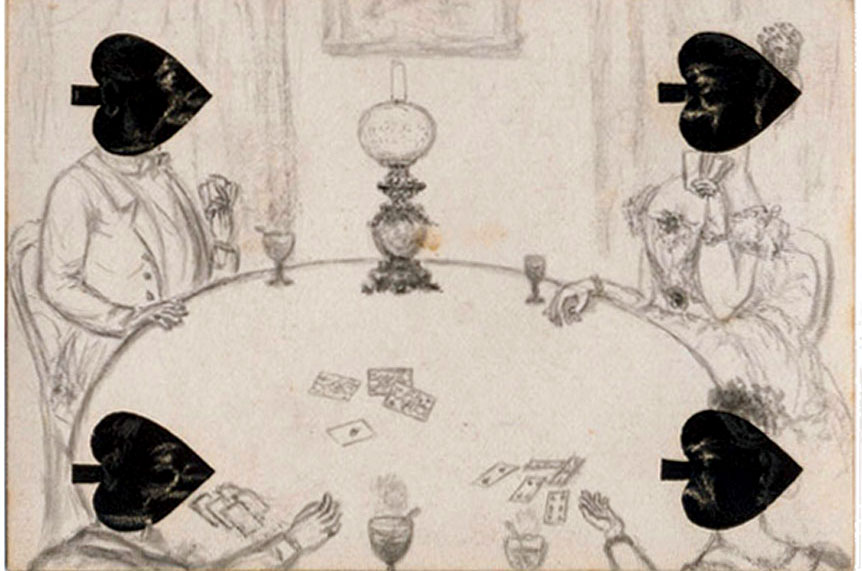
Above: Thomas Walters, 1874
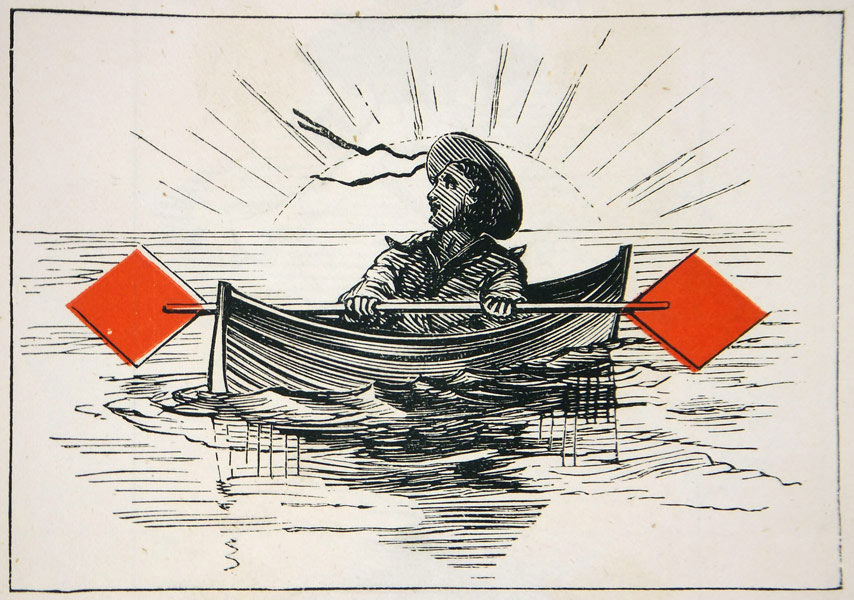
Above: “A Motley Pack” by George G. McCrae, c.1875
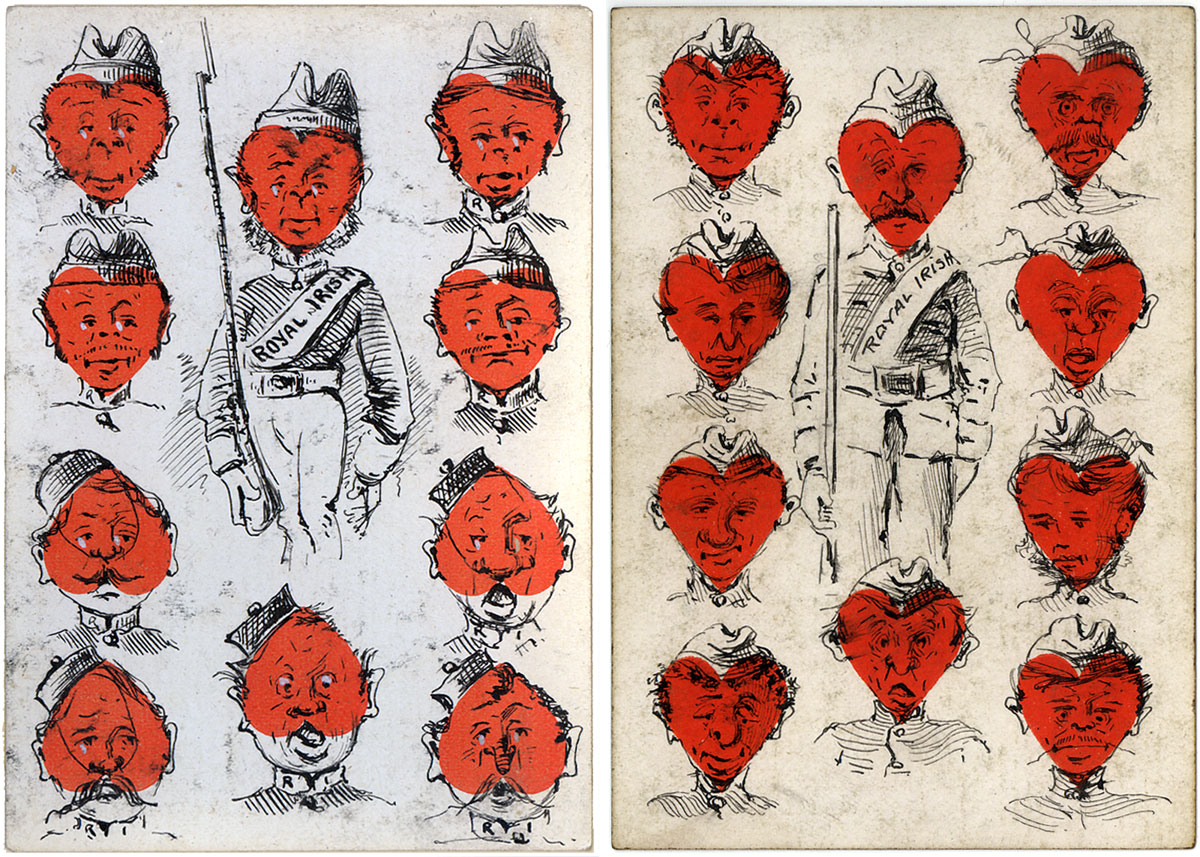
Above: a pair of hand-drawn Transformations, c.1875
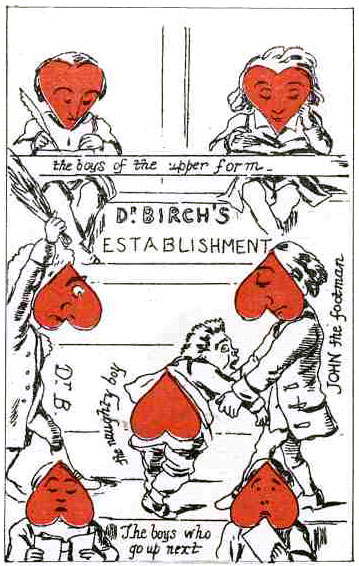
Above: Thackeray Transformation Cards, 1876
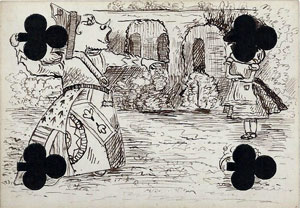
Above: hand-drawn Transformation, c.1880
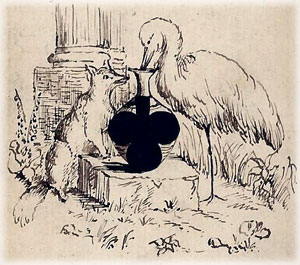
Above: hand-drawn Transformation, c.1880
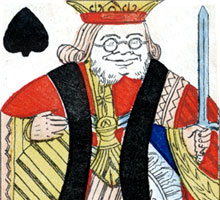
Above: Alfred Crowquill.
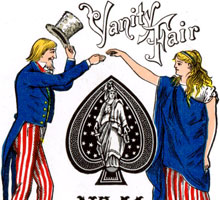
Above: Vanity Fair.
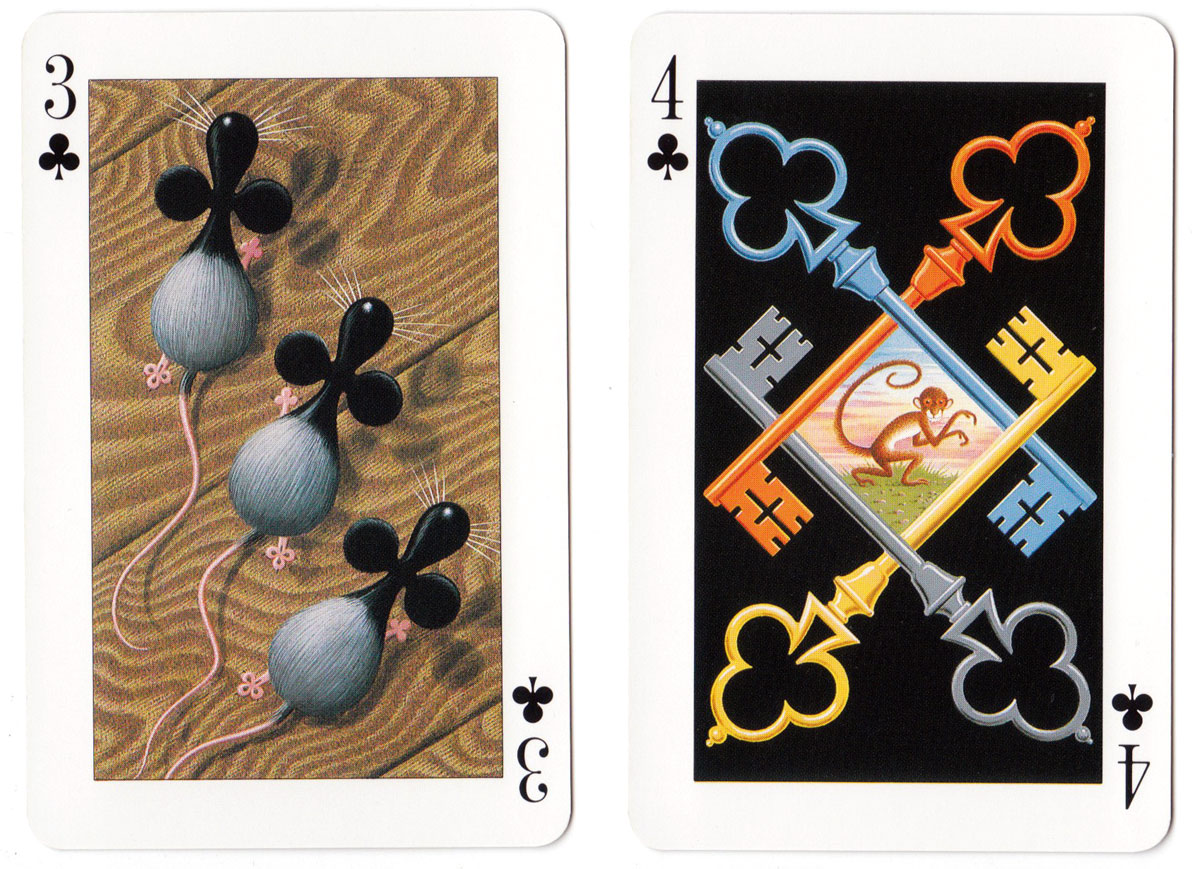
Above: Key to the Kingdom by Tony Meeuwissen, 1992.
Above: E. P. C. S. 10th Anniversary Transformation by Karl Gerich, 1993.
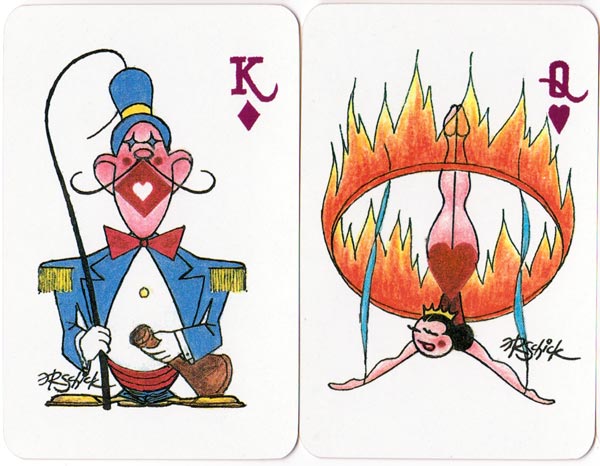
Above: Circus Transformation.
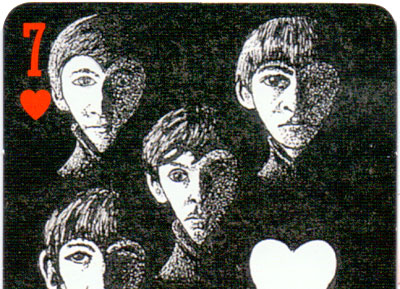
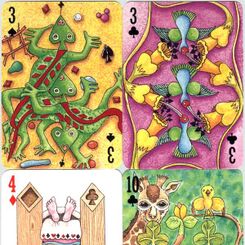
Above: 2000 Pips Transformation.
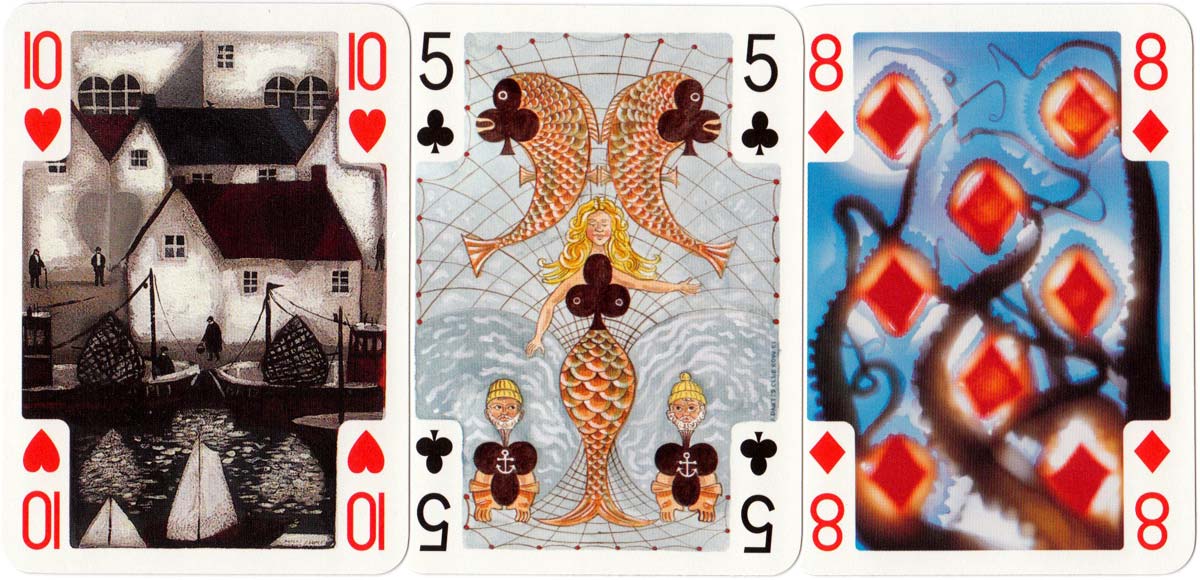
Above: “Under the Sea”, 2006.
Spanish Suited Packs
Spansih packs as early as the 16th century were sometimes 'transformed' by the addition of children and animals cavorting amongst the suit symbols. Similarly see the pack of cards by the Master of the Banderoles→
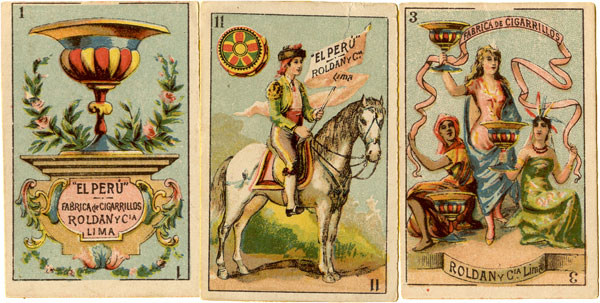
Above: Fabrica de Cigarrillos Roldan y Cia, Lima, Peru, c.1890.
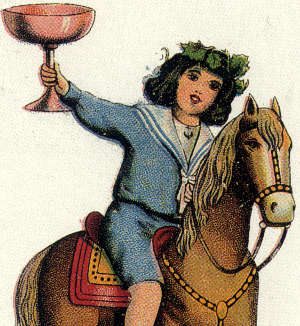
Above: Litografías Industrias Madriguera, Barcelona, c.1896.
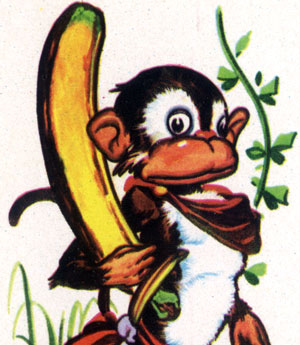
Above: Zoo Comics by Litografía Ferri, 1968.
See also: Pack of Dogs Mermaid Queen Bag of Bones Kitten Club Palladin Curator

By Simon Wintle
Spain • Member since February 01, 1996
I am the founder of The World of Playing Cards (est. 1996), a website dedicated to the history, artistry and cultural significance of playing cards and tarot. Over the years I have researched various areas of the subject, acquired and traded collections and contributed as a committee member of the IPCS and graphics editor of The Playing-Card journal. Having lived in Chile, England, Wales, and now Spain, these experiences have shaped my work and passion for playing cards. Amongst my achievements is producing a limited-edition replica of a 17th-century English pack using woodblocks and stencils—a labour of love. Today, the World of Playing Cards is a global collaborative project, with my son Adam serving as the technical driving force behind its development. His innovative efforts have helped shape the site into the thriving hub it is today. You are warmly invited to become a contributor and share your enthusiasm.

Activity for Transformation of Playing Cards
Sign in to comment or save this article.

Related Articles
Karten-Almanach
Fifth Transformation Card Almanac published by J.G. Cotta’s bookshop, 1810.
Calligraphy Card Game
Military figures executed in calligraphic flourishes by Johann Christoph Albrecht.
Hallmark
A folksy take on playing card courts.
Allegories and Myths
Semi-transformation playing cards from artist Violeta Monreal.
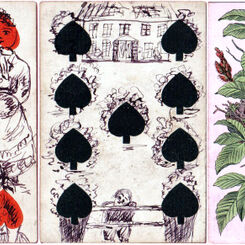
Hand-drawn transformation cards, c1870
Whimsical pen-and-ink drawings copied from the Maclure, Macdonald & Macgregor transformation pack.
Colour doodle deck
“1952-2002 commemorative deck” customised with doodles by an uncredited artist, UK, 2011.
Politicards 2008
Politicards ’08 with caricatures cast as characters from classic movies, USA.
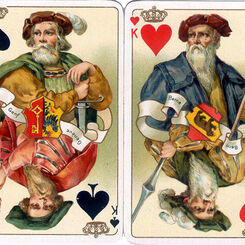
Schweizer Trachten
Schweizer Trachten No.174 (Costumes Suisses) by Dondorf.
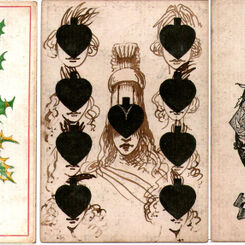
Transformation Cards for Christmas
Hand-drawn Transformation cards, c.1870.
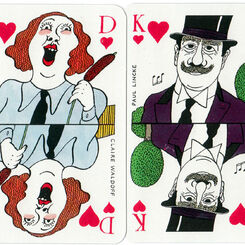
Berliner Originale
“Berliner Originale” designed by Manfred Bofinger, 1986.
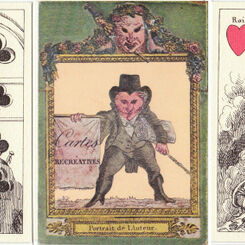
Cartes Recréatives
Cartes Recréatives is a set of Transformed playing cards designed by Armand-Gustave Houbigant (1790-...
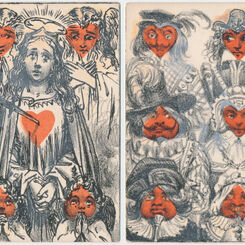
Carl Arnold Transformation
Transformation playing cards designed by Carl Johann Arnold (1829-1916), the court artist for King F...
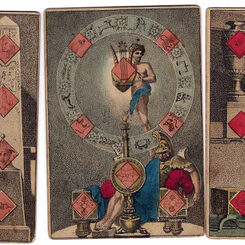
Bartlett Ackermann Transformation
Pictorial playing cards published by C. Bartlett, New York, 1833.
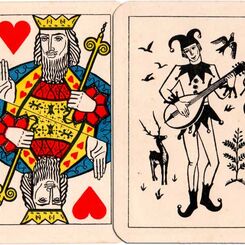
Anonymous Dutch deck, 1940s
Anonymous Dutch deck, 1940s
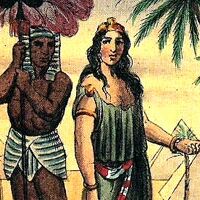
Adolfo Matarelli Transformation
Matarelli was a well known caricaturist who first illustrated Carlo Collodi's famous Pinocchio story...
Inky-Dinky Playing Cards
A series of four decks designed by John Littleboy.
2000Pips Transformation Pack
2000Pips Transformation Pack
Wild! by Peter Wood
Wild! by Peter Wood.
The History of Playing Cards
Playing cards appear in European records in the late 14th century, but their earlier history lies fu...
Hidden Mickeys
HiddenMickeys
Most Popular
Our top articles from the past 60 days


